15 Essential Spices Every Home Cook Needs for Flavor Packed Meals
Your kitchen cabinet holds the secret to transforming bland dishes into flavor bombs that’ll make your dinner guests beg for recipes. These 15 spices don’t just add taste – they’re your culinary superheroes, rescuing ordinary Tuesday dinners from the depths of boredom. I’ve watched kitchen novices become food wizards just by knowing which spice jars to reach for.
I once ruined a perfectly good chicken by skipping the basics (looking at you, garlic powder). That kitchen disaster taught me that having the right spices isn’t fancy – it’s practical cooking insurance. From the sharp kick of cayenne to the warm hug of cinnamon, each spice brings its own personality to your cooking party.
Think of your spice collection as a painter’s palette, except instead of creating art on canvas, you’re crafting masterpieces on dinner plates. The difference between “meh” meals and “wow” dishes often comes down to a pinch of this or a dash of that. These 15 must-have spices don’t cost much, but they’ll make you cook like you spent years in culinary school.
Bay Leaves
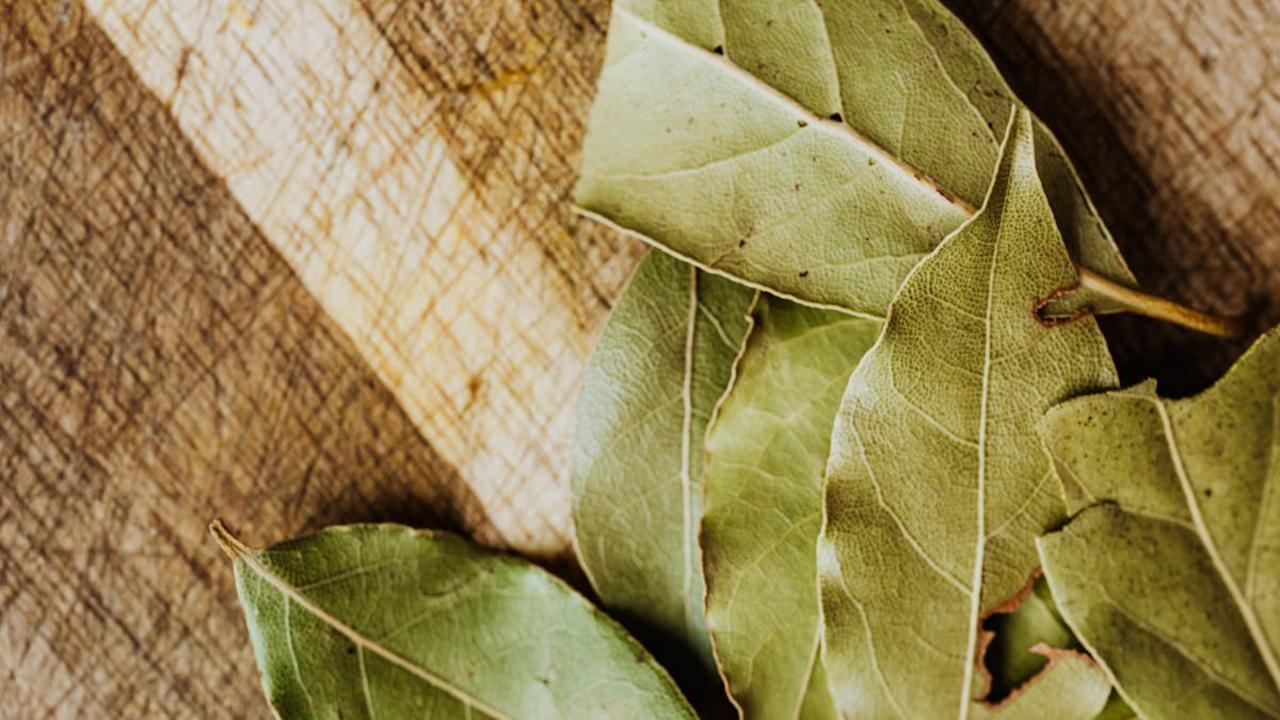
You know that mysterious, slightly bitter leaf your grandmother always tossed into her soup pot? That’s a bay leaf, and if you’ve been fishing it out and wondering why anyone bothers with this seemingly flavorless green thing, you’re missing one of cooking’s best-kept secrets. Bay leaves work like culinary ninjas—silent, subtle, but absolutely transformative. They don’t scream for attention like garlic or basil, but remove them from your slow-cooked stews, and you’ll notice something’s terribly wrong. These aromatic leaves release compounds that create depth and complexity, turning ordinary broths into liquid gold. Fun fact: ancient Greeks crowned their Olympic champions with bay leaf wreaths, which means your beef stew is basically winning medals.
Here’s the thing about bay leaves—you never eat them whole because they stay tough and can actually be dangerous if swallowed (they’re like nature’s little booby traps). Instead, they infuse their magic during cooking, then you fish them out like you’re hunting for treasure. Turkish bay leaves are the premium choice, with a sweeter, more refined flavor than their California cousins. Toss one or two into your next pot of rice, beans, or marinara sauce and watch ordinary ingredients transform into something that tastes like it’s been simmering in an Italian nonna’s kitchen for hours. Pro tip: crush them slightly before adding to release more flavor—your future self will thank you when that incredible aroma starts wafting through your kitchen.
Nutmeg
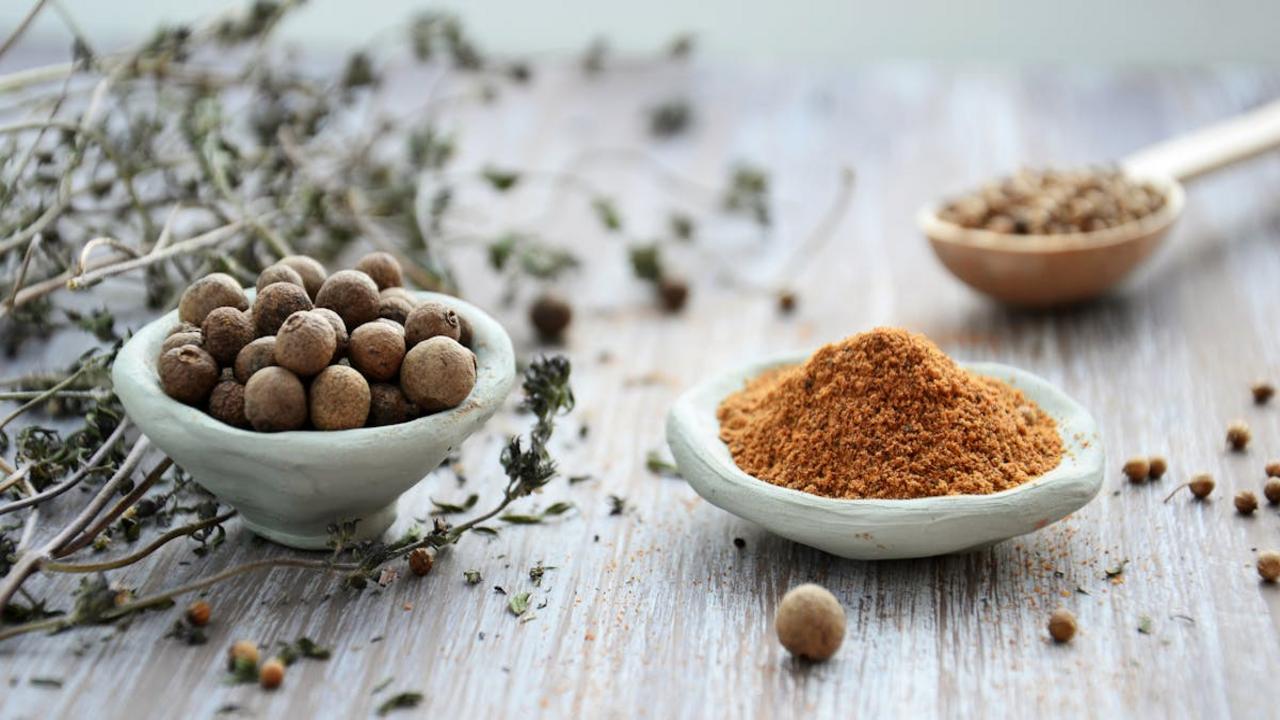
Picture this: you’re holding a little brown oval that looks like it belongs in a craft store, not your spice rack. That’s nutmeg for you – the world’s most underestimated flavor powerhouse! This tiny seed comes from the nutmeg tree’s fruit (which also gives us mace, because nature loves overachievers), and here’s where it gets weird: nutmeg trees are either male or female, and you won’t know which until they’re about seven years old. Talk about commitment issues! But once you crack open that hard shell and grate some fresh nutmeg, your kitchen transforms into something magical.
Now, don’t go crazy with this spice – a little pinch goes further than your college budget ever did. Nutmeg plays beautifully with both sweet and savory dishes, making your béchamel sauce sing opera and your apple pie do a little happy dance. Sprinkle some over your morning latte, fold it into mashed potatoes, or dust it across custard tarts. Fun fact: medieval merchants once traded nutmeg for gold, and honestly, after tasting homemade eggnog with freshly grated nutmeg, I totally get it. Keep whole nutmegs in your pantry and grate them fresh – pre-ground nutmeg tastes like sawdust compared to the warm, complex notes you’ll get from the real deal.
Ginger
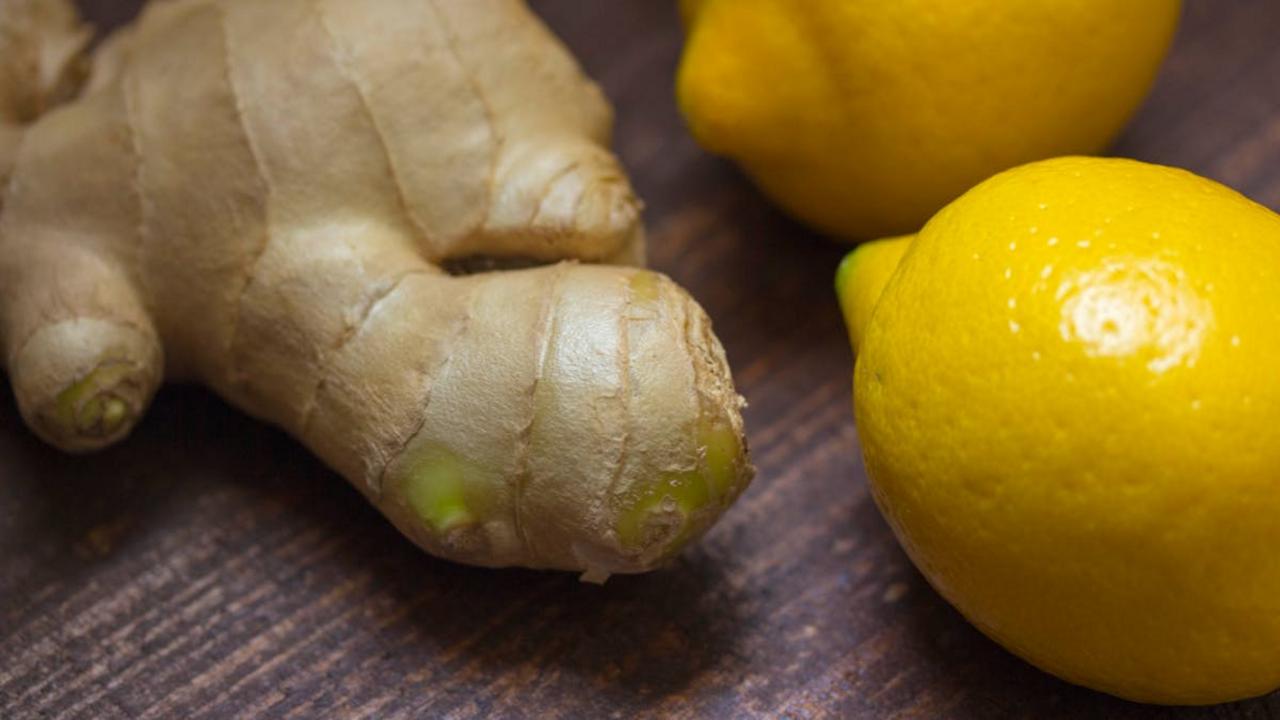
Meet ginger, the knobby root that looks like it belongs in a fairy tale but packs more punch than a heavyweight boxer. This golden wonder started its career in Southeast Asia thousands of years ago, and here’s a fun fact that’ll knock your socks off: ancient Romans valued ginger so highly they used it as currency. Imagine paying your rent with a handful of these wrinkled roots! Fresh ginger brings that bright, zingy heat that makes your mouth tingle in the best possible way, while ground ginger delivers a warmer, more mellow spice that’s perfect for cookies and cakes. I keep both versions in my kitchen because they’re like two completely different personalities – fresh ginger is the life of the party, while ground ginger is the sophisticated older sibling.
You’ll find ginger playing matchmaker in countless dishes, bringing together sweet and savory flavors like a professional wingman. Toss fresh ginger into stir-fries, grate it into marinades, or steep it in hot water for a throat-soothing tea that’ll cure whatever ails you. Ground ginger transforms ordinary sugar cookies into spiced masterpieces and turns plain old pumpkin pie into something magical. Here’s my secret weapon: I always keep a chunk of fresh ginger in the freezer because frozen ginger grates like a dream and lasts for months. Plus, scientists have discovered that ginger contains compounds called gingerols that can actually help settle your stomach – so technically, that extra slice of ginger cake is basically medicine, right?
Thyme
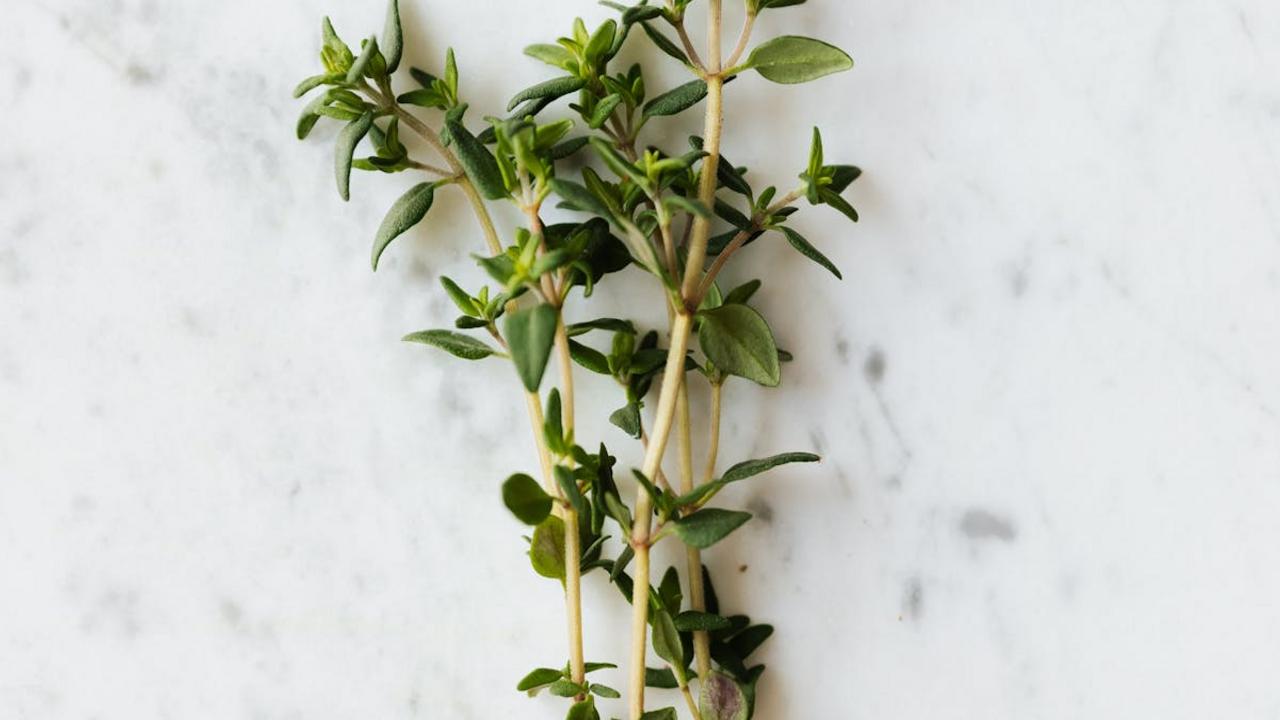
Thyme might look like tiny green confetti that escaped from a fairy garden, but don’t let its delicate appearance fool you – this herb packs more personality than your overly chatty neighbor. With its earthy, slightly minty flavor and that distinctive piney aroma, thyme transforms ordinary dishes into something that makes people lean back in their chairs and say “mmm” with their eyes closed. I once watched my grandmother sprinkle thyme over roasted chicken like she was casting a delicious spell, and honestly, the magic was real. The herb contains compounds called phenols that give it natural antimicrobial properties, which explains why ancient Egyptians used it for mummification – talk about preserving flavor for eternity!
Fresh thyme versus dried thyme is like comparing a live concert to a recording – both have their place, but the experience differs completely. Fresh thyme leaves burst with brightness and work beautifully in Mediterranean dishes, while dried thyme brings concentrated earthiness that’s perfect for slow-cooked stews and roasts. Here’s a pro tip that changed my cooking game: strip thyme leaves by running your fingers backward along the stem – it’s oddly satisfying and saves you from playing tiny-leaf pickup with tweezers. Whether you’re making French onion soup, seasoning your Sunday pot roast, or adding depth to tomato sauce, thyme brings that je ne sais quoi that makes people ask for your recipe. Just remember, a little goes a long way – this herb doesn’t whisper, it speaks with authority.
Onion Powder
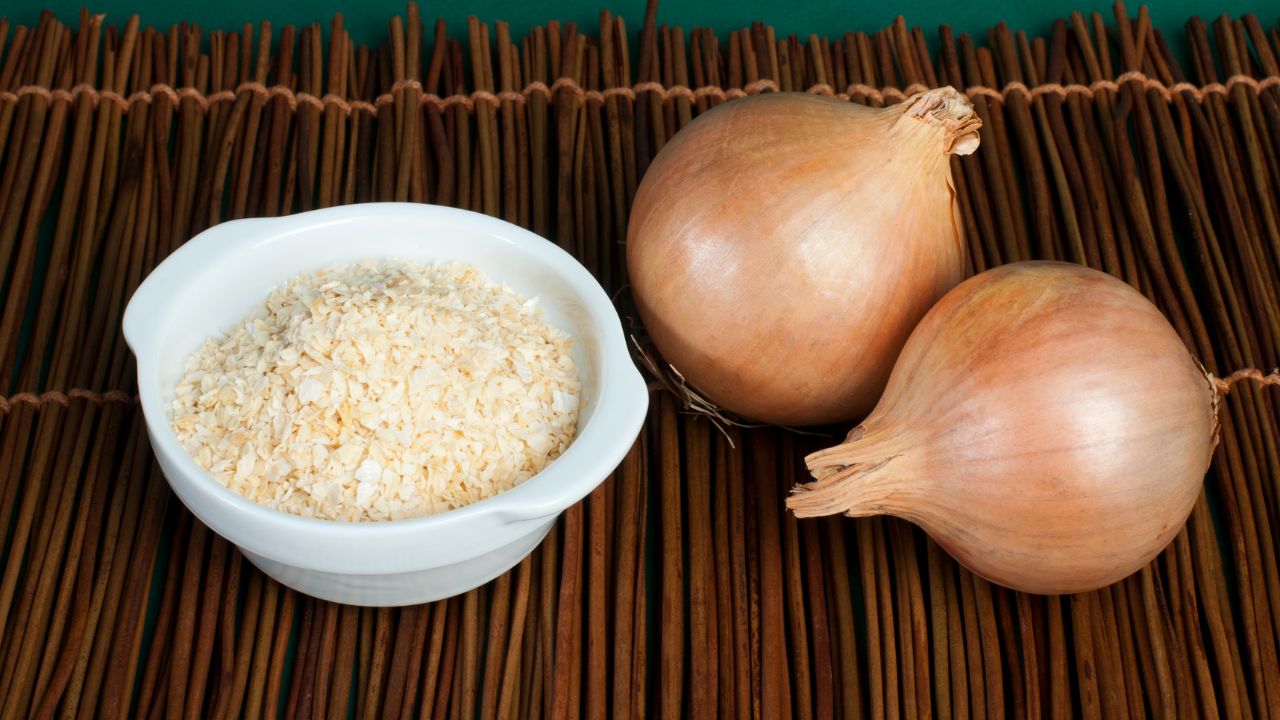
You know that friend who always shows up at the right moment without making a big scene? That’s onion powder for you. While fresh onions demand attention with their dramatic tears and pungent personality, onion powder quietly works its magic from the spice rack. This dehydrated wonder delivers all the savory, slightly sweet onion flavor without the moisture that can mess with your dry rubs or the texture that might not play well in certain dishes. Fun fact: it takes about eight pounds of fresh onions to make just one pound of onion powder, which explains why this little jar packs such a concentrated punch.
I keep onion powder in heavy rotation because it’s basically the ultimate multitasker – think of it as the Swiss Army knife of seasonings. Sprinkle it into burger patties for instant flavor depth, dust it over roasted vegetables, or mix it into salad dressings when you want onion taste without the crunch. It’s particularly brilliant in spice blends and dry rubs where fresh onions would just create a soggy mess. Pro tip: onion powder gets bitter if you cook it too long at high heat, so add it toward the end of cooking or use it in dishes where it won’t face direct, scorching temperatures. Trust me, once you start keeping this powder around, you’ll wonder how you ever cooked without it.
Cayenne Pepper
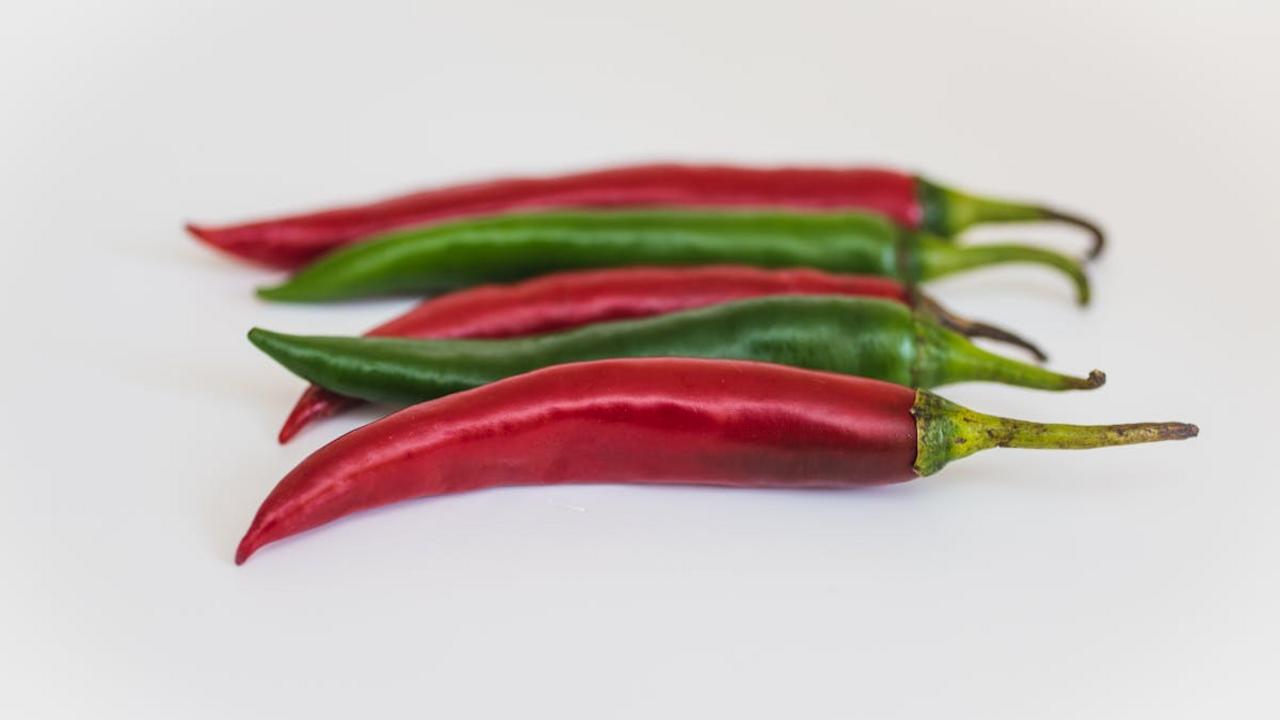
You know that friend who always brings the drama to every party? That’s cayenne pepper in your spice cabinet. This fiery little troublemaker packs a punch that’ll make you question your life choices while simultaneously reaching for more. Measuring anywhere from 30,000 to 50,000 Scoville units (that’s about 10 times hotter than a jalapeño, in case you’re keeping score), cayenne doesn’t mess around. Fun fact: it’s named after the city of Cayenne in French Guiana, though it probably originated in Central America. The Aztecs were sprinkling this stuff on their chocolate long before we figured out it belonged in our morning eggs.
What makes cayenne absolutely brilliant is its sneaky versatility. Sure, you can shake it into your chili or buffalo sauce like everyone expects, but try a tiny pinch in your hot chocolate or dark chocolate desserts—trust me on this one. It also plays beautifully with fruit, especially in Mexican-inspired dishes where it mingles with lime and mango. The capsaicin that gives cayenne its kick also supposedly boosts your metabolism, so you can pretend you’re being healthy while setting your mouth on fire. Just remember: a little goes a long way, and there’s no shame in keeping a glass of milk handy during your first few experiments.
Basil
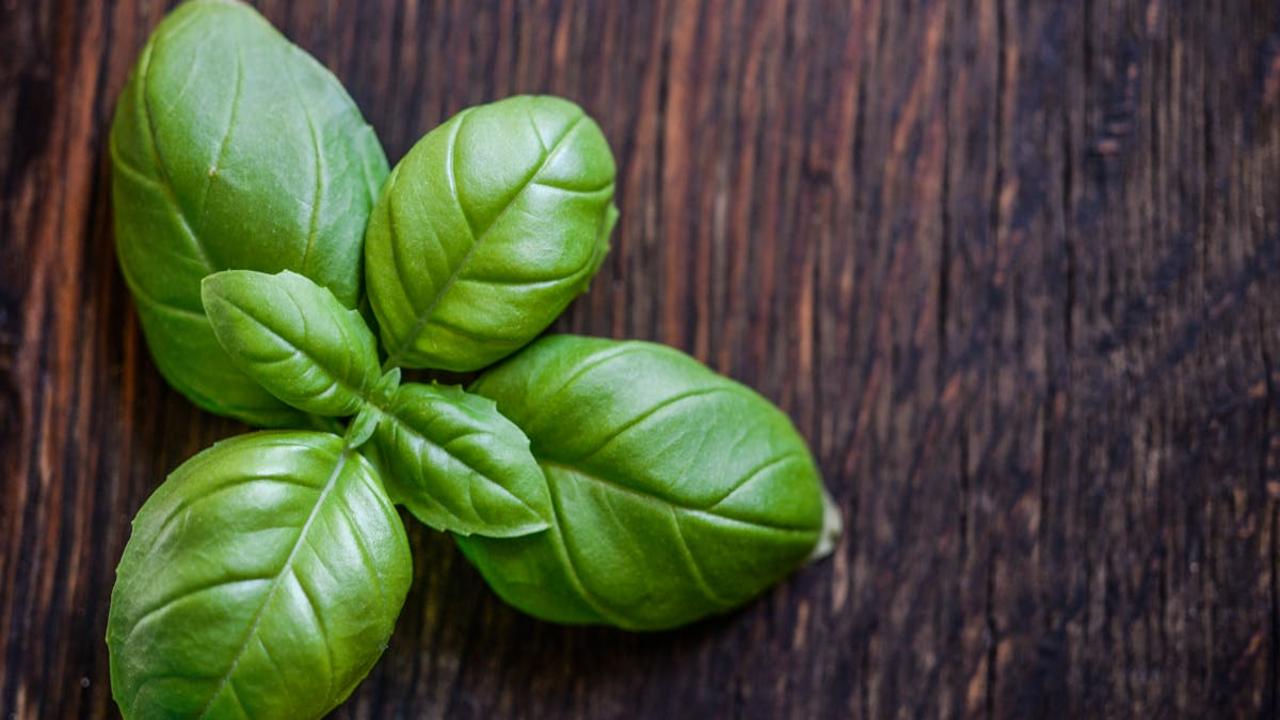
You know that friend who makes everything better just by showing up? That’s basil in your spice cabinet. This leafy green superstar transforms ordinary tomatoes into restaurant-worthy caprese salads and turns basic pasta into something your Italian grandmother would nod approvingly at (even if you’re not Italian). Fresh basil releases this intoxicating aroma that makes your kitchen smell like a Tuscan villa, while dried basil works overtime in your marinara sauce, quietly making everyone wonder what your secret ingredient is. Here’s a fun fact: basil comes from the Greek word “basileus,” meaning king, and honestly, it deserves the royal treatment.
I keep both fresh and dried basil on hand because they’re completely different animals. Fresh basil is like that dramatic friend who steals the spotlight – perfect for pesto, pizza toppings, or torn over a summer salad where its bright, peppery sweetness can shine. Dried basil, meanwhile, is your reliable buddy who shows up consistently in soups, stews, and sauces, adding that familiar Italian-herb warmth without overwhelming the party. Pro tip: never cook fresh basil for too long or it turns bitter and sulky. Instead, add it at the very end of cooking or use it as a garnish. Trust me, your pasta will thank you, and so will anyone lucky enough to score a dinner invitation at your place.
Oregano
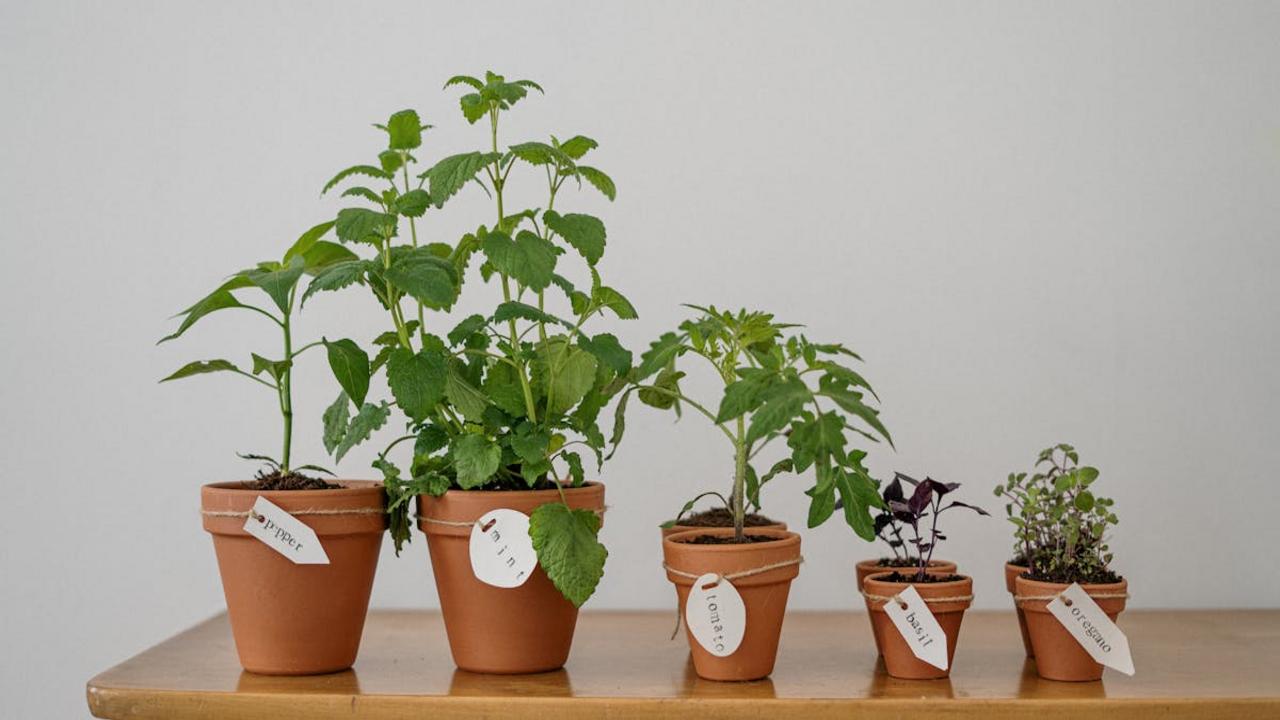
If pizza could talk, it would probably whisper sweet nothings about oregano all day long. This Mediterranean herb has been making Italian food sing since ancient times, and honestly, without it, your homemade pizza would taste about as exciting as cardboard with cheese. Oregano brings this warm, slightly bitter punch that transforms ordinary tomato sauce into something that makes you close your eyes and pretend you’re dining in a tiny Roman trattoria. The Greeks actually named it “joy of the mountain,” which tells you everything you need to know about how much they adored this little green powerhouse.
Here’s a fun fact that’ll blow your mind: oregano is actually part of the mint family, though it tastes nothing like those refreshing leaves you muddle in your mojito. You’ll find two main types at the grocery store – Mediterranean oregano (the pizza hero) and Mexican oregano (which brings heat and citrus notes to your tacos). Fresh oregano works beautifully in Greek salads and roasted vegetables, but dried oregano? That’s your secret weapon for pasta sauces, meat marinades, and that satisfying sprinkle on top of your Friday night pizza. Pro tip: add dried oregano near the end of cooking to preserve its flavor – nobody wants bitter, overcooked herbs ruining their masterpiece.
Chili Powder
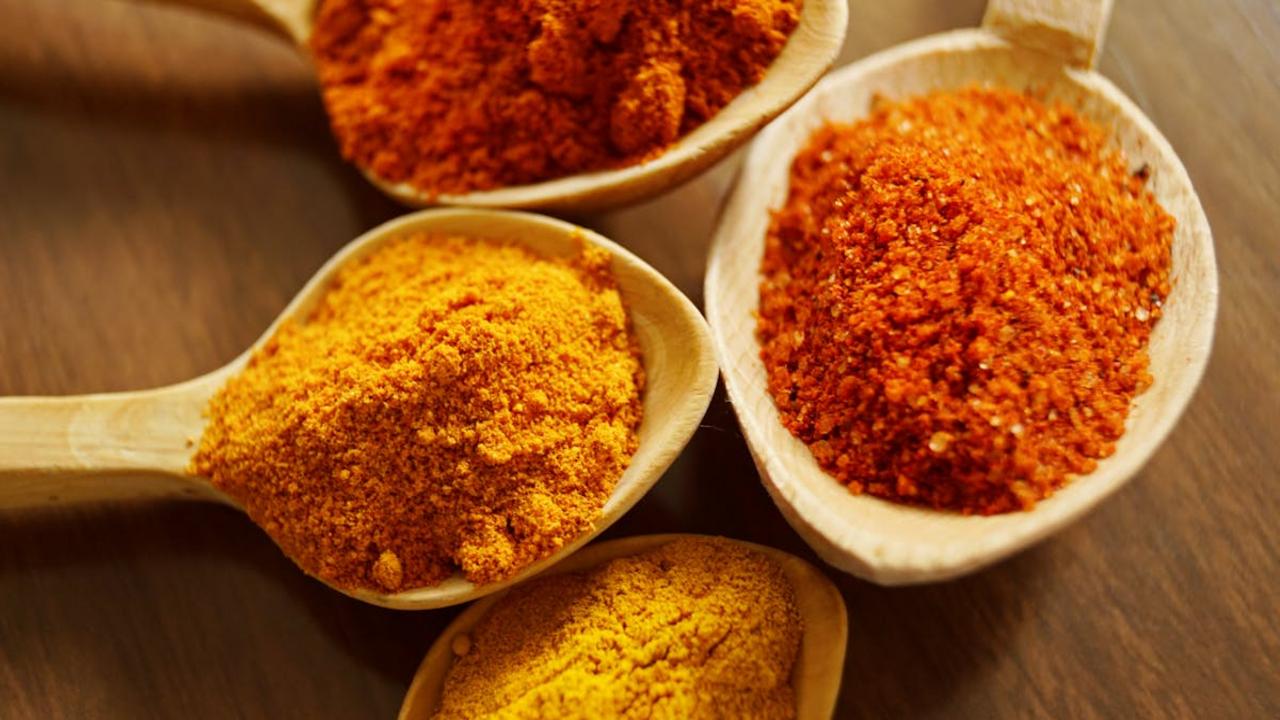
This feisty little blend deserves a standing ovation in your spice cabinet! Chili powder isn’t just one pepper ground up—it’s actually a party mix of dried chilies, cumin, oregano, and garlic powder that transforms boring Tuesday night dinners into something worth texting your friends about. Most commercial blends lean heavily on mild poblano and New Mexico chilies, which means you get warmth without requiring a fire extinguisher nearby. Fun fact: the Aztecs were mixing ground chilies with other spices centuries before Columbus showed up, so you’re basically channeling ancient wisdom every time you sprinkle this magic dust on your scrambled eggs.
Here’s where chili powder becomes your kitchen superhero—it works overtime in everything from chili (obviously) to chocolate chip cookies (trust me on this one). I once accidentally doubled the amount in a batch of roasted sweet potatoes and ended up with the most addictive side dish that disappeared faster than my willpower at a donut shop. The beauty lies in its versatility: Mexican dishes love it, American barbecue craves it, and even Indian curries welcome it with open arms. Start with a teaspoon in your next pot of beans or sprinkle it over popcorn for movie night—your taste buds will thank you, and you’ll wonder how you ever lived without this smoky, complex blend that makes everything better.
Paprika
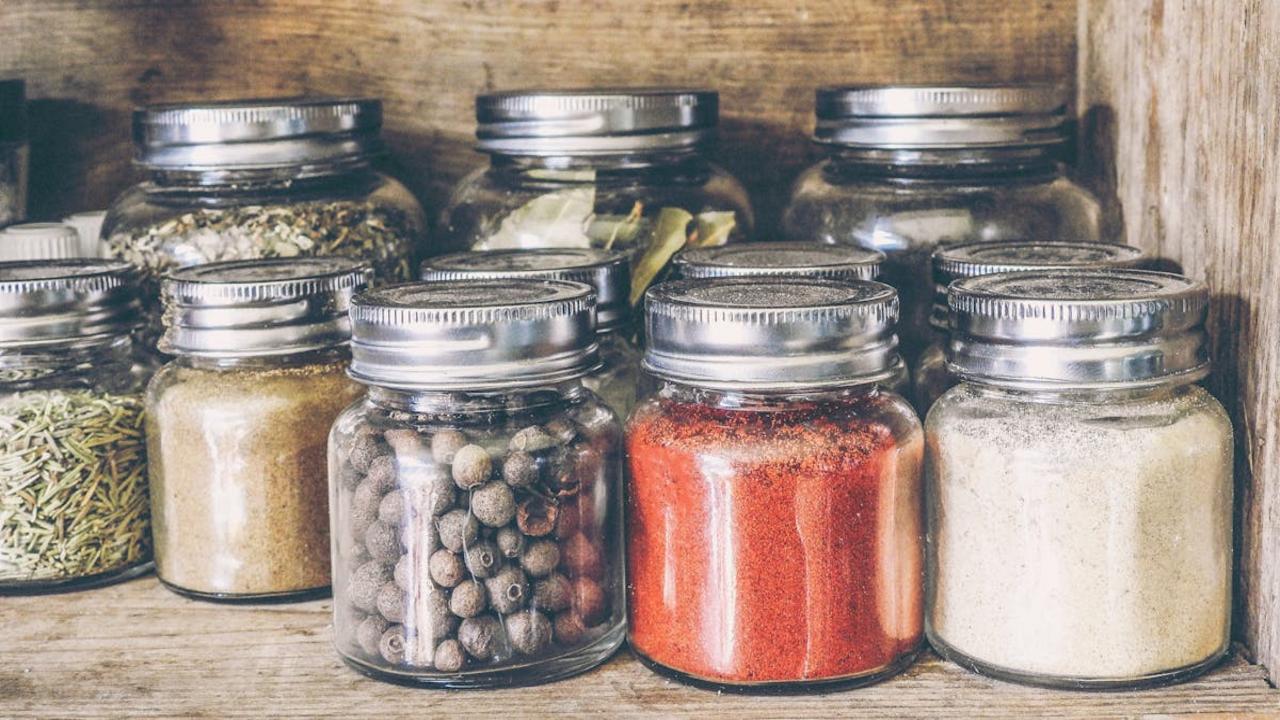
Paprika might just be the most misunderstood spice in your rack, sitting there looking all innocent with its rusty-red complexion while secretly packing more personality than your college roommate who collected vintage band t-shirts. This powdered magic comes from grinding up dried peppers, and here’s where things get interesting – not all paprikas are created equal! You’ve got your sweet Hungarian paprika (the gentle giant), your smoky Spanish pimentón (the mysterious stranger), and your hot paprika (the one who shows up uninvited to the party but makes everything better). Fun fact: Hungary takes paprika so seriously that they have eight different grades, because apparently they don’t mess around when it comes to pepper powder perfection.
The beauty of paprika lies in its chameleon-like ability to transform from a simple garnish sprinkled on deviled eggs to the star of the show in dishes like chicken paprikash or Spanish paella. Smoky paprika will make your roasted vegetables taste like they’ve been kissed by a campfire, while sweet paprika adds depth to everything from potato salad to homemade spice rubs. Pro tip: always buy paprika in small quantities because this spice loses its mojo faster than yesterday’s gossip – fresh paprika should smell vibrant and almost floral, not like dusty cardboard. Store it in a cool, dark place and watch it work its colorful magic on everything from morning eggs to evening stews.
Cumin
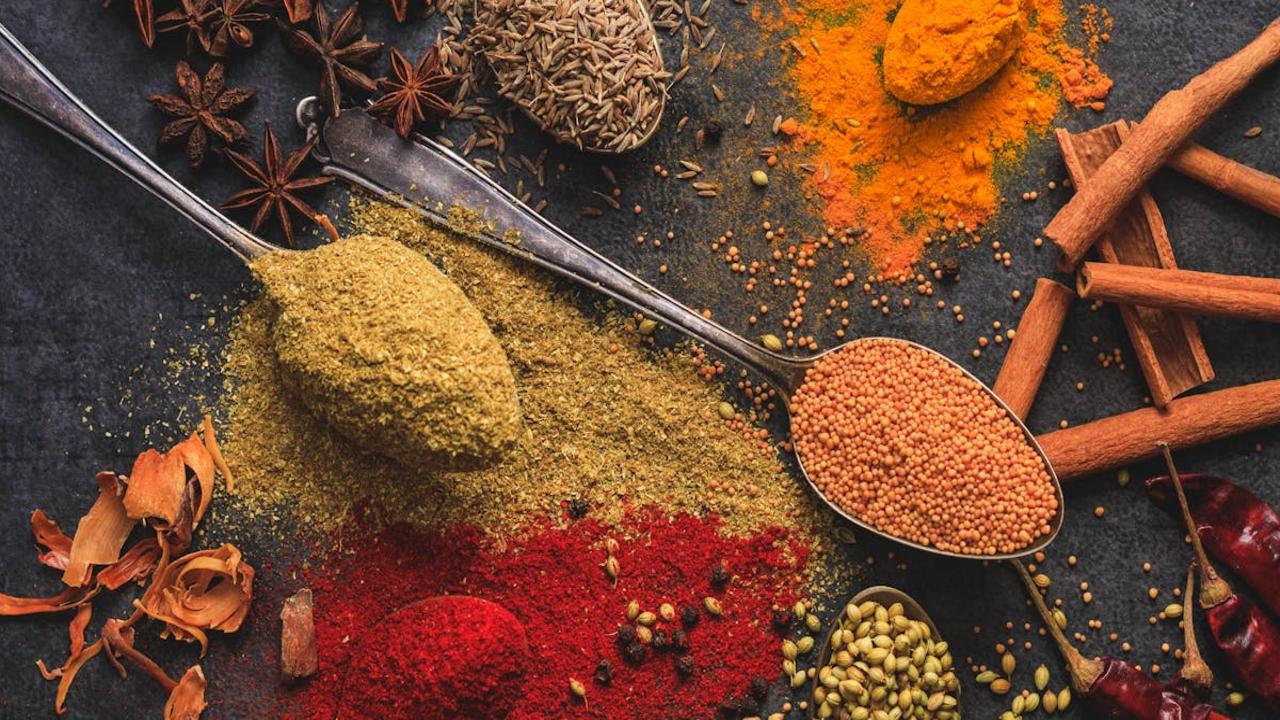
Meet cumin, the spice that smells like sunshine and tastes like a warm hug from your favorite Middle Eastern grandmother. This little seed packs more personality than a food truck owner at a street festival, and honestly, it deserves way more credit than it gets. Originally from Egypt and the Mediterranean, cumin has been making food infinitely better for over 4,000 years – which means ancient Egyptians were already onto something while the rest of us were still figuring out fire. The earthy, slightly bitter flavor with hints of citrus makes everything from tacos to curry sing with joy, and I’m pretty sure it’s secretly the reason why Mexican and Indian food can make you forget all your problems.
Here’s the thing about cumin: it’s like that reliable friend who makes every gathering better just by showing up. Toast those whole seeds in a dry pan for thirty seconds, and your kitchen will smell like pure magic – seriously, your neighbors might start knocking on your door asking what’s cooking. Ground cumin works beautifully in spice rubs for meat, adds depth to roasted vegetables, and transforms boring rice into something you’d actually want to eat. Fun fact: cumin was once so valuable that people used it to pay taxes and rent, which honestly makes perfect sense because life without cumin is basically paying too much for bland food anyway.
Cinnamon
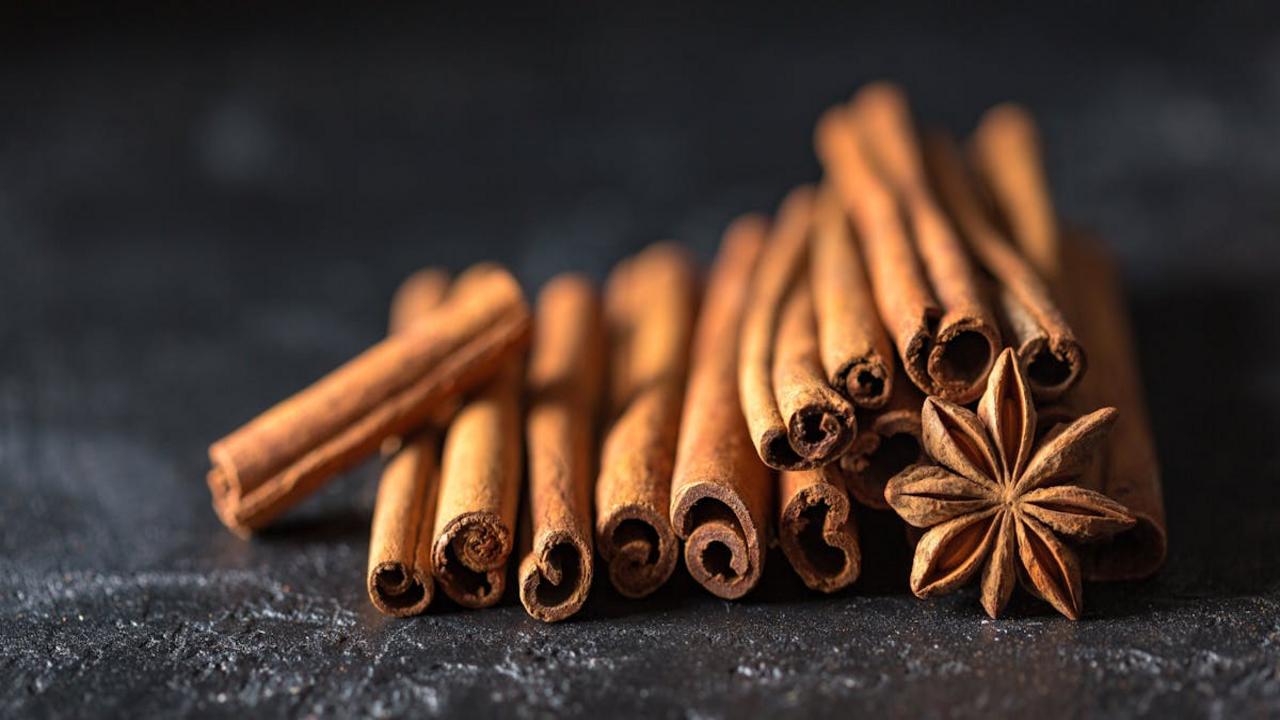
Cinnamon is like that friend who shows up to every party—sweet, warm, and somehow makes everything better just by being there. This bark-turned-superstar comes from the inner bark of evergreen trees, and here’s something that’ll blow your mind: true Ceylon cinnamon (the fancy stuff) actually tastes delicate and almost floral, while the common cassia cinnamon we usually grab at the grocery store packs more of a spicy punch. Ancient Egyptians valued this spice so highly they used it in mummification, which honestly makes perfect sense because cinnamon makes everything last longer and smell amazing.
Your spice rack desperately needs both ground and stick versions because they serve totally different purposes in your kitchen adventures. Sprinkle the ground version into your morning coffee, swirl it through pancake batter, or create the most incredible cinnamon sugar mixture that transforms plain toast into pure magic. Those gorgeous cinnamon sticks? They’re perfect for simmering in mulled wine, adding to slow-cooked stews for unexpected warmth, or just making your kitchen smell like a cozy bakery on a rainy Sunday. Pro tip: if you want to impress dinner guests, throw a cinnamon stick into your rice while it cooks—the subtle fragrance will have everyone asking for your secret ingredient.
Garlic Powder
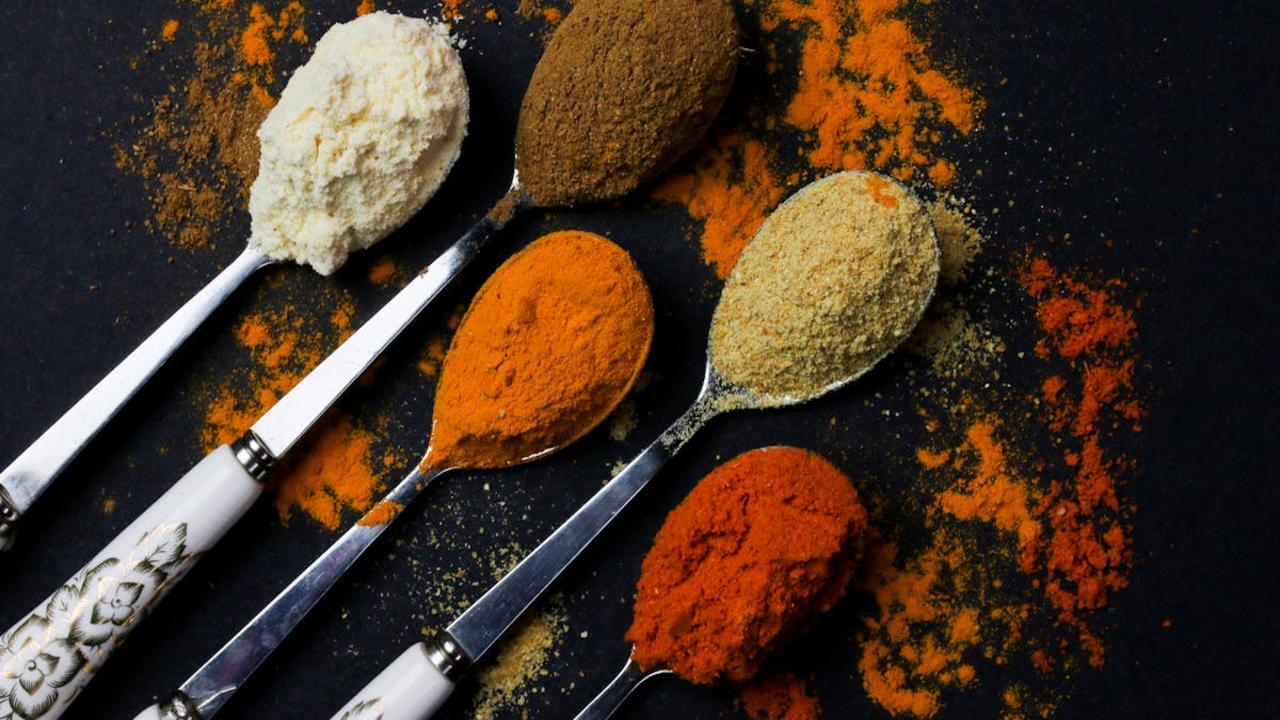
Garlic powder might seem like the lazy cook’s shortcut, but hear me out—this dusty little miracle worker deserves a spot right next to your salt and pepper. Fresh garlic has its moments of glory, sure, but when you’re whipping up a dry rub for ribs or need that garlicky punch without the moisture, powdered garlic swoops in like a superhero in a cape made of dehydrated alliums. Fun fact: it takes about eight pounds of fresh garlic to make just one pound of garlic powder, which explains why your jar costs more than you’d expect and why every granule packs such an intense flavor wallop.
The beauty of garlic powder lies in its versatility and shelf stability—this stuff will outlast most relationships and probably your next three kitchen renovations. Sprinkle it on popcorn for movie night magic, blend it into homemade ranch dressing, or dust it over roasted vegetables before they hit the oven. Unlike its fresh counterpart, garlic powder won’t burn in high heat, making it perfect for grilling season when you want that smoky garlic flavor without the charred bits. Pro tip: if you’re out of onion powder, garlic powder can pinch-hit in most recipes, though your dishes might develop a slight vampire-repelling quality that could affect your dinner party guest list.
Sea Salt

Listen, I know what you’re thinking – salt is salt, right? Wrong! Sea salt is like the sophisticated cousin of table salt who studied abroad and came back with stories that make everyone at dinner parties lean in closer. This crystalline wonder gets harvested from evaporated seawater, and unlike its heavily processed table salt relative, it keeps all those trace minerals that give it personality. You’ll find flaky Maldon from England that dissolves on your tongue like edible snowflakes, or chunky Celtic gray salt from France that looks like tiny pebbles but transforms everything it touches into gold.
The beauty of sea salt lies in its finishing power – sprinkle it on chocolate chip cookies right before baking and watch people’s minds explode with the sweet-salty magic. I once saw a grown man nearly cry tears of joy over sea salt caramel ice cream, and honestly, I didn’t blame him. Different types bring different textures and intensities: fine sea salt works perfectly in your everyday cooking, while coarse varieties make your grilled vegetables sing opera. Pro tip from someone who learned the hard way – don’t cook with your fancy finishing salt! Save that beautiful flaky stuff for sprinkling on top of dishes where you can actually taste and feel those gorgeous crystals doing their thing.
Black Pepper
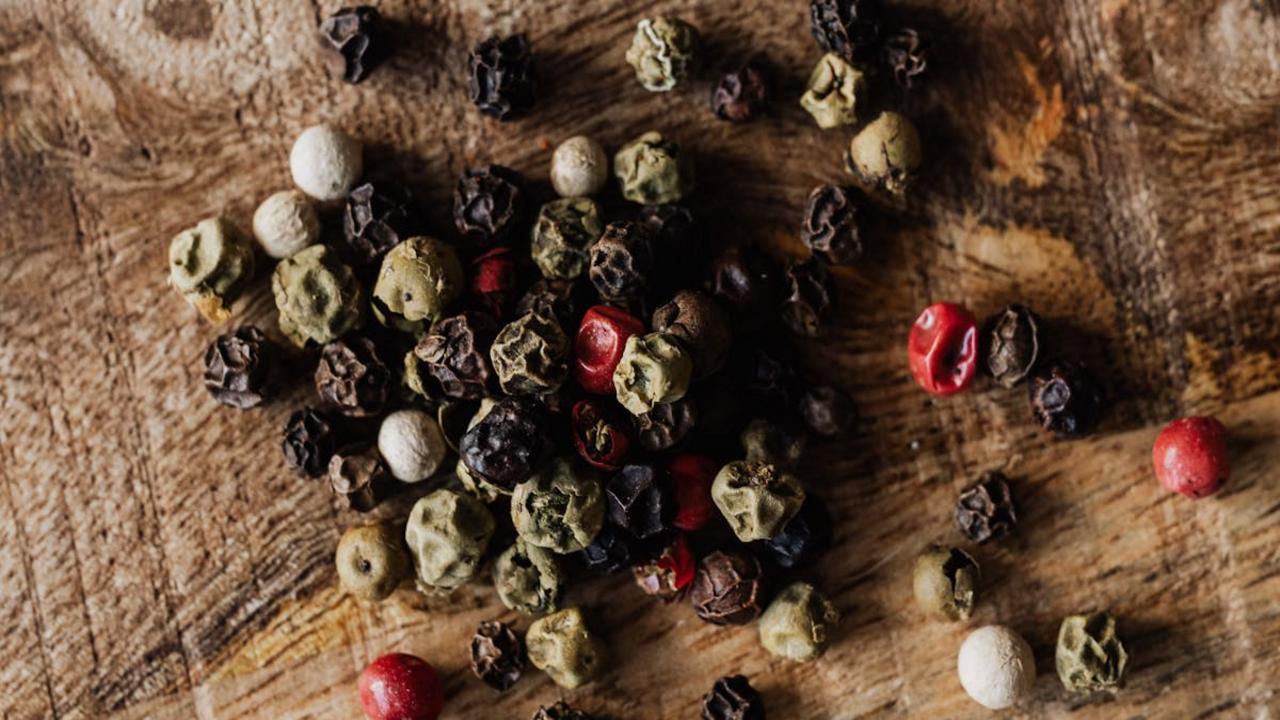
You know what’s wild? Black pepper was once so valuable that people literally used it as currency. Romans paid their taxes with peppercorns, and medieval dowries included bags of these tiny black treasures. Today, you probably have a dusty shaker sitting on your counter, completely unaware you’re hoarding what was once called “black gold.” Fresh-cracked black pepper transforms everything it touches – from scrambled eggs to strawberries (trust me on this one). The heat hits your tongue first, followed by a complex earthiness that makes your food wake up and pay attention.
Here’s the thing about black pepper: pre-ground stuff is basically sawdust with commitment issues. Those little peppercorns lose their punch the moment they’re cracked open, so invest in a decent pepper mill and grind fresh every time. I learned this the hard way after years of wondering why my cacio e pepe tasted like cardboard. The magic happens when those volatile oils hit the air – that sharp, almost floral aroma that makes you sneeze if you get too enthusiastic. Pro tip: add pepper at the very end of cooking to preserve those oils, and don’t be shy with it. Your great-grandmother didn’t hoard peppercorns through the Great Depression for you to use three measly specks on your steak.