MIL Asked My Wife to ‘Eat Normally’ for One Meal. We Refused to Touch the Meat-Heavy Feast.
There are certain truths we hold dear when it comes to good manners. A gracious host, above all else, makes their guests feel welcome, comfortable, and cared for. It’s a simple rule, one that seems almost too obvious to mention. You open your home, you open your heart, and you make sure everyone at your table has something lovely to eat.
However, one man recently shared a story online that shows just how easily this fundamental rule of hospitality can be broken, especially when family dynamics are at play. His tale of a disastrous first dinner at his mother’s house as a married man has everyone talking about where the line is drawn between a simple mistake and a deliberate act of disrespect.
The Incident
The story begins with a hopeful note. A man and his new wife, Olga, were invited to his mother’s home for their first dinner as a married couple. He admitted that his mother and Olga had never gotten along particularly well, but he hoped that marriage would mark a fresh start for everyone.
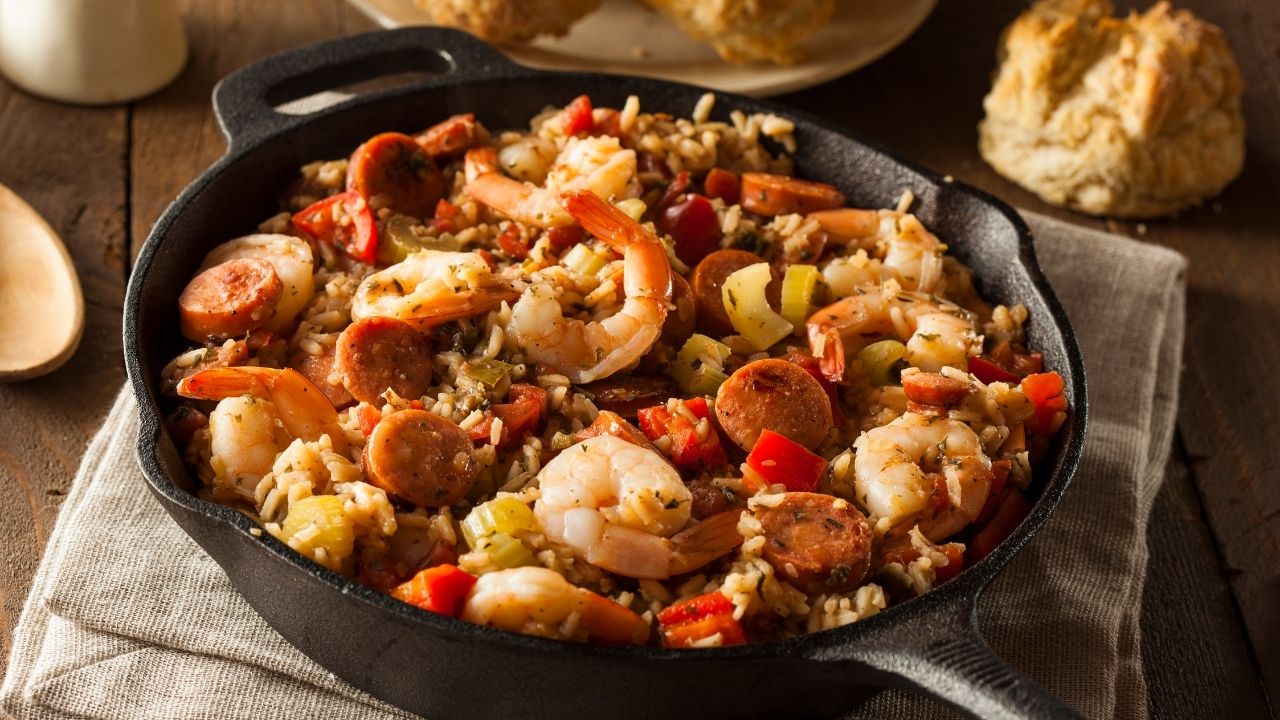
That hope quickly faded when they saw the dinner spread. Olga is a vegan, a fact his mother knew perfectly well. Yet, the table was laden with fried chicken, mac and cheese, and jambalaya. The only plant-based option was what he described as a “soggy looking salad.”
To make matters worse, it seemed his mother went out of her way to exclude her new daughter-in-law. Even the vegetable soup, a seemingly safe bet, was made with chicken broth to make it “tastier.” When the son confronted his mother, she was completely dismissive. She suggested Olga could just “pick the shrimp out of the jambalaya” and insisted the soup was fine, calling his explanation about chicken broth “bulls—.”
The final straw came when she turned to Olga and asked if she couldn’t “just eat normally for one day.” At that point, the husband knew they had to leave. His mother, of course, was furious, accusing them of being disrespectful after she had spent hours cooking. His response was perfect: “That’s the issue, she should’ve thought about Olga too.”
The Internet Reacts
Online, the reaction was swift and overwhelmingly in favor of the son and his wife. People were appalled by the mother-in-law’s behavior, with most readers agreeing this was no simple oversight.
The “Absolutely Not” crowd was furious on the couple’s behalf. Many pointed out that the mother’s actions were a deliberate challenge. One person wrote, “For your mom to not have cooked a single thing that Olga could eat is a massive power play.”
Another commenter summed it up perfectly, saying, “This was a marriage test, a husband test… You passed with flying colors.” The consensus was that this was a calculated move to disrespect and exclude her new daughter-in-law.
Of course, there’s always a “Devil’s Advocate” position, though in this case, it came from the mother herself. Her defense was that she had cooked all that food for her son, and since Olga wasn’t allergic, she should just get over it for a day. “It’s not like she’s allergic or anything,” she argued, completely missing the point that respecting someone’s choices is just as important as minding their allergies. This justification found very little sympathy online.

Finally, there was the “Practical Advice” crowd, who offered suggestions for navigating this tricky family dynamic in the future. Many agreed that the husband set a crucial boundary. As one user put it, “You know the saying ‘start how you mean to go on’… You expect yourself and your wife to be treated with kindness and consideration, and you will politely excuse yourself ANY TIME that isn’t occurring.”
Others suggested that, going forward, the wife should simply bring her own dishes to share, turning a potentially awkward situation into a chance to introduce the family to new foods.
The Etiquette Verdict
Let’s be perfectly clear: the mother was completely in the wrong. Hospitality is not a performance; it is an act of kindness. When you invite someone to your table, you are taking on the responsibility for their comfort. To knowingly prepare a meal that a guest cannot eat is not just poor hosting—it is a pointed and hurtful message.
A dietary choice, whether it’s for ethical, religious, or health reasons, is not an inconvenience to be ignored. It is a part of the person you have invited into your home. A good host would see it as a wonderful opportunity to learn a new recipe, not as a chance to make a power play.

What Do You Think?
This situation leaves us with a difficult question about family loyalty and respect. Did the son do the right thing by leaving, or should he have tried to keep the peace for the sake of his mother?
Ready for the next level of insight? Discover more in my latest article here.