15 Speedy Asian Cooking Hacks for Bold Flavors and Effortless Weeknight Meals
Preparing quick, flavorful Asian dishes at home doesn’t require hours in the kitchen or specialty ingredients. With these 15 smart cooking shortcuts, you’ll create vibrant meals in minutes using basic pantry staples and simple techniques. I’ve gathered these tips from years of cooking Asian cuisine and teaching busy home cooks how to bring authentic flavors to their tables.
Your weeknight dinners will transform with minimal effort once you master these practical hacks. From maximizing your wok’s potential to mixing signature sauces that last for weeks, each tip builds on fundamental Asian cooking methods while cutting down prep time. These techniques work together to help you cook more efficiently.
The key is setting up your kitchen for success with the right tools and ingredients. Stock your pantry with versatile Asian staples, learn to group ingredients strategically, and discover how high-heat cooking can develop deep flavors fast. Soon you’ll be whipping up restaurant-quality dishes with the confidence of a seasoned cook.
Sauce Making
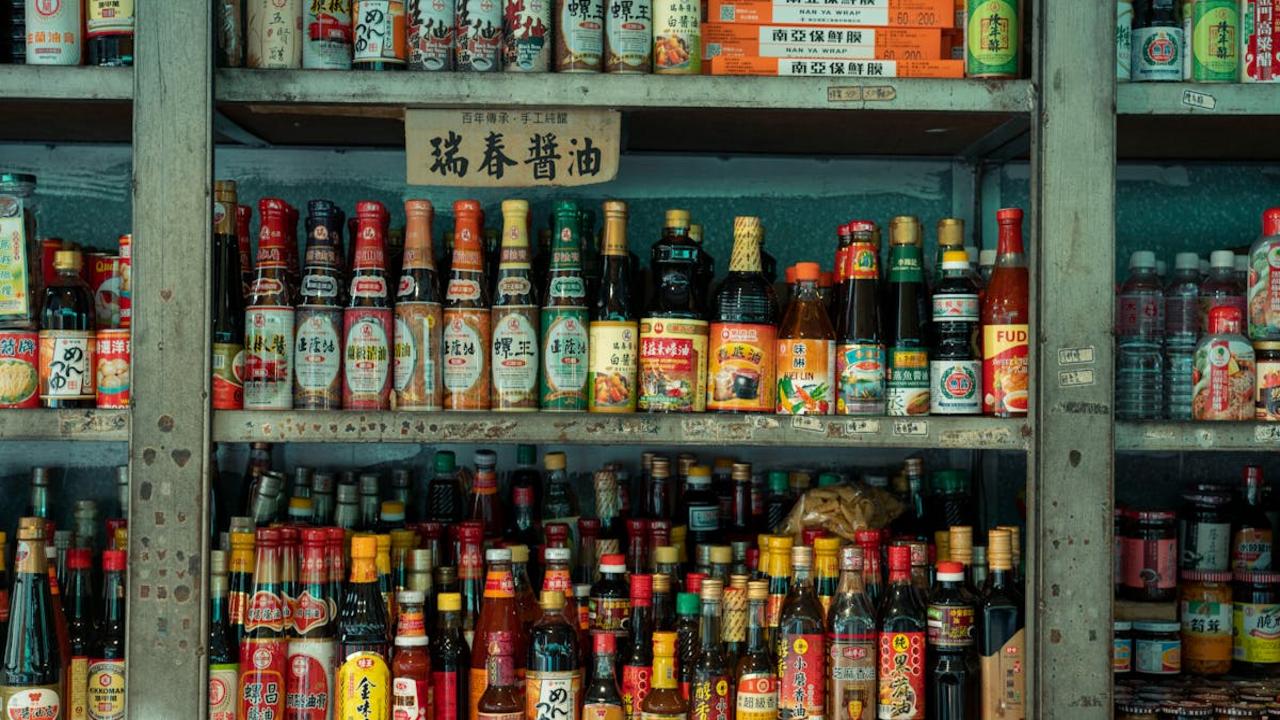
Want to know my favorite weeknight shortcut for making incredibly flavorful Asian sauces in minutes? Mix equal parts soy sauce, rice vinegar, and mirin in a small bowl – this creates an instant umami-rich base that works beautifully in stir-fries, marinades, or dipping sauces. From there, you can customize by adding grated ginger, minced garlic, sesame oil, or a spoonful of gochujang for heat. I keep these ingredients right by my stove and whip up fresh sauce combinations while my rice cooks. The depth of flavor beats any bottled sauce, and you control exactly what goes into it.
Another quick sauce hack I swear by: combine smooth peanut butter with hot water to thin it out, then stir in soy sauce, lime juice, and a touch of honey. In under 60 seconds, you’ve got a velvety peanut sauce perfect for noodles, spring rolls, or grilled chicken skewers. The key is starting with room temperature peanut butter and whisking vigorously as you add the hot water – this prevents any clumping and creates that silky texture we all want. Make extra and store it in an airtight container in the fridge for up to a week. Your future self will thank you!
Ingredient Grouping
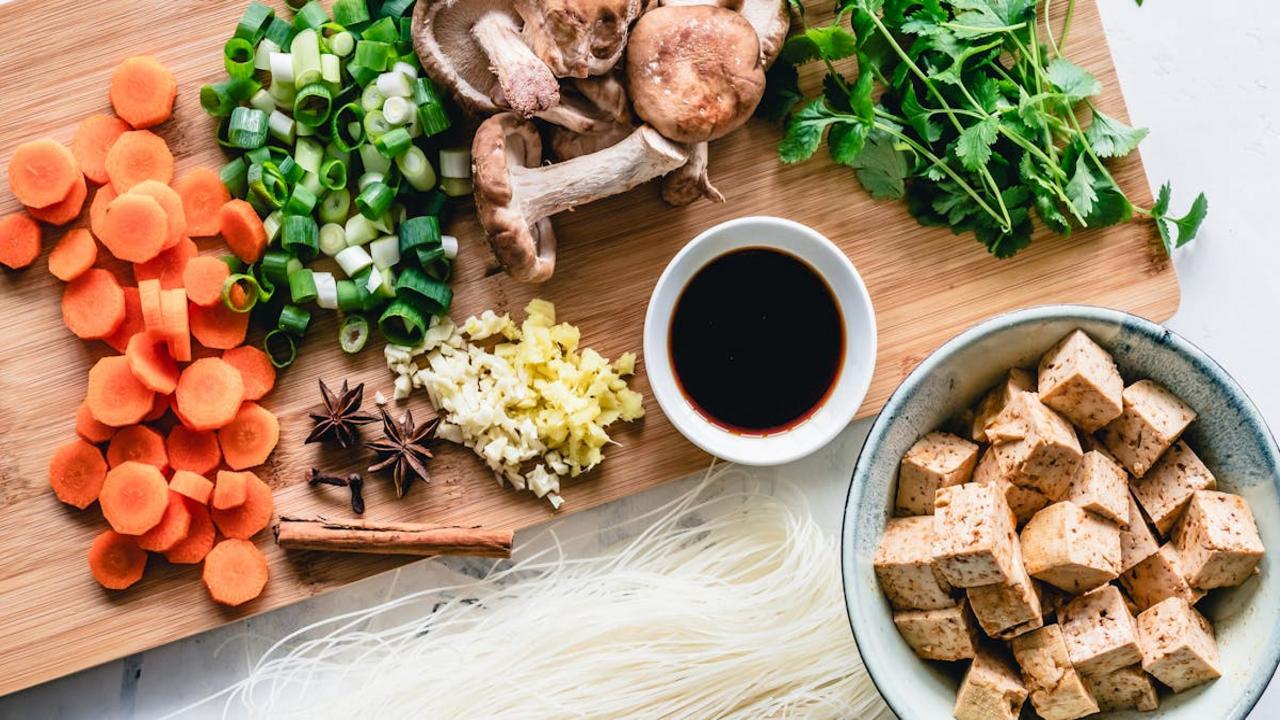
I’ll let you in on my favorite time-saving hack in the kitchen – ingredient grouping! Before starting any Asian recipe, I gather and group similar ingredients that go in at the same time. For stir-fries, I put aromatics like garlic, ginger and scallions in one bowl, proteins in another, and veggies grouped by cooking time. This simple organization method has saved me countless times from scrambling mid-cook or accidentally burning ingredients while hunting for the next item.
You can take this hack further by prepping ingredient groups ahead of time. On busy weeknights, I’ll portion out meat, chop veggies, and mix sauces in advance. Store each group in airtight containers in the fridge – they’ll stay fresh for 2-3 days. When you’re ready to cook, just grab your prepped groups and add them to the wok in order. This approach transforms complex recipes into smooth, stress-free cooking sessions. Plus, having everything measured and ready means you can focus on perfecting your technique instead of rushing through prep work.
Meal Prep
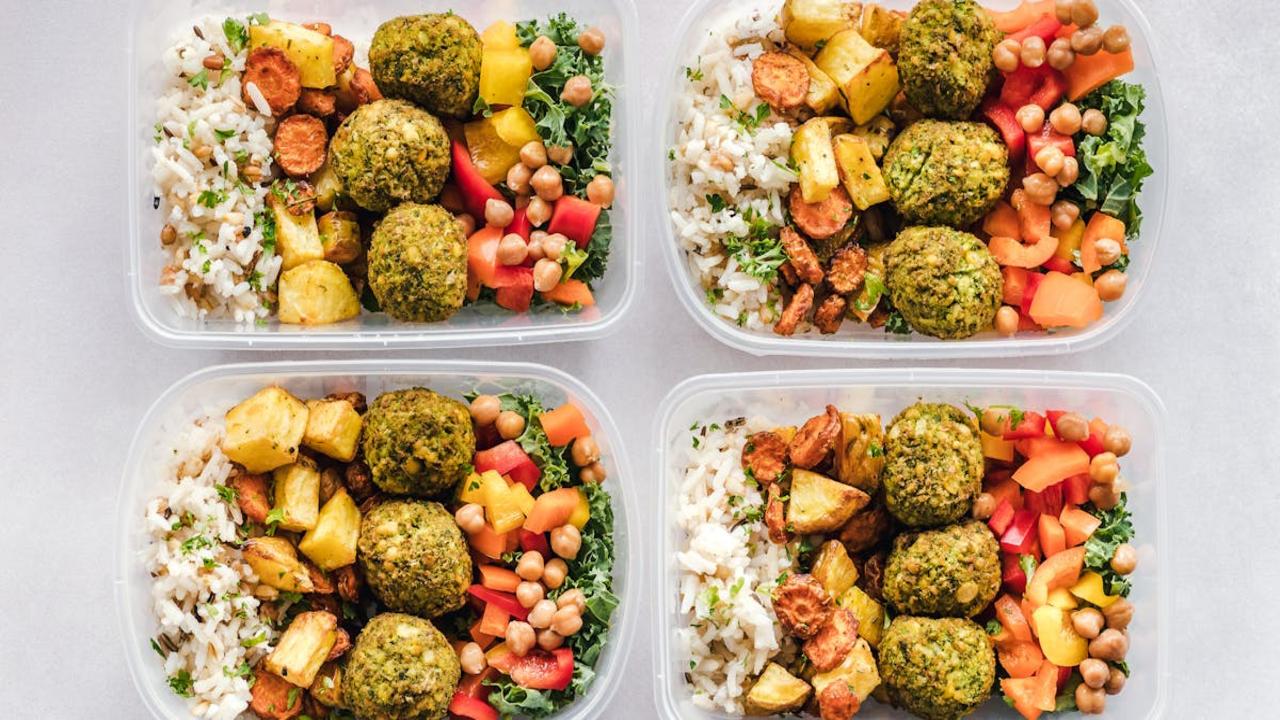
Your weeknight cooking will transform once you start prepping ingredients ahead of time! I block out 1-2 hours every Sunday to wash and chop vegetables, cook rice and noodles, and prepare sauces and marinades. You can store prepped items in clear containers in your fridge, making it super easy to throw together quick stir-fries, noodle bowls, or rice dishes during busy weeknights. My go-to prep list includes julienned carrots, sliced bell peppers, minced garlic and ginger, cooked brown rice, and homemade stir-fry sauce.
The key to successful Asian meal prep lies in proper storage techniques. Keep chopped aromatics like green onions and herbs wrapped in slightly damp paper towels inside resealable bags to maintain freshness. Store cooked rice and noodles in airtight containers – they’ll stay good for 3-4 days. I like making big batches of versatile sauces like Chinese brown sauce or teriyaki and freezing portions in ice cube trays. Pop out a few cubes whenever you need them! With prepped ingredients ready to go, you’ll spend just 15-20 minutes cooking instead of an hour or more starting from scratch.
One Pan Cooking
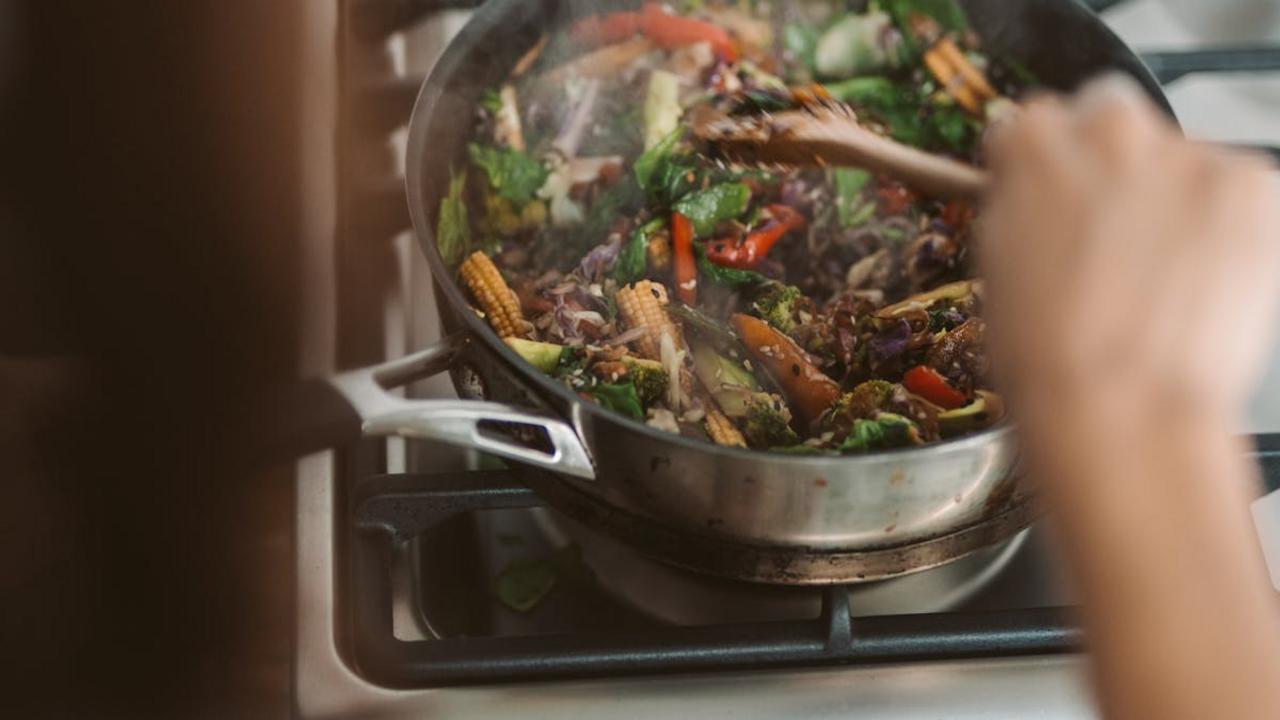
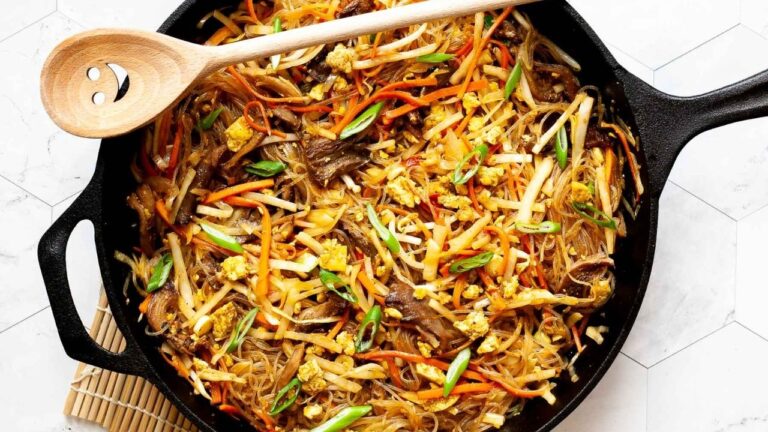
I’ve found that one-pan cooking transforms busy weeknight dinners into a breeze, especially with Asian recipes. You can create rich, layered flavors by starting with aromatics like ginger, garlic, and scallions in a single large skillet or wok. Add your proteins next – whether it’s chicken, tofu, or shrimp – letting them brown and develop a flavorful crust. The key trick is to push the cooked ingredients to one side while you continue adding vegetables in stages based on their cooking times. This method keeps everything hot while preventing overcooking.
My go-to one-pan dish combines marinated chicken thighs with snap peas, bell peppers, and mushrooms. Start by cooking the chicken until golden, then add firmer vegetables like carrots first, followed by quick-cooking items like bok choy last. The beauty of this technique lies in how the flavors build – each ingredient absorbs the seasonings from the previous ones, creating deep, complex tastes. Plus, you’ll only have one pan to wash at the end! For extra convenience, prep your ingredients ahead of time and arrange them in order of cooking, making the actual cooking process smooth and efficient.
Blanching Vegetables
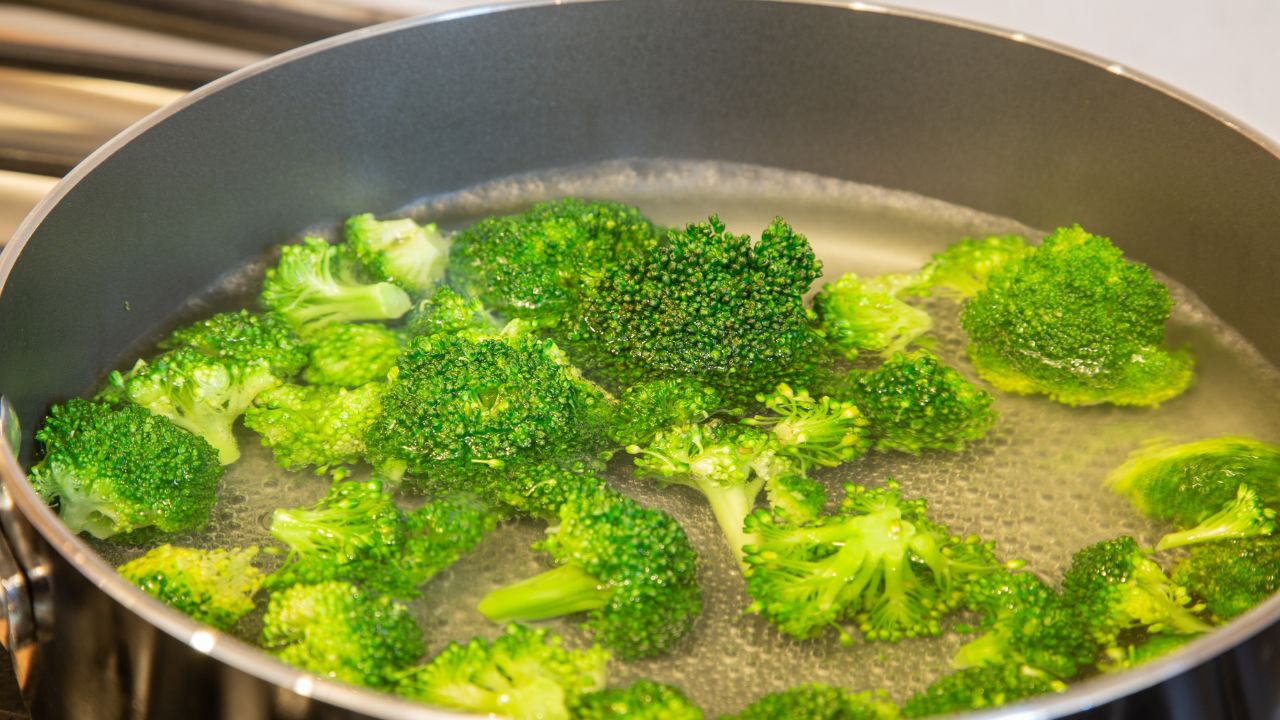
Want to keep your veggies bright, crisp and full of nutrients? Blanching will become your new best friend in the kitchen! I learned this quick technique from my Chinese grandmother – just bring a pot of water to a rolling boil, add your cut vegetables for 1-2 minutes, then immediately transfer them to an ice bath. The hot-cold shock helps lock in that vibrant color while maintaining the perfect tender-crisp texture. Plus, blanched vegetables stay fresh longer in the fridge and freeze beautifully for meal prep.
This method works wonders for Asian greens like bok choy, gai lan, and Chinese broccoli. The quick blanch mellows any bitter notes while preserving their natural sweetness. For extra flavor, add a pinch of salt to your blanching water and finish the veggies with a drizzle of sesame oil and a sprinkle of toasted sesame seeds. I especially love blanching green beans, asparagus, and broccoli before adding them to stir-fries – they maintain their snappy texture and don’t turn mushy in the wok. Just remember: don’t overcrowd the pot, and set up your ice bath before you start!
Steam Method
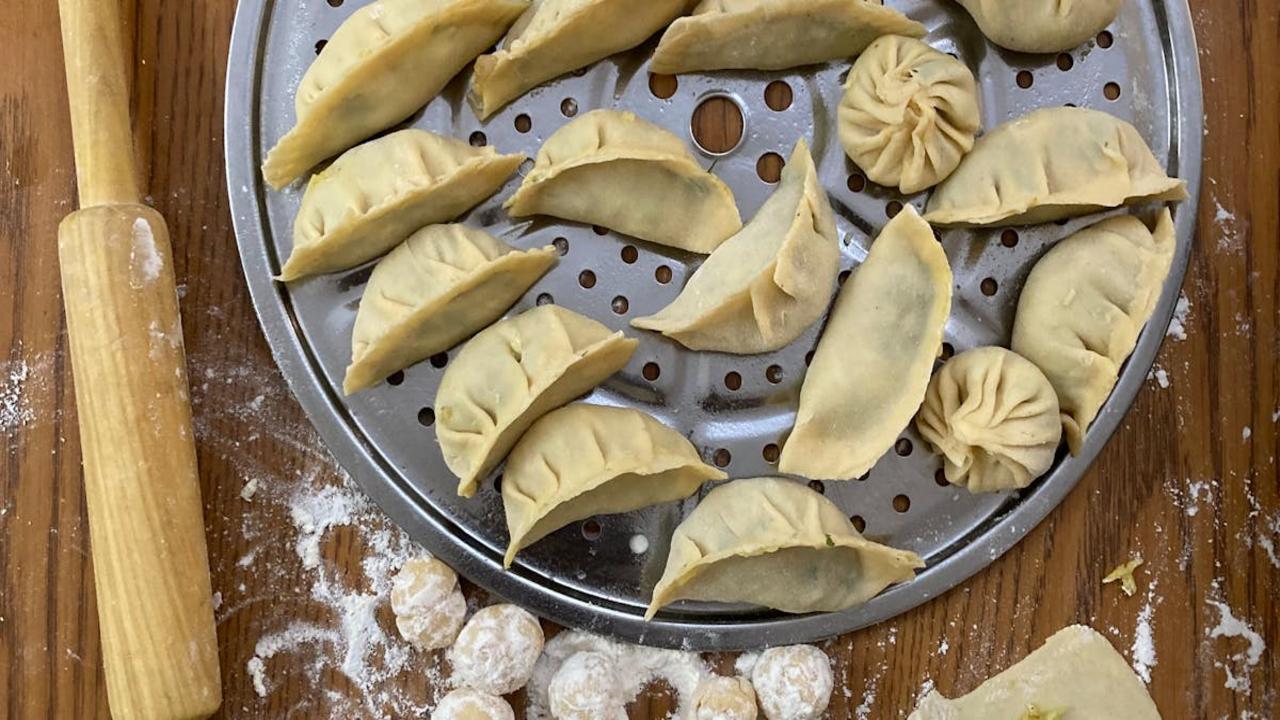
I’ve discovered that steaming is your secret weapon for quick, healthy Asian cooking that locks in nutrients and flavors. Get yourself a bamboo steamer basket – it’s a total game-changer in my kitchen. Stack multiple tiers to cook different ingredients at once, like fluffy dumplings on top and tender vegetables below. The real magic happens when you add aromatics to your steaming water – try tossing in ginger slices, lemongrass stalks, or citrus peels to infuse subtle fragrances into your food.
My go-to steaming hack combines convenience with bold tastes. Place marinated protein (fish, chicken, or tofu) on a heat-safe plate, then pop it in your steamer. While it cooks, the marinade creates a flavorful sauce that pools around your protein. For extra punch, sprinkle fresh herbs, minced garlic, or sliced chilies on top before steaming. This method works beautifully for dishes like Chinese steamed fish with ginger and scallions or Thai-style steamed chicken with lime and cilantro. Your protein stays moist and tender every time, and cleanup is minimal.
High Heat Stir Frying
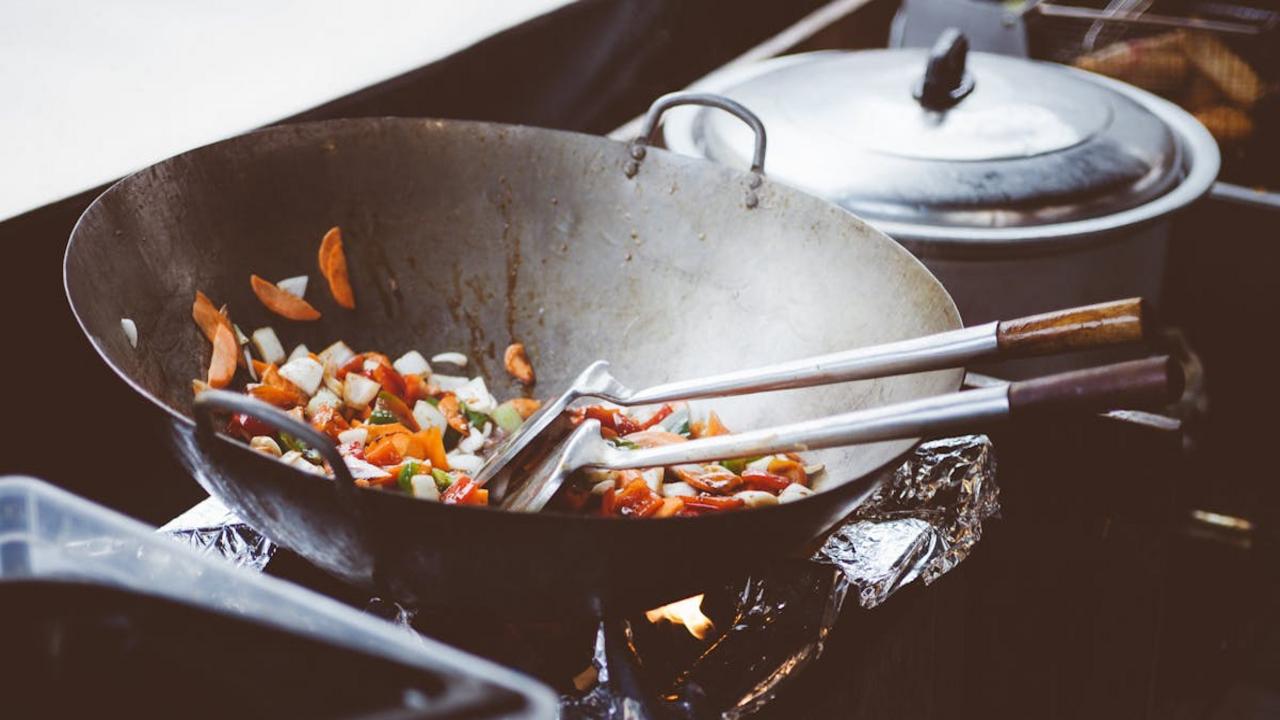
Want to know my #1 secret for restaurant-quality stir fries at home? Get your wok or pan screaming hot before adding any ingredients. I mean HOT – you should see wisps of smoke rising before you add your oil. This intense heat creates that authentic “wok hei” flavor you love from Chinese restaurants while keeping vegetables crisp-tender and meat juicy. I learned this trick from my aunt who ran a busy street food stall in Singapore, and it transformed my home cooking.
Here’s how to do it right: Heat your wok on high for 2-3 minutes until it’s smoking slightly. Add your oil and swirl to coat. Immediately add your proteins and stir constantly – they should sizzle loudly on contact. Remove the meat once it’s 80% done, then add harder vegetables like carrots first, followed by softer ones like snap peas. The whole cooking process should take under 5 minutes. Keep everything moving to prevent burning. This method gives you perfectly charred edges and bright, fresh-tasting vegetables every time.
Green Onions
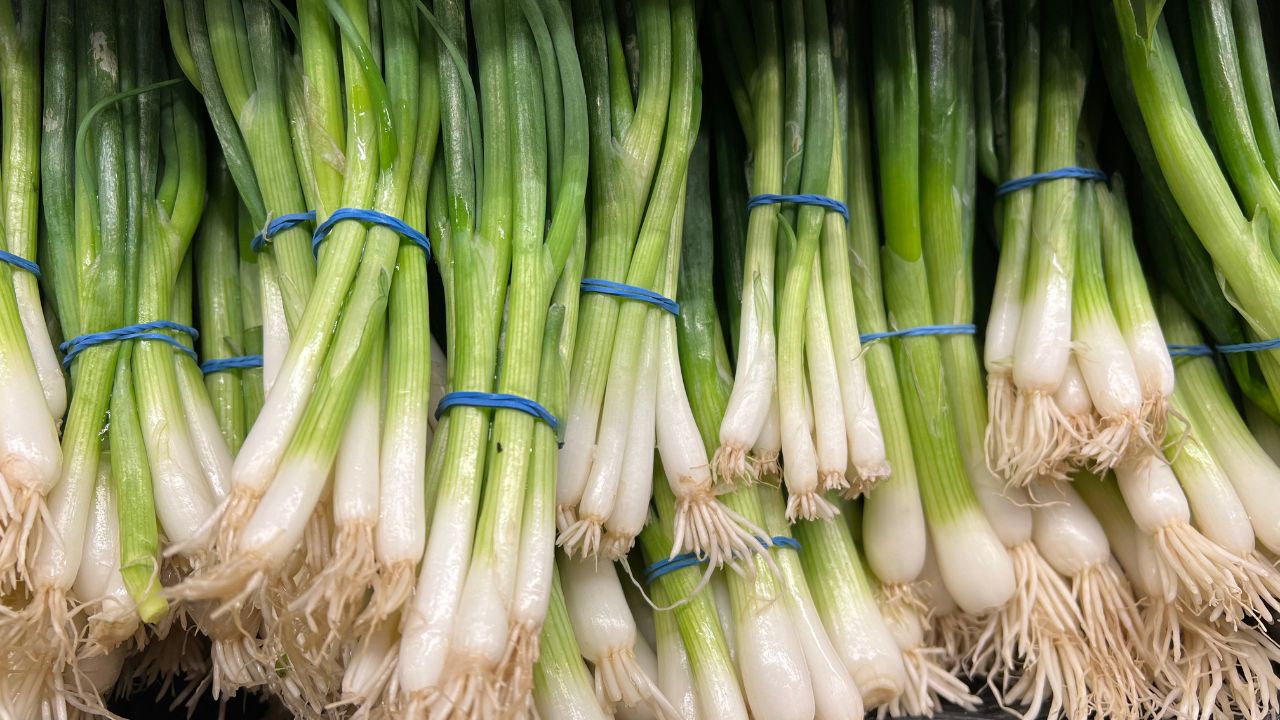
I keep a small container of chopped green onions in my fridge at all times – it’s my secret weapon for adding instant flavor and freshness to Asian dishes. Simply wash and trim a bunch, then slice them thinly with a sharp knife. Store them in an airtight container with a paper towel to absorb moisture, and they’ll stay crisp for up to a week. Sprinkle them raw over rice bowls, stir-fries, or noodle soups just before serving for that perfect pop of color and oniony bite.
Want to take your green onion game to the next level? Try this quick technique I learned from my Chinese grandmother: heat up some oil until it’s smoking hot, then pour it over finely chopped green onions in a heat-safe bowl. The sizzling oil releases intense aromatics and partially cooks the onions, creating a fragrant condiment perfect for drizzling over dumplings, steamed fish, or plain rice. You can also blend green onions with ginger, garlic, and oil to make a versatile sauce base that keeps in the fridge for quick weeknight cooking.
Fresh Ginger
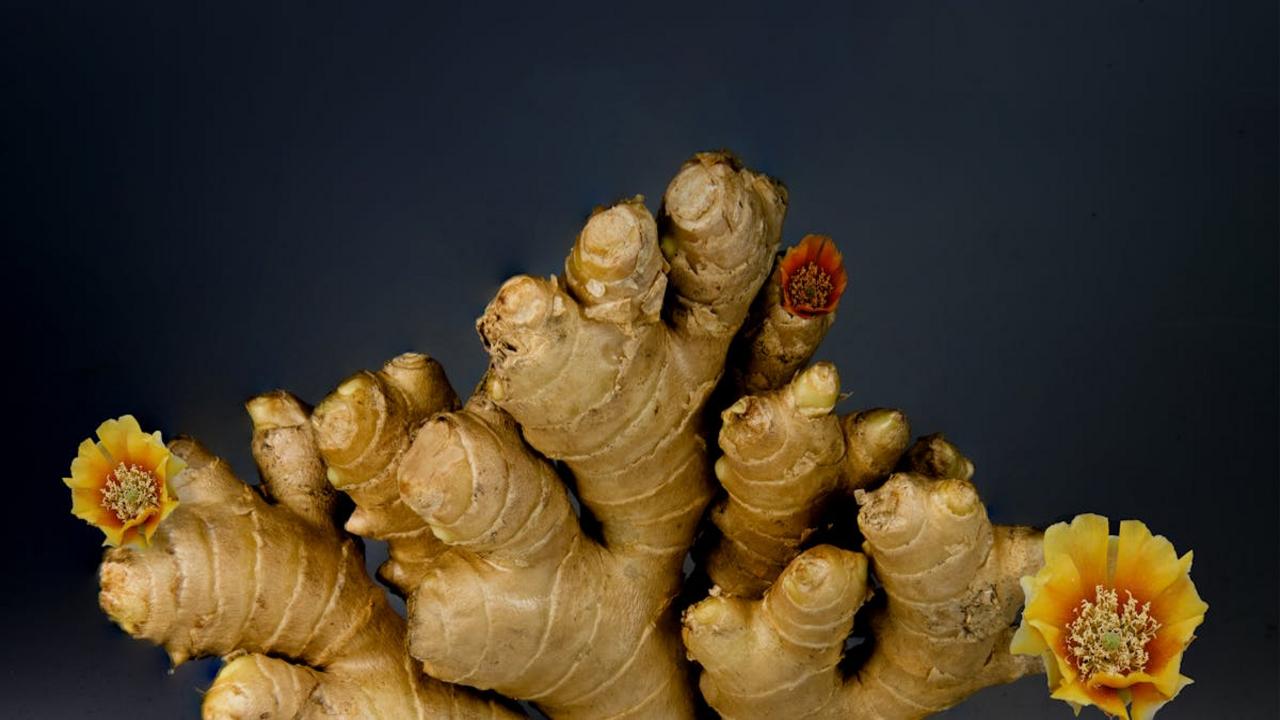
Want to know my favorite time-saving hack with fresh ginger? Skip the tedious peeling process – simply scrape the skin off with a spoon! The spoon’s edge removes just the papery exterior while preserving all the flavorful flesh underneath. I keep a knob of ginger in my freezer at all times, grating it frozen directly into stir-fries, marinades, or sauces. The frozen ginger creates fine, even shreds that distribute beautifully throughout your dishes without any stringy bits.
For maximum convenience, I recommend buying a large piece of ginger, peeling it all at once with your spoon trick, then cutting it into 1-inch chunks before freezing. This way, you can grab exactly what you need without thawing the whole piece. The frozen ginger will keep for months and actually becomes easier to grate than fresh. Plus, you’ll save money by not having to throw away dried-out ginger that’s gone bad in your produce drawer. Add your frozen grated ginger directly to hot dishes – no need to thaw first!
Sesame Oil
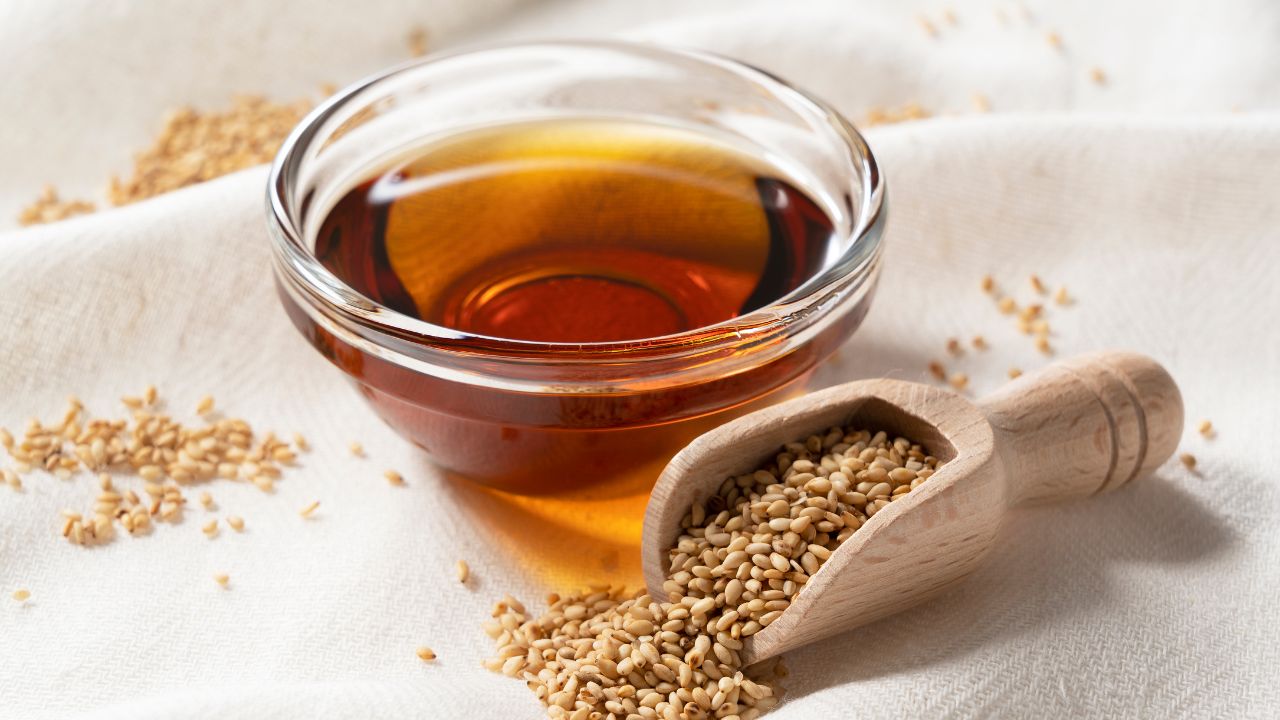
A splash of sesame oil can transform your Asian dishes from good to mind-blowing in seconds. This concentrated, aromatic oil packs such intense flavor that you only need a small amount to add depth and richness to any dish. I love drizzling it over finished stir-fries, noodles, or rice bowls right before serving – the heat releases its nutty aroma and coats everything with a beautiful golden sheen. Pro tip: Keep your sesame oil in the fridge after opening to maintain its fresh, nutty qualities for several months.
Many home cooks make the mistake of using sesame oil as their main cooking oil, but this can lead to bitter, overwhelming flavors. Instead, treat it like a finishing oil – add it at the end of cooking or use it raw in dressings and marinades. For an instant flavor boost, mix sesame oil with soy sauce and rice vinegar to create a simple yet delicious dipping sauce for dumplings or spring rolls. You can also brush it onto grilled meats or vegetables just before serving to add that distinctive Asian restaurant flavor to your home-cooked meals.
Fish Sauce
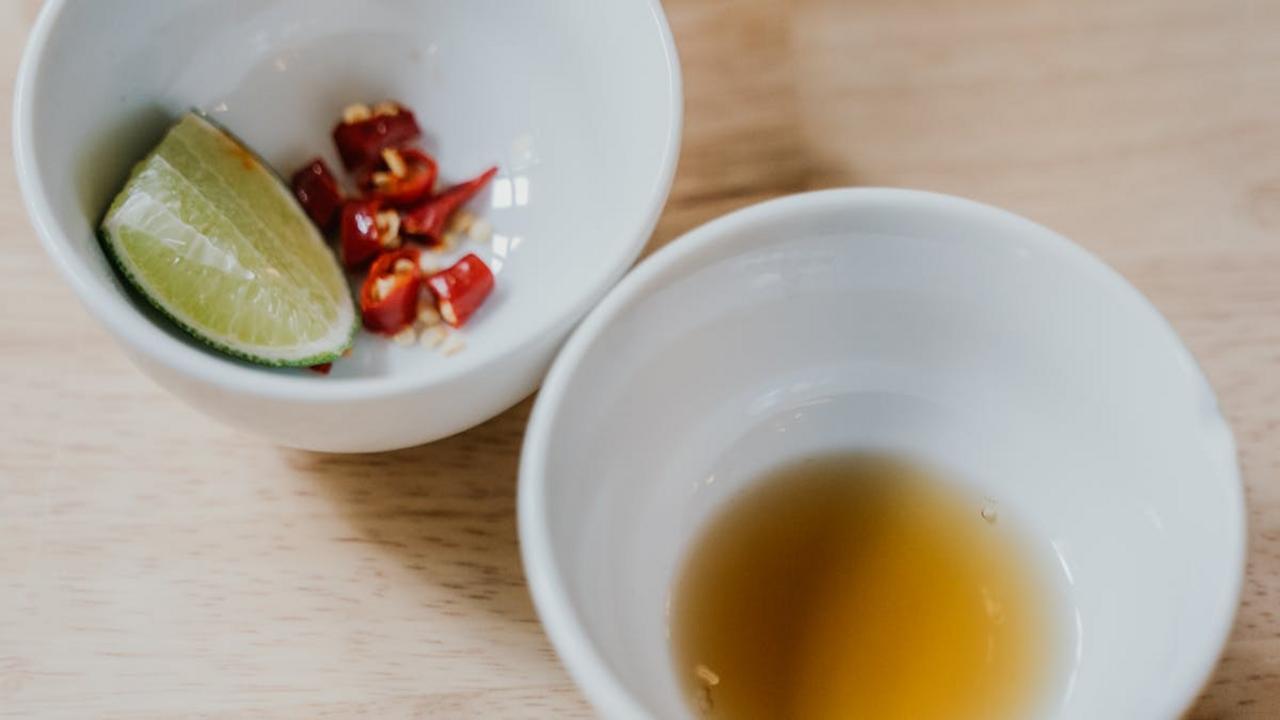
Fish sauce will transform your stir-fries and marinades with its deep, savory punch that goes beyond just saltiness. I keep a bottle of this umami-rich condiment right next to my stove for quick flavor boosts. Just a few drops can add incredible depth to any dish – from simple fried rice to complex curries. Think of it as your secret weapon for creating authentic Southeast Asian flavors at home without spending hours in the kitchen.
Want to make your marinade more complex? Add a tablespoon of fish sauce along with your usual ingredients. Need to fix a bland soup? A dash of fish sauce will do the trick. You can even mix it with lime juice and palm sugar to create a quick dipping sauce for grilled meats or spring rolls. Remember to start with small amounts since fish sauce packs intense flavor – you can always add more, but you can’t take it away once it’s in your dish.
Rice Vinegar
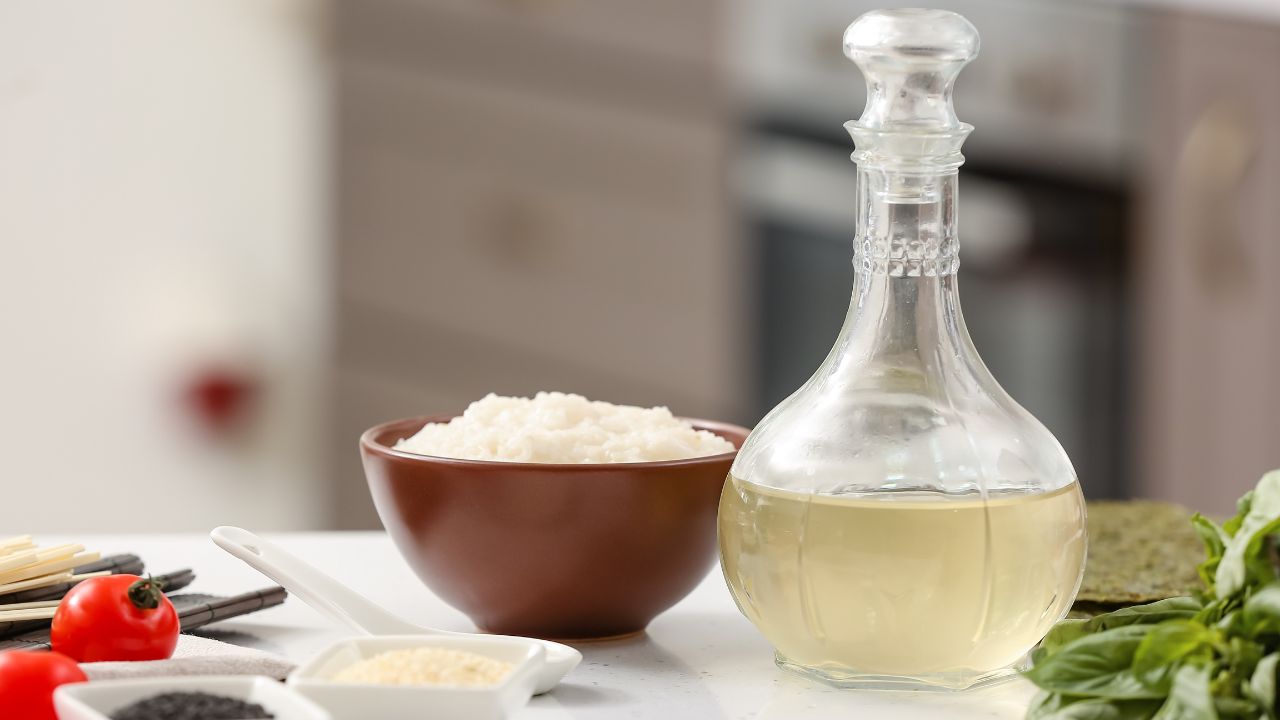
Rice vinegar can transform your Asian dishes from good to spectacular with just a splash! I always keep a bottle of this mild, slightly sweet vinegar in my pantry for quick flavor boosts. Add it to your stir-fry sauces for extra depth, mix it into dipping sauces, or drizzle it over cooked veggies. You’ll notice how it brightens up flavors without the sharp bite of other vinegars. My go-to move? I mix 2 tablespoons of rice vinegar with 1 tablespoon soy sauce and a dash of sesame oil for an instant light dressing that works on everything from noodles to salads.
Here’s a quick tip that will change your rice game forever – add a small splash of rice vinegar to your rice cooker before starting. The vinegar helps break down the starches, giving you fluffier grains that don’t clump together. This trick works especially well for sushi rice, but I use it for regular steamed rice too. Remember to stick with plain rice vinegar rather than seasoned versions when cooking rice – you’ll want that clean, pure flavor as your base. Your rice will turn out perfect every time, ready to soak up all those delicious sauces and marinades.
Soy Sauce
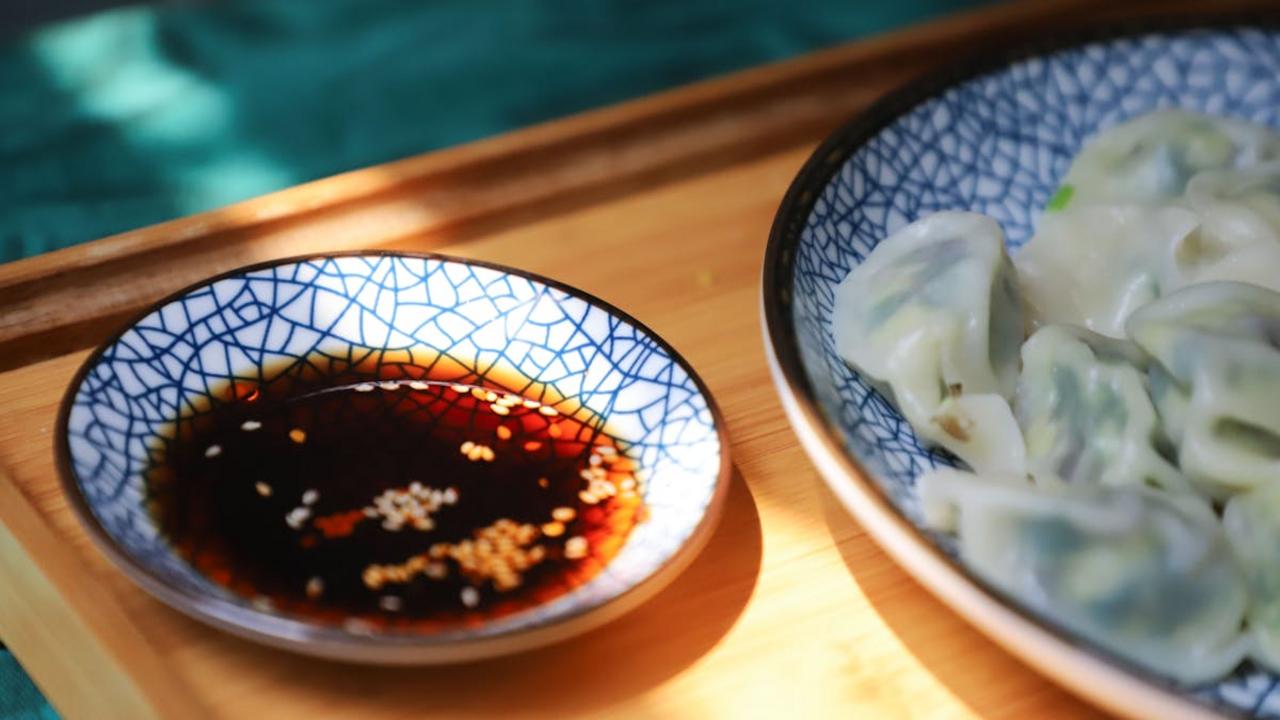
Your secret weapon for quick Asian dishes? A few dashes of soy sauce! I always keep a bottle of good quality soy sauce in my pantry – it adds instant depth and umami to any dish in seconds. Mix it with minced garlic, ginger, and a touch of honey for a 30-second marinade that’ll transform plain chicken or tofu. You can also drizzle it over steamed vegetables or use it as a base for quick stir-fry sauces. The natural fermentation gives soy sauce complex flavors that would typically take hours to build through traditional cooking methods.
Want to take your soy sauce game further? Try different varieties like light, dark, or mushroom-flavored soy sauce – each brings its own character to dishes. I often combine light soy sauce for saltiness with dark soy sauce for color and richness. A splash of soy sauce in fried rice just before serving brightens the whole dish. You can even mix it with rice vinegar and sesame oil for an instant dumpling dipping sauce. Remember to add soy sauce gradually – you can always add more, but you can’t take it away once it’s in there!
Rice Cooker

I’ll let you in on my favorite rice cooker secret that changed my weeknight cooking game forever – you can make so much more than just rice! Your rice cooker doubles as a hands-off cooking wizard for quick Asian one-pot meals. Try tossing in protein like chicken thighs, mushrooms, or tofu along with aromatics like ginger and garlic right on top of your rice. Hit that button and walk away – you’ll come back to a perfectly cooked complete meal with minimal cleanup.
Beyond rice, your cooker makes incredible congee (rice porridge) that tastes like it simmered all day. Just add extra water and any combination of proteins and veggies you love. I like mine with shredded chicken, century egg, and loads of white pepper. The “keep warm” setting works magic for slow-cooking tough cuts of meat until they turn melt-in-your-mouth tender. Your rice cooker can handle everything from steaming dumplings to making rich bone broth – it’s truly the MVP of Asian home cooking.
Wok
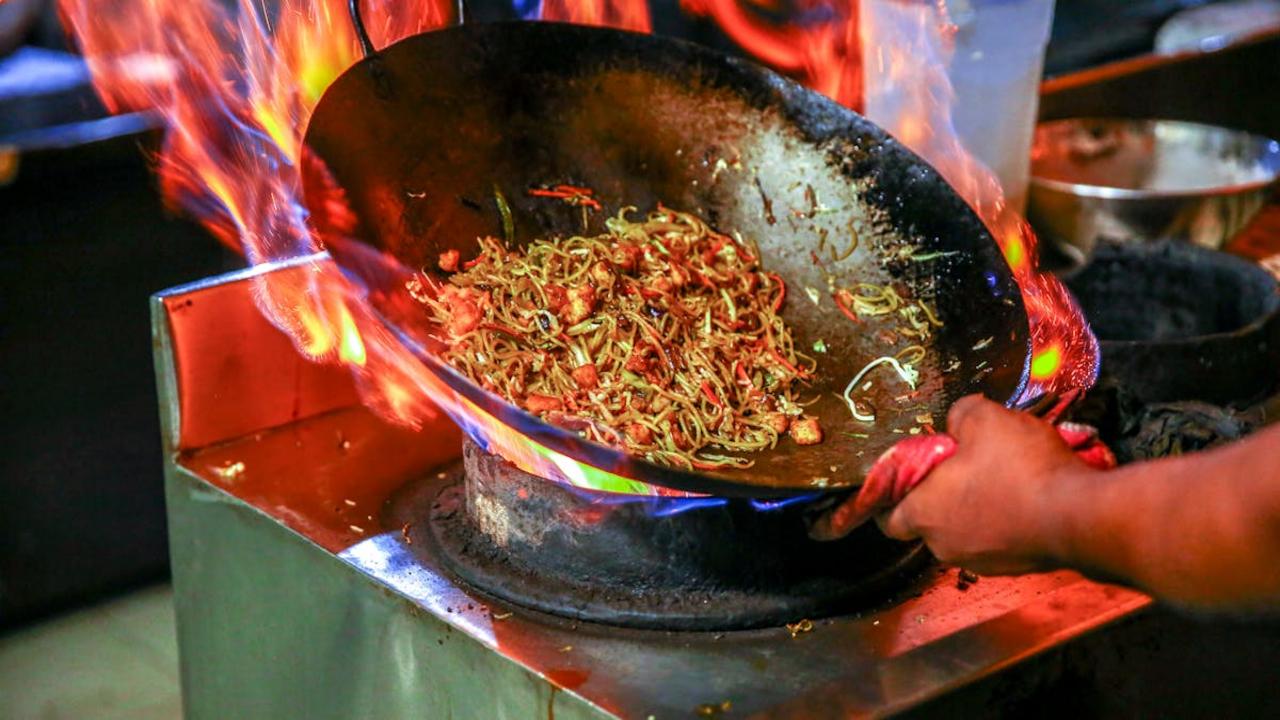
Your wok will become your best friend in the kitchen once you learn how to make it work for you. I recommend getting a carbon steel wok – it conducts heat quickly and creates that perfect sear on your meat and vegetables. The high sides let you toss ingredients without making a mess, while the round bottom helps concentrate heat at the center. With proper seasoning, your wok develops a natural non-stick surface that gets better with each use.
To maintain your wok’s peak performance, always heat it until smoking before adding oil. This prevents food from sticking and gives you that sought-after “wok hei” – the smoky flavor that makes Asian restaurant dishes so delicious. After cooking, clean your wok with hot water only (no soap!), dry it thoroughly on the stove, and rub a thin layer of oil all over the surface. This ritual keeps your wok rust-free and ready for your next cooking adventure. I particularly love using my wok for quick stir-fries, deep-frying, and even steaming with a bamboo basket.