12 Indigenous Superfoods That Kept Communities Thriving for Generations
Before grocery stores and refrigeration, indigenous communities across North America found amazing nutrition right in their backyards. They didn’t call them “superfoods” back then, but these 12 powerhouses packed enough vitamins, minerals, and calories to sustain entire populations through harsh winters and unpredictable seasons.
From the protein-rich wild rice harvested from canoes to the vitamin-packed dandelions that modern homeowners try to eliminate, these foods built civilizations. Native communities didn’t just eat these foods—they developed complex relationships with them, creating sustainable harvesting methods that actually improved plant populations.
These foods weren’t random choices but carefully selected through generations of knowledge. The three sisters—corn, beans, and squash—grew together symbiotically, while sunflower seeds provided portable, storable calories. Many of these indigenous staples now appear on high-end restaurant menus, but their real value lies in their history of keeping communities healthy and connected to their lands.
Squash
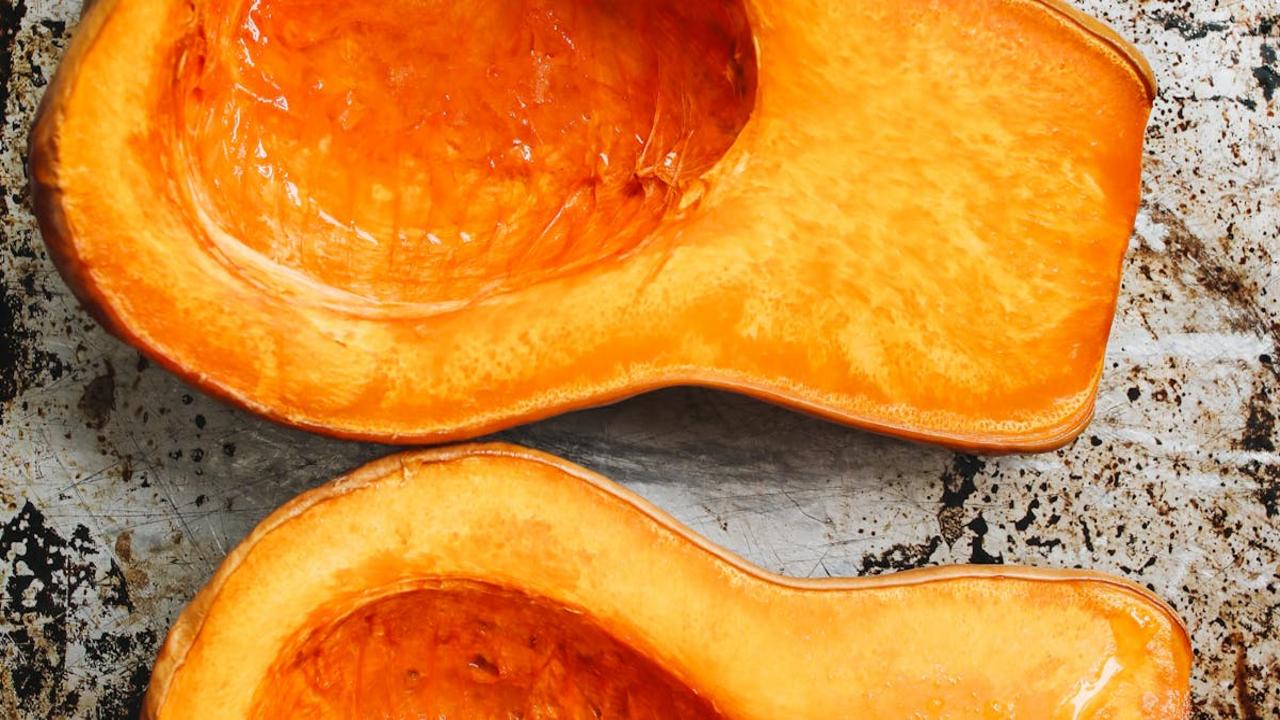
Picture this: you’re wandering through a pre-Columbian garden, and these magnificent vines are sprawling everywhere like nature’s own green carpet, producing these gorgeous golden orbs that practically scream “I’m both beautiful AND delicious!” That’s squash for you – the ultimate multitasker of the Indigenous food world. Native Americans didn’t just grow one type either; they cultivated dozens of varieties, from tiny acorns to massive Hubbards that could feed a family for weeks. The Haudenosaunee people considered squash so important they made it one of the Three Sisters, alongside corn and beans, creating the world’s first sustainable agricultural system that would make modern permaculture enthusiasts weep with joy.
Now here’s where squash gets really clever – every single part of this plant pulls its weight! While you’re busy scooping out the flesh for soups and stews, Indigenous communities were roasting the seeds for protein-packed snacks (hello, original trail mix!), using the shells as bowls and storage containers, and even turning the blossoms into tempura-style fritters centuries before anyone knew what tempura was. Winter squash varieties like butternut and acorn became nature’s own preservation system, storing perfectly in cool, dry places for months without refrigeration. Try roasting chunks with a little maple syrup and sage for a side dish that honors thousands of years of Indigenous wisdom – your dinner guests will think you’re a genius, but really you’re just following a recipe that’s been perfected since before European contact.
Corn
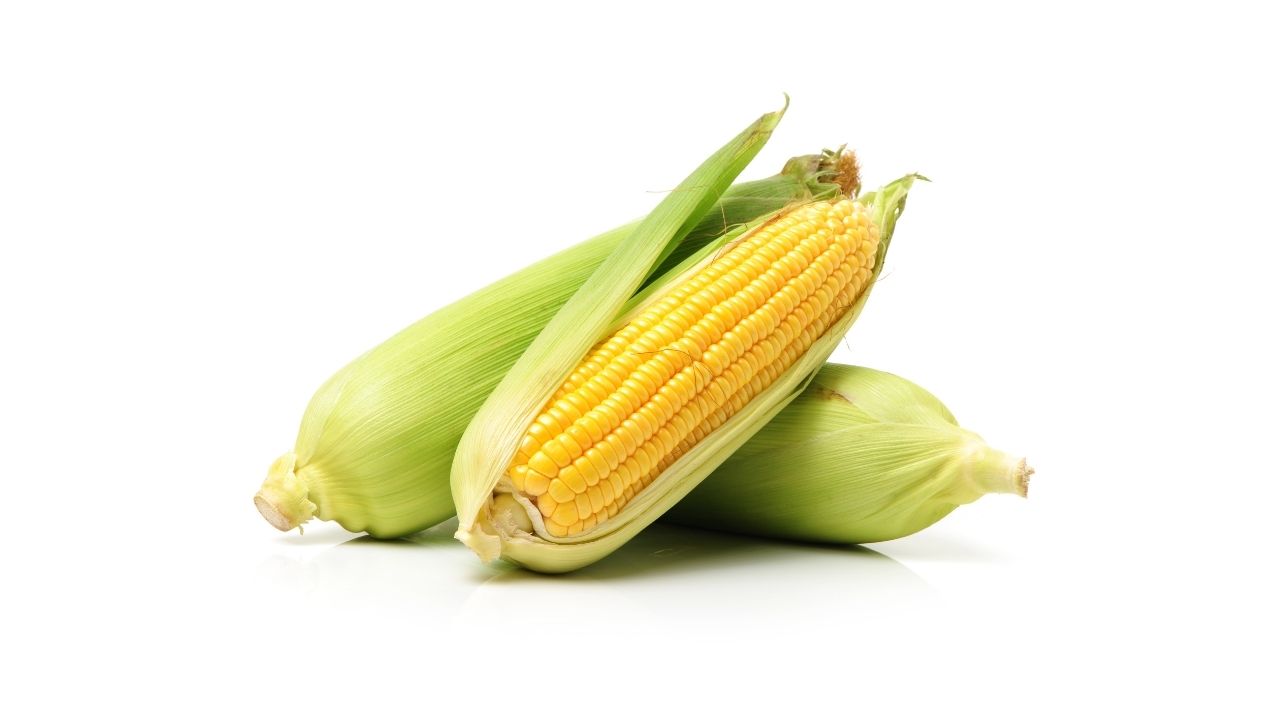
Picture this: you’re munching on buttery popcorn at the movies, completely oblivious to the fact that you’re enjoying one of humanity’s greatest agricultural achievements. Corn didn’t just appear in neat rows across Iowa—this golden wonder started as a wild grass called teosinte in ancient Mexico, looking nothing like the plump kernels we know today. Indigenous peoples spent thousands of years selectively breeding this scrappy plant into the corn we recognize, creating what botanists now call one of the most dramatic transformations in agricultural history. The Aztecs, Maya, and countless other Indigenous communities didn’t just grow corn; they built entire civilizations around it, calling it the flesh of the gods and weaving it into their creation stories.
Here’s where corn gets really clever: it’s basically a nutritional chameleon that adapts to whatever your body needs. When Indigenous communities learned to process corn with lime or ash (a technique called nixtamalization), they accidentally unlocked a nutritional goldmine, making niacin and amino acids more available and preventing pellagra—a disease that plagued European settlers who ate corn without this knowledge. From sweet corn on the cob to hominy, pozole, and cornbread, this adaptable grain fed millions and still does today. You can grind it, pop it, ferment it into beverages, or even use the husks as wrapping paper for tamales. Talk about a multi-tasker that puts your smartphone to shame!
Sunflowers
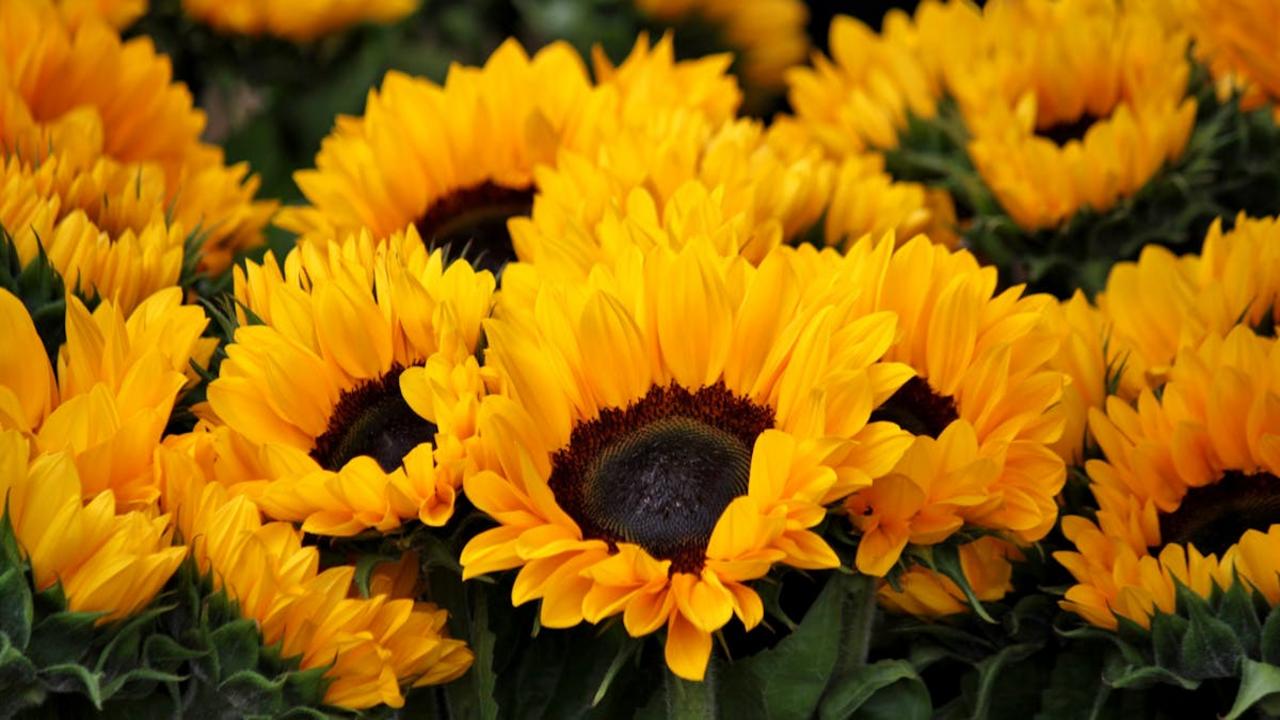
Picture this: you’re standing in a field of towering sunflowers, their massive golden heads tracking the sun like botanical solar panels, and you realize you’re looking at one of North America’s oldest agricultural superstars. Indigenous communities across the continent figured out thousands of years ago that these cheerful giants weren’t just pretty faces – they were nutritional powerhouses hiding in plain sight. Native peoples from the Great Plains to the Southwest cultivated sunflowers long before Europeans even knew tomatoes existed, turning those iconic striped seeds into everything from protein-packed trail mix to cooking oil that would make modern chefs weep with envy.
Here’s where it gets really wild: sunflower seeds pack more protein per ounce than most nuts, plus they’re loaded with vitamin E, magnesium, and healthy fats that keep your brain sharp and your skin glowing. Indigenous communities would grind the seeds into flour for bread, press them for oil, and even use the stalks for construction – talk about zero waste living! The Hopi people still grow their traditional varieties today, some producing seeds so large they look like nature’s own energy bars. Next time you’re munching on sunflower seeds at a baseball game, remember you’re participating in a snacking tradition that’s older than most civilizations. These seeds were keeping people fed and healthy when mammoth hunting was still a viable career option!
Wild Potatoes
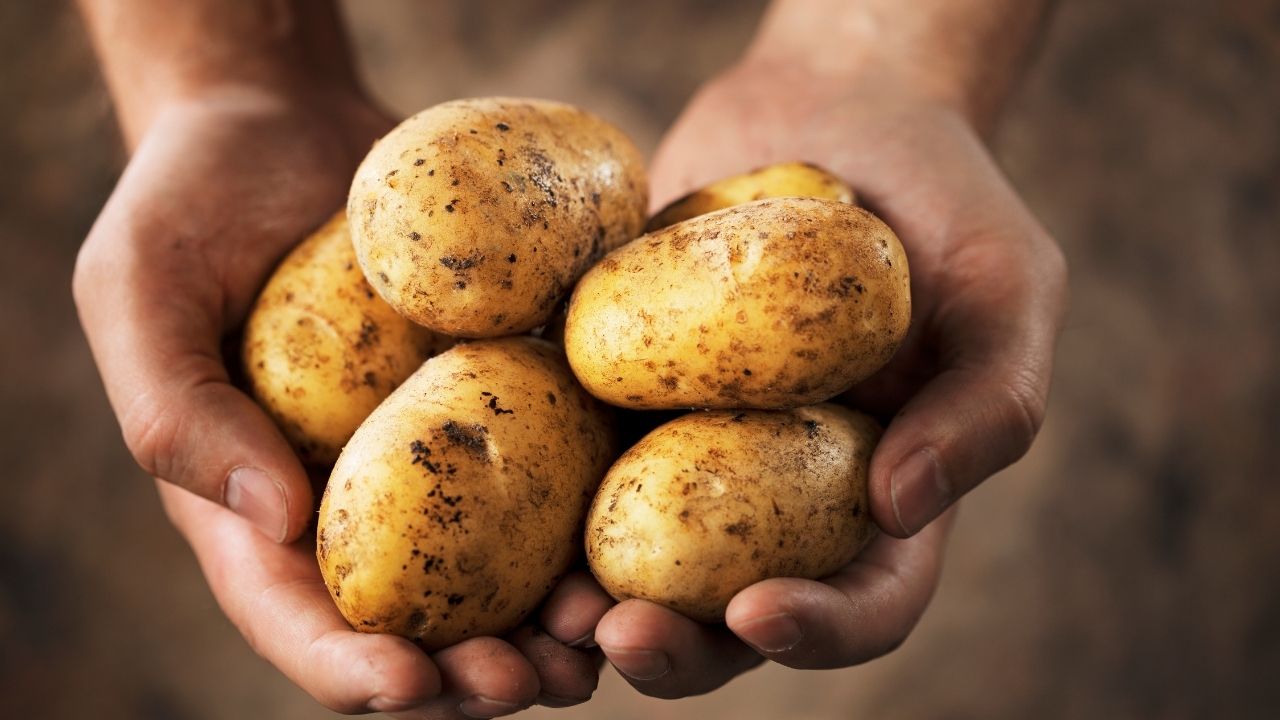
Before your beloved russet became the star of every french fry joint, wild potatoes were already conquering mountains across the Andes, feeding entire civilizations with their scrappy determination. These purple-skinned powerhouses weren’t just food—they were survival insurance for Indigenous communities who understood that Mother Nature’s original spud collection came in more colors than a rainbow and packed more nutritional punch than anything you’d find in your grocery store today. The Incas cultivated over 3,000 varieties of these underground treasures, each one perfectly adapted to different altitudes and climates, creating what might be history’s most impressive agricultural portfolio.
What makes wild potatoes absolutely fascinating is their incredible diversity—some are tiny as marbles, others bright purple inside, and a few varieties can actually survive freezing temperatures that would turn regular potatoes into mush. Indigenous communities developed ingenious preservation methods like freeze-drying them into chuño, creating lightweight, nutrient-dense survival food that could last for years. You can still find wild potato varieties in specialty markets or grow your own purple fingerlings, though fair warning: once you taste a potato that actually has personality beyond “starchy and bland,” you’ll never look at a basic baking potato the same way again.
Pine Trees
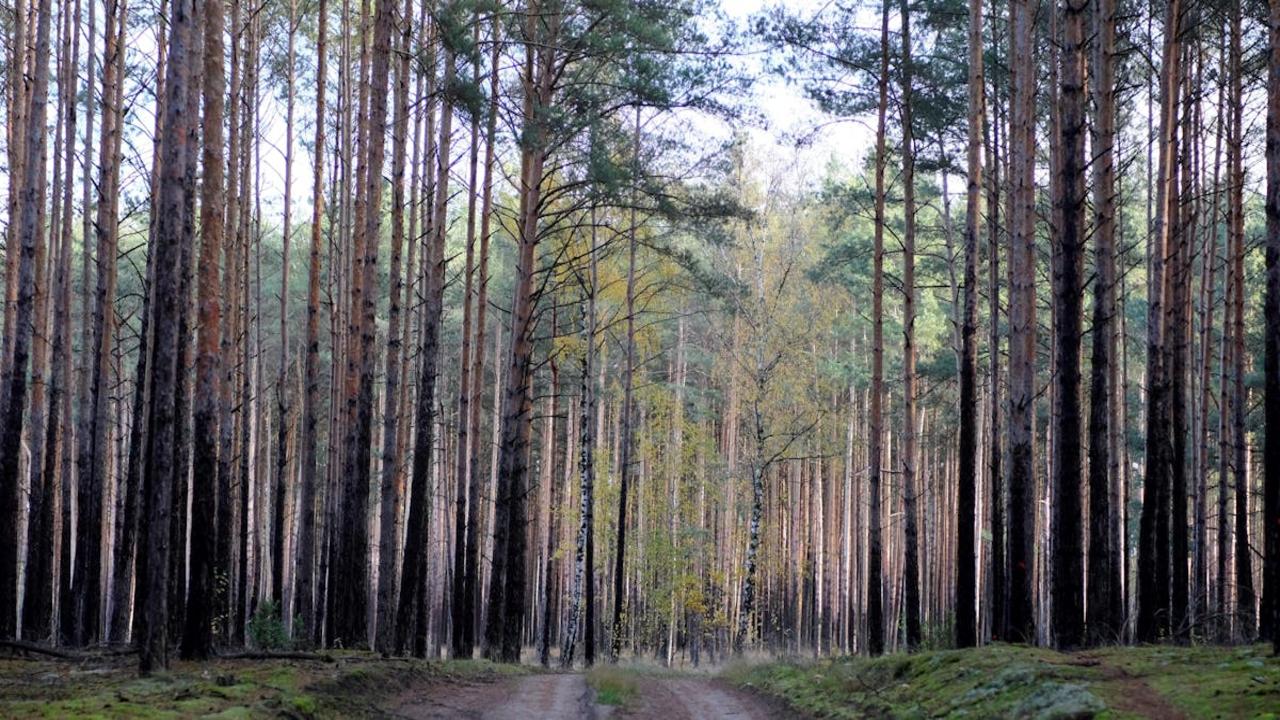
Picture this: you’re wandering through an ancient forest, and suddenly you realize you’re surrounded by nature’s own vitamin C factory! Indigenous peoples across North America figured out centuries ago that pine trees aren’t just pretty to look at—they’re nutritional powerhouses hiding in plain sight. The inner bark, called cambium, tastes surprisingly sweet and provided crucial calories during harsh winters when other food sources ran scarce. Native communities would carefully harvest this layer without killing the tree, creating what some folks lovingly call “wilderness spaghetti.” The needles pack more vitamin C than oranges (take that, citrus snobs!), and many tribes brewed them into teas that could cure scurvy faster than you can say “maritime disaster.”
Different pine species offer their own quirky flavors—some taste like lemony herbs, others carry hints of vanilla or even bubblegum (seriously!). The Ojibwe people perfected techniques for making pine bark flour, mixing it with other ingredients to create surprisingly tasty breads and cakes. Meanwhile, pine nuts from certain species became coveted trading commodities, so valuable that some tribes measured wealth by their pine nut harvests. Modern foragers still collect these forest treasures, though you’ll want to learn proper identification first—nobody wants to accidentally brew a cup of “oops, that’s not pine” tea. Next time you walk past a pine tree, give it a little nod of respect. That towering giant has been keeping people alive and well-fed since long before grocery stores existed!
Berries
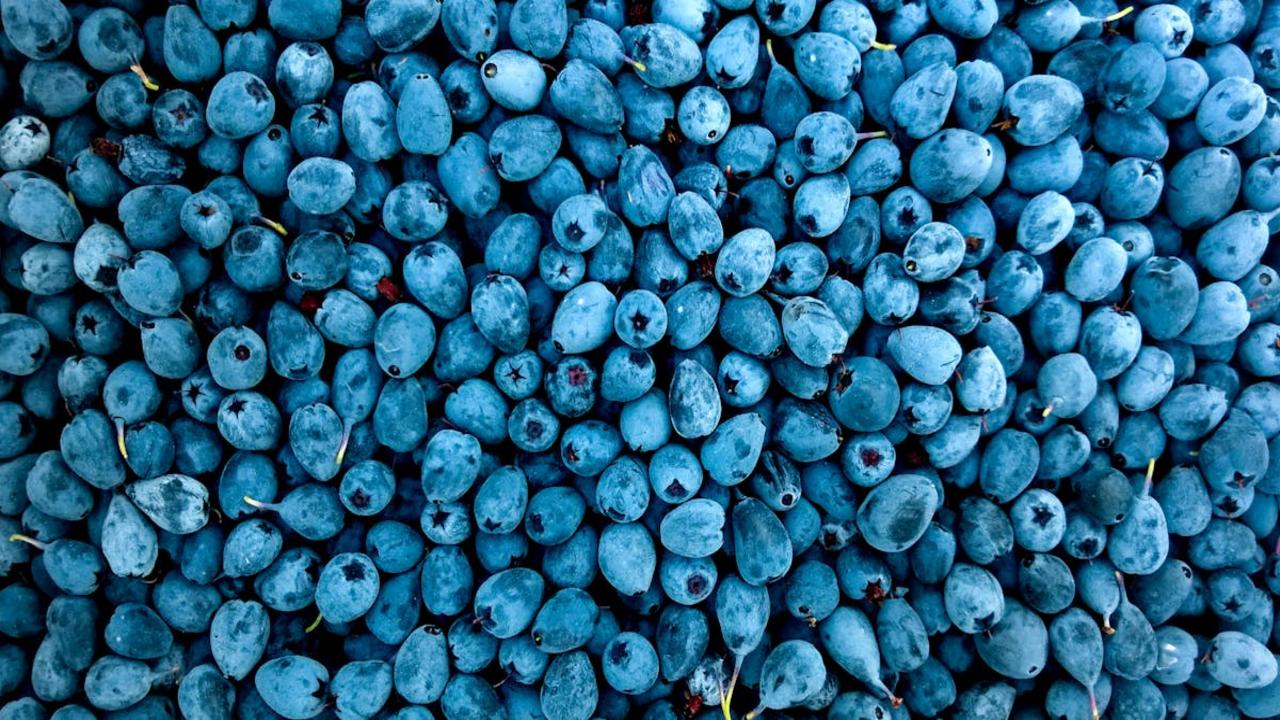
Picture this: you’re wandering through ancient forests where Indigenous communities have been snacking on nature’s candy for thousands of years. Blueberries, blackberries, elderberries, and their wild cousins weren’t just dessert—they were survival packed into tiny, jewel-toned packages. These little powerhouses contain more antioxidants than most modern supermarket produce, and here’s the kicker: wild berries often have ten times more nutrients than their domesticated relatives. Indigenous peoples knew that summer’s berry bounty needed to last through harsh winters, so they perfected drying techniques that concentrated flavors and preserved vitamins long before anyone invented a food dehydrator.
The beauty of berries goes way beyond their vitamin C content (though they’ll definitely keep scurvy at bay). Different tribes developed ingenious methods for processing these fruits—from making pemmican with dried berries mixed into fat and meat, to creating fruit leather that could feed warriors on long journeys. Saskatoon berries were so important to Plains tribes that they planned entire seasonal migrations around harvest time. Today, you can channel this ancient wisdom by freezing wild berries in ice cube trays with a splash of water, creating perfect smoothie additions that pack more nutritional punch than expensive supplements. Trust me, once you taste a wild huckleberry, those grocery store blueberries will seem like distant, flavorless cousins.
Maple Trees
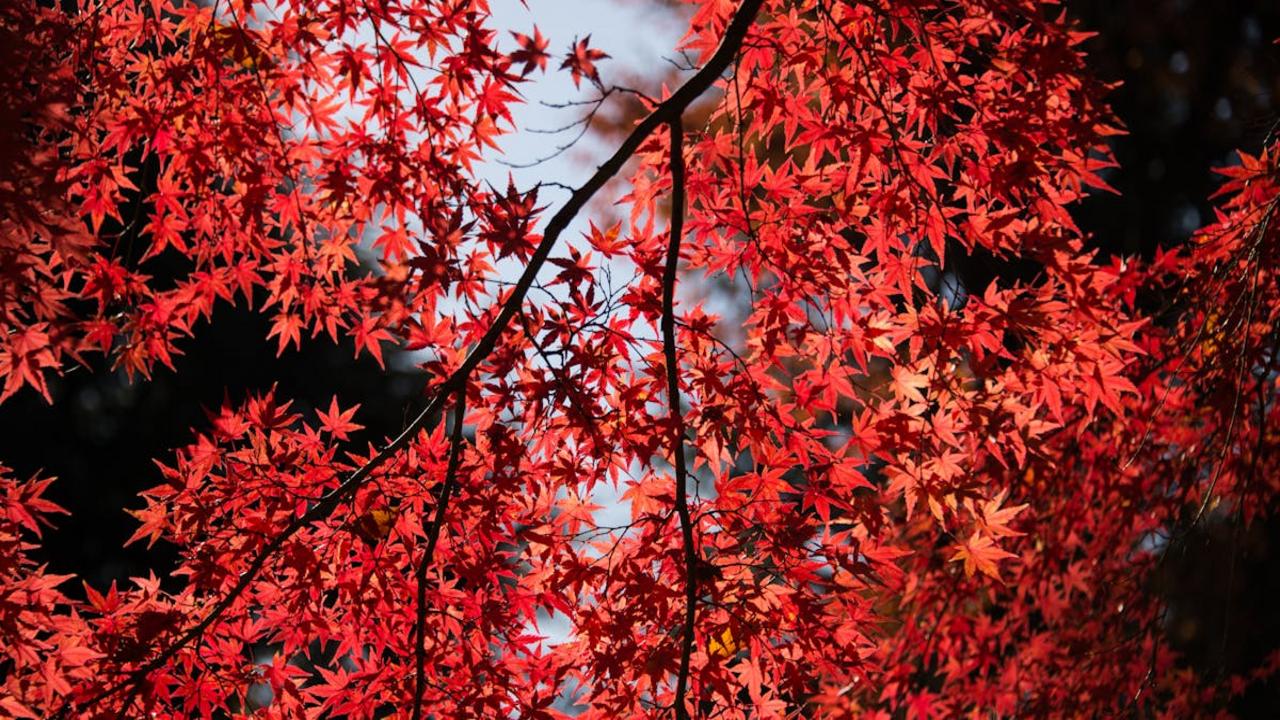
Picture this: you’re trudging through snow deeper than your winter boots, armed with nothing but a sharp tool and an unshakeable belief that trees hold liquid gold. Indigenous communities across North America figured out centuries ago that maple trees weren’t just pretty landscape features—they were mobile sugar factories! The Ojibwe, Haudenanusee, and other tribes developed intricate tapping systems that would make modern maple syrup producers weep with envy. They’d collect the clear, slightly sweet sap in birchbark containers, then boil it down using red-hot stones dropped into wooden vessels. Talk about resourcefulness! One maple tree can produce up to 10-15 gallons of sap per season, but you need about 40 gallons to make just one gallon of that amber nectar we drizzle on pancakes.
But here’s where it gets really fascinating—Indigenous peoples didn’t stop at syrup. They created maple sugar cakes, mixed the sap with wild rice for a power-packed meal, and even used it to preserve meat for long winters. The sugar became currency, traded between tribes like edible Bitcoin. Modern science now confirms what these communities knew all along: maple syrup contains antioxidants, minerals like manganese and zinc, and compounds that may help fight inflammation. Next time you pour that golden goodness over your Sunday morning stack, remember you’re participating in a tradition thousands of years old. Those maple trees standing sentinel in your backyard? They’re basically nature’s candy dispensers, and Indigenous communities wrote the original instruction manual.
Wild Onions
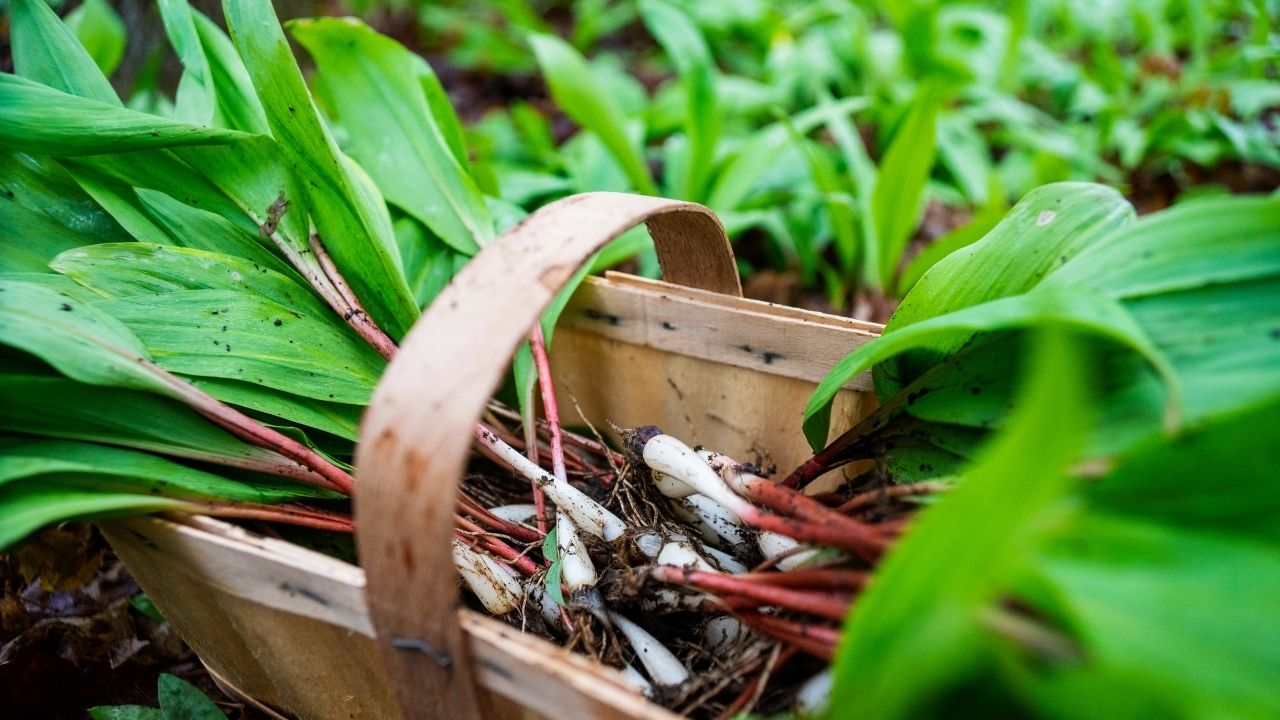
Picture this: you’re wandering through a meadow, and suddenly you catch a whiff of something that makes your nose tingle with recognition. That’s wild onions for you – nature’s own tear-jerking, flavor-packed gift that Indigenous communities have been digging up and celebrating for thousands of years. These little underground treasures don’t mess around when it comes to survival food. Unlike their grocery store cousins that sit pretty in neat rows, wild onions have this scrappy, “I-grew-up-on-the-streets” attitude that translates into incredible flavor intensity. Native American tribes across North America knew exactly what they had on their hands – a food that could punch up any meal while packing serious nutritional value.
The beauty of wild onions lies in their versatility and their “you can’t kill me” resilience. Indigenous cooks would dry them for winter storage, braid them into neat bundles, or toss them fresh into stews that could wake the dead with their aromatic power. Here’s the kicker – these wild varieties often contain more vitamins and minerals than their domesticated relatives because they’ve had to fight for every nutrient in the soil. You can still find them today if you know what to look for (and have permission to forage), but fair warning: they’re about ten times stronger than anything you’ll find at the supermarket. One small wild onion can flavor an entire pot of soup, which explains why Indigenous communities could stretch their food supplies so effectively during lean times.
Dandelions
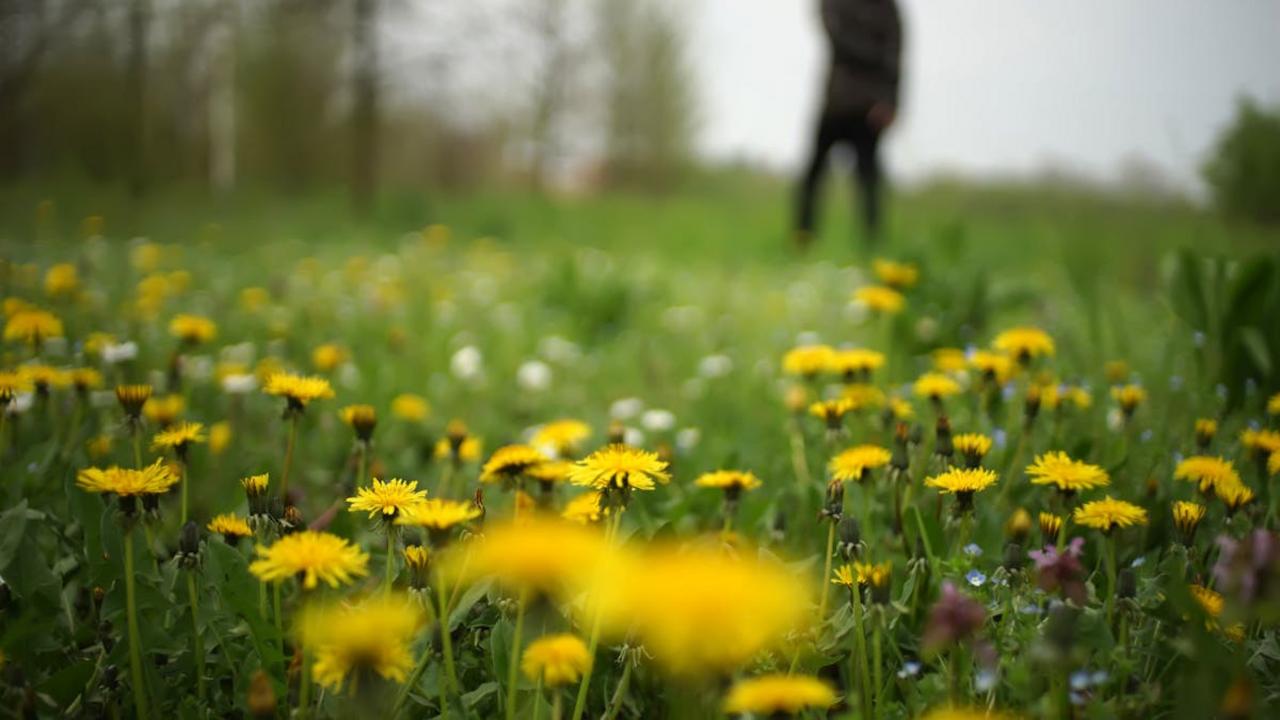
You know that “weed” your neighbors spend thousands trying to eliminate from their pristine lawns? Indigenous communities across North America have been laughing at this gardening obsession for centuries because they recognized dandelions as nutritional powerhouses hiding in plain sight. Every single part of this sunny little rebel packs more vitamins and minerals than most expensive supermarket greens – the leaves contain more iron than spinach, the roots support liver function better than fancy detox teas, and the bright yellow flowers make wine that’ll knock your socks off. Native peoples would gather dandelions in early spring when the leaves were tender and bitter compounds were at their peak, using them fresh in salads or drying them for winter medicine.
What makes dandelions absolutely brilliant is their “I-don’t-need-your-permission” attitude – they’ll grow anywhere, anytime, without fancy soil or careful tending. Indigenous groups like the Ojibwe called them “yellow gowan” and used every part: young leaves went into soups and stews, roots got roasted as a coffee substitute that actually tastes pretty decent, and the milky stem sap treated warts and other skin issues. Modern research proves what Indigenous peoples always knew – dandelions contain potassium, calcium, and antioxidants that put expensive supplements to shame. Next time you see these golden troublemakers popping up in your yard, resist the urge to wage chemical warfare and instead grab a basket – just make sure they haven’t been treated with pesticides, because that defeats the whole point of free, organic nutrition!
Acorns
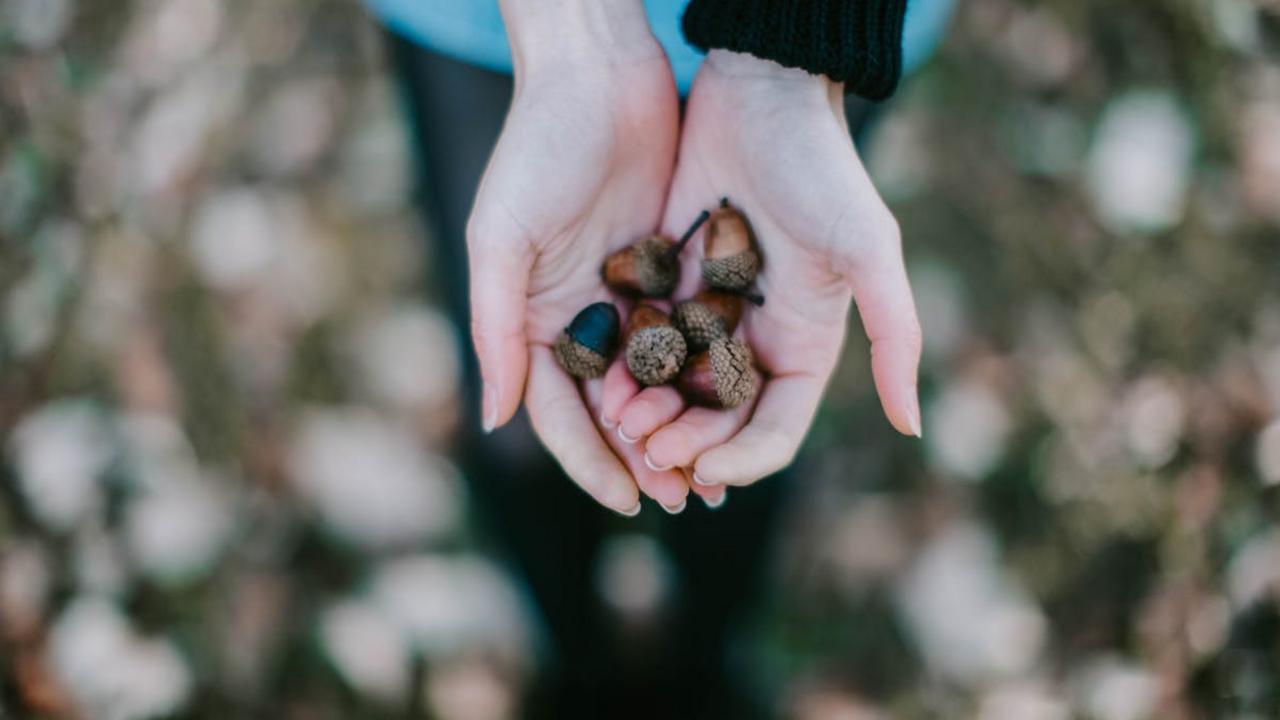
Picture this: you’re wandering through an oak forest, and suddenly you realize you’re walking on nature’s original superfood buffet! Native American communities across North America turned these humble nuts into flour, bread, and porridge for thousands of years. The Yurok, Pomo, and countless other tribes knew something we modern folks are just rediscovering – acorns pack more nutritional punch than most grains sitting in your pantry right now. These little powerhouses contain healthy fats, protein, and complex carbs that kept entire communities fed through harsh winters. Plus, oak trees practically throw acorns at you every fall, making them the ultimate renewable resource.
Now, before you start munching on acorns straight from the ground (please don’t!), know that they need some love first. Raw acorns taste incredibly bitter thanks to tannins – nature’s way of saying “process me properly, please!” Traditional preparation involves grinding them into meal, then leaching out the tannins with water over several days. The result? A sweet, nutty flour perfect for pancakes, bread, or porridge that tastes like a cozy autumn morning. Korean communities still make dotori-muk (acorn jelly) today, and honestly, watching someone transform these forest gifts into silky, translucent squares feels like witnessing edible magic. One mature oak tree can produce enough acorns to feed a family for months – talk about sustainable dining!
Cattails
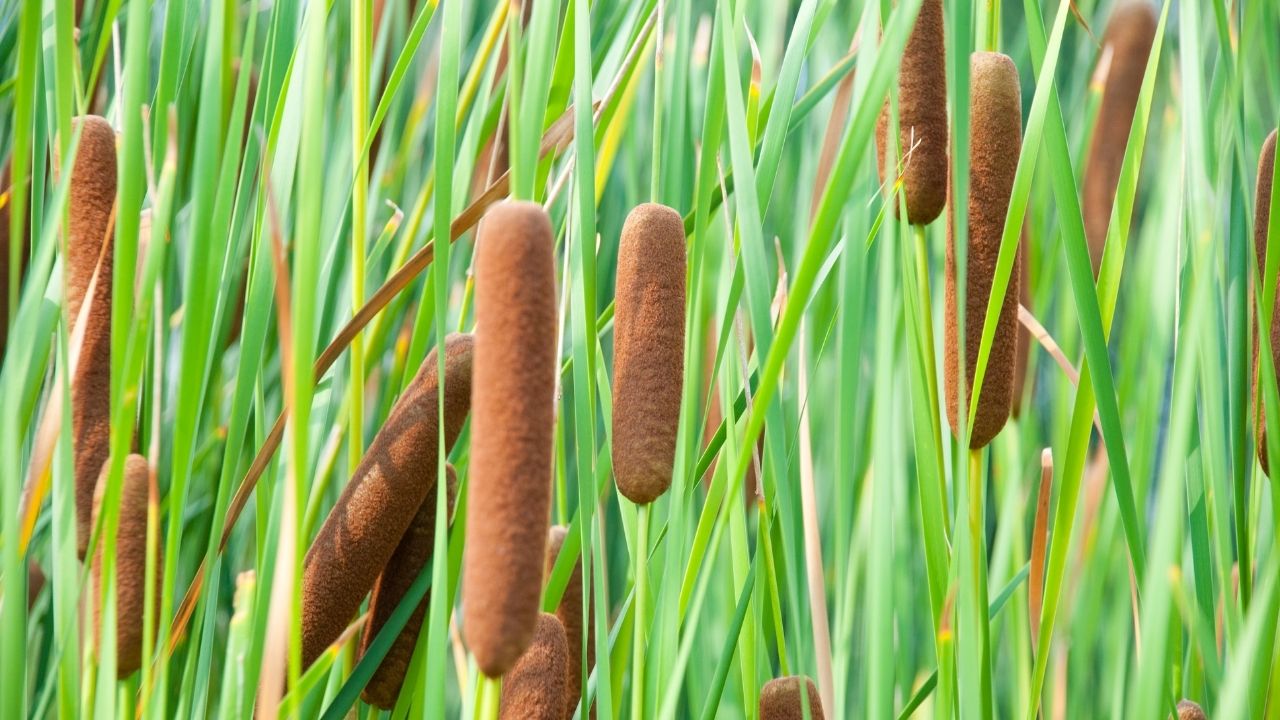
You know that tall, brown sausage-on-a-stick plant you see swaying by ponds and marshes? That’s your new best friend! Indigenous communities across North America have been snacking on cattails for thousands of years, and honestly, they were way ahead of the survival game. These wetland wonders are basically nature’s grocery store – you can eat the shoots, roots, pollen, and even those fuzzy brown tops (though maybe save those for last). The young shoots taste like cucumber mixed with corn, while the roots pack a starchy punch similar to potatoes. Native peoples would harvest different parts throughout the seasons, creating a year-round pantry that never failed them.
Here’s where it gets wild: cattail pollen is basically protein powder that grows on trees (well, technically marsh plants, but you get it). One cattail head can produce up to 15 pounds of pollen, and it’s absolutely loaded with nutrients. You can shake it into pancakes, mix it with regular flour for bread, or just sprinkle it on whatever you’re cooking for an instant superfood boost. The best part? These plants are practically indestructible and grow everywhere there’s water. Indigenous communities would grind the roots into flour, weave baskets from the leaves, and even use the fluff for insulation. Talk about a plant that truly delivers on its promises – cattails are the Swiss Army knife of the wetland world!
Wild Rice
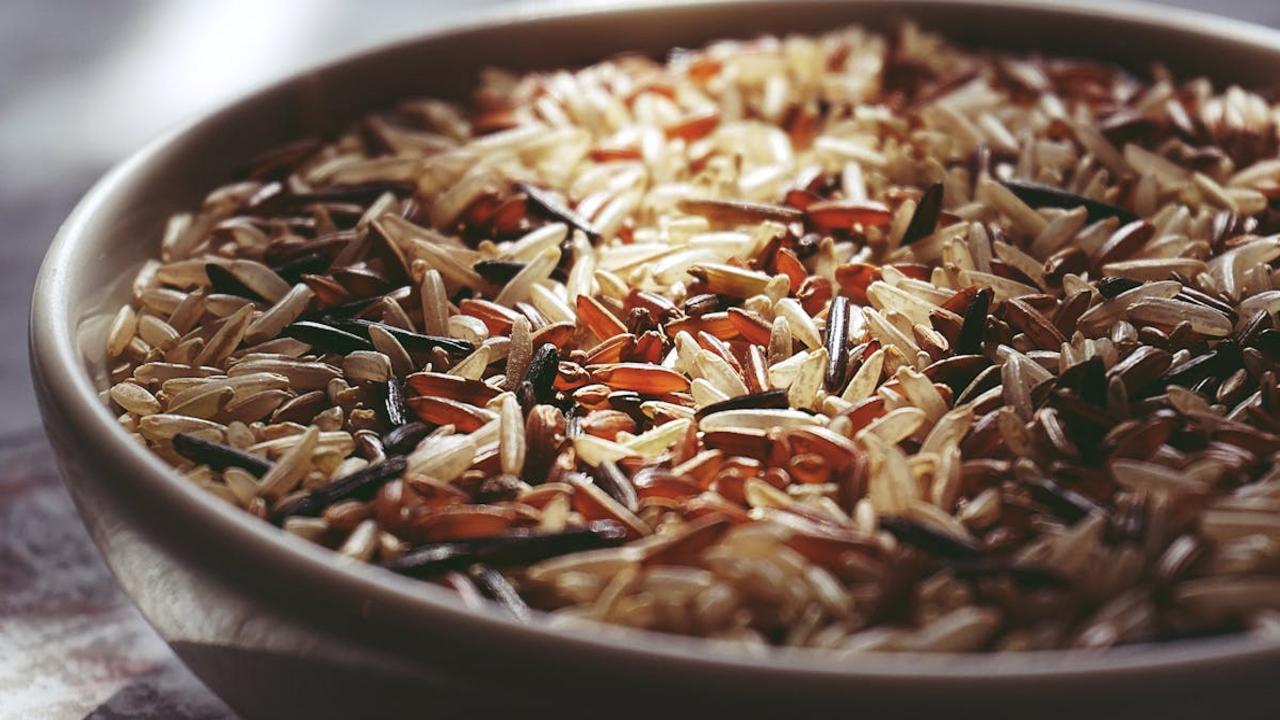
Listen, when I first encountered wild rice, I thought someone was playing a prank on me. This isn’t your typical white rice sitting prettily in a bowl – wild rice looks like tiny black bullets that somehow escaped from a Western movie set. But here’s the kicker: it’s not even technically rice! This rebel grain is actually a grass seed that Indigenous communities around the Great Lakes have been harvesting for over a thousand years. The Ojibwe call it “manoomin,” which translates to “good berry,” and honestly, they nailed it. Picture this: canoes gliding through marshes while people gently bend the stalks over their boats, tapping them with wooden sticks to release the precious seeds. It’s like nature’s own piñata party, except way more sophisticated.
Now, if you’ve never cooked wild rice, prepare yourself for a marathon, not a sprint. This stuff takes about 45 minutes to cook, which gives you plenty of time to contemplate life’s mysteries – like why regular rice cooks so fast but tastes like cardboard. Wild rice has this incredible nutty, almost smoky flavor that makes your mouth do a little happy dance. Plus, it’s packed with more protein than quinoa (take that, trendy superfood!), loads of fiber, and enough B vitamins to make your grandmother proud. I love mixing it with cranberries, toasted nuts, and a splash of maple syrup for a dish that screams “I’m fancy but also down-to-earth.” Pro tip: make extra because cold wild rice salad is basically edible gold the next day.