My Family Switched to ‘Even Splitting’ Once They Saw I Ordered the Cheapest Dish. I Refused to Pay.
There are few social situations more fraught with tension than the moment the restaurant bill arrives for a large group. We all know the unspoken rule: be fair, be considerate, and certainly don’t expect others to pay for your indulgences. It’s a simple matter of respect.
However, one woman recently shared a family dinner story that proves this simple courtesy is not always common sense. What should have been a lovely birthday celebration for her grandmother quickly devolved into a bitter argument over money, leaving her stunned and ostracized for simply wanting to pay her fair share.
A Birthday Dinner Turns Bitter
The scene was a family meal for “Nan’s” birthday, with multiple family groups in attendance. Our storyteller, a 30-year-old woman, pre-ordered a modest two-course meal with a soft drink. By her calculation, her total, including a small contribution for her Nan’s meal, should have been around $25.
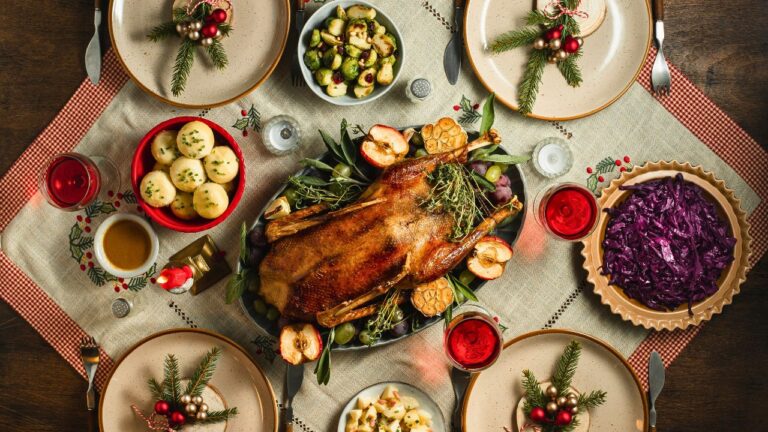
In contrast, nearly every other adult at the table enjoyed a three-course meal, multiple alcoholic drinks, and a hot beverage to finish. When the bill arrived, her cousin announced that each adult owed $50. This figure not only covered the more expensive meals and drinks of others but was also meant to subsidize the meals of the school-aged children present.
When the woman politely pointed out that her bill was half that amount, chaos erupted. Her brother-in-law began yelling, and an aunt shouted, “She’s not MY granddaughter, so why do I have to pay for her?!” Another aunt confronted her directly, demanding, “Why can’t you just muck in like everybody else?!”
When she explained she couldn’t afford to pay double, she was met with a shocking ultimatum: “What do we do, not invite you to future events?!”
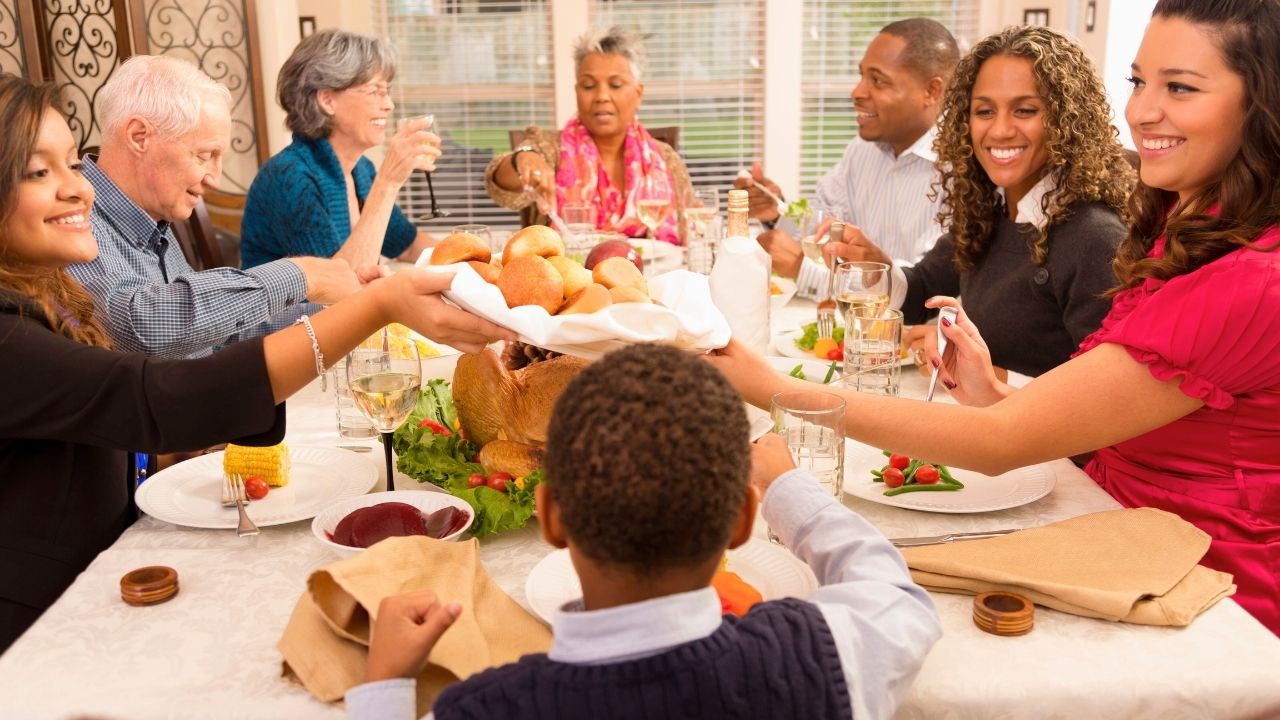
It turns out the family had conveniently changed their long-standing tradition of paying for their own family’s meals to a “split the bill” method, a change that always seemed to leave her paying for everyone else’s choices.
The Internet Reacts
After she shared her story, thousands of people weighed in, and the debate was fierce. Commenters largely fell into three distinct camps, all siding with the woman who was treated so poorly.
First, there was the “Absolutely Not” crowd, who were furious on her behalf. They couldn’t believe the audacity of the family. One person summed it up perfectly: “The ‘let’s just split the bill’ people are always the ones with the big tab.”
Another commenter was floored by the expectation to pay for children, asking, “Why on earth would someone expect for you to pitch in for their kids’ meals?! Their kids, they pay.” The consensus was clear: this wasn’t about “mucking in”; it was about taking financial advantage of a family member.
The second group was the “Practical Planners.” While they agreed the family was out of line, their focus was on preventing this nightmare scenario in the future. Their advice was straightforward and sensible. “In future, make a waiter aware that you would like your own bill where possibly,” one suggested.
Another wisely advised, “If you are invited to another family meal, discuss payment options ahead of time.” These readers believe that a little planning can prevent a lot of family drama.

Finally, we have the “Petty Revenge” crowd, who offered some rather amusing, if saucy, suggestions. One popular idea was to turn the tables on the family. “Save up a bit and set it aside for the next large family meal,” one user wrote, “then order the most expensive thing possible, and when the bill comes around, let them split it evenly and see how they feel about it then.”
Another commenter offered a sharp retort for the next time she’s threatened with being uninvited: “When they said ‘we shouldn’t invite you to future family events,’ you should have said ‘do you promise?'”
The Etiquette Verdict
Let’s be perfectly clear: this woman’s family behaved abominably. Splitting a bill evenly is only appropriate when everyone has ordered items of a similar value. Expecting one person, who consciously ordered less, to subsidize others’ cocktails, desserts, and especially their children, is the height of poor manners. It transforms a gesture of togetherness into an act of financial bullying.
The golden rule of group dining is fairness. You pay for what you ordered. Any deviation from this, such as splitting the bill or treating someone, must be agreed upon by everyone at the table before the meal. Generosity is a gift, not an obligation, and it should never be demanded, especially not from your own family.

Your Take
What do you think? Should the woman have paid the extra money just to keep the peace at a family celebration, or was she right to stand her ground against her family’s unfair demands?
Ready for the next level of insight? Discover more in my latest article here.