15 Clever Budget Dishes From Around the World That Stretch Every Bite
Your wallet might be crying, but your stomach doesn’t have to suffer! Smart cooks across the globe have mastered the art of making magic happen with humble ingredients. These dishes prove that creativity beats cash every single time.
From Nepal’s mountains to Senegal’s bustling markets, people transform basic staples into satisfying meals that feed families without breaking the bank. Rice becomes a canvas, beans turn into protein powerhouses, and simple grains stretch into hearty portions that keep everyone happy.
These recipes carry stories of resourcefulness passed down through generations. Each dish represents a community’s ingenious solution to feeding people well on very little. Get ready to discover how the world’s most practical cooks turn pantry basics into pure comfort food gold!
Chili with Squash (Native American Tribes)
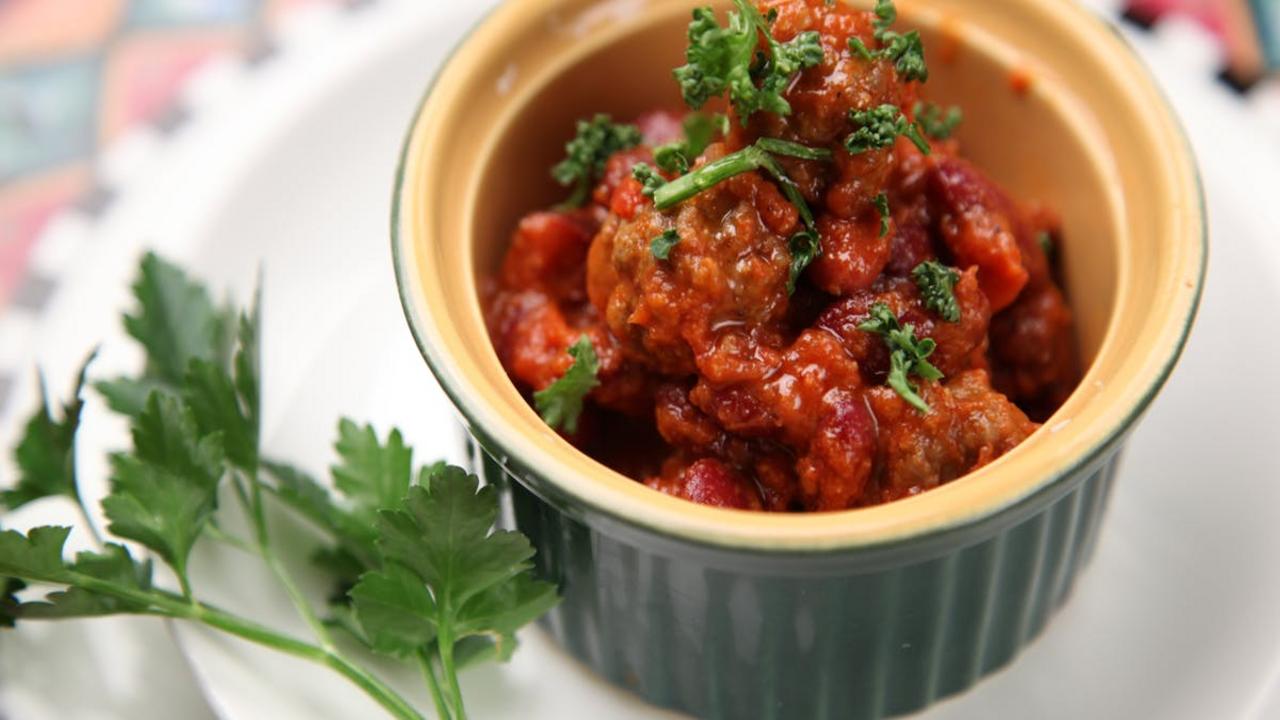
Picture this: you’ve got a handful of dried chili peppers, some winter squash that’s been hanging around since harvest, and absolutely nothing else in your pantry. Most of us would panic-order pizza, but Indigenous communities across North America turned this scenario into pure magic centuries ago. They created chili with squash, a dish so brilliantly simple it makes you wonder why we ever complicated cooking in the first place. The Hopi, Pueblo, and countless other tribes knew that when times got tough, you didn’t need a grocery store—you needed creativity and respect for what the land provided.
This isn’t your typical “throw everything in a pot” situation, though it might look like one. The beauty lies in the balance: smoky chilies bring heat and depth while chunks of sweet butternut or acorn squash melt into creamy perfection, creating a sauce that coats every spoonful like a warm hug. Traditional versions often included beans, corn, and wild game when available, but the core duo of chilies and squash could stretch a meal for days. Modern cooks can recreate this budget masterpiece by roasting any winter squash with dried chilies, a splash of broth, and maybe some onions if you’re feeling fancy. One pot, maybe five ingredients, maximum satisfaction—and your wallet stays happy while your taste buds dance.
Plantain and Beans (Caribbean)
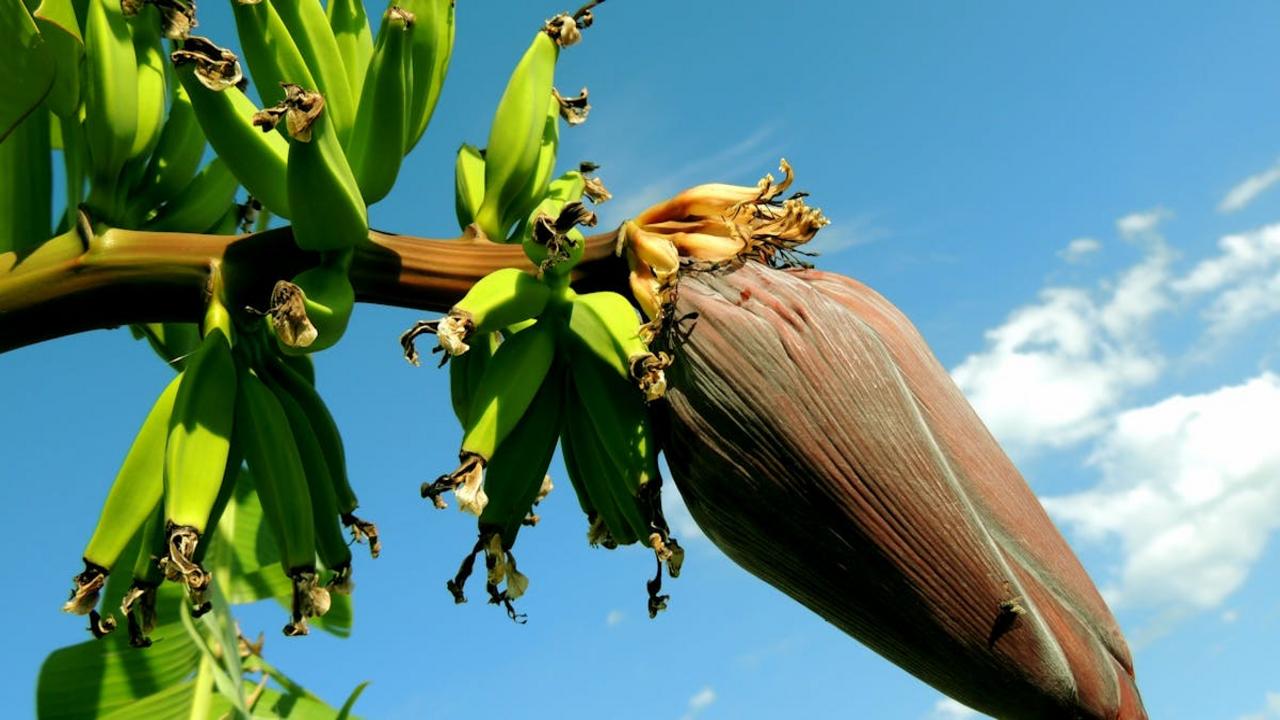
Picture this: you’re broke, your stomach’s growling like an angry mongoose, and you’ve got exactly three ingredients in your kitchen. Enter plantain and beans, the Caribbean’s answer to “what the heck am I going to eat tonight?” This dynamic duo has been saving wallets and filling bellies across the islands for generations, and honestly, it’s about time the rest of us caught on. The genius lies in the contrast – creamy, protein-packed beans dancing with sweet, caramelized plantains that basically taste like nature’s candy decided to go savory. In Jamaica, they call it “rice and peas” when you throw rice into the mix, but the plantain version stands proudly on its own.
Here’s what makes this dish absolutely brilliant: plantains are cheaper than your morning coffee, available year-round, and they transform completely depending on their ripeness. Green ones? They’ll give you that starchy, potato-like satisfaction. Yellow with black spots? Sweet heaven that caramelizes beautifully in the pan. Meanwhile, kidney beans or black-eyed peas bring the protein power, often cooked with coconut milk that makes everything taste like a tropical vacation. Fun fact: plantains are actually berries (botanically speaking), which means you’re technically eating a fruit salad for dinner – though try explaining that to your skeptical relatives. One pot, minimal cleanup, maximum flavor, and your bank account stays happy.
Injera with Shiro (Ethiopia)
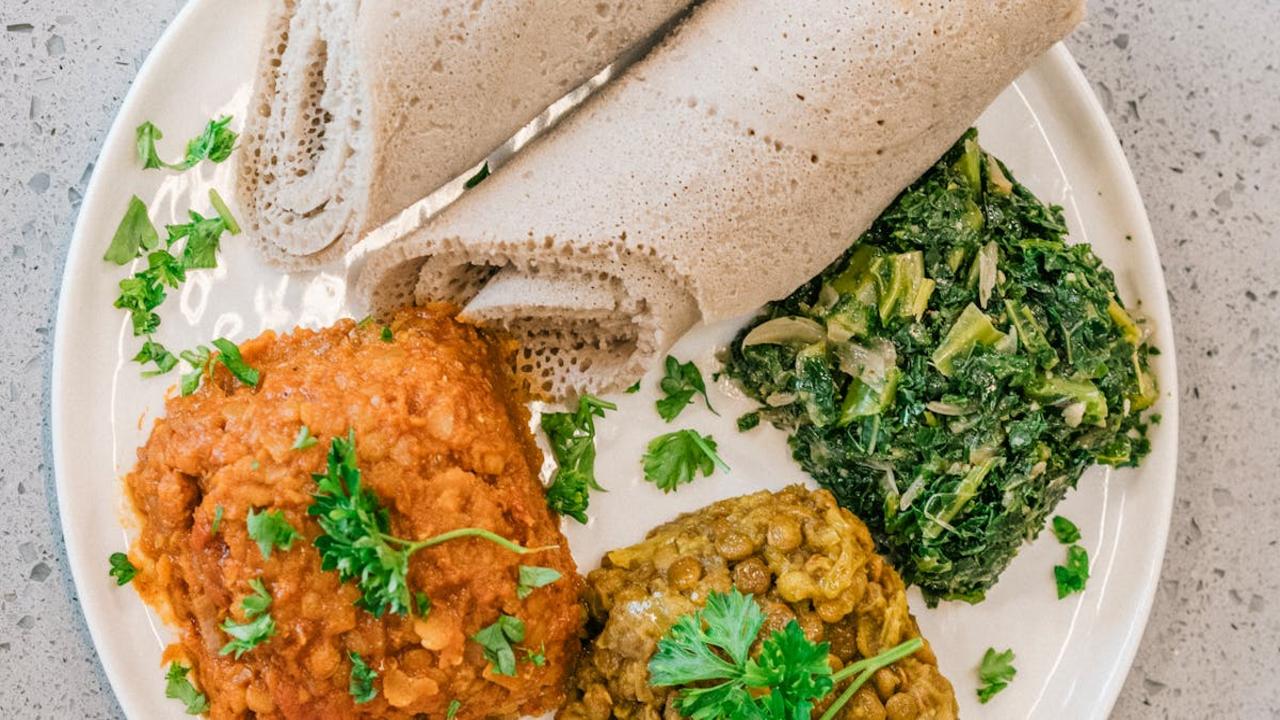
Meet Ethiopia’s most brilliant budget hack: injera paired with shiro, a dish that turns humble chickpea flour into pure magic. Picture this spongy, slightly sour flatbread that doubles as both your plate and your utensil—now that’s what I call efficiency! Injera gets its distinctive tangy flavor from teff flour that ferments for days, creating those signature bubble holes that work like tiny flavor pockets. The bread literally breathes, and honestly, watching someone make it feels like witnessing edible science in action.
Now for the star of the show: shiro, Ethiopia’s answer to “how do we make chickpea flour taste like a party?” This thick, spiced stew transforms basic ground chickpeas into something so satisfying you’ll forget you’re eating what amounts to flour and water with attitude. Berbere spice blend brings the heat while onions, garlic, and sometimes tomatoes join the party. One bag of chickpea flour feeds a family for days, and the best part? You eat it with your hands, tearing off pieces of injera to scoop up the shiro. No dishes, maximum flavor, minimum cost—pure genius!
Khichdi (India)
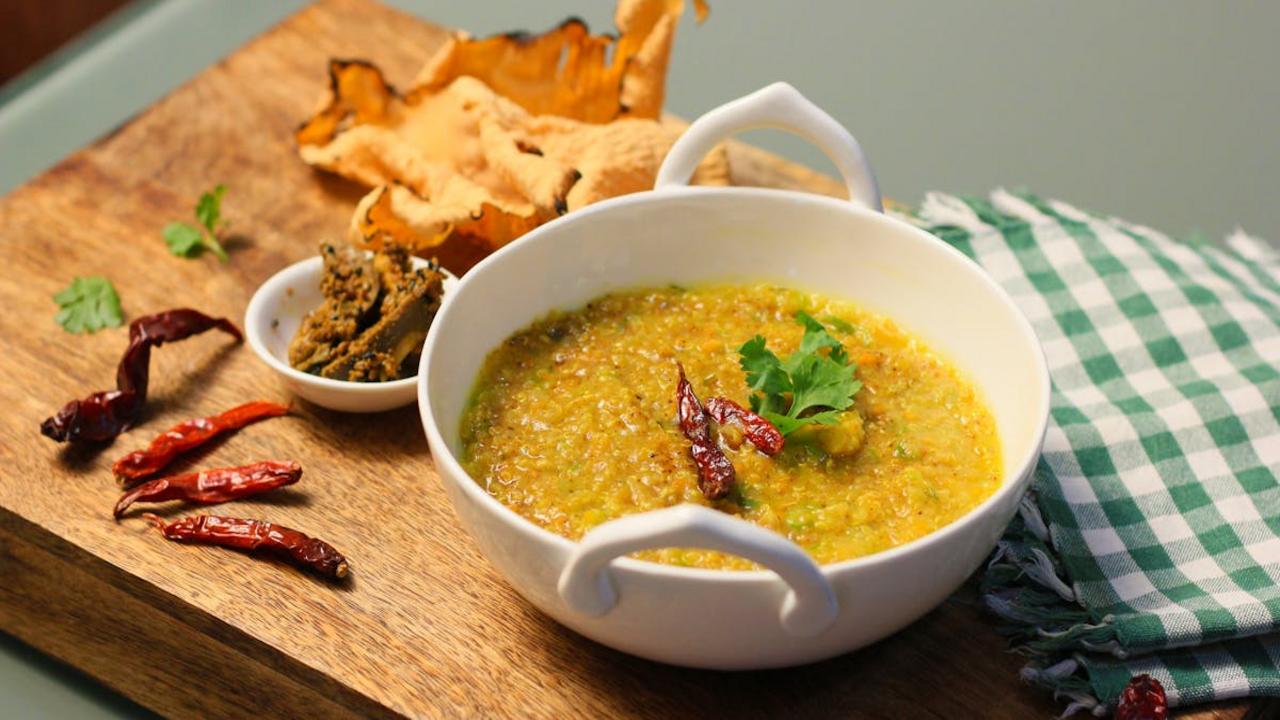
You know that friend who somehow makes magic happen with just rice and lentils in their pantry? That’s khichdi for you – India’s ultimate comfort food that transforms the most basic ingredients into pure soul-warming goodness. This humble one-pot wonder combines rice and dal (lentils) with a sprinkle of turmeric, creating a dish so satisfying that it’s basically a warm hug in bowl form. Indians have been perfecting this recipe for centuries, and honestly, they’ve nailed it. The beauty lies in its simplicity: throw everything into one pot, add water, and let time work its magic while you binge-watch your favorite show.
Here’s the wild part – khichdi is so revered in Indian culture that it’s considered the perfect food for babies, sick people, and anyone having a rough day. It’s like chicken soup’s wise, ancient cousin who studied meditation in the Himalayas. You can jazz it up with vegetables, ghee, or spices, but even the plainest version tastes like a celebration of comfort. The best part? It costs practically nothing to make, stretches to feed a small army, and somehow manages to be both incredibly filling and easy on the stomach. Pro tip: make extra because cold khichdi with a dollop of yogurt and pickle makes breakfast feel like a festival.
Barley Soup (Tibet)
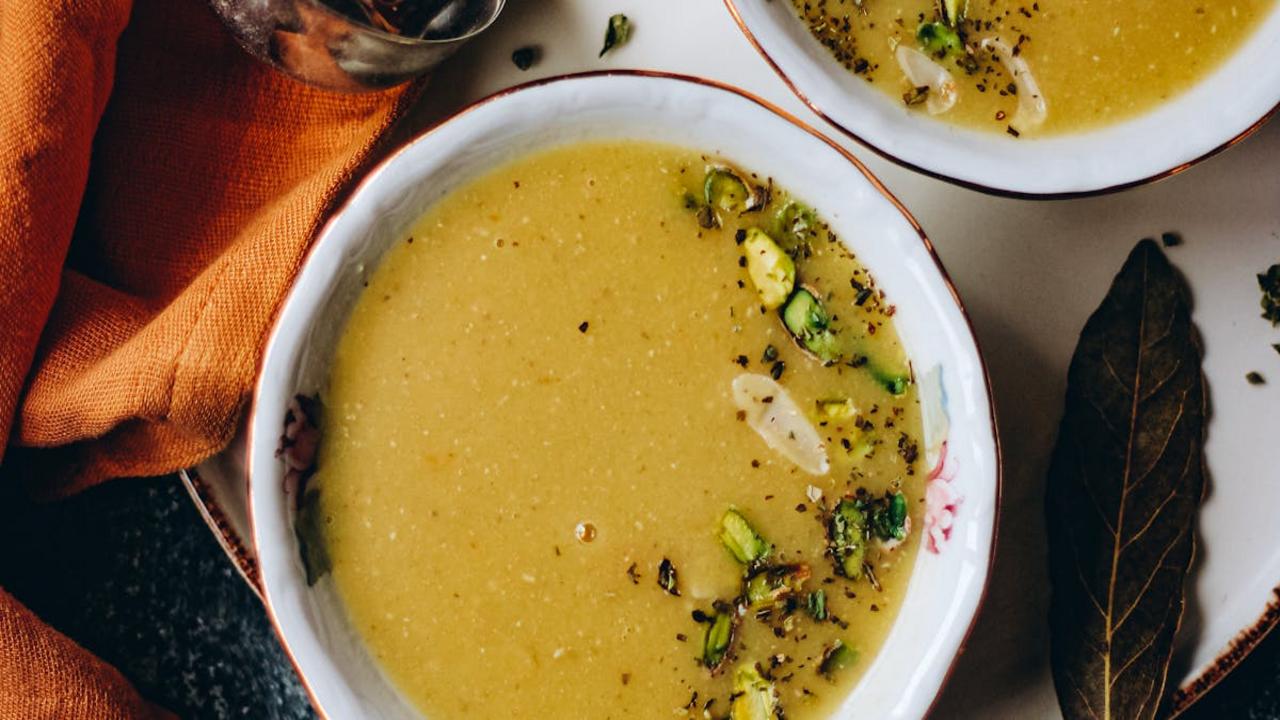
High up in the Himalayas where oxygen runs thin and winter feels like it lasts forever, Tibetan families have perfected the art of making magic from humble barley. This isn’t your grandmother’s chicken soup—this is tsampa thukpa, a hearty bowl that could probably fuel a yak trek across mountain passes. Roasted barley flour gets stirred into a rich broth with whatever vegetables managed to survive the harsh climate, creating a thick, warming soup that sticks to your ribs like mountain climbing gear. The barley provides serious staying power, and locals swear it keeps you full longer than any fancy protein shake ever could.
What makes this dish brilliant is how Tibetans stretch one simple grain into countless variations. Sometimes they add dried yak meat if they’re feeling fancy, other times just wild herbs and root vegetables. The roasted barley flour (tsampa) is so central to Tibetan life that monks carry pouches of it like other people carry protein bars—mix it with butter tea, and you’ve got breakfast, lunch, or dinner sorted. You can recreate this budget wonder at home using pearl barley, vegetable broth, and whatever sad vegetables are lurking in your crisper drawer. Trust me, after one bowl of this soul-warming soup, you’ll understand why Tibetans consider barley their sacred grain.
Jollof Rice (West Africa)
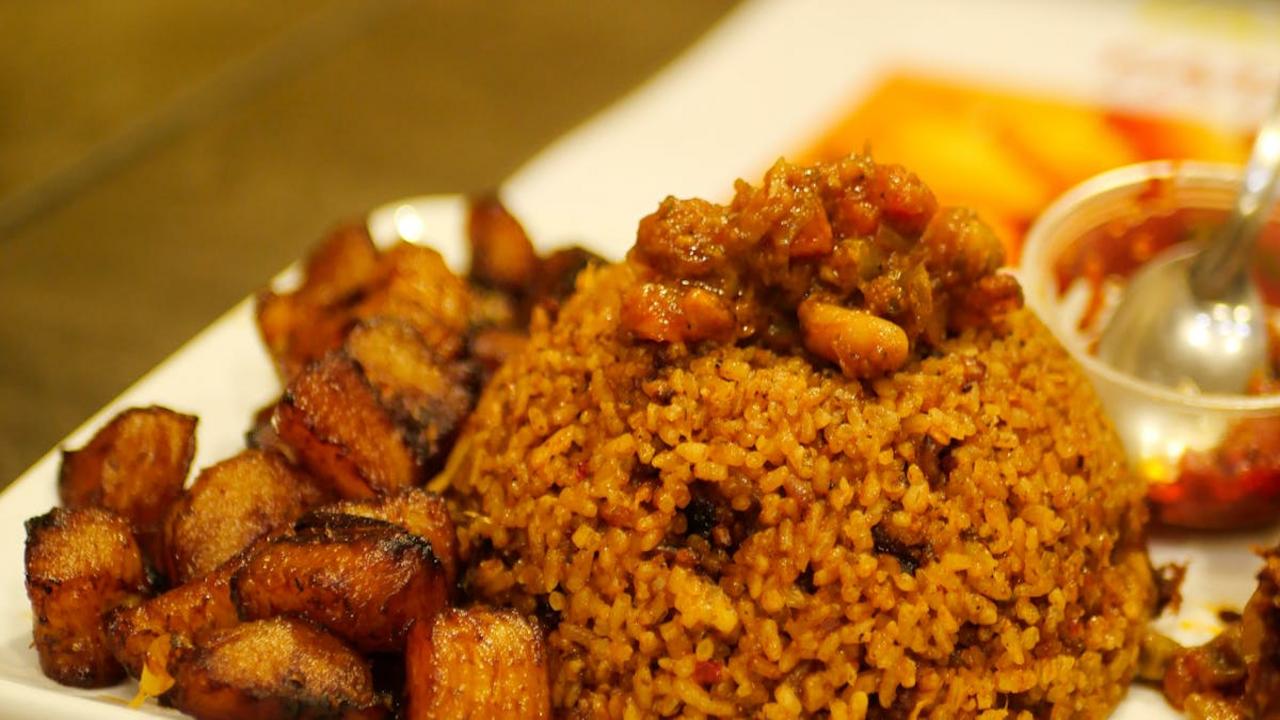
You know that friend who somehow makes magic happen with just rice, tomatoes, and whatever’s lurking in the fridge? That’s basically Jollof rice in human form. This West African wonder transforms humble ingredients into a one-pot masterpiece that’s fed families across Nigeria, Ghana, Senegal, and beyond for generations. The base starts with rice simmered in a rich tomato and pepper sauce, but here’s where things get interesting – every cook has their secret weapon, whether it’s a splash of palm oil, a handful of bay leaves, or that mysterious spice blend they guard more fiercely than state secrets.
What makes Jollof rice the ultimate budget superhero isn’t just its affordability – it’s the way it stretches to feed an army while somehow getting better with each addition. Toss in some chicken pieces if you’re feeling fancy, throw in vegetables if you want to feel virtuous, or keep it simple with just the rice and sauce for maximum frugality. The dish sparks friendly wars between countries (seriously, Nigerians and Ghanaians will debate whose version reigns supreme until the sun burns out), but honestly, any Jollof rice that fills your belly and warms your soul is winning the game. Pro tip: the slightly crispy bottom layer called “concon” is pure gold – fight your siblings for it.
Thieboudienne (Senegal)
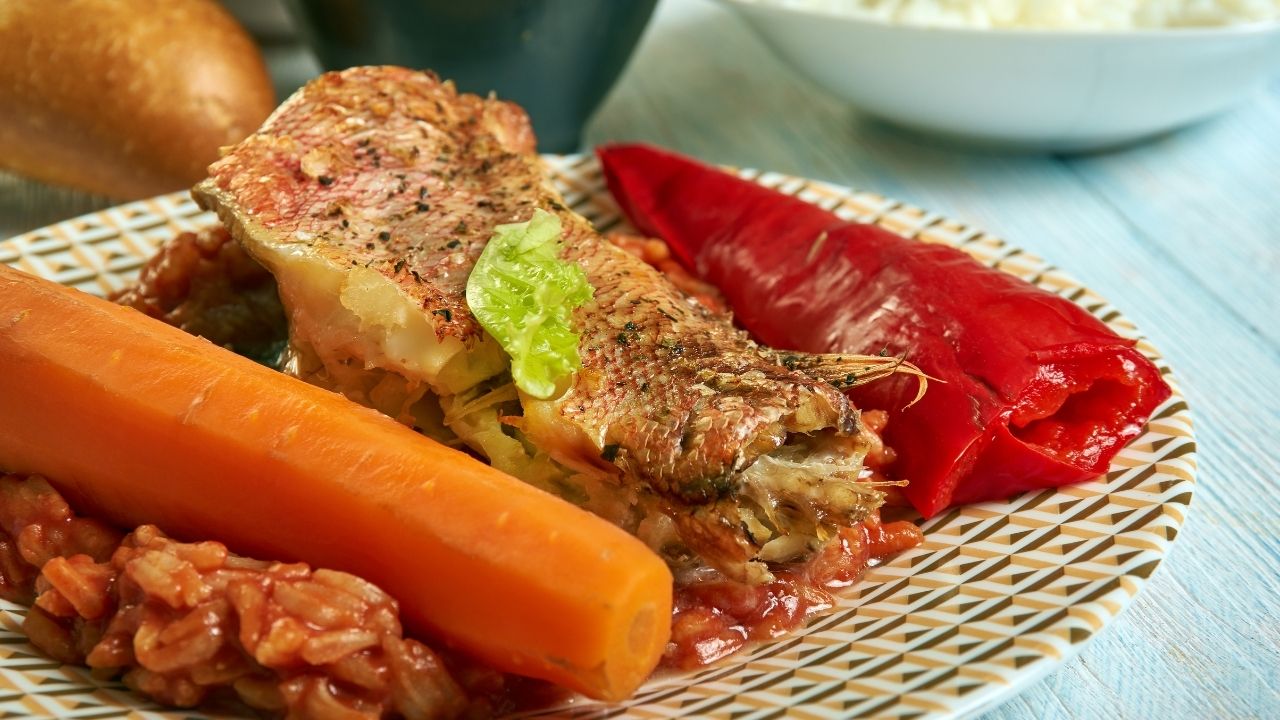
Picture this: you’re in Dakar, and the aroma of Thieboudienne wafts through the air like a warm hug from your Senegalese grandmother. This national dish – pronounced “CHEB-oo-jen” if you want to sound like you know what you’re talking about – transforms humble fish, rice, and vegetables into pure magic. The broken rice at the bottom of the pot? That’s called “xoon,” and locals fight over it like it’s liquid gold. One fish feeds an entire family when you add tomatoes, okra, cabbage, and whatever vegetables decided to show up at the market that day.
The genius behind Thieboudienne lies in its one-pot philosophy that would make any busy parent weep with joy. You start by stuffing your fish with a paste called “roff” – a mixture of herbs, garlic, and peppers that packs more punch than your morning coffee. Then everything cooks together in a glorious symphony of flavors, with the rice soaking up every drop of that rich, tomatoey broth. Pierre Thiam, the Senegalese chef, calls it “the paella of West Africa,” and honestly, he’s not wrong. The dish dates back centuries and proves that when you’re working with limited ingredients, creativity becomes your secret weapon.
Millet Porridge (Sahel Region)
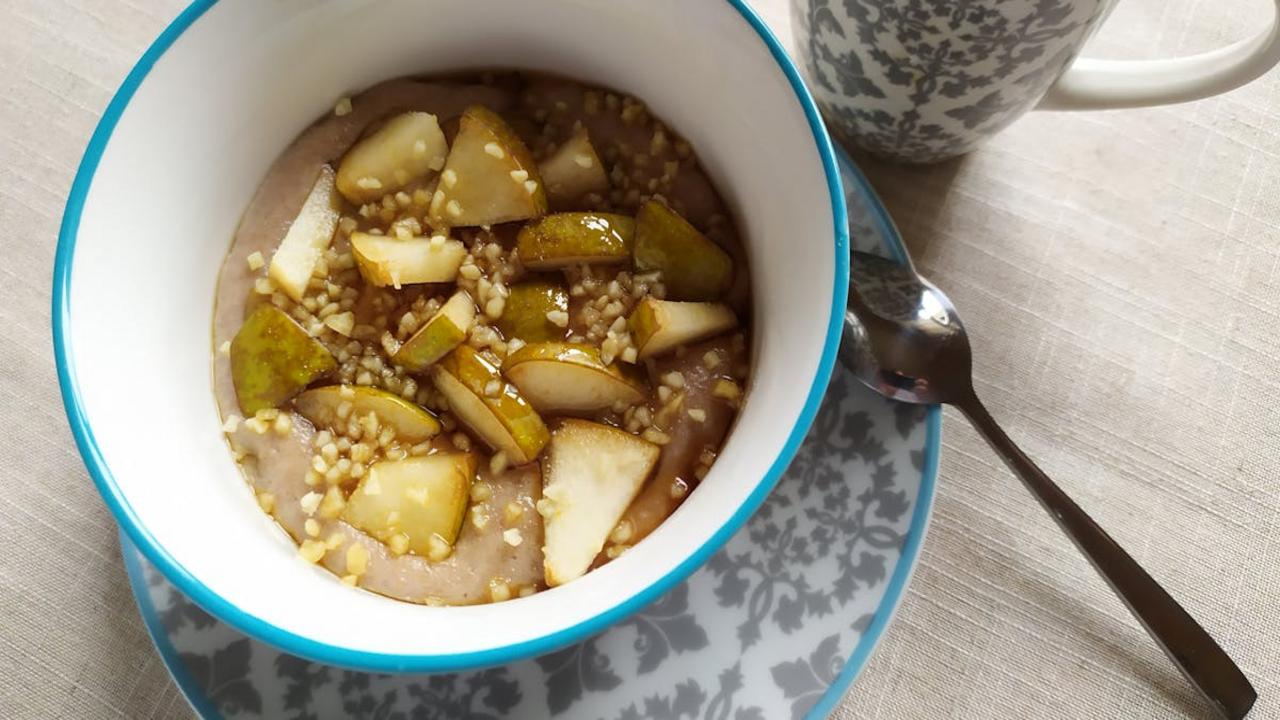
Picture this: you’re in the Sahel, where the sun beats down mercilessly and water is more precious than gold, yet families gather around steaming bowls of the most satisfying breakfast you never knew existed. Millet porridge isn’t just food—it’s survival wrapped in comfort, and honestly, it’s about time the rest of us caught on to this genius grain. While we’re over here obsessing over quinoa and chia seeds, the people of Mali, Niger, and Burkina Faso have been quietly perfecting the ultimate budget superfood for centuries. One cup of millet costs pennies and feeds a family of six, making it the MVP of frugal cooking.
The beauty of millet porridge lies in its chameleon-like personality—you can dress it up with honey and nuts for breakfast, or go savory with vegetables and spices for dinner. I once watched a grandmother in Senegal transform plain millet into three completely different meals using nothing but creativity and whatever she had lying around her kitchen. The grain itself tastes nutty and slightly sweet, with a texture that sits somewhere between oatmeal and polenta. Want to try it yourself? Toast a cup of millet in a dry pan until fragrant, then simmer with three cups of water or milk until creamy. Your wallet will thank you, and your taste buds will wonder why you waited so long to meet this incredible grain.
Dal Bhat (Nepal)
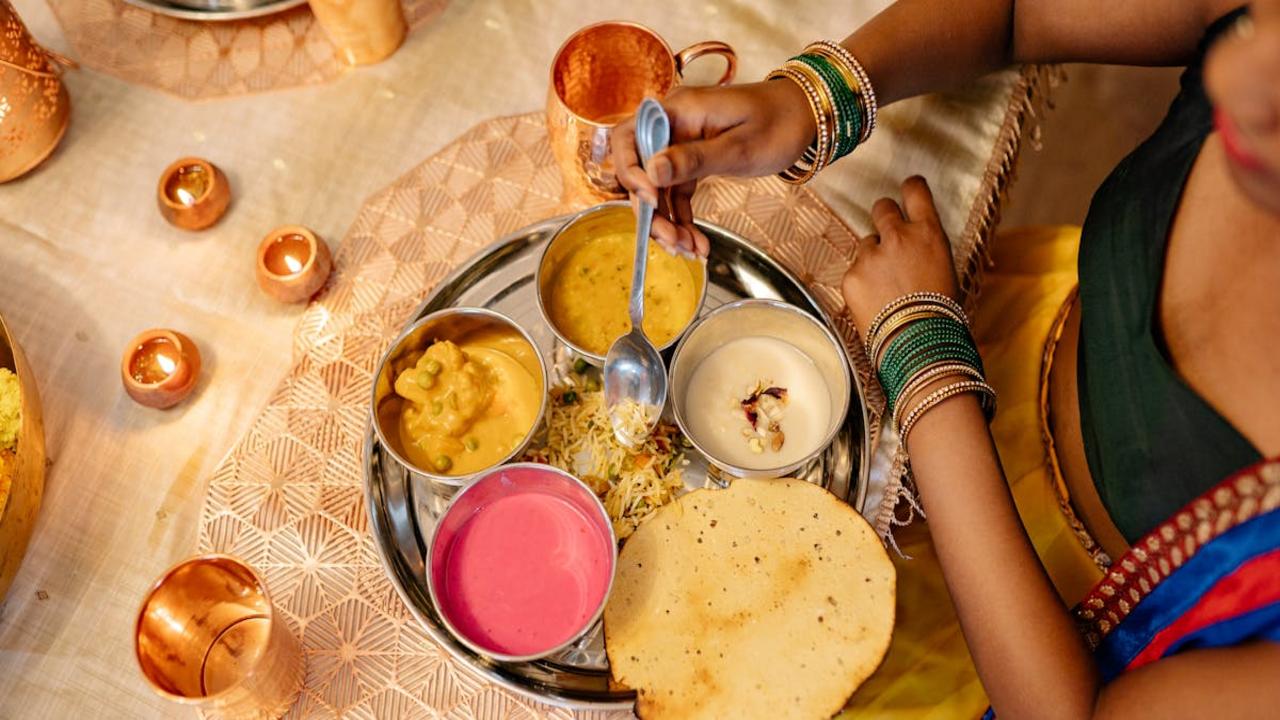
Picture this: you’re trekking through the Himalayas, your stomach growling louder than a yak in distress, when suddenly you smell the most comforting aroma wafting from a tiny mountain teahouse. That’s dal bhat calling your name! This isn’t just Nepal’s national dish – it’s basically the country’s edible love letter to practicality and flavor. The genius lies in its simplicity: lentil soup (dal) poured over steaming rice (bhat), accompanied by whatever vegetables, pickles, and curries happen to be hanging around the kitchen. Nepalis eat this twice a day, every single day, and somehow never get bored because each household puts their own spin on it.
What makes dal bhat the ultimate budget champion? First, lentils cost next to nothing but pack more protein punch than a heavyweight boxer. Second, rice fills you up faster than you can say “Mount Everest.” Third, and here’s where it gets brilliant – traditional Nepali hospitality means free refills until you literally cannot move! I’ve watched tiny grandmothers insist that burly trekkers eat third helpings while muttering disapprovingly about their skinny frames. The vegetables change with seasons and regions, so you might get spicy potatoes in Kathmandu or wild greens in remote villages. Pro tip: mix everything together with your right hand like locals do, creating the perfect bite every time.
Cassava Porridge (Sub-Saharan Africa)
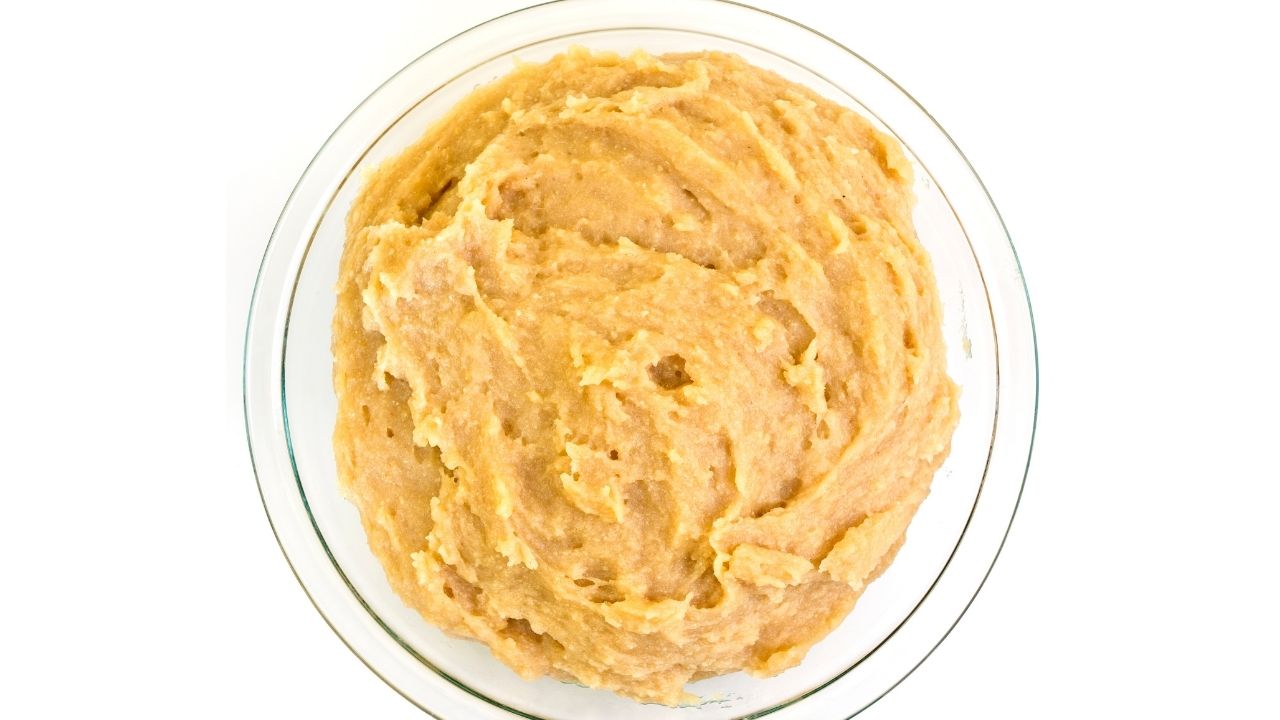
Meet cassava porridge—the unsung hero of African kitchens that turns a humble root vegetable into pure comfort magic! This creamy, soul-warming bowl costs pennies to make but delivers maximum satisfaction. Picture this: grated cassava root slowly simmered with just water and a pinch of salt, transforming into a silky porridge that sticks to your ribs like a warm hug from your grandmother. The beauty lies in its simplicity—cassava grows practically everywhere across Sub-Saharan Africa, making it the ultimate budget-friendly staple that never lets families down during lean times.
Here’s where things get interesting: cassava contains natural cyanide compounds (don’t panic!), which is why traditional preparation methods involve soaking, grating, and cooking thoroughly—basically, generations of African cooks have been food scientists without even knowing it! You can jazz up your basic porridge with whatever you have on hand: a splash of coconut milk for richness, some groundnuts for crunch, or even leftover vegetables. The texture sits somewhere between polenta and oatmeal, with a mild, slightly nutty flavor that acts as the perfect canvas for both sweet and savory additions. Pro tip: make extra because this porridge tastes even better the next day when it’s had time to develop its flavors!
Lentils and Rice (South Asia)
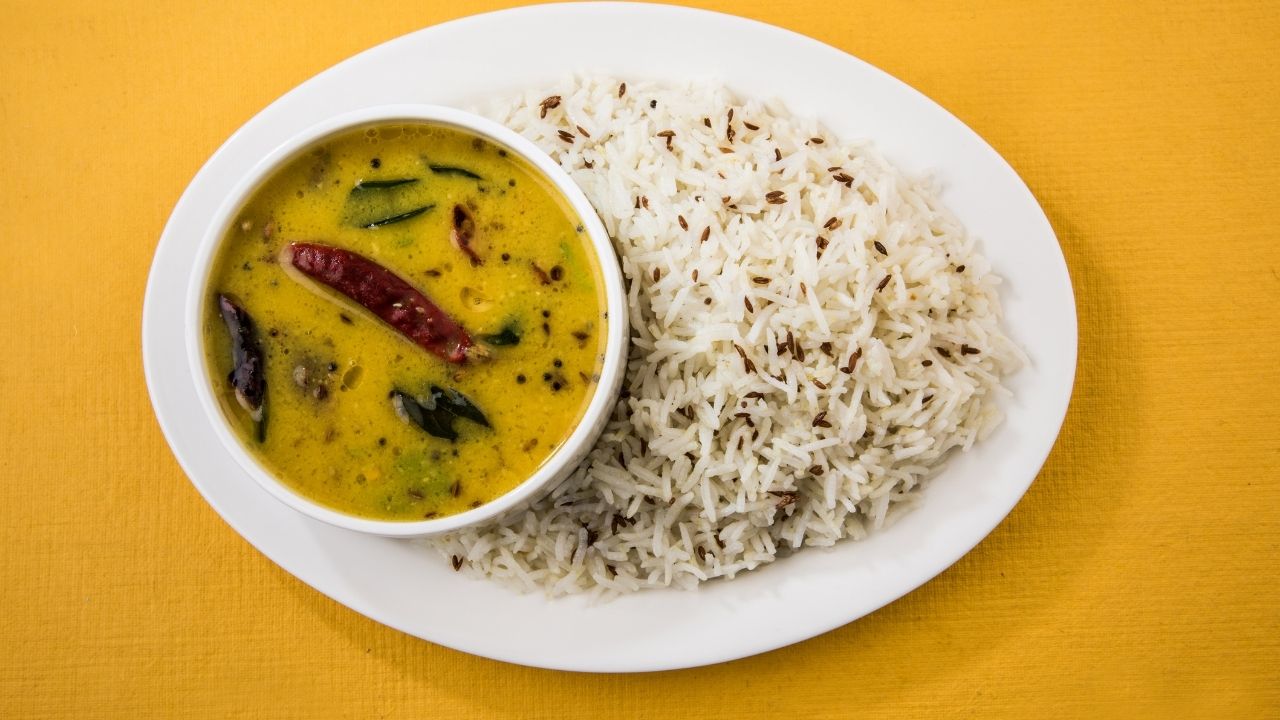
Picture this: you’re broke, hungry, and staring into your pantry like it might magically produce a feast. Enter lentils and rice, the dynamic duo that’s been saving wallets and stomachs across South Asia for centuries! This isn’t just food – it’s pure genius disguised as humble ingredients. Dal chawal (lentils and rice) costs pennies to make but delivers complete protein when you combine these two powerhouses. Your body gets all the amino acids it needs, while your bank account barely notices. Indians have mastered this combo so well that mothers across the subcontinent can whip up variations that’ll make you forget you’re eating budget food.
What makes this dish absolutely brilliant is its shape-shifting abilities. Feeling fancy? Toss in some cumin, turmeric, and garam masala for aromatic dal. Want something hearty? Make khichdi by cooking the lentils and rice together until they’re creamy and comforting. Pakistanis love their masoor dal with basmati, while Bangladeshis often add a touch of dried chilies for heat. The beauty lies in how this simple combination adapts to whatever spices you have lurking in your cabinet. Pro tip: buy lentils in bulk – they keep forever and cost almost nothing per serving. Your future hungry, broke self will thank you!
Ugali (East Africa)
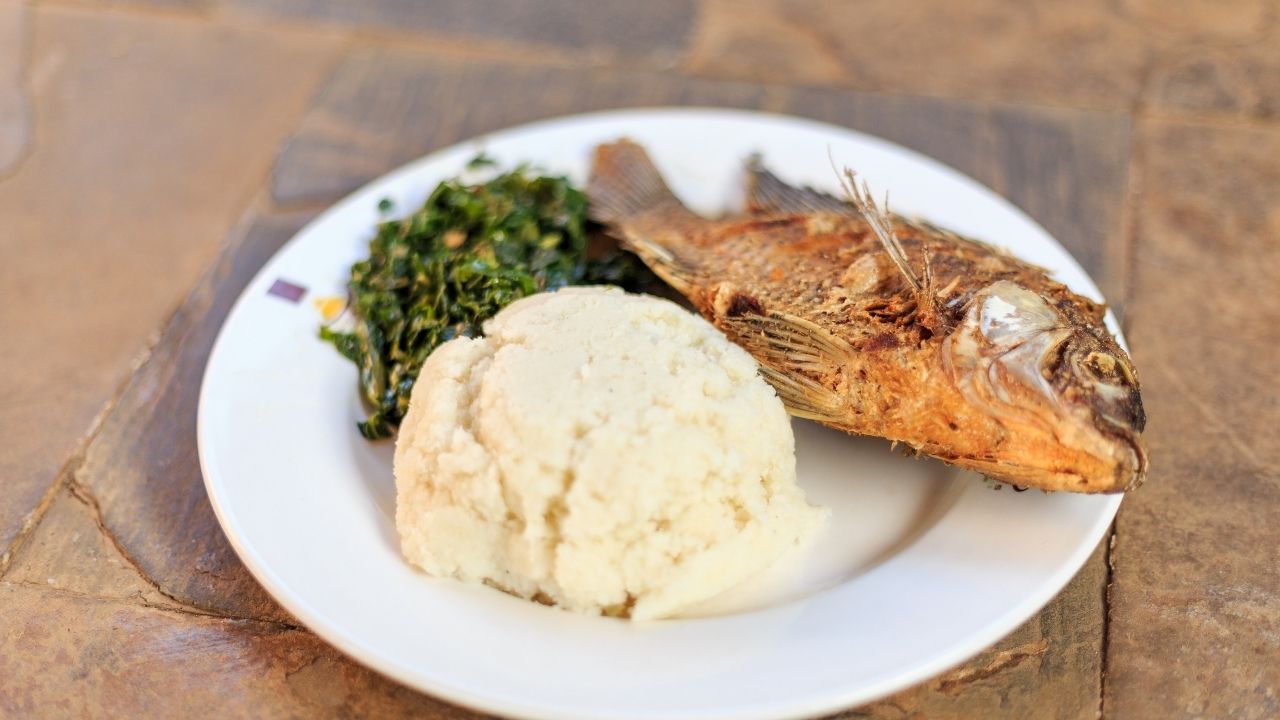
Picture this: you’re staring at what looks like a giant white polenta patty, and someone hands you a spoon. “No, no,” they laugh, watching you fumble. “Use your hands!” Welcome to ugali, East Africa’s brilliant answer to “What can I make with just cornmeal and water that will actually fill people up?” This wonderfully simple staple transforms two humble ingredients into something that can stretch a single serving of stew into a meal for three. Kenyans, Tanzanians, and Ugandans have perfected this art of making more from less, turning cornmeal into edible spoons that soak up every drop of sauce.
Here’s where ugali gets genius: you tear off chunks and use them like edible utensils to scoop up vegetables, meat, or beans. It’s like getting dinner and dishware in one package! The texture sits somewhere between Play-Doh and mashed potatoes, which sounds weird but works perfectly. Making ugali requires serious arm strength – you stir that cornmeal mixture until your biceps burn, creating a smooth, dense mass that won’t fall apart when you grab it. One cup of cornmeal costs practically nothing but feeds a family, making it the ultimate budget hero that never gets the credit it deserves for keeping millions fed daily.
Maíz Tortillas (Mexico)
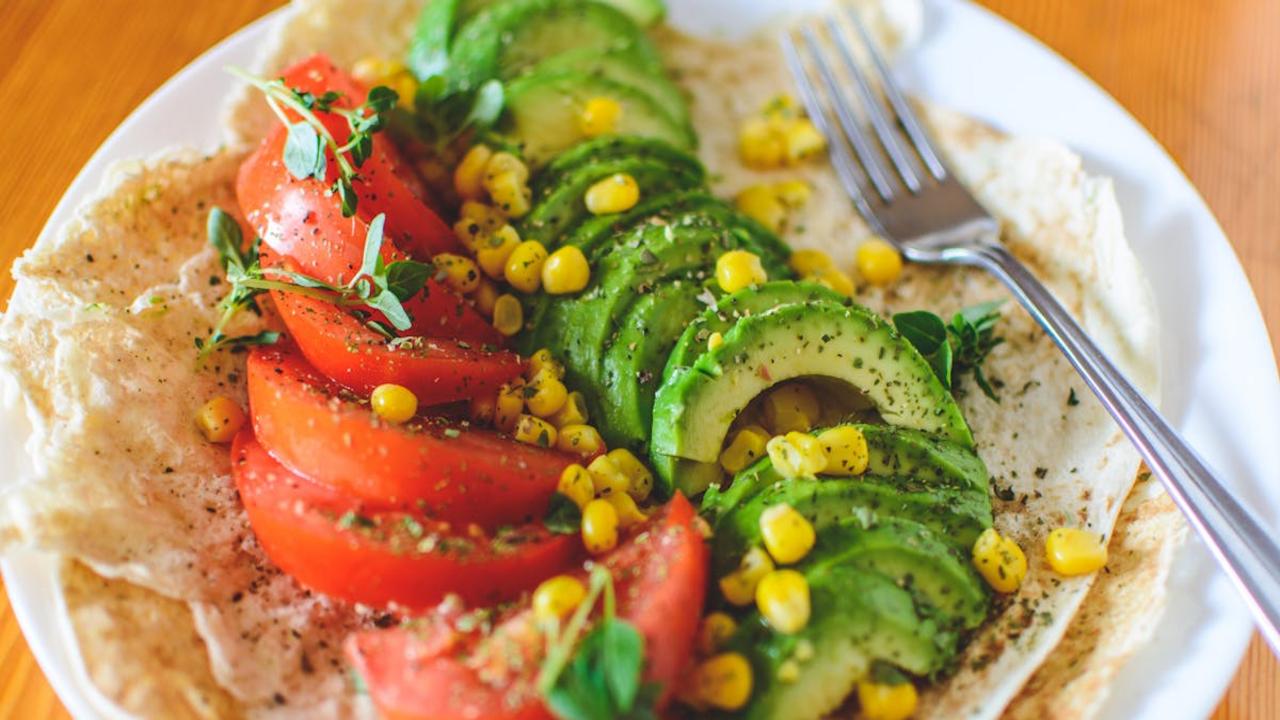
Picture this: three simple ingredients—corn, lime, and water—transform into the most versatile edible plate you’ve ever encountered. Mexican corn tortillas have been doing their budget-stretching magic for over 3,000 years, and honestly, they deserve a standing ovation. These golden circles of goodness cost pennies to make at home, yet they can carry everything from leftover beans to fancy carnitas without complaint. The ancient Aztecs called corn “teosinte,” meaning “grain of the gods,” and after making fresh tortillas on a hot comal, you’ll understand why they thought corn was divine intervention.
What makes tortillas brilliant isn’t just their rock-bottom price—it’s their shapeshifting abilities. Wrap them around anything for tacos, fry them into chips for nachos, roll them tight for taquitos, or tear them up for chilaquiles. A single batch of masa can feed a family of six for under two dollars, and the leftover tortillas (if there are any) become tomorrow’s breakfast quesadillas. Pro tip from abuela: if your tortillas puff up like little balloons on the griddle, you’ve achieved tortilla perfection. That steam pocket means your masa game is strong, and you’re about to experience the most satisfying “pop” when you press it down.
Fufu and Egusi Soup (West Africa)
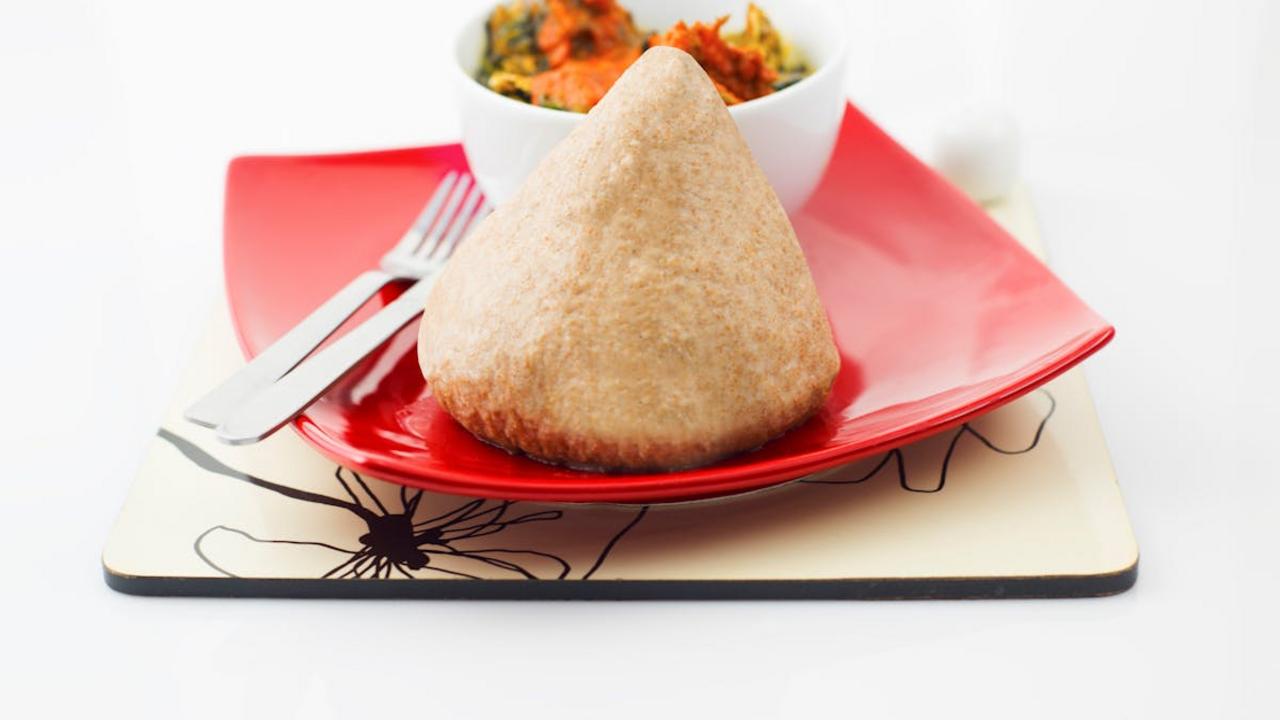
Picture this: you’re staring down a bowl of what looks like the most decadent, chunky stew you’ve ever seen, and beside it sits a pale, doughy mountain that could double as edible Play-Doh. Welcome to one of West Africa’s most brilliant budget solutions! Fufu—made from cassava, yam, or plantain pounded into submission—costs pennies to make and fills you up like nobody’s business. The real magic happens when you pinch off a piece and use it as your edible spoon to scoop up the egusi soup, which is basically ground melon seeds swimming with whatever vegetables and protein scraps you can scrounge up.
Here’s where West African cooks show their genius: egusi soup transforms the humblest ingredients into liquid gold. Got some spinach that’s seen better days? Toss it in. Half an onion lurking in your fridge? Perfect. A single chicken thigh to feed six people? The soup stretches it beautifully. The ground melon seeds create this rich, nutty base that makes everything taste like you splurged on expensive ingredients. One pot feeds a crowd, and the fufu acts as both utensil and filling carb—talk about efficiency! Plus, eating with your hands makes every meal feel like a party, even when your wallet says otherwise.
Rice and Beans (Central America)
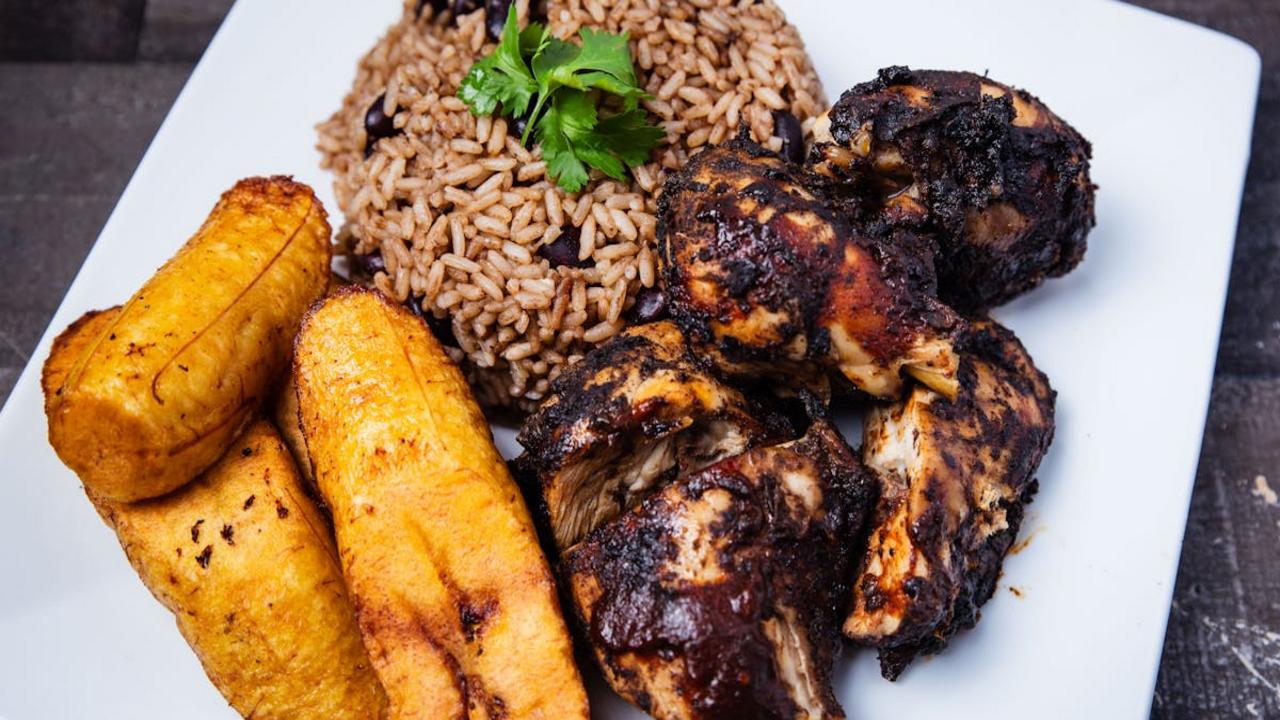
You know that friend who always shows up when you need them most? That’s rice and beans for millions of people across Central America. This dynamic duo doesn’t just fill bellies—it creates magic from the most humble pantry staples. In Costa Rica, they call it “gallo pinto” and swear it tastes better the day after, when the flavors have had time to mingle like old friends at a reunion. Guatemalans make their version with black beans so glossy they practically mirror your face, while Nicaraguans add a splash of coconut milk that transforms the whole dish into something that dreams are made of.
Here’s the beautiful secret about rice and beans: you literally cannot mess this up, and your wallet will thank you forever. A single cup of dried beans costs less than your morning coffee but feeds a family of four with protein that rivals any expensive cut of meat. The magic ratio? One part beans to two parts rice, with enough liquid to make everything tender and happy. Throw in some garlic, onion, and whatever herbs are hanging around your kitchen, and you’ve got a meal that tastes like home—even if you’ve never been to San José or Managua. Plus, leftover rice and beans make the world’s most satisfying breakfast when you fry them up with a crispy egg on top.