Family Compares Niece’s Picky Eating to Serious Allergies. I Refused to Change the Menu Again.
There is a certain grace we expect at the dinner table. It’s an unspoken agreement that when someone welcomes you into their home for a meal, you are polite, you are gracious, and you certainly do not critique the food on your host’s plate. It’s a simple matter of respect.
However, one woman recently shared a story that proves not everyone was taught these fundamental rules of etiquette. She found herself at her wits’ end with her 12-year-old niece, whose behavior at mealtimes had become so disruptive that she was forced to draw a line in the sand, potentially at the cost of family peace.
A Recipe for Disaster
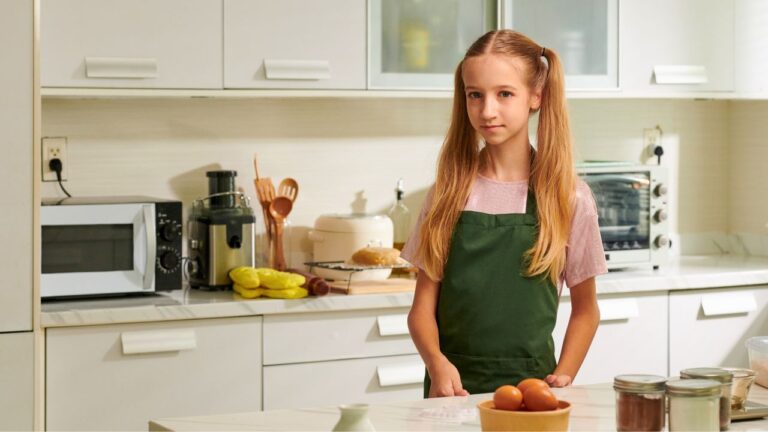
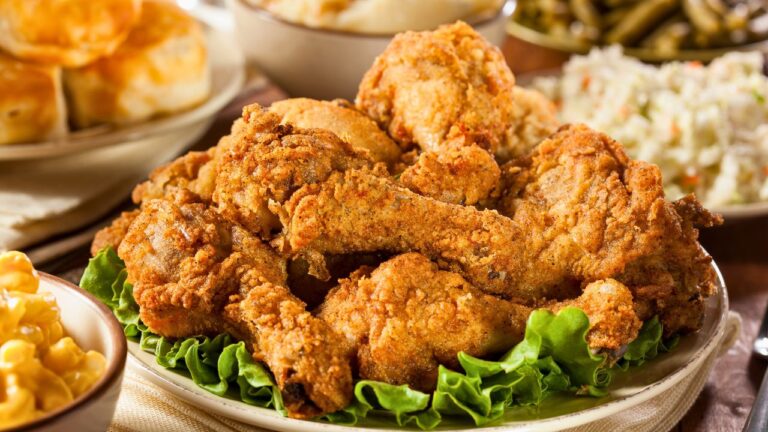
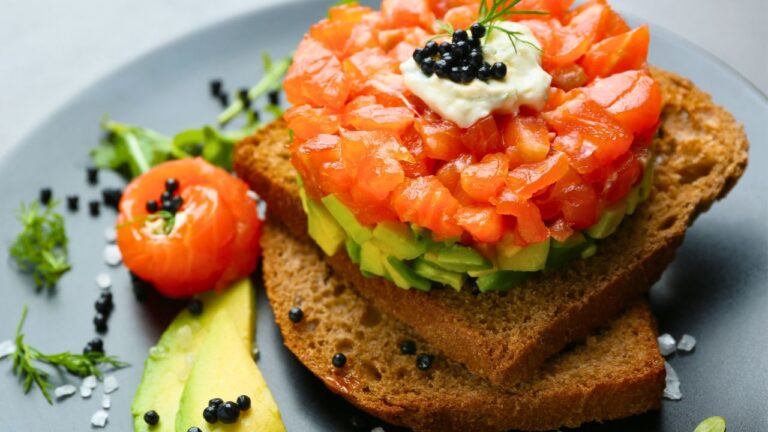
The woman explained that her husband’s niece is an incredibly picky eater, subsisting on a narrow diet of junk food and a few specific meats. This isn’t due to allergies or sensory issues; it’s a preference her parents have allowed since she was a toddler. The problem, however, goes far beyond a limited palate.
When the family visits, it’s simply expected that the aunt will cook a separate meal for the niece or change the entire menu to suit her. But the entitlement doesn’t stop there. The young girl makes rude comments about what others are eating, helps herself to food from other people’s plates, and frequently rejects meals she specifically requested, causing chaos both at home and in restaurants.
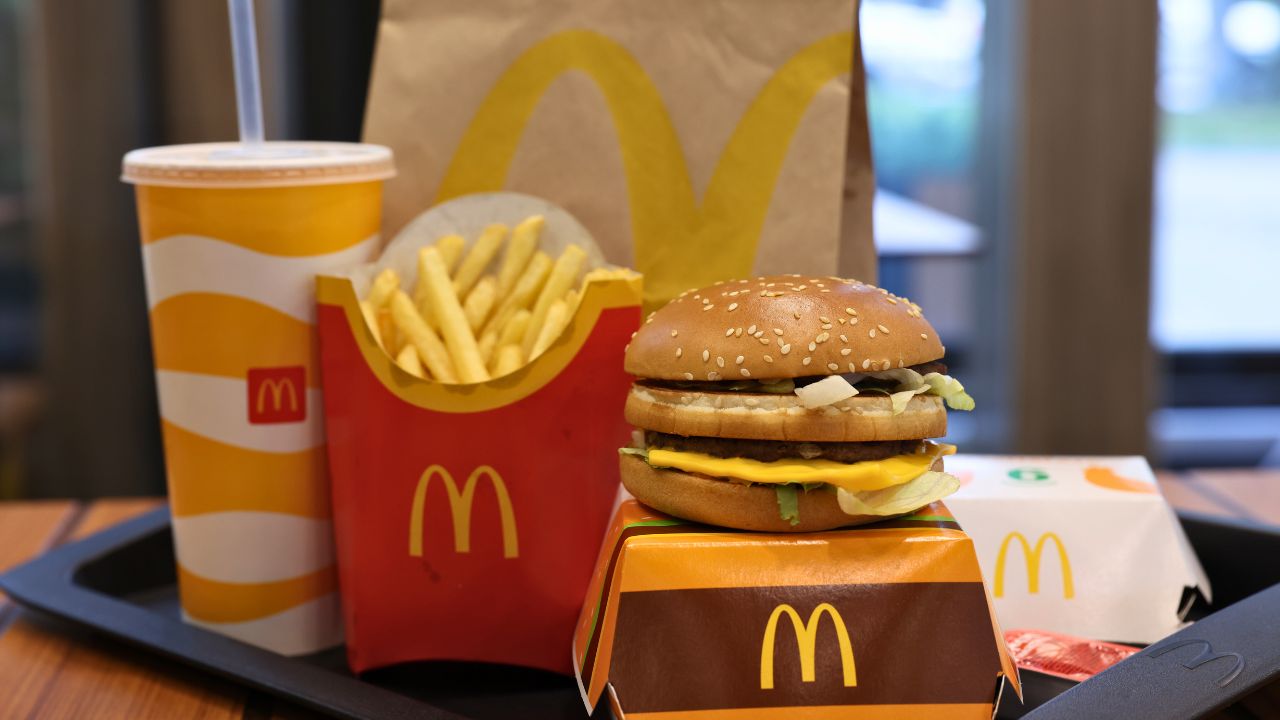
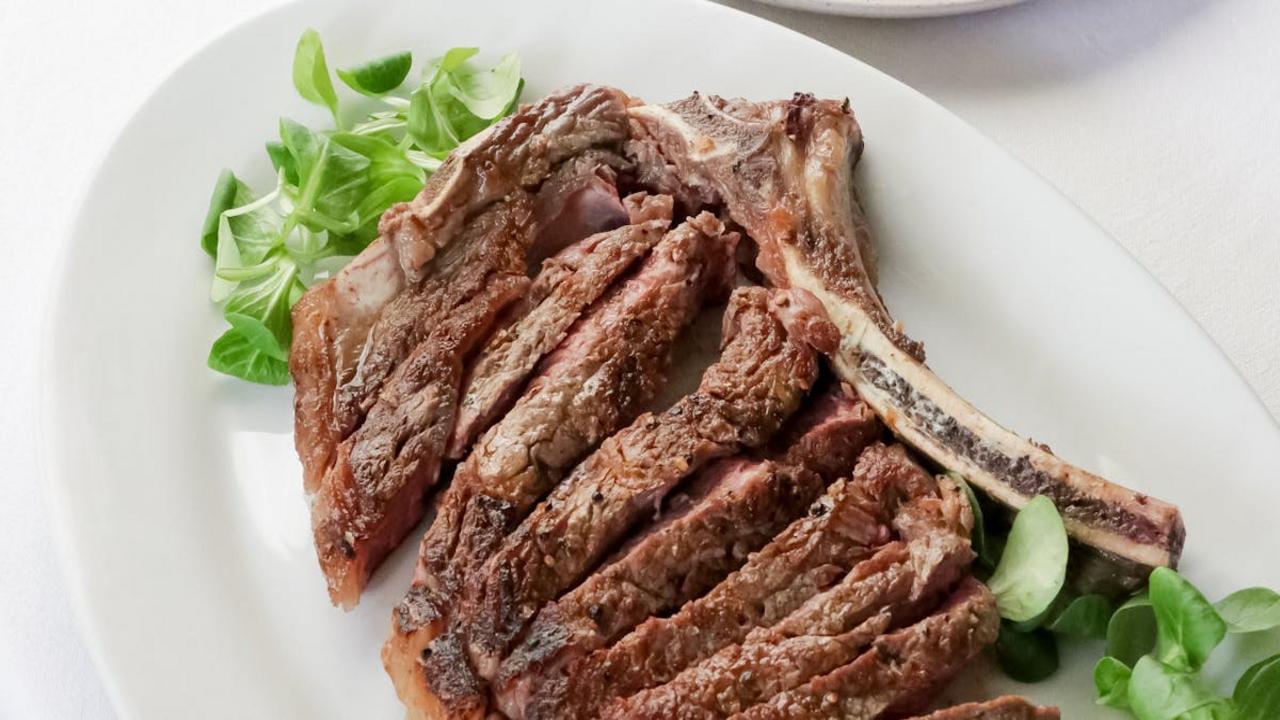
Imagine preparing a special steak for her, only to have her declare, “This is yuck! I want McDonalds.” This is the reality the aunt has been facing for years. Attempts to discuss the behavior with her sister-in-law and brother-in-law have been met with dismissiveness, with them saying, “she’s just very certain about her likes and dislikes.” They even equate her behavior to her uncle’s serious food allergies, a comparison that is both unfair and deeply hurtful.
After yet another disastrous meal, the woman told her husband she was done. She would no longer cook for her niece or participate in meals with her until the behavior improves. While her husband worries about damaging the family relationship, she feels she has no other choice.
The Internet Reacts
As you can imagine, people online had plenty to say, with most rushing to the woman’s defense. They quickly sorted themselves into a few distinct camps.
First, there was the “Absolutely Not” Crowd, who were appalled on the aunt’s behalf. These commenters placed the blame squarely on the parents. One person stated plainly, “This is not an issue about picky eating, it’s that she’s badly behaved and your husband’s relatives are allowing her to continue in that fashion.”
Another was even more direct, saying, “The parents created that little monster behavior at the dinner table.”
Then came the “Considerate Picky Eaters,” a group that offered a different perspective. They understood having food preferences but were horrified by the niece’s lack of manners. One self-proclaimed picky eater in his 50s shared his own experience, making a crucial point: “This is my problem, not anybody else’s. If I’m at a meal and there’s nothing I can eat… I don’t eat. I don’t expect” someone to make me something special. His comment highlighted the difference between having preferences and being entitled.

Finally, there was the “Practical Advice” Crowd, who offered some clever solutions. Many suggested that the responsibility should fall on those who are tolerating the behavior. “Or hubby can do the cooking, last minute cooking, ordering out, etc.,” one user proposed. “See how long the people pleaser lasts when he has to do the work himself.”
Another simply said that if the parents have such high expectations, they should be the ones to “prepare their own food for said expectations.”
The Etiquette Verdict
Let’s be perfectly clear: this is not about a child being a picky eater. This is about a complete and utter lack of manners, enabled by parents who refuse to teach their child respect. Being a host does not mean you must become a short-order cook or a doormat for a misbehaving child.
A hostess’s duty is to be thoughtful, but it is a guest’s duty to be gracious. The niece’s parents have failed her by not teaching her this basic social contract. Setting a boundary is not rude; it is a necessary act of self-respect and, frankly, the only way this child might learn that the world does not revolve around her dinner plate.
Your Thoughts
So, what do you think? Was the aunt right to draw a line in the sand, or should she have tolerated the behavior for the sake of family harmony?
Ready for the next level of insight? Discover more in my latest article here.