12 Game-Changing Herbs to Instantly Upgrade Your Meals
Ever noticed how a pinch of the right herb can transform a bland dish into something magical? That dusty corner of your spice cabinet holds more power than you think. These 12 lesser-known herbs pack such incredible flavor that they’ll make you wonder why you’ve been stuck in the basil-and-oregano loop all this time.
From the minty-citrus notes of lemon balm to the celery-like punch of lovage, each herb brings its own superpower to your kitchen. Think of them as your flavor sidekicks, ready to rescue any dish from mediocrity. The best part? Most of these green champions grow right in your backyard or windowsill.
I’ve rounded up the most interesting yet underappreciated herbs that deserve a spot in your cooking rotation. Some might sound fancy (hello, chervil!), but don’t worry – they’re surprisingly easy to use and will revolutionize everything from your morning omelet to your evening roast.
Borage

Ever spotted those striking blue star-shaped flowers floating in your fancy cocktail? That’s borage – the prettiest herb you never knew you needed! This Mediterranean darling brings a refreshing cucumber-like flavor to your dishes, making it my go-to secret weapon for summer salads and cold soups. You’ll find me scattering these edible blue beauties over everything from lemonade to garden parties, where they never fail to spark conversations and turn ordinary drinks into Instagram-worthy showstoppers.
Beyond its good looks, borage packs a nutritional punch with omega-3 fatty acids and plenty of vitamin C. I love freezing the flowers in ice cubes for the most gorgeous G&Ts you’ll ever serve, or chopping up the tender young leaves into yogurt dips. Fun fact: medieval knights drank borage-infused wine before battle, believing it would give them courage – though I prefer using it to jazz up my afternoon mocktails! The leaves get a bit prickly as they age, so grab them while they’re young and tender for the best flavor and texture.
Caraway
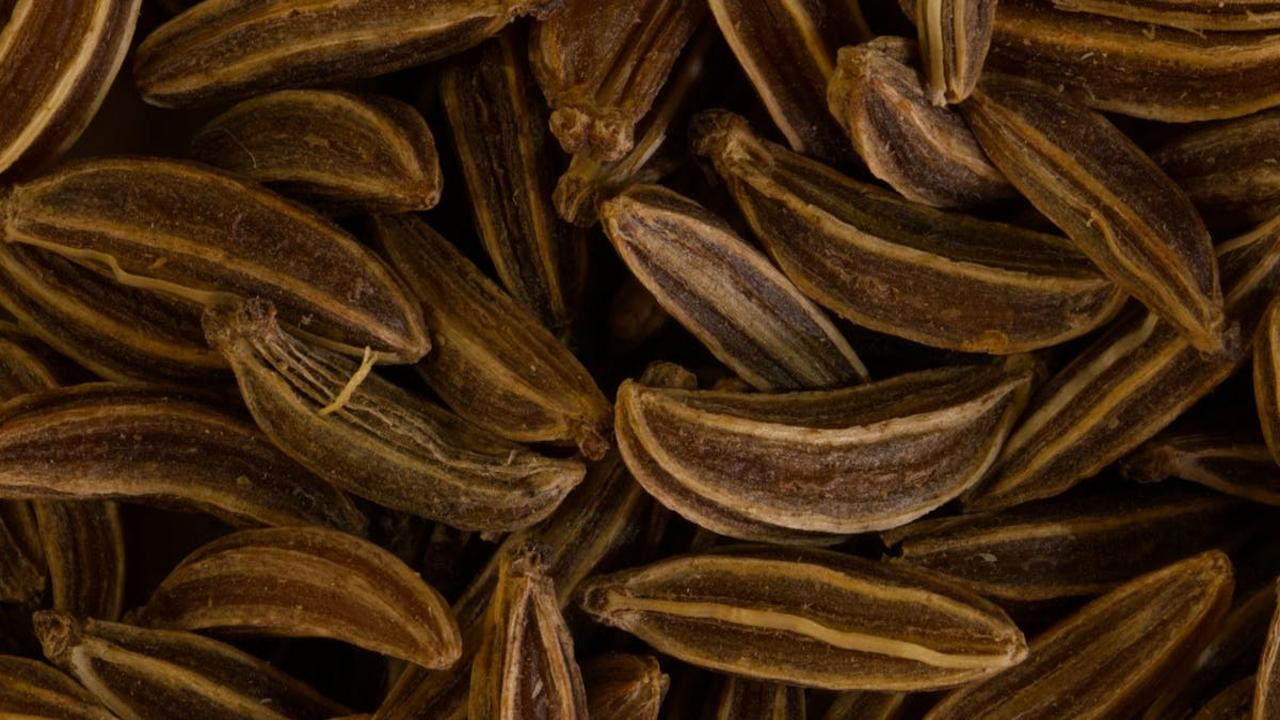
Move over, boring bread and plain pork roasts! Caraway seeds pack a punch that’ll make your dishes sing with their distinctive licorice-like flavor and warm, earthy aroma. These tiny powerhouses have been jazzing up European cuisine for centuries, especially in German, Austrian, and Hungarian cooking. I’ve discovered they work magic in homemade rye bread, but don’t stop there – toss them into your sauerkraut, roasted root vegetables, or even apple desserts for an unexpected twist that’ll have your dinner guests begging for your secret ingredient.
Here’s a fun fact that’ll win you points at your next dinner party: caraway isn’t actually a seed at all! It’s technically a fruit, belonging to the same family as carrots and parsley. The ancient Romans believed caraway prevented theft, so they kept their valuables in boxes made from caraway wood. While I can’t guarantee it’ll protect your jewelry, I can promise it’ll transform your next batch of cabbage soup or spice cake into something extraordinary. Pro tip: lightly toast the seeds in a dry pan before using them – the heat releases their essential oils and intensifies their flavor.
Winter Savory
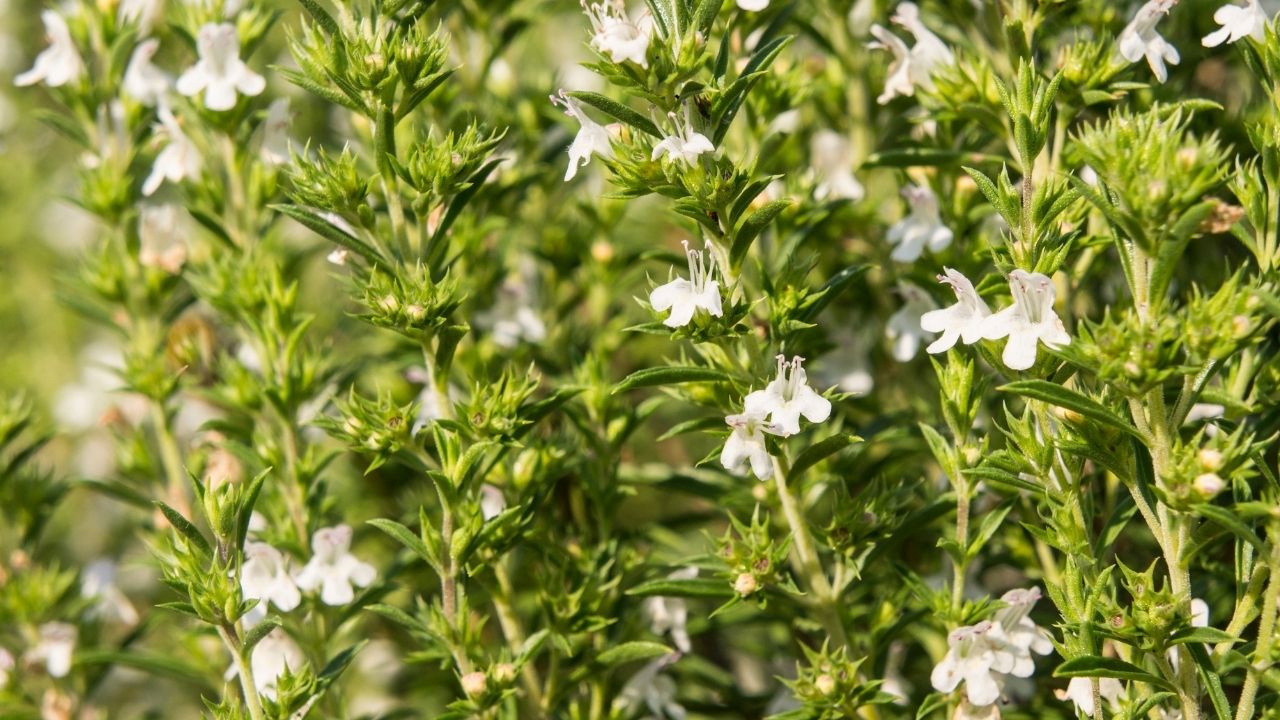
Meet winter savory, your new secret weapon in the kitchen! This hardy little herb packs such an intense peppery punch that it’ll make you wonder where it’s been all your life. I stumbled upon this Mediterranean gem while trying to jazz up my roasted potatoes, and now I can’t imagine cooking without it. Think of it as rosemary’s feisty cousin – it brings that same piney note but adds a spicy kick that transforms everyday dishes into something spectacular.
You’ll absolutely adore winter savory in bean dishes (it actually helps reduce that post-bean bloat – how thoughtful!), and it works magic with game meats and poultry. Want a quick kitchen trick? Throw a handful into your next batch of sausage stuffing or add it to your homemade pickle brine. The best part? Unlike its delicate summer cousin, winter savory stays robust and flavorful even after long cooking times. Plus, you can grow it right on your windowsill – it’s practically indestructible and keeps producing fresh leaves year-round. Just snip what you need and watch it bounce right back!
Lemon Balm
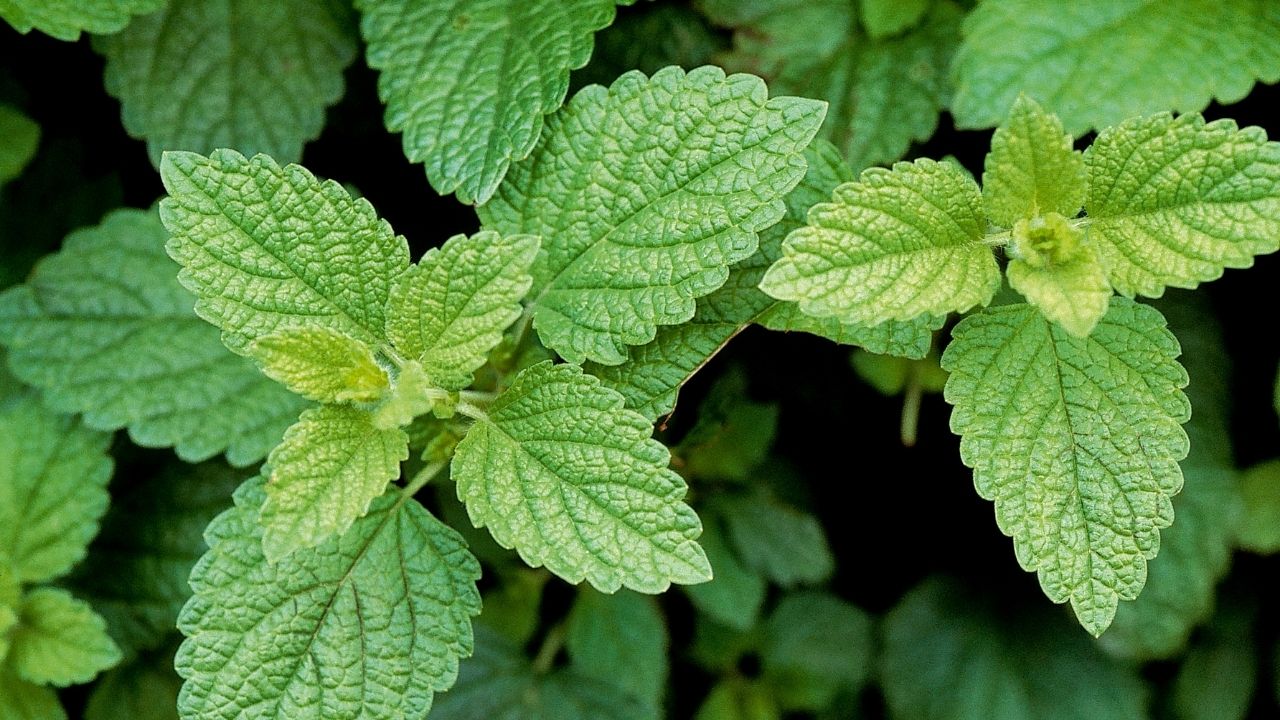
Meet your new favorite herb – lemon balm! This bright little leaf packs such a zingy citrus punch, you’ll wonder if someone squeezed an entire lemon grove into each leaf. I discovered this magical plant while trying to rescue my boring iced tea, and now I can’t stop adding it to everything. Think of it as nature’s lemon candy, minus the sugar crash and with a bonus dose of calm-inducing properties that’ll make you feel like you’re lounging in a Mediterranean garden.
Beyond its obvious tea-time talents, lemon balm brings sunshine to fruit salads, brightens up chicken dishes, and transforms plain water into a refreshing spa-worthy drink. My favorite trick? Chop it up with mint and toss it into a watermelon and feta salad – trust me, your summer BBQs will never be the same. And here’s a fun fact: medieval beekeepers used to rub lemon balm inside new beehives to encourage their bees to return home. If it’s good enough for discerning bees, it’s good enough for your kitchen!
Lovage
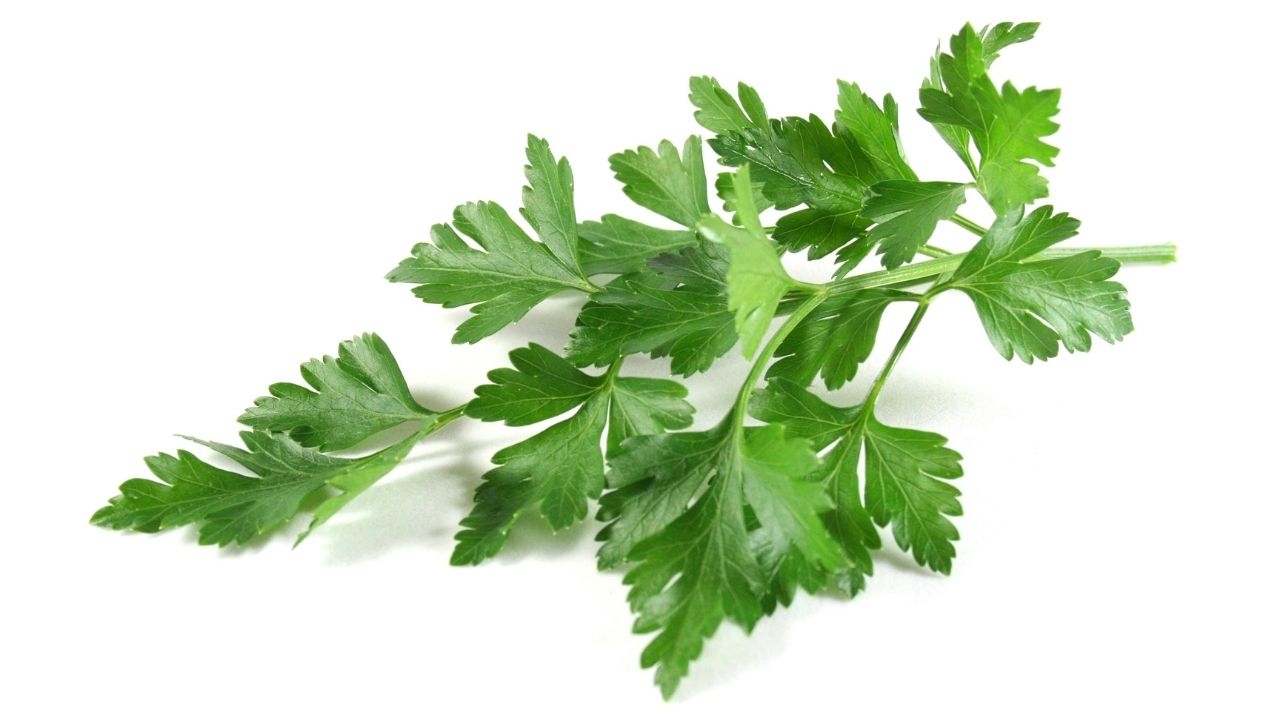
Meet lovage, your new kitchen bestie that’s been flying under the radar! This tall, leafy herb packs a serious punch with its intense celery-like flavor, but cranks up the volume to eleven. I discovered this powerhouse herb growing wild in my neighbor’s garden, and now I can’t imagine my soups and stews without it. Think of it as celery’s cooler, more sophisticated cousin who studied abroad and came back with an accent – it adds that mysterious “what is that amazing flavor?” element to any dish.
You’ll find this versatile herb jazzing up everything from potato salads to bloody marys (yes, really!). The hollow stems make perfect natural straws for summer drinks, adding a hint of savory freshness that’ll make your guests wonder about your secret bartending skills. Here’s a pro tip: drop a few young lovage leaves into your next chicken soup – they’ll give it that old-world charm that grandma’s recipes always seemed to have. Just remember to start small – lovage means business and isn’t shy about stealing the show!
Chives
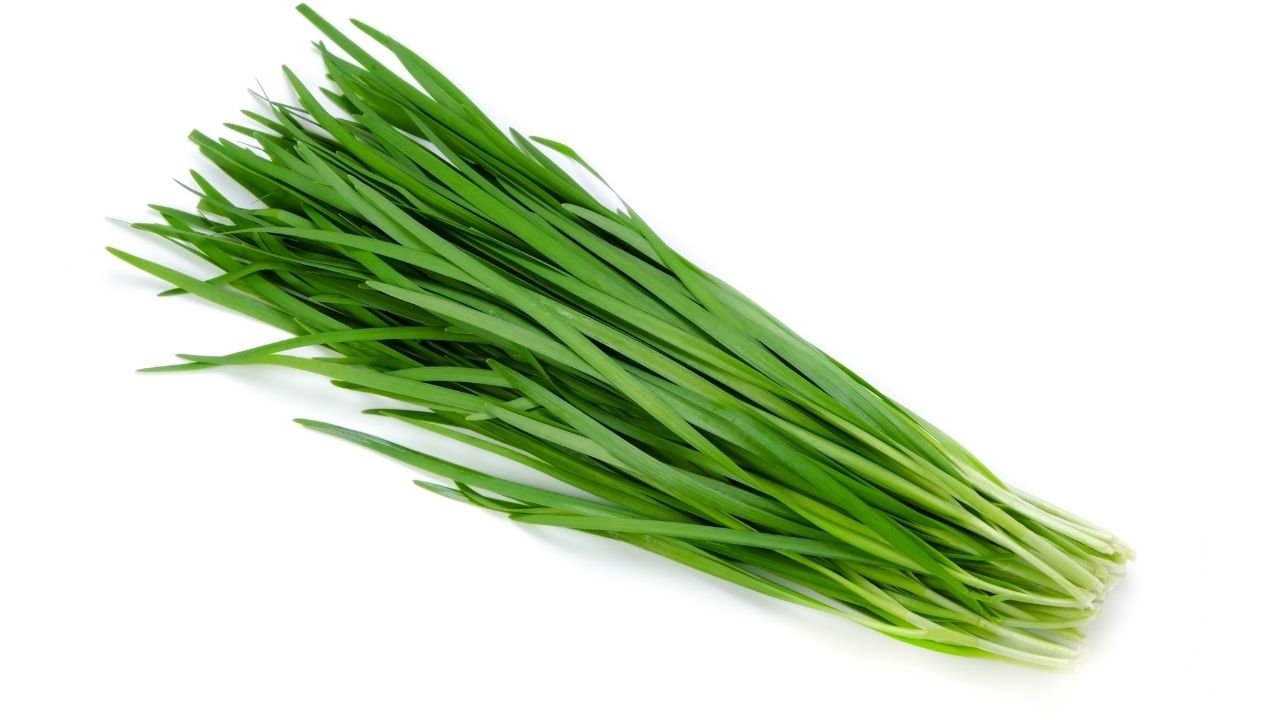
I’ll never forget the day my grandmother taught me the magic of chives – those delicate green spears that pack a punch of mild onion flavor without overwhelming your dishes. These hardy little herbs stand ready in my garden year-round, and I snip them with wild abandon onto everything from morning eggs to evening soups. They’re like nature’s confetti, adding both visual pop and a subtle allium kick that makes food sing. Unlike their cousin garlic, chives bring a gentler touch that won’t have your dinner guests reaching for breath mints.
Want the best bang for your chive buck? Add them at the very end of cooking or sprinkle them raw on finished dishes – heat kills their delicate flavor and turns them mushy. I keep a pot of chives right on my kitchen windowsill for easy access, and they’re practically immortal with minimal care. Just give them a quick snip about an inch from the base, and they’ll regrow faster than you can say “baked potato.” Speaking of potatoes, try mixing chopped chives into your next batch of mashed spuds – it’ll transform that comfort food classic into something company-worthy in seconds.
Sorrel
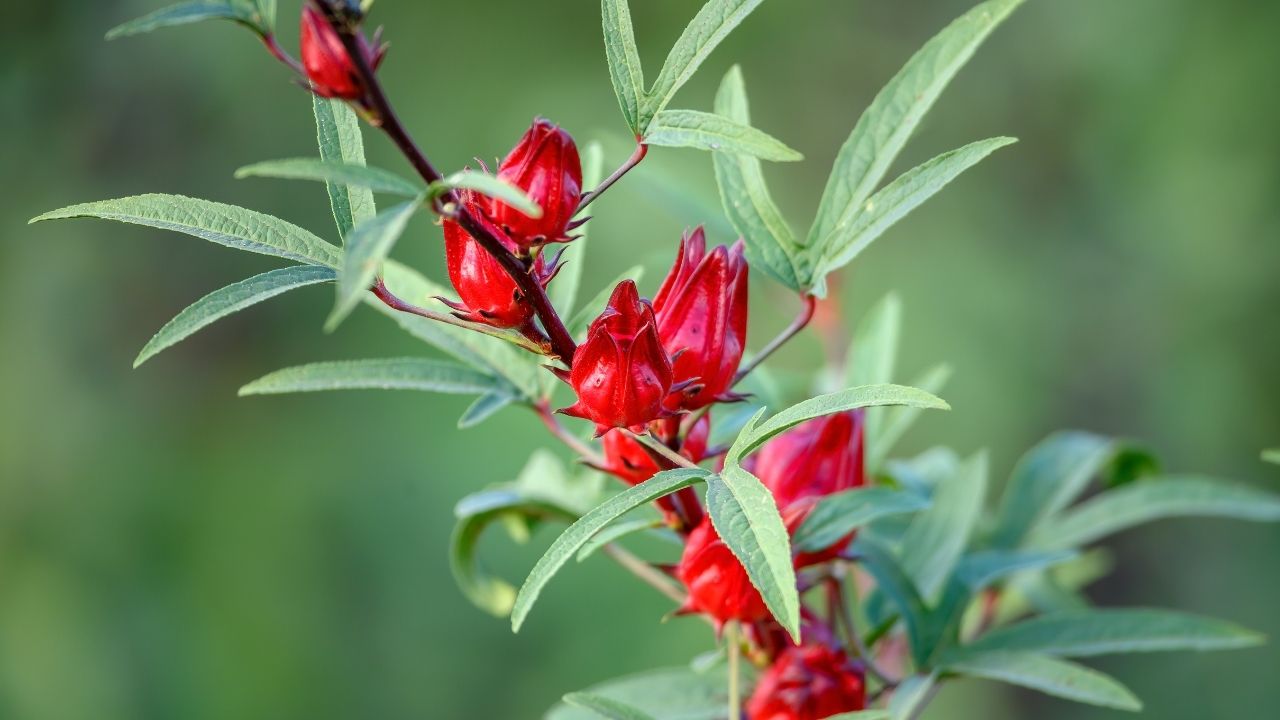
Meet sorrel, your new secret weapon for adding a zingy, lemony punch to dishes without actually reaching for a lemon! This bright green herb packs a tart, almost electric zing that’ll make your mouth do a happy little dance. I stumbled upon sorrel at a farmers’ market years ago and couldn’t believe how this unassuming leaf delivered such a bold citrusy kick. You’ll find it particularly magical in cream-based sauces, where it adds both brightness and complexity – think of it as nature’s answer to a squeeze of lemon, but with extra sass.
French chefs have long known sorrel’s superpower of transforming ordinary soups into something extraordinary, and you should too! Toss young sorrel leaves into your salads for an instant upgrade, or cook them down into a velvety sauce for fish or chicken. Just remember to use it fresh since cooking mellows its punchy personality. My favorite weeknight trick? I blend raw sorrel with Greek yogurt, garlic, and a pinch of salt for an instant sauce that makes everything from roasted vegetables to grilled meats sing. The best part? Growing sorrel at home is ridiculously easy – this hardy herb practically takes care of itself!
Summer Savory
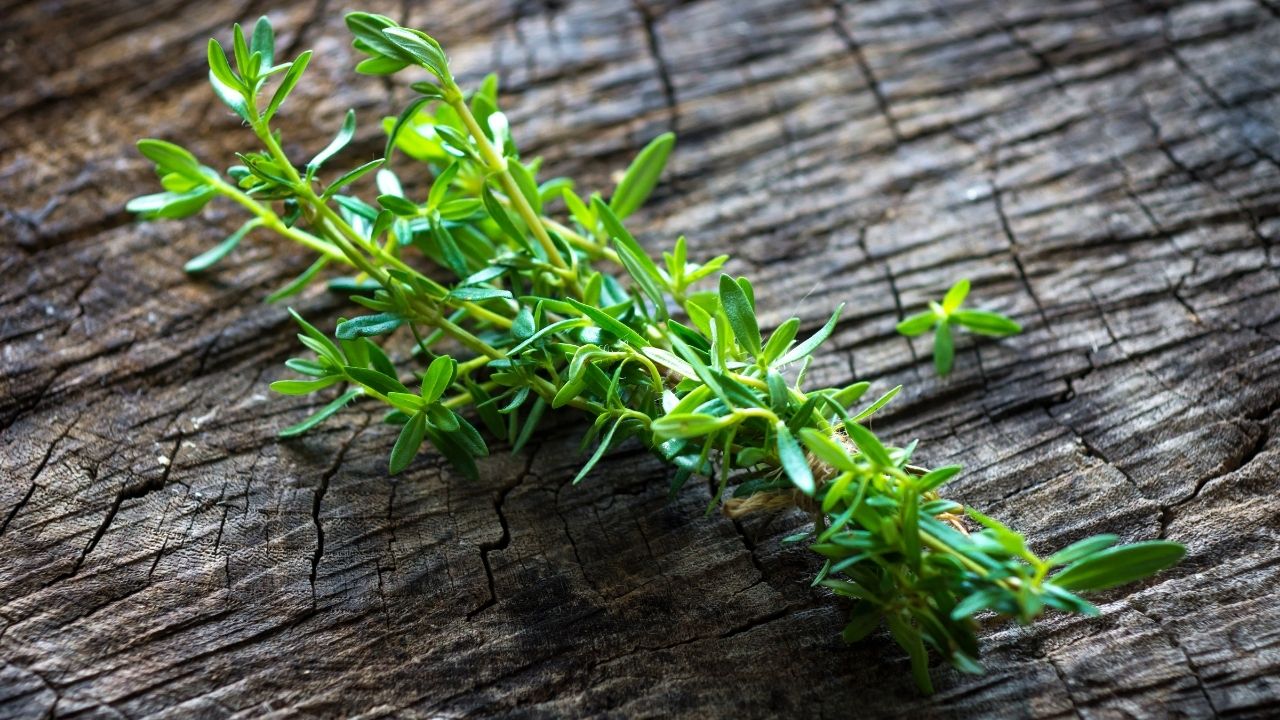
If you’ve never met summer savory, let me paint you a picture: imagine thyme and mint had a feisty love child with a peppery kick. This Mediterranean herb brings a spicy-sweet punch to your dishes that’ll make you wonder why you haven’t been using it forever. I first discovered summer savory while cooking with my Bulgarian neighbor, who swears by it for her famous bean dishes. Now I can’t imagine my herb garden without these slender, aromatic leaves that smell like a sunny afternoon in Provence.
You’ll want to sprinkle summer savory on your grilled vegetables, fish, or chicken – it stands up beautifully to high heat without losing its distinctive flavor. Mix it into your bean soups (trust me on this one), or add it to your homemade sausage blends for an authentic European touch. Fresh summer savory works best, but dried will do in a pinch – just remember to use about half the amount since the dried version packs more punch per pinch. Keep a pot growing on your windowsill, and you’ll always have this versatile herb ready to jazz up any weeknight dinner.
Chervil
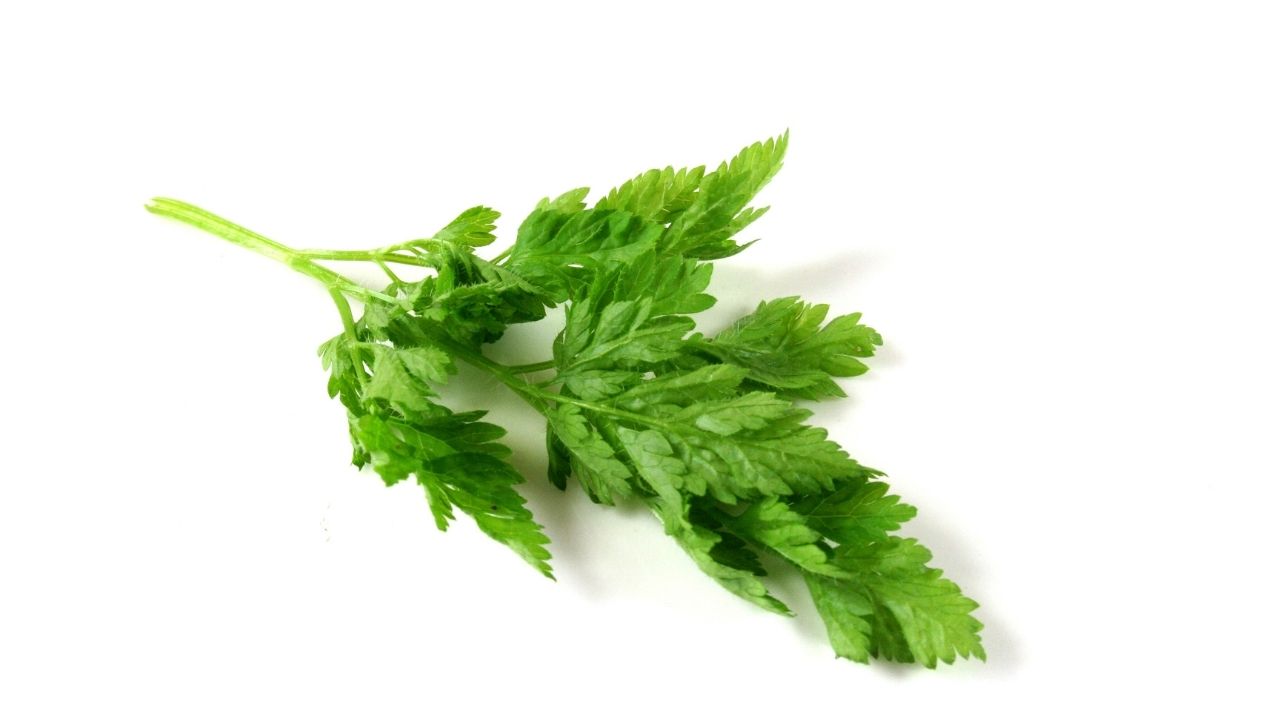
You might walk right past chervil in the herb aisle, mistaking it for parsley’s dainty cousin – and you wouldn’t be totally wrong! This delicate French herb rocks lacy, feather-like leaves and brings a subtle anise-meets-parsley flavor that’ll make your dishes sing. I discovered chervil while trying to recreate a classic béarnaise sauce, and now I can’t imagine my kitchen without it. The French call it “fines herbes” for a reason – it’s refined, elegant, and adds that certain je ne sais quoi to everything from omelets to fish.
Want to level up your cooking game with chervil? Toss it fresh into salads, sprinkle it over roasted vegetables just before serving, or add it to cream-based soups for an elegant twist. Just remember – this dainty herb doesn’t like the heat much, so add it at the end of cooking to preserve its subtle flavor. And here’s a fun fact: in medieval times, people believed chervil could cure hiccups and boost your mood. While I can’t vouch for its medicinal properties, I can confirm it’ll definitely boost your cooking credentials!
Marjoram
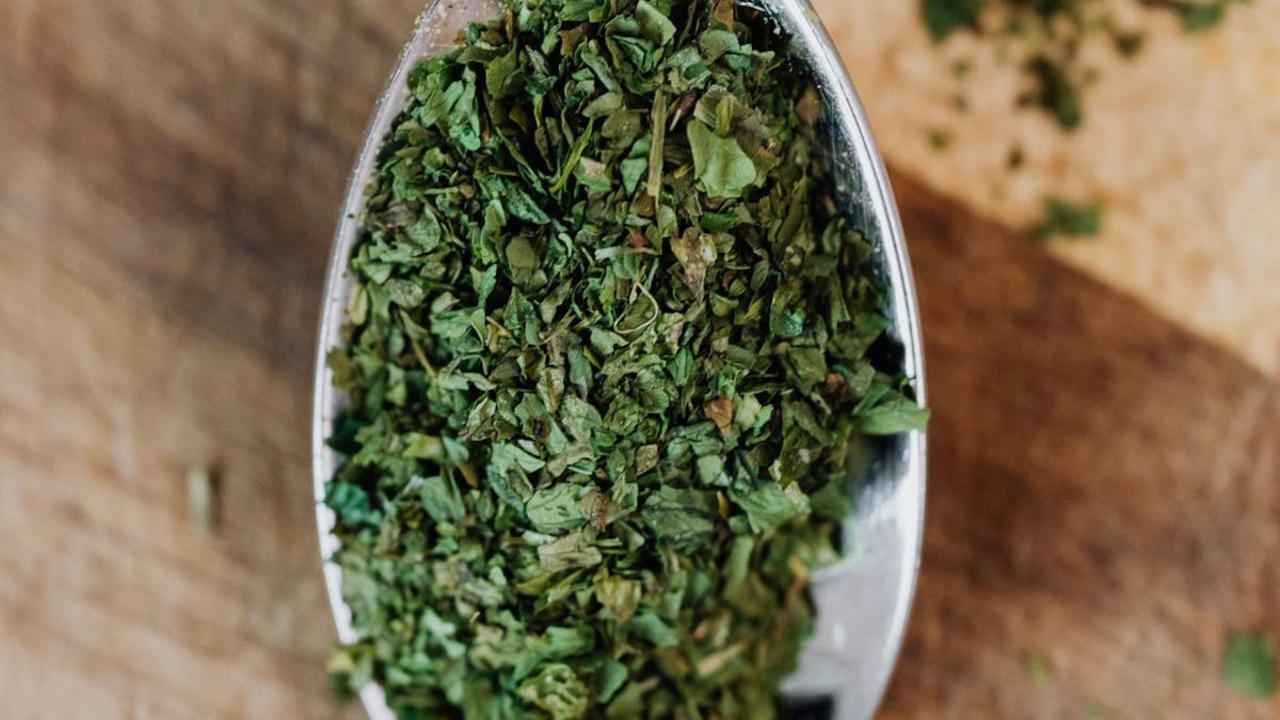
Meet marjoram, oregano’s sweeter, gentler cousin that deserves way more attention in your kitchen! While oregano boldly announces its presence in every dish, marjoram plays it cool with subtle pine and citrus notes that’ll make your guests wonder about your secret ingredient. I discovered this herb while cooking with my grandmother, who swore by adding it to her roasted chicken – and let me say, that woman knew what she was talking about. You’ll find marjoram working its magic in meat dishes, soups, and even butter-based sauces.
Here’s a pro tip that’ll change your cooking game: add fresh marjoram leaves to your scrambled eggs or omelets in the morning. The herb’s delicate flavor really shines when paired with dairy and eggs, creating this amazing breakfast experience you won’t find at any fancy brunch spot. Just remember to add it near the end of cooking since heat can diminish its subtle charm. And if you’re feeling adventurous, try making marjoram butter – just mix chopped fresh leaves into softened butter and spread it on warm bread. Your dinner guests will think you’re running a five-star restaurant!
Tarragon
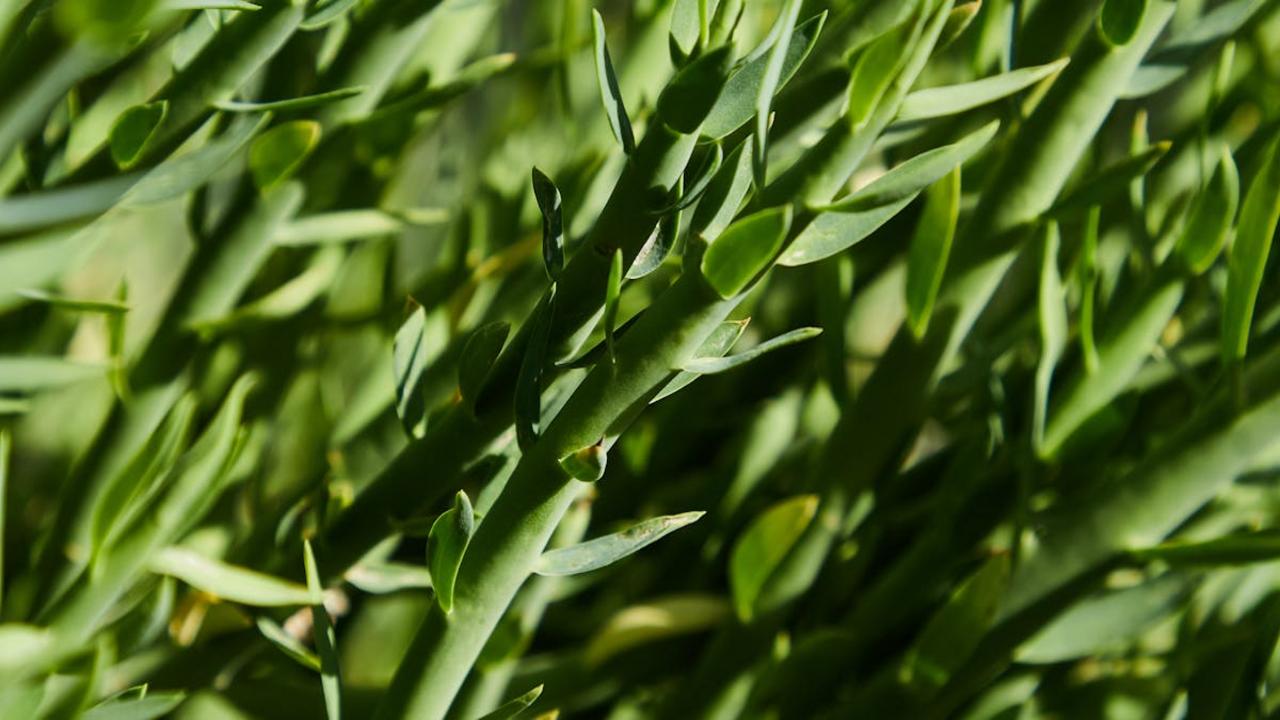
Oh, tarragon – the little French herb that could! This licorice-scented wonder makes everything fancy without even trying. I’ve watched dinner party guests play “guess that herb” countless times, only to be amazed when I reveal it’s tarragon in that chicken salad they can’t stop raving about. With its delicate anise flavor and bright green leaves, tarragon transforms ordinary dishes into something that would make Julia Child proud. Just a pinch of these leaves can turn your basic scrambled eggs into a Parisian café breakfast.
The Russians call tarragon “little dragon” (which makes it sound way more hardcore than it really is), and they brew it into a neon-green soda that’s super popular. Your kitchen needs this herb if you want to nail classic French sauces like béarnaise or whip up a killer chicken tarragon. Pro tip: Mix chopped tarragon with butter and spread it on roasted corn – it’s a total game-changer that’ll make your backyard barbecues the talk of the neighborhood. Just remember to use it fresh rather than dried – dried tarragon loses its mojo faster than a chocolate bar in a heat wave.
Sage
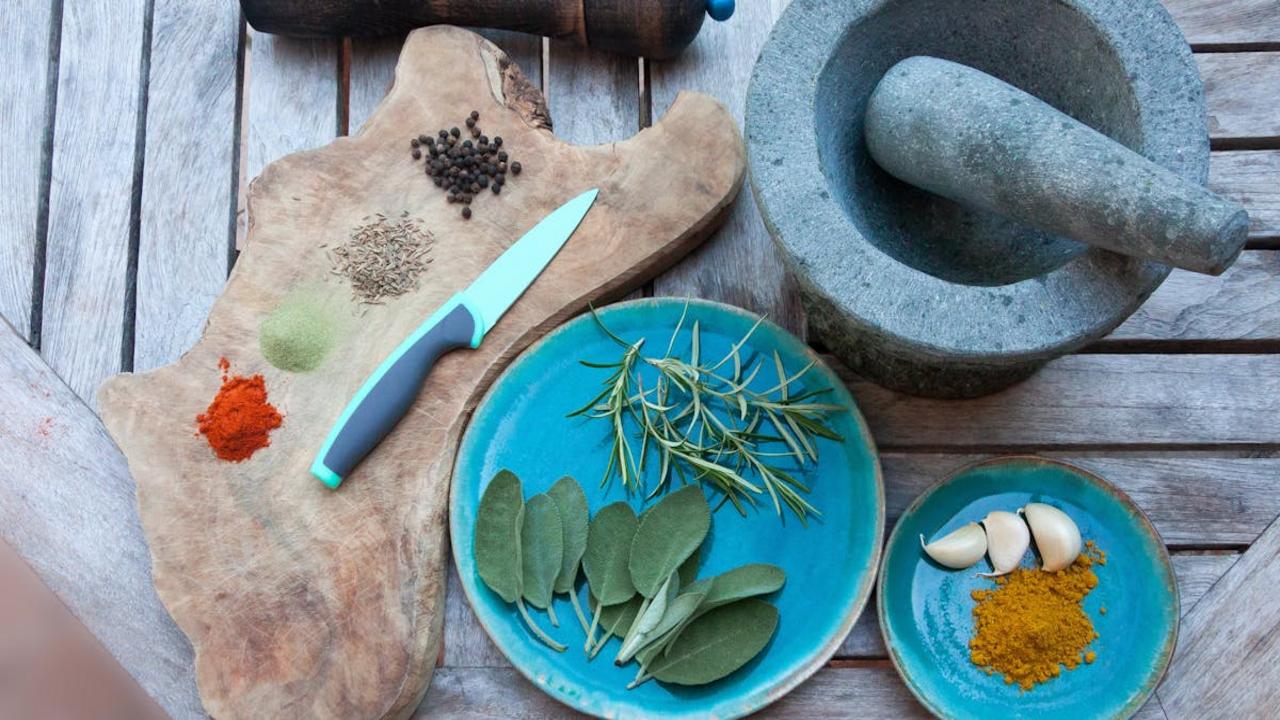
Meet sage, your new kitchen BFF that’s way more than just a Thanksgiving turkey sidekick. This velvety-soft herb packs a punch with its earthy, piney flavor that’ll make your mushroom dishes sing and your pork chops dance. I’ll never forget the time I accidentally added too much sage to my butternut squash soup – what could have been a kitchen disaster turned into my signature recipe! Pro tip: fry these fuzzy leaves in butter until they’re crispy, and you’ve got yourself a fancy garnish that’ll make any pasta dish look restaurant-worthy.
Your grandma probably kept sage around for its supposed healing powers (mine swore it could cure everything from a sore throat to a broken heart), but in the kitchen, it’s pure magic. Add it to brown butter sauce for ravioli, mix it into your favorite sausage blend, or drop a few leaves into your morning tea. Just remember – fresh sage can be pretty powerful, so start small and work your way up. And here’s a fun fact: ancient Romans considered sage sacred and created elaborate ceremonies just to harvest it. Talk about taking your herbs seriously!