14 Everyday Kitchen Habits That Put Safe Foods at Risk
Your kitchen might be hiding food safety mistakes you make every day without realizing it! I’ve noticed many home cooks unknowingly turn perfectly good ingredients into potential health hazards through common habits. From storing tomatoes next to potatoes to reusing marinades without boiling them first, these seemingly innocent practices can introduce harmful bacteria into your meals.
Food safety isn’t just about expiration dates – it involves everything from how you handle raw chicken to where you place leftovers in your refrigerator. Many of us learned cooking habits from family members who didn’t have access to modern food safety information, passing down traditions that science now shows can make us sick.
By identifying these risky kitchen behaviors, you can make simple changes that protect your family’s health. The good news? Fixing these habits takes minimal effort but delivers maximum protection. Let’s look at 14 common kitchen mistakes that might be compromising your food safety right now.
Stacking hot foods in deep containers
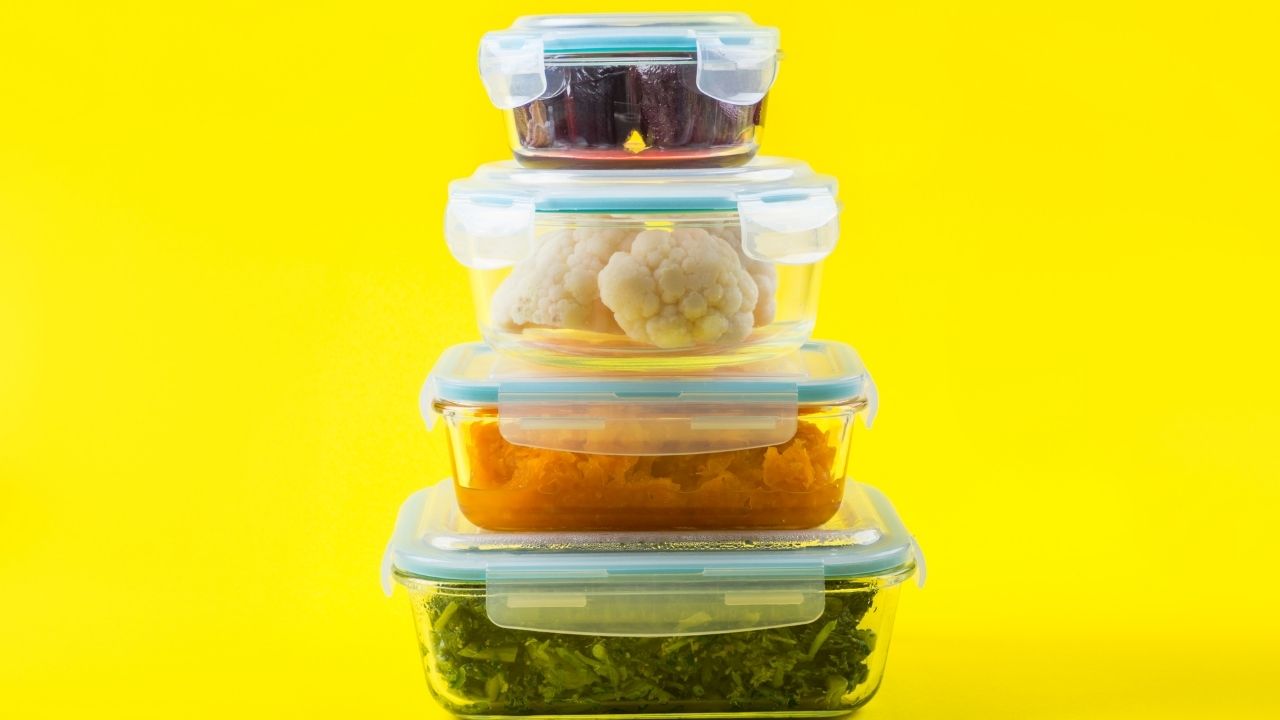
You know that feeling when you’ve just finished cooking a big batch of soup or stew, and you want to get it stored away quickly? I totally get it! But here’s something that might surprise you – piling hot food into those deep containers can actually create a dangerous situation. When you stack hot food in deep containers, the center takes forever to cool down, creating the perfect breeding ground for bacteria. The outer edges might feel cool to the touch, but inside, temperatures can stay in that risky “danger zone” between 40°F and 140°F for hours.
Instead, I always divide my hot foods into shallow containers – no more than 2-3 inches deep. This simple switch helps everything cool down evenly and quickly, keeping your family safe from foodborne illness. You can also try spreading your hot food out on sheet pans first, then transfer to containers once it’s cooled a bit. Trust me, taking these extra few minutes now saves you from potential stomach troubles later. Your future self will thank you for being so thoughtful about food safety, and you’ll still have delicious leftovers to enjoy without worry!
Not calibrating refrigerator temperature
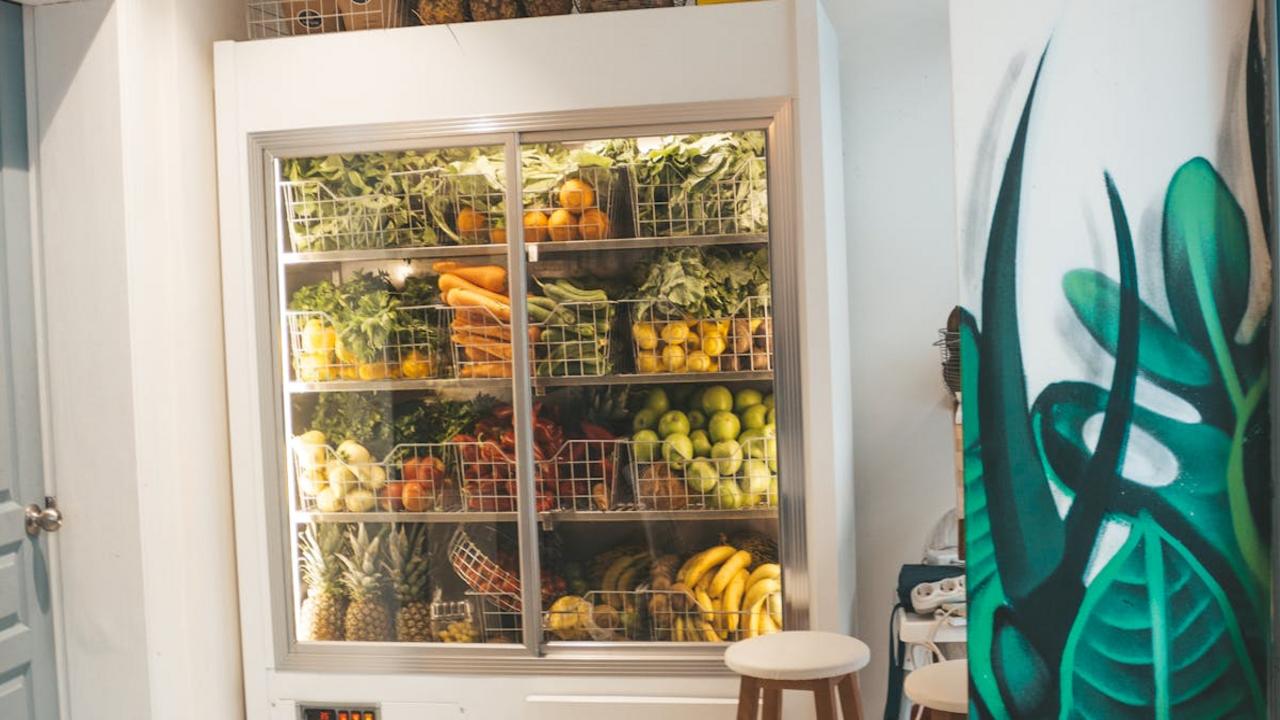
Your refrigerator works overtime to keep your food fresh and safe, but here’s something that might shock you: most home cooks never check if their fridge temperature is actually correct! You probably trust that dial or digital display, but refrigerators can drift from their set temperatures over time. The ideal temperature for your main compartment should stay between 35°F and 38°F, while your freezer needs to maintain 0°F or below. When temperatures creep higher, bacteria multiply rapidly, turning your safe ingredients into potential health hazards.
Getting a simple refrigerator thermometer costs just a few dollars and takes the guesswork out of food safety. Place one in the main compartment and another in your freezer, then check them regularly. If you notice your fridge running warmer than 40°F, bacteria like salmonella and E. coli start throwing their own party in your leftovers, dairy products, and fresh produce. Don’t let a lazy thermostat put your family at risk – calibrating your refrigerator temperature protects both your health and your grocery budget by preventing spoiled food and foodborne illness.
Storing onions and garlic in plastic bags
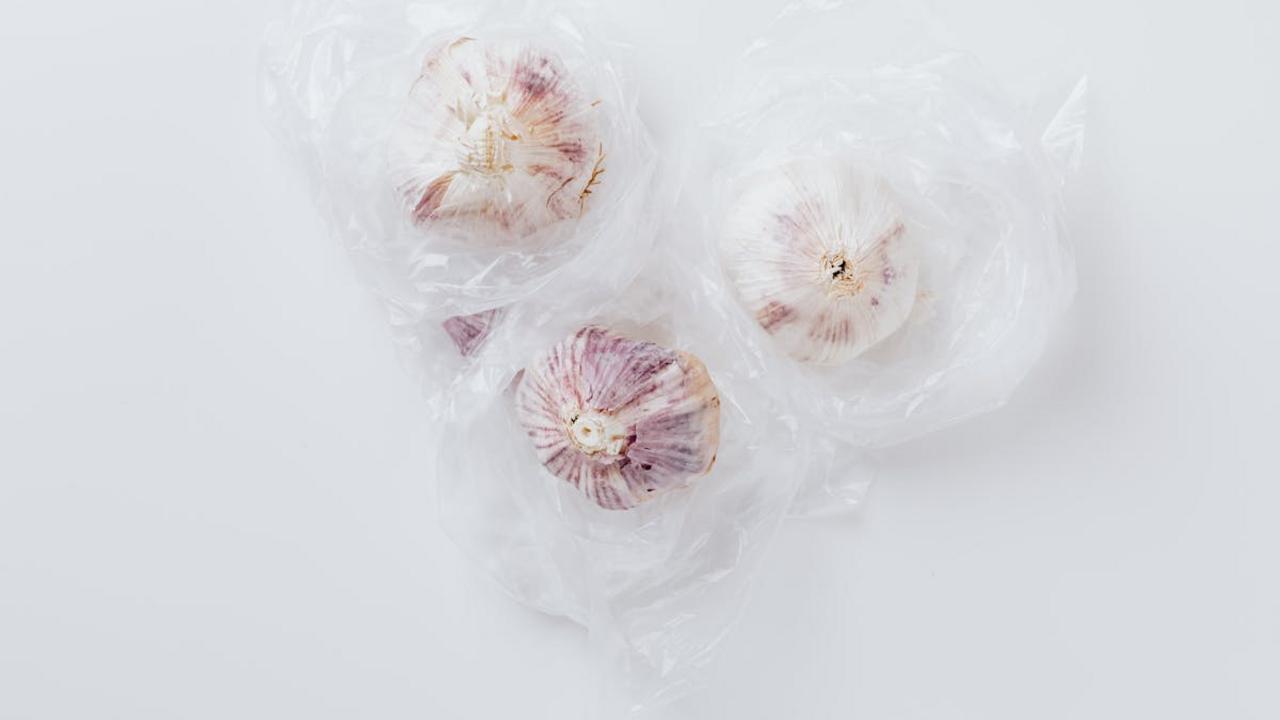
Your onions and garlic deserve better than being suffocated in plastic bags! I see this mistake all the time – people grab those convenient plastic produce bags and toss their bulbs straight into the fridge. But here’s what happens: plastic traps moisture, creating the perfect breeding ground for mold and bacteria. Your beautiful onions start sprouting prematurely, develop soft spots, and that pungent garlic begins to turn mushy. The lack of air circulation makes these kitchen staples spoil much faster than they should.
Give your alliums the breathing room they crave by storing them in mesh bags, paper bags, or even old pantyhose with knots tied between each bulb. Keep them in a cool, dry, well-ventilated area – not the refrigerator! A pantry shelf or countertop basket works perfectly. Your onions will stay firm and flavorful for weeks, and garlic can last for months when stored properly. This simple switch will save you money and prevent those disappointing moments when you reach for an onion only to find it’s turned into a squishy mess.
Using the same cutting board for all foods
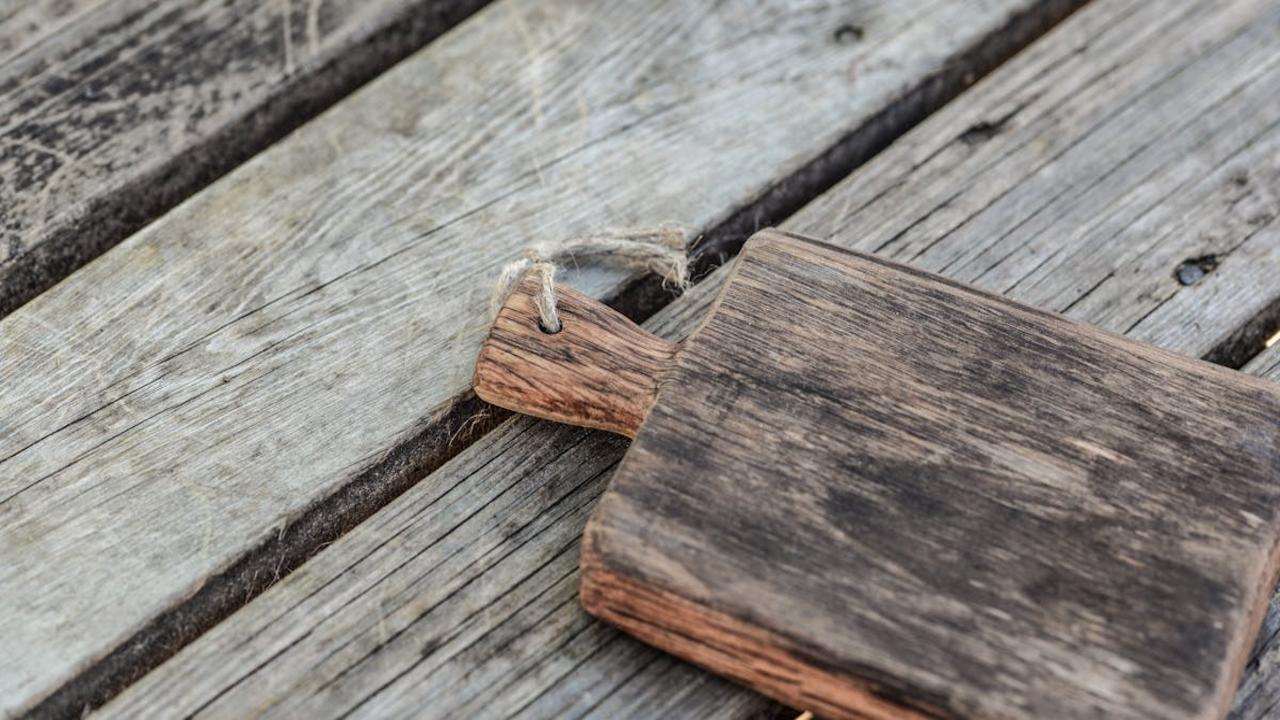
I see this happen in kitchens everywhere, and honestly, it makes me cringe every single time! You grab that trusty wooden cutting board and slice your chicken, then immediately start chopping vegetables for your salad without giving it a second thought. This habit creates a perfect storm for cross-contamination, where harmful bacteria from raw meats can transfer directly onto foods you’ll eat fresh. Those invisible pathogens don’t care how clean your cutting board looks – they’re ready to cause serious foodborne illness faster than you can say “dinner time.”
Here’s what I always tell my friends: invest in a simple color-coded system that will revolutionize your food safety game! Use one board exclusively for raw meats and seafood, and keep a separate one for fruits, vegetables, and ready-to-eat foods. You don’t need anything fancy – even two basic plastic boards work wonderfully. I keep my meat board red and my veggie board green, making it impossible to mix them up during busy cooking sessions. This small change protects your family from dangerous bacteria like salmonella and E. coli, giving you complete peace of mind while you create those beautiful, nourishing meals you love.
Not changing or sanitizing kitchen sponges regularly
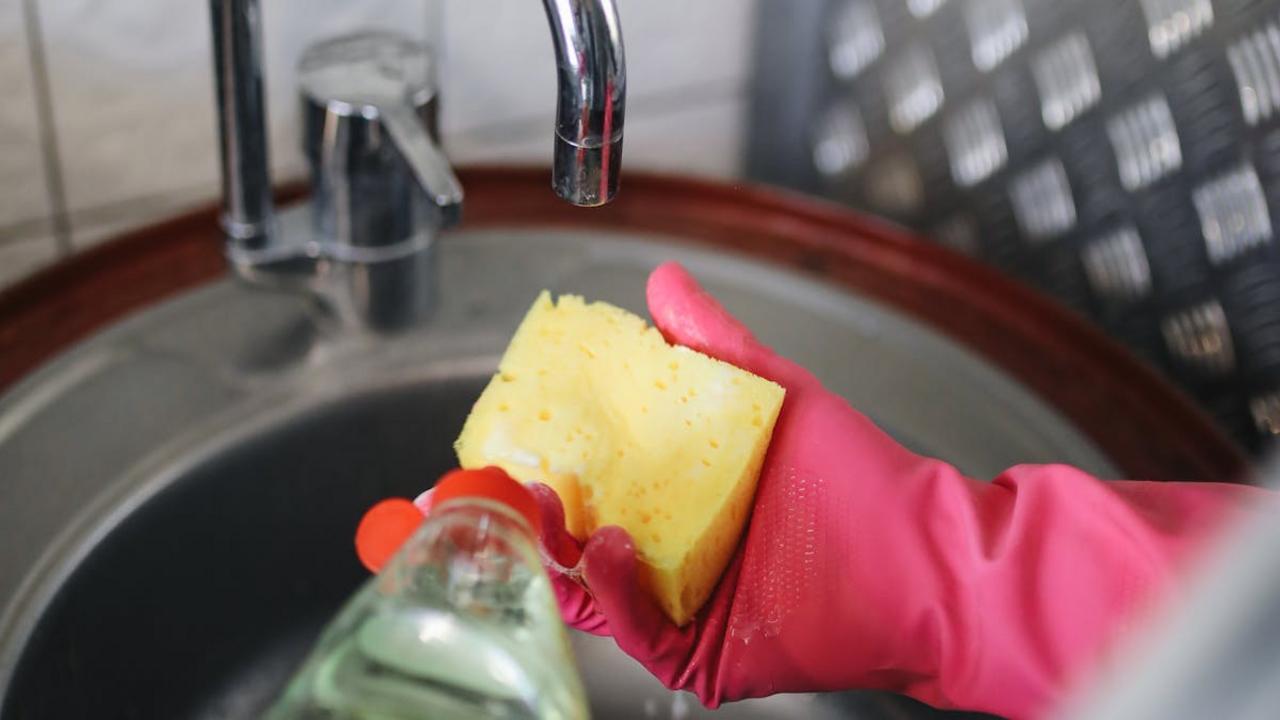
Your trusty kitchen sponge might seem like your best cleaning companion, but if you’re not giving it proper attention, it could become your biggest food safety enemy. Those innocent-looking sponges sitting by your sink can harbor millions of bacteria within just a few days of use. Every time you wipe down counters, clean dishes, or tackle spills, you’re creating the perfect breeding ground for harmful microorganisms that love warm, moist environments. Without regular cleaning or replacement, your sponge transforms from a cleaning tool into a bacteria-spreading device that can contaminate every surface it touches.
The solution is surprisingly simple and will give you so much peace of mind in your kitchen adventures! Replace your sponges every week, or sanitize them daily by microwaving them damp for 60 seconds or running them through your dishwasher’s hot cycle. You can also soak them in a bleach solution for a few minutes. I love keeping a rotation system where I use different sponges for different tasks – one exclusively for dishes, another for counters, and never mix the two. This small habit change will protect your family from foodborne illnesses and keep your kitchen truly clean, making every cooking session safer and more enjoyable.
Thawing meat on the counter
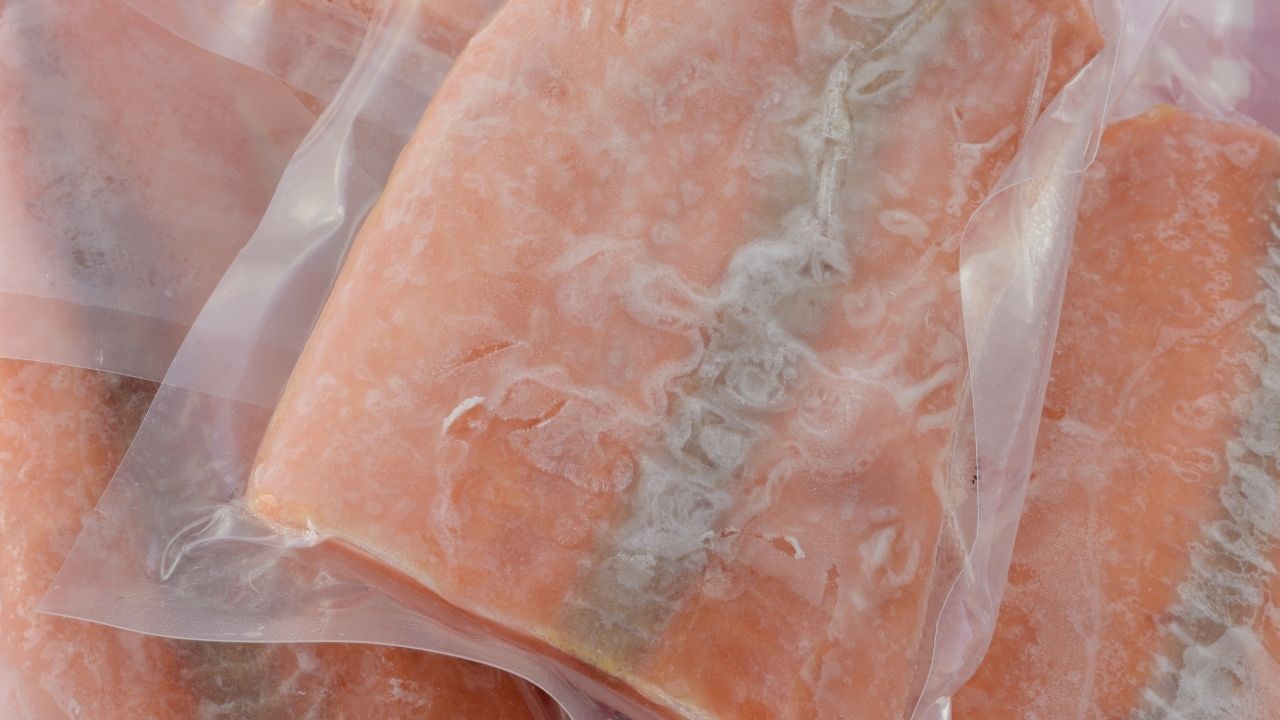
I see this happen in kitchens everywhere, and honestly, I used to do it too! You pull that frozen chicken or ground beef from the freezer, plop it on the counter, and figure it’ll be ready by dinnertime. But here’s what I learned the hard way – that innocent-looking piece of meat sitting at room temperature becomes a playground for bacteria. The “danger zone” between 40°F and 140°F allows harmful bacteria like salmonella and E. coli to multiply rapidly, doubling every 20 minutes. Your kitchen counter, no matter how clean, can’t protect against this invisible threat.
The good news? Safe thawing doesn’t require much planning once you get the hang of it. Move your frozen proteins to the refrigerator the night before you need them – yes, it takes longer, but you’ll sleep better knowing your family stays safe. For those last-minute dinner decisions, submerge the sealed meat in cold water, changing the water every 30 minutes, or use your microwave’s defrost setting and cook immediately afterward. These methods keep your meat out of that dangerous temperature zone while still giving you the flexibility you need for weeknight cooking.
Reusing oil multiple times for deep frying
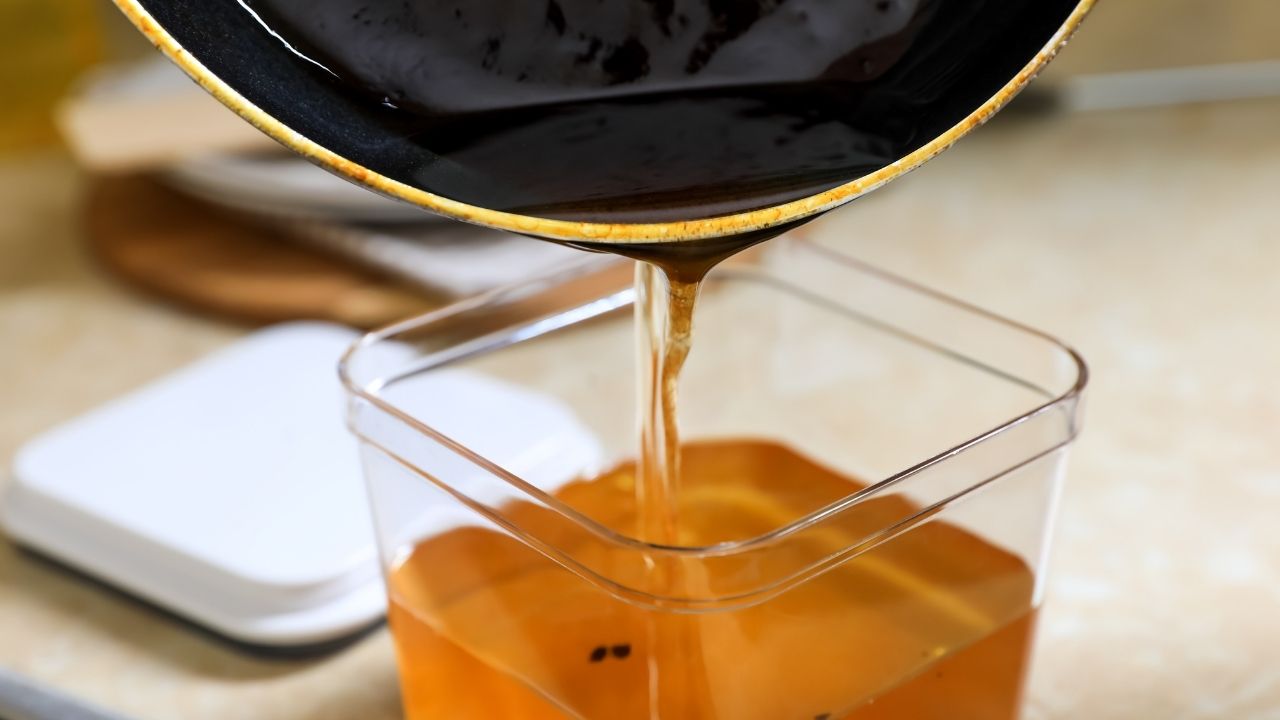
I get it – watching perfectly good oil go down the drain after one frying session feels wasteful, especially with grocery prices these days! But here’s the thing: reusing that oil too many times can turn your favorite fried foods into potential health hazards. Each time you heat oil to high temperatures, it breaks down and creates harmful compounds that can make you sick. The oil also picks up flavors, moisture, and food particles that become breeding grounds for bacteria.
You’ll know it’s time to toss that oil when it starts looking dark, smells off, or begins smoking at lower temperatures than usual. A good rule of thumb? Use your oil maximum three times for deep frying, and always strain it between uses to remove food debris. Store it in the refrigerator in a clean container, and trust your nose – if something smells funky, don’t risk it! Your body will thank you for using fresh oil, and honestly, your food will taste so much better without those lingering flavors from previous frying sessions.
Letting cooked food sit at room temperature too long
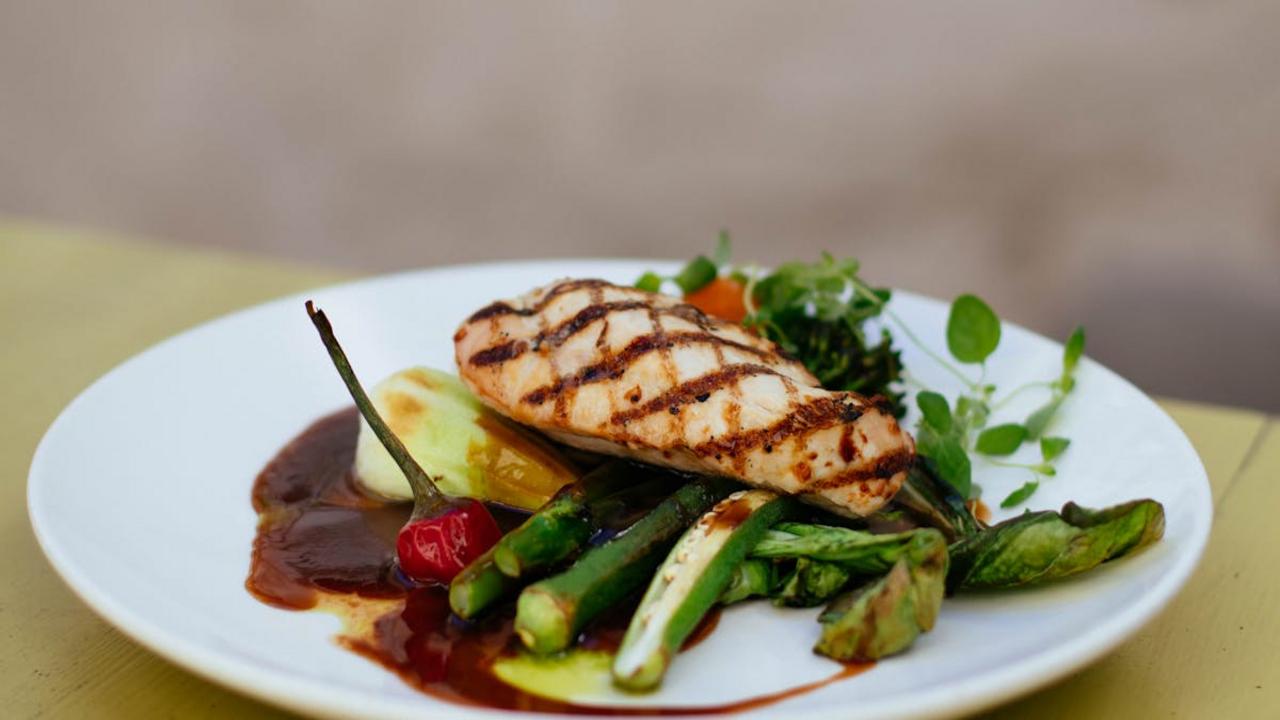
You know that feeling when you’ve just finished cooking a beautiful meal, and you want to let it cool down before storing it? I totally get it – nobody wants to put hot food directly into the fridge. But here’s the thing: leaving your cooked dishes on the counter for more than two hours creates the perfect playground for bacteria to multiply rapidly. The “danger zone” between 40°F and 140°F becomes a bacterial highway, and those invisible troublemakers can double in number every 20 minutes. Your delicious homemade soup or that perfectly roasted chicken can quickly transform from safe and nutritious to potentially harmful.
The good news is that you can easily avoid this kitchen pitfall with some simple timing strategies. Set a timer for one hour after cooking – this gives your food enough time to cool slightly before refrigerating without entering the danger zone. If your kitchen runs particularly warm or it’s a hot summer day, cut that time down to just one hour total. For large portions like whole roasts or big pots of stew, divide them into smaller, shallow containers to help them cool faster. This way, you’re protecting both the quality and safety of your home-cooked meals while maintaining all those wonderful flavors you worked so hard to create.
Rinsing raw chicken
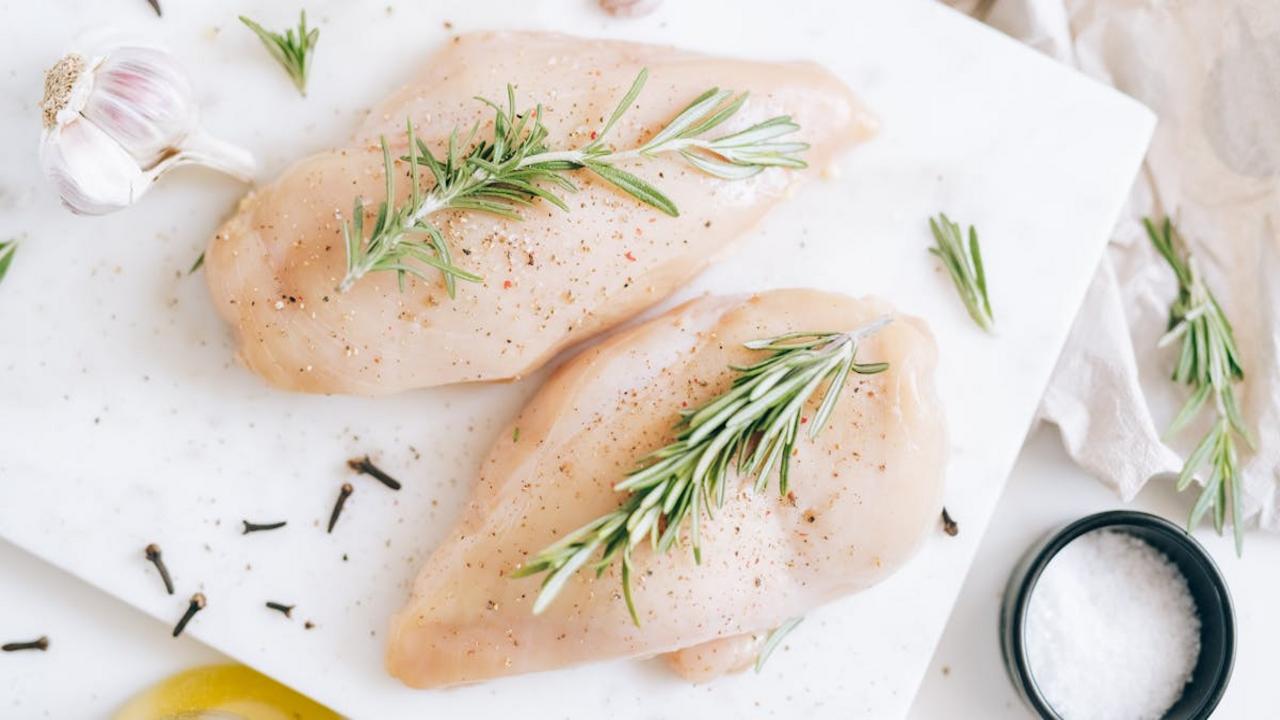
I get it – you want your chicken squeaky clean before cooking, and that instinct makes total sense! But here’s something that might shock you: rinsing raw chicken under the faucet actually spreads bacteria all over your kitchen instead of washing it away. When water hits that raw poultry, it creates tiny droplets that can travel up to three feet in every direction, landing on your counters, dishes, and even your clean produce nearby.
The truth is, proper cooking temperatures will eliminate any bacteria lurking on your chicken – no pre-rinse required! Instead of reaching for the faucet, pat your chicken dry with paper towels and toss them straight into the trash. This simple switch keeps those nasty germs contained while still prepping your protein perfectly for whatever delicious dish you’re creating. Your family’s health will thank you, and your kitchen will stay genuinely clean during meal prep.
Not washing avocado skin before cutting
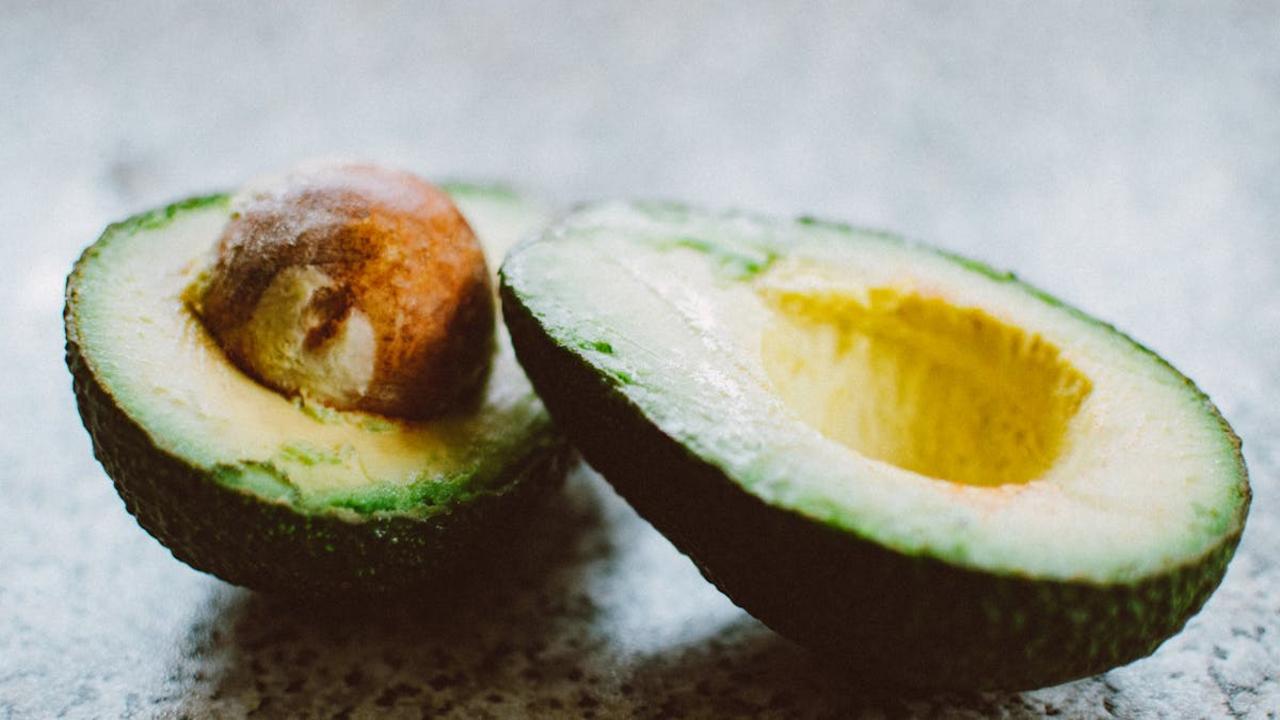
You grab that gorgeous avocado, give it a gentle squeeze to check ripeness, and dive straight into slicing – but wait! That bumpy green skin has been through quite a journey before landing in your kitchen. From the farm to the grocery store, your avocado has picked up bacteria, dirt, and potential contaminants on its surface. When you slice through that unwashed skin, your knife becomes a vehicle, transferring whatever’s on the outside directly into the creamy flesh you’re about to enjoy.
This simple oversight can introduce harmful bacteria like Salmonella or E. coli into your food, especially since avocados often get handled multiple times during transport and storage. The fix is wonderfully easy – just give your avocados a thorough rinse under cool running water and gently scrub with your hands or a clean produce brush before cutting. Even though you won’t eat the skin, this quick wash protects the inner fruit from contamination. Trust me, those extra 30 seconds of washing will give you peace of mind and keep your guacamole safely delicious!
Storing tomatoes and potatoes together
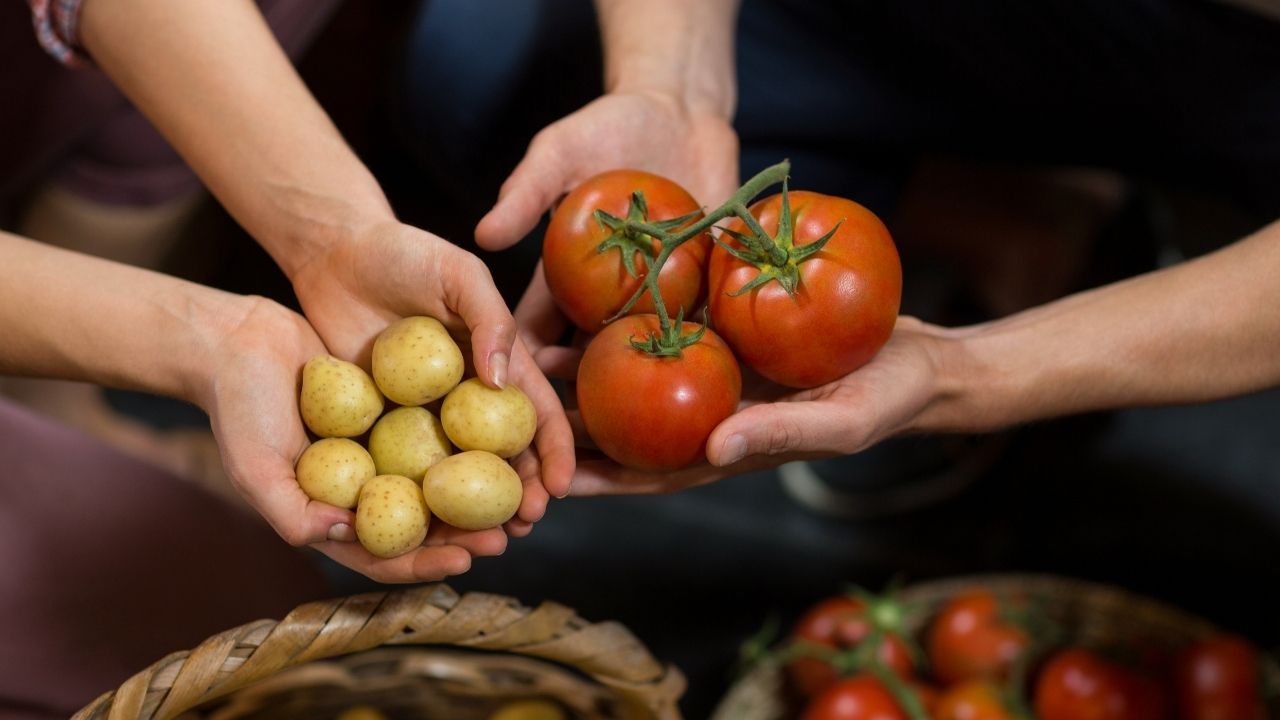
You know how convenient it seems to toss those beautiful tomatoes and potatoes in the same basket or storage bin? I totally get it – they’re both produce, so they should be happy together, right? Wrong! This innocent-looking pairing actually creates a recipe for faster spoilage that’ll leave you frustrated and reaching for your wallet sooner than expected. Potatoes release ethylene gas naturally, and tomatoes are incredibly sensitive to this invisible troublemaker that speeds up their ripening process dramatically.
Here’s what happens when you store these two together: your gorgeous tomatoes will ripen and soften way too quickly, often developing that mushy texture nobody wants in their salads or sandwiches. Meanwhile, your potatoes can start sprouting earlier and developing those green spots that signal they’re past their prime. Keep your tomatoes on the counter away from other produce, and store your potatoes in a cool, dark place with good ventilation – maybe in a pantry or basement. Trust me, giving these two their own space will keep them fresh longer and save you money on your grocery bill!
Reusing marinades without boiling
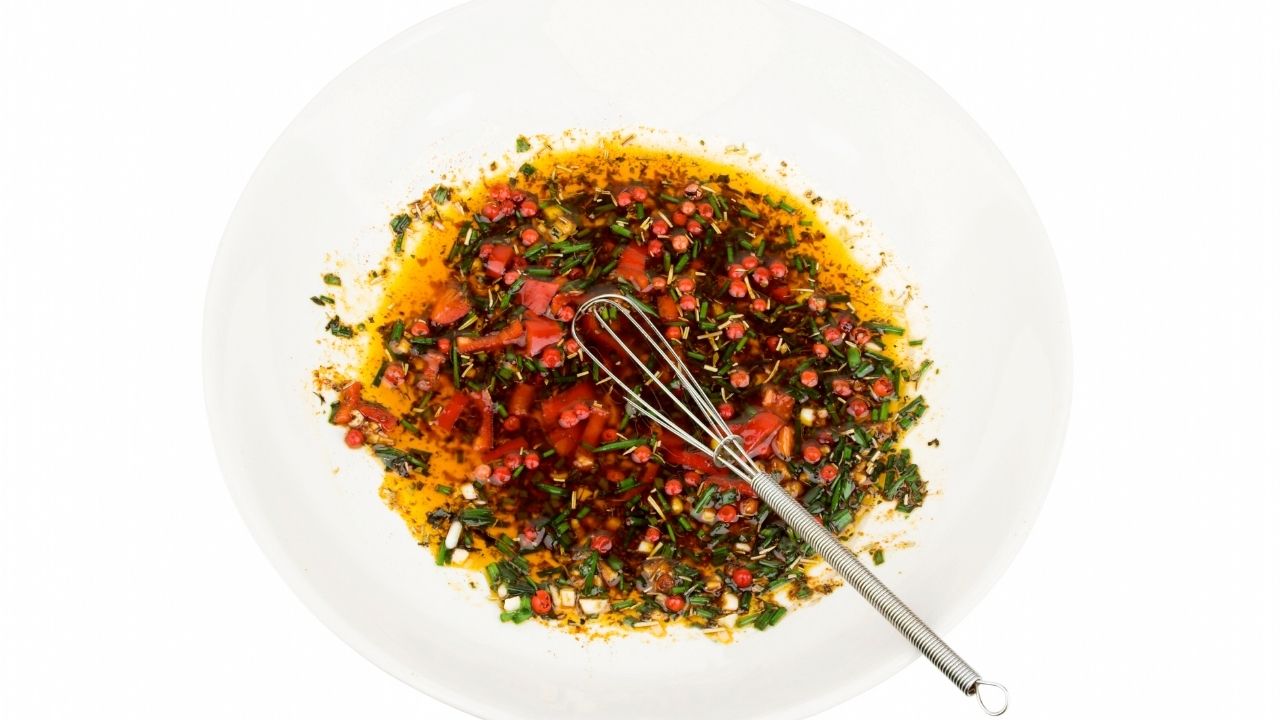
I see this mistake happen all the time in home kitchens, and it breaks my heart because it’s so preventable! When you marinate raw meat, poultry, or seafood, that liquid becomes a breeding ground for harmful bacteria. The marinade absorbs all those potentially dangerous microorganisms from the raw proteins, making it unsafe to use again without proper treatment. Many home cooks think they can simply strain out the visible bits and reuse the marinade as a sauce or basting liquid, but this creates a serious food safety risk that could lead to foodborne illness.
Here’s the good news – you can absolutely save and reuse your marinade safely! Simply bring it to a rolling boil for at least one minute before using it again. This high heat kills any bacteria that might have transferred from the raw meat. I love making extra marinade specifically for this purpose – use half for marinating and reserve the other half separately for basting or serving. This way, you get all that incredible flavor without any safety concerns. Your family will thank you for both the delicious taste and the peace of mind that comes with safe cooking practices.
Improper storage of leftovers above 40°F

Your refrigerator becomes your best friend when you want to keep those delicious leftovers safe for tomorrow’s lunch! The magic number you need to remember is 40°F – anything above this temperature creates the perfect playground for bacteria to multiply faster than you can say “food poisoning.” I see so many home cooks who think their leftovers are fine sitting on the counter for hours after dinner, but those harmful bacteria start their party within just two hours at room temperature. Your beautiful homemade pasta sauce or that amazing roasted chicken can turn from safe and scrumptious to dangerous surprisingly quickly.
Make sure your refrigerator stays at or below 40°F by checking it regularly with a simple thermometer – this small investment protects your family’s health and saves money by preventing food waste. Get those leftovers into proper containers and into the fridge within two hours of cooking, or just one hour if your kitchen temperature rises above 90°F during those hot summer months. I love using glass containers with tight-fitting lids because they stack beautifully and help maintain consistent temperatures. Remember that your refrigerator isn’t just storage space – it’s your food safety superhero working around the clock to keep your meals fresh and your family healthy!
Cross contamination between raw meat and produce
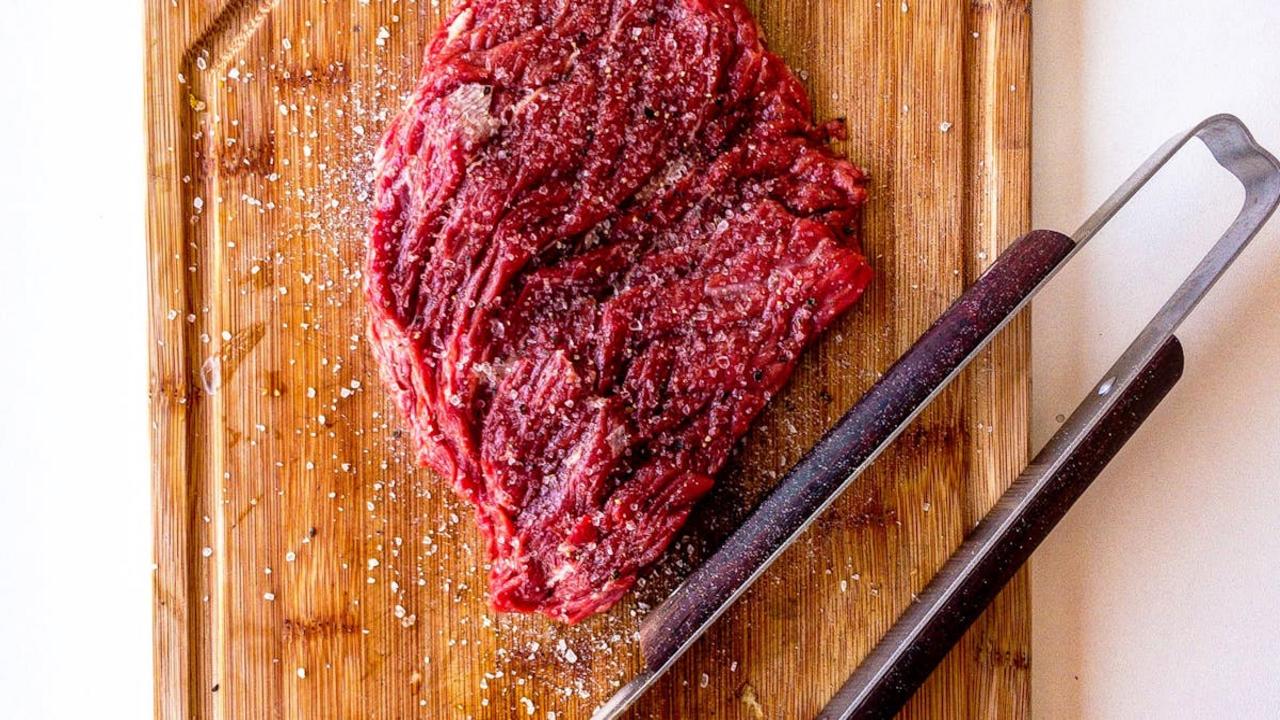
You know that moment when you’re prepping dinner and realize you just chopped tomatoes on the same cutting board where you trimmed chicken? We’ve all been there! Cross contamination happens faster than you think, and it’s one of the sneakiest ways bacteria like salmonella and E. coli can crash your dinner party. Raw meat carries these invisible troublemakers, and they’re just waiting to jump onto your fresh vegetables, fruits, or any other food that won’t get cooked thoroughly.
The fix is simpler than you might expect – think of your kitchen like a well-organized dance floor where raw meat gets its own space. Use separate cutting boards (I love color-coding mine!), wash your hands religiously between handling different foods, and never let raw meat juices drip onto your produce in the fridge. Store raw meat on the bottom shelf in leak-proof containers, and always prep your vegetables first, then move on to meat. Your family will thank you for keeping those nasty bacteria away from their fresh, nutritious meals!