14 Unwritten Food Rules You Probably Follow Without Even Realizing
You know that moment when you automatically reach for the birthday cake slice with the prettiest frosting rose? Or when you find yourself asking “Is anyone going to finish that?” before grabbing the last slice of pizza? Congratulations—you’re fluent in the secret language of food etiquette that nobody ever taught you officially.
These invisible dining commandments live in our collective food consciousness, passed down through generations like treasured family recipes. We follow them religiously without questioning why the host always takes the tiniest helping or why weekend pancakes demand extra bacon compared to Tuesday’s sad cereal bowl.
From the sacred act of blowing on steaming soup to the unspoken truth that stolen fries taste infinitely better than your own, these food rules govern our eating behaviors in wonderfully predictable ways. Ready to discover the dining codes you’ve been following all along?
Fortune cookies must be eaten last at Chinese restaurants
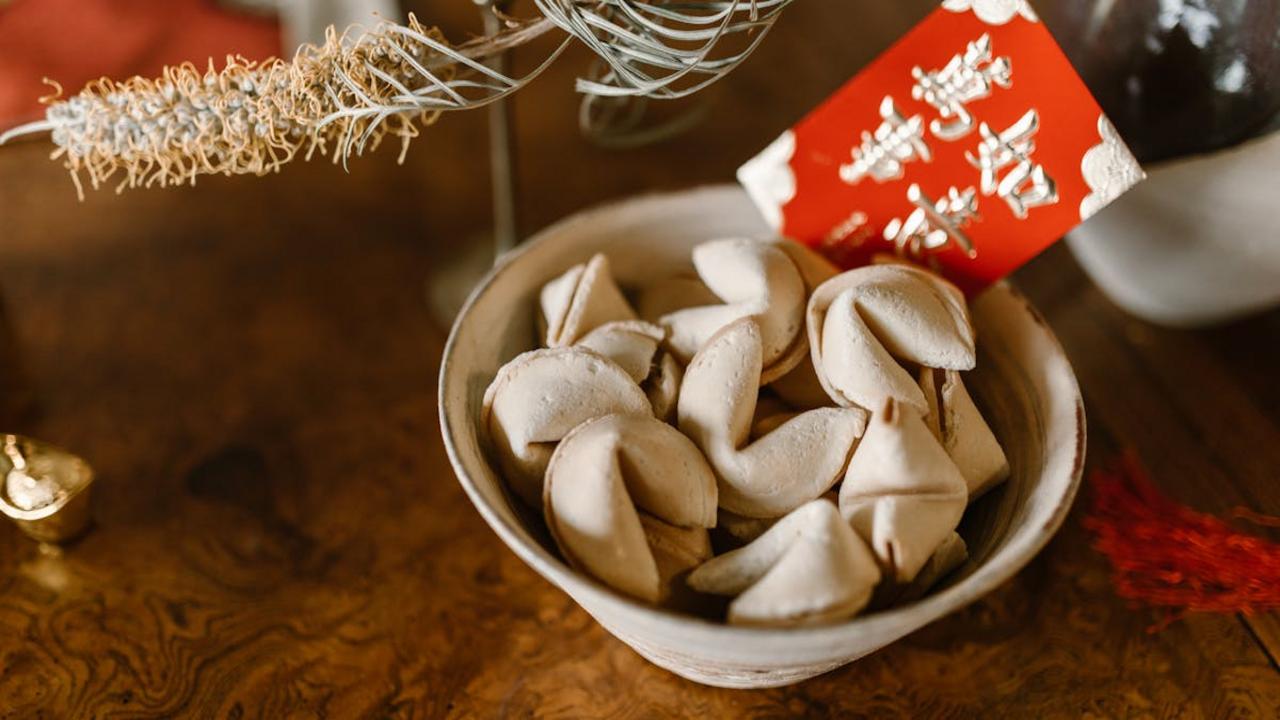
Picture this: you’ve polished off your General Tso’s chicken, demolished those dumplings, and somehow found room for one more bite of fried rice. Then your server appears with that little golden crescent of destiny—the fortune cookie. And what do you do? You crack it open immediately like some kind of dining rebel? Absolutely not! There’s an unspoken law here, folks, and even the most fortune-hungry among us know that these crispy prophets must wait until the very end of your meal. It’s like the grand finale of a fireworks show—you don’t light the biggest rocket first and call it a night.
Here’s the delicious irony though: fortune cookies aren’t even traditionally Chinese! They were invented right here in America, probably by Japanese immigrants in California around the early 1900s. But somehow, these vanilla-scented vessels of wisdom have become so deeply woven into our Chinese restaurant experience that breaking one open mid-meal feels like wearing socks with sandals—technically possible, but morally questionable. The ritual demands patience: you finish your actual Chinese food, push back from the table with that satisfied sigh, then ceremoniously crack open your cookie to discover whether you’ll find love, wealth, or that your lucky numbers are 4, 17, 23, 31, 42, and 6. It’s the perfect bookend to your meal, a sweet little period at the end of your dining sentence.
Restaurant bills are split equally unless discussed beforehand
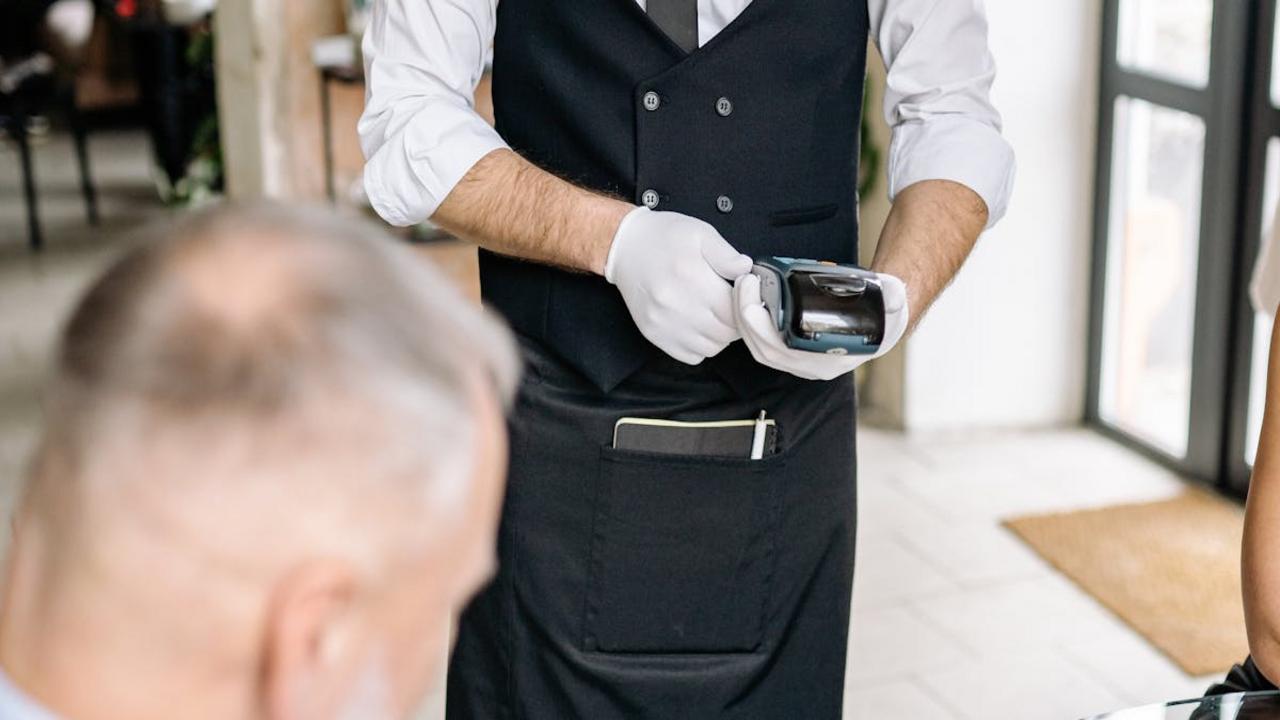
You know that awkward moment when the check arrives and everyone suddenly becomes very interested in their phones? Welcome to one of dining’s most unspoken rules: the equal split assumption. Unless someone specifically mentions “separate checks” or “I’ve got this one” before ordering, we automatically default to dividing that bill like we’re solving a middle school math problem. It’s fascinating how we’ve collectively agreed that fairness means everyone pays the same amount, even when Sarah ordered the lobster thermidor and you stuck with a side salad because rent is due tomorrow.
This social contract gets even more interesting when you consider the psychology behind it. Nobody wants to be the person who suggests splitting by what each person actually ordered—that makes you look cheap, even though it’s mathematically logical. So we all nod along when someone whips out their calculator app, pretending we don’t notice that Dave’s three cocktails cost more than everyone else’s entire meal combined. The real pros know to have this conversation before the server takes drink orders, saving everyone from that uncomfortable mental math session later. Some restaurants have caught on and automatically ask about separate checks, bless their efficient little hearts.
Ice cream containers with tiny amounts get pushed to the back
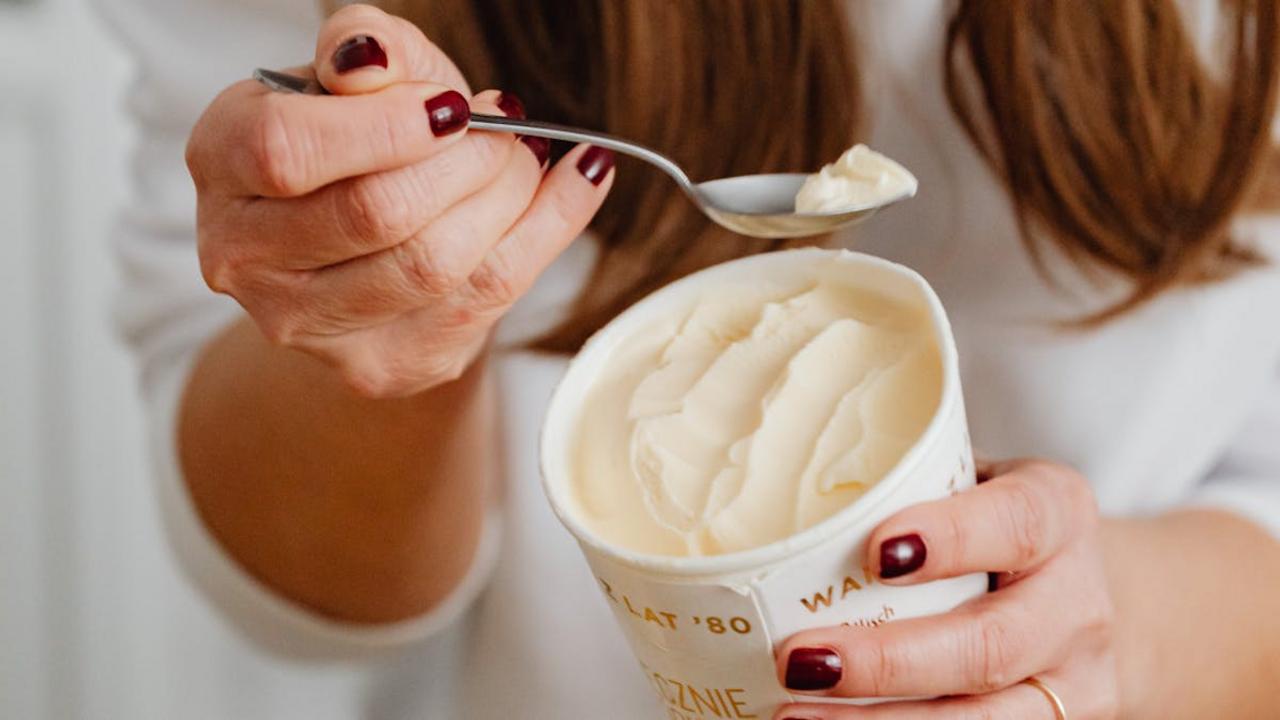
You know that sad little ice cream container lurking in the depths of your freezer? The one with maybe three spoonfuls of mint chocolate chip left, hiding behind the frozen peas like it’s ashamed of its diminished state? We all do this unconscious freezer shuffle, banishing the nearly-empty cartons to freezer Siberia while the fresh pints claim prime real estate up front. It’s like we’re running our own frozen dessert democracy, where popularity equals visibility and the stragglers get voted off the ice(berg).
This behavior stems from pure psychological self-preservation – nobody wants to reach for what they think is a full container only to discover they’re scraping freezer burn off the bottom. Studies show that Americans waste about 40% of their food, and those forgotten ice cream remnants definitely contribute to that statistic. But here’s the thing: those neglected containers often hold the perfect amount for a late-night snack when you don’t want to commit to demolishing an entire pint. Next time you spot that lonely carton in the back, rescue it! Those final spoonfuls might just be the perfect portion to satisfy your sweet tooth without the guilt of overdoing it.
Thanksgiving turkey carving belongs to the family elder
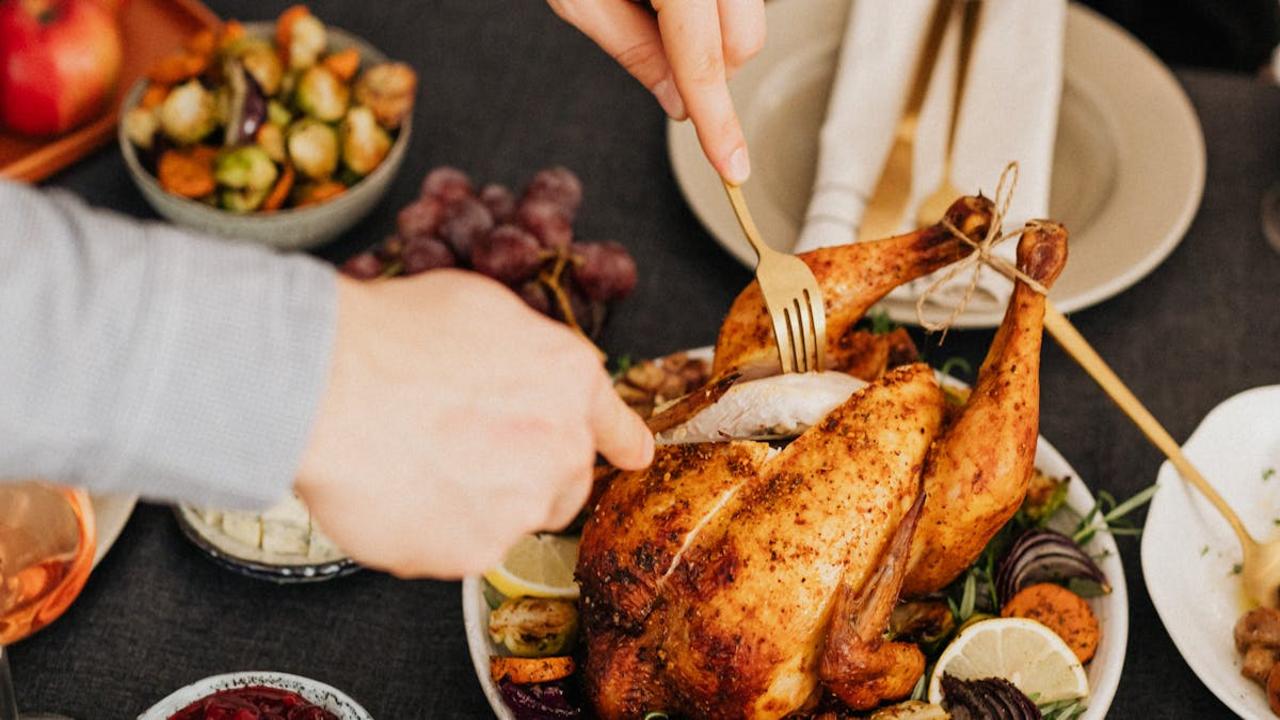
You know that moment when everyone gathers around the dining room table, stomachs growling and eyes fixed on the golden-brown turkey, yet nobody dares touch the carving knife? That’s because deep in our collective food DNA, we all understand that turkey carving rights belong to the family patriarch or matriarch. Whether it’s Dad adjusting his reading glasses for precision or Grandpa rolling up his sleeves with ceremonial importance, this unspoken rule has governed American Thanksgiving tables for generations. The designated carver approaches the bird with the seriousness of a surgeon, while everyone else hovers nearby offering unsolicited advice about breast meat thickness and drumstick technique.
This tradition stretches back to medieval times when the head of household carved meat as a symbol of authority and provision for the family. Fun fact: Victorian etiquette books actually included detailed illustrations showing proper carving posture and knife angles! Today’s family elders might not know the historical significance, but they sure know the weight of expectation resting on their shoulders. Watch any Thanksgiving carving ceremony and you’ll witness the same ritualistic movements – the careful positioning of the turkey, the testing of knife sharpness, and that moment of hesitation before the first cut. Meanwhile, everyone else stands around pretending they wouldn’t do it completely differently, secretly grateful they don’t have to perform this high-pressure culinary surgery in front of hungry relatives armed with smartphones ready to document any carving catastrophes.
Restaurant orders shouldn’t duplicate within a group
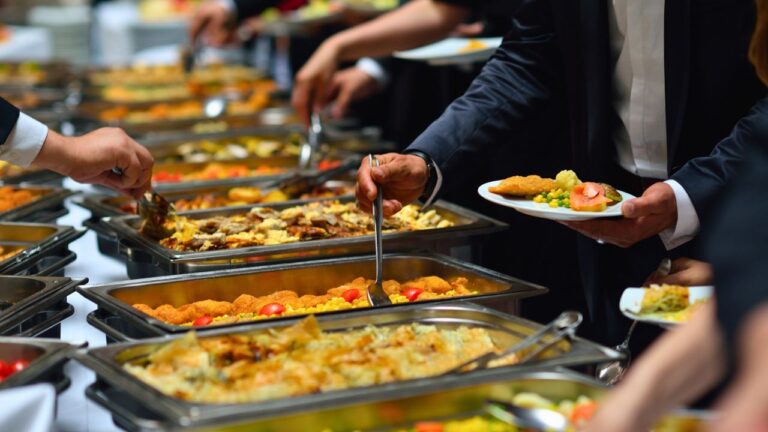
You know that awkward moment when everyone’s scanning the menu and suddenly three people announce they want the salmon? The unspoken panic sets in faster than you can say “substitute side salad.” This invisible dining law runs deeper than most people realize – we instinctively avoid ordering the same dish because sharing a table means sharing an experience, and nobody wants to be the person who kills the variety show. It’s like wearing the same outfit to a party, except instead of fashion embarrassment, you’re stuck with food FOMO while watching your tablemate enjoy the exact same pasta you ordered.
The psychology behind this rule fascinates me more than watching someone try to eat spaghetti on a first date. Restaurants actually design their menus knowing groups will spread their orders across different items, which is why many establishments offer “sharing plates” or family-style options. Smart diners have learned to orchestrate their ordering like a well-choreographed dance – someone always volunteers to be the scout who orders first, while others strategically wait to see what’s been claimed. Pro tip: if you’re absolutely craving the same dish as someone else, suggest getting it to share, or better yet, order different preparations of the same protein. Trust me, your future self will thank you when you get to sample six different flavors instead of staring longingly at your friend’s superior-looking identical meal.
Sharing food requires cutting it exactly in half
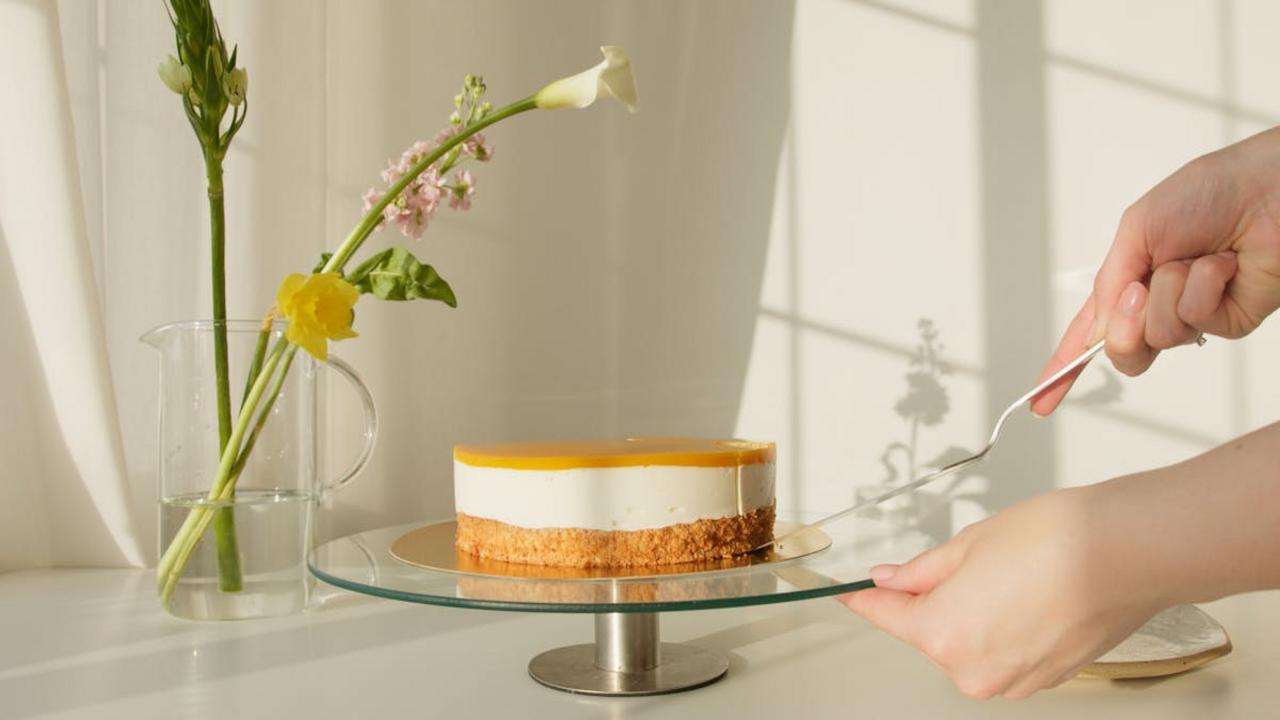
You know that moment when someone offers to share their sandwich with you, and suddenly you both become amateur mathematicians? There’s this unspoken pressure to achieve perfect halves, as if the Food Fairness Committee is watching from the shadows. I’ve watched grown adults stress over splitting a cookie with surgical precision, measuring with their eyes like they’re defusing a bomb. The funny thing is, nobody actually teaches us this rule—we just absorb it through years of playground negotiations and awkward office lunch situations.
The science behind this obsession is fascinating: studies show that people perceive unequal portions as unfair, even when the difference is barely noticeable. Your brain literally keeps score! I once saw a couple spend five minutes debating the “correct” way to divide a slice of pizza (spoiler alert: there was no winner, only cold pizza). The truth is, this mathematical food anxiety probably stems from childhood, where getting the smaller half felt like a personal betrayal. Now we’re all walking around with invisible rulers, desperately trying to avoid being labeled the “greedy friend” who takes the bigger piece.
The host takes the smallest portion
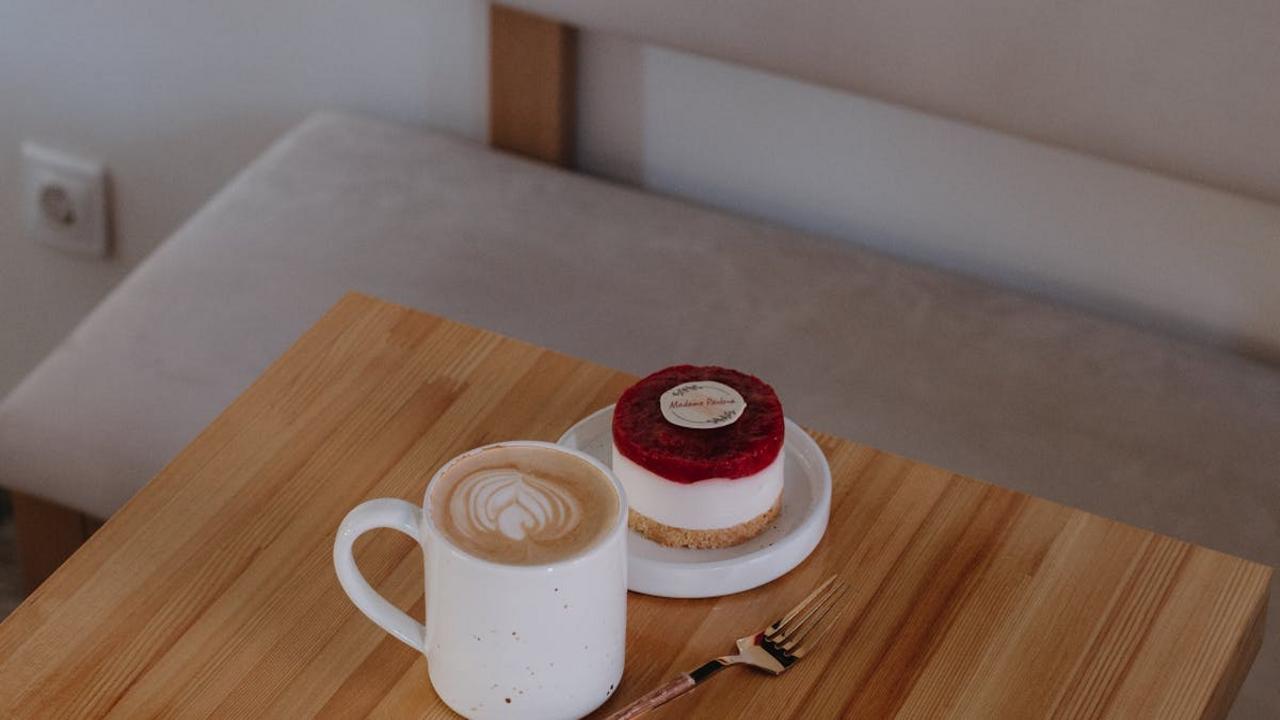
You know that moment when you’re serving up dinner and instinctively grab the tiniest piece of chicken for yourself? That’s not just good manners talking – that’s an ancient social contract written in our DNA! This unspoken rule runs so deep that even when you’re starving and eyeing that perfect golden-brown piece, your hand automatically veers toward the sad little corner bit. It’s like your inner host has a built-in portion police that screams “GUEST FIRST!” louder than your rumbling stomach.
This behavior actually dates back centuries to hospitality traditions across cultures, where showing generosity through food meant survival of social relationships. Today, you’re probably doing this dance without realizing it – cutting yourself the smaller slice of pie, taking the burnt edge of the lasagna, or claiming you “prefer the end pieces” of the roast (spoiler alert: nobody prefers the end pieces). The beautiful irony? Your guests are probably sitting there thinking you’re either incredibly selfless or secretly don’t like your own cooking. Meanwhile, you’re just following a script older than your grandmother’s cast iron skillet, proving that some rules are so fundamental they bypass our conscious brain entirely.
Weekend breakfast must be bigger than weekday breakfast
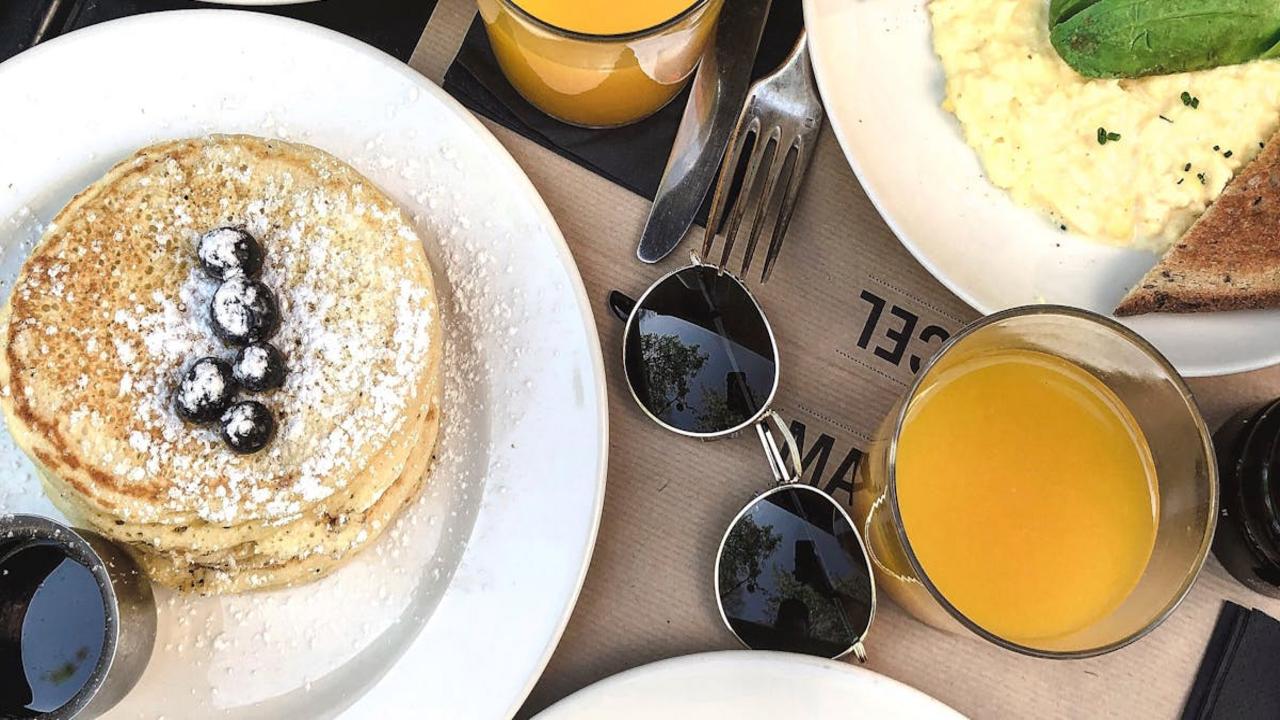
You know that unspoken law living rent-free in your kitchen? The one that whispers, “Cereal on Tuesday is fine, but Saturday demands pancakes!” Your weekday breakfast probably consists of grabbing whatever won’t make you late – a granola bar, yesterday’s coffee, maybe toast if you’re feeling fancy. But come Saturday morning, suddenly you transform into a breakfast architect, constructing towers of French toast and engineering the perfect egg Benedict. Scientists actually have a name for this phenomenon: “weekend indulgence compensation,” where we unconsciously reward ourselves for surviving another work week with extra butter and syrup.
This breakfast upgrade isn’t just about having more time (though let’s be honest, rushing through scrambled eggs while hunting for matching socks never ends well). Weekend breakfast becomes a ritual, a way to mark the transition from “survival mode” to “living mode.” You’ll spend forty-five minutes crafting the perfect omelet filling, debate whether to add bacon or sausage (why not both?), and suddenly care deeply about the fluffiness of your biscuits. Meanwhile, your weekday self would have called that same time investment “completely ridiculous.” But here’s the beautiful truth: bigger weekend breakfast isn’t about excess – it’s about giving yourself permission to slow down and actually taste what you’re eating instead of inhaling it between emails.
Fries from someone else’s plate taste better
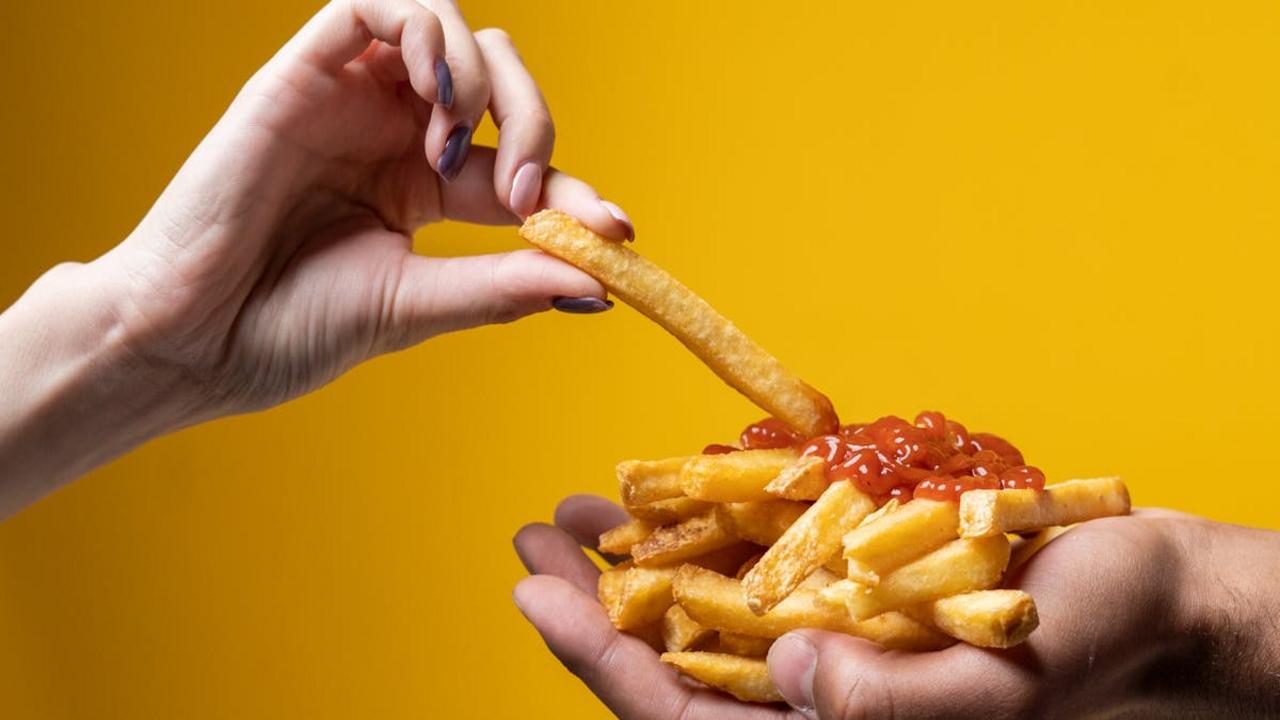
You know that moment when you’re sitting across from your friend, both of you with your respective meals, and suddenly their golden, crispy fries start calling your name like tiny potato sirens? There’s actual science behind this phenomenon, and it’s not just your imagination running wild. Those stolen fries genuinely do taste more satisfying than your own, and psychologists call it the “grass is greener” effect applied to food. Your brain tricks you into believing that what someone else has must be superior, even if it came from the exact same fryer just seconds apart.
The magic happens because forbidden fruit always tastes sweeter – or in this case, saltier and more addictive. When you sneak a fry from your dining companion’s plate, you’re not just eating a potato stick; you’re experiencing a tiny rebellion, a moment of spontaneous sharing that makes your neurons light up with excitement. Plus, there’s the element of surprise – you didn’t order those fries, so your expectations are completely different. Meanwhile, your own fries sit there like loyal golden soldiers, taken for granted because they’re rightfully yours. Next time you catch yourself eyeing someone else’s plate, just remember: you’re participating in one of humanity’s most universal dining experiences, and yes, you absolutely have permission to ask for “just one.”
Coffee or tea is served after dessert
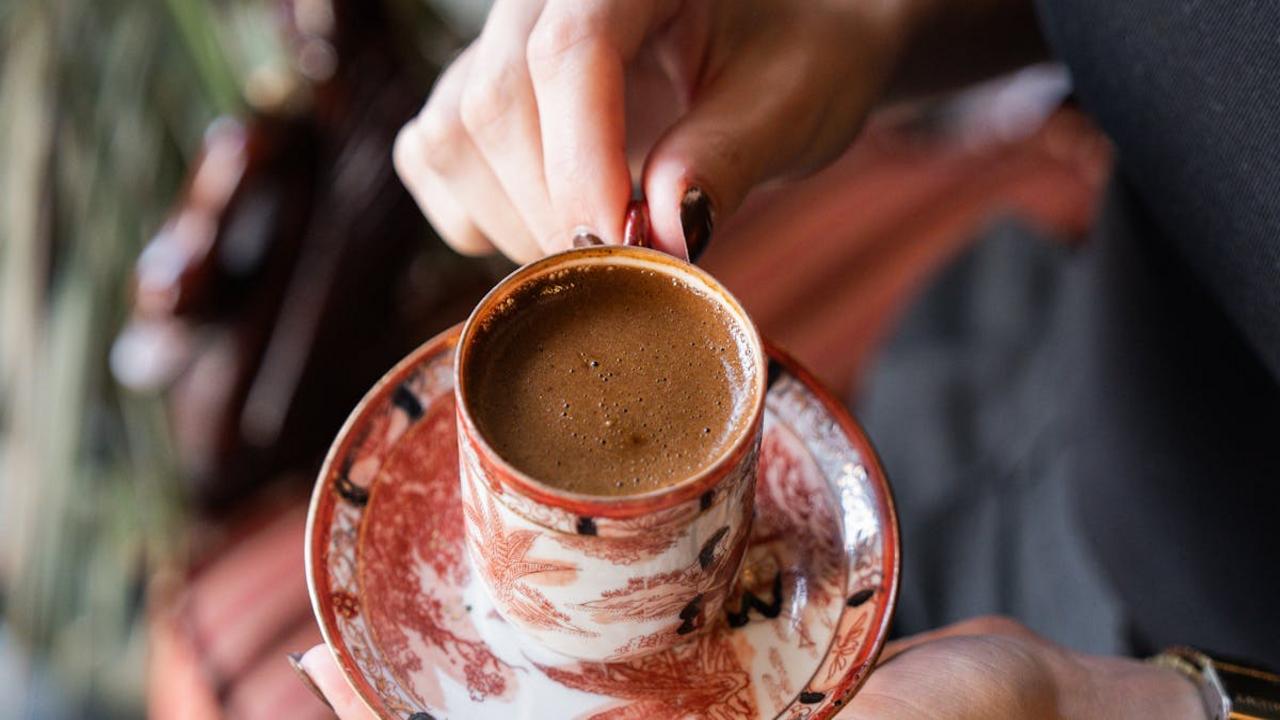
You know that moment when you’ve just polished off a decadent slice of chocolate cake, and suddenly you’re scanning the room for a server with a coffee pot? Yeah, that’s not random—you’re following an ancient dining protocol that’s practically hardwired into your DNA. This post-dessert caffeine ritual dates back to 17th-century European aristocracy, who discovered that a hot beverage after sweets helped cleanse the palate and aid digestion. The French perfected this dance, making café the grand finale of every proper meal, while the British countered with their beloved tea service complete with tiny spoons and sugar cubes that clink like miniature wind chimes.
But here’s the genius behind this timing: caffeine actually enhances the lingering sweetness on your tongue while simultaneously preparing your stomach for the digestive marathon ahead. That’s why you instinctively wait—even at casual dinner parties, you’ll catch yourself holding off on that second cup until the last forkful of tiramisu disappears. Modern restaurants capitalize on this reflex, training servers to appear with fresh coffee carafes right as dessert plates get cleared. It’s like they’re conducting an invisible orchestra of satisfied diners, each nursing their warm mugs while the evening winds down to its perfect, caffeinated conclusion.
Pizza crusts are saved for last
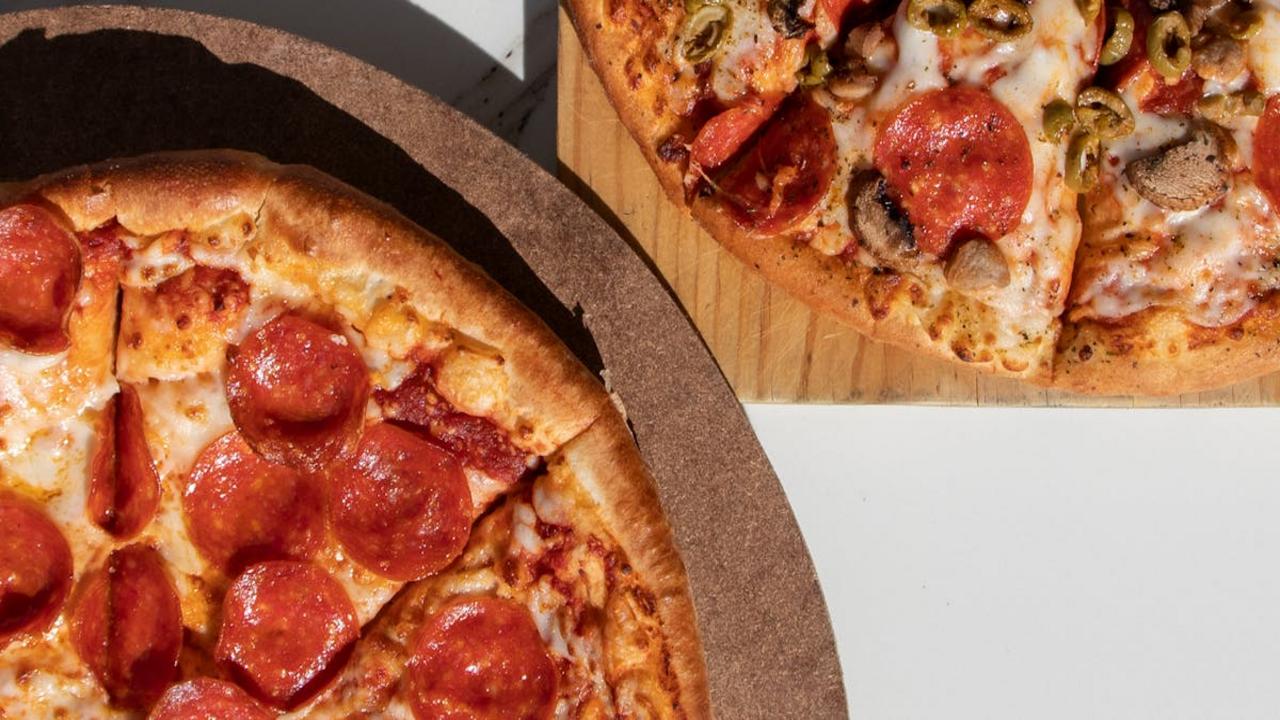
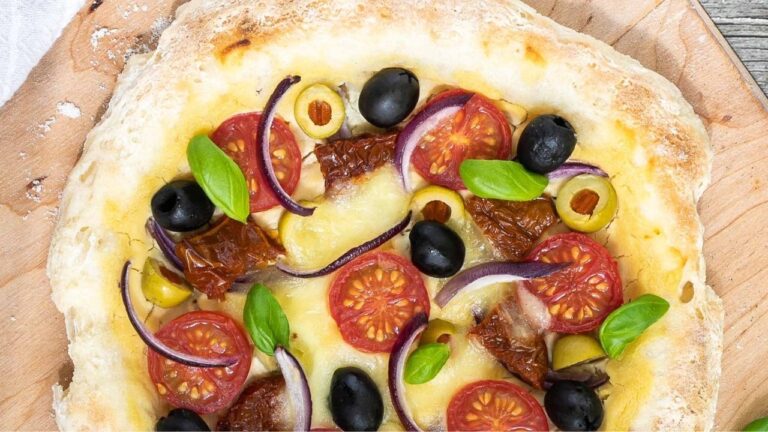
You know that feeling when you’re demolishing a slice of pizza and suddenly find yourself holding what looks like a breadstick with commitment issues? That’s your crust, and if you’re like 90% of pizza lovers, you’ve just performed the sacred ritual of “crust postponement.” Scientists haven’t officially studied this phenomenon, but I’m convinced it’s hardwired into our DNA. We instinctively save those golden-brown edges for the grand finale, treating them like the pizza equivalent of a drumstick at a chicken dinner.
Here’s where things get interesting: your crust-saving strategy reveals everything about your personality. Are you a “nibble around the edges” type who methodically works your way inward? Or do you go straight for the cheesy center and leave a pile of crusts like breadcrumb evidence? Some pizza purists argue that eating the crust first actually enhances the experience—you get the “boring” part out of the way and build up to the saucy, cheesy crescendo. But honestly, who has that kind of self-control? The crust serves as our pizza palate cleanser, a carb-loaded finale that signals the end of our cheesy adventure and prepares us for the inevitable “should I order another slice?” internal debate.
Always blow on hot food before tasting
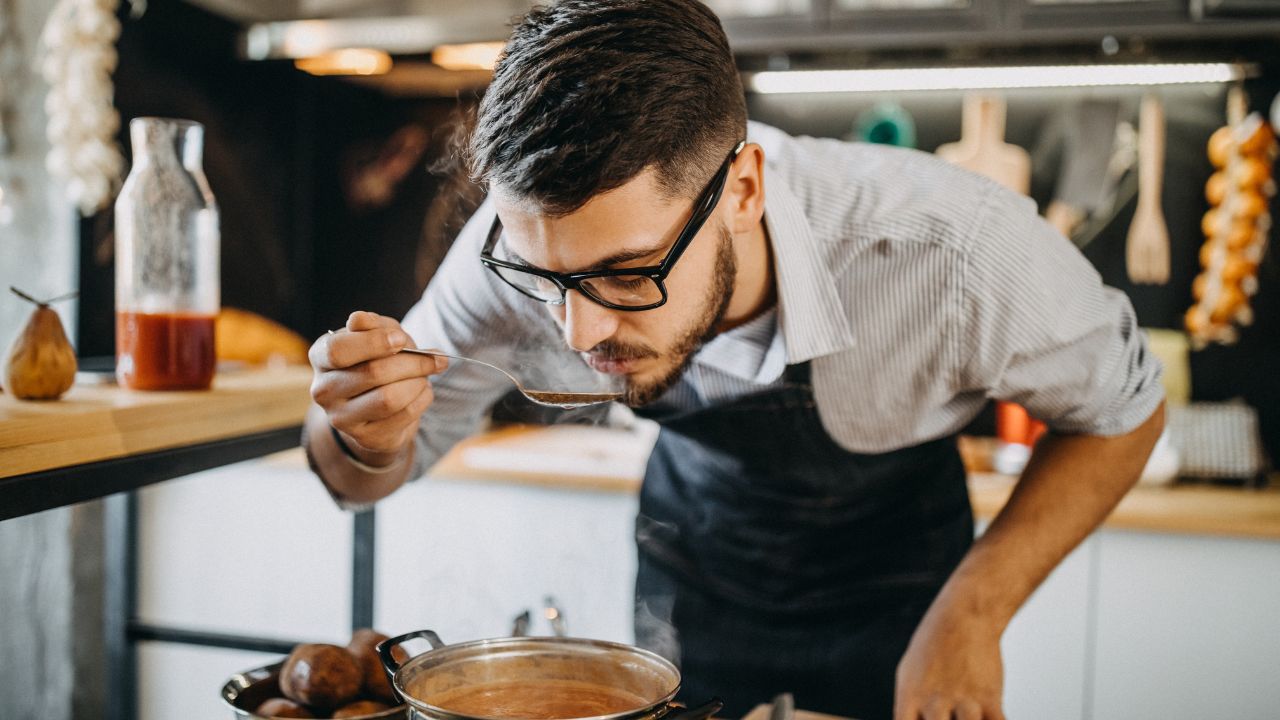
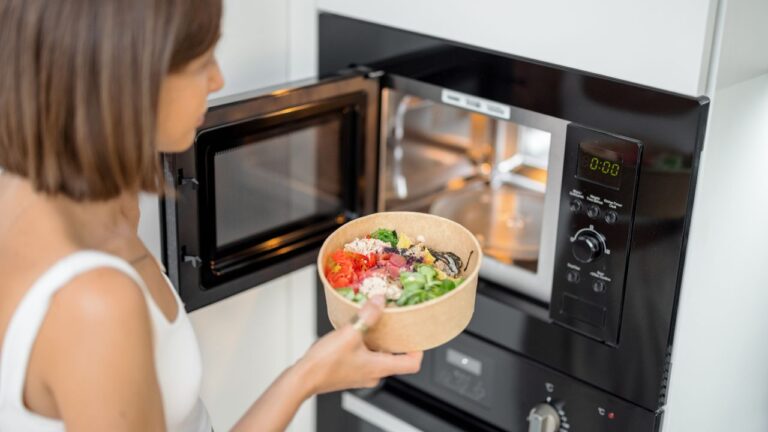
Picture this: you’re sitting in front of a steaming bowl of soup, and without even thinking about it, you purse your lips and give it a gentle puff of air. You didn’t learn this in culinary school or read it in a cookbook – it’s practically hardwired into your DNA at this point. This automatic reflex saves us from the dreaded tongue burn that would otherwise turn our next few meals into exercises in pain tolerance. Fun fact: blowing on food doesn’t just cool the surface – it creates convection currents that actually help heat escape more efficiently than just waiting around would.
Your grandmother probably did this exact same thing, and her grandmother before her, creating an unbroken chain of people who refused to sacrifice their taste receptors to impatience. The technique works because moving air carries away the heat molecules faster than still air ever could, which explains why food vendors at street fairs wave those giant fans over everything. Next time you catch yourself doing this little dance with a hot slice of pizza or a fresh-from-the-oven chocolate chip cookie, remember you’re participating in one of humanity’s most practical unspoken agreements. We all silently decided that burned tongues are the enemy, and frankly, we were absolutely right about that.
Never eat the last piece without asking first
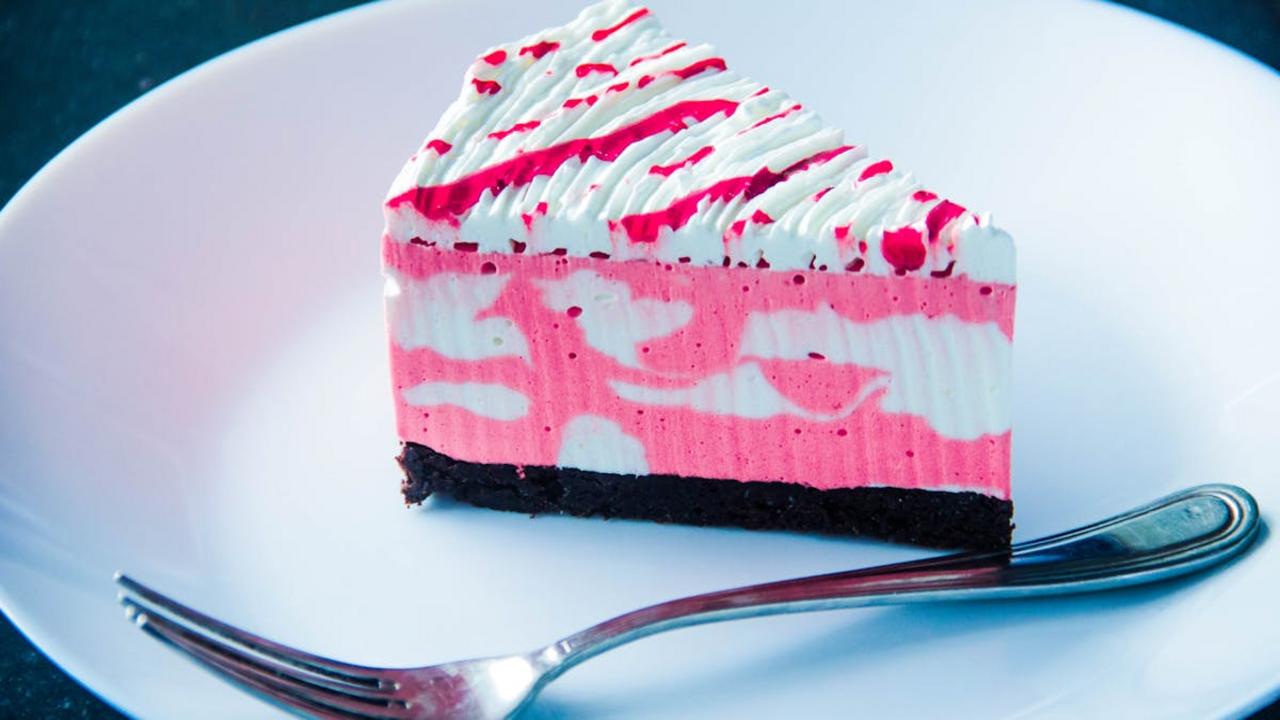
You know that moment when you’re staring down the final slice of pizza, the lone cookie on the plate, or that last bite of chocolate cake that’s practically calling your name? Your hand hovers over it like you’re defusing a bomb, because somewhere deep in your social programming, an alarm bell is screaming “DANGER! DANGER!” This unspoken rule runs so deep that even when you’re genuinely starving and that last morsel represents the difference between happiness and hangry meltdown, you’ll still pause and scan the room for permission. I’ve watched grown adults engage in elaborate “no, you take it” dances that could rival Olympic synchronized swimming routines, all over a single french fry.
The psychology behind this food etiquette runs deeper than simple politeness—it’s about community, sharing, and the ancient human fear of being labeled “that person who always takes the last piece.” Scientists actually have a term for this phenomenon: “politeness paralysis,” where the social cost of appearing greedy outweighs the biological drive to eat. You’ll find yourself inventing creative solutions like cutting that last piece in half, or suddenly declaring you’re “too full” even though your stomach is rumbling like a freight train. The funniest part? Half the time, everyone else is doing the exact same mental gymnastics, which means that perfectly good food sits there getting cold while a room full of hungry people engage in the world’s most ridiculous standoff.
Birthday cake slices must include a flower or decoration
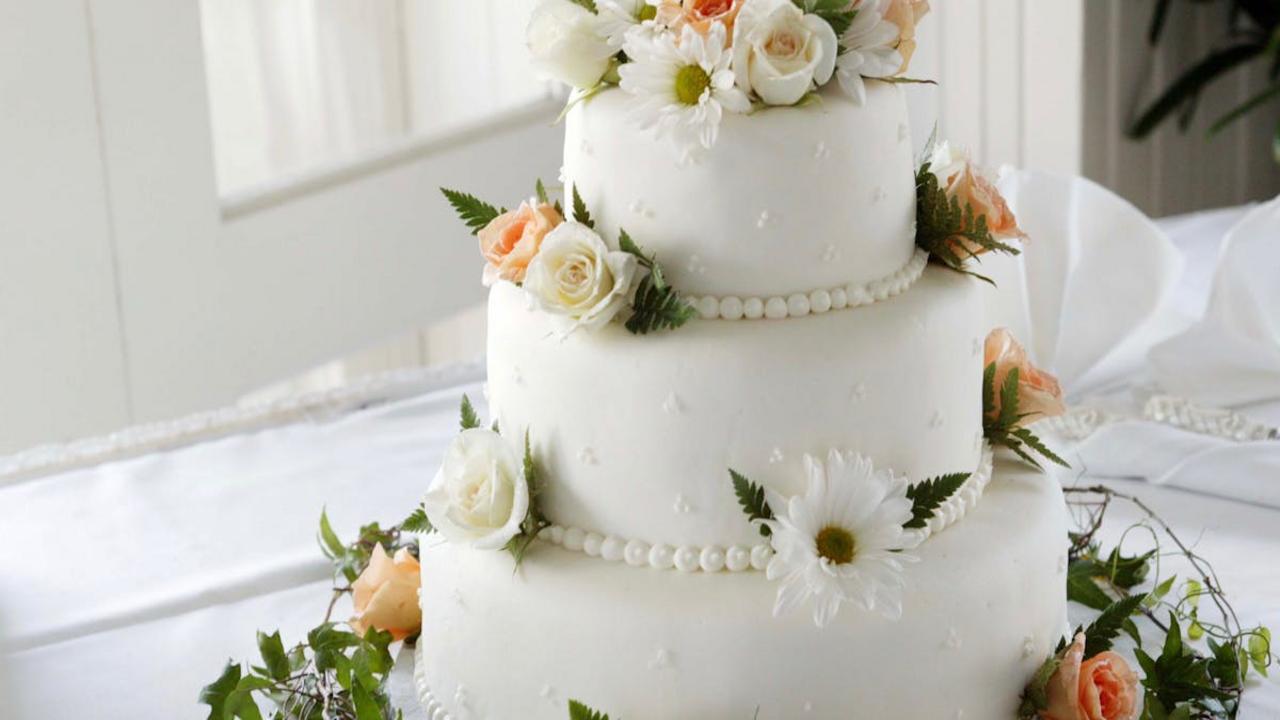
You know that moment when someone’s cutting the birthday cake and there’s this unspoken negotiation happening? Everyone’s eyeing those corner pieces with the frosting roses, the ones with the plastic figurines, or that perfect swirl of buttercream flowers. Nobody wants to be the person who gets stuck with the plain middle slice that looks like it came from a cafeteria tray. It’s like an ancient birthday law written in sugar and food coloring – every slice needs its moment to shine with at least one decorative element.
Watch any birthday party and you’ll see this rule in action. The birthday person gets first dibs on the most decorated piece (usually the one with their name), then everyone else strategically positions themselves near the cake to snag a slice with some visual flair. Even the most practical adults will suddenly become picky about cake geography, angling for that piece with the fondant butterfly or the corner rose. Bakeries know this secret too – they deliberately scatter decorations across the entire cake surface because they understand that nobody wants to eat naked cake. It’s not about the taste (though those sugar flowers do add a delightful crunch) – it’s about feeling special on someone else’s special day.