12 Delicious Reasons to Start a Weekly Family Meal Tradition
You know that feeling when everyone’s scattered around the house, eating different things at different times? I’ve been there too, and something always felt missing. Starting a weekly family meal tradition changed everything for us – suddenly our kitchen became the heart of our home again.
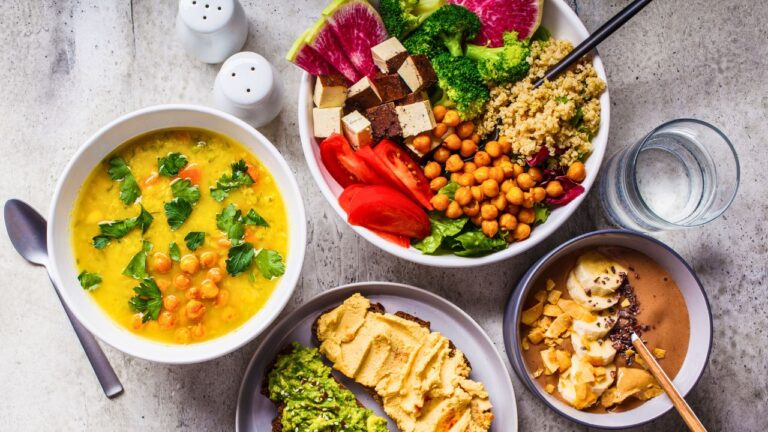
These shared meals aren’t just about filling bellies (though we definitely do that well). They’re about creating space for real conversations, teaching kids where their food comes from, and building memories around simple, wholesome dishes made from scratch. No fancy ingredients required – just intention and love.
Whether you’re experimenting with global flavors or celebrating what’s fresh in your garden, these weekly gatherings offer countless benefits. From boosting communication skills to encouraging everyone to share kitchen duties, you’ll discover how one simple tradition can transform your family’s relationship with food and each other.
Encouraging Sharing of Responsibilities

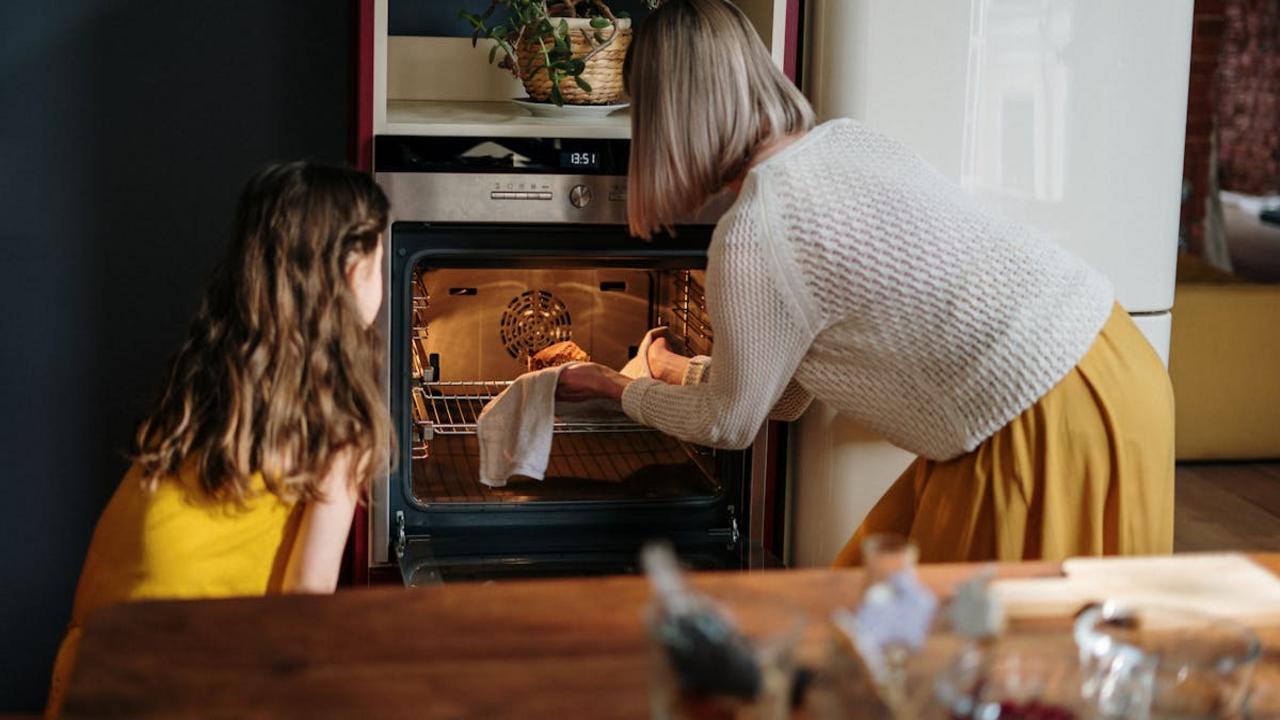
Starting a weekly family meal tradition naturally creates opportunities for everyone to pitch in and contribute. I’ve watched families transform their kitchen dynamics when each person takes ownership of different tasks – maybe your teenager becomes the designated salad maker while your partner handles the protein, and you focus on the main sides. This approach removes the burden from one person’s shoulders and turns cooking into a collaborative dance rather than a solo performance.
The beauty of shared kitchen responsibilities goes beyond just dividing tasks; it teaches valuable life skills and builds confidence in every family member. Your youngest might start by washing vegetables and graduate to chopping herbs, while older kids learn to season proteins or master the perfect rice texture. I’ve seen children who initially claimed they “couldn’t cook” become confident contributors who suggest new ingredient combinations and take pride in their kitchen contributions. This organic learning process creates capable, independent individuals while strengthening family bonds through shared accomplishment and mutual support in creating nourishing meals together.
Facilitating Family Meetings

You know that moment when your little one takes one look at a green smoothie and runs in the opposite direction? I’ve been there, friend. That’s when I discovered my secret weapon: mild cheese. Yes, you heard me right – I started adding small amounts of cream cheese or even a tiny bit of mascarpone to fruit smoothies, and it completely transformed the game. The cheese adds this incredible creaminess that masks any “healthy” flavors while boosting the protein content. My picky eater went from suspicious sips to asking for seconds without even knowing there was spinach hiding in there.
The magic happens when you pair the right cheese with complementary fruits. Cream cheese works beautifully with strawberries and bananas, creating what tastes like a strawberry cheesecake smoothie. For something more adventurous, I mix a spoonful of ricotta with mango and a touch of vanilla – it’s like drinking dessert for breakfast. The key is starting with just a tablespoon of cheese per smoothie and gradually building up their tolerance. Trust me, once they’re hooked on these creamy, dreamy drinks, you can slowly introduce more vegetables and superfoods. They’ll never suspect they’re drinking their way to better nutrition, one cheesy sip at a time.
Strengthening Family Rituals

I discovered this brilliant swap completely by accident when my daughter refused her afternoon snack but spotted the cheese wafers I’d made for my book club. She grabbed one, expecting something sweet, and her face lit up with surprise and delight. These crispy, golden rounds became our secret weapon against picky eating – they look exactly like cookies but pack protein, calcium, and that irresistible cheese flavor kids crave. I make them with sharp cheddar, a touch of paprika, and sometimes sneak in finely grated cauliflower that completely disappears into the mix.
The beauty of cheese wafers lies in their simplicity and versatility. You roll the dough, slice it into rounds, and bake until they’re perfectly crispy – no complicated techniques required. I keep logs of this dough wrapped in the freezer so I can slice and bake fresh “cookies” whenever hunger strikes. My picky eater now asks for these instead of regular cookies, and I happily oblige knowing she’s getting real nutrition. They’re fantastic for lunch boxes, after-school snacks, or those moments when you need something that feels like a treat but actually nourishes growing bodies.
Celebrating Seasonal Ingredients
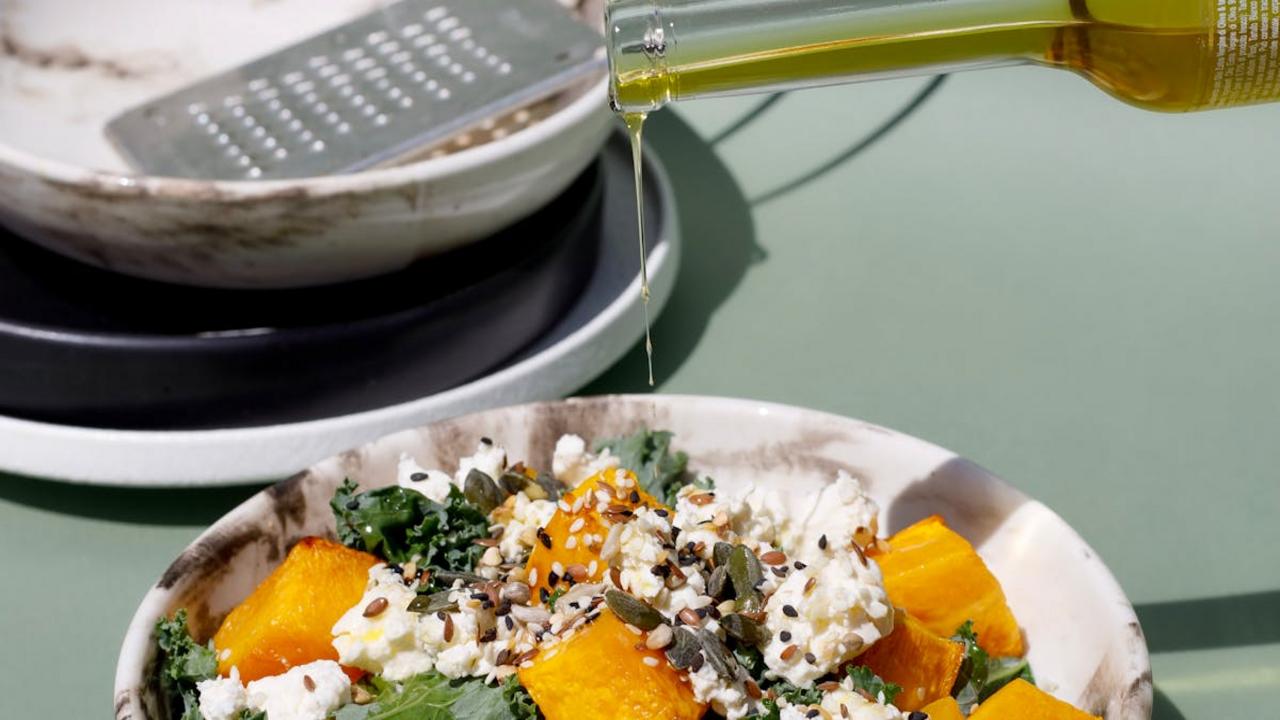
Listen, I know what you’re thinking—cheese powder sounds like the opposite of everything I usually stand for. But sometimes you need to meet your picky eater where they are, and for my little one, that meant finding creative ways to sneak nutrition into familiar favorites. I discovered that sprinkling high-quality cheese powder over homemade popcorn became our gateway snack that opened doors to so many other cheese-based experiments. Instead of reaching for those neon orange packets, I started making my own by dehydrating real aged cheddar and grinding it into a fine powder.
What surprised me most was how this simple addition transformed our movie nights into opportunities for food education. My previously cheese-resistant child began asking about different cheese varieties, and we started experimenting with parmesan powder, nutritional yeast blends, and even powdered goat cheese. The key was starting with organic, grass-fed cheese and controlling the salt content myself. Now we make big batches of different cheese powders and store them in glass jars, turning our pantry into a mini cheese laboratory. This approach taught me that sometimes the bridge between processed convenience and wholesome cooking is shorter than we think.
Opportunity for Mindful Eating

I never imagined that rolling cheese inside fresh fruit would become my secret weapon against picky eating, but here we are! These cheese-filled fruit rolls started as a desperate experiment when my little one refused anything that wasn’t beige or came in a package. I took thin slices of ripe mango and pear, spread a light layer of mild goat cheese or cream cheese inside, then rolled them up like little pinwheels. The natural sweetness of the fruit masks any “scary” cheese flavors while adding protein and calcium to what looks like pure fun food.
What makes these rolls brilliant is how you can customize them for different preferences and seasons. During summer, I use peach slices with ricotta and a tiny drizzle of honey, while fall brings apple rounds with soft cheddar. The key lies in choosing fruits that hold their shape when sliced thin but remain juicy enough to make each bite refreshing. I prep these on Sunday afternoons, storing them in small containers for quick snacks throughout the week. They’ve become so popular that my formerly picky eater now asks me to pack extra for friends at school – proof that sometimes the most unconventional combinations create the biggest victories in our kitchens.
Promoting Nutritional Awareness
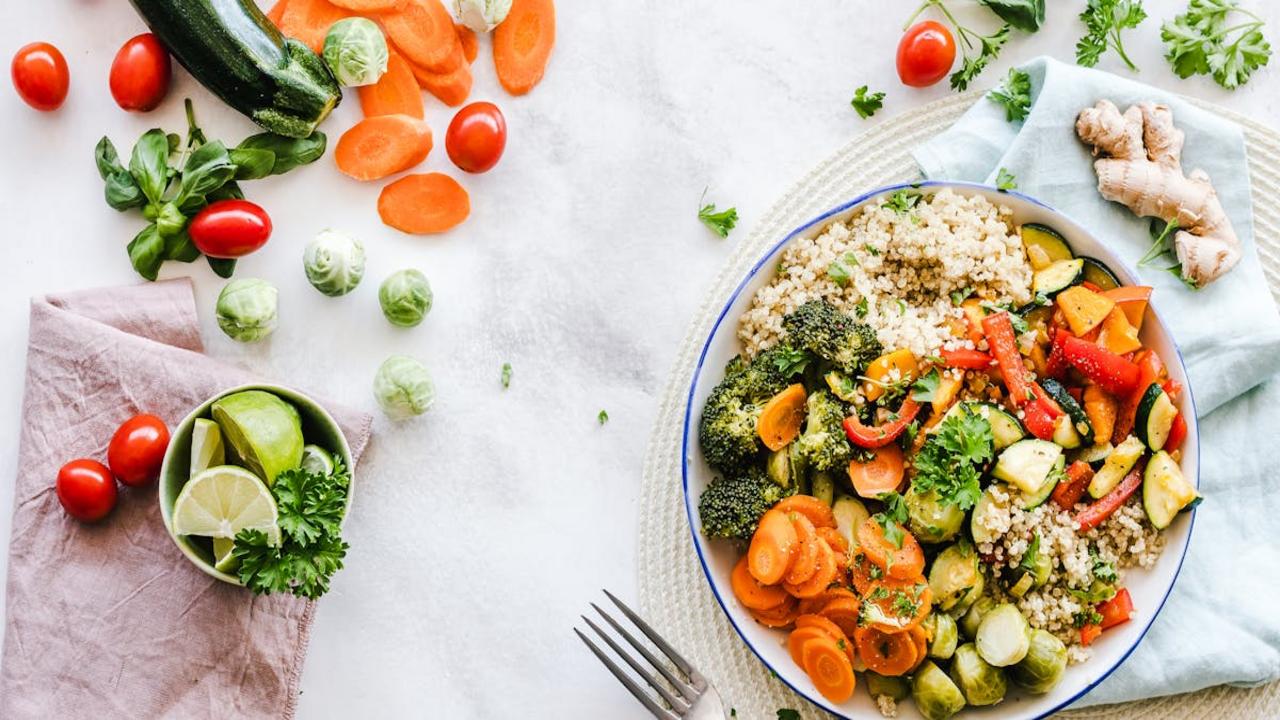
I discovered this technique completely by accident when my daughter rejected yet another plate of roasted broccoli. In desperation, I grabbed some grated Parmesan and scattered it over the vegetables during the last few minutes of roasting. The cheese transformed into golden, crispy edges that made even the most stubborn green vegetables irresistible. Now I use this method with cauliflower, Brussels sprouts, zucchini, and even carrots – any vegetable that benefits from that satisfying crunch.
The magic happens when the cheese meets high heat, creating a savory crust that turns ordinary vegetables into something special. I mix different cheeses depending on what I have – aged cheddar gives a sharp bite, while mozzarella creates stretchy pockets of comfort. Sometimes I add herbs like thyme or rosemary to the cheese before sprinkling, or a pinch of garlic powder for extra flavor. My kids now ask for “the crispy cheese vegetables,” and I watch them happily munch through portions they would have refused just months ago.
Encouragement for Culinary Creativity
You know that moment when your picky eater takes one look at their plate and immediately declares “I don’t like it” before even trying a bite? That’s exactly where I found myself until I discovered the magic of rainbow grilled cheese sandwiches. I started layering different colored cheeses—vibrant orange cheddar, creamy white mozzarella, and pale yellow Monterey Jack—between slices of good sourdough bread. The visual impact alone stopped my little one in their tracks, and suddenly that automatic “no” turned into curious questions about what made each layer different.
What really sealed the deal was involving my picky eater in the assembly process. We’d arrange the cheese slices together, talking about how the colors would blend and melt during cooking. I keep the technique simple: butter the outside of the bread, layer the cheeses in whatever rainbow pattern we’re feeling that day, then cook low and slow so everything melts perfectly without burning. The result is this gorgeous, Instagram-worthy sandwich that tastes familiar but looks like pure magic. Now my once-resistant eater requests “rainbow cheese” regularly, and I’ve even started sneaking in thin slices of colorful bell peppers for extra nutrition and crunch.
Stress Relief for Busy Parents

You know that Sunday evening feeling when Monday morning looms ahead with its packed schedule of meetings, school pickups, and endless to-do lists? That familiar knot in your stomach doesn’t have to be your weekly companion. Creating a consistent family meal tradition gives you something beautiful to anchor your week around—a moment where you can breathe, connect, and remember what really matters. I’ve watched countless parents transform their relationship with weeknight chaos simply by establishing this one ritual. When you know that Tuesday night means homemade pasta with whatever vegetables are hiding in your fridge, or Thursday brings your famous one-pot curry that practically cooks itself, you’ve given yourself permission to slow down.
The magic happens in those quiet moments while you’re chopping onions or stirring a simmering pot—your mind naturally shifts away from work deadlines and school permission slips. Your hands find their rhythm, and suddenly you’re present in your own kitchen instead of mentally racing through tomorrow’s schedule. I love how cooking from scratch forces you to focus on immediate, tangible tasks: the sizzle of garlic hitting warm oil, the way fresh herbs release their fragrance when you tear them with your fingers. These sensory experiences ground you in the now, creating natural meditation breaks that busy parents rarely give themselves. Plus, knowing you’ve nourished your family with real, wholesome ingredients provides its own deep satisfaction—a counterbalance to the constant rush of modern parenting.
Creating Family Memories

You know what happens when you gather around the table every week? Magic. Real, lasting magic that your children will carry with them long after they’ve moved out and started families of their own. I’ve watched this unfold in my own kitchen countless times – those moments when my daughter shares something from her day while helping me fold dumplings, or when my partner tells stories from his childhood as we all work together to prepare a Sunday feast. These aren’t just meals; they’re the building blocks of your family’s story, woven together one shared dish at a time.
Think about your own most treasured memories from growing up. I bet many of them happened around food, didn’t they? Maybe it was learning to roll chapati with your grandmother, or the way your dad always made pancakes on Saturday mornings. When you create a weekly family meal tradition, you’re giving your loved ones that same gift. Every time you teach your kids to knead bread, every conversation that flows over a bubbling pot of stew, every laugh shared while someone inevitably drops something on the floor – these moments become the foundation of who your family is. Years from now, they’ll recreate your recipes not just for the flavors, but for the memories wrapped up in every bite.
Enhancing Communication Skills

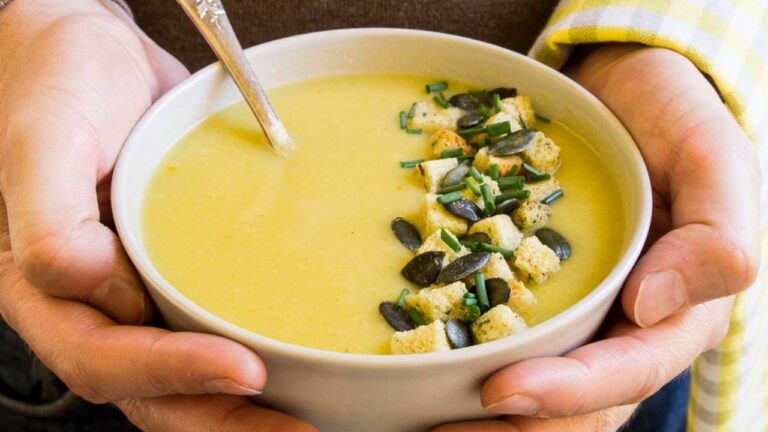
You know what happens when you gather everyone around the table with no phones, no distractions, just good food and conversation? Magic unfolds right before your eyes. I’ve watched countless families transform their dinnertime dynamics simply by creating space for real connection. When you’re sharing that perfectly spiced lentil curry or passing around homemade flatbread, something beautiful occurs – people start talking, really talking. The youngest family members begin sharing stories from school, teenagers actually put down their devices, and even the quietest relatives find their voice over a bowl of comforting soup.
Building these communication bridges takes practice, just like perfecting a recipe. Each weekly meal becomes an opportunity to strengthen listening skills, practice patience, and learn how different family members express themselves. I’ve noticed that cooking together before sitting down creates even more conversation starters – someone always wants to know about the fragrant spices you added or the technique behind that crispy roasted vegetable. These shared experiences give families a common language, inside jokes, and memories that last long after the dishes are cleared. Your dinner table becomes a training ground for better relationships outside the home.
Opportunity for Cultural Education

Your weekly family meals become windows into the world when you intentionally rotate through different cuisines and cooking traditions. I love planning themed weeks where we might spend seven days exploring the vibrant spices of Morocco, then shift to the comforting broths of Vietnam, followed by the rustic simplicity of Italian countryside cooking. Each meal becomes a mini geography lesson as you discuss the origins of ingredients, the climate that shapes regional cooking methods, and the historical influences that created these distinct flavor profiles. Your children naturally absorb knowledge about different cultures while they help you grind whole spices for a Bengali fish curry or learn why Japanese cooking emphasizes seasonal ingredients.
These cultural explorations through food create lasting memories and broaden perspectives in ways that textbooks simply cannot match. When you prepare hand-pulled noodles from scratch while sharing stories about Chinese noodle-making traditions, or when you teach your kids to balance the five flavors in Thai cooking, you’re building bridges of understanding that extend far beyond the kitchen. I’ve watched families develop genuine appreciation for global diversity through these shared cooking experiences, creating more open-minded and culturally aware children who see differences as opportunities rather than barriers. The conversations that flow naturally during meal preparation become informal cultural exchanges that enrich your family’s worldview.
Gathering and Bonding Time
3