She Rinses Dishes with Only Water. I Was Called Rude for Bringing My Own Food to Her Table.
It’s one of the first rules of etiquette we learn: when you are a guest in someone’s home, you graciously accept the hospitality offered. You eat the food, you compliment the host, and you certainly do not cause a scene at the dinner table. It’s a simple social contract built on respect and kindness.
However, one young woman recently took to the internet to share a story that proves not everyone plays by these rules. In a shocking breach of decorum, she attended a dinner party and, instead of eating the host’s meal, ate her own leftover Chinese food—straight from her purse.
The Incident
The story begins with a bit of bad blood. The woman explained that her brother is dating her former best friend, a girl we’ll call Lily. The friendship ended when Lily ditched the woman’s birthday dinner to hang out with the brother. Understandably, feelings were hurt, and the woman “cut her off.”
Weeks later, Lily invited the entire family to her apartment for a dinner to introduce them to her own family. The woman, who had known Lily’s family for years, had no interest in attending what she knew would be an “extremely awkward” evening. But after her brother and mother insisted, she was forced to go.
Here’s where things take a turn. The woman has long-standing concerns about Lily’s personal hygiene, dating back to their school days. She claims Lily had a history of poor habits, including not brushing her teeth and, most alarmingly, washing dishes by simply rinsing them with water. “When her mother made her do the dishes she would just rinse them with water and put them away,” she wrote.

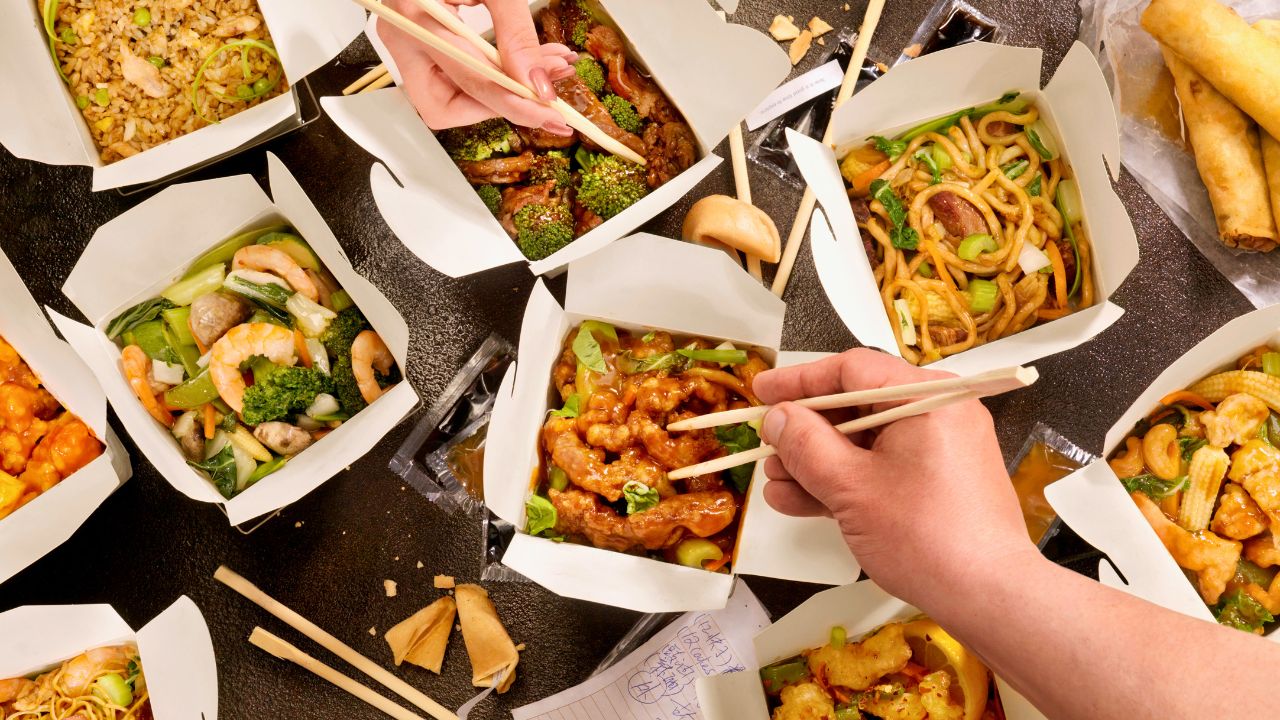
Faced with a dinner she couldn’t get out of and food she refused to eat, she devised a plan. “The day of the dinner rolls around and I brought my leftover Chinese food in my purse,” she admitted. While everyone else enjoyed the meal Lily had presumably prepared, this young woman sat at the table and ate her own food.
The stunt, of course, did not go unnoticed, and the fallout was immediate. Her brother stopped speaking to her, and the family is demanding she apologize for her behavior.
The Internet Reacts
When the story hit the web, people had very strong opinions, and the vast majority were absolutely appalled by the guest’s behavior. The commenters quickly sorted themselves into a few distinct camps.
First was the “Absolutely Not” crowd. These readers were shocked by the blatant disrespect shown to the host. They felt her actions were immature and insulting, regardless of her concerns. One commenter summed it up perfectly: “You don’t go. Or you go and are a polite guest. Those are your options.”
Another user delivered a witty but harsh verdict: “If you’re ballsy enough to smuggle day-old orange chicken… into a dinner party to prove a point, you’re ballsy enough to turn down the invitation in the first place.”
Then there was the small but vocal “Devil’s Advocate” camp. These readers, while not fully condoning her methods, understood her hesitation. They focused on the hygiene issue as a legitimate reason for not wanting to eat the food.
One person defended her, writing, “Gotta say…if the choice was between purse chicken and food cooked by someone who rinses a plate… I think I’d go with the purse chicken.” It’s a fair point—nobody wants to eat off a dirty plate.
Finally, there was the “What She Should Have Done” group. These commenters agreed that her solution was terrible and offered more socially acceptable alternatives. They argued that a little white lie would have been far better than a public insult.
One reader pointed out, “There is no way you politely saying that your stomach isn’t feeling great and you’re just here for company would have gone over as badly as you whipping Chinese take out out of your purse.” Others suggested she could have simply moved food around her plate or eaten a small, polite amount.
The Etiquette Verdict
Let’s be perfectly clear: bringing your own food to a dinner party and eating it at the table is an unforgivable breach of etiquette. It is a direct and deeply personal insult to your host, who has likely spent time, effort, and money to provide a meal for you. It silently screams, “Your home is dirty, and your food is not good enough for me.”
While the hygiene concerns might be valid, her execution was passive-aggressive and designed to cause a scene. The correct and mature way to handle this situation would have been to stand her ground and politely decline the invitation. Being forced to attend does not give one a license to be rude.
The Call to Action
This situation has certainly sparked a debate about the obligations of a guest versus the standards of a host.
So, what do you think? Was the guest justified in her actions because of her hygiene concerns, or was bringing leftovers to a dinner party a completely unforgivable offense?
“`