14 Everyday Foods You’re Overrating for a Balanced Plate
Your kitchen pantry probably houses more nutritional imposters than a Hollywood awards show. Those “healthy” snacks you’ve been grabbing? They’re often sugar-packed wolves in sheep’s clothing, masquerading as virtuous choices while sabotaging your wellness goals.
Marketing wizards have convinced us that anything labeled “natural,” “organic,” or “reduced-fat” automatically earns a health halo. Meanwhile, your innocent-looking granola contains more sugar than a candy bar, and that refreshing fruit juice packs enough fructose to make your pancreas weep.
Time for some tough love about these dietary darlings. From deceptive protein bars to sneaky smoothie bowls, we’re exposing the truth behind fourteen foods that have fooled even the savviest shoppers into thinking they’re making smart choices.
Light Salad Dressings

You know that moment when you’re standing in the grocery store aisle, squinting at bottles of “light” ranch dressing like they hold the secrets to eternal youth? Yeah, I’ve been there too. These watery imposters promise all the flavor with half the calories, but what they really deliver is disappointment with a side of artificial aftertaste. Most light dressings achieve their calorie reduction by replacing healthy fats with water, corn syrup, and enough stabilizers to keep a suspension bridge steady. The result? A thin, clingy mess that slides right off your lettuce leaves faster than gossip spreads at a high school reunion.
Here’s the kicker: those good fats you’re avoiding actually help your body absorb all those wonderful nutrients hiding in your vegetables. Without proper fat content, your expensive organic spinach might as well be decorative garnish. Instead of reaching for the diet version, try making your own simple vinaigrette with quality olive oil and vinegar – it takes thirty seconds and tastes like actual food. Or better yet, use that full-fat dressing but measure it with a tablespoon instead of drowning your greens like they owe you money. Your salad will thank you, and so will your palate.
Reduced Fat Peanut Butter
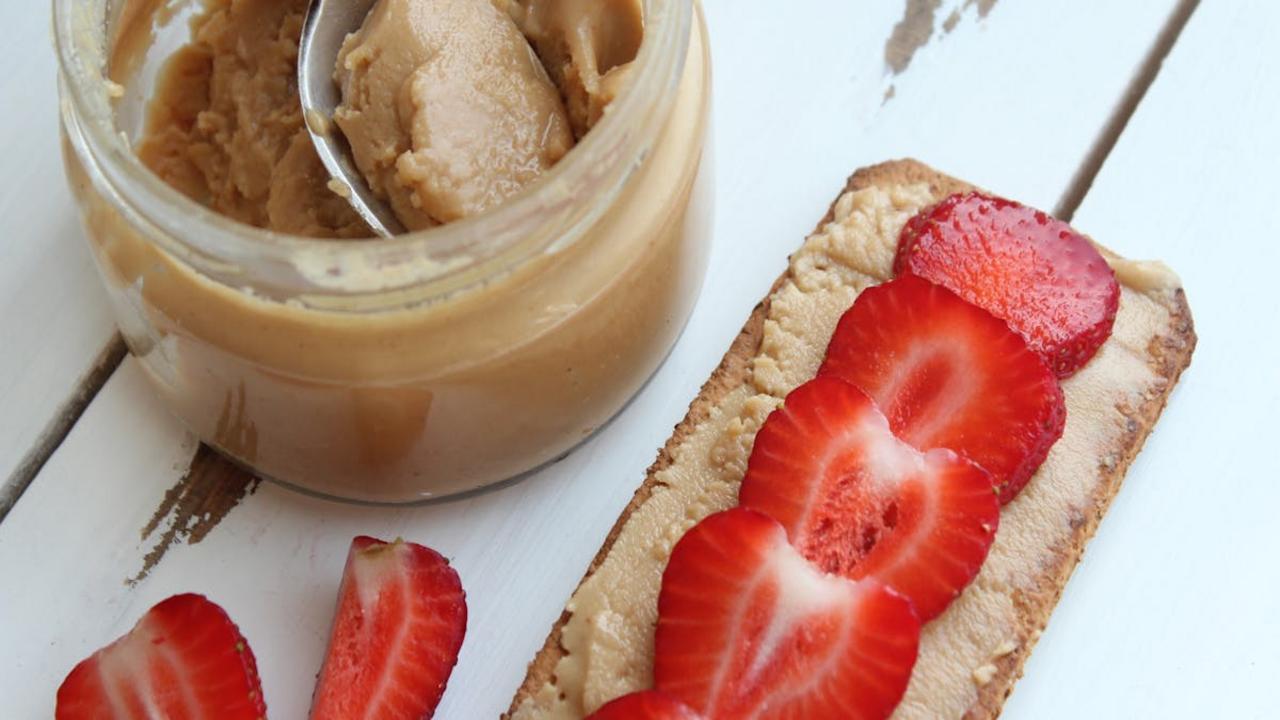
Oh, reduced fat peanut butter—the well-intentioned health food that makes me want to stage a kitchen intervention! You know that friend who tries so hard to be helpful that they accidentally make everything worse? That’s reduced fat peanut butter in a nutshell (pun absolutely intended). Food manufacturers remove the naturally occurring fats from peanuts, then pump in extra sugar, corn syrup, and mysterious stabilizers to make up for the missing flavor and texture. The result? A sticky, overly sweet spread that tastes like peanut butter’s distant cousin who went to culinary school but dropped out after the first semester.
Here’s the kicker: those healthy fats they stripped away were actually the good guys! Regular peanut butter’s monounsaturated fats help you feel satisfied and support heart health, while the protein keeps your blood sugar stable. Meanwhile, reduced fat versions often pack more calories per serving than their full-fat counterparts thanks to all that added sugar. I once watched my neighbor slather twice as much reduced fat peanut butter on her toast because it didn’t taste “peanutty enough”—and she ended up consuming more calories than if she’d just used the real deal. Stick with natural peanut butter made from just peanuts and maybe a pinch of salt. Your taste buds will thank you, and your body will too.
Flavored Oatmeal
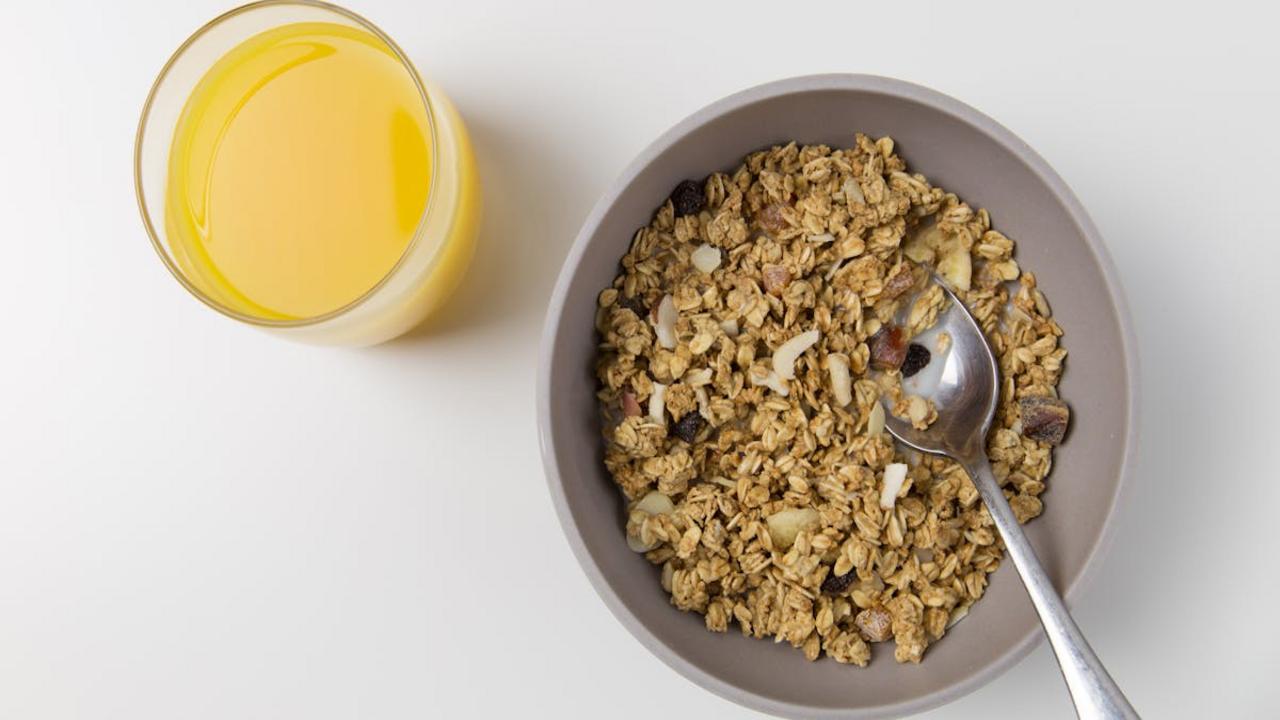
Picture this: you’re standing in the cereal aisle, smugly reaching for that packet of maple brown sugar oatmeal, convinced you’re making the healthiest breakfast choice known to humanity. Meanwhile, that innocent-looking envelope contains more sugar than a glazed donut and enough sodium to make your taste buds do the electric slide. Those convenient little packets might save you three minutes in the morning, but they’re basically candy masquerading in wholesome packaging. The “natural flavors” listed on the ingredients? They’re about as natural as my ability to wake up without hitting snooze seventeen times.
Here’s the kicker: plain oats cost roughly thirty cents per serving compared to the flavored stuff that’ll run you nearly two dollars. You’re literally paying extra for sugar, artificial colors, and preservatives that turn your breakfast into a science experiment. Instead of falling for this marketing masterpiece, grab a canister of old-fashioned oats and create your own flavor party. Toss in fresh berries, a drizzle of honey, chopped nuts, or even a sprinkle of cinnamon. Your wallet will thank you, your pancreas will throw you a celebration, and you’ll actually taste real food instead of whatever chemical concoction food scientists cooked up in their lab coats.
Gluten Free Snacks
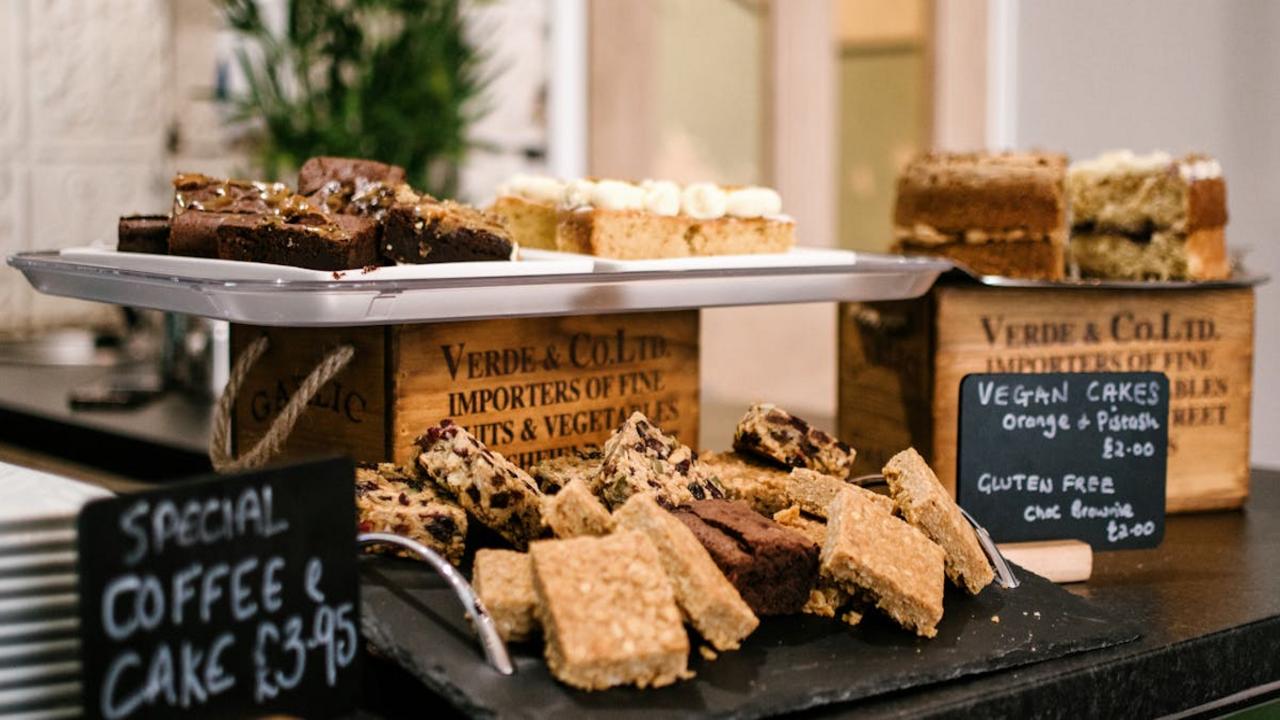
You know what cracks me up about gluten-free snacks? They’ve become the overpriced darlings of the health food aisle, and somehow we’ve all convinced ourselves they’re automatically better for us. Here’s the thing though – just because something doesn’t contain gluten doesn’t mean it’s a nutritional powerhouse. Those gluten-free cookies still pack the same sugar punch as their wheat-filled cousins, and that gluten-free bread often contains more sodium and additives than a regular loaf. I watched my friend spend $8 on a tiny bag of gluten-free crackers that had the nutritional value of cardboard and tasted about as exciting. The irony? Unless you actually have celiac disease or gluten sensitivity, you’re probably just paying extra for processed foods that might be less nutritious than their traditional counterparts.
Don’t get me wrong – I’m not anti-gluten-free! For people who genuinely need these products, they’re life-changing. But for the rest of us, we’re often trading one processed food for another, more expensive processed food. Many gluten-free products rely heavily on rice flour, potato starch, and tapioca – ingredients that can spike your blood sugar faster than you can say “ancient grains.” The real kicker is that naturally gluten-free whole foods like fruits, vegetables, nuts, and plain yogurt have been sitting right there all along, probably costing less and delivering more nutrition. Next time you’re tempted by that $12 gluten-free granola, remember that an apple with almond butter gives you more fiber, protein, and satisfaction for a fraction of the price.
Dried Fruit
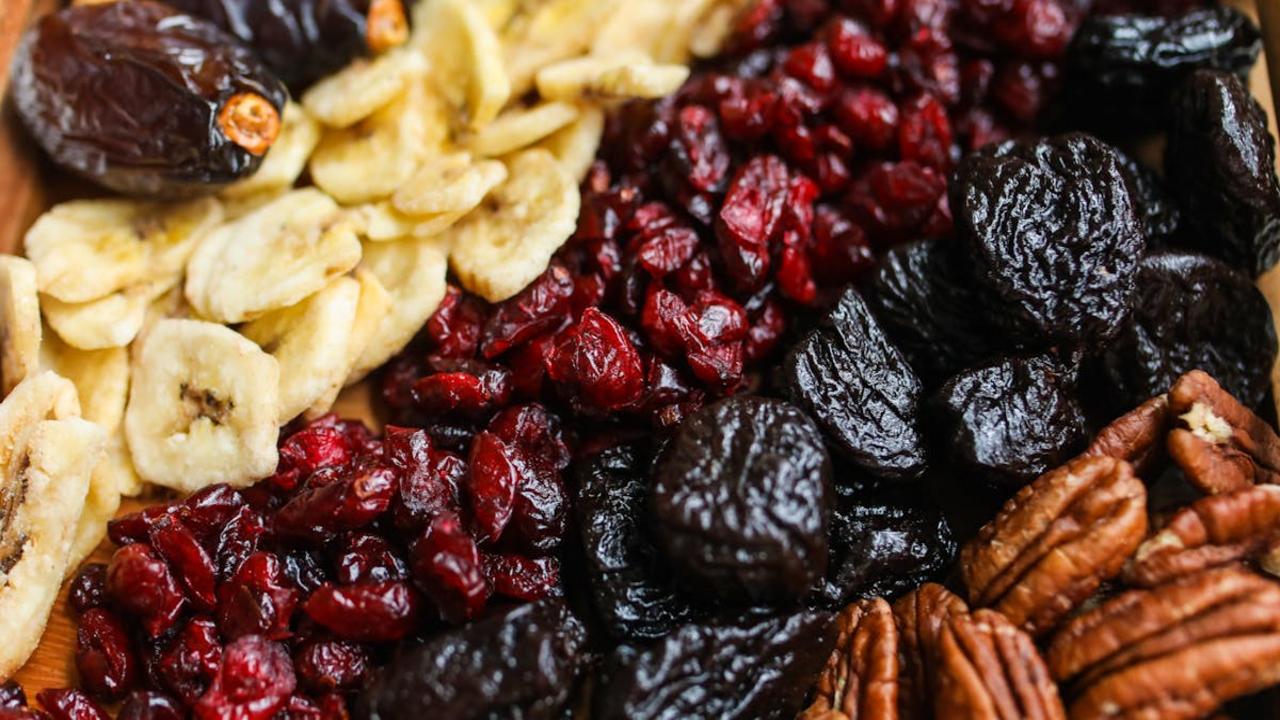
Oh, dried fruit – the health food impostor that’s been fooling us all! You grab that bag of “nature’s candy” thinking you’re making a brilliant snack choice, but here’s the sticky truth: most commercial dried fruits are sugar bombs disguised as wholesome treats. Those innocent-looking raisins pack about 25 grams of sugar per quarter cup, and don’t get me started on dried mangoes that are basically tropical gummy bears. The dehydration process concentrates all the natural sugars while stripping away the water that helps you feel full, so you end up munching through what would’ve been three whole apricots without batting an eye. Plus, many brands add extra sugar and preservatives because apparently nature wasn’t sweet enough already!
Now, I’m not saying you should banish dried fruit to the snack graveyard forever – just treat it like the concentrated sugar source it really is. A handful of unsweetened dried cranberries in your homemade trail mix? Perfect. Eating half a bag while binge-watching Netflix? Not so much. The fiber and nutrients are still there, but they’re playing second fiddle to all that sugar. If you’re craving something chewy and sweet, try fresh fruit instead – your blood sugar will thank you, and you’ll actually feel satisfied instead of reaching for more. Fun fact: it takes about four fresh apricots to make one dried apricot, which explains why that tiny bag disappears faster than your willpower at a dessert buffet!
Veggie Chips
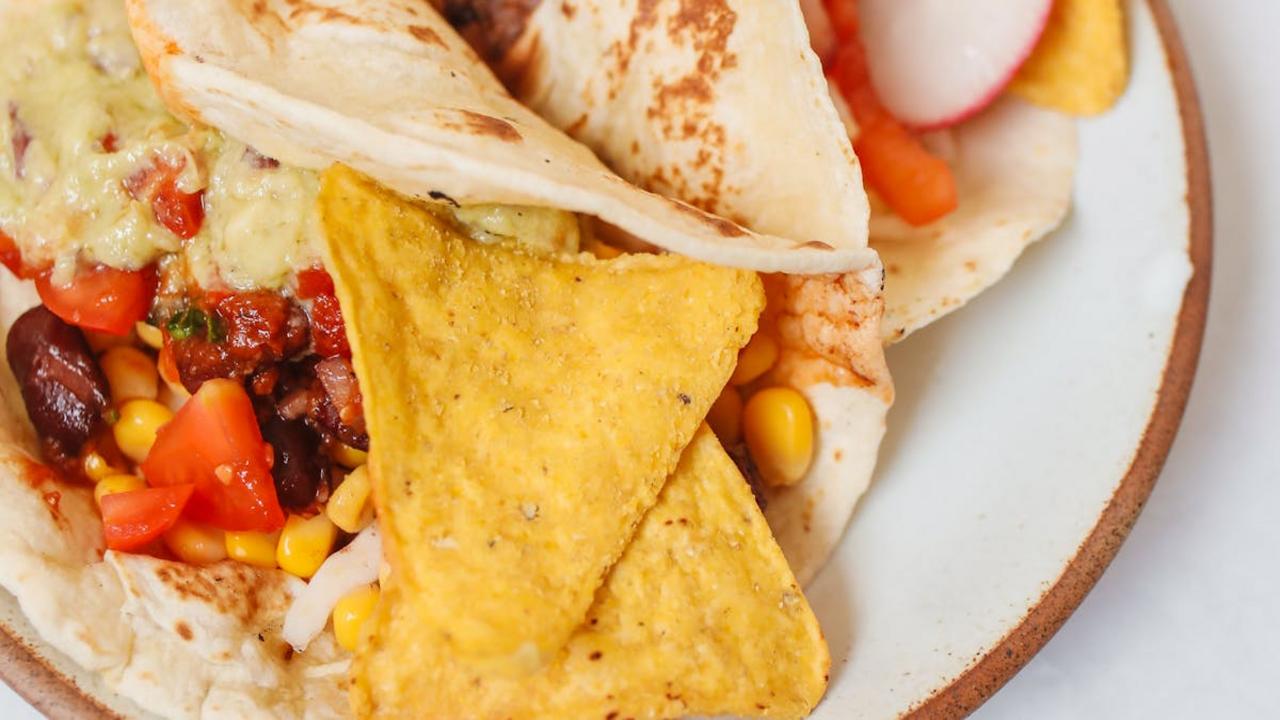
You grab that bag of veggie chips thinking you’re making the healthy choice, right? Wrong! These colorful little circles of betrayal are basically regular potato chips wearing a vegetable costume to fool you. Most veggie chips contain more potato starch and corn than actual vegetables, and they’re still deep-fried in oil just like their honest potato chip cousins. The “sweet potato” chip you’re munching? It probably has about as much nutritional value as a handful of orange-tinted air. Sure, they look prettier in Instagram photos next to your kale salad, but your body knows the difference between real vegetables and these processed imposters.
Here’s the kicker: a serving of veggie chips often packs the same calories, fat, and sodium as regular chips, sometimes even more! The manufacturing process strips away most vitamins and minerals that made the original vegetables worthwhile. You want real veggie power? Slice up some actual sweet potatoes, toss them with a tiny bit of olive oil and sea salt, then bake them until crispy. Your taste buds will thank you, and so will your waistline. Those fancy purple and orange chips might fool your brain into thinking you’re being virtuous, but they’re just expensive junk food playing dress-up as health food.
Smoothie Bowls
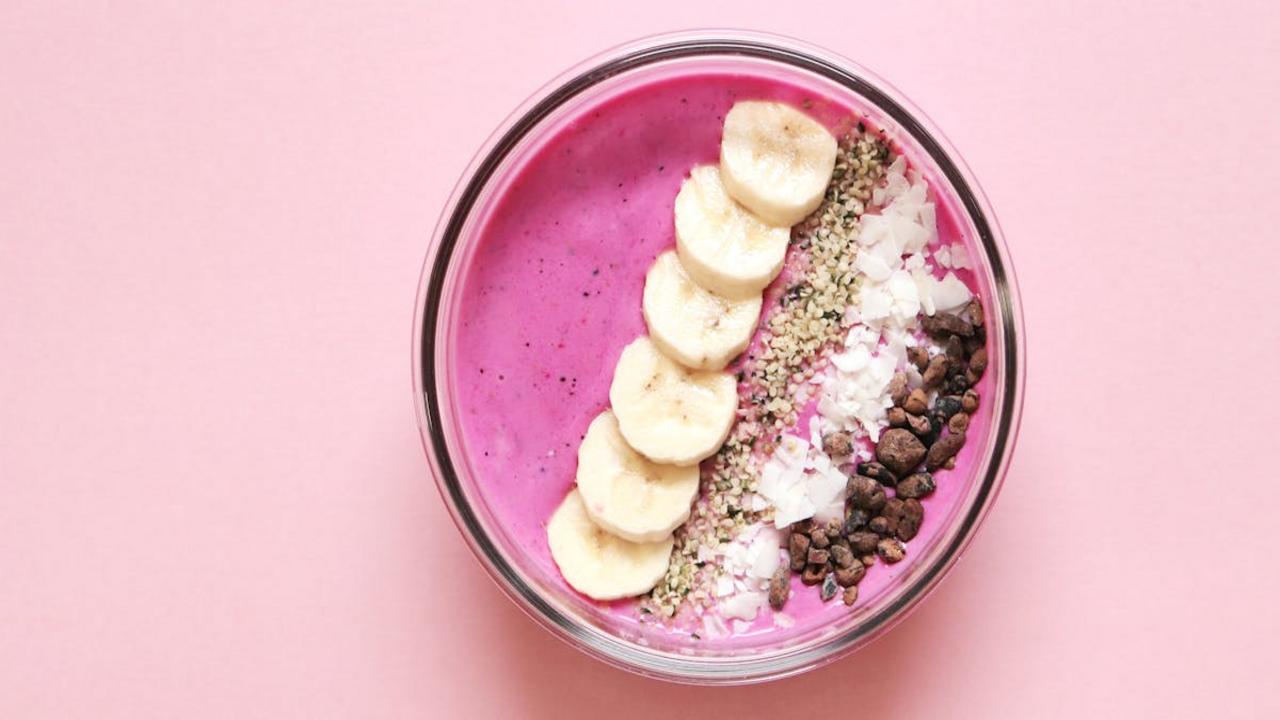
Those Instagram-worthy smoothie bowls staring back at you from your feed? They’re basically ice cream for breakfast disguised as health food, and honestly, your wallet is probably crying harder than your blood sugar after that glucose spike. Sure, they look like edible art with their perfectly arranged berries, coconut flakes, and chia seeds spelling out your morning mantra, but underneath all that photogenic flair lurks a sugar bomb that would make a donut jealous. The average smoothie bowl packs anywhere from 50-80 grams of sugar – that’s more than two cans of soda! Your acai base might sound exotic and antioxidant-rich, but it’s often mixed with fruit juices, honey, and enough frozen fruit to power a small smoothie shop.
Don’t get me wrong – I’m not here to crush your smoothie bowl dreams entirely. The real problem isn’t the concept; it’s the execution. Most people blend together three bananas, a cup of mango, some apple juice, and call it breakfast, then wonder why they’re hangry by 10 AM. Here’s the secret: treat your smoothie bowl like a real meal, not a dessert masquerading as one. Start with a protein-rich base (Greek yogurt or protein powder), add healthy fats like nut butter or avocado (yes, avocado!), and limit your fruit to one serving. Your toppings should include nuts, seeds, and maybe a few berries – not a rainbow of dried fruits and granola that’s basically cookies in disguise. This way, you get the pretty factor without the sugar crash that’ll have you face-first in a bag of chips by lunch.
Rice Cakes
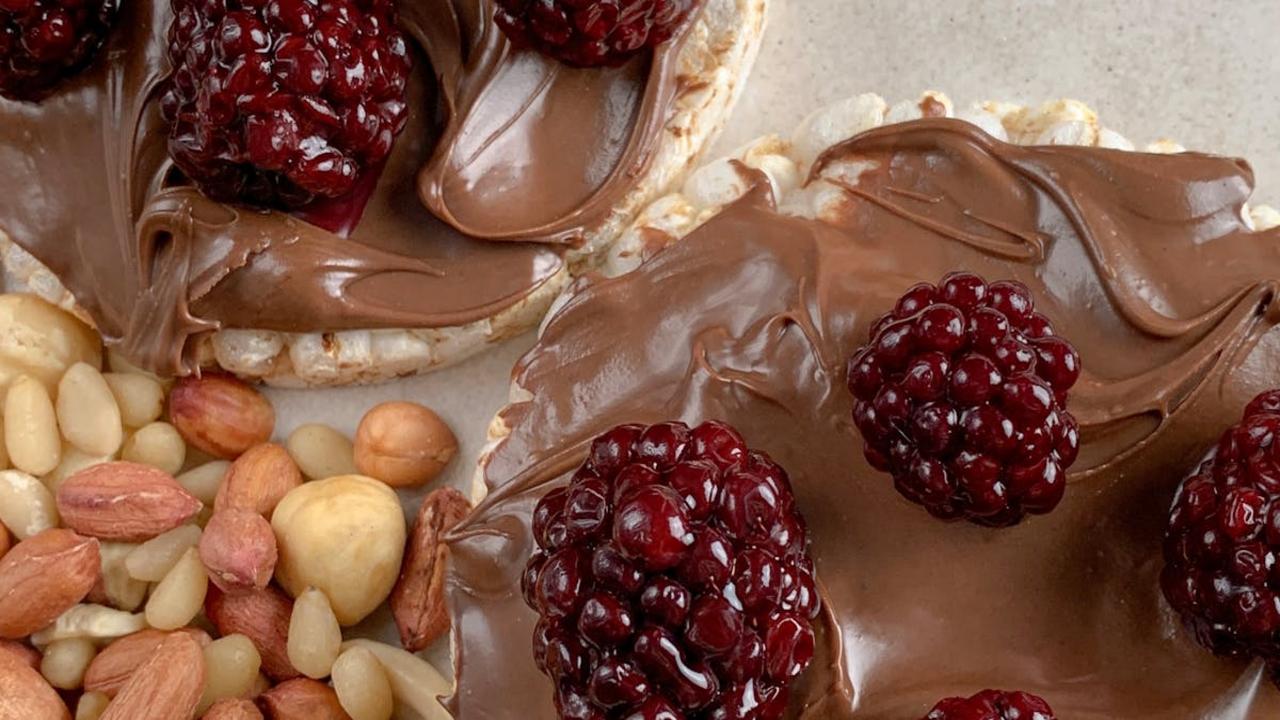
Oh, rice cakes – the cardboard circles masquerading as health food that somehow convinced an entire generation they were making smart snacking choices! You know those styrofoam-looking discs that crunch like autumn leaves and taste about as exciting as wet newspaper? Yeah, those ones. Despite their reputation as the go-to diet snack, rice cakes are basically nutritional tumbleweeds rolling through your digestive system. They’re made from puffed rice that’s been compressed under intense pressure (around 50 atmospheres, if you’re keeping track), which strips away most of the fiber and nutrients that made rice worthwhile in the first place.
Here’s the kicker: rice cakes actually spike your blood sugar faster than a candy bar because they’re almost pure starch with zero fat or protein to slow things down. Your body treats them like sugar, which means you’ll be hungry again in about thirty minutes, probably craving something with actual substance. Instead of munching on these crunchy disappointments, grab an apple with almond butter, some Greek yogurt with berries, or even a handful of nuts. Your taste buds will thank you, and your body won’t feel like it just got pranked by a piece of packing material pretending to be food!
Sports Drinks

You know that neon-bright liquid calling your name from the gym cooler? Yeah, that electric blue concoction promising to turn you into an athletic superhero is probably doing less heavy lifting than you think. Sports drinks were originally formulated for elite athletes sweating buckets during intense, hour-plus workouts – not for your Tuesday morning yoga class or that brisk walk around the neighborhood. The truth is, unless you’re training like you’re prepping for the Olympics or running marathons in Death Valley, plain old water does the hydration job just fine. Most of us grab these sugary beverages thinking we’re being health-conscious, but we’re actually guzzling 20-34 grams of sugar per bottle – that’s basically liquid candy with a fitness marketing makeover.
Here’s the kicker: your body doesn’t need those fancy electrolytes unless you’ve been sweating profusely for more than an hour. For your average gym session, you’re better off saving your money and your waistline by sticking with water and maybe adding a pinch of sea salt if you’re feeling fancy. The coconut water trend isn’t much better either – it’s still loaded with natural sugars and calories that most casual exercisers simply don’t need to replace. If you absolutely must have something flavored after your workout, try infusing your water with fresh fruit slices or cucumber. Your body will thank you, your wallet will thank you, and you won’t be contributing to the $5 billion sports drink industry that’s built on convincing weekend warriors they need rocket fuel for a 30-minute elliptical session.
Protein Bars
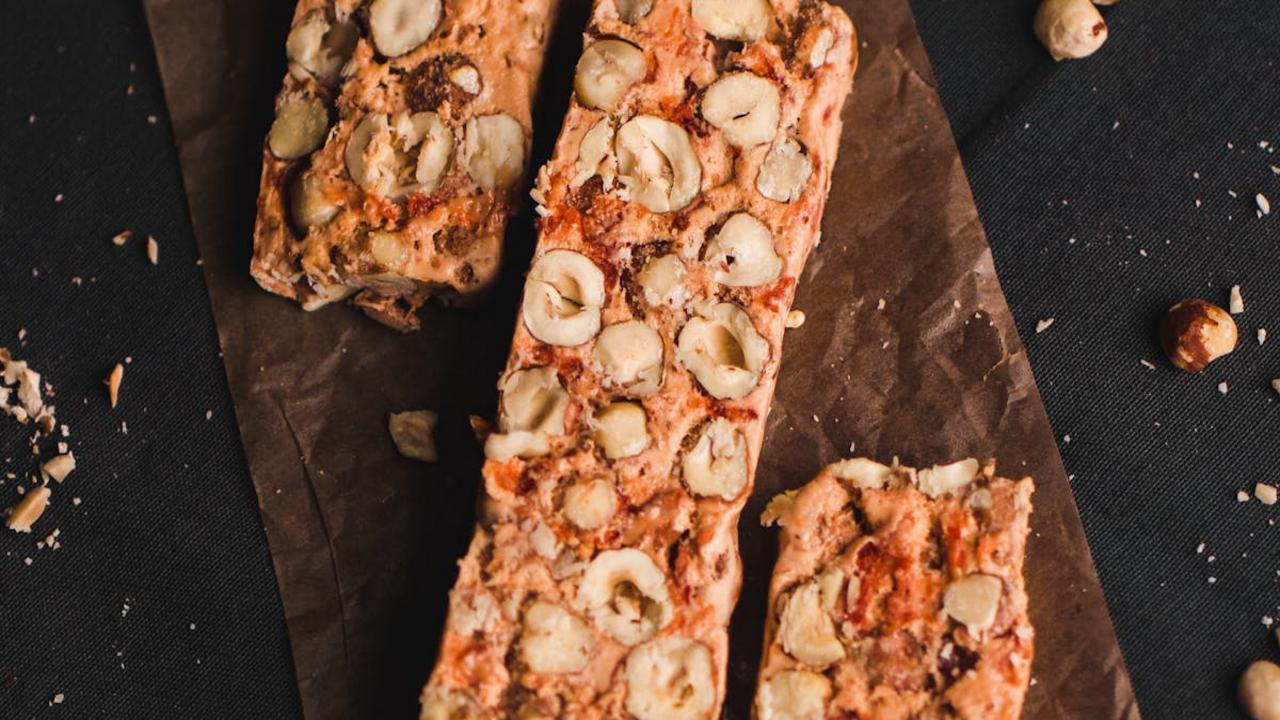
You grab that shiny protein bar thinking you’re making the healthiest choice in the snack aisle, but honey, you might be fooling yourself harder than I fooled my mom about eating vegetables as a kid. Most commercial protein bars pack more sugar than a candy bar – some contain up to 20 grams of the sweet stuff! They’re basically candy bars wearing workout clothes to a fancy gym. Sure, they’ve got protein, but so does a hard-boiled egg, and that won’t cost you eight bucks or leave you wondering why your “healthy” snack tastes suspiciously like chocolate cake.
Here’s the kicker: your body can only absorb about 25-30 grams of protein at once, yet many bars stuff in 40+ grams like they’re trying to win a protein contest nobody asked for. The rest just gets expensive pee, which is probably not what you had in mind for your fitness budget. Instead of reaching for that processed rectangle, try Greek yogurt with nuts, or make your own energy balls with dates, almonds, and cocoa powder. Your wallet will thank you, your stomach will actually feel satisfied, and you won’t need a chemistry degree to pronounce the ingredients!
Yogurt Parfaits
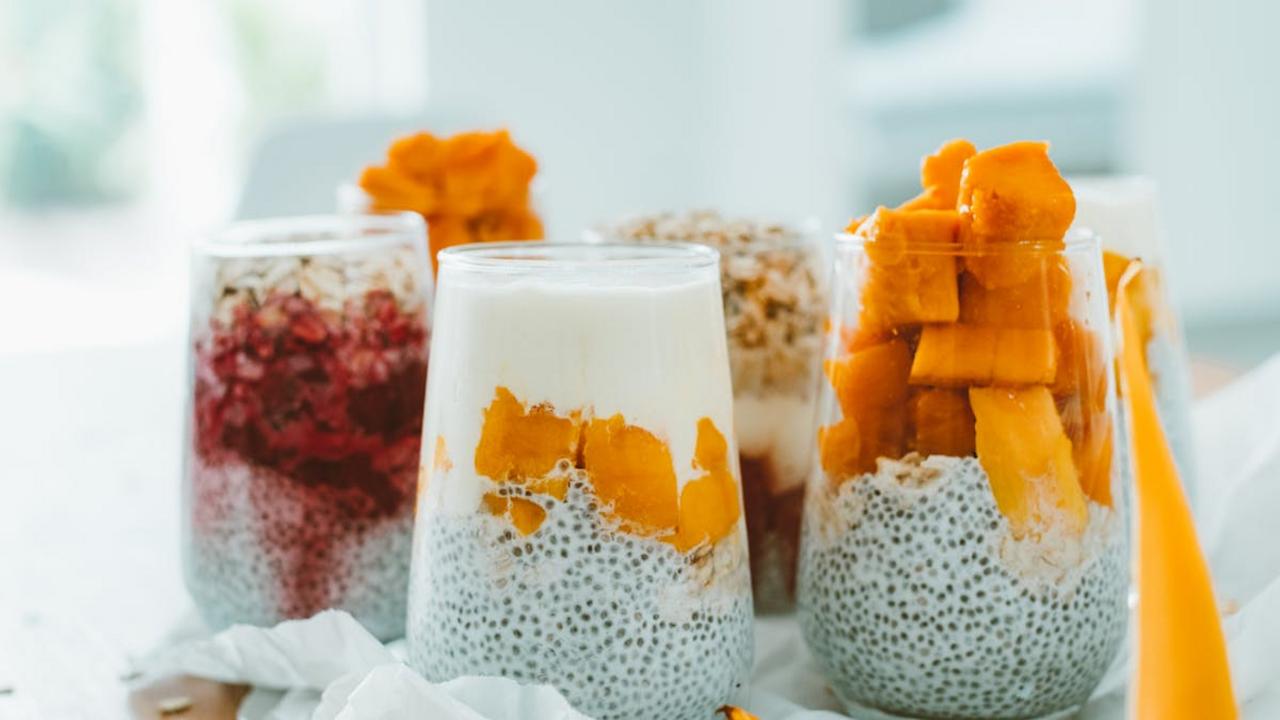
You walk into your favorite café, feeling virtuous and health-conscious, and order that picture-perfect yogurt parfait stacked with layers of creamy goodness, granola, and berries. The Instagram potential alone makes you feel like a wellness warrior! But here’s the reality check your wallet and waistline need: most commercial parfaits pack more sugar than a candy bar. That “healthy” granola? Often loaded with honey, maple syrup, and enough oil to lubricate a bicycle chain. The yogurt itself might be the flavored variety swimming in high fructose corn syrup, and those beautiful berries represent about two actual strawberries stretched across three layers of deception.
Don’t get me wrong—yogurt parfaits can absolutely earn their place in a balanced diet, but you need to build them yourself to avoid the marketing trap. Greek yogurt provides genuine protein power (around 15-20 grams per serving), and real berries deliver antioxidants and fiber your body actually craves. The trick lies in choosing plain yogurt and adding your own honey drizzle, then topping with nuts or homemade granola instead of the sugar-bomb versions. Fun fact: the word “parfait” comes from French meaning “perfect,” but most store-bought versions are perfectly designed to spike your blood sugar rather than nourish your body. Make yours at home and you’ll save money while actually getting the nutritional benefits you’re paying premium prices for elsewhere.
Fruit Juice
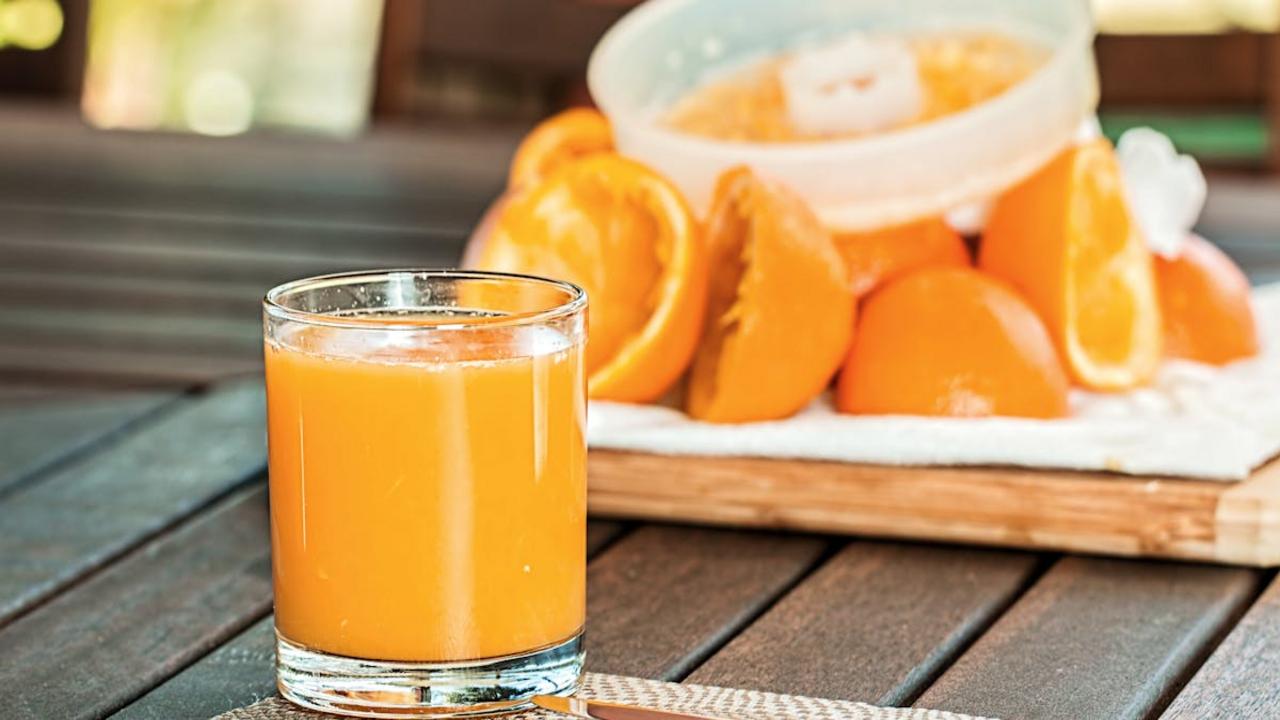
I hate to break it to you, but that morning glass of orange juice you’ve been calling “healthy” is basically liquid candy wearing a fruit costume. Sure, it started life as an orange—wholesome, fibrous, and perfectly portioned by Mother Nature herself. But somewhere between the tree and your breakfast table, it got stripped of everything that made it good for you and concentrated into a sugar bomb that would make a soda blush. One cup of orange juice packs about 24 grams of sugar, which is nearly as much as a can of Coke. Your pancreas doesn’t care if those sugars came from fruit or a factory—it’s still getting slammed with a glucose tsunami first thing in the morning.
Here’s the kicker: when you eat an actual orange, the fiber slows down sugar absorption, keeps you full, and forces you to work for your sweetness (try downing four oranges in two minutes—I dare you). But juice? That’s four oranges’ worth of sugar delivered express to your bloodstream without any of the natural speed bumps. Even the “no sugar added” varieties are naturally sky-high in fructose. If you’re craving that citrusy brightness, muddle some lemon or lime into sparkling water, or better yet, just eat the darn fruit. Your blood sugar will thank you, and you’ll actually feel satisfied instead of reaching for a donut an hour later because liquid calories don’t register as “food” to your brain.
Trail Mix
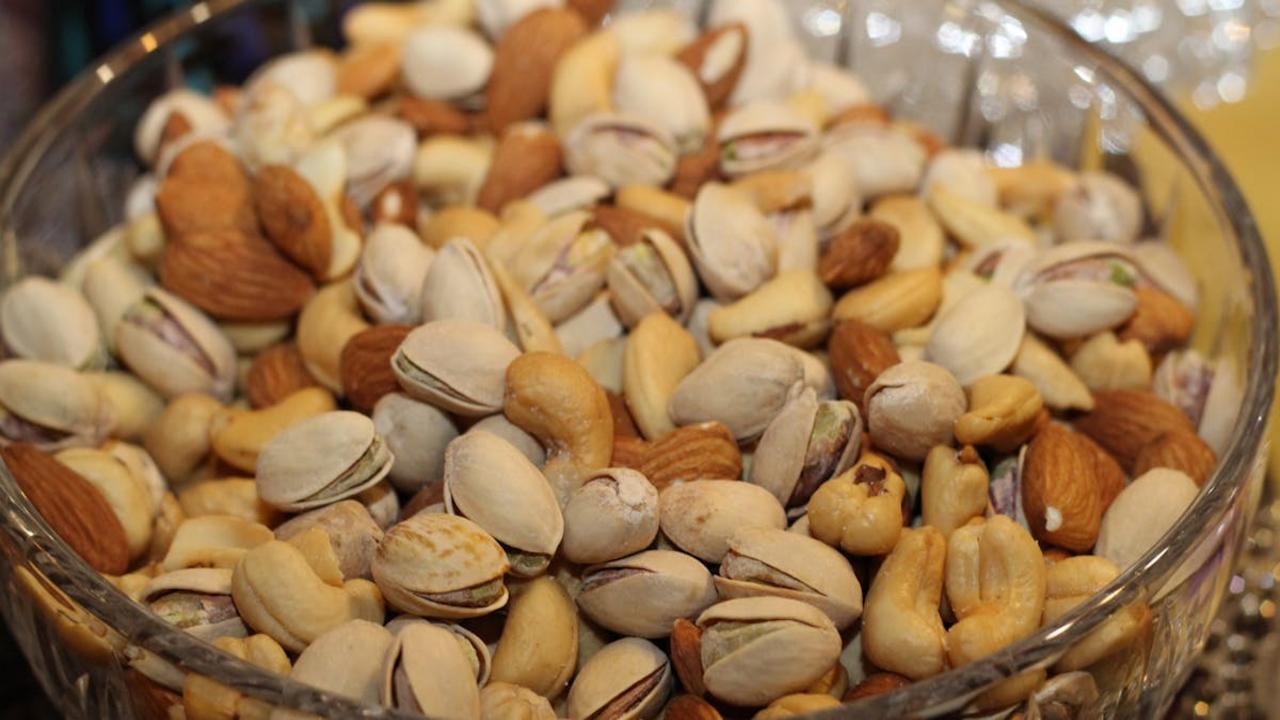
Trail mix sits smugly on grocery store shelves, masquerading as the ultimate healthy snack while secretly packing more calories than a slice of cheesecake. You grab that innocent-looking bag thinking you’re making a virtuous choice, but here’s the plot twist: most commercial trail mixes contain more sugar and fat than a candy bar. Those yogurt-covered raisins? They’re basically sugar bombs wearing a health halo. The chocolate chips and candied pieces make up about 60% of the mix, while the actual nuts get lost like hikers without a map. A single handful can clock in at 300-400 calories, which means your “light snacking” just became a full meal’s worth of energy.
The irony is thick as peanut butter here – trail mix was originally created by outdoor enthusiasts who needed dense, portable calories for long hikes. Those folks were burning thousands of calories scaling mountains, not sitting at desks scrolling through emails. If you’re going to indulge in trail mix, make your own version with unsalted nuts, seeds, and just a sprinkle of dried fruit (skip the candy masquerading as healthy additions). Or better yet, choose plain almonds or walnuts for snacking. Your waistline will thank you, and you won’t feel like you need to climb Mount Everest just to work off your afternoon snack.
Granola
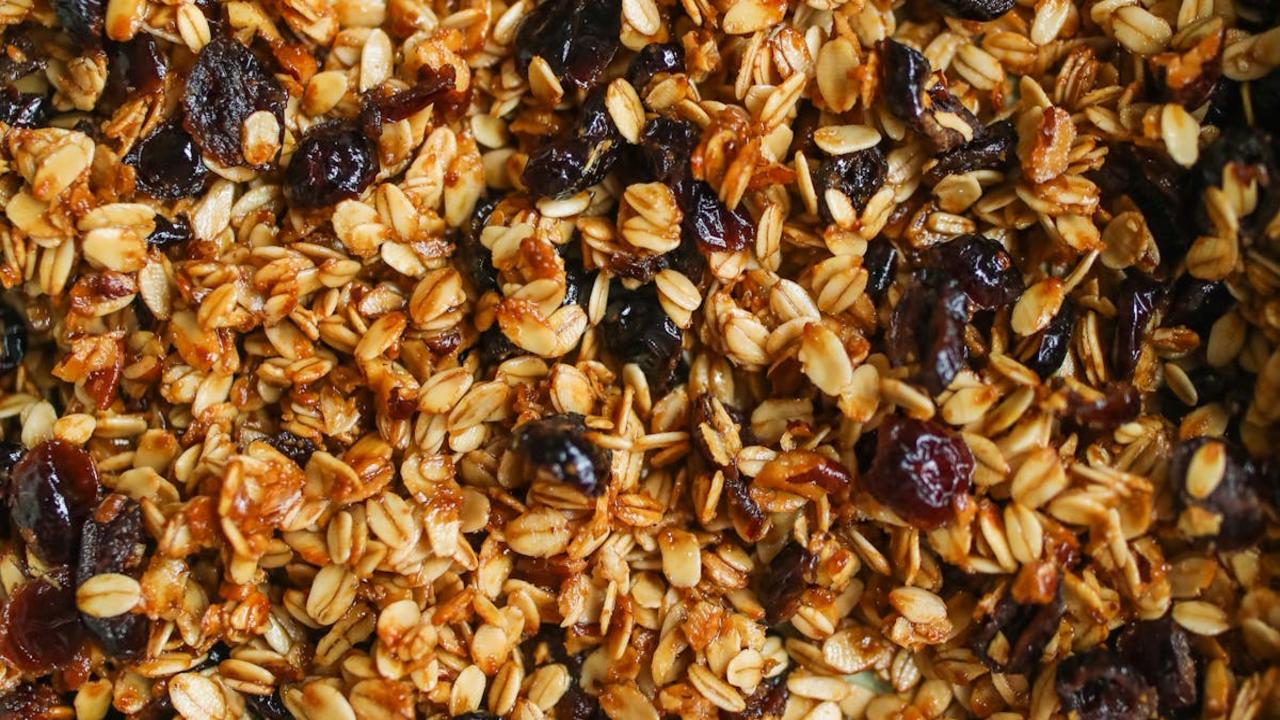
Oh granola, you beautiful, crunchy deceiver! You sit there in your artisanal packaging, looking all wholesome with your oats and nuts, making me believe you’re the breakfast of health-conscious champions. But here’s the plot twist nobody wants to admit: most store-bought granola packs more sugar than a candy bar and enough calories to fuel a small marathon. I learned this the hard way after wondering why my “healthy” breakfast left me crashing harder than a dropped phone screen by 10 AM. That innocent-looking quarter cup? It’s secretly harboring 12 grams of sugar and 150 calories, and who actually stops at a quarter cup anyway?
The granola industry has basically turned what started as a humble health food into dessert masquerading as breakfast. Those clusters you love so much? They’re held together by honey, maple syrup, or straight-up sugar, creating little calorie bombs that your brain registers as “healthy choice approved.” Fun fact: the original granola, invented by Dr. John Harvey Kellogg in 1863, was basically just baked wheat meal – no chocolate chips, dried fruit candy, or enough oil to lubricate a bicycle chain. If you’re determined to keep granola in your life (and I get it, that crunch is addictive), try making your own with minimal sweetener, or use it as a garnish rather than a bowl-filler. Your blood sugar will thank you, and your jeans won’t stage a revolt.