14 Bucket-List Street Foods From Around the World Worth the Hype
Street food gives you the truest taste of a country without breaking the bank. I’ve eaten my way across continents, hunting down sizzling snacks from rickety carts and hole-in-the-wall spots that the locals swarm. From Japan’s octopus-filled takoyaki balls to the crispy, cheesy langos of Hungary, these 14 foods should top your must-eat list.
You haven’t really visited South Africa until you’ve torn into bunny chow – a hollowed bread loaf stuffed with curry. And trust me, one bite of Georgia’s khachapuri – that boat-shaped bread filled with melted cheese and topped with an egg – will make you wonder why you didn’t book your ticket sooner.
Some foods might push your comfort zone (hello, balut from the Philippines), while others like Morocco’s sfenj doughnuts will feel like familiar friends with exotic twists. Pack stretchy pants and an adventurous appetite – these street foods deliver experiences that fancy restaurants simply can’t match.
Sfenj – Morocco
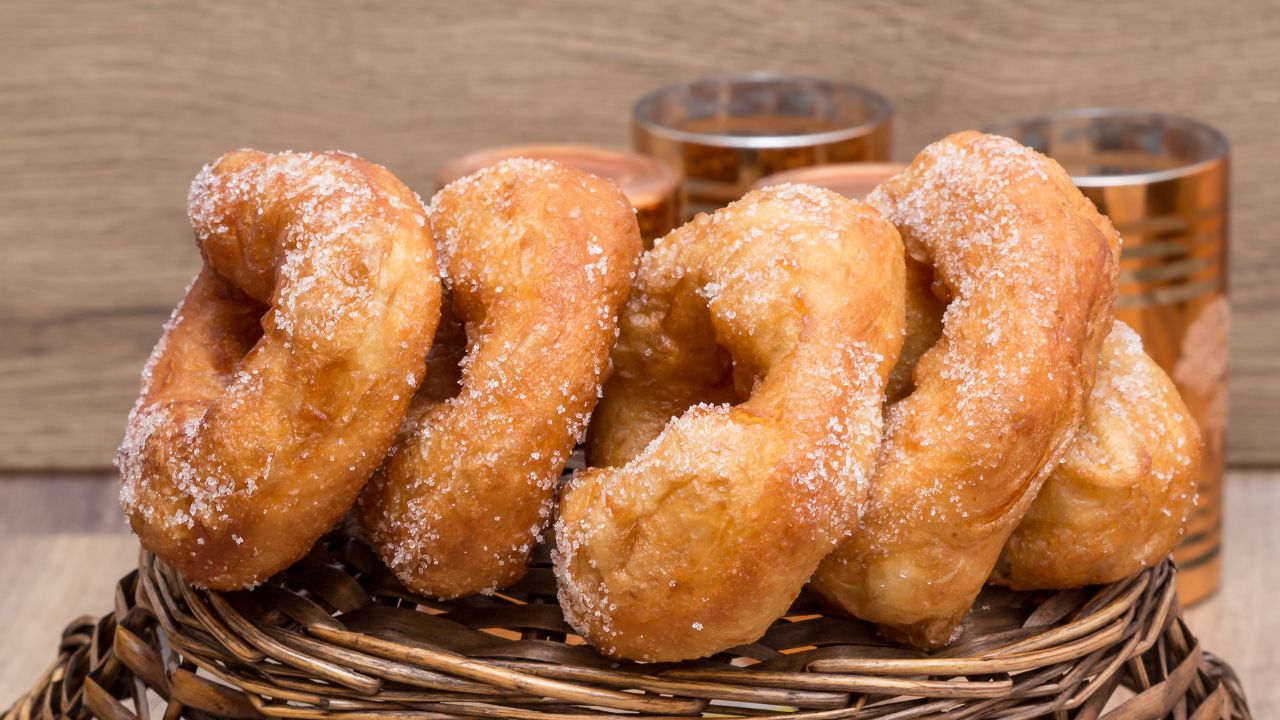
Picture this: you’re wandering through the bustling souks of Marrakech at dawn, and suddenly you catch a whiff of something magical – sweet, yeasty, and absolutely irresistible. That’s sfenj calling your name, Morocco’s answer to the donut that makes every other fried pastry jealous. These golden rings of joy start their day as simple yeast dough, but here’s where things get wonderfully messy – the dough gets stretched and twisted by hand into rustic, imperfect circles that look like they’ve been shaped by someone’s grandmother who doesn’t have time for fancy cookie cutters. The irregularity is part of their charm, creating nooks and crannies that hold onto that perfect crispy-chewy texture.
What makes sfenj truly special isn’t just the fact that vendors often make them fresh right before your eyes (talk about dinner and a show), but their brilliant simplicity. No glaze, no filling, no fuss – just pure, unadulterated fried dough perfection that you dust with powdered sugar or dip in honey if you’re feeling fancy. Fun fact: the name actually comes from the Arabic word for “sponge,” which perfectly describes their airy interior that soaks up every bit of sweetness you throw at it. Pro tip from someone who’s made the mistake of eating just one – always order at least three because you’ll demolish the first one before you even realize what happened, spend the second one savoring every bite, and need the third one to convince yourself this experience actually happened.
Balut – Philippines
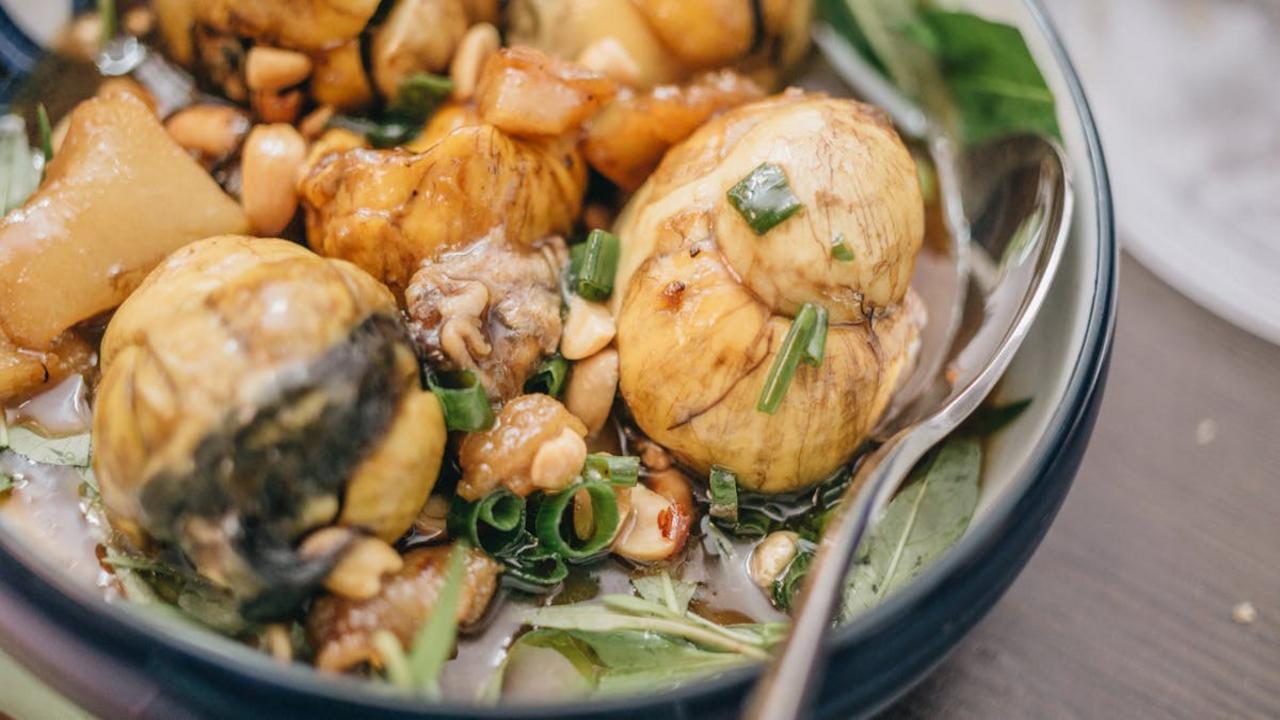
Okay, I’m going to level with you here – balut is not for the faint of heart, but it absolutely deserves its spot on any street food bucket list. This Filipino delicacy consists of a partially developed duck embryo that’s been incubated for about 14-21 days, then boiled and eaten straight from the shell. I know what you’re thinking, and yes, it sounds intense. But here’s the thing: millions of Filipinos can’t be wrong about this being comfort food gold. Vendors carry these warm treasures in woven baskets, calling out “Balut!” through the streets at night, and locals line up eagerly with their salt packets ready.
The experience hits you in waves – first, you crack open the shell and sip the savory broth that surrounds the embryo (surprisingly rich and flavorful), then you peel away more shell to reveal the main event. Seasoned with a pinch of salt, chili, or vinegar, balut delivers a complex texture that’s part creamy yolk, part tender meat. Filipinos swear by its aphrodisiac properties and consider it the ultimate hangover cure, often pairing it with ice-cold beer. Fun fact: the best balut comes from Pateros, a small town that’s been perfecting this delicacy for over a century. Their secret involves precise temperature control and timing that turns what sounds scary into something genuinely fascinating to eat.
Khachapuri – Georgia
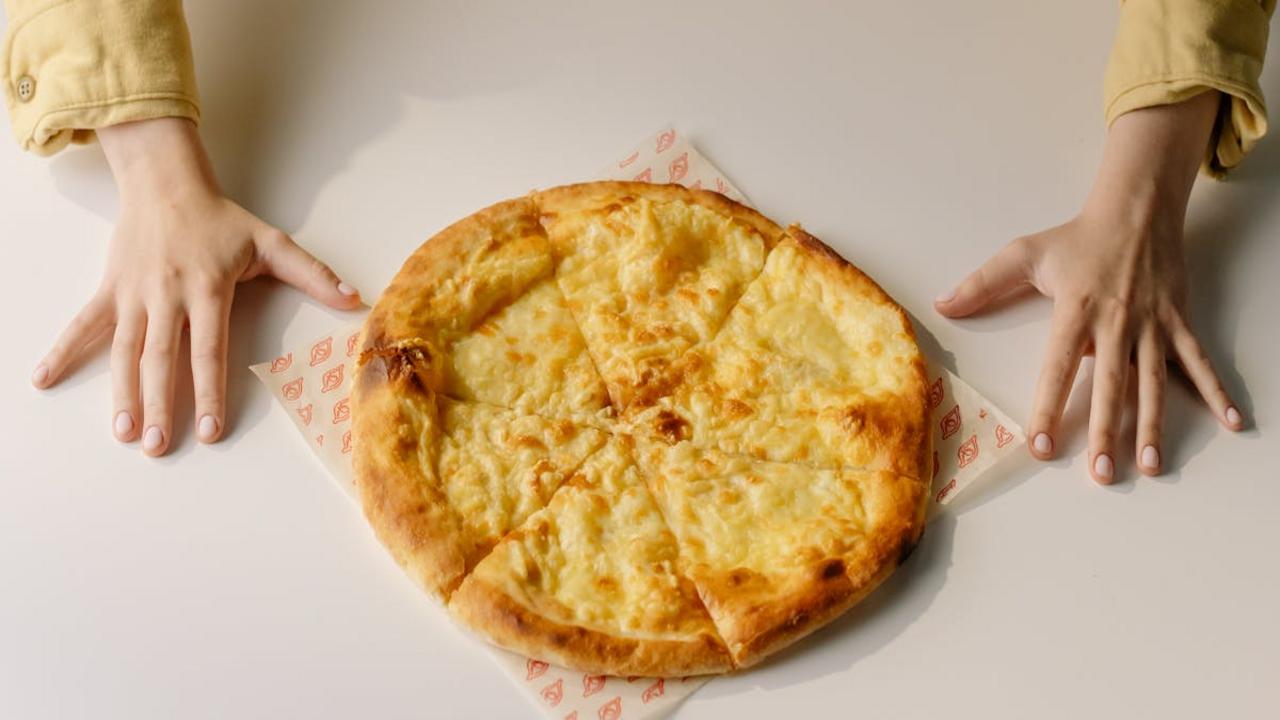
Picture this: you’re wandering through Tbilisi’s cobblestone streets when suddenly you spot a golden, boat-shaped bread that looks like it’s auditioning for a food magazine cover. That, my friend, is khachapuri – Georgia’s national dish and quite possibly the most photogenic comfort food on the planet. This cheese-stuffed bread comes in several regional varieties, but the Adjarian version steals the show with its canoe shape, molten cheese center, and a raw egg cracked right on top. The locals create a little well in the cheese, crack that egg in, add a pat of butter, and mix it all together with chunks of the bread crust. It’s like fondue had a baby with pizza and decided to move to the Caucasus Mountains.
What makes khachapuri absolutely magical is watching Georgians eat it – there’s a specific technique that involves tearing off pieces of the crust and using them to scoop up the gooey, eggy cheese mixture. Fun fact: Georgian bread bakers have been perfecting this recipe for over a thousand years, and each region guards their version like state secrets. The cheese traditionally used is a mix of Georgian sulguni and imeruli, but don’t worry if you can’t pronounce those – mozzarella and feta work beautifully for home attempts. Just remember, if you’re not getting cheese strings longer than your arm when you pull it apart, you’re doing it wrong. Trust me, your Instagram followers will thank you for this one.
Currywurst – Germany
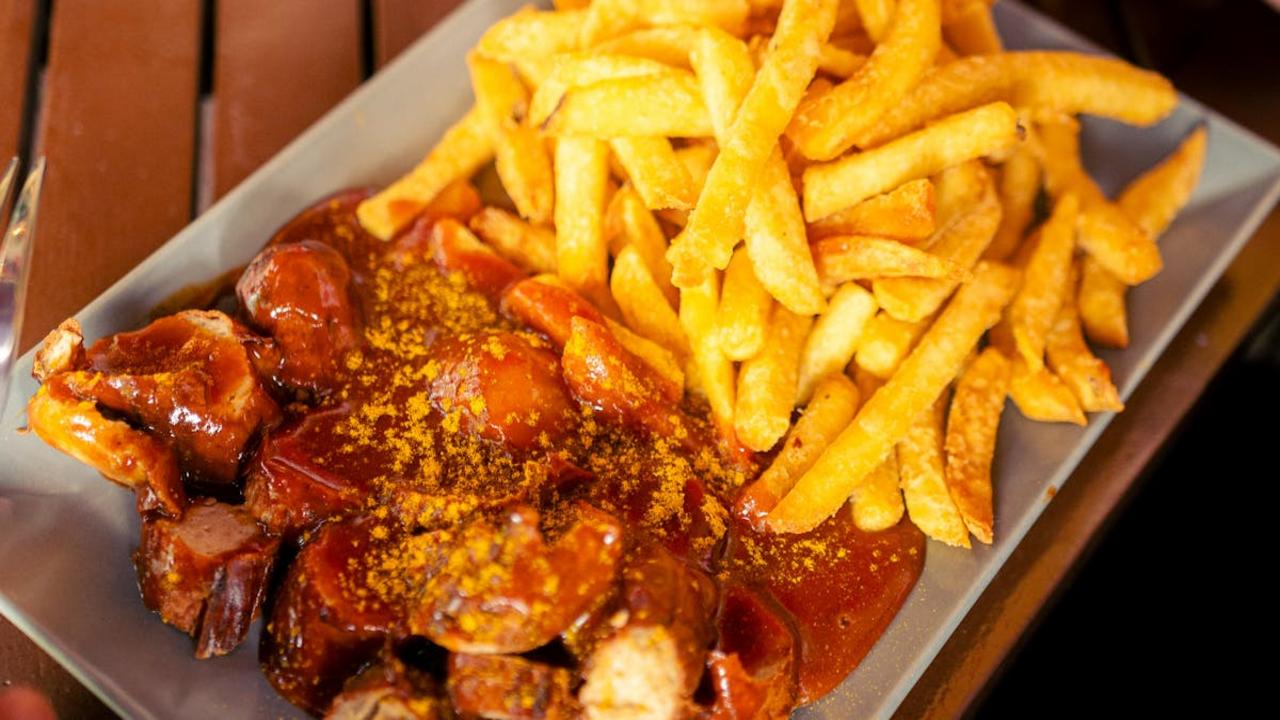
Picture this: you’re wandering through Berlin at 2 AM, slightly tipsy and desperately craving something that’ll soak up all that beer you just downed. Enter currywurst – Germany’s answer to drunk food that somehow became a national obsession. This glorious mess consists of sliced bratwurst swimming in a tangy tomato-based curry sauce, dusted with curry powder like edible fairy dust. What makes this even more ridiculous? It was invented in 1949 by Herta Heuwer, who basically threw together some Worcestershire sauce, tomato paste, and curry powder she got from British soldiers. Talk about making magic from military rations!
Now, before you roll your eyes and think “curry sauce on sausage sounds weird,” just stop right there. Germans eat over 800 million portions of this stuff annually – that’s roughly 10 servings per person per year. You’ll find currywurst stands on practically every street corner, each vendor swearing their secret sauce recipe is the best (spoiler alert: they’re probably all using the same base ingredients). The beauty lies in its simplicity: quality sausage meets perfectly balanced sauce that’s sweet, tangy, and just spicy enough to make you sweat a little. Grab yours with a side of fries and a beer, because when in Germany, you eat like the Germans do.
Börek – Turkey
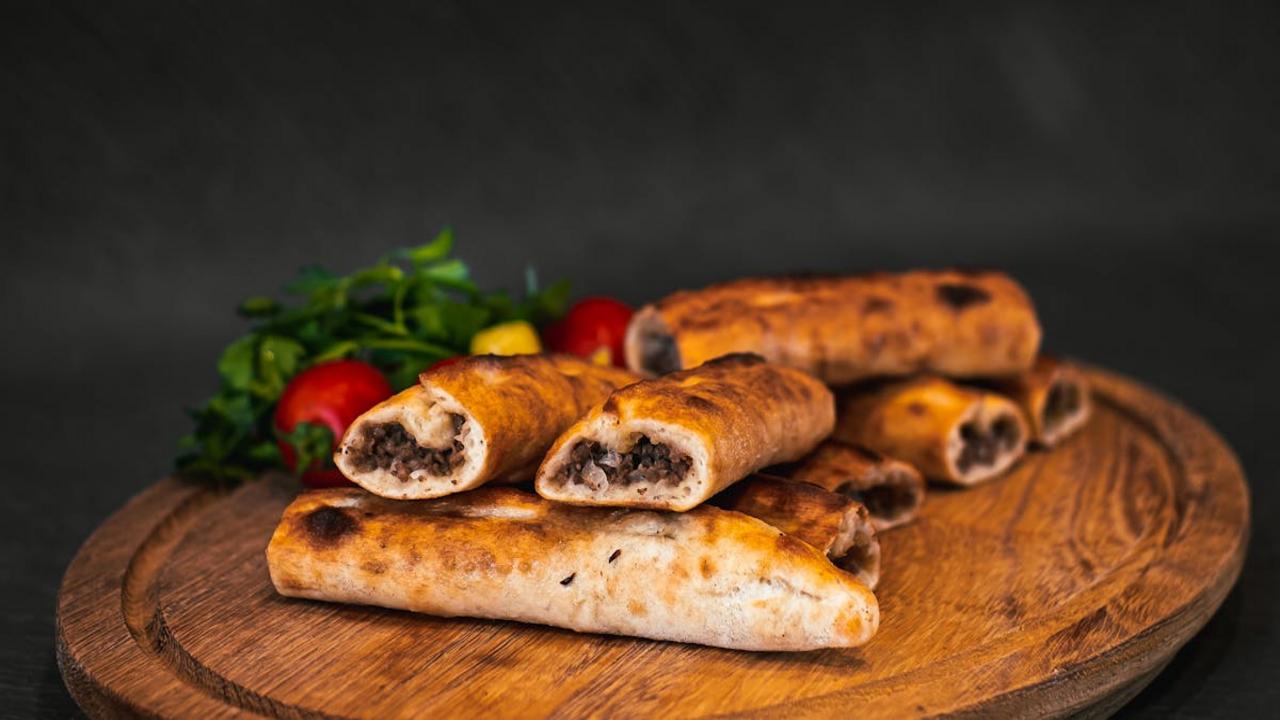
Picture this: you’re wandering through Istanbul’s Grand Bazaar, completely overwhelmed by the chaos of vendors hawking everything from carpets to evil eye charms, when suddenly you catch a whiff of something magical. That buttery, flaky aroma floating through the air? That’s börek calling your name, and trust me, you need to answer immediately. This Turkish pastry masterpiece consists of paper-thin phyllo dough layered with cheese, spinach, or minced meat, then baked until golden and crispy enough to make angels weep.
Here’s what makes börek absolutely genius: Turkish grandmothers have been perfecting this recipe for centuries, and each family guards their secret technique like it’s the location of buried treasure. The dough gets rolled so thin you can literally read a newspaper through it (yes, people actually test this), and the filling combinations are endless. Su böreği, the “water börek,” gets boiled before baking, creating layers so tender they practically melt in your mouth. Pro tip: grab a piece fresh from the oven at a local pastane (pastry shop) and pair it with Turkish tea. Your Instagram followers will hate you for the food envy, but your stomach will thank you forever.
Pani Puri – India
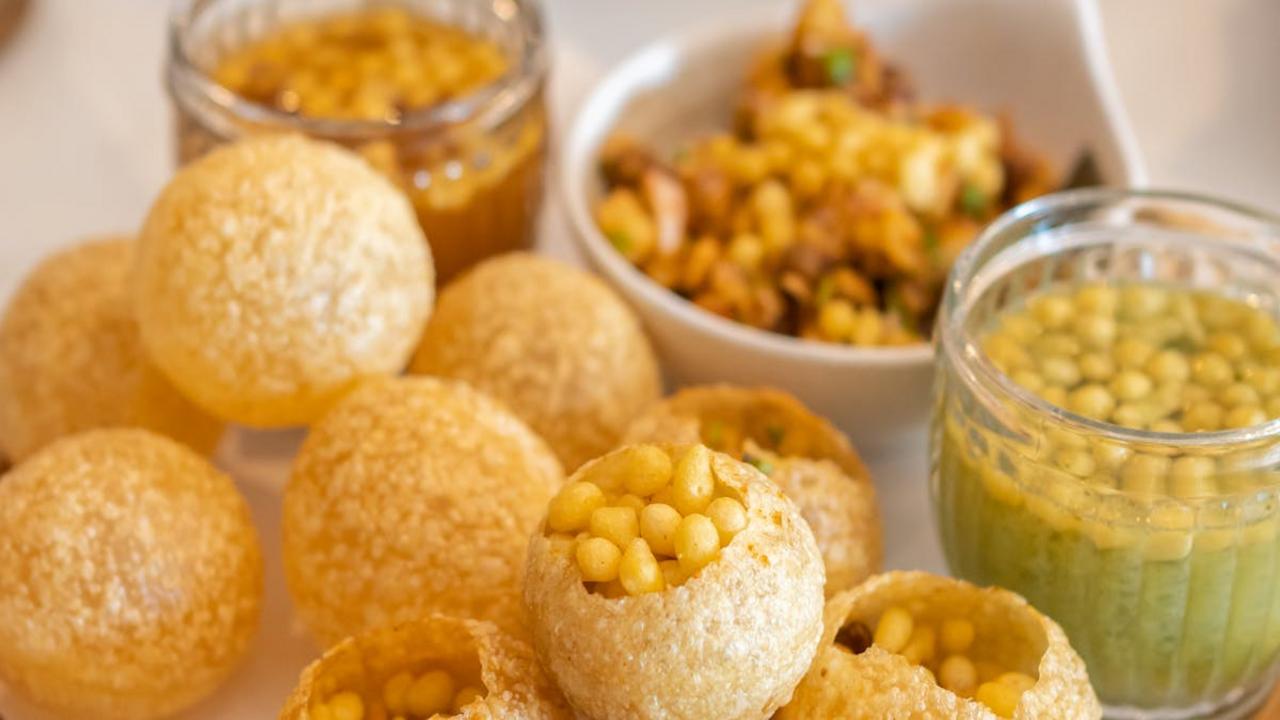
Picture this: you’re standing at a bustling street corner in Mumbai, watching a vendor with lightning-fast hands create what can only be described as edible water balloons filled with pure joy. That’s pani puri for you – crispy, hollow semolina shells that get stuffed with spiced potatoes, chickpeas, and tangy tamarind water that explodes in your mouth like a flavor bomb. The best part? You have approximately three seconds to pop the entire thing in your mouth before it disintegrates into a soggy mess, making you look like you’re participating in some sort of frantic food Olympics.
Here’s what makes pani puri absolutely brilliant: the vendor prepares each one individually right in front of you, cracking open the puris with their thumb, spooning in the filling, and dunking the whole creation into a giant pot of flavored water that ranges from mildly tangy to “holy cow, my sinuses just cleared.” The experience becomes almost ritualistic – you lean forward, open wide, and commit to the chaos. Fun fact: different regions call it by different names (gol gappa in North India, puchka in Bengal), but the universal truth remains: attempting to eat one gracefully is impossible, and that’s exactly the point. The messier you get, the more authentic your street food experience becomes.
Karaage – Japan
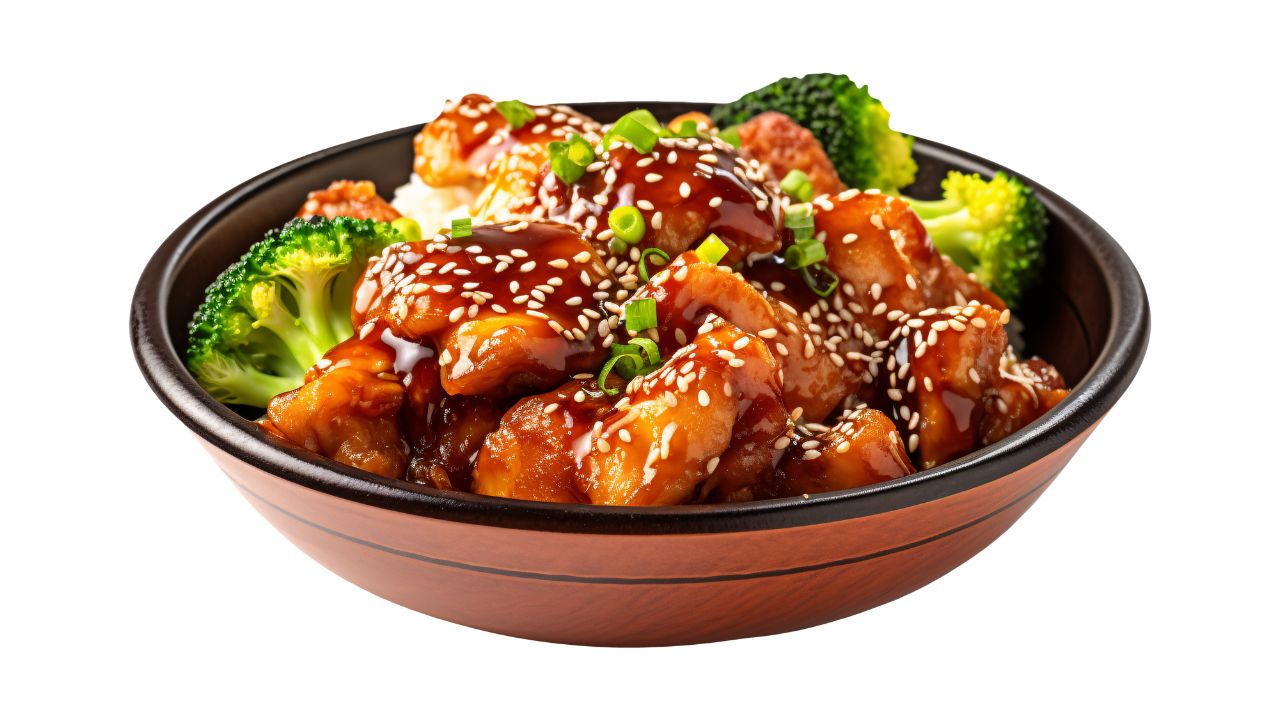
Picture this: you’re wandering through a bustling Tokyo street market, and suddenly you catch a whiff of something magical—crispy, golden chicken that’s been marinated in soy sauce, ginger, and garlic before taking a luxurious dip in potato starch and hot oil. That’s karaage, Japan’s answer to fried chicken, and honestly, it makes KFC look like amateur hour. Unlike its Western counterpart that relies on heavy breading, karaage gets its incredible crunch from a light coating of potato starch that creates these impossibly delicate, shatteringly crisp edges while keeping the meat inside ridiculously juicy.
What makes karaage absolutely genius is the marinating process—Japanese cooks soak bite-sized chicken pieces (usually thighs, because thighs are superior and we all know it) in a mixture that includes sake, mirin, and sometimes a touch of lemon juice for hours before frying. The result? Chicken so flavorful it doesn’t need sauce, though many vendors serve it with a squeeze of fresh lemon or a side of Japanese mayo mixed with sriracha. You’ll find karaage everywhere from convenience stores to high-end izakayas, and here’s a fun fact: it became so popular that Japan declared it a “regional dish” despite being eaten nationwide. Grab some while it’s piping hot, and prepare for your mouth to thank you profusely.
Ceviche – Peru
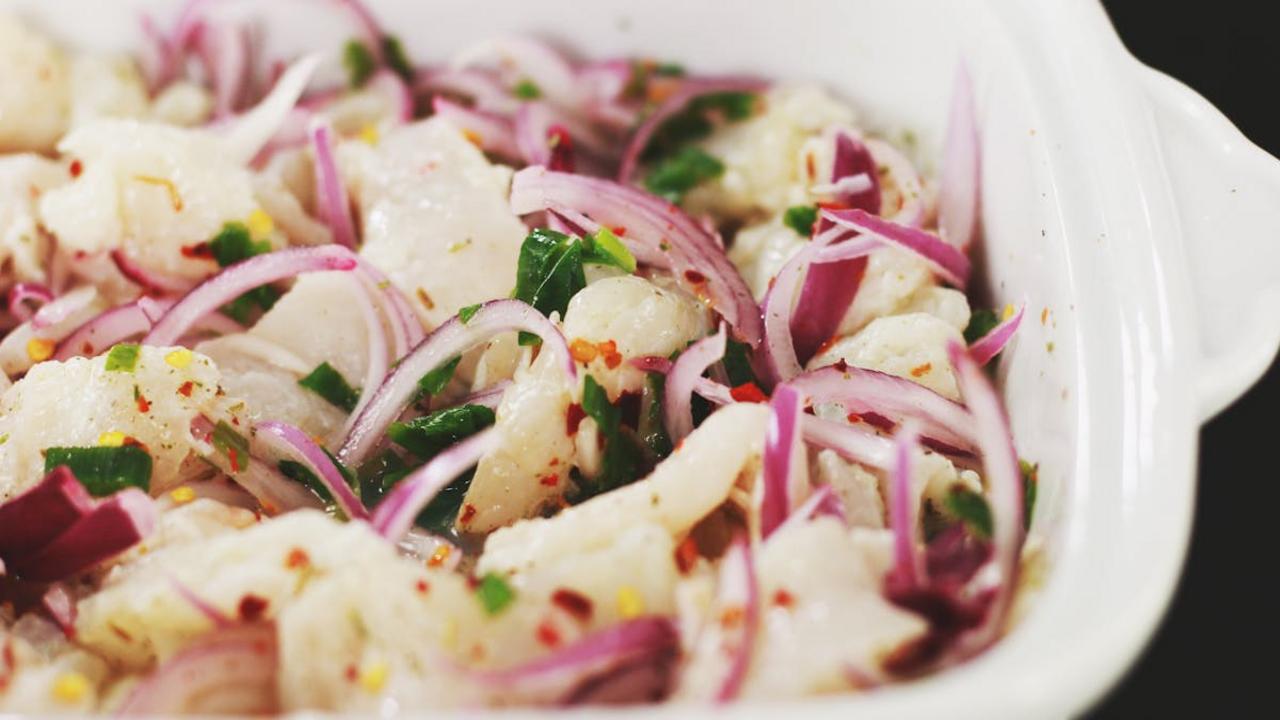
Picture this: you’re standing on a Lima street corner at 10 AM, and someone hands you a bowl of raw fish that’s been “cooked” by citrus acid alone. Sounds sketchy? Welcome to the magical world of ceviche, Peru’s national obsession that turns skeptics into believers faster than you can say “leche de tigre.” This isn’t just any raw fish situation – we’re talking about the freshest catch of the day, cubed into perfect bite-sized pieces and bathed in a tangy marinade of lime juice, red onions, cilantro, and fiery ají peppers. The acid from the lime literally transforms the fish’s proteins, turning it opaque and tender without any heat involved. It’s chemistry you can eat, and honestly, it tastes way better than your high school science experiments.
The real genius lies in that leftover liquid at the bottom of the bowl – locals call it “leche de tigre” (tiger’s milk), and drinking it is practically a religious experience. Peruvians swear this cloudy, spicy elixir cures everything from hangovers to broken hearts, and after one sip, you’ll understand why they guard their family recipes like state secrets. The best cevicherías open early and close when they run out of fish, usually by mid-afternoon, because freshness isn’t negotiable here. You’ll find vendors serving this oceanic perfection from simple plastic chairs on busy street corners, often paired with sweet potato slices and giant corn kernels that provide the perfect creamy contrast to all that citrusy punch. Pro tip: never order ceviche on a Monday – fish markets are typically closed on Sundays, so you’re not getting yesterday’s catch, you’re getting the day-before-yesterday’s catch.
Bánh Xèo – Vietnam
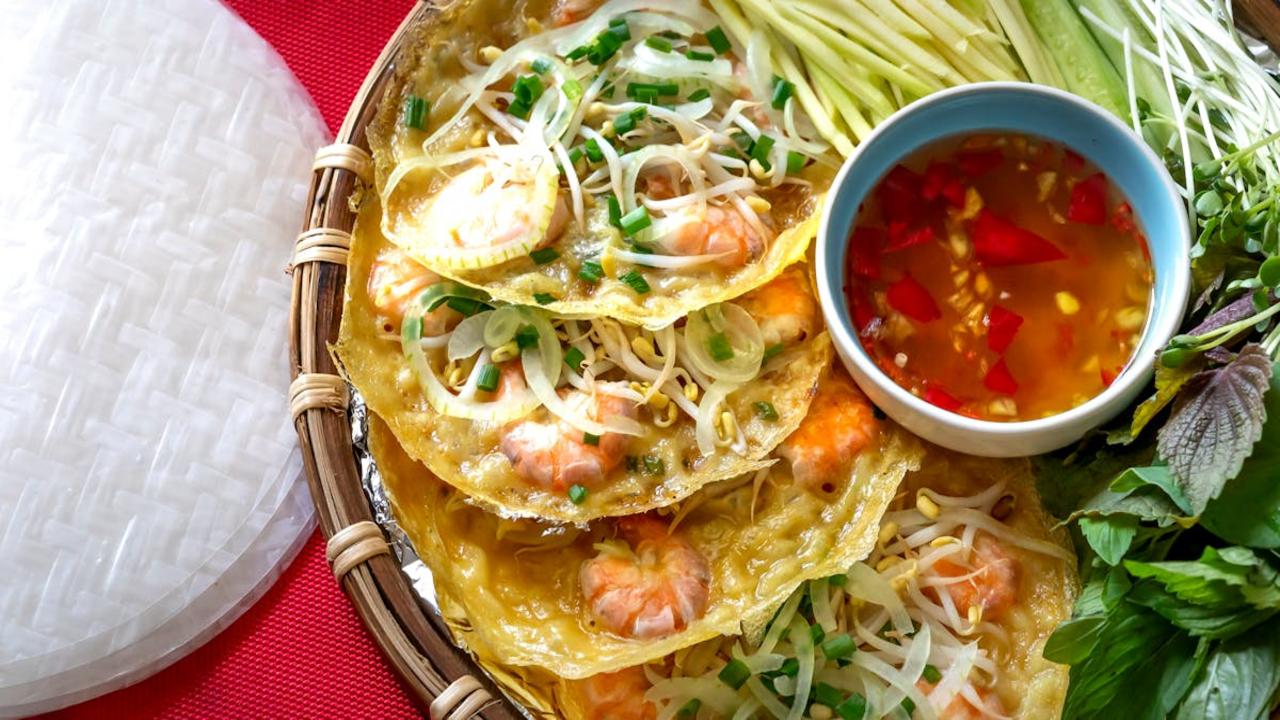
Picture this: you’re sitting on a tiny plastic stool in Saigon, watching a street vendor pour golden batter into a sizzling hot pan with the confidence of someone who’s done this dance a thousand times. That satisfying sizzle gives bánh xèo its name – literally “sizzling pancake” – and trust me, the sound alone will make you salivate. This isn’t your Sunday morning pancake though; we’re talking about a crispy, turmeric-tinted crepe that’s stuffed with shrimp, pork, and bean sprouts, then folded like a golden taco of pure joy.
Here’s where things get wonderfully messy: you don’t eat bánh xèo with a fork and knife like some dignified human. Instead, you tear off pieces with your hands, wrap them in fresh lettuce and herbs like mint and cilantro, then dip the whole bundle into nuoc cham – a sweet, salty, spicy dipping sauce that could make cardboard taste amazing. The contrast is incredible: crispy meets fresh, warm meets cool, and your shirt meets inevitable sauce stains. Pro tip from someone who learned the hard way – wear dark colors and don’t plan any important meetings afterward. The locals make it look effortless, but you’ll probably spend the first few bites figuring out the optimal lettuce-to-pancake ratio while questioning your fine motor skills.
Bunny Chow – South Africa
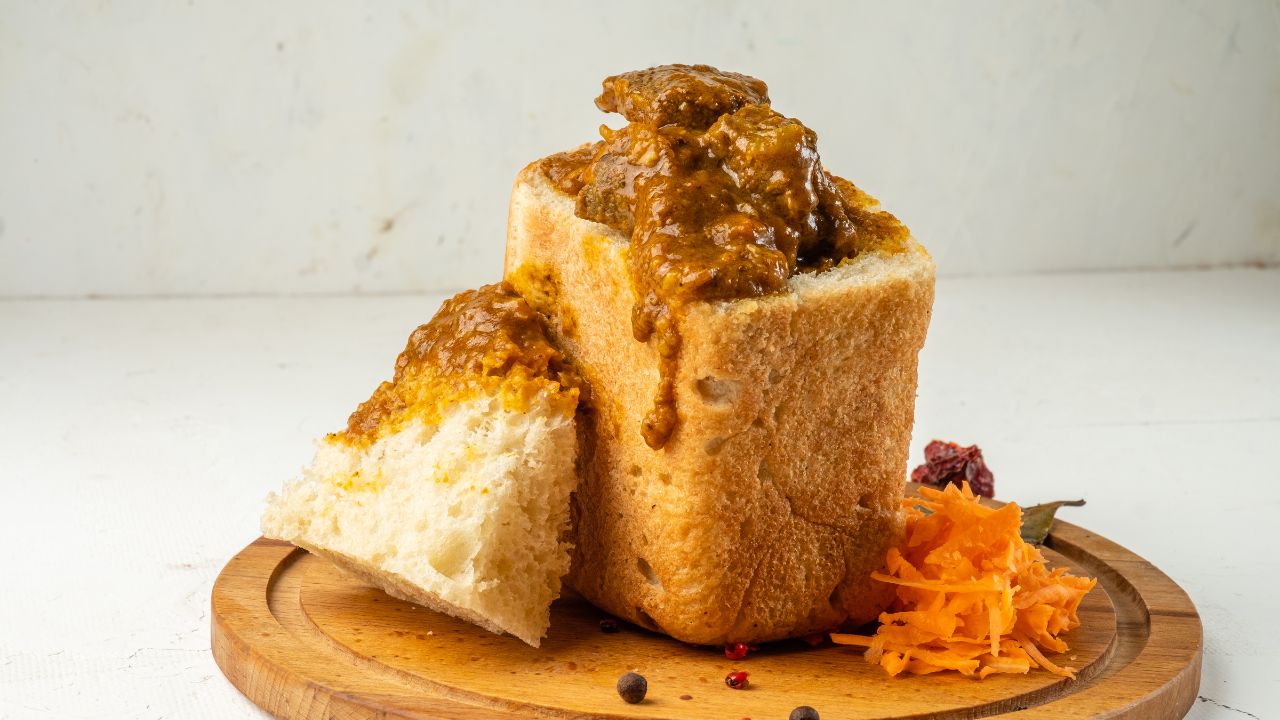
Don’t worry, no actual bunnies were harmed in the making of this South African street food legend! Bunny chow is essentially a loaf of bread that’s been hollowed out and stuffed with curry – think of it as edible takeout packaging that predates your trendy sourdough bread bowls by decades. This genius invention emerged in the 1940s in Durban, created by Indian immigrants who needed a portable way to serve curry to workers who couldn’t eat in restaurants due to apartheid laws. They’d scoop out the inside of a quarter or half loaf of white bread, fill it with mutton, chicken, or bean curry, and top it with the scooped-out bread piece as a lid. Pure brilliance born from necessity!
The beauty of bunny chow lies in its messy, hands-on eating experience – you tear off pieces of the curry-soaked bread walls and use them to scoop up more curry, creating an endless cycle of carb-on-carb perfection. Locals have strict rules about eating technique: real bunny chow enthusiasts never use utensils, and you absolutely must eat from the outside in, working your way through the bread walls until you reach the curry-soaked bottom. The dish has become such a point of pride in Durban that they hold annual bunny chow festivals, and trust me, watching grown adults debate the merits of different curry-to-bread ratios while sauce drips down their arms is entertainment gold. Just remember to wear clothes you don’t mind getting gloriously messy!
Langos – Hungary
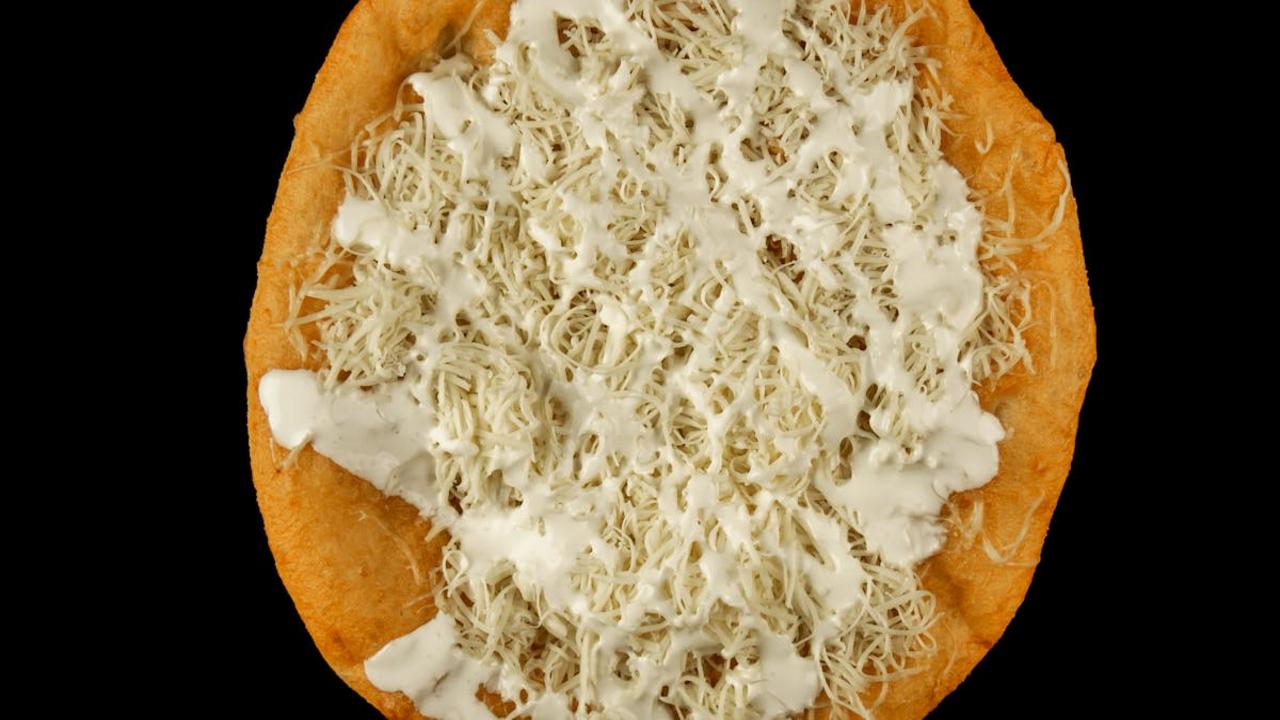
Picture this: you’re wandering through a Hungarian market, and suddenly you smell something absolutely divine – crispy, yeasty, and downright irresistible. That’s langos calling your name, and trust me, you don’t want to ignore it. This deep-fried flatbread is basically Hungary’s answer to the question “what if we made bread but made it ridiculously delicious?” The dough gets stretched thin, dropped into hot oil, and emerges as a golden, bubbly masterpiece that’s crispy on the outside and pillowy soft inside.
Here’s where langos gets really fun – the toppings are where Hungarians show their creative genius. The classic version comes slathered with sour cream and topped with grated cheese, but you can go wild with everything from garlic butter to Nutella (because why not turn street food into dessert?). Fun fact: langos actually started as a way for Hungarian bakers to use up leftover bread dough, but now it’s become such a beloved street food that entire festivals celebrate it. You’ll find the best ones at outdoor markets and food stalls, where they’re made fresh and served piping hot on paper plates that immediately become grease-stained proof of your excellent life choices.
Gimbap – South Korea
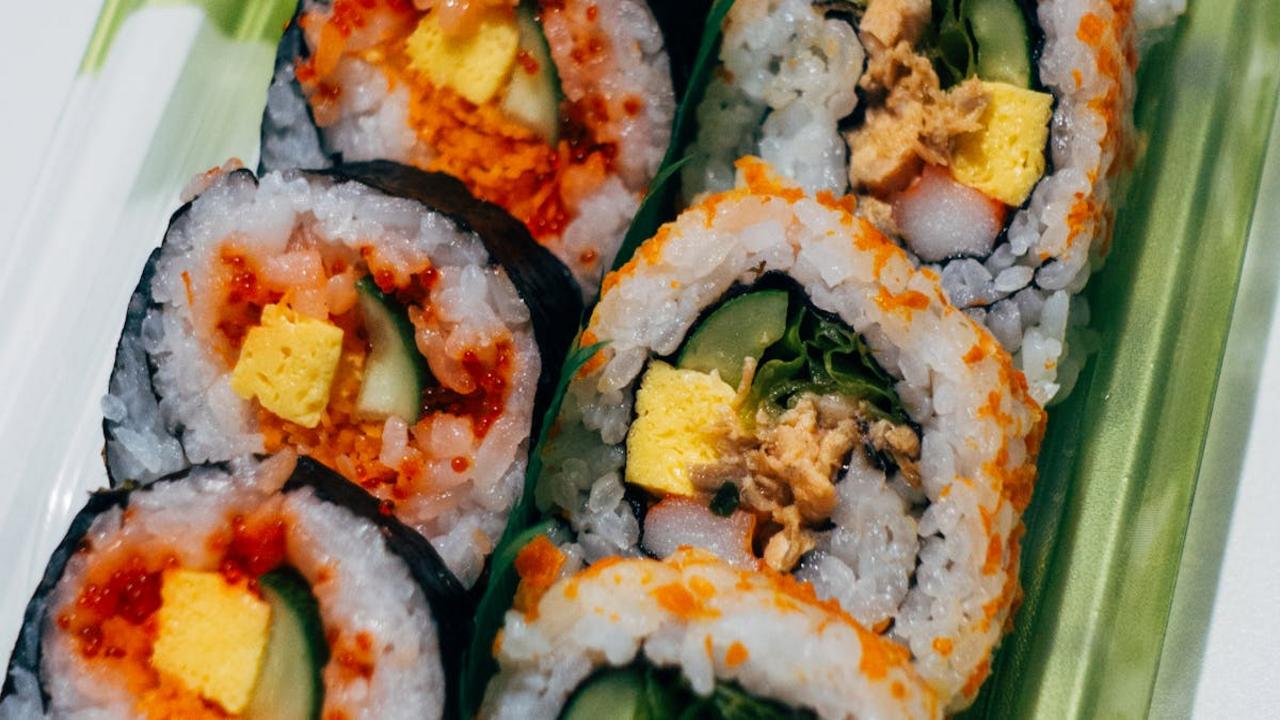
You know that moment when you discover something so simple yet so perfect that you wonder how you lived without it? That’s gimbap for you – Korea’s answer to sushi that’s actually nothing like sushi at all, despite what every confused tourist thinks. Picture this: perfectly seasoned rice wrapped in crispy seaweed with a rainbow of fillings that make your Instagram feed weep with joy. We’re talking pickled radish that adds the perfect crunch, sweet egg strips, marinated beef, fresh vegetables, and sometimes even spam (don’t judge – it works). The rice gets a magical touch of sesame oil and salt that transforms ordinary grains into something extraordinary. Street vendors roll these beauties right in front of you with the kind of precision that would make a Swiss watchmaker jealous.
Here’s the kicker – gimbap originally started as picnic food, which explains why it’s so darn portable and why Koreans have perfected the art of eating it without making a mess (a skill I’m still working on, honestly). The name literally means “seaweed rice,” but that’s like calling pizza “bread with stuff” – it doesn’t do justice to the magic happening inside. Each region has its own twist, from Busan’s raw fish versions to Chungmu’s tiny, bite-sized rolls that come with spicy squid on the side. Pro tip: grab yours from a street cart where the ajumma (Korean auntie) has been rolling them for decades – her seasoned hands create cylinders so perfect they could be used as architectural models. One bite and you’ll understand why Koreans pack these for everything from hiking trips to late-night study sessions.
Arepas – Venezuela
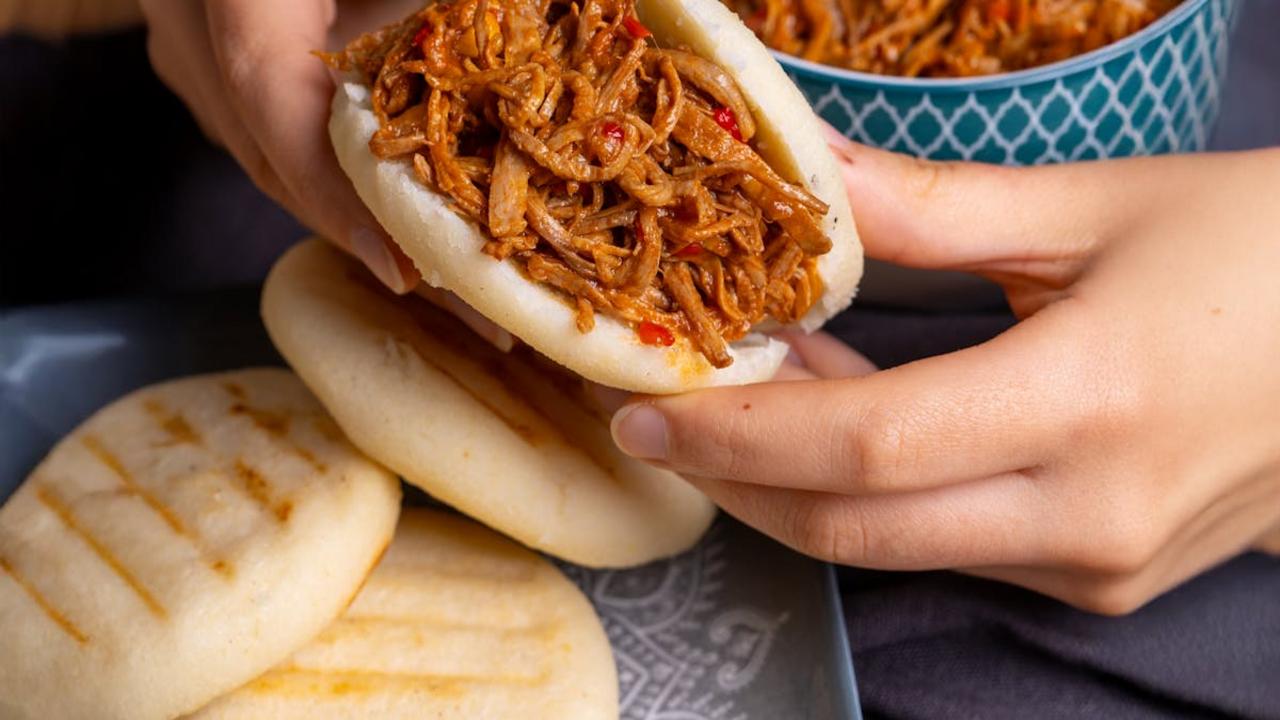
Picture this: you’re walking down a bustling Caracas street when the most incredible aroma hits you like a warm hug from your Venezuelan abuela. That, my friend, is the smell of fresh arepas sizzling on a plancha, and trust me, resistance is futile. These golden, corn-based pockets of joy have been fueling Venezuelans for centuries – archaeological evidence shows indigenous peoples were making similar flatbreads over 2,000 years ago! The magic happens when white corn flour (masarepa, not regular cornmeal – don’t even think about substituting) gets mixed with warm water and a pinch of salt, then shaped into perfect little discs that puff up beautifully when cooked.
What makes arepas absolutely genius is their split personality – crispy on the outside, fluffy and steamy on the inside, ready to be stuffed with whatever your heart desires. Venezuelans have turned arepa-filling into an art form with combinations like “Reina Pepiada” (shredded chicken with avocado and mayo, named after a Venezuelan beauty queen), or “Pabellón” (black beans, shredded beef, plantains, and cheese). The best part? You can make them at home! Just remember the golden rule: when you slice them open while they’re hot, they should steam like a tiny volcano. If they don’t puff up properly, you’ve got yourself some very expensive frisbees, and nobody wants that kind of breakfast disappointment.
Takoyaki – Japan
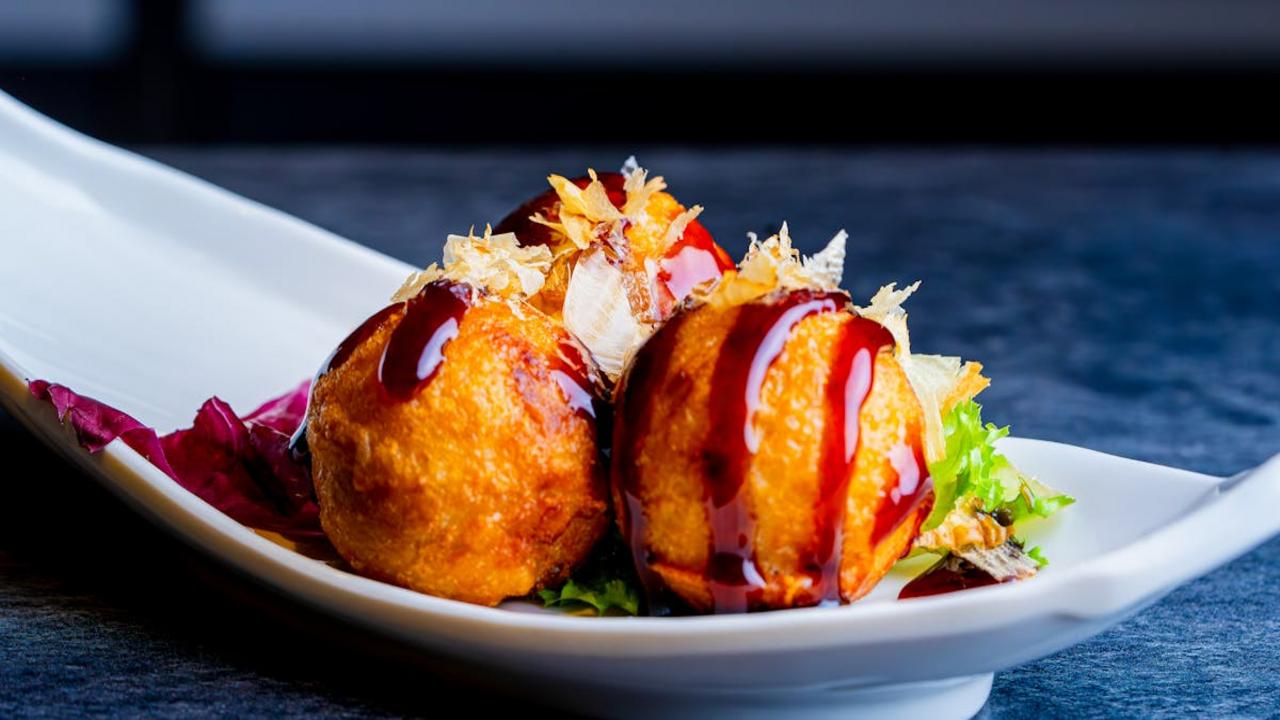
Picture this: you’re wandering through the neon-lit streets of Osaka when the most intoxicating aroma hits you – savory, smoky, and absolutely irresistible. That’s takoyaki calling your name, and trust me, resistance is futile. These golden orbs of pure joy are essentially octopus balls (yes, you read that right), but calling them that feels like calling the Mona Lisa “just a painting.” Each sphere contains tender chunks of tako (octopus) suspended in a creamy batter that’s been cooked to perfection in special molded pans. The magic happens when street vendors flip these babies with lightning speed using what look like knitting needles – it’s like watching a culinary ballet performed by ninjas.
What makes takoyaki absolutely addictive isn’t just the chewy octopus surprise in the center, but the symphony of toppings that crown each ball. We’re talking takoyaki sauce (imagine Worcestershire’s Japanese cousin), creamy mayo drizzled in artistic squiggles, and katsuobushi (bonito flakes) that dance like tiny sea creatures in the steam. Here’s a fun fact that’ll blow your mind: takoyaki was actually invented in the 1930s by a street vendor who wanted to create something unique for his neighborhood. Now it’s so beloved that Osaka has declared itself the takoyaki capital of the world, with over 650 takoyaki stands scattered throughout the city. Pro tip: let them cool for a hot minute unless you enjoy molten lava surprises burning your tongue!