12 Iconic American Foods Vanishing From Menus and Grocery Shelves
Remember those classic American dishes that grandma used to make? Well, they’re disappearing faster than a hot apple pie on a windowsill. From chicken fried steak to Waldorf salad, these comfort food staples once defined American dining but now face extinction in our kale-smoothie world.
The culinary landscape has shifted dramatically over the past decades. Dishes like liver and onions or creamed chipped beef on toast—once weekly dinner table heroes—now exist primarily in the foggy memories of older generations. Young Americans might not even recognize a proper Boston brown bread if it landed on their plate!
This food extinction isn’t just about changing tastes—it reflects our evolving culture, busier lifestyles, and health concerns. But something truly valuable vanishes when these traditional recipes fade away: a connection to our shared American food history. These twelve vanishing classics tell stories about regional identity, immigrant influences, and resourceful cooking that defined American kitchens for generations.
Waldorf Salad
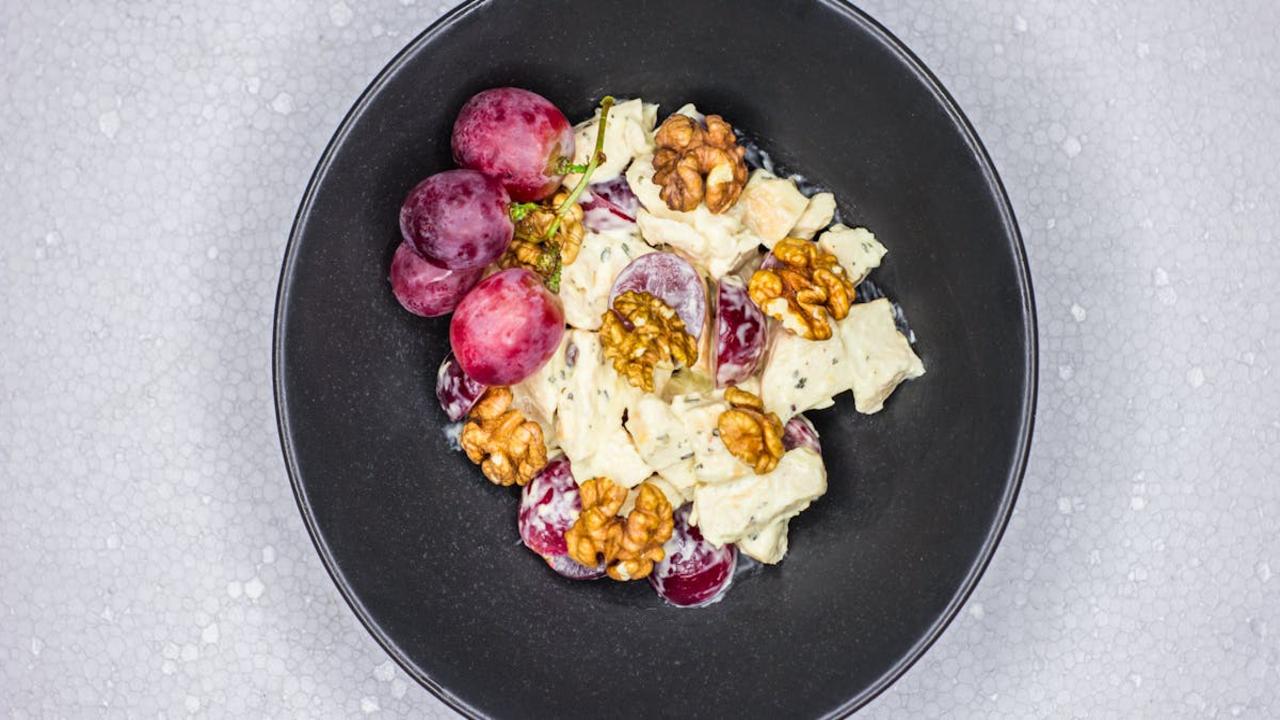
Remember when every fancy restaurant had a Waldorf salad on their menu, sitting there like the sophisticated cousin of regular lettuce-and-tomato affairs? This elegant mix of crisp apples, celery, walnuts, and grapes bound together with mayonnaise was once the height of dining refinement. Created at New York’s Waldorf Hotel in the 1890s, it started as just apples, celery, and mayo before someone brilliant decided to add walnuts and grapes to the party. The salad became so popular that hostesses across America served it at dinner parties, convinced they were channeling Fifth Avenue glamour right from their suburban dining rooms.
Today, you’ll be hard-pressed to find this classic on most menus, and even grocery store deli counters seem to have forgotten it exists. Modern diners apparently prefer their salads loaded with quinoa, kale, and other trendy superfoods rather than the simple charm of fruit and nuts dancing together in creamy dressing. The Waldorf’s downfall might be its association with stuffy country club lunches and bridge games, but honestly, there’s something wonderfully nostalgic about that sweet-savory crunch combo. If you want to bring back this disappearing classic, grab some Honeycrisp apples, throw in some toasted walnuts and red grapes, mix with good mayonnaise, and watch people’s faces light up with recognition – and maybe a little surprise that something so simple can taste so satisfying.
Green Bean Casserole
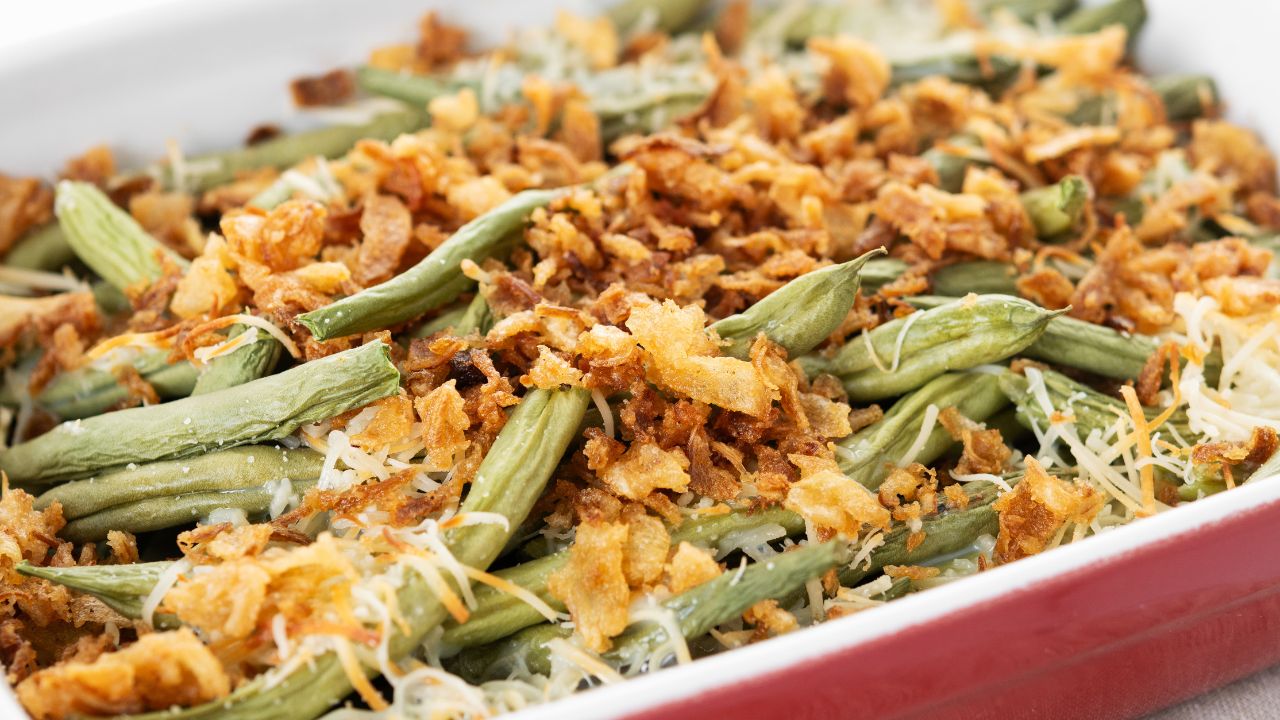
You know that green bean casserole your aunt brings to every Thanksgiving? The one with the canned green beans, cream of mushroom soup, and those crispy fried onions on top? Yeah, that beautiful disaster is slowly disappearing from American tables, and honestly, I’m having mixed feelings about it. Created in 1955 by Dorcas Reilly at the Campbell Soup Company test kitchen, this dish became the ultimate symbol of mid-century American convenience cooking. She literally threw together three ingredients and accidentally created a legend that would grace millions of holiday tables for decades.
But here’s the thing – younger generations are ditching this retro masterpiece faster than you can say “French’s French Fried Onions.” They want their vegetables roasted with fancy seasonings or transformed into Instagram-worthy Buddha bowls. I get it, fresh green beans taste infinitely better than their mushy canned cousins, but there’s something oddly comforting about that gooey, sodium-packed creation. If you’re feeling nostalgic and want to make the classic version, grab a bag of frozen green beans, a can of cream of mushroom soup, half a cup of milk, and those iconic crunchy onions. Mix everything except half the onions, bake at 350°F for 25 minutes, then top with remaining onions and bake five more minutes. Sometimes you need that processed comfort food hug, and there’s absolutely no shame in that game.
Boston Brown Bread
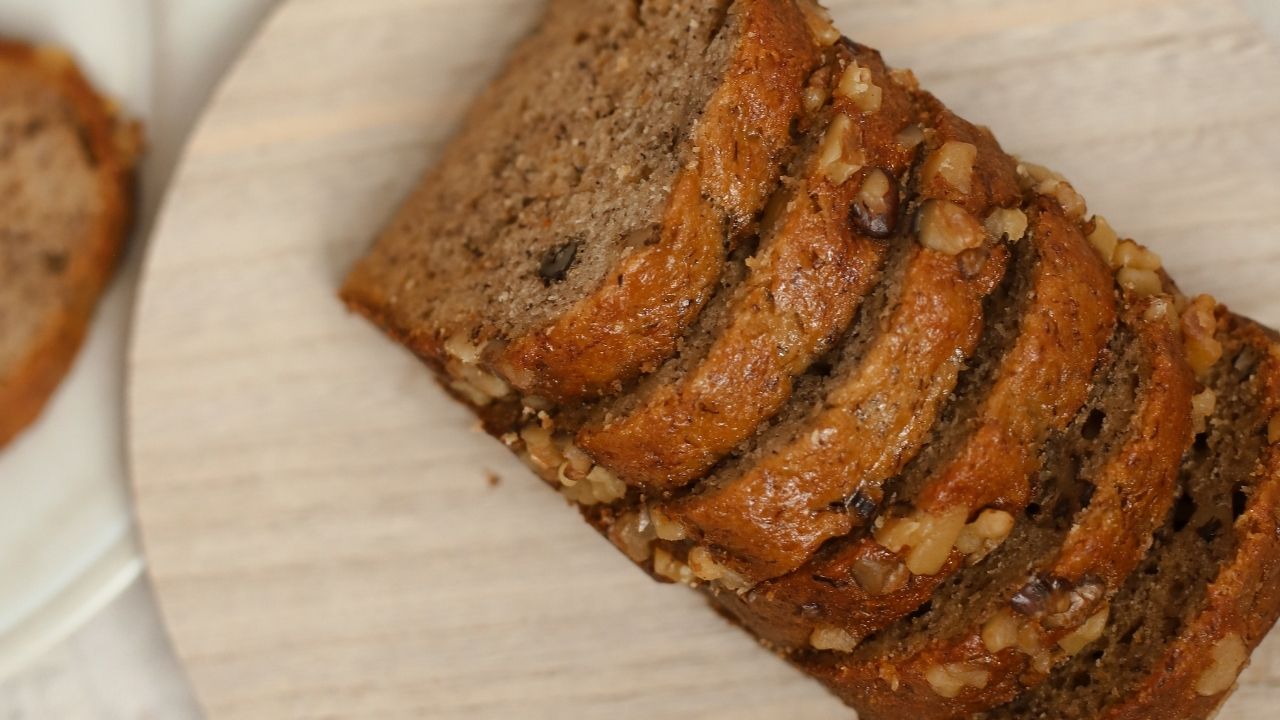
Boston brown bread stands as one of New England’s most peculiar contributions to American cuisine, and honestly, I can’t blame people for being confused by it. This dense, molasses-sweetened loaf gets steamed in a can rather than baked in an oven, creating something that looks more like a chocolate cake cylinder than traditional bread. The classic recipe combines cornmeal, rye flour, and wheat flour with buttermilk and molasses, then gets cooked for hours in a coffee can or special mold. You’ll traditionally find it paired with Boston baked beans on Saturday nights, because apparently New Englanders decided their weekend meals needed to be as hearty and brown as possible.
Finding authentic Boston brown bread has become increasingly difficult outside of specialty New England bakeries or the occasional grocery store deli section. Many younger Americans have never even heard of this steamed wonder, let alone tasted its unique dense texture and subtle sweetness. The bread requires patience and specific technique that modern commercial bakeries often skip in favor of quicker, more universally appealing options. If you want to experience this disappearing piece of American food history, your best bet involves either visiting a traditional New England restaurant or rolling up your sleeves to make it yourself – just remember to save an empty coffee can for the steaming process!
Stuffed Bell Peppers
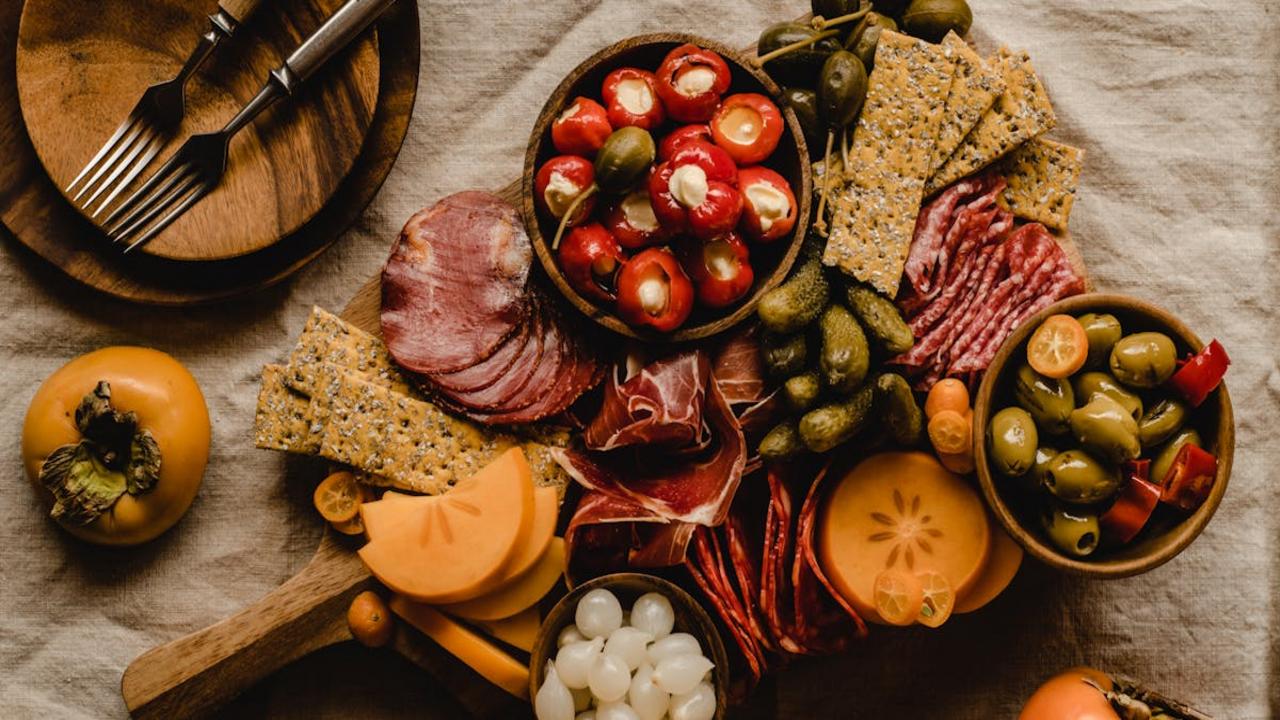
Your grandmother’s stuffed bell peppers were probably the size of small footballs, bursting with a hearty mixture of ground beef, rice, onions, and enough love to feed a small army. These colorful vegetable vessels once dominated American dinner tables like edible bowls of comfort, transforming humble ingredients into something that felt both fancy and familiar. The ritual was sacred: hollowing out those glossy peppers, creating the perfect mixture (everyone had their secret ingredient—was it Worcestershire sauce? A dash of paprika?), and watching them slowly soften in the oven while their tops turned golden brown.
Sadly, these edible time capsules have started disappearing faster than your uncle’s hair at a family reunion. Modern families cite the lengthy prep time and the fact that younger generations seem allergic to anything that takes longer than a microwave minute to prepare. Restaurant chains have practically abandoned them too, probably because stuffed peppers don’t photograph well for Instagram—they’re more “homey masterpiece” than “trendy food porn.” Yet something magical happens when you bite into a properly made stuffed pepper: the sweet pepper walls give way to that savory, steamy filling, creating a perfect bite that tastes like Sunday dinners and simpler times rolled into one glorious mouthful.
Ham Salad
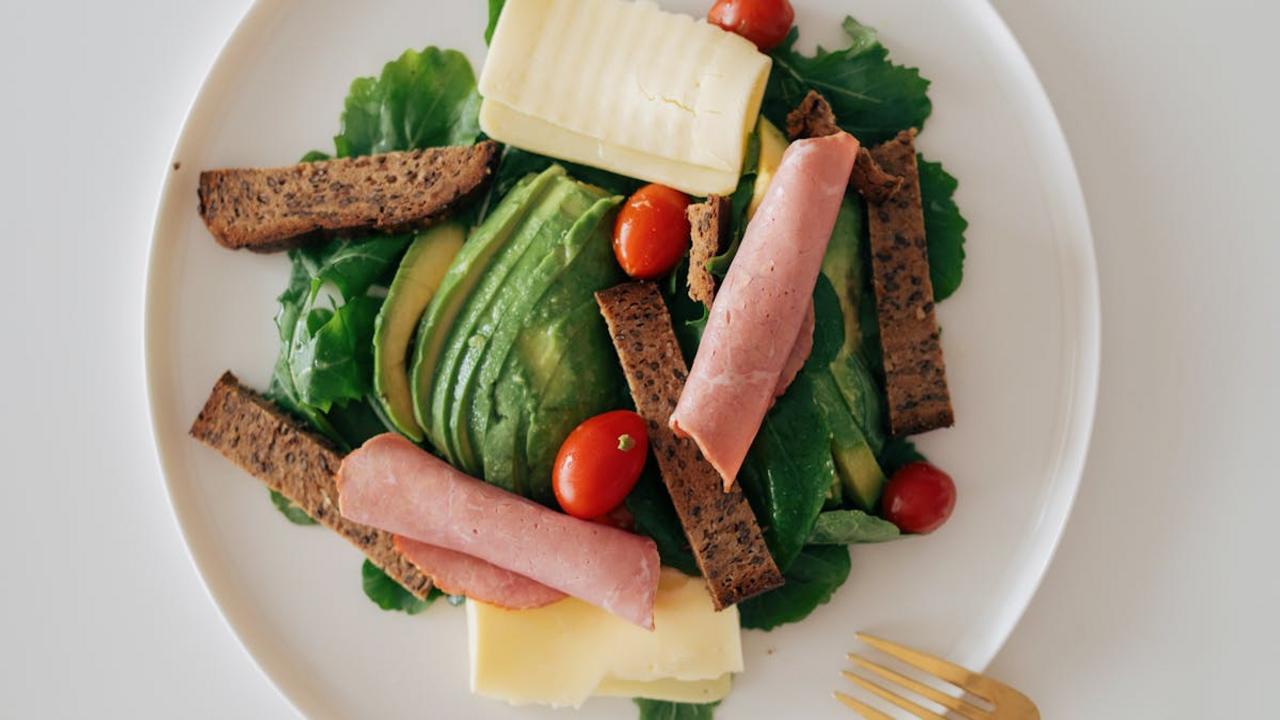
Ham salad occupies that peculiar space in American food history where convenience meets nostalgia, and honestly, it’s having a bit of an identity crisis these days. This chunky, mayo-laden concoction of diced ham, hard-boiled eggs, and whatever vegetables happened to be lurking in the refrigerator was once the star of church potlucks and deli counters across the nation. You’d find it nestled between the egg salad and tuna salad, looking slightly pink and oddly appetizing in that retro way that only mid-century American foods could manage. The beauty of ham salad lay in its simplicity – take leftover holiday ham, chop it up with some celery for crunch, bind it all together with mayonnaise, and voilà! You had yourself a sandwich filling that could feed a family or fill a dozen deviled eggs at the church social.
But here’s the thing about ham salad: it’s become the victim of our collective shift toward fresher, less processed foods, and frankly, Instagram doesn’t know what to do with it. Modern delis have largely abandoned this humble spread in favor of artisanal charcuterie and grass-fed this-and-that, leaving ham salad to gather dust in the recipe boxes of our grandmothers. The irony is that ham salad was actually ahead of its time in the sustainability department – it was the original nose-to-tail eating, transforming holiday ham scraps into something completely new and delicious. Sure, it might look a bit suspect to the uninitiated, with its chunky texture and that particular shade of pink that screams “1950s potluck,” but one bite of good ham salad on fresh bread will transport you straight back to a time when food didn’t need to be photogenic to be absolutely satisfying.
Pot Roast
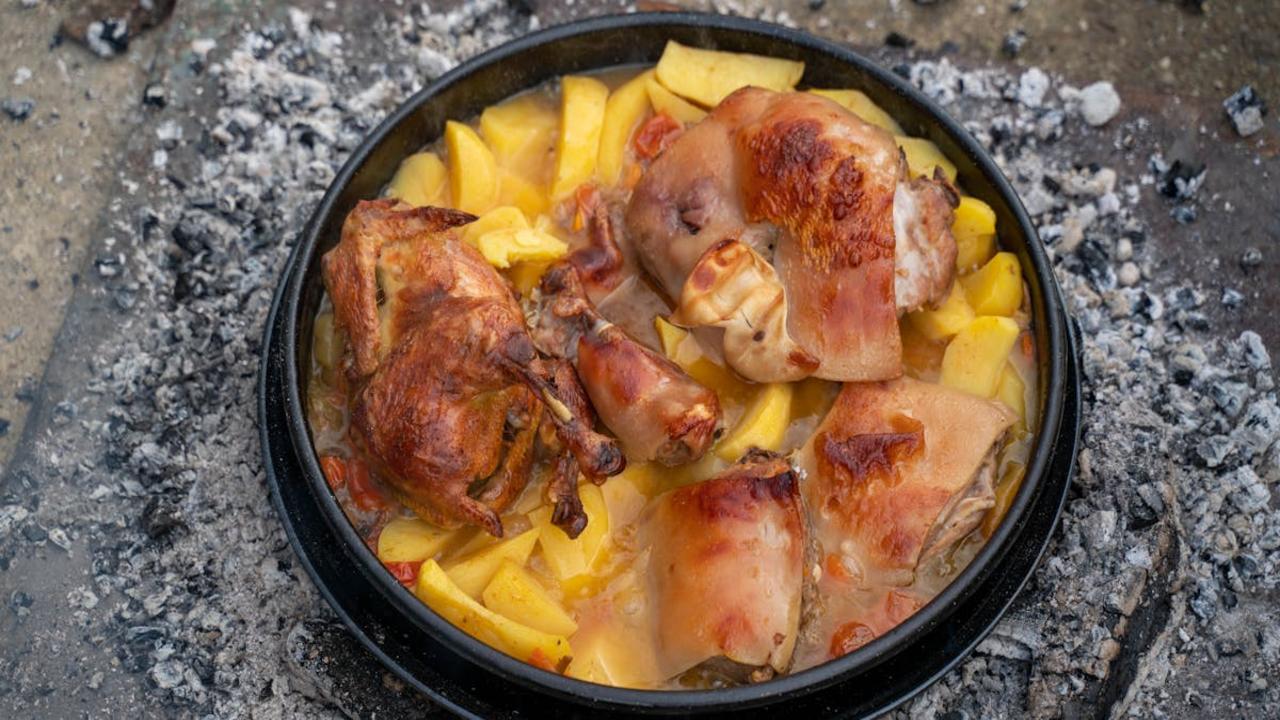
Sunday dinners used to revolve around one magnificent centerpiece: a fork-tender pot roast that could make grown men weep with joy. This slow-cooked masterpiece, braised for hours until it practically fell apart at the touch of a fork, once reigned supreme in American kitchens. Your grandmother probably had her secret technique – maybe she seared it first for that gorgeous caramelized crust, or perhaps she swore by adding a splash of red wine that made the whole house smell like heaven. The beauty of pot roast wasn’t just in its melt-in-your-mouth texture, but in how it transformed humble chuck roast into pure magic through patience and low, slow heat.
These days, finding a proper pot roast on restaurant menus feels like searching for a unicorn in a parking lot. Modern diners seem too impatient for anything that takes more than thirty minutes to prepare, and home cooks have largely abandoned this three-hour commitment for quicker weeknight solutions. The irony? While we’re all obsessing over expensive steaks and trendy short ribs, we’re ignoring this budget-friendly cut that delivers incredible flavor when treated right. Sure, you can still grab a chuck roast from the grocery store, but good luck finding anyone under forty who knows what to do with it beyond tossing it in a slow cooker with a packet of onion soup mix.
Tuna Noodle Casserole
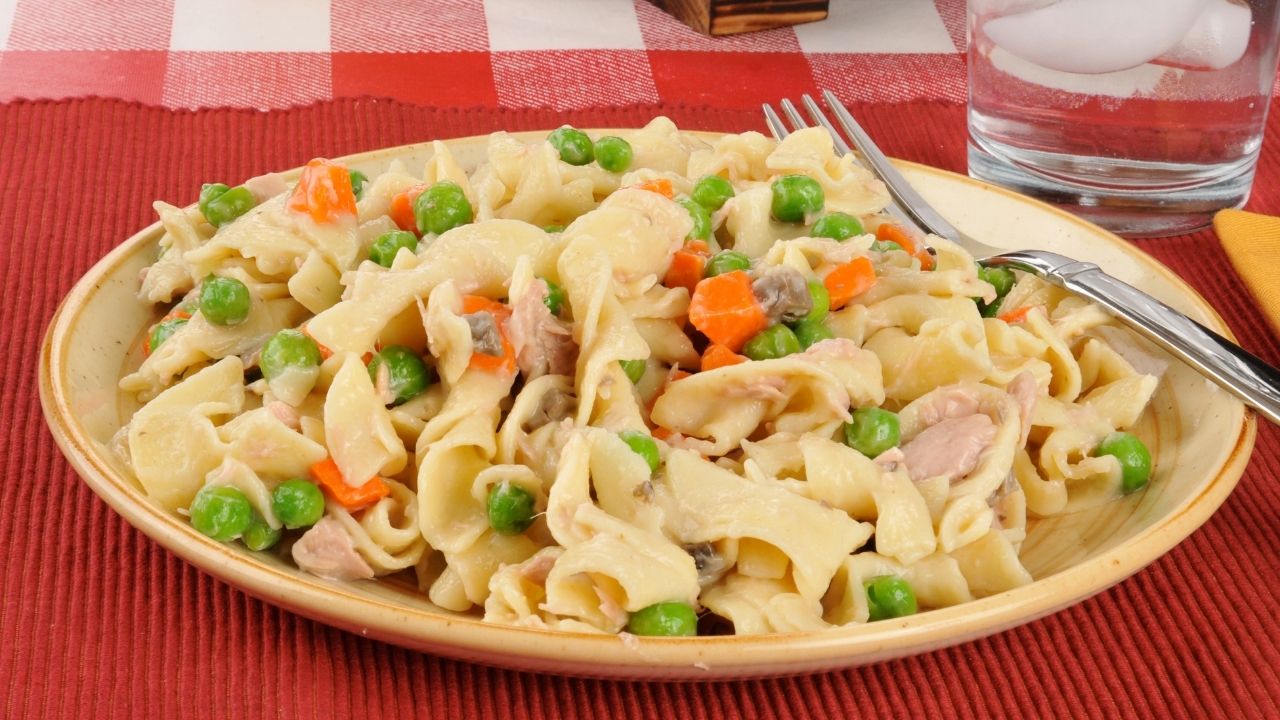
Remember when your mom could throw together a dinner that somehow tasted like a warm hug wrapped in crispy potato chip crumbs? That magical creation was tuna noodle casserole, and frankly, it’s becoming rarer than a unicorn at your local potluck. This wonderfully uncomplicated dish—featuring egg noodles, canned tuna, frozen peas, and that glorious cream-of-mushroom soup blanket—once ruled American dinner tables like a benevolent dictator. You’d find it bubbling away in every church basement, school cafeteria, and busy household across the country. The beauty lay in its democratic nature: fancy or frugal, everyone could make this dish work with whatever they had lurking in their pantry.
Nowadays, fresh tuna steaks and quinoa bowls have somehow convinced us that our beloved casserole is passé, but those food snobs clearly never experienced the pure joy of that first forkful where the noodles had absorbed just enough of that creamy sauce. The dish peaked in popularity during the 1950s when Campbell’s Soup Company practically handed out the recipe like party favors, and honestly, they knew what they were doing. Sure, you can still find it occasionally gracing the menu at retro diners or hiding in the freezer section, but most restaurants have banished it faster than you can say “molecular gastronomy.” If you want to experience this comfort food masterpiece, you’ll probably need to dust off that old recipe card and make it yourself—your taste buds will thank you for the nostalgic trip.
Meatloaf Sandwiches
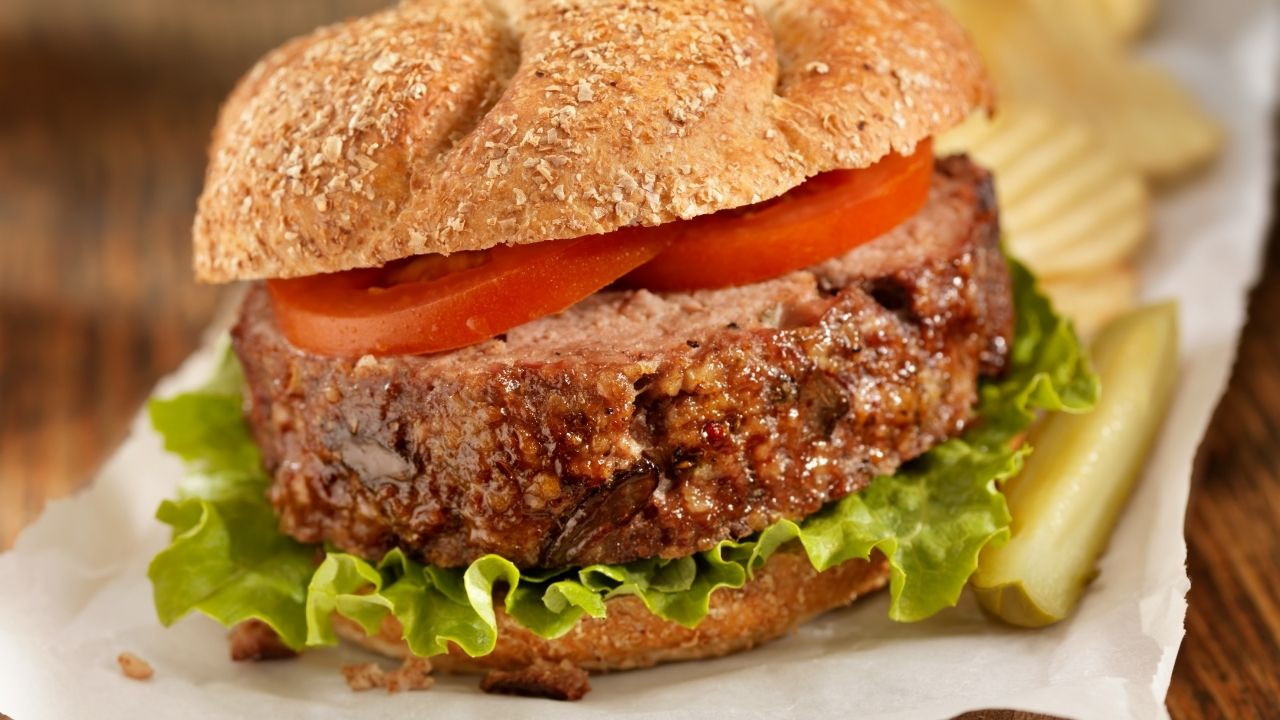
Remember when leftover meatloaf meant one thing: thick slabs of dense, savory goodness slapped between two pieces of white bread with a schmear of ketchup? Those glorious meatloaf sandwiches were the unsung heroes of American lunch boxes, transforming yesterday’s dinner into today’s portable masterpiece. Your grandmother probably packed them with the kind of casual confidence that only comes from knowing you’ve created pure comfort food magic. The beauty lay in their simplicity – no fancy condiments needed, just that perfect marriage of seasoned ground beef, breadcrumbs, and whatever secret ingredients made each family’s recipe special.
Nowadays, you’d be hard-pressed to find a meatloaf sandwich on any restaurant menu, and even home cooks seem to have forgotten this brilliant repurposing trick. Modern food culture has somehow convinced us that leftovers need Instagram-worthy transformations rather than honest, straightforward second acts. But here’s what we’re missing: a proper meatloaf sandwich, especially when the meat has had time to firm up overnight, creates textures and flavors that actually improve with time. The herbs meld deeper, the binding ingredients work their magic, and you get clean, satisfying slices that hold together perfectly. Next time you make meatloaf, double the recipe – your future sandwich-craving self will thank you.
Creamed Chipped Beef on Toast
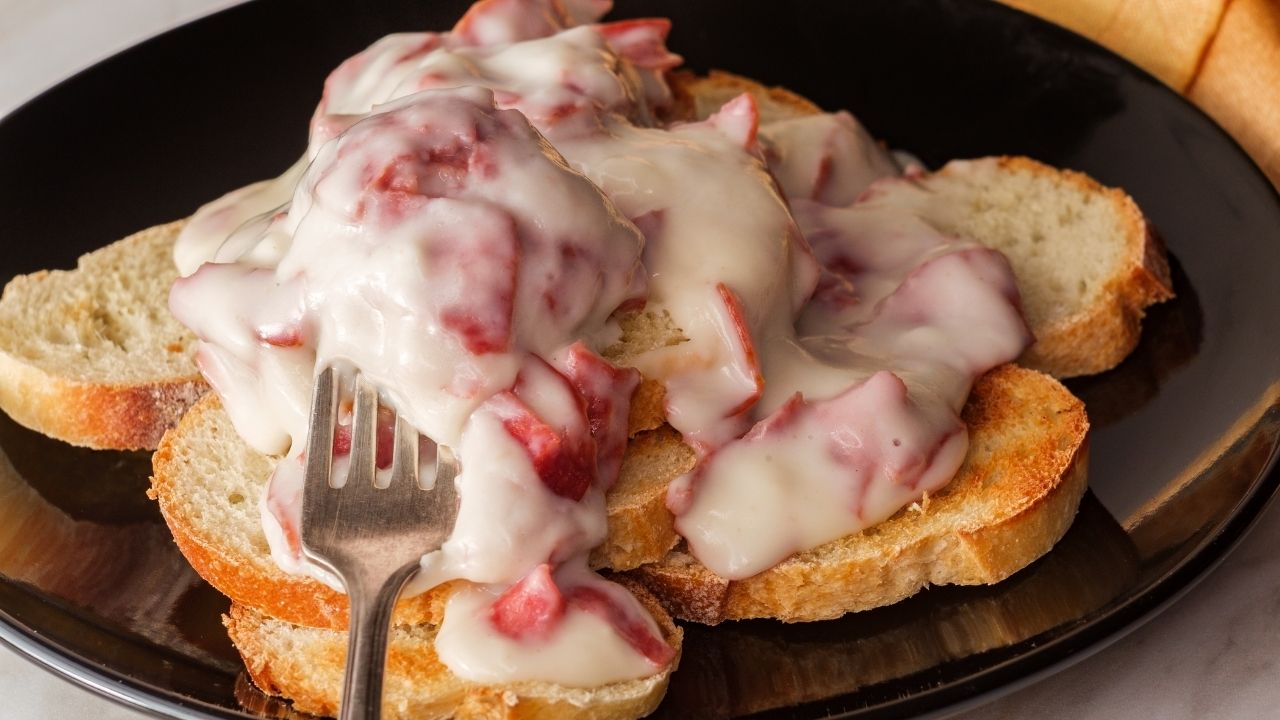
You know that moment when someone mentions “SOS” and your mind immediately jumps to distress signals? Well, honey, in the military world, those three letters stood for something entirely different—and decidedly more edible. “Shit on a Shingle,” as the troops lovingly called it, was the unofficial name for creamed chipped beef on toast, a dish that kept countless soldiers fed during World War II and beyond. This comfort food classic consisted of dried beef swimming in a thick, creamy white sauce ladled generously over buttered toast. The beef itself was paper-thin, salty as the ocean, and had been dried to the point where it could probably survive a nuclear winter right alongside the cockroaches.
Today, finding this retro masterpiece on restaurant menus feels like spotting a unicorn at your local Starbucks. The dish has practically vanished from American dining, relegated to the occasional diner that still remembers when Eisenhower was president. Part of the problem? Modern diners have developed more sophisticated palates than our Depression-era ancestors, and let’s be honest—creamed anything on toast doesn’t exactly scream Instagram-worthy these days. But here’s what you’re missing: when done right, this humble meal delivers serious comfort food vibes. The salty beef plays perfectly against the rich, velvety sauce, and that crispy toast provides just enough texture to keep things interesting. If you’re feeling adventurous, grab some dried beef from the deli counter, whip up a basic white sauce with butter, flour, and milk, and transport yourself back to simpler times when food didn’t need to be photogenic to be satisfying.
Liver and Onions
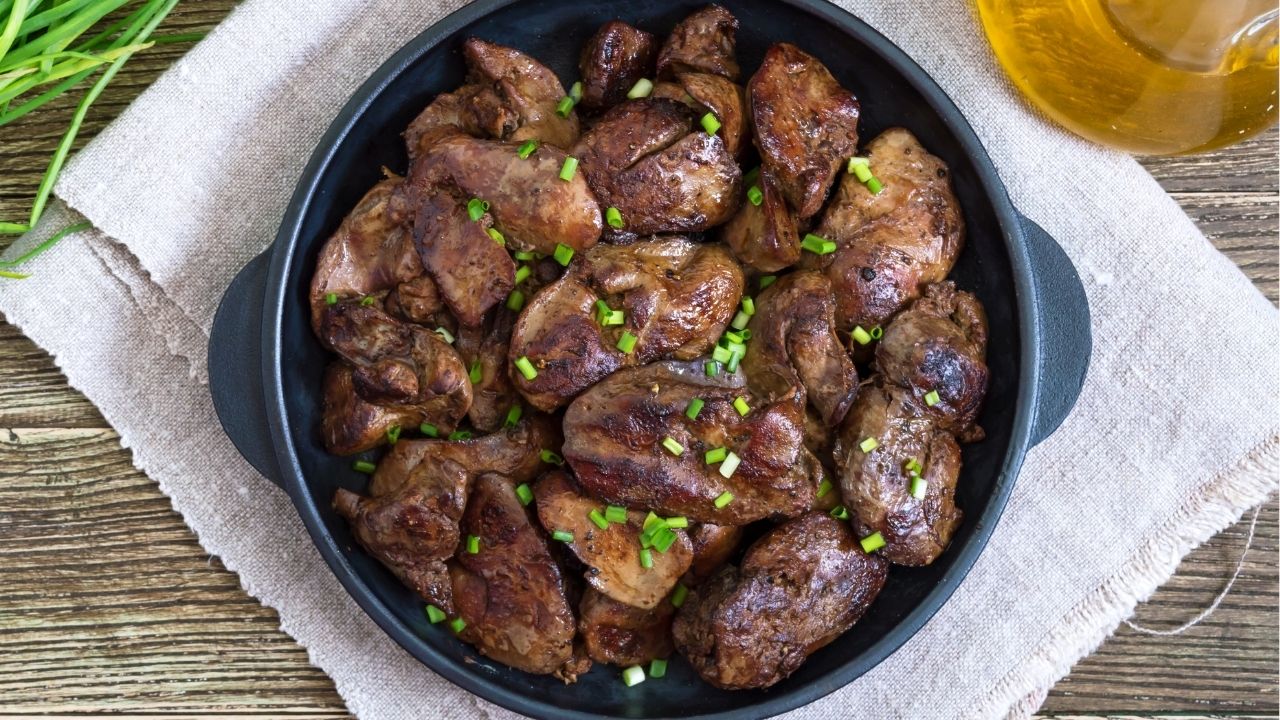
Once upon a time, liver and onions ruled American dinner tables like a slightly intimidating monarch that nobody dared question. Your grandmother probably served it every Tuesday, and you probably pushed it around your plate while plotting your escape to McDonald’s. This iron-rich powerhouse was the ultimate “eat your vegetables” meal, except it wasn’t even vegetables – it was organ meat disguised as discipline. The dish peaked in the 1950s when home cooks knew exactly how to transform this nutritional goldmine into something that didn’t taste like a biology experiment gone wrong.
But here’s the thing about liver and onions – when done right, it’s actually spectacular. The secret lies in soaking the liver in milk beforehand to draw out that metallic tang, then searing it quickly so it stays tender instead of turning into shoe leather. Unfortunately, most restaurants today wouldn’t touch liver with a ten-foot spatula because younger diners run screaming at the mere mention of organ meat. You’ll still find it hiding on a few old-school diner menus, usually ordered by folks over 70 who remember when eating nose-to-tail wasn’t trendy – it was just Tuesday night dinner.
Beef Tongue
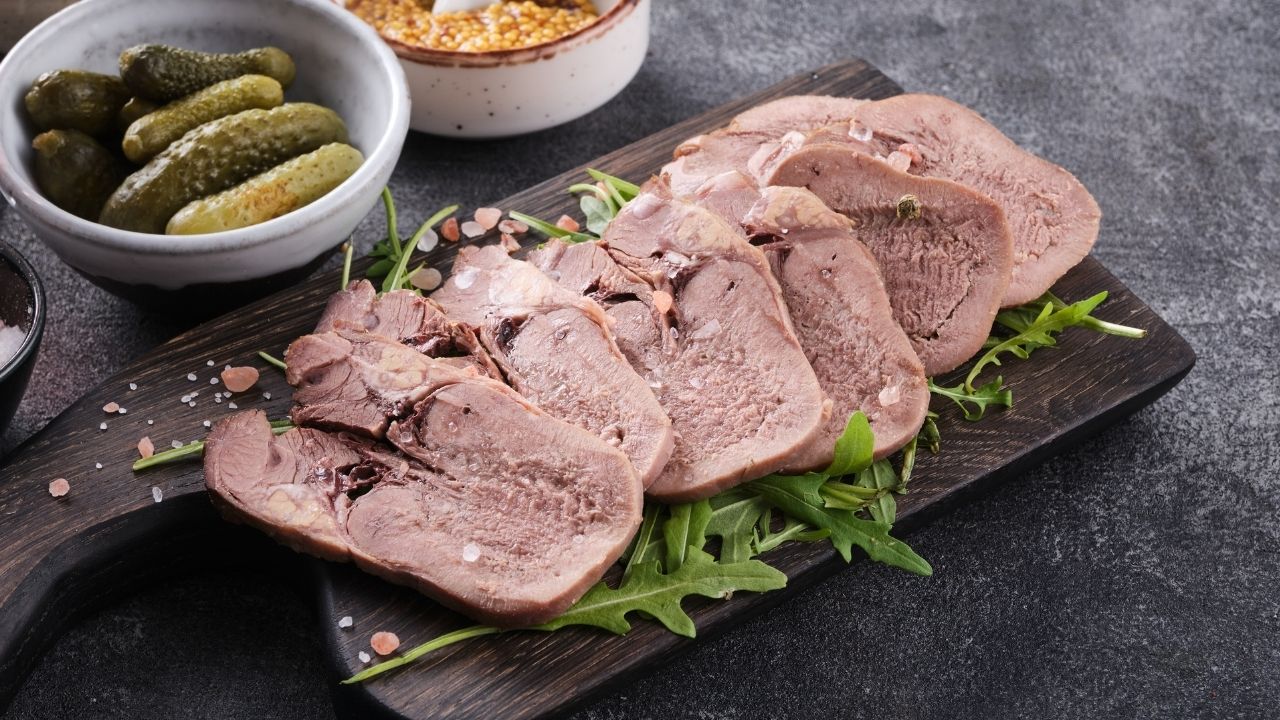
Remember when ordering beef tongue at your local deli didn’t raise eyebrows? This silky, incredibly flavorful cut once graced dinner tables across America, from Jewish delis in New York to Mexican taquerias in Los Angeles. Your grandmother probably knew exactly how to braise it until fork-tender, transforming what many now consider an “adventurous” protein into pure comfort food magic. The tongue’s smooth texture and rich, almost buttery flavor made it a prized ingredient in everything from classic Reuben sandwiches to hearty stews that could feed a family for days.
These days, finding beef tongue feels like hunting for buried treasure. Most grocery stores won’t even special-order it, and the few restaurants still serving lengua charge premium prices for what was once an affordable weeknight dinner. You’ll have better luck finding unicorn steaks! The irony? While Americans shy away from this perfectly delicious organ meat, the rest of the world celebrates it as a delicacy. Mexican street vendors still know the secret – slow-cook that tongue with onions and spices until it practically melts off the bone, then stuff it into warm tortillas with cilantro and lime. Pure genius wrapped in a corn tortilla.
Chicken Fried Steak
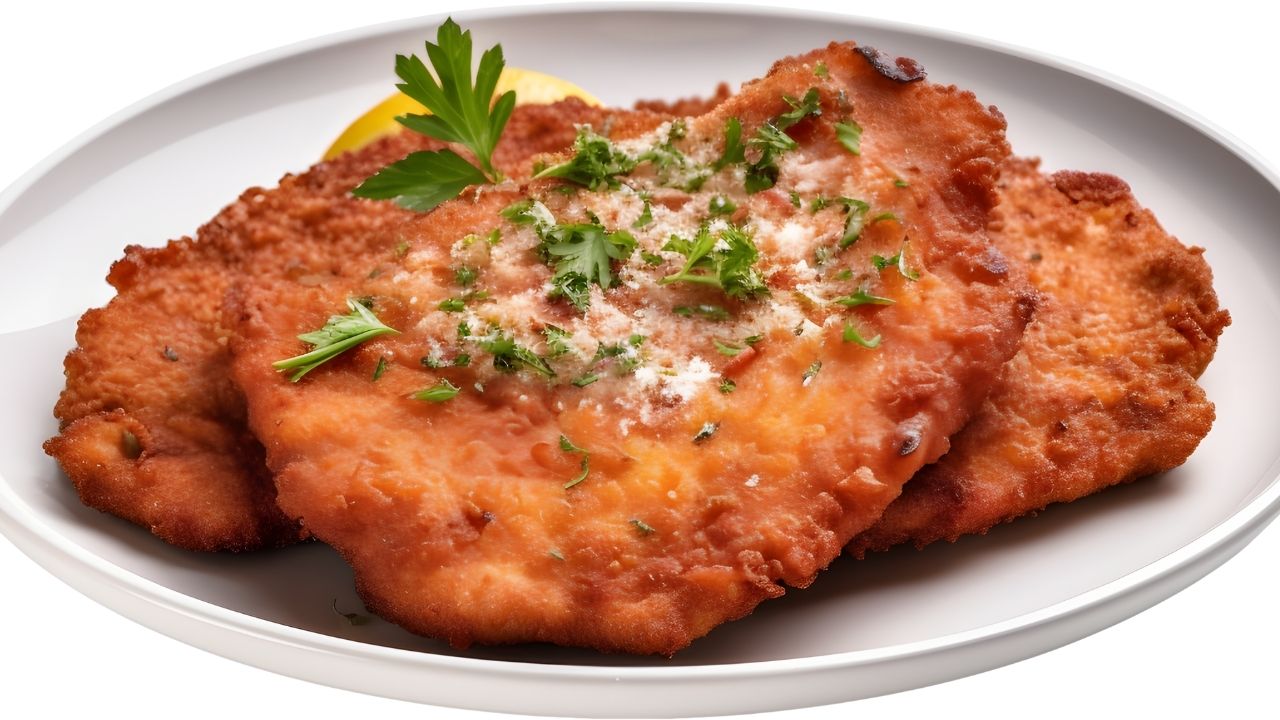
Picture this: a piece of cube steak gets the full Southern spa treatment—pounded tender, dunked in buttermilk, rolled in seasoned flour, and fried until it’s golden and crispy enough to make angels weep. Then comes the pièce de résistance: a blanket of creamy white pepper gravy so thick you could practically use it as mortar. This isn’t just dinner; it’s edible architecture that built the backbone of American comfort food. Born from German schnitzel traditions but raised on pure Texas swagger, chicken fried steak became the unofficial anthem of truck stops, diners, and Sunday suppers across the heartland.
But here’s the tragic plot twist: this crispy monument to indulgence is slowly disappearing from menus faster than gravy soaks into a biscuit. Modern restaurants shy away from the labor-intensive process of hand-breading and frying each steak to order, while health-conscious diners flee from anything that requires its own gravitational field. The irony? This “chicken” dish contains zero poultry—it’s called chicken fried because it’s prepared like fried chicken, not because any birds were involved in the making of this masterpiece. Finding authentic chicken fried steak today often requires a pilgrimage to small-town cafés where the waitresses still call you “hon” and the gravy flows like liquid gold.