14 Bible Foods That Belong on Your Table Today
Ancient wisdom meets modern nutrition in the most beautiful way through Biblical foods. These time-tested ingredients have nourished communities for thousands of years, and science now confirms what our ancestors knew instinctively—they’re powerhouses of health benefits.
From antioxidant-rich pomegranates to protein-packed lentils, these fourteen foods offer incredible versatility for your kitchen. You can transform simple barley into hearty soups, turn fresh figs into elegant desserts, or create Mediterranean-inspired dishes with olives and garlic.
What makes these foods truly special is their accessibility and adaptability. Whether you’re meal prepping with almonds and honey or adding pistachios to your favorite salad, these ingredients fit seamlessly into any cooking style. Your pantry becomes a bridge between ancient traditions and contemporary healthy living.
Leeks
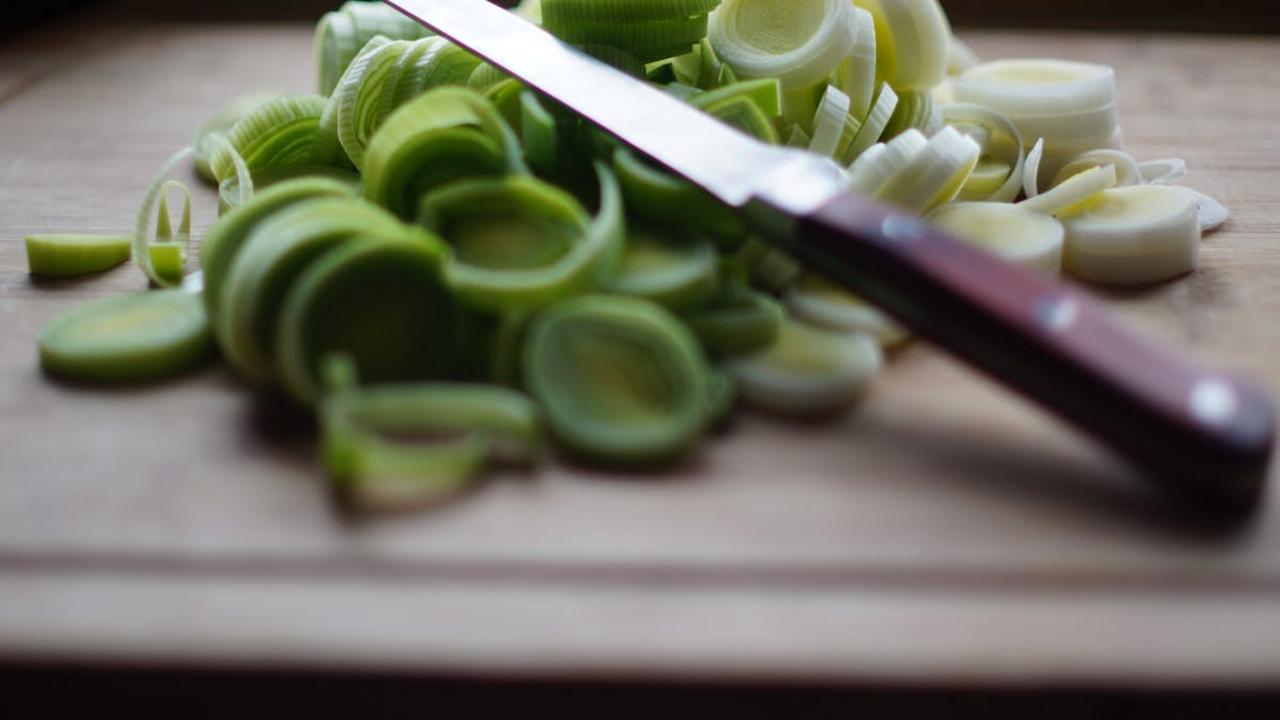
You know those gorgeous green and white stalks that look like giant scallions? Those are leeks, and they’ve been gracing dinner tables since biblical times! Numbers 11:5 mentions how the Israelites longed for the leeks they enjoyed back in Egypt, and honestly, I totally get it. These mild, sweet members of the onion family bring such a sophisticated flavor to everything they touch. Unlike their pungent cousins, leeks offer a gentle, almost buttery taste that makes them perfect for both beginners and seasoned cooks who want something more refined than regular onions.
I love how versatile leeks are in the kitchen – you can sauté them as a base for soups, roast them alongside other vegetables, or even grill them for a smoky twist. The white and light green parts are your main players, while those tough dark green tops make incredible stock (never throw them away!). Just remember to slice them lengthwise and rinse thoroughly between the layers – leeks are notorious for hiding dirt between their leaves. Try adding them to your next potato soup or pasta dish, and you’ll discover why these biblical beauties have stood the test of time.
Mustard

You know that tiny mustard seed Jesus talked about in his parables? Well, those little powerhouses pack way more punch than their size suggests! Mustard seeds were a staple in biblical times, and honestly, they deserve a permanent spot in your modern pantry too. These seeds come in yellow, brown, and black varieties, each bringing its own personality to your cooking. Yellow mustard seeds offer a mild, tangy flavor that’s perfect for pickling spices and homemade mustard, while brown and black seeds bring serious heat and complexity to your dishes.
I love how versatile mustard seeds are in the kitchen – you can toast them whole to release their nutty aroma, grind them into fresh mustard paste, or add them to marinades for an instant flavor boost. Try tossing a teaspoon of yellow mustard seeds into your next batch of roasted vegetables or pickle brine. The health benefits are impressive too: these seeds contain selenium, magnesium, and omega-3 fatty acids that support heart health and reduce inflammation. Plus, making your own mustard at home takes just minutes and tastes infinitely better than store-bought versions. Trust me, once you start cooking with whole mustard seeds, you’ll wonder how you lived without them!
Cucumbers
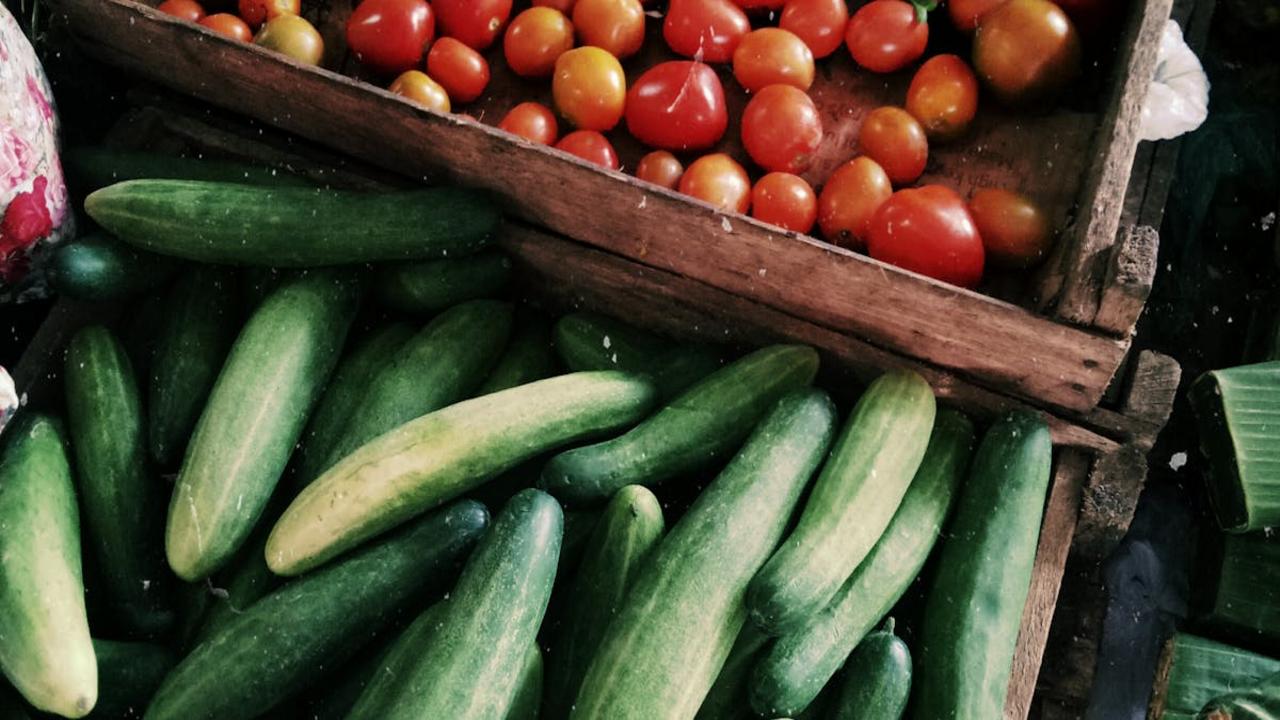
You know what I absolutely love about cucumbers? They’re mentioned in the Bible as one of the foods the Israelites missed during their time in the wilderness, and honestly, I totally get why! These crisp, refreshing vegetables were a staple in ancient Egypt and the Mediterranean, and they’re just as wonderful on our tables today. I always keep a few cucumbers in my fridge because they’re incredibly versatile and bring such a clean, cooling element to any meal.
Beyond their satisfying crunch, cucumbers pack some serious nutritional benefits that make them perfect for your daily routine. They’re about 96% water, which makes them fantastic for staying hydrated, especially during hot summer days. Plus, they contain vitamin K for bone health, potassium for heart function, and antioxidants that support your immune system. I love slicing them into my salads, making refreshing cucumber water, or even adding them to smoothies for extra hydration. Try pickling them with herbs from your garden, or simply enjoy them with a sprinkle of sea salt and a squeeze of lemon – sometimes the simplest preparations are the most satisfying!
Onions
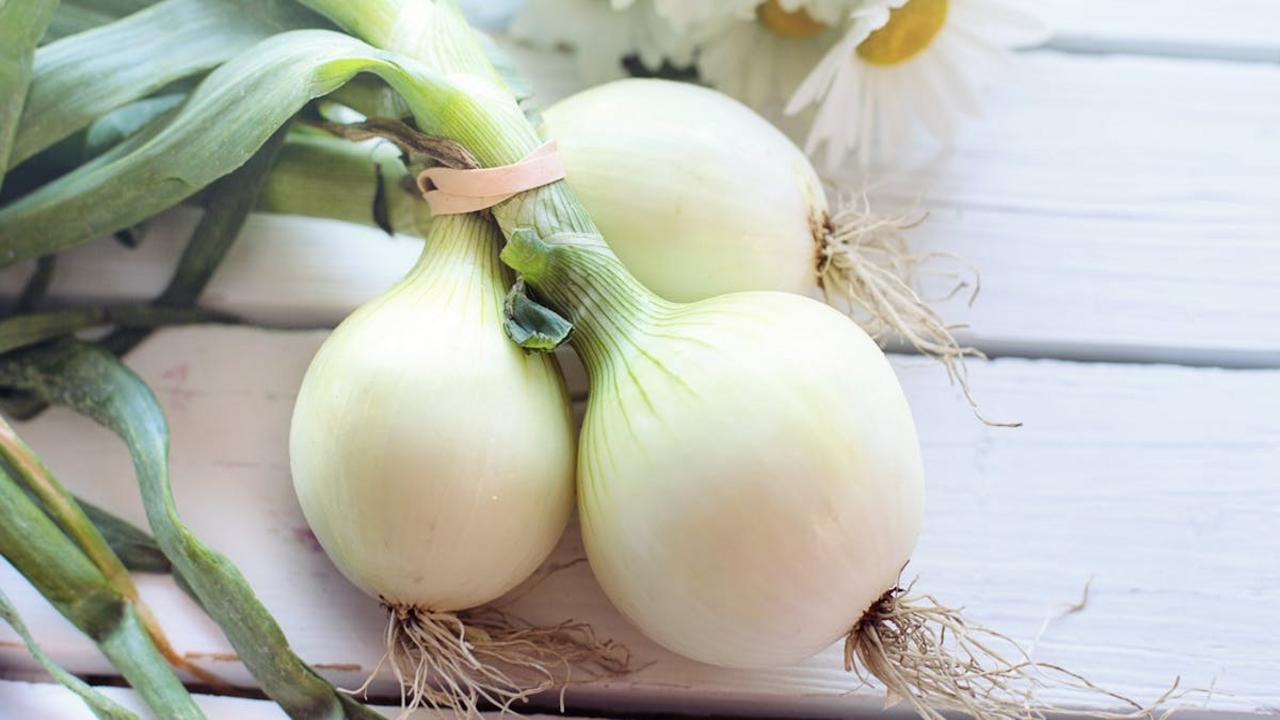
Onions show up throughout biblical texts, from the Israelites longing for them during their wilderness journey to their widespread use in ancient Mediterranean cooking. These pungent bulbs weren’t just flavor enhancers back then – they represented sustenance and comfort food that people genuinely missed when times got tough. You can almost picture families gathering around meals where onions provided that foundational layer of taste that made simple dishes feel complete and satisfying.
Today’s kitchen benefits tremendously from keeping onions on hand because they transform ordinary ingredients into something special. Whether you’re caramelizing them slowly for French onion soup, dicing them fresh for salsa, or roasting them alongside root vegetables, onions bring depth and sweetness that few other ingredients can match. Their natural sulfur compounds not only create those happy tears when you chop them but also provide anti-inflammatory benefits for your body. Stock yellow onions for everyday cooking, red ones for fresh applications, and sweet varieties when you want that extra touch of mildness in your favorite recipes.
Almonds
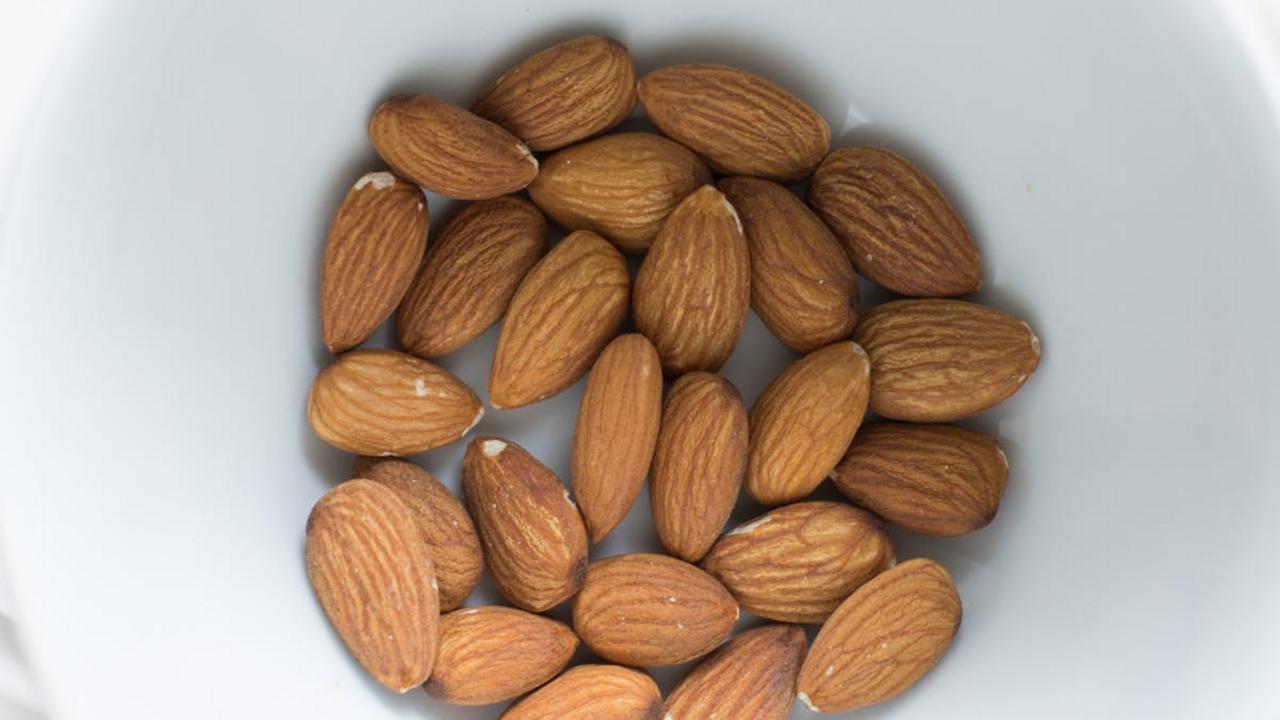
You know what’s amazing about almonds? These little powerhouses show up all throughout biblical texts, from Aaron’s rod that budded with almond blossoms to the beautiful imagery in Ecclesiastes. But beyond their spiritual significance, almonds pack serious nutritional punch that makes them perfect for your modern kitchen. I love how they bring this wonderful crunch and subtle sweetness to both sweet and savory dishes – plus they’re loaded with healthy fats, protein, and vitamin E that your body absolutely craves.
What gets me excited about cooking with almonds is their incredible versatility. You can toss whole almonds into your morning oatmeal, blend them into creamy almond butter for sandwiches, or grind them into flour for gluten-free baking adventures. I particularly enjoy making my own almond milk – it’s so much fresher than store-bought versions and you control exactly what goes into it. Try roasting them with a sprinkle of sea salt and rosemary for an elegant snack, or chop them up to add texture to your favorite salads. Trust me, once you start incorporating these biblical gems into your daily meals, you’ll wonder how you ever cooked without them.
Pistachios
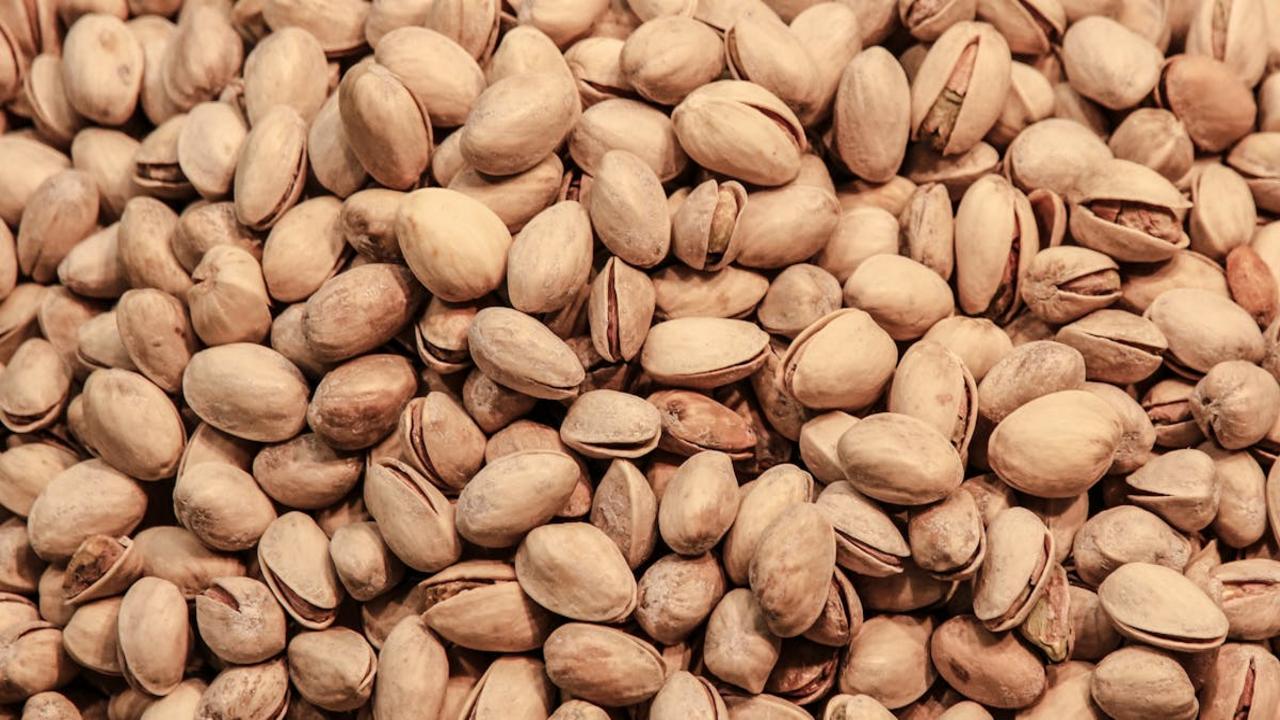
These little green gems pack a serious nutritional punch that makes them perfect for your modern kitchen! Pistachios show up in biblical texts as symbols of prosperity and abundance, and honestly, they deserve that reputation. I love how these nuts bring both protein and healthy fats to your plate – they’re like nature’s perfect snack wrapped in their own convenient shells. You can toss them into your morning yogurt, sprinkle them over salads, or just grab a handful when you need an energy boost. The magnesium and potassium they contain help support your heart health, while the fiber keeps you feeling satisfied longer than most other snacks.
What I find amazing about pistachios is how versatile they become in your cooking adventures. You can blend them into creamy pestos that rival any basil version, grind them into flour for gluten-free baking, or chop them up to create the most gorgeous crust for fish or chicken. Their natural saltiness means you don’t need to add much seasoning, and their vibrant color makes every dish look restaurant-worthy. Try roasting them with a touch of honey and rosemary for an appetizer that’ll have your guests asking for the recipe, or fold chopped pistachios into your next batch of homemade ice cream for an unexpected twist that brings pure joy to every spoonful.
Garlic
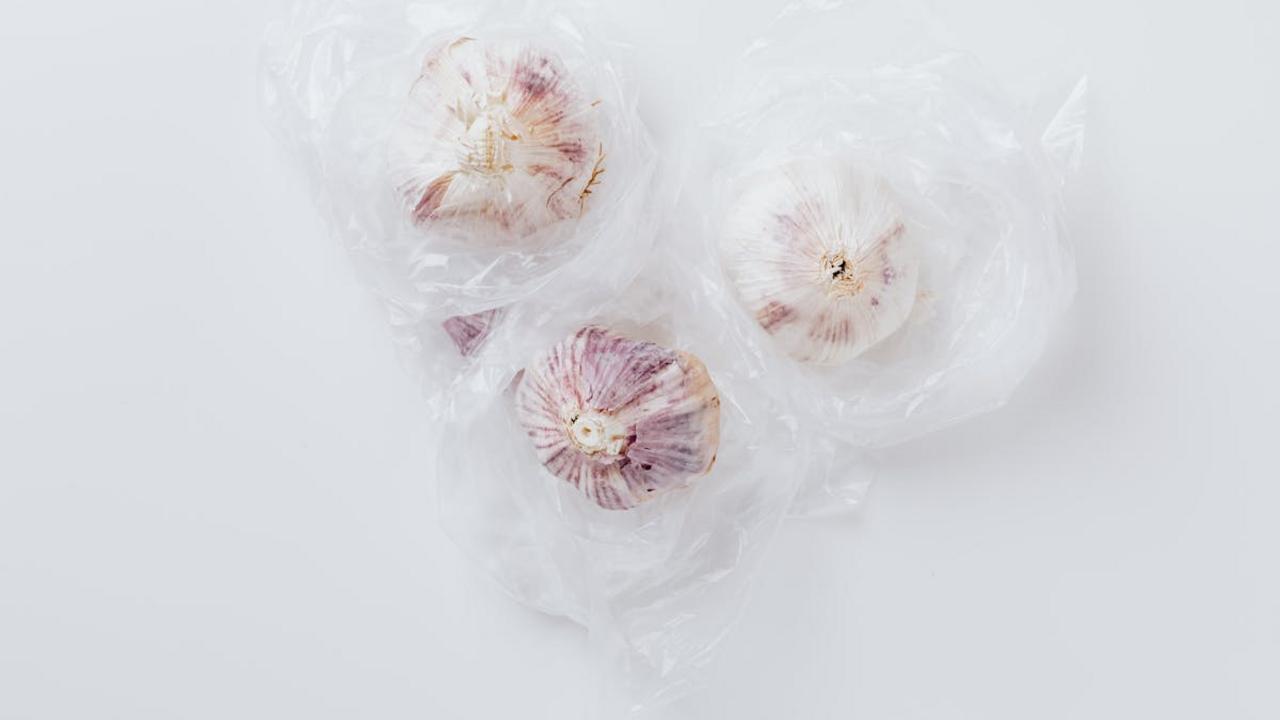
You know that amazing aroma that fills your kitchen when you sauté garlic? That’s your cue that something incredible is about to happen! This biblical powerhouse has been flavoring meals and supporting health for thousands of years, and honestly, I can’t imagine cooking without it. From the ancient Israelites who likely used garlic in their daily cooking to modern kitchens worldwide, this humble bulb transforms ordinary dishes into something memorable. Whether you’re roasting whole cloves until they become sweet and creamy or mincing fresh garlic for a quick stir-fry, you’re connecting with a food tradition that spans millennia.
Beyond its incredible flavor, garlic packs serious nutritional benefits that make it worth celebrating. Rich in allicin, selenium, and vitamin C, garlic naturally supports your immune system and heart health. I love how versatile it is – you can pickle it, roast it whole, blend it into compound butter, or simply crush it into your favorite marinades. Fresh garlic gives you that sharp, pungent kick, while roasted garlic becomes mellow and almost nutty. Try keeping pre-minced garlic in olive oil in your fridge for quick weeknight cooking, or plant your own garlic cloves in fall for next summer’s harvest. Your taste buds and your body will thank you!
Honey

You know that golden jar sitting in your pantry? It’s been sweetening lives for thousands of years, and honey holds a special place throughout biblical times as nature’s perfect sweetener. From the Promised Land flowing with “milk and honey” to John the Baptist sustaining himself on honey and locusts in the wilderness, this liquid gold appears repeatedly in scripture as both nourishment and symbol of abundance. What makes honey so remarkable isn’t just its incredible flavor – it’s packed with antioxidants, enzymes, and minerals that support your immune system and provide natural energy without the crash you get from refined sugar.
I love drizzling raw honey over Greek yogurt with fresh berries for breakfast, or stirring it into warm tea when I need comfort on a chilly evening. You can swap honey for sugar in most baking recipes (just reduce other liquids slightly), and it adds depth to marinades and salad dressings that regular sweeteners simply can’t match. Look for local, raw honey when possible – it retains more beneficial compounds and often helps with seasonal allergies. Whether you’re making homemade granola, glazing roasted vegetables, or simply enjoying it on warm biscuits, honey transforms ordinary meals into something truly special while connecting you to one of humanity’s oldest and most treasured foods.
Grapes
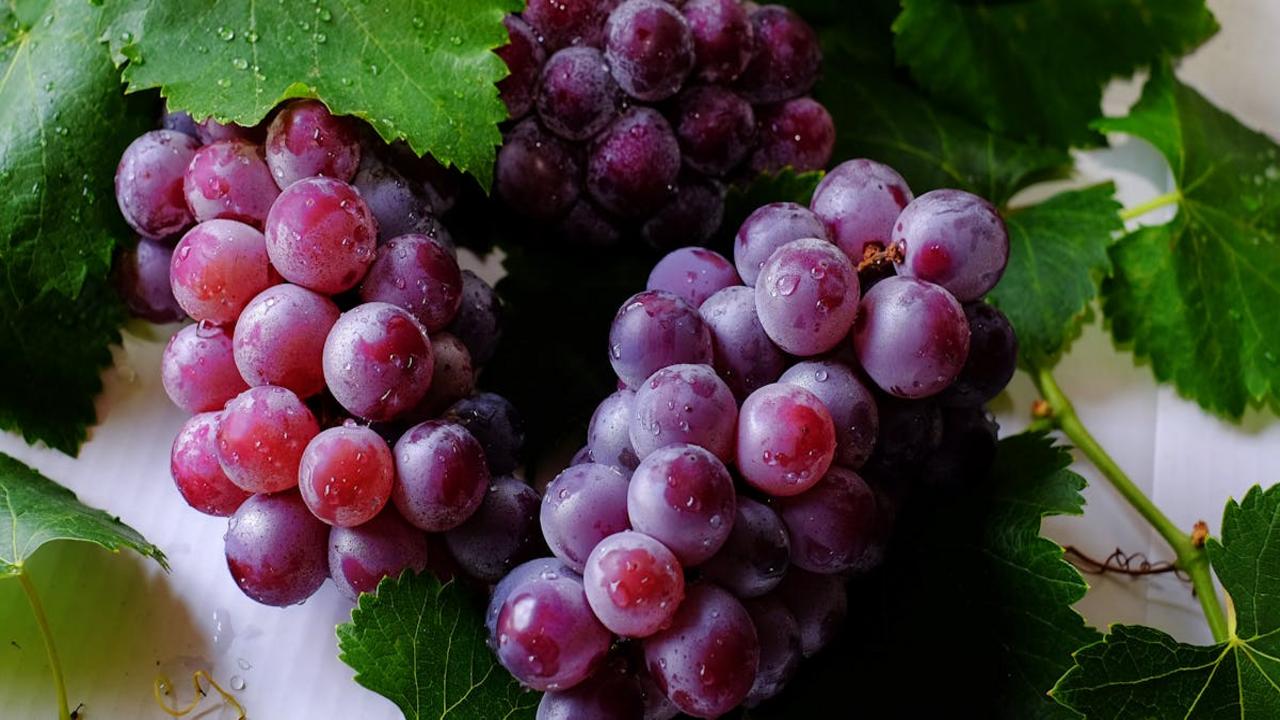
You probably have grapes sitting in your fridge right now, but did you know these little purple and green gems appear throughout biblical stories as symbols of abundance and divine blessing? From Noah’s vineyard after the flood to Jesus turning water into wine, grapes have been nourishing people for thousands of years. These sweet, juicy fruits pack an incredible nutritional punch that makes them perfect for your modern table. Rich in antioxidants like resveratrol, grapes help protect your heart and brain while delivering vitamin C to boost your immune system.
Fresh grapes make the perfect grab-and-go snack, but don’t stop there! Toss them into your morning yogurt bowl, add them to chicken salad for a burst of sweetness, or roast them with vegetables for a caramelized treat that will surprise your dinner guests. Freeze them for a refreshing summer snack that feels like nature’s candy, or slice them into your cheese board for an elegant touch. Whether you choose red, green, or purple varieties, you’re bringing biblical wisdom right into your kitchen while treating your body to one of nature’s most delicious superfoods.
Barley
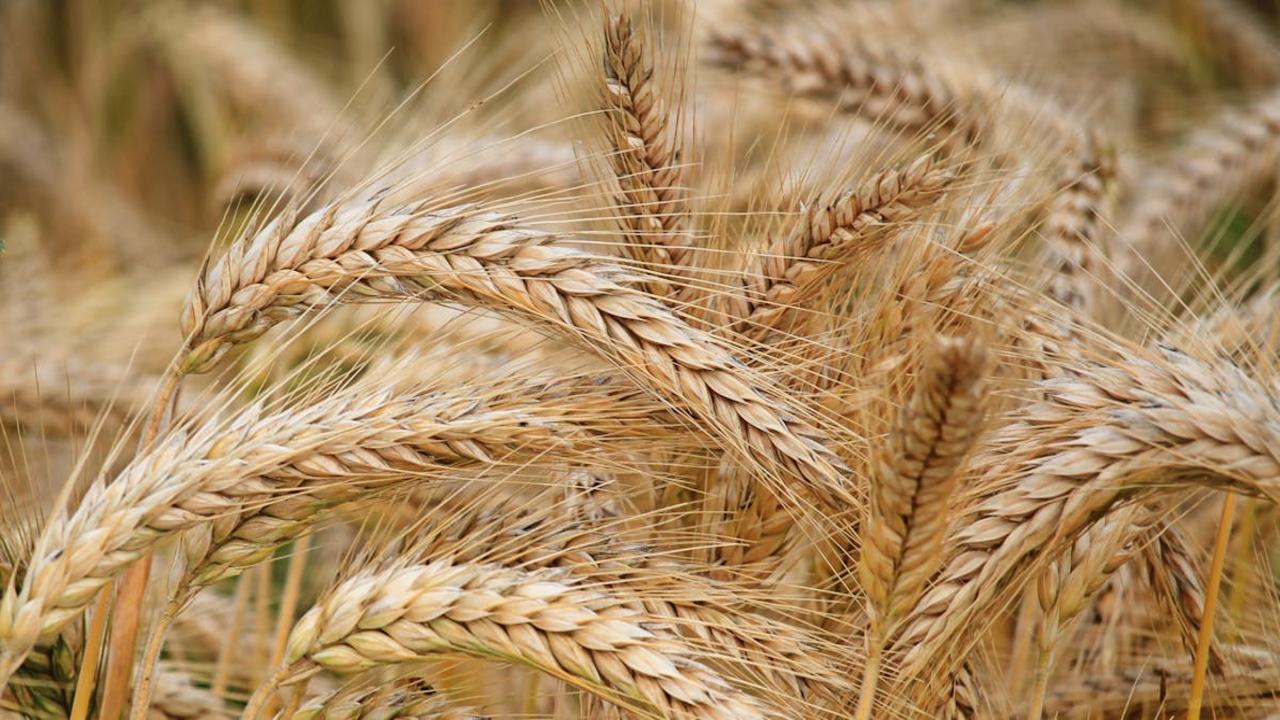
Barley stands as one of the most ancient grains mentioned throughout biblical texts, and honestly, it deserves a permanent spot in your modern pantry! This humble grain powered entire civilizations and fed Jesus’s disciples during their travels across the Holy Land. What makes barley so special? It’s packed with fiber, B vitamins, and minerals that support heart health and steady blood sugar levels. You can find hulled barley and pearl barley at most grocery stores – hulled barley retains more nutrients, while pearl barley cooks faster and has a softer texture that works beautifully in soups and stews.
I love how versatile barley becomes once you start cooking with it regularly. Toss it into hearty vegetable soups where it adds incredible thickness and substance, or cook it like rice for a nutty side dish that pairs perfectly with roasted vegetables. Try making barley risotto – yes, it’s a thing and it’s absolutely delicious! The grain’s natural chewiness creates such a satisfying texture. You can even cook a big batch on Sunday and use it throughout the week in grain bowls, salads, or breakfast porridge. Barley takes about 45 minutes to cook, so plan accordingly, but trust me – the rich, earthy flavor makes every minute worth the wait.
Olives
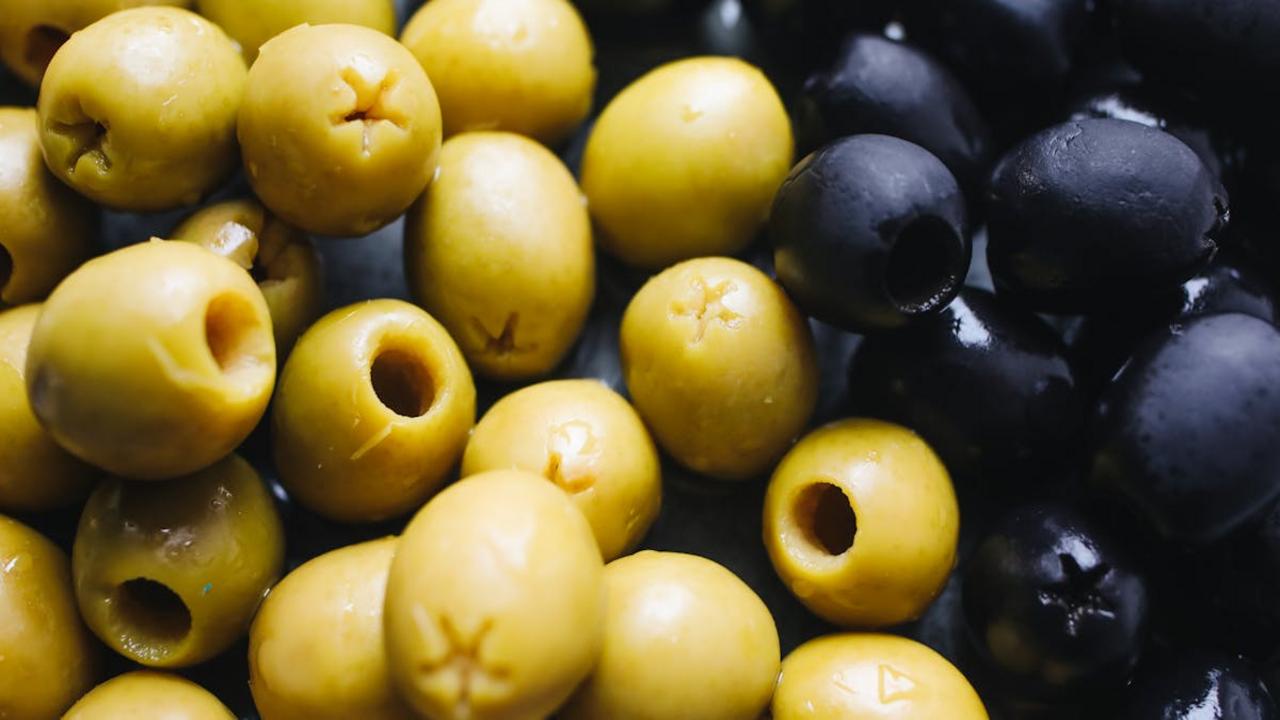
Picture yourself strolling through an ancient Mediterranean grove, and you’ll understand why olives have been treasured for thousands of years. These little gems appear throughout biblical texts, from Noah’s dove carrying an olive branch to Jesus praying in the Garden of Gethsemane among olive trees. Today, you can bring this same nourishing tradition right into your modern kitchen, and trust me, your body will thank you for it!
Rich in monounsaturated fats and powerful antioxidants, olives support heart health while adding incredible flavor to your meals. Try tossing Kalamata olives into your next grain bowl, or blend green olives with herbs for a quick tapenade that transforms any simple cracker into something special. You can even roast them with vegetables for a Mediterranean-inspired dinner that feels both comforting and sophisticated. Whether you choose briny green varieties or rich, dark ones, these ancient fruits connect you to generations of wholesome eating while delivering serious nutritional benefits that modern science continues to celebrate.
Figs
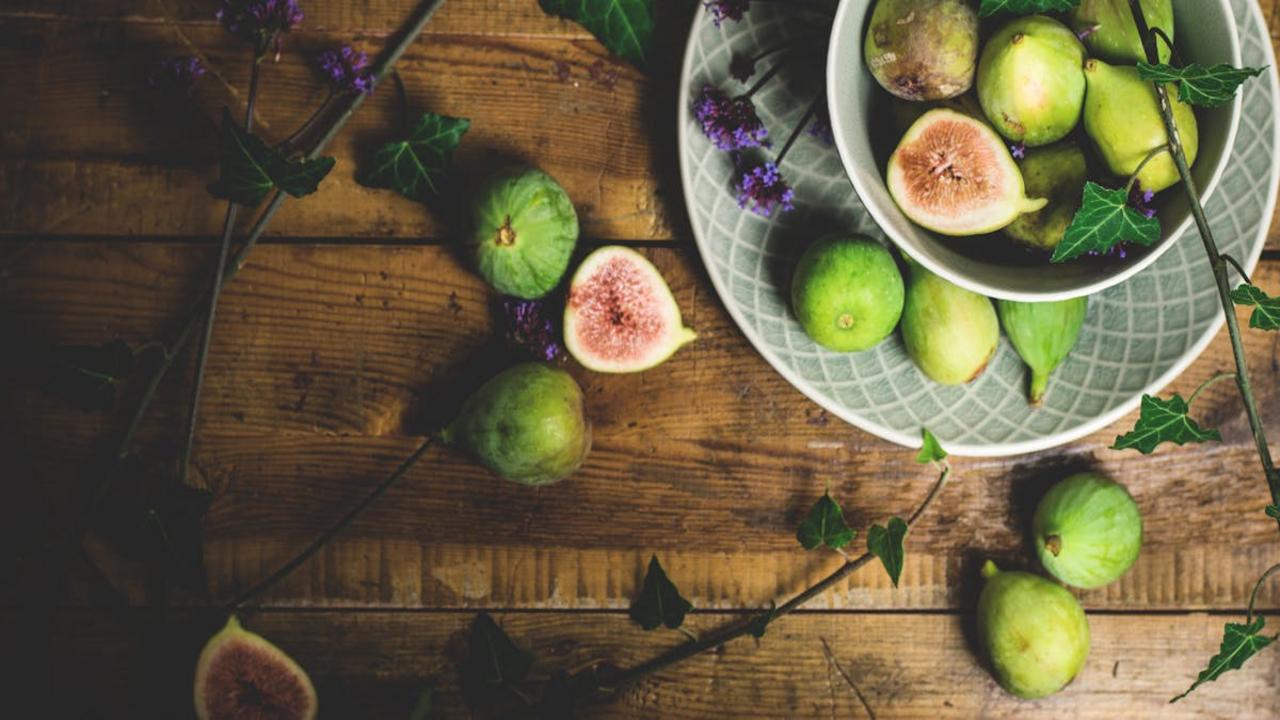
Fresh figs bring such sweetness to your table, and I can’t get enough of their honey-like flavor and tender texture. These ancient fruits pack incredible nutrition into every bite – they’re loaded with fiber, potassium, and calcium that your body craves. When you bite into a perfectly ripe fig, that burst of natural sweetness reminds you why people have treasured these fruits for thousands of years. You can enjoy them straight from your hand, slice them over yogurt, or add them to salads for a touch of natural candy.
The beauty of figs lies in their versatility – they work just as well in savory dishes as they do in sweet ones. Try roasting them with a drizzle of balsamic vinegar and fresh thyme, or stuff them with goat cheese for an elegant appetizer that takes minutes to prepare. Fresh figs have a short season, so grab them when you see them at the market. Look for fruits that yield slightly to pressure but aren’t mushy, and store them in your refrigerator for just a few days to maintain their peak flavor.
Lentils

Lentils deserve serious recognition as one of the most nutritious and versatile ingredients you can stock in your pantry! These tiny powerhouses appear throughout biblical texts, from Esau’s famous red lentil stew to their mention as part of Ezekiel’s bread recipe. What makes lentils so special? They’re packed with plant-based protein, fiber, folate, and iron – basically everything your body craves for sustained energy and optimal health. Unlike their bean cousins, lentils cook quickly without any soaking required, making them perfect for busy weeknight dinners when you need something wholesome on the table fast.
I love how lentils adapt to whatever flavors you throw their way – they’ll happily soak up aromatic spices in a hearty curry, add substance to your favorite soup, or transform into a satisfying salad base. Red lentils break down beautifully into creamy textures, while green and brown varieties hold their shape perfectly for heartier dishes. Try simmering them with garlic, onions, and your favorite herbs for a simple side dish, or blend cooked lentils into burgers and meatballs for extra nutrition. Trust me, once you start cooking with lentils regularly, you’ll wonder how you ever managed without these biblical gems in your kitchen rotation.
Pomegranates
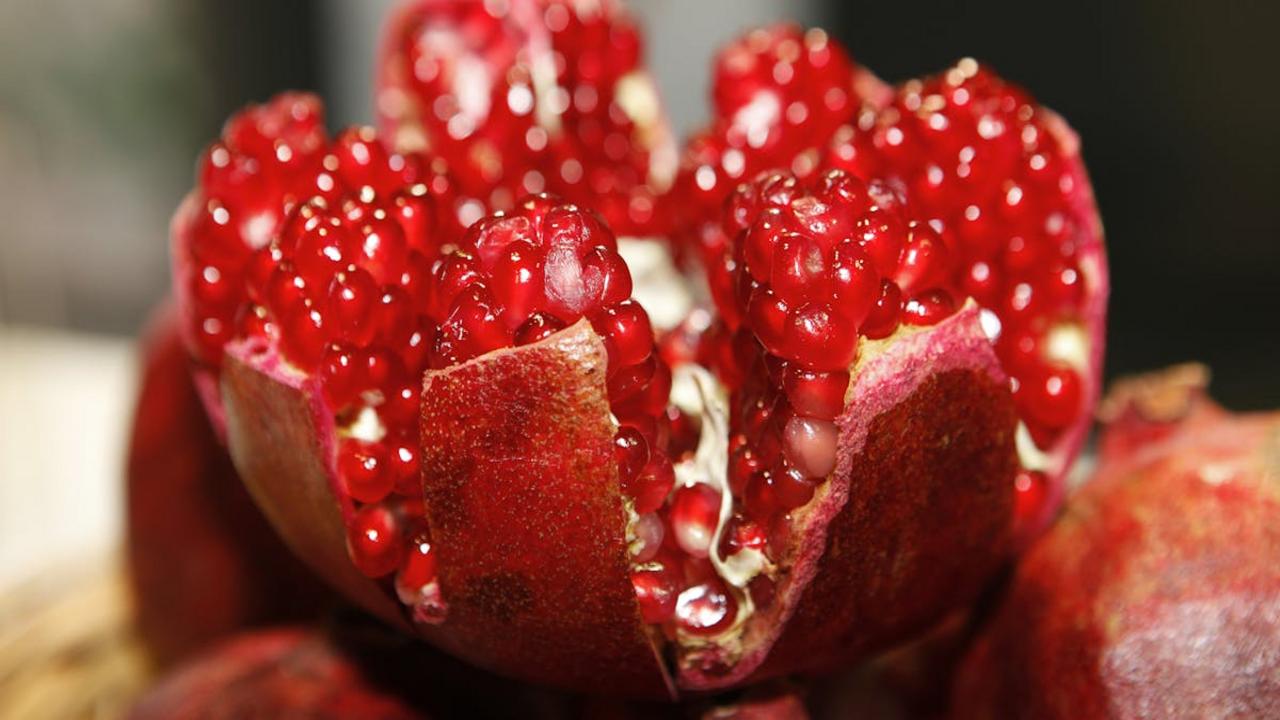
These ruby-red jewels pack an incredible nutritional punch that makes them worth every bit of effort to open! Pomegranates burst with antioxidants, vitamin C, and fiber, making them one of nature’s most powerful superfruits. You’ll find their sweet-tart flavor adds brightness to both sweet and savory dishes. I love sprinkling the seeds over yogurt bowls, mixing them into grain salads, or using the juice in marinades for lamb or chicken. The seeds also make gorgeous garnishes that instantly elevate any dish with their brilliant color and satisfying crunch.
Getting to those beautiful seeds might seem intimidating at first, but I promise it becomes second nature once you know the trick! Cut the pomegranate in half crosswise, hold it cut-side down over a bowl, and tap the back with a wooden spoon – the seeds will fall right out. Fresh pomegranate juice makes incredible salad dressings when mixed with olive oil and herbs, and the molasses (concentrated pomegranate juice) adds depth to Middle Eastern dishes. Store whole pomegranates in your refrigerator for up to two months, or freeze the seeds for year-round enjoyment in smoothies and baked goods.