14 ‘Chinese’ Foods That Don’t Actually Exist in China
I grew up thinking these Chinese takeout favorites came straight from China’s kitchens. But after traveling through Beijing, Shanghai, and Sichuan, I discovered many of our beloved “Chinese” dishes are actually American inventions. The sweet-sticky sauces and deep-fried meats common in US Chinese restaurants would puzzle most diners in China.
Chinese food in America has evolved into its own unique cuisine, shaped by immigrant experiences and local tastes. Early Chinese restaurateurs adapted traditional recipes using available ingredients, creating new dishes that satisfied American palates while keeping their businesses alive. What emerged was Chinese-American food – a distinct and valid cuisine worthy of celebration.
The dishes on this list represent innovative fusions born from necessity and creativity. While you won’t find General Tso’s chicken or fortune cookies in China, these foods tell important stories about Chinese immigration, cultural exchange, and the birth of a new American cuisine that continues to bring joy to millions.
Duck Sauce
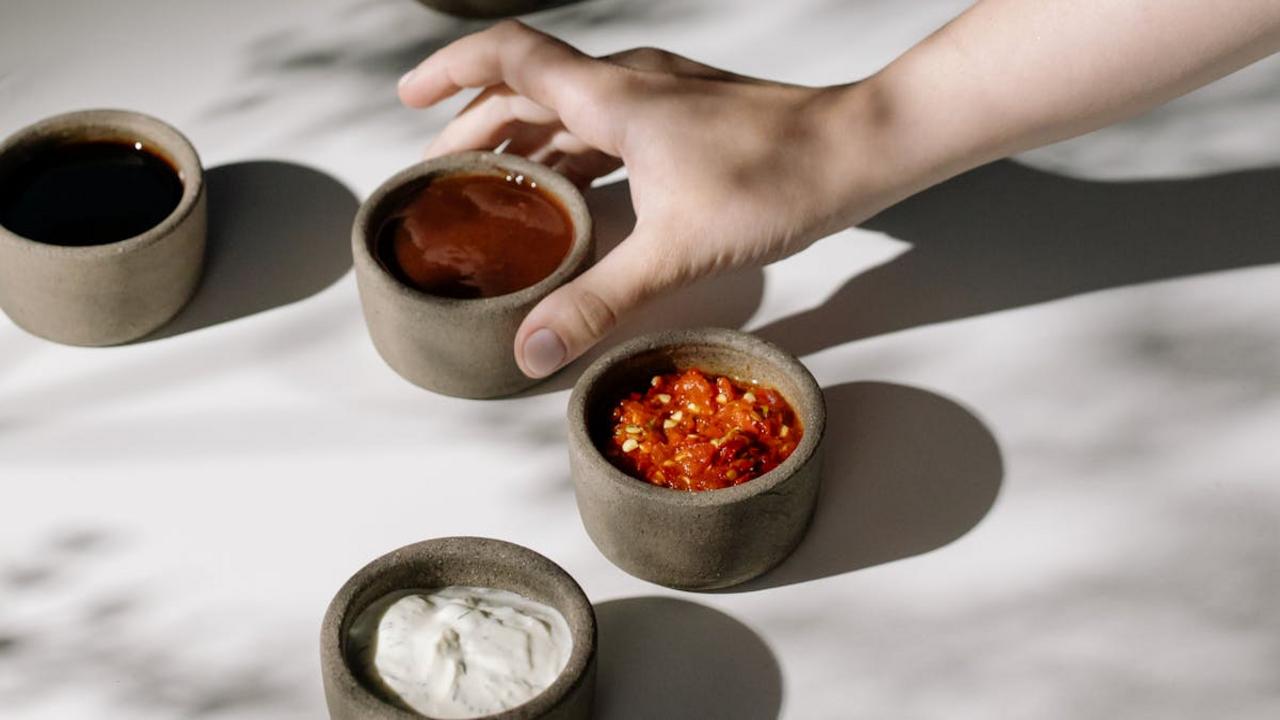
You know that sweet orange sauce you get with your Chinese takeout? The one restaurants call “duck sauce”? I have news for you – this condiment doesn’t exist anywhere in China! This American creation combines fruit (usually apricots or plums), sugar, vinegar, and spices into a jelly-like sauce. Chinese restaurants in the US started serving it in the mid-1900s alongside dishes like egg rolls and spare ribs, giving diners a familiar sweet-and-sour flavor profile that appealed to American palates.
In authentic Chinese cuisine, duck dishes traditionally come with savory accompaniments like hoisin sauce, scallions, and pancakes – especially with Peking duck. The closest equivalent to American duck sauce in Chinese cooking would be plum sauce (méizhī), which has a deeper, more complex flavor and thinner consistency. Next time you’re cooking Chinese food at home, try making your own plum sauce or grab a bottle of hoisin instead of reaching for that packet of duck sauce.
Spring Rolls
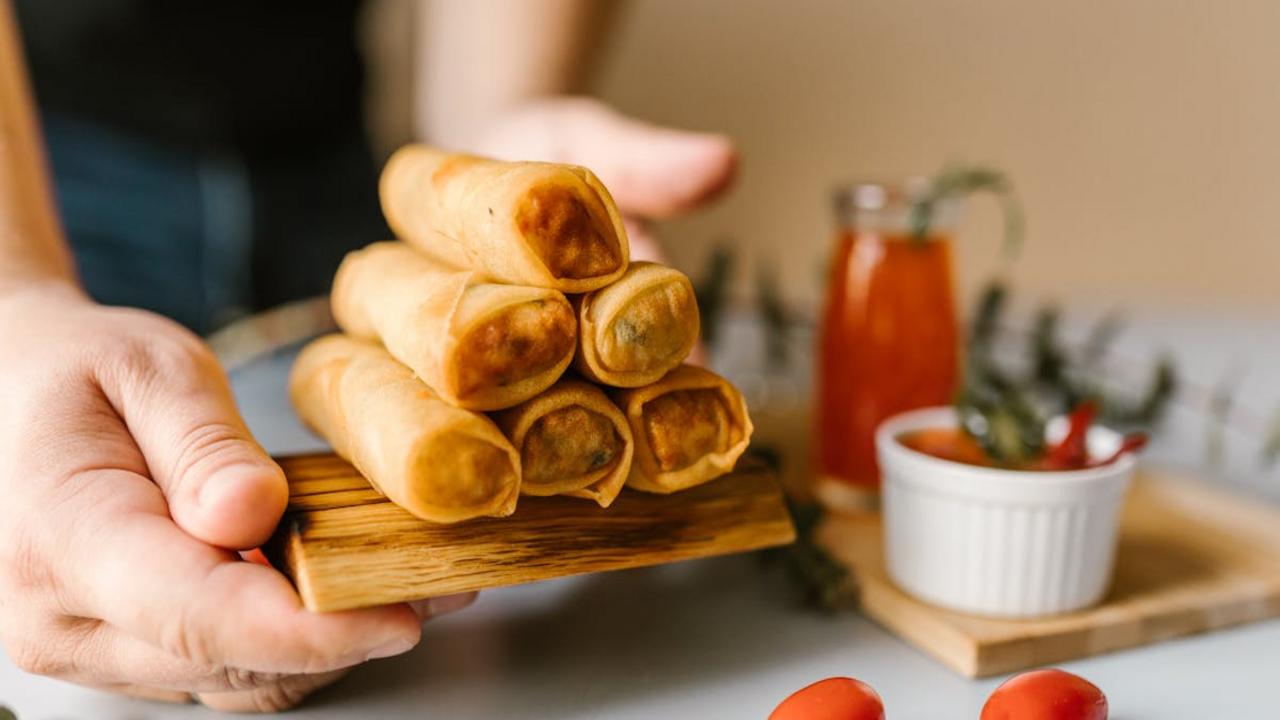
I’ve noticed many American-Chinese restaurants serve deep-fried “spring rolls” year-round, but this isn’t something you’ll find in China. The closest authentic dish would be “chūn juǎn” – fresh rice paper rolls filled with vegetables eaten during Spring Festival to welcome the new season. The American version takes a different route with deep-fried wheat wrappers and fillings like cabbage, carrots and pork, creating a crunchier texture that’s become a takeout favorite.
Chinese cuisine does feature similar fried rolls called “popiah” or “runbing,” but these differ significantly from what Americans know as spring rolls. Traditional Chinese versions use thinner wrappers and lighter fillings focused on fresh spring vegetables – a nod to their seasonal origins. The American adaptation cranked up the indulgence factor by standardizing deep-frying and adding heartier ingredients. While both versions offer their own appeal, the American spring roll has evolved into its own unique creation separate from its Chinese roots.
Lemon Chicken
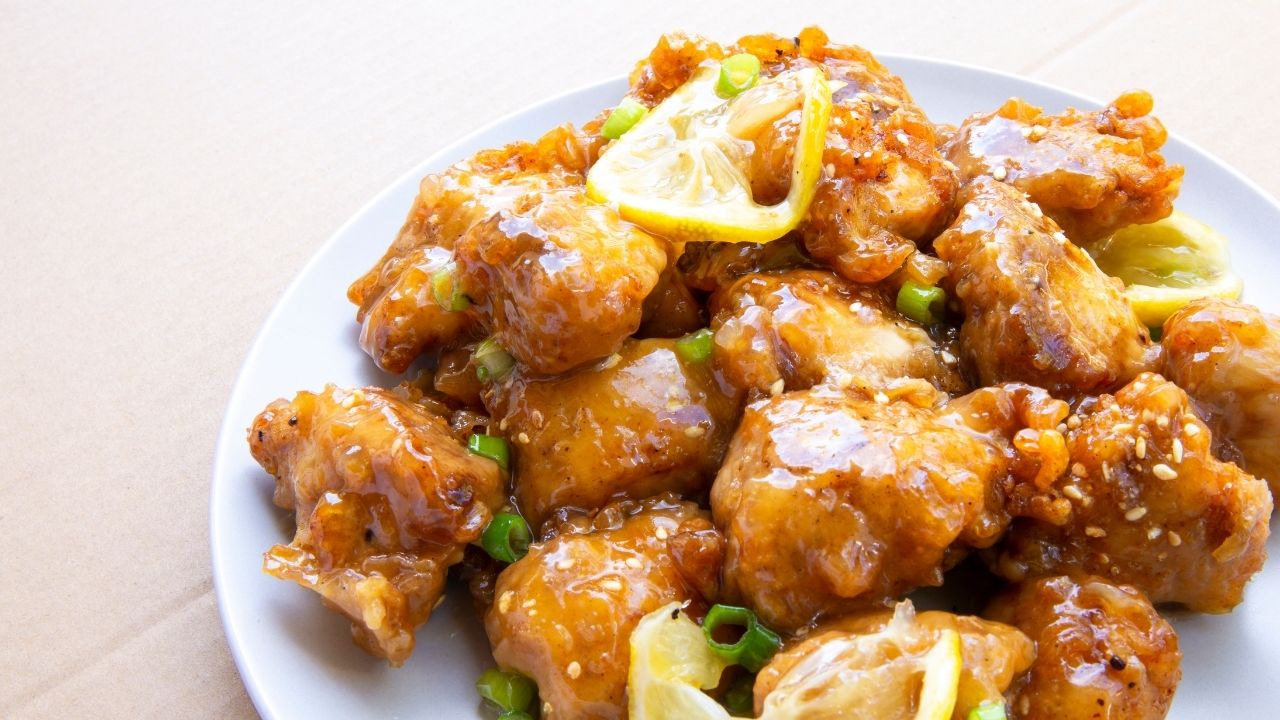
Here’s a fascinating tidbit that might surprise you – that bright yellow, crispy lemon chicken you love from your local Chinese takeout spot? You won’t find it anywhere in China! This Western creation combines deep-fried chicken pieces with a sweet-tart lemon sauce that’s distinctly different from authentic Chinese cooking methods. While citrus does appear in Chinese cuisine, particularly in Cantonese dishes, the combination of battered chicken and sugary lemon sauce is purely an American invention designed to appeal to Western palates.
The real Chinese approach to chicken focuses on bringing out the natural flavors through light seasoning and precise cooking techniques. Chinese chefs traditionally use ingredients like ginger, scallions, and rice wine to enhance chicken dishes, letting the meat’s natural qualities shine through. The closest authentic Chinese dish might be “ning meng ji,” which uses fresh lemon juice more subtly, creating a light citrus note rather than the bold, sweet-and-sour punch of American-style lemon chicken. Next time you want to cook chicken the Chinese way, try marinating it with ginger and scallions instead!
Kung Pao Chicken
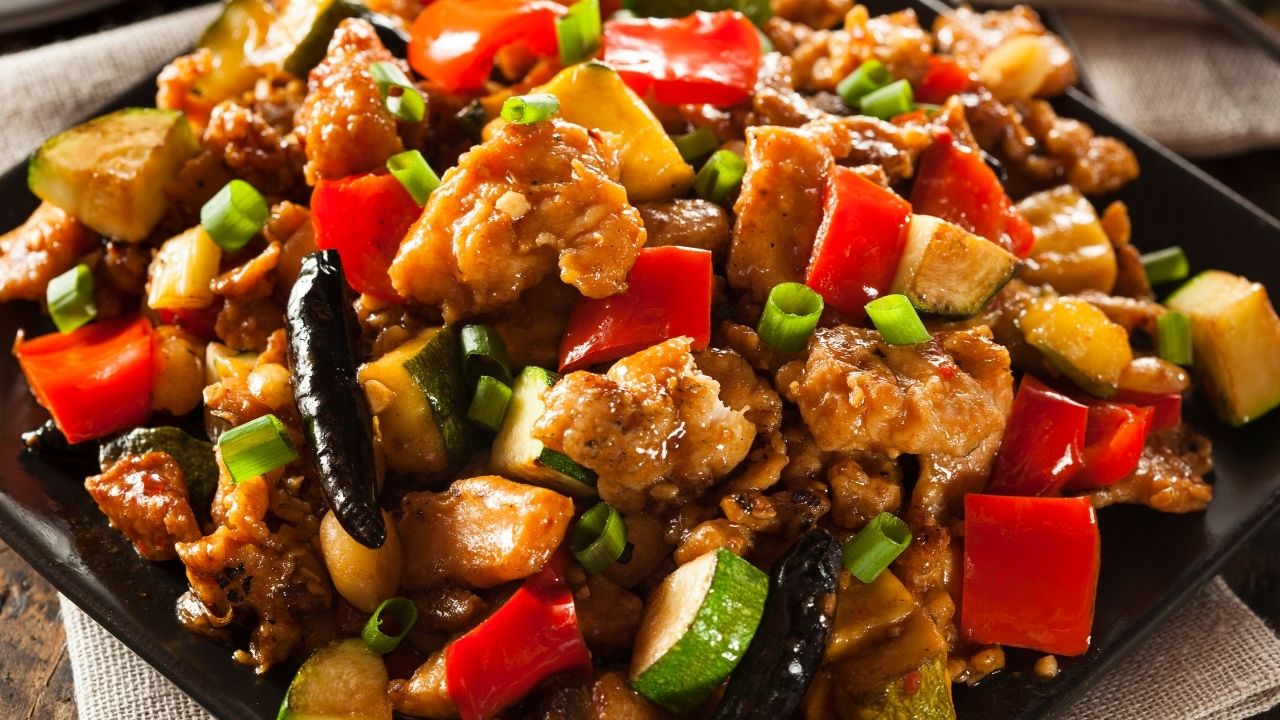
The Kung Pao chicken you order at your local Chinese takeout bears little resemblance to its authentic Chinese counterpart, Gong Bao Ji Ding. While both feature diced chicken and peanuts, the American version drowns in a thick, sweet sauce and often includes vegetables like celery, carrots, and onions. The original Sichuan dish keeps things simple with chicken, peanuts, and dried red chilies, focusing on the signature málà (numbing and spicy) flavor from Sichuan peppercorns.
I learned the true difference during my cooking classes in Chengdu, where the chef emphasized the dish’s origins – it was named after a Qing Dynasty official, Ding Baozhen, whose title was Gong Bao. The authentic version balances heat from chilies, numbing Sichuan peppercorns, and a light sauce made from soy sauce, black vinegar, and a touch of sugar. The American adaptation evolved to meet local preferences, creating an entirely new dish that Chinese people wouldn’t recognize as Kung Pao chicken.
Sesame Chicken
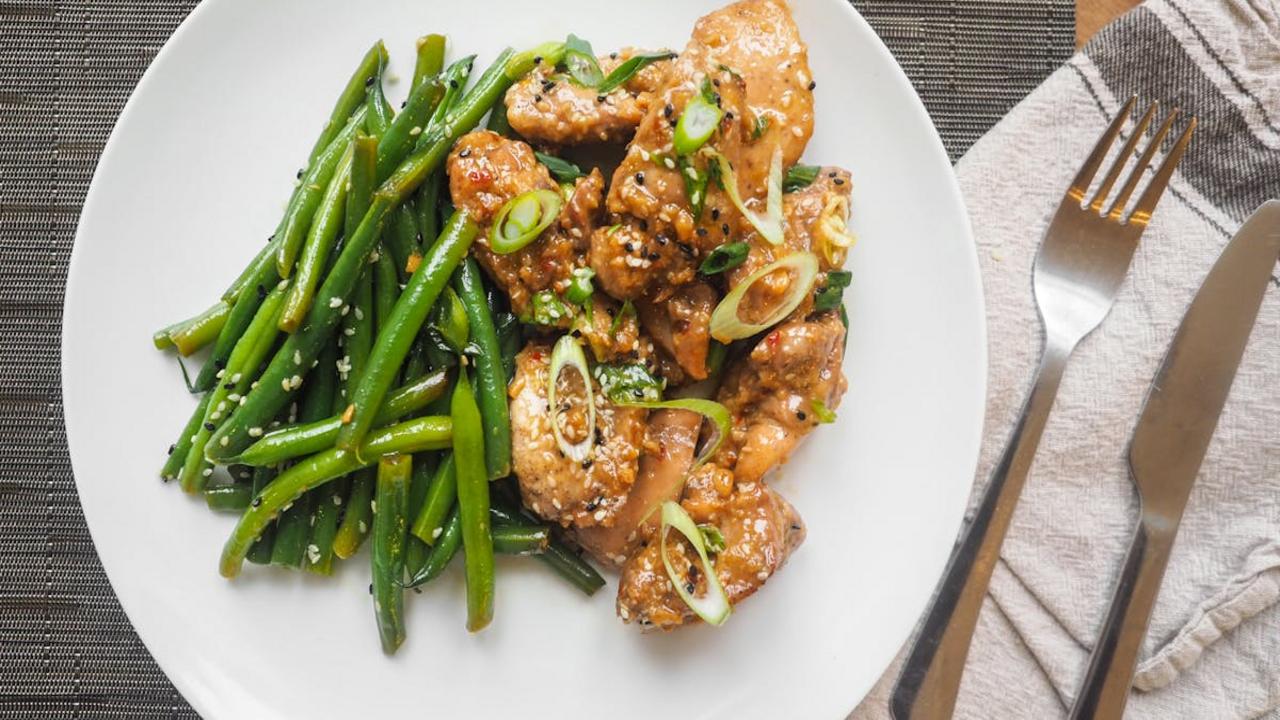
I grew up thinking sesame chicken was a Chinese takeout staple, but after spending time with Chinese friends and cooking authentic dishes together, I learned this sweet and crispy dish actually originated in Chinese-American restaurants. The combination of deep-fried chicken pieces coated in a sticky-sweet sauce with sesame seeds on top became popular in the US during the 1970s. While you’ll find similar dishes in China like Kung Pao Chicken or General Tso’s, traditional Chinese cuisine focuses more on lighter cooking methods and complex flavors beyond just sweet and fried.
The American version we know today features battered chicken chunks tossed in a thick honey-based sauce, topped with toasted sesame seeds and often served over rice. Many Chinese chefs I’ve talked to point out that authentic Chinese cooking rarely uses such heavy batters or sugary glazes. Instead, they incorporate sesame through oils, pastes, and seeds to add subtle nutty notes that complement rather than overwhelm the main ingredients. While sesame chicken may not have Chinese roots, it represents how Chinese cooking techniques adapted to American preferences, creating something entirely new and beloved.
Orange Chicken
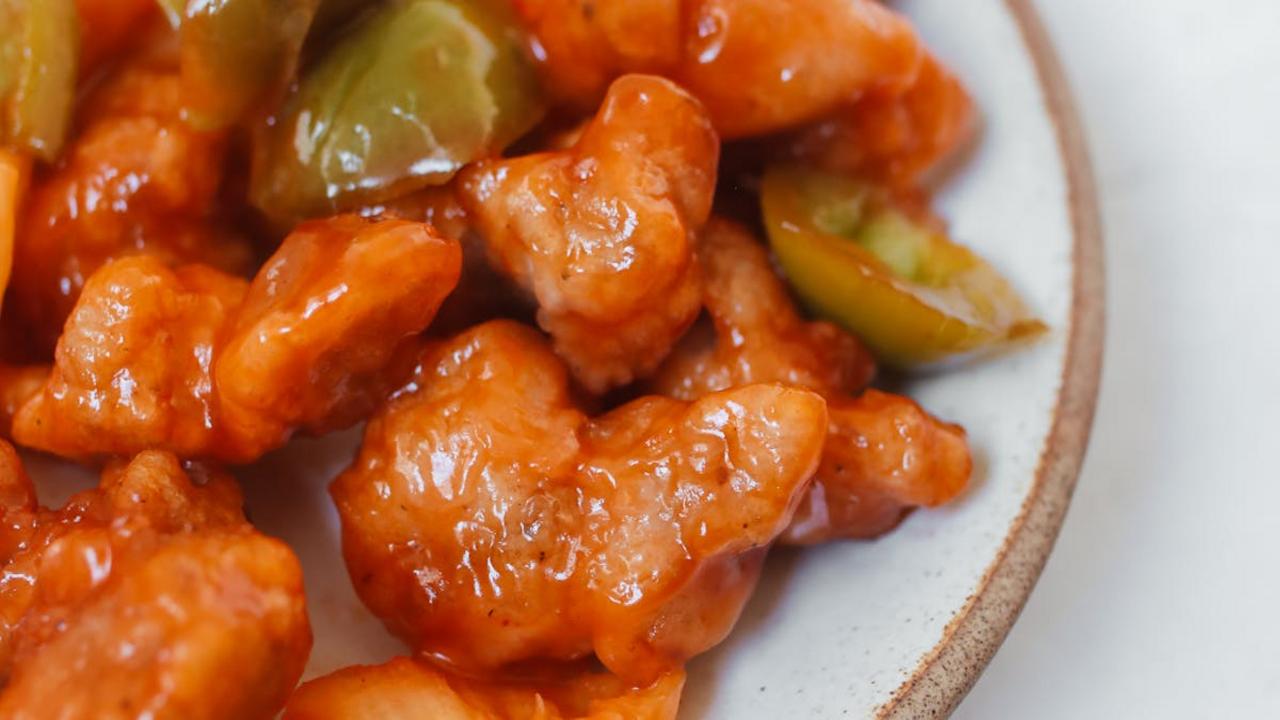
You’ll find orange chicken front and center at most American Chinese restaurants, but this sticky-sweet dish is purely a Western creation. I discovered this dish originated at Panda Express in 1987 when Chef Andy Kao wanted to create something uniquely appealing to American palates. The recipe combines crispy fried chicken pieces with a thick sauce made from orange juice concentrate, sugar, and vinegar – ingredients you won’t spot in traditional Chinese kitchens.
While China does have citrus-based dishes like tangerine beef from Hunan province, they’re much lighter and less sweet than American orange chicken. The authentic Chinese versions use fresh citrus peel for subtle fragrance rather than concentrating on sweetness. I love making a healthier version at home by pan-searing chicken and creating a sauce with fresh orange segments, honey, and rice vinegar. This gives you that citrus punch without the heavy breading and corn syrup typically found in the American adaptation.
Sweet and Sour Chicken
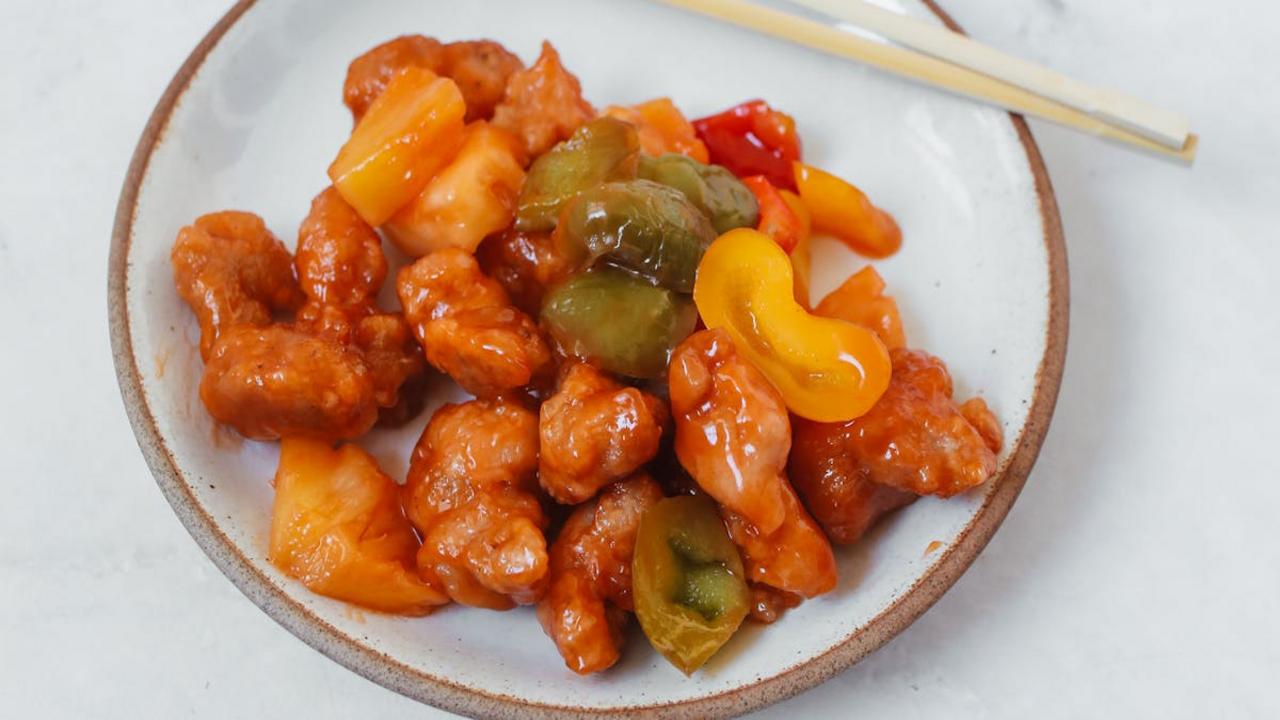
If you’ve ordered sweet and sour chicken at your local Chinese restaurant in America, you’ll find something quite different from what Chinese people eat. The bright red, sticky-sweet sauce coating deep-fried chicken pieces is actually an American creation that became popular in the mid-20th century. While China has dishes that combine sweet and sour flavors, like the Hunan sweet and sour fish or Shandong’s sweet and sour carp, none match the neon-colored American version we know today.
The American adaptation typically features battered chicken chunks fried until crispy, then tossed in a sauce made from ketchup, sugar, vinegar, and pineapple juice. You’ll often find bell peppers, onions, and pineapple chunks mixed in too. In contrast, traditional Chinese cooking uses lighter sweet and sour combinations, often incorporating black vinegar, rice wine, and minimal sugar. The meat isn’t heavily battered, and fresh fruits rarely appear in savory Chinese dishes. Think of American sweet and sour chicken more like a delicious fusion dish that draws inspiration from Chinese cooking techniques while creating something entirely new.
Egg Foo Young
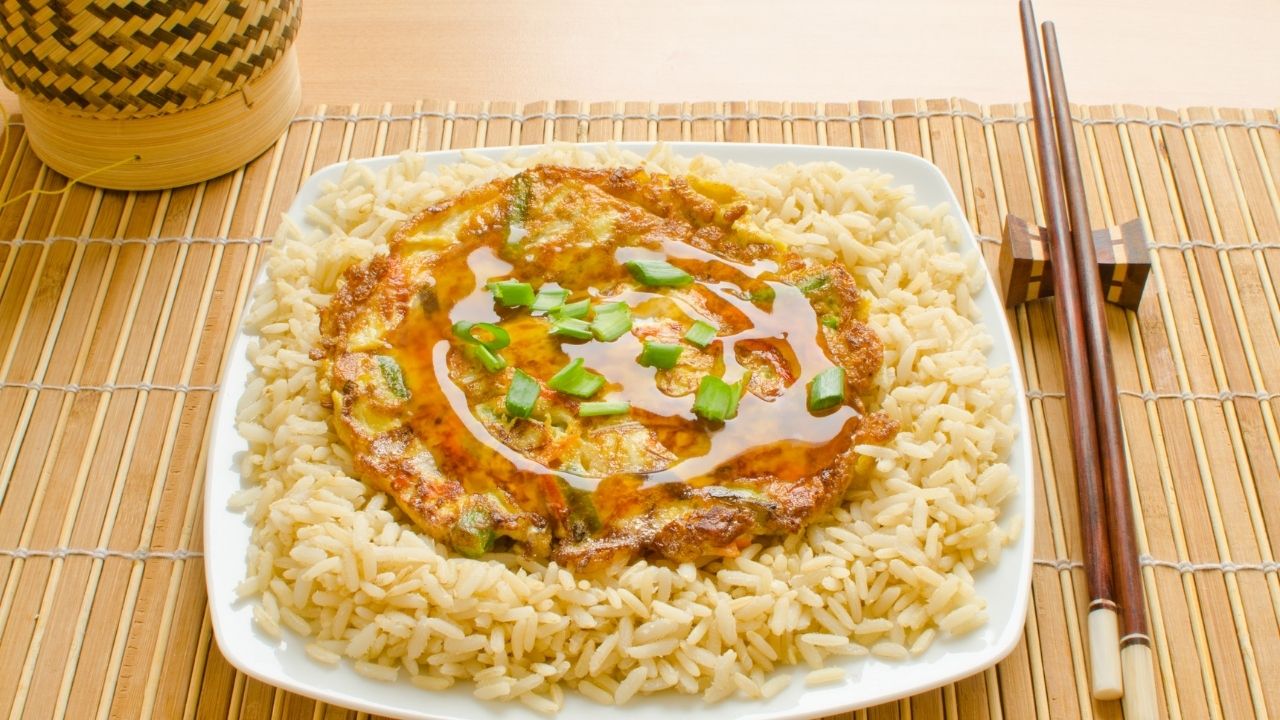
I bet you’ve ordered Egg Foo Young from your local Chinese takeout spot – that puffy omelet drowning in brown gravy that’s become a staple of American Chinese menus. But here’s the thing: you won’t find this dish anywhere in China! While Chinese cuisine does feature egg dishes, this particular creation originated in Chinese-American restaurants during the 1940s and 1950s. The dish took inspiration from Fu Yung Hai, a Cantonese egg dish, but transformed it into something entirely new for American palates.
The American version mixes eggs with chopped onions, bean sprouts, and bits of meat, then deep-fries the mixture into a fluffy patty. Restaurants top it with a thick gravy made from chicken stock, soy sauce, and cornstarch – a sauce that would bewilder diners in China. In Chinese cooking, eggs get a much lighter treatment: they’re quickly stir-fried with tomatoes or mixed into soups. So next time you dig into that gravy-laden omelet, remember you’re enjoying a truly American invention that simply borrowed some Chinese cooking techniques along the way.
Beef with Broccoli
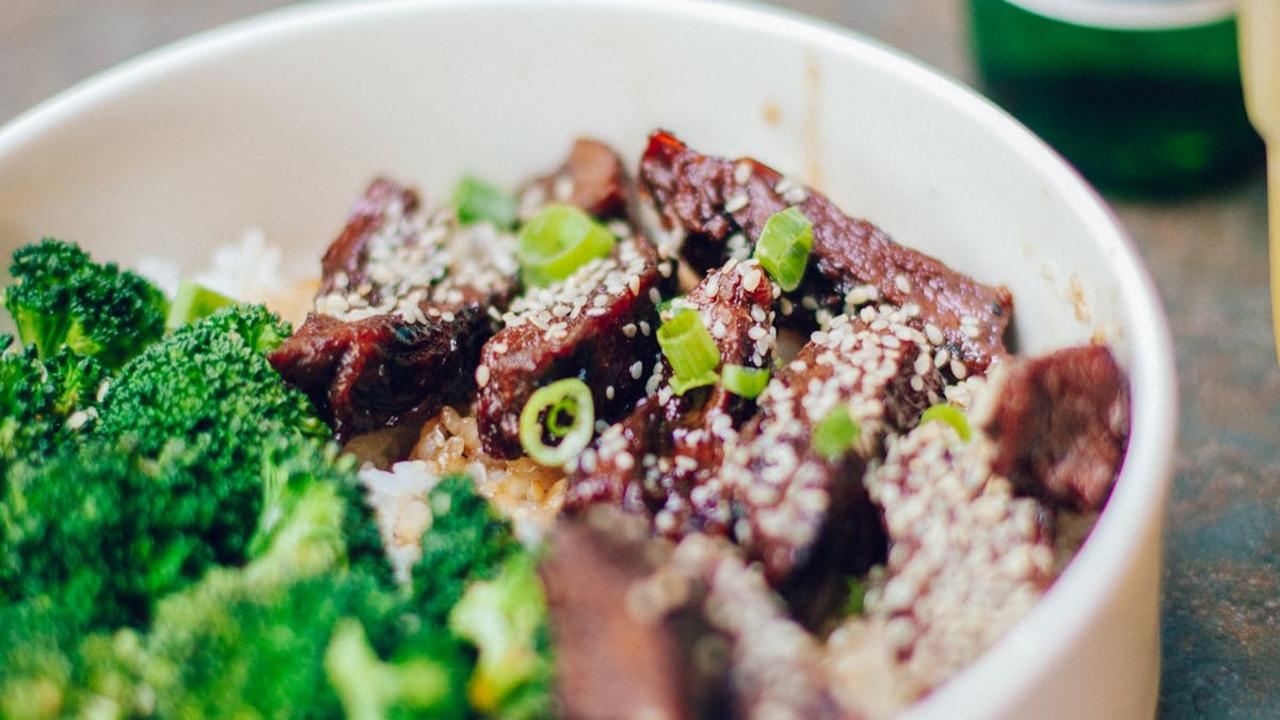
You won’t find beef with broccoli on any menu in China, despite its popularity in American Chinese restaurants. This dish emerged from Chinese immigrants adapting their cooking to American ingredients and preferences in the mid-20th century. The original Chinese dish that inspired it used Chinese broccoli (gai lan), which has longer stalks and smaller florets than the Western variety. Chinese-American cooks substituted regular broccoli since it was more readily available and appealing to American diners.
The sauce in American beef with broccoli differs significantly from authentic Chinese preparations. While Chinese dishes often feature light, clear sauces, the American version includes a thick brown gravy made with soy sauce, oyster sauce, and cornstarch. The cooking method also varies – traditional Chinese stir-fries use high heat and minimal oil to create “wok hei” (breath of the wok), whereas American versions tend to use more oil and lower temperatures, resulting in a different texture and flavor profile.
Chop Suey
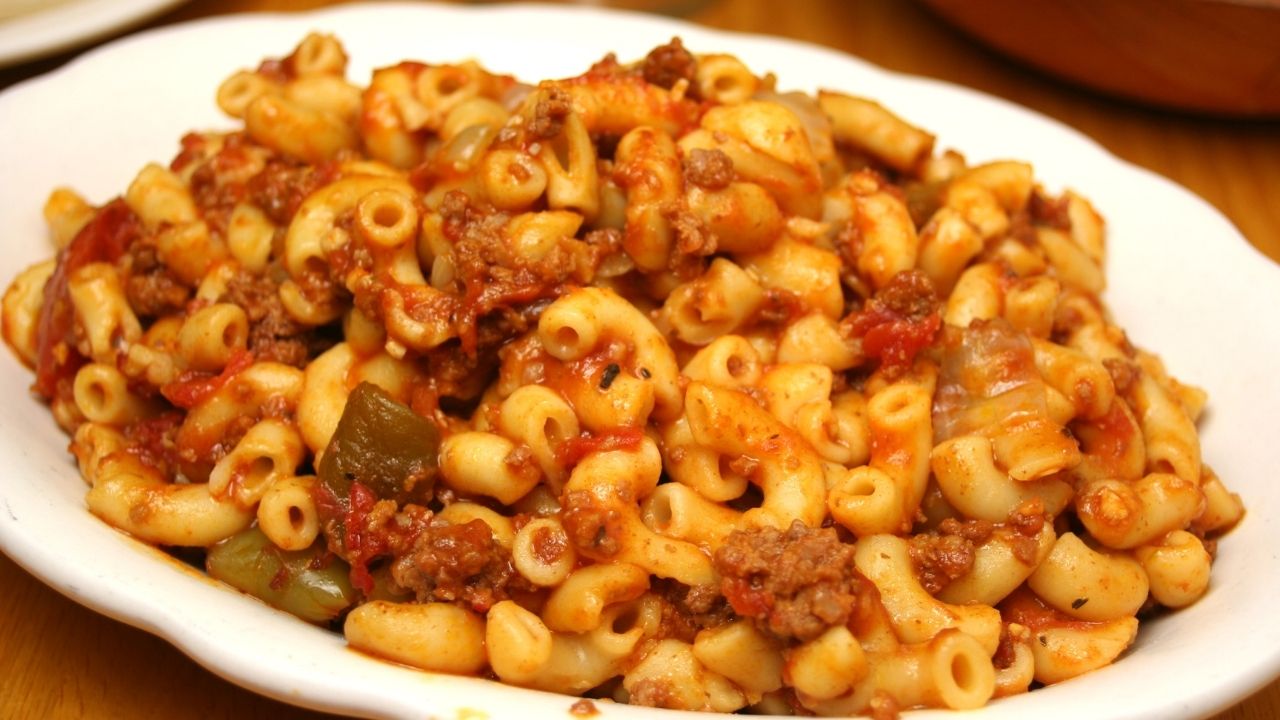
I grew up thinking chop suey was a Chinese takeout staple until my Chinese friend burst my bubble – this dish doesn’t exist in China! The name “chop suey” comes from Cantonese words meaning “odds and ends” or “mixed bits.” Chinese-American immigrants created this dish in the late 1800s, throwing together whatever vegetables and meat they had on hand. You’ll find bean sprouts, celery, onions, and carrots stir-fried with protein in a savory brown sauce – pure Chinese-American comfort food.
Many food historians point to a Chinese chef in San Francisco who first served chop suey to railroad workers, while others credit a visiting Chinese diplomat’s chef in New York City. Either way, this dish caught on fast with Americans who wanted “exotic” Chinese food. Today, chop suey represents how immigrant communities adapt their cooking to local ingredients and tastes. I love making my own version at home with fresh vegetables and a light sauce, showing how this Chinese-American creation keeps evolving through different kitchens and generations.
Moo Shu Pork
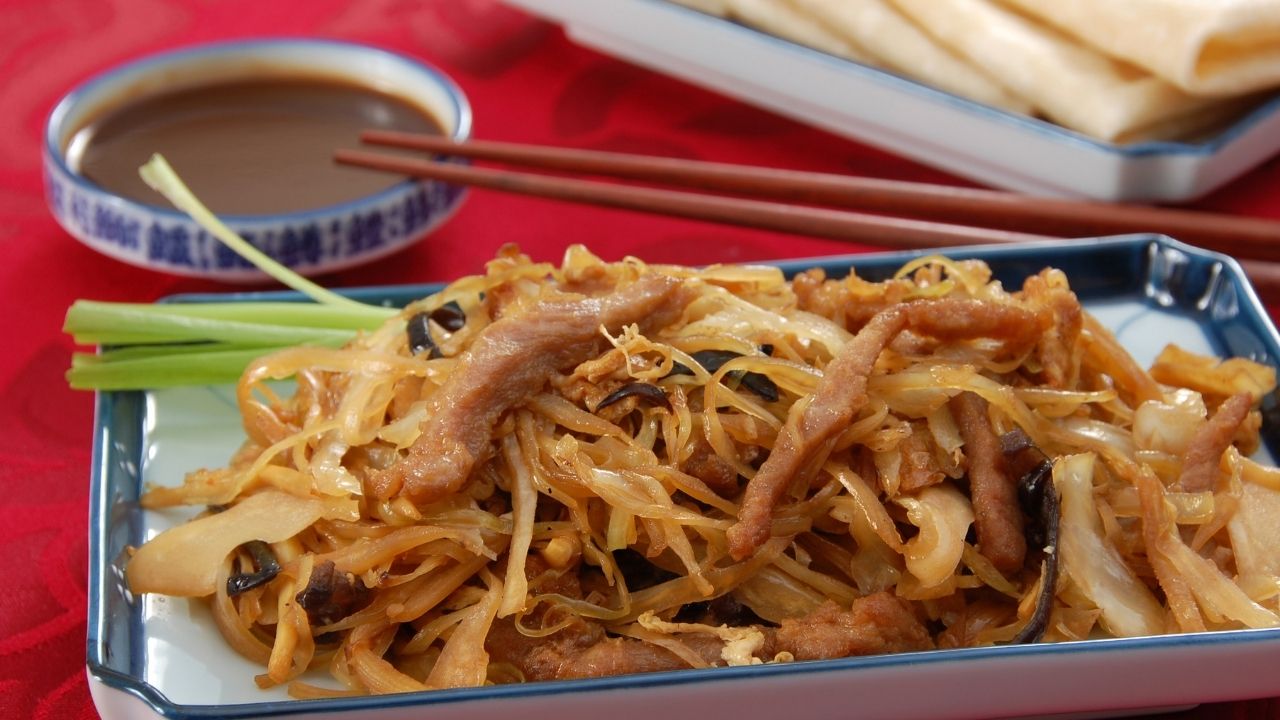
I discovered something fascinating while researching Chinese cuisine – Moo Shu Pork, that popular dish you’ll find in American Chinese restaurants, actually originated in the USA! While it draws inspiration from Northern Chinese cooking methods, particularly from Shandong province, the version we know today was created by Chinese immigrants adapting to American tastes and ingredients in the 1960s. The American creation features shredded pork, eggs, mushrooms, and vegetables wrapped in thin Mandarin pancakes with hoisin sauce – a combination that became an instant hit with diners.
The closest authentic Chinese dish you might find is Moo Shu Rou, which uses different ingredients and preparation methods. Traditional Moo Shu Rou contains simple ingredients like pork, eggs, wood ear mushrooms, and lily buds – no pancakes or hoisin sauce in sight! I find it remarkable how Chinese-American chefs transformed this basic dish into something completely new that captured American hearts. The evolution of Moo Shu Pork shows how immigrant communities have shaped what we consider “Chinese food” in America through creative adaptations and local influences.
Crab Rangoon
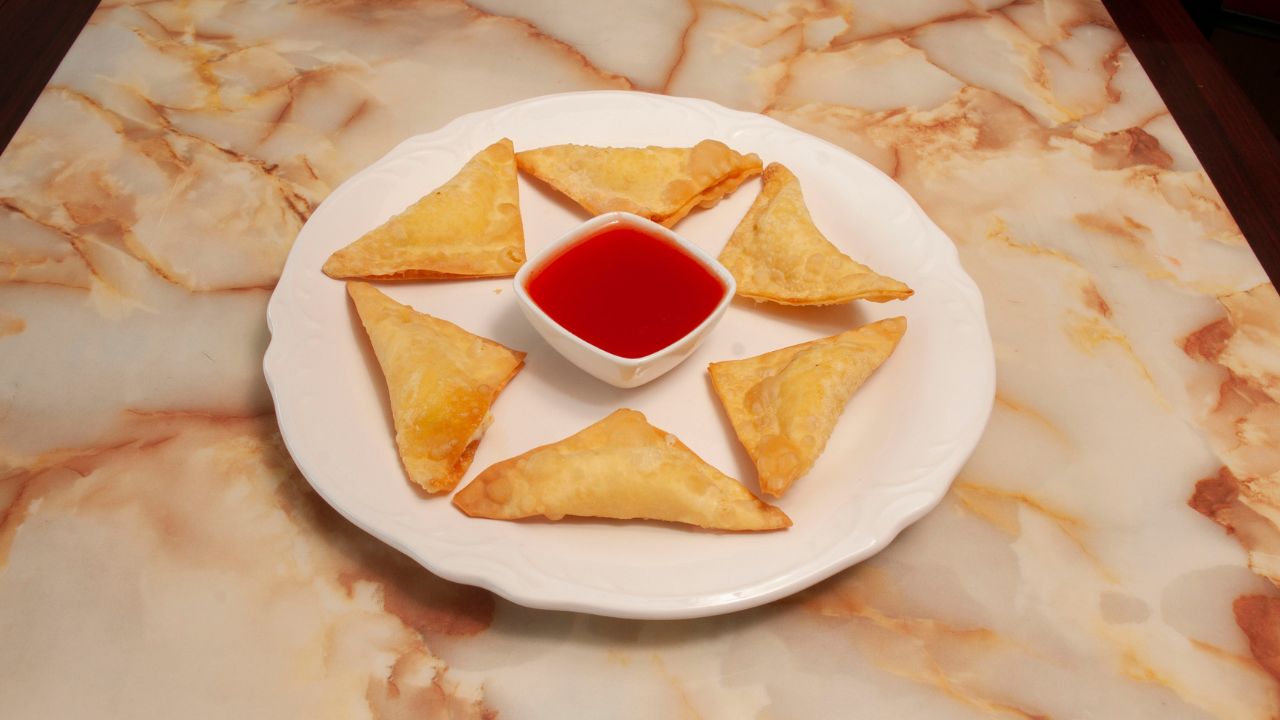
I’ll never forget my shock when I learned that Crab Rangoon – those crispy wonton parcels filled with cream cheese and imitation crab meat – have zero connection to traditional Chinese cooking. These deep-fried dumplings actually originated in the United States, specifically at Trader Vic’s tiki restaurant in San Francisco during the 1950s. The fusion of American cream cheese with Asian wonton wrappers created something totally new that caught on like wildfire across Chinese-American restaurants.
While you won’t spot Crab Rangoon on any menus in Beijing or Shanghai, they’ve become a beloved staple of American Chinese food culture. The contrast between the crunchy exterior and rich, creamy filling makes them undeniably addictive. I make mine with real crab meat instead of imitation, plus a touch of garlic and green onion to enhance the filling. Though not authentic Chinese, these little parcels represent the innovative spirit of Chinese-American cooking and how cuisines naturally transform as they cross borders.
Fortune Cookies
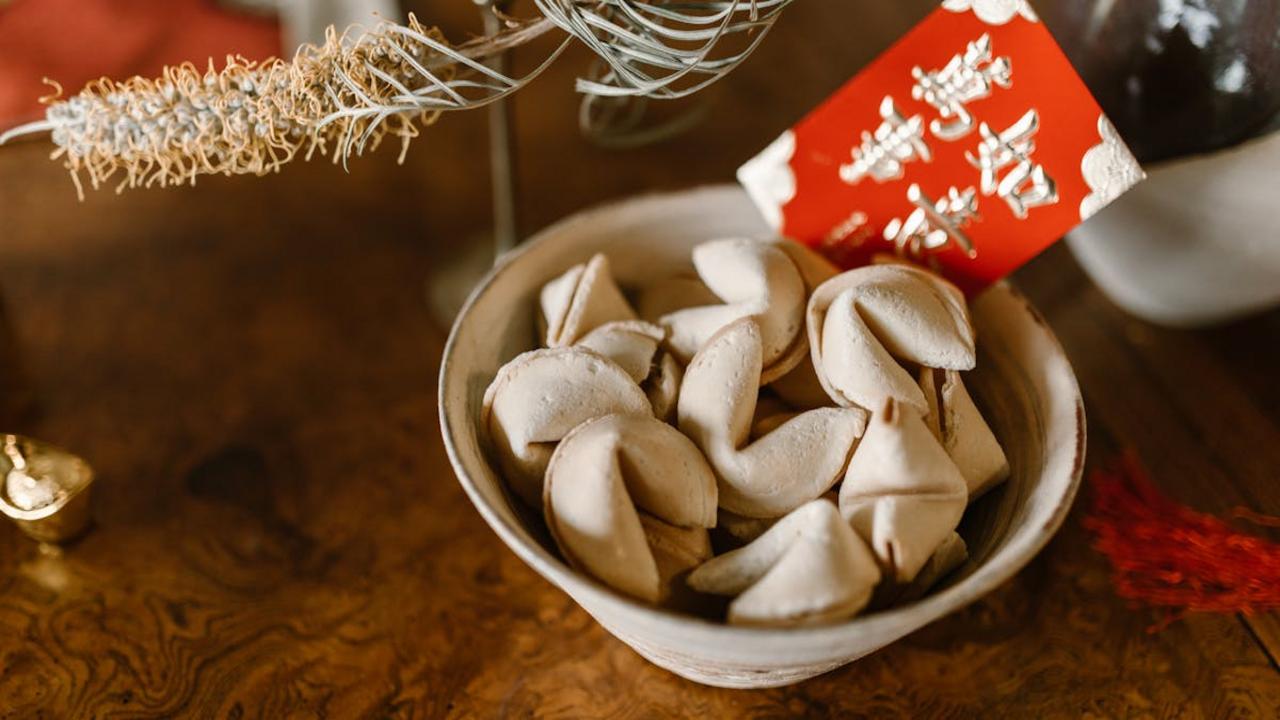
I learned something fascinating during my recent trip to China – fortune cookies don’t exist there! These crunchy, folded cookies with prophetic messages tucked inside actually originated in Japan, then gained popularity in California during the early 1900s. Chinese-American restaurateurs adopted them after World War II, making them a standard dessert in Chinese restaurants across the United States. The irony? Most Chinese people have never seen or tasted one unless they’ve visited America.
The manufacturing process of fortune cookies happens almost entirely in the US, with modern factories cranking out millions daily. They’ve become such an American phenomenon that in 1983, San Francisco’s Court of Historical Review held a mock trial to settle a dispute between Chinese and Japanese Americans over the cookie’s origins. The evidence pointed clearly to Japan, where similar cookies called “tsujiura senbei” had been made in temples since the 19th century. Yet today, these sweet, crispy treats remain firmly associated with Chinese-American dining despite their Japanese roots.
General Tso’s Chicken
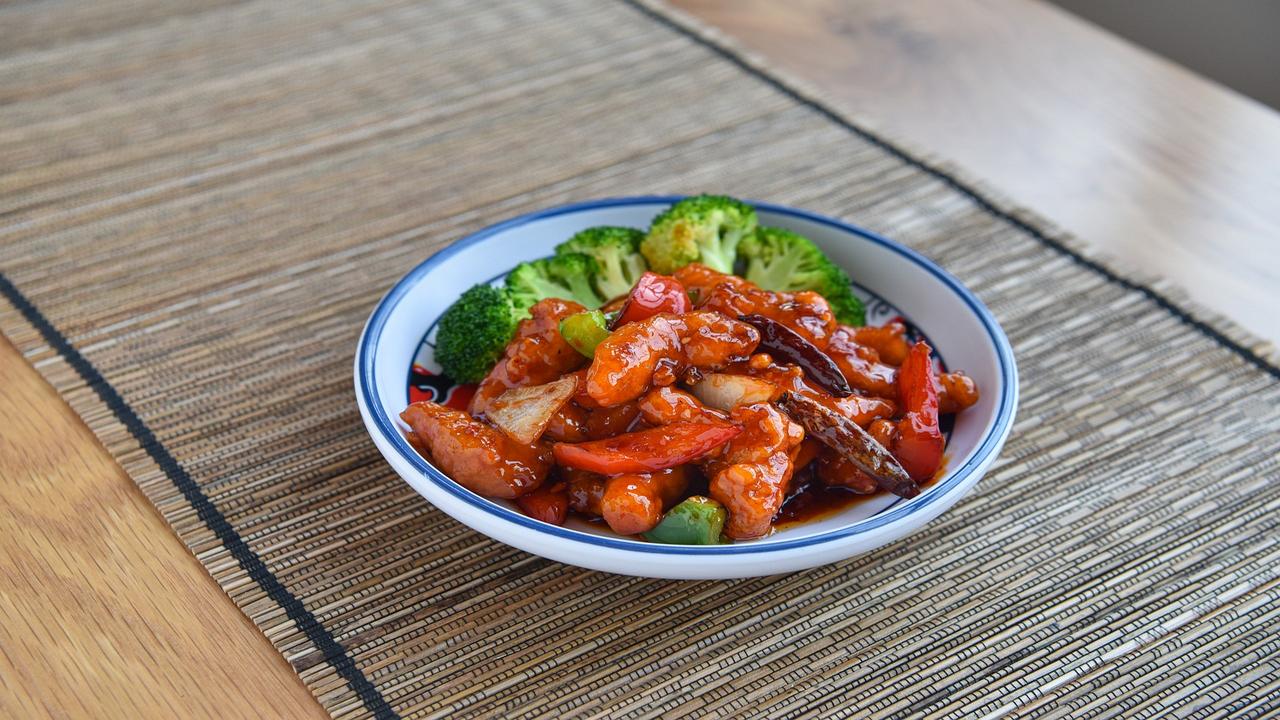
You won’t find General Tso’s Chicken anywhere in China, despite its massive popularity in American Chinese restaurants. This sweet, spicy, and tangy deep-fried chicken dish originated in New York City during the 1970s, created by Chef Peng Chang-kuei. While Chef Peng named it after a famous Hunan military leader, Zuo Zongtang (General Tso), the flavors bear little resemblance to traditional Hunan cuisine, which typically features more heat and less sweetness.
I love making this dish at home with a healthier twist – baking the chicken instead of deep-frying and reducing the sugar content while keeping that signature sauce. The original recipe combines crispy chicken pieces with a rich brown sauce made from soy sauce, hoisin, garlic, ginger, and sugar. Modern variations often include broccoli or other vegetables, making it a complete meal. The dish perfectly shows how Chinese-American cuisine adapted to local tastes, creating something entirely new and uniquely delicious.