14 American Foods Banned Around the World You Might Eat Every Day
Have you checked your pantry lately? Your kitchen might hold foods that other countries have completely outlawed. From farm-raised salmon to bleached flour, many everyday American groceries can’t legally cross certain borders due to health concerns that our regulators dismiss or minimize.
I’ve always believed in knowing what goes into your body. While shopping at my local supermarket last week, I realized many products on my list contain ingredients banned elsewhere. The more I researched, the more surprised I became about what we accept as normal in our food system compared to international standards.
Your morning toast might contain potassium bromate, your child’s colorful cereal could be filled with artificial dyes, and even that packaged chicken might have been washed in chlorine. These 14 banned foods highlight the stark differences between American food regulations and those of other health-conscious nations.
Bleached Flour
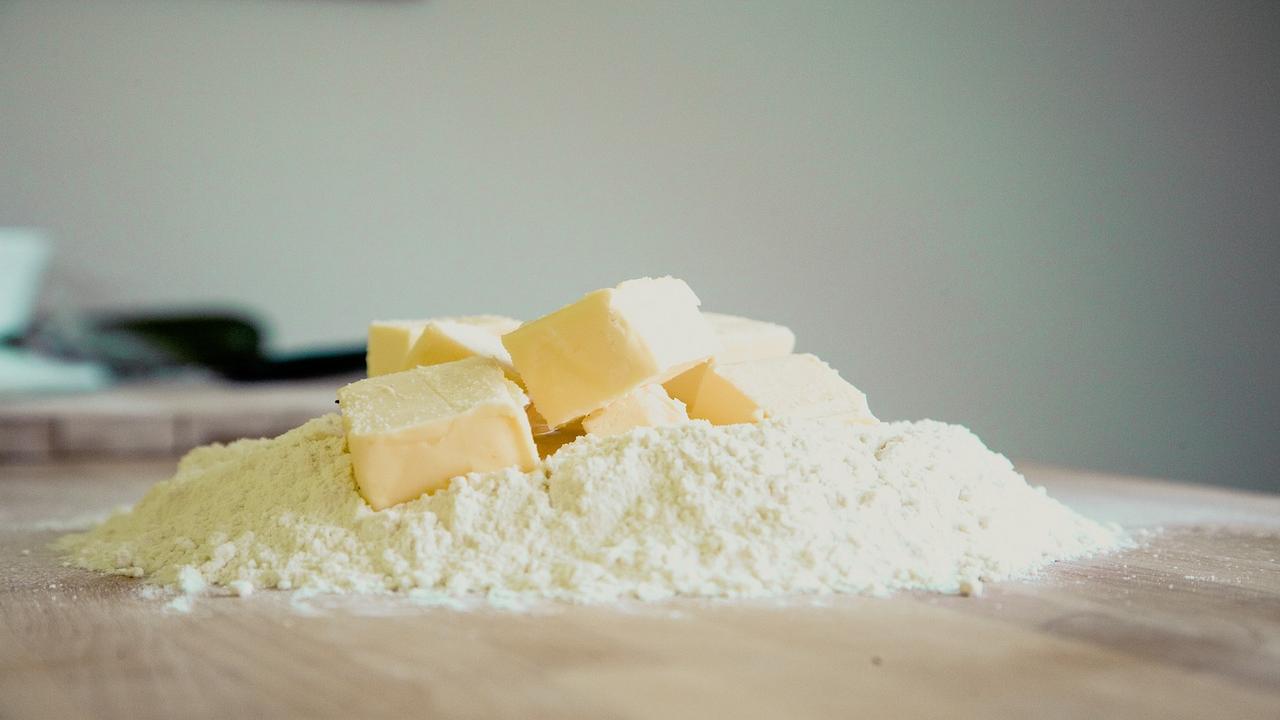
You know that pristine white flour sitting in your pantry? The one that makes your cookies look picture-perfect and your bread rise beautifully? Well, here’s something that might surprise you – that snowy appearance comes from chemical bleaching agents like benzoyl peroxide and chlorine dioxide. While the FDA considers these additives safe, countries across Europe, including the UK, France, and Germany, have banned bleached flour entirely. They view these chemical treatments as unnecessary risks to public health, preferring flour in its natural, unbleached state.
I’ve been making the switch to unbleached flour in my kitchen for years now, and honestly, the difference in flavor is remarkable. Unbleached flour has this subtle, nutty richness that bleached flour simply can’t match – it’s like comparing a store-bought tomato to one fresh from your garden. Yes, your baked goods might have a slightly more golden hue, but that’s the beauty of real food! I love teaching home cooks that this small change can transform their baking. Your pancakes will taste more complex, your homemade bread will have deeper character, and you’ll know you’re feeding your family flour that hasn’t been stripped of its natural goodness through chemical processing.
Chlorine Washed Chicken
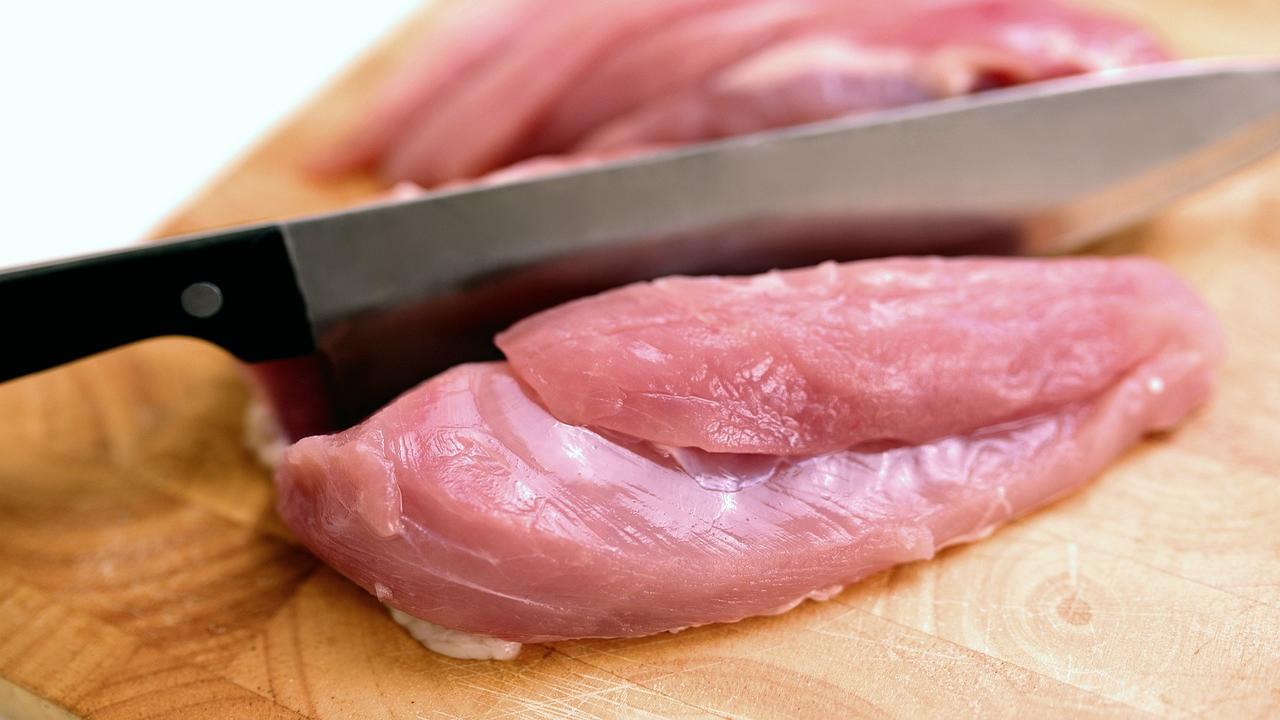
You know that chicken breast sitting in your fridge right now? There’s a good chance it took a chlorine bath before reaching your kitchen. Here in America, poultry processors routinely wash chicken carcasses with chlorinated water to kill bacteria like salmonella and campylobacter. While the USDA considers this practice safe, the European Union has banned American chicken imports because of this very process. They argue that relying on chemical washes masks poor hygiene practices during processing and potentially creates antibiotic-resistant bacteria.
I’ve always been passionate about knowing where my food comes from, and this practice really opened my eyes to seeking out local, pasture-raised poultry. When you buy chicken from small farms or look for organic, air-chilled options, you’re getting birds that haven’t been through industrial washing processes. These chickens often taste better too – they have more flavor and better texture because they haven’t been pumped with water during processing. Try visiting your local farmer’s market or finding a butcher who sources from small farms. Your roasted chicken dinners will thank you, and you’ll feel more connected to what you’re feeding your family.
Growth Hormone in Cattle

You know that juicy steak you grilled last weekend? In the United States, there’s a good chance it came from cattle treated with growth hormones like rBGH (recombinant bovine growth hormone). These synthetic hormones help cows grow faster and produce more milk, making them incredibly common in American farming. I’ve always been curious about what goes into our food system, and this one really opened my eyes. While the FDA considers these hormones safe, many countries including the European Union, Canada, and Australia have banned them completely from their food supply.
The concern isn’t just about the hormones themselves—it’s about what they might do to our bodies over time. Some studies suggest links to increased cancer risks and early puberty in children, though the research remains debated. What really gets me thinking is how we can make better choices at home. I’ve started buying grass-fed, hormone-free beef from local farmers, and honestly, the flavor difference is remarkable. Yes, it costs more, but knowing exactly what my family consumes gives me peace of mind. Plus, supporting farmers who raise cattle without synthetic growth promoters feels like voting with my wallet for the kind of food system I want to see.
BHA and BHT Preservatives
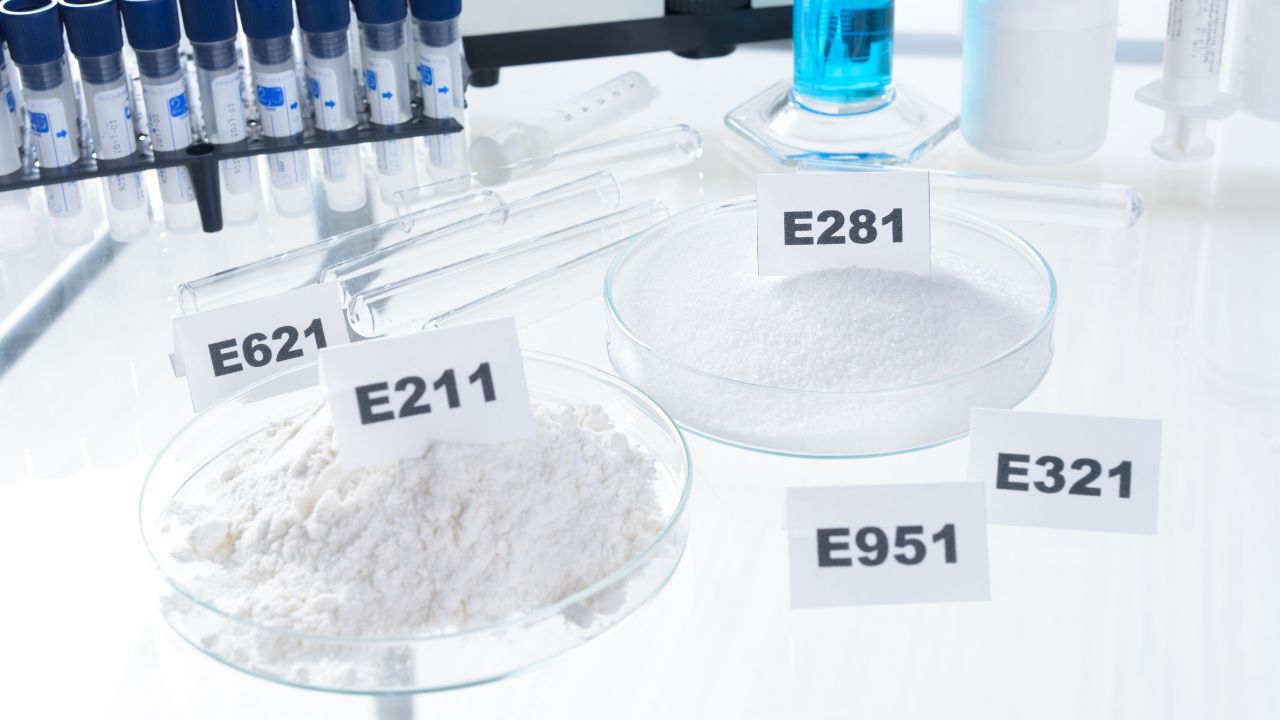
You know those cereal boxes sitting in your pantry right now? Check the ingredient list, and you’ll probably spot BHA (butylated hydroxyanisole) or BHT (butylated hydroxytoluene) lurking there. These synthetic preservatives keep your breakfast cereals, crackers, and countless processed snacks fresh for months on the shelf. While the FDA considers them safe in small amounts, many countries including Japan, Australia, and most of Europe have banned or severely restricted their use. The concern? Studies suggest these chemicals might disrupt hormones and potentially cause cancer in laboratory animals.
I stopped buying products with these preservatives years ago after learning how simple it is to avoid them. Instead of grabbing that box of commercial cereal, I make my own granola with oats, nuts, and a touch of maple syrup – it stays fresh for weeks without any chemical help. Fresh ingredients naturally preserve better when you store them properly, and your body doesn’t have to process these synthetic compounds. Reading labels becomes second nature once you start, and you’ll discover so many whole food alternatives that taste infinitely better than their processed counterparts.
Artificial Food Dyes
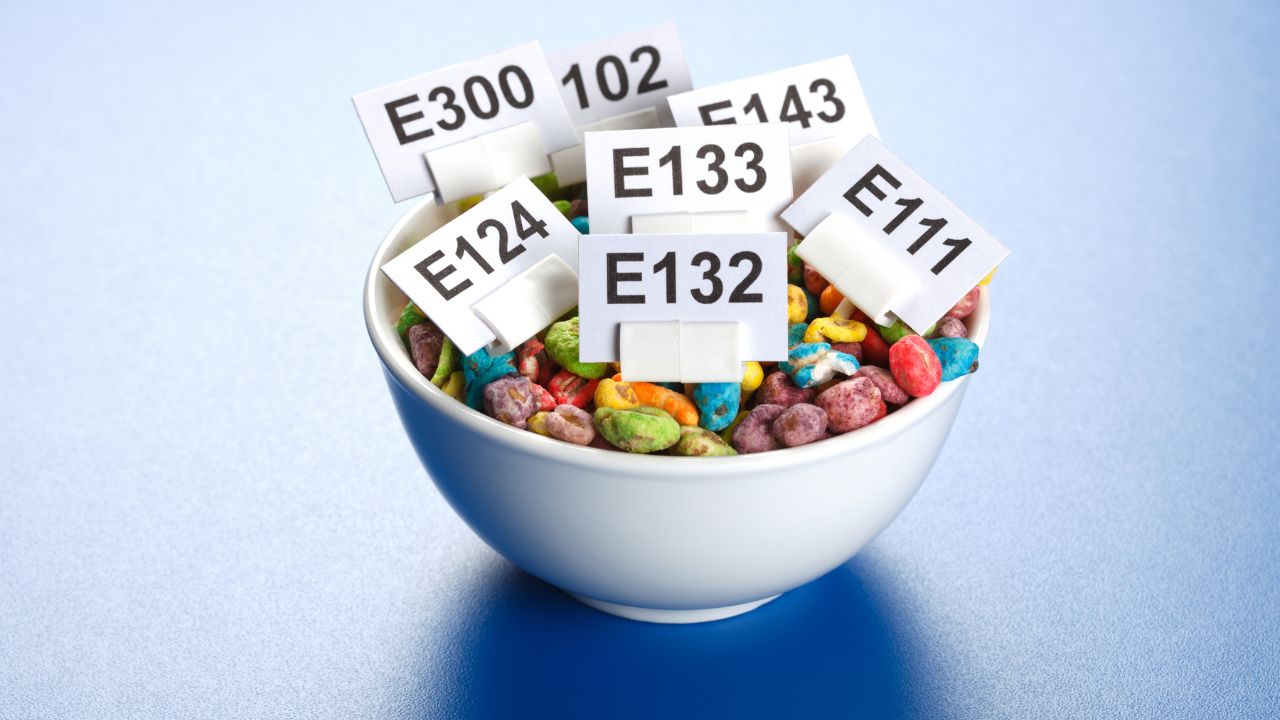
You know that vibrant red in your favorite candy or the electric blue in your morning cereal? Those eye-catching colors come from artificial food dyes that make our processed foods look more appealing than they naturally would. While these synthetic colorings paint our grocery store aisles in rainbow hues, many countries across Europe have banned or require warning labels for dyes like Red 40, Yellow 5, and Blue 1. The European Food Safety Authority links these additives to hyperactivity in children and potential health concerns, leading nations like Norway, France, and the UK to either prohibit them entirely or demand clear warnings on packaging.
I’ve watched friends struggle with their kids bouncing off walls after birthday parties loaded with artificially colored treats, and it makes me appreciate cooking from scratch even more. When I create colorful dishes in my kitchen, I reach for nature’s palette instead – turmeric for golden yellows, beets for deep reds, and spirulina for vibrant greens. These natural alternatives not only provide beautiful colors but also add nutritional value to your meals. Making homemade fruit popsicles with real berries or baking cookies with natural cocoa powder gives you that visual appeal without the synthetic additives that other countries have deemed too risky for their citizens.
Olestra/Olean Fat Substitute
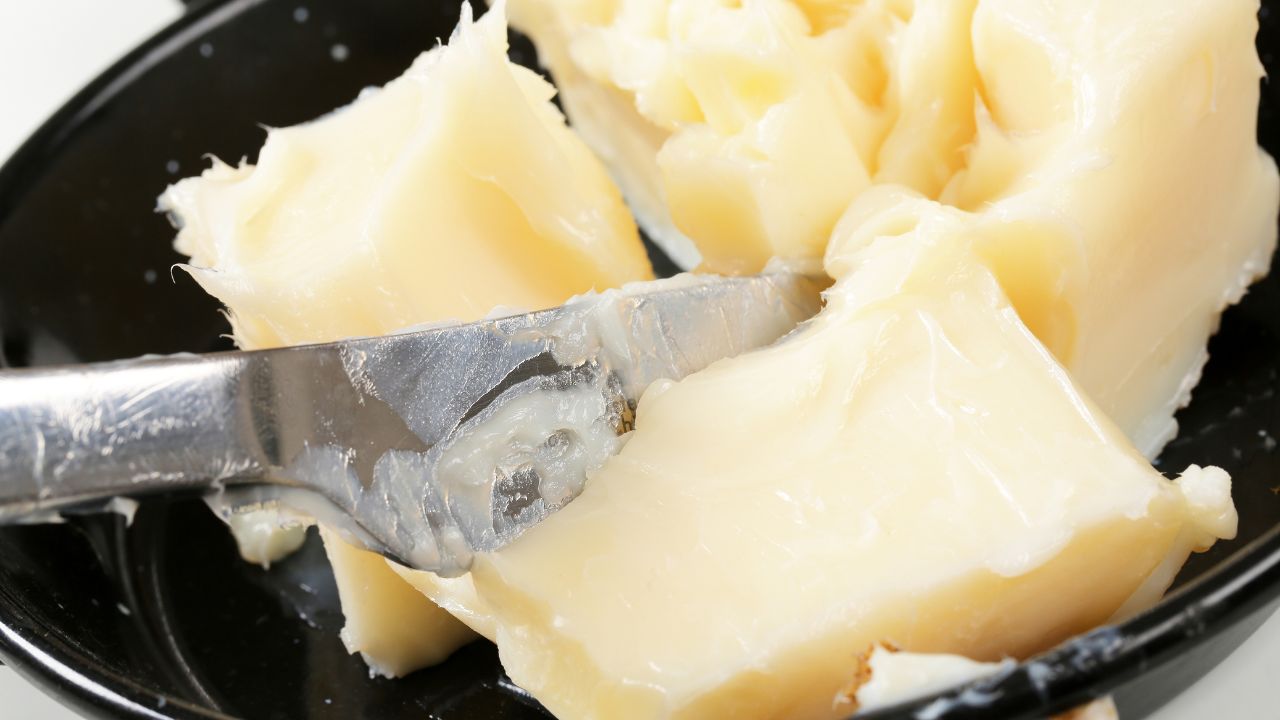
You know that satisfying crunch of your favorite potato chips? Well, if you’re munching on certain “light” or “fat-free” versions in America, you might be eating Olestra—a synthetic fat substitute that Canada and the European Union have banned outright. This laboratory-created compound passes through your digestive system without being absorbed, which sounds great in theory for cutting calories. But here’s the catch: Olestra can block your body from absorbing fat-soluble vitamins A, D, E, and K, essentially robbing you of nutrients your body desperately needs.
I always tell my friends to skip these processed alternatives and make their own baked veggie chips at home instead. Thinly slice sweet potatoes, beets, or regular potatoes, toss them with a drizzle of good olive oil and sea salt, then bake until crispy. You get that satisfying crunch without synthetic chemicals, plus you’re actually nourishing your body with real food. The European Union and Canada figured this out years ago—they decided that a fat substitute causing digestive issues and nutrient depletion wasn’t worth the trade-off. Sometimes the simplest approach really is the healthiest: real ingredients, prepared with love in your own kitchen.
Azodicarbonamide Bread Additive

You know that soft, pillowy texture in your favorite sandwich bread? There’s a good chance azodicarbonamide made it possible. This chemical additive works as a dough conditioner, creating that perfectly uniform crumb we’ve grown accustomed to in commercial breads. I see it listed on ingredient labels all the time when I’m shopping for my family, and honestly, it always makes me pause. What really gets me is that this same compound gets used in yoga mats and shoe soles – yes, the same stuff that makes your sneakers flexible is conditioning your morning toast.
Countries across Europe, Australia, and Singapore have banned azodicarbonamide from their food supply entirely, recognizing potential health risks including respiratory issues and possible links to cancer. Yet here in America, you’ll find it in countless bread products lining grocery store shelves. This is exactly why I started baking my own bread years ago – just flour, water, yeast, and a pinch of salt create magic without any questionable additives. When you make bread from scratch, you control every single ingredient, and trust me, that peace of mind tastes so much better than any store-bought loaf ever could.
Genetically Modified Papaya
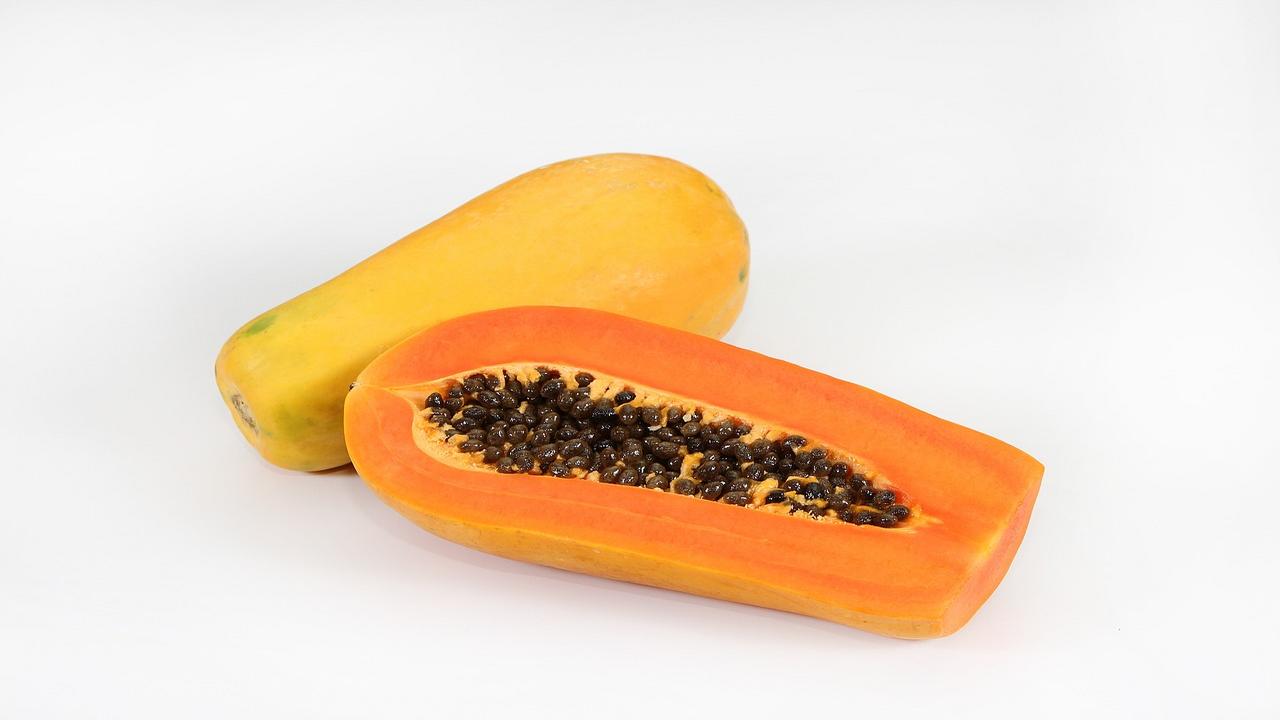
You know how I always tell you to shop the perimeter of the grocery store for the freshest ingredients? Well, here’s something that might surprise you about those beautiful papayas sitting in your produce section. Most papayas grown in Hawaii – and that’s about 80% of what we see in American stores – are genetically modified to resist a devastating virus called papaya ringspot. While the FDA approved this GM papaya back in 1998, many countries including Japan, parts of Europe, and several nations in Asia have banned its import completely.
Now, I’m not here to scare you away from this incredibly nutritious fruit that I absolutely love adding to my morning smoothies and fresh salsas. The thing is, these countries want clear labeling and more long-term studies before they’ll allow GM papayas on their shelves. If you’re cooking at home and want to avoid genetically modified varieties, look for papayas from Mexico or other non-Hawaiian sources, or seek out organic options. I personally love using papaya in my Thai-inspired salads – the enzyme papain makes it incredible for tenderizing proteins naturally, and that sweet, tropical flavor brings such brightness to any dish you’re creating from scratch.
Arsenic Laced Chicken
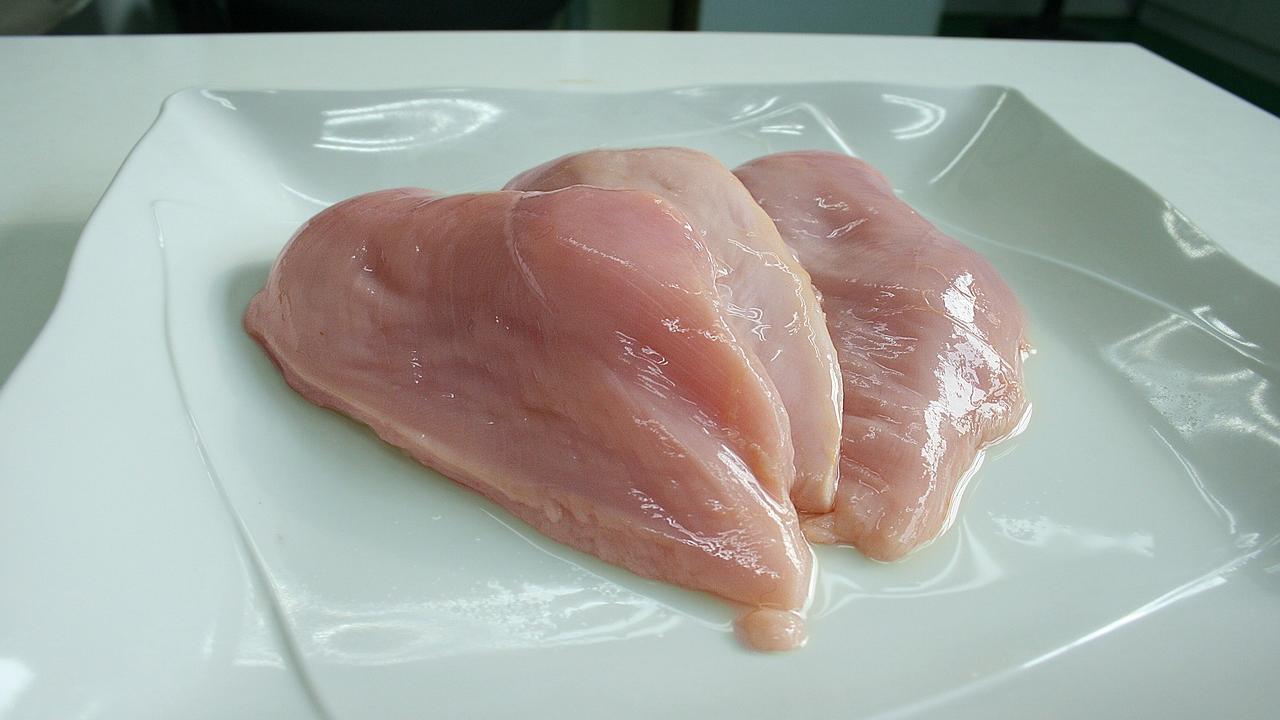
You know that juicy rotisserie chicken you grab for dinner? Here’s something that might make you pause at the grocery store. American chicken producers routinely feed their birds arsenic-based compounds to promote growth and give the meat that appealing pink color we associate with freshness. This practice happens so regularly that most consumers have no idea their Sunday dinner contains traces of a known carcinogen. The European Union banned this practice years ago, recognizing that even small amounts of arsenic can accumulate in our bodies over time.
I started sourcing my chicken from local farms after learning about this, and honestly, the difference amazes me every time I cook. Real, arsenic-free chicken might look less uniformly pink, but the flavor runs so much deeper and richer. When you roast a truly clean bird with just olive oil, fresh herbs, and sea salt, you taste what chicken should actually be – not some chemically enhanced version. Your family deserves better than hidden toxins in their protein, and once you make the switch to organic or locally-raised birds, you’ll never want to go back to the conventional stuff.
RBGH and RBST Milk
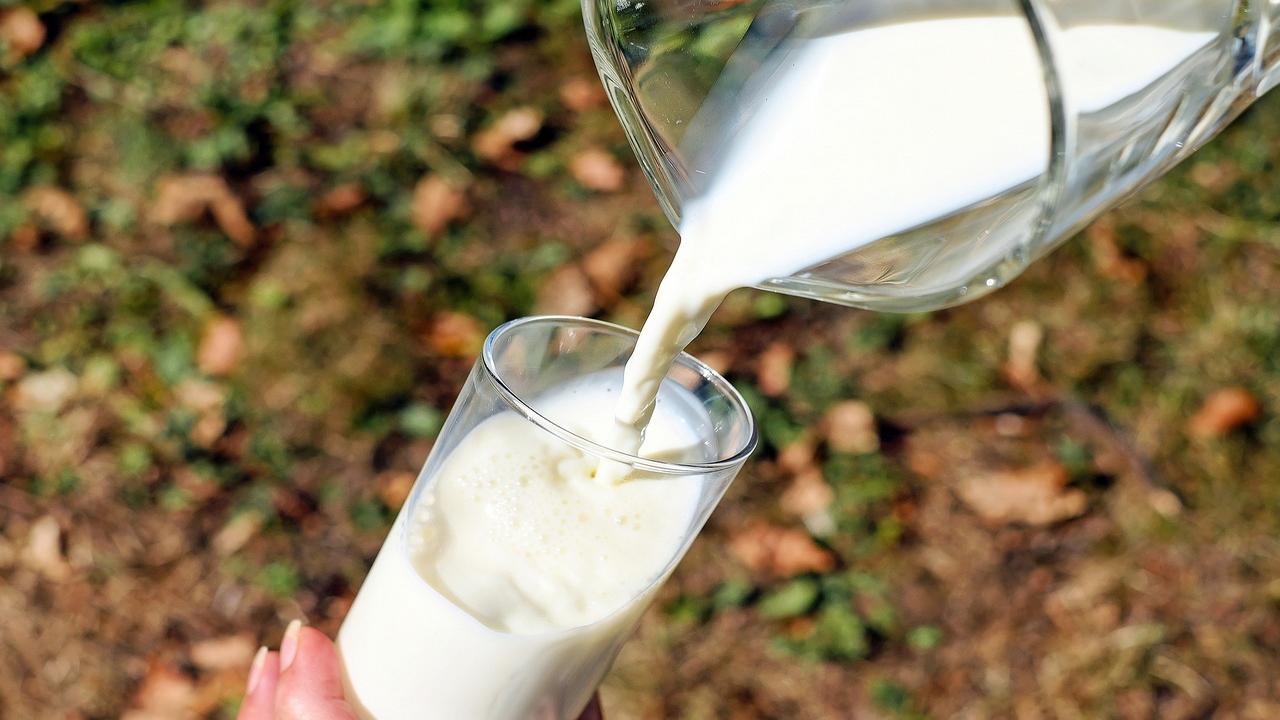
Here’s something that might shock you – that glass of milk sitting in your fridge could contain synthetic growth hormones that most of the world has said “no thanks” to. RBGH (recombinant bovine growth hormone) and RBST (recombinant bovine somatotropin) are synthetic hormones injected into dairy cows to boost milk production. While the FDA approved these hormones in the 1990s, countries across Europe, Canada, Australia, and New Zealand have banned them outright. These nations worry about potential health risks and the stress these hormones place on cows, leading to higher rates of mastitis and other infections.
When I’m shopping for dairy products for my family, I always look for labels that say “rBGH-free” or “rBST-free” – it’s become second nature, like checking for organic produce. The good news is that many American dairy companies have responded to consumer concerns and stopped using these hormones. But here’s what gets me: we shouldn’t have to detective-work our way through grocery shopping just to avoid synthetic hormones in something as basic as milk. I’ve started building relationships with local dairy farmers who prioritize natural farming methods, and the difference in taste and quality is remarkable. Your morning cereal, that creamy pasta sauce, or your favorite cheese – they all taste better when they come from cows treated with respect rather than synthetic shortcuts.
Potassium Bromate in Bread
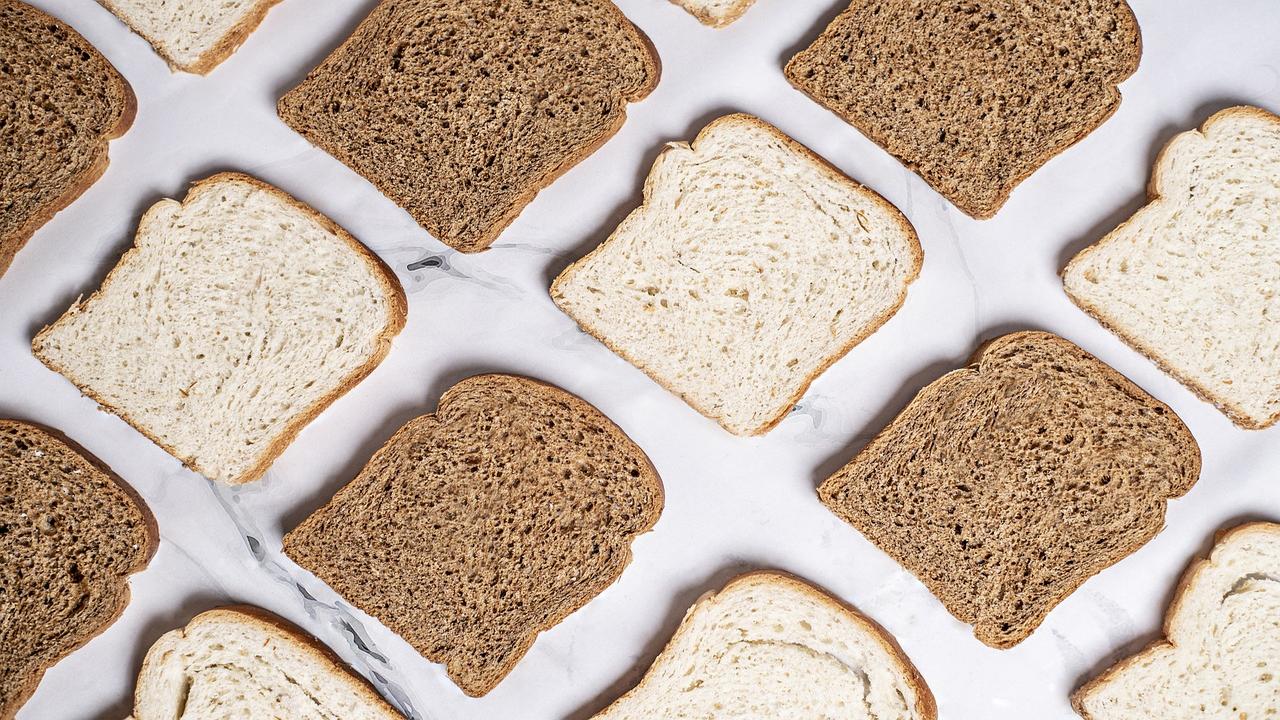
You know that soft, fluffy loaf you grab from the grocery store shelf? There’s a good chance it contains potassium bromate, a dough conditioner that makes bread rise higher and stay fresher longer. I used to think nothing of buying commercial bread until I learned this chemical oxidizing agent gets banned in countries like the UK, Canada, and throughout the European Union. The reason? Studies link it to kidney damage and potential cancer risks when consumed regularly.
This discovery completely changed how I approach bread in my kitchen. Now I make my own loaves using simple ingredients – flour, water, yeast, salt, and maybe a touch of honey or olive oil. The process takes longer, sure, but there’s something magical about kneading dough with your hands and watching it transform into golden, crusty bread that fills your home with warmth. My homemade loaves might not have that unnaturally perfect texture of store-bought versions, but they’re packed with real flavor and none of the questionable additives. Plus, you control every single ingredient that goes into your family’s food.
Flame Retardant Drinks (BVO)
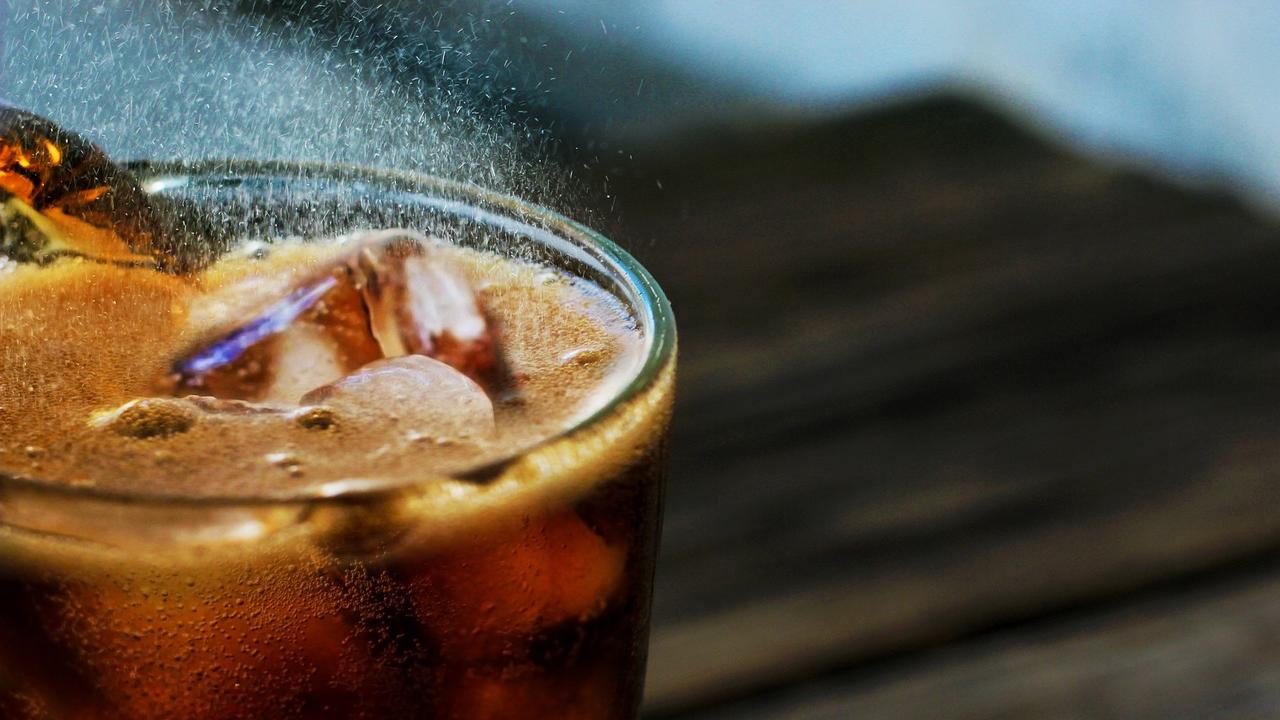
You know that bright orange soda you grab from the convenience store? That vibrant yellow sports drink promising to replenish your electrolytes? They might contain brominated vegetable oil (BVO), a flame retardant that keeps citrus flavoring from separating and floating to the top. Yes, you read that right – flame retardant in your drink! While the FDA allows BVO in small amounts, the European Union, Japan, and India have banned this additive entirely because studies link it to memory loss, skin lesions, and nerve disorders.
I always tell my friends to flip those bottles around and read the ingredients before taking a sip. BVO accumulates in your body’s fatty tissues over time, and honestly, that’s not something I want building up in my system. Instead of reaching for those neon-colored beverages, I make my own flavored waters at home using fresh citrus slices, herbs like mint or basil, and a splash of pure fruit juice. Your body deserves real ingredients that nourish rather than preserve – and trust me, homemade drinks taste infinitely better than anything containing industrial chemicals meant for fire safety equipment.
Ractopamine Treated Meat
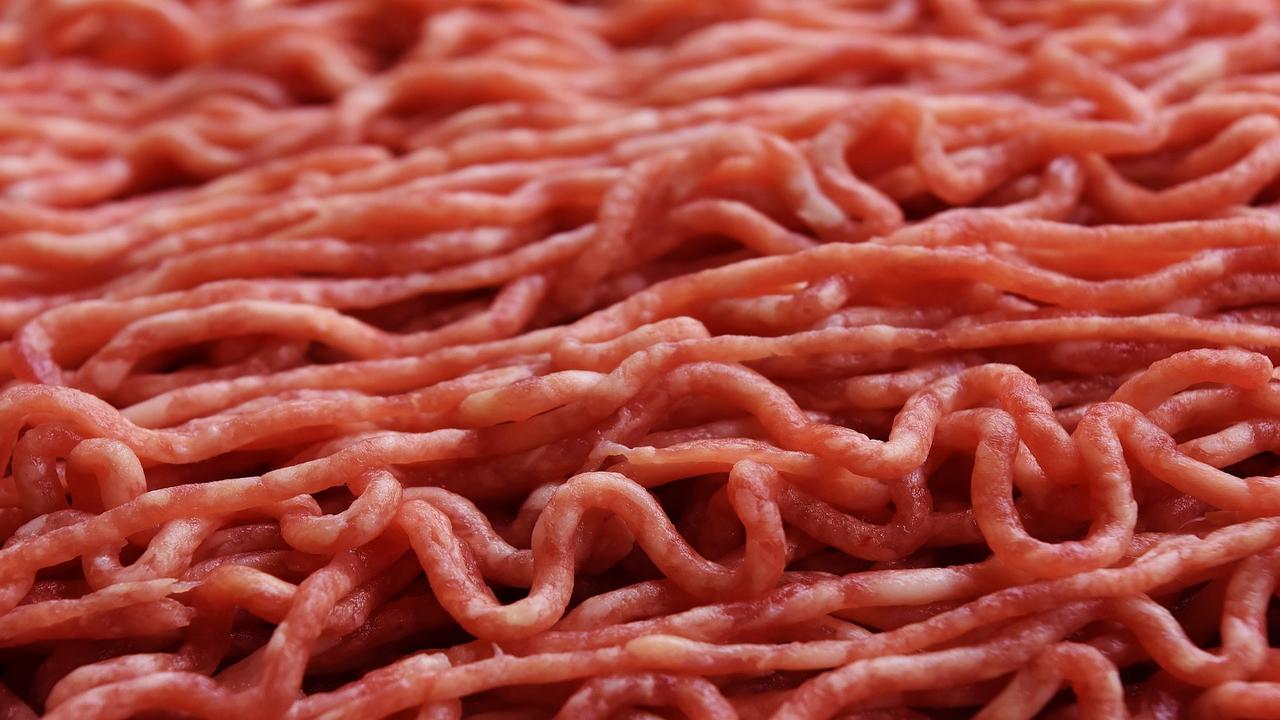
You know how I always tell you to read those ingredient labels? Well, here’s something that might shock you – that pork chop or beef you’re buying at your local grocery store could contain ractopamine, a growth-promoting drug that’s banned in over 160 countries including China, Russia, and the entire European Union. This beta-agonist gets fed to pigs and cattle to make them leaner and grow faster, but here’s the thing that really gets me fired up: it can remain in the meat even after the animal is slaughtered. While the FDA says it’s safe at approved levels, I can’t help but wonder why so many other countries have said “absolutely not” to this additive.
What really bothers me about ractopamine is how it goes against everything I believe about clean, wholesome food. When I’m planning meals for my family, I want to know exactly what’s going into our bodies, and this drug represents the kind of industrial shortcuts that keep me reaching for grass-fed, organic, or locally-sourced meats instead. The fact that many countries require ractopamine-free certification for imported American meat tells me everything I need to know. If you’re cooking from scratch like I always encourage, consider seeking out meat from farmers who raise their animals without growth promoters – your body will thank you for choosing food that’s as close to its natural state as possible.
Farm Raised Salmon
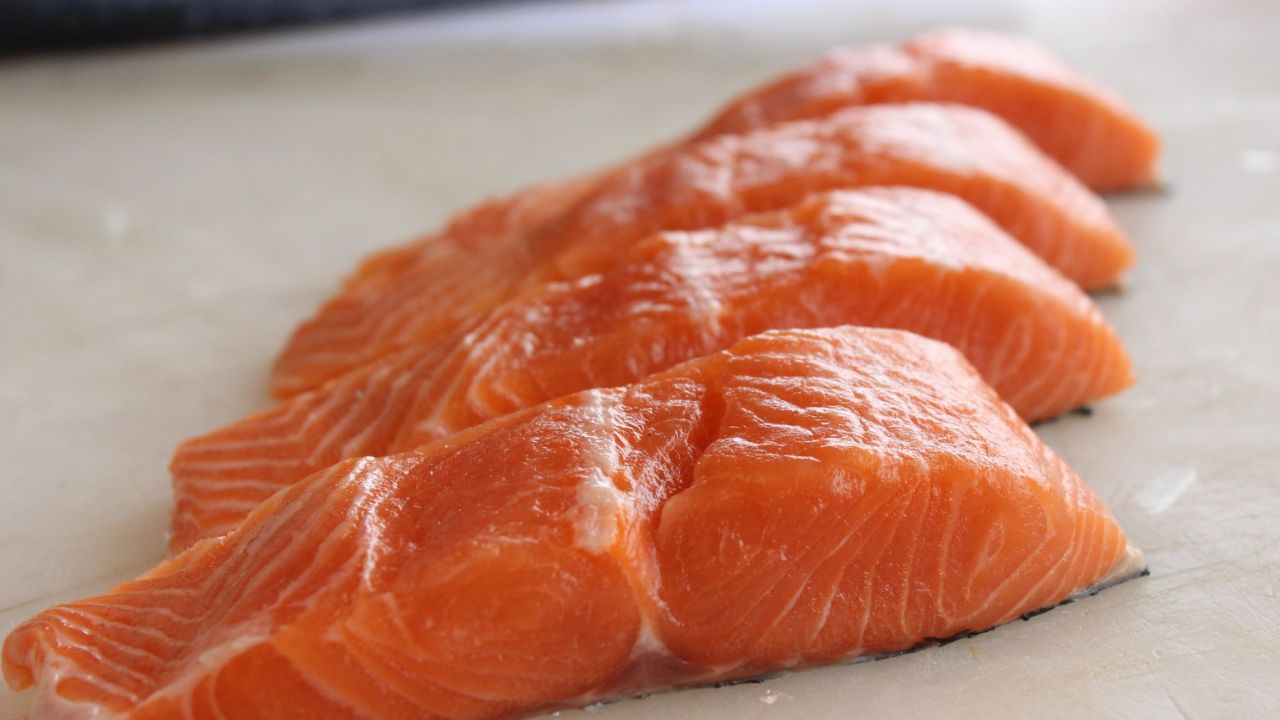
Picture this: you’re at your local grocery store, eyeing that beautiful pink salmon fillet, thinking about the perfect weeknight dinner you’ll create. But here’s something that might shock you – that farm-raised salmon sitting in your shopping cart is actually banned in Australia and New Zealand! These countries have said “absolutely not” to our commercially farmed salmon because of the synthetic astaxanthin used to give it that appealing pink color. This artificial pigment, along with other chemical additives used in fish farming, raises concerns about what we’re actually putting on our plates.
Now, I’m not here to scare you away from salmon entirely – this fish remains one of my favorite proteins to work with in the kitchen. The key is knowing your source and making informed choices. Wild-caught salmon naturally gets its gorgeous color from the krill and shrimp it eats, plus it offers superior omega-3 fatty acids and cleaner flavor profiles. When I’m creating my honey-glazed salmon with ginger and scallions, or that Mediterranean-style baked salmon with herbs, I always reach for wild-caught varieties. Yes, it costs more, but your body will thank you for choosing fish that swam freely in clean waters rather than crowded farm pens filled with antibiotics and artificial colors.