15 ingenious budget-friendly dishes from around the world made to stretch every bite
Money’s tight everywhere, but hungry bellies don’t care about economics. That’s where these fifteen dishes come in—brilliant, filling meals born from necessity and perfected over generations. From Africa to Asia, the Caribbean to Central America, cooks have mastered the art of making little go a long way.
These aren’t fancy restaurant creations. They’re the real deal: staples that feed families on next to nothing while still tasting incredible. We’re talking about rice, beans, lentils, and grains transformed into satisfying meals that stick to your ribs and warm your soul.
Each dish tells a story of ingenuity, of people who refused to let poverty dictate flavor. They stretched ingredients, combined simple components, and created something magical. Whether it’s West African fufu or South Asian dal, these meals prove that budget-friendly doesn’t mean boring—it means smart, resourceful, and downright delicious.
Chili with Squash (Native American Tribes)
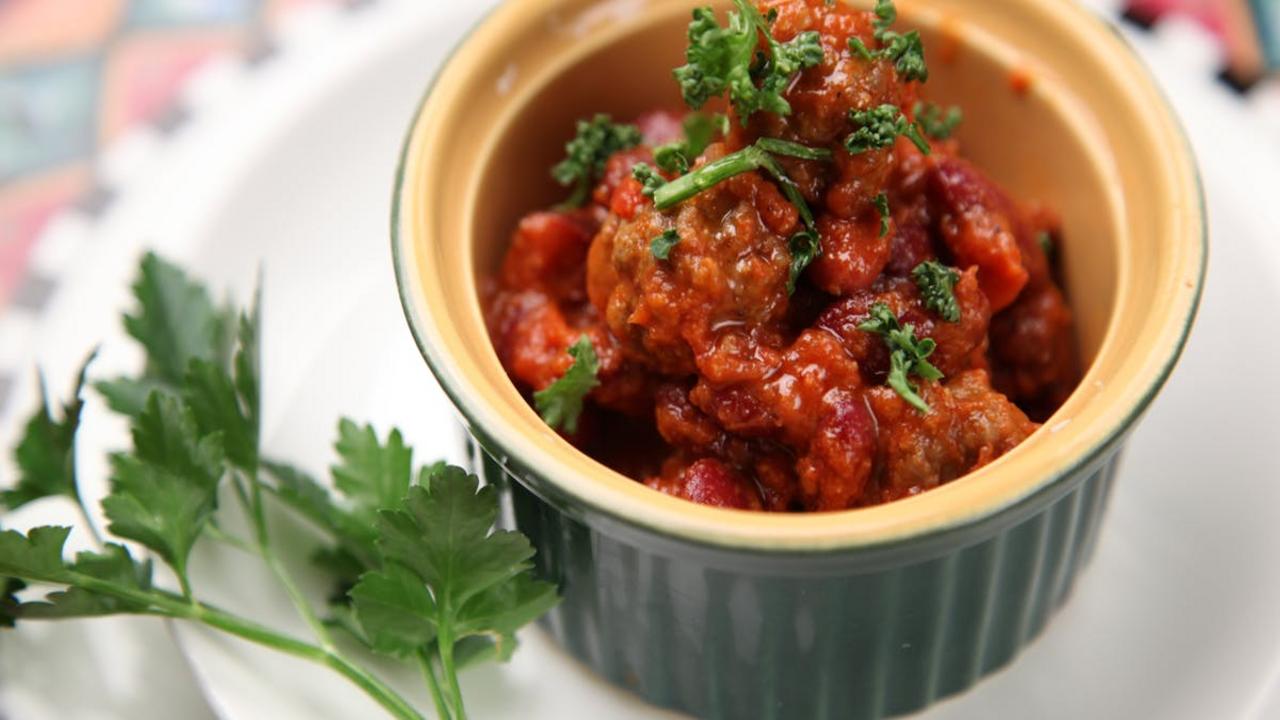
Long before anyone was arguing about beans in chili on the internet, Native American tribes across the Southwest were creating their own version of this hearty stew, and spoiler alert: it featured squash. This dish is pure genius in budget cooking—combining inexpensive dried beans, locally grown squash, and foraged or homegrown peppers into something that could feed a whole community without breaking the bank. The squash adds a subtle sweetness that balances the heat from the chilies, while also bulking up the pot so everyone gets their fill. Different tribes had their own variations depending on what grew in their region, but the core concept remained: make something nourishing that stretches your ingredients as far as they’ll go.
What makes this dish so brilliant is how forgiving it is—you can use butternut, acorn, or even pumpkin, depending on what’s cheap at the market or growing in your garden. The squash breaks down slightly as it simmers, thickening the broth naturally without needing any fancy thickeners or extra cost. Toss in some dried beans (pre-soaked if you remember, but honestly they’ll cook eventually either way), add your peppers based on your heat tolerance, and let everything bubble away until your kitchen smells amazing. Some versions include corn or wild game if available, but the vegetarian base is perfectly satisfying on its own. Serve it with fry bread or cornbread for scooping, and you’ve got a meal that honors centuries of indigenous cooking wisdom while keeping your wallet happy.
Plantain and Beans (Caribbean)
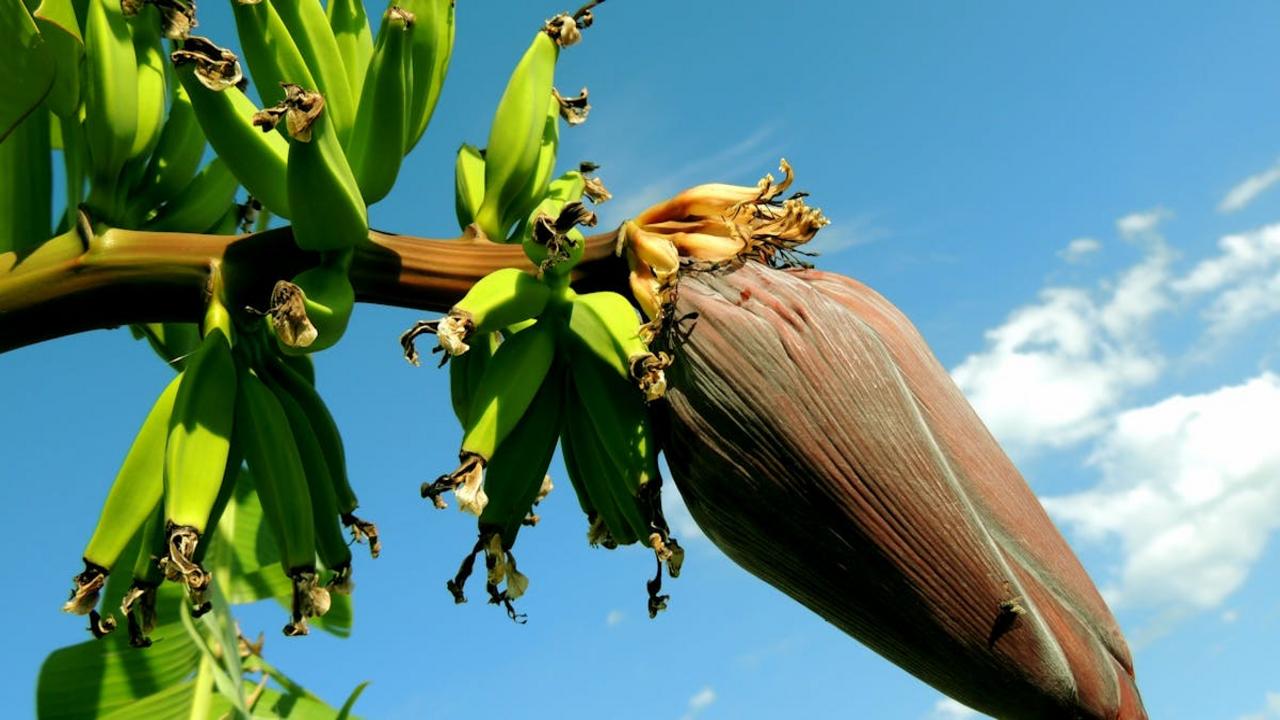
Picture this: you’re broke, it’s the end of the month, and your stomach is staging a full-blown rebellion. Enter plantain and beans, the Caribbean’s answer to “how do I eat like royalty on a pauper’s budget?” This dynamic duo has been keeping bellies happy across Jamaica, Puerto Rico, Haiti, and beyond for generations, and honestly, it’s criminal that more people don’t know about this magical combination. Ripe plantains get caramelized until they’re sweeter than your grandmother’s compliments, while a pot of red kidney beans simmers with garlic, thyme, and scotch bonnet pepper that’ll make you question every life choice that led you away from this plate. The beauty here is in the contrast—creamy beans that cost pennies per serving paired with plantains that transform from starchy to candy-sweet depending on their ripeness. You can snag a bunch for less than a fancy coffee, and they’ll feed you three different ways throughout the week.
Here’s what makes this dish absolutely genius: plantains are basically the Swiss Army knife of produce. Green ones get sliced and fried into tostones for a savory crunch, yellow ones offer that perfect sweet-savory balance, and black-skinned beauties (yes, the ones that look like they’ve seen better days) deliver pure caramelized bliss. Meanwhile, those humble beans are soaking up coconut milk, allspice, and whatever vegetables you’ve got hanging around looking sad in your crisper drawer. Caribbean cooks have been stretching this meal for centuries, sometimes adding a scoop of rice to make it go even further, sometimes throwing in whatever protein wandered by. A can of beans costs about a dollar, feeds four people, and pairs with those golden plantain slices like they were separated at birth. The whole meal comes together for under five bucks, tastes like you spent fifty, and proves that the best food doesn’t need a fancy pedigree—just good ingredients treated with respect and a healthy dose of island wisdom.
Injera with Shiro (Ethiopia)
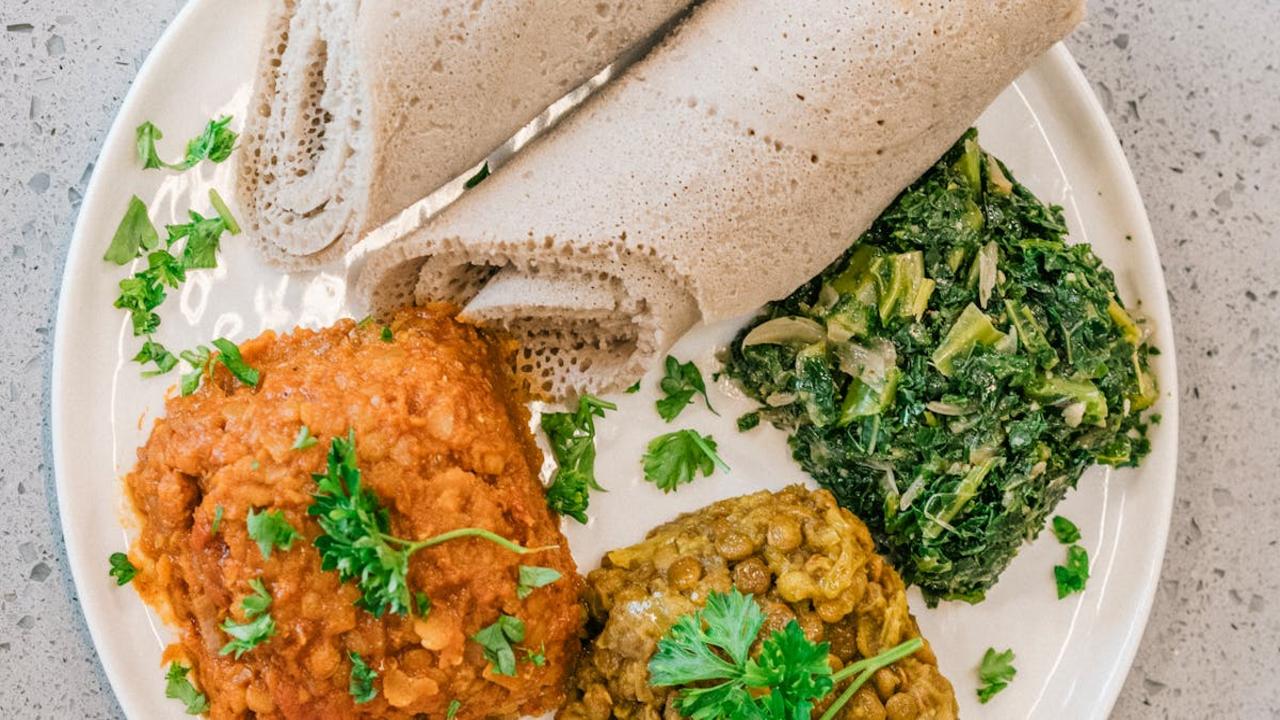
Picture this: a giant, spongy pancake that doubles as both your plate and your utensil. That’s injera, Ethiopia’s fermented flatbread made from teff flour, and it’s the foundation of one of the world’s most brilliant budget meals. Teff is this tiny grain that’s packed with protein and iron, but here’s the kicker—when you ferment the batter for a few days, it develops this slightly sour tang that’s absolutely addictive. Now pile on some shiro, a thick chickpea or broad bean stew spiced with berbere (a complex Ethiopian spice blend), and you’ve got yourself a meal that costs pennies but eats like a feast. The beauty is that injera soaks up every bit of that savory, slightly spicy sauce, so nothing goes to waste.
Ethiopian families have mastered the art of making this dish stretch—one batch of shiro can feed a crowd, and the injera gets repurposed throughout the day (yesterday’s injera becomes firfir, a breakfast dish). You tear off pieces of the bread with your right hand, pinch up some stew, and pop it in your mouth—no forks needed, no dishes to wash. The whole experience feels communal and intimate at once, especially when everyone’s eating from the same platter. Plus, teff grows well in Ethiopia’s highlands where other crops struggle, making it a sustainable choice that’s been feeding people for thousands of years. It’s proof that the best comfort food doesn’t need fancy ingredients—just smart ones.
Khichdi (India)
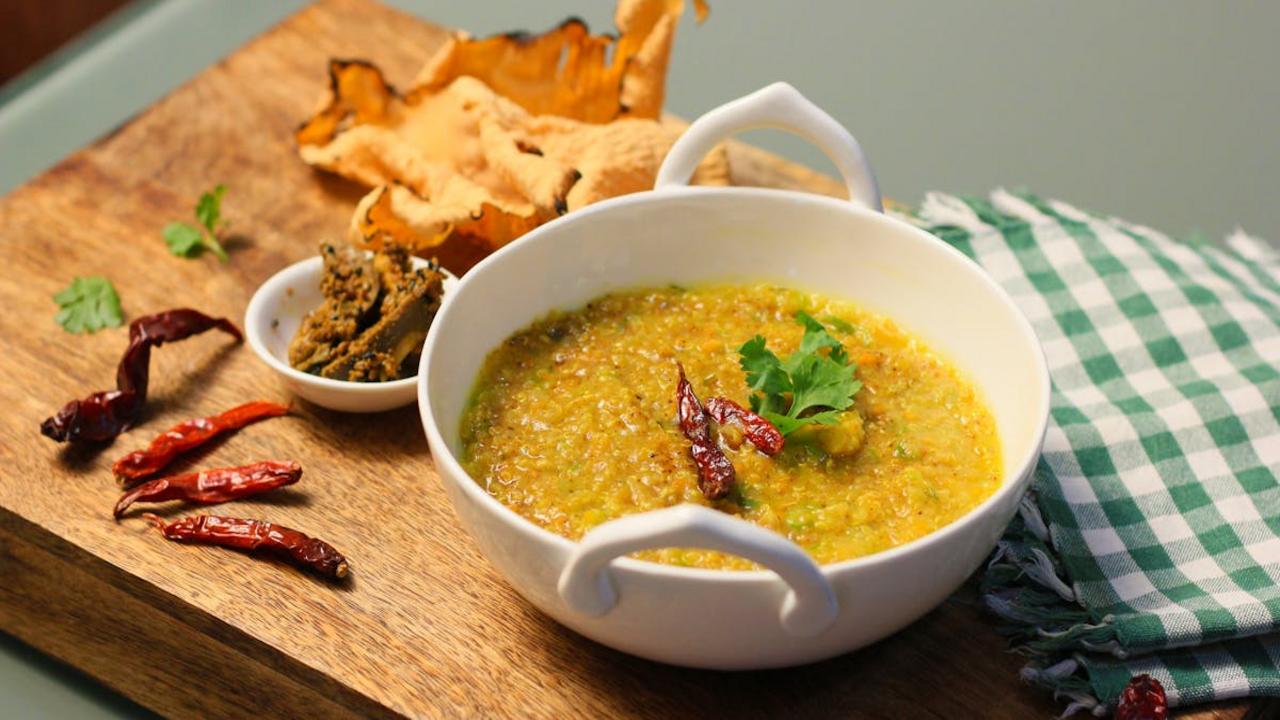
Khichdi is the ultimate Indian comfort food that proves you don’t need a pantry full of fancy ingredients to create something magical. This humble one-pot wonder combines rice and lentils with ghee, cumin, and turmeric into a creamy, soul-warming porridge that’s been feeding families across India for centuries. It’s so beloved that parents feed it to babies as their first solid food, and Ayurvedic practitioners prescribe it for healing—basically, khichdi is the chicken soup of South Asia, except it’s vegetarian and possibly even more soothing. The beauty lies in its simplicity: throw everything into one pot, let it bubble away until the grains and lentils meld into this gorgeous golden mush, and you’ve got yourself dinner. Plus, it costs practically nothing to make, which is why generations of students, monks, and budget-conscious home cooks have relied on this dish when money was tight.
The versatility of khichdi means you can dress it up or keep it bare-bones depending on what’s lurking in your fridge. Feeling fancy? Toss in some vegetables, top it with crispy fried onions, and serve it with yogurt and pickles. Having a rough day? Keep it plain and simple—just rice, lentils, and spices doing their thing. Some regions make it soupy, others prefer it thick enough to stand a spoon in, and honestly, both versions hit the spot. Indians have been cooking khichdi since ancient times—it even gets mentioned in old Sanskrit texts, which means people were already hooked on this dish thousands of years ago. There’s something deeply satisfying about eating the same meal that sustained travelers on the Silk Road, except now you’re probably eating it in your pajamas while binge-watching your favorite show. The next time your wallet feels light and your stomach feels empty, remember that khichdi has your back with its warm, buttery embrace.
Barley Soup (Tibet)
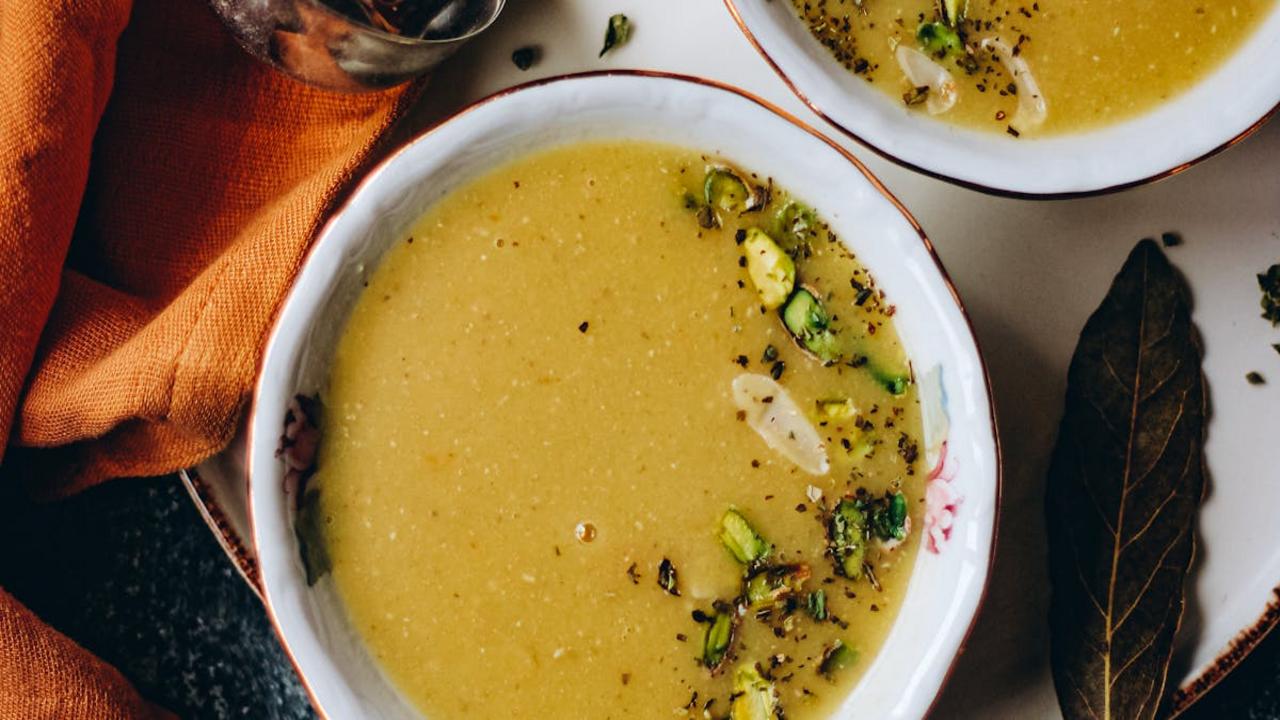
Picture this: you’re perched on the roof of the world, where oxygen is scarce but hospitality runs thick as yak butter. Tibetan barley soup, or tsampa thuk, is what keeps mountain dwellers warm when the wind could slice through steel. This humble bowl starts with roasted barley flour—the same stuff that fuels monks through meditation marathons—simmered into a hearty soup with whatever vegetables are hanging around. Carrots, potatoes, maybe some dried yak meat if you’re lucky. The barley swells up like tiny flavor sponges, soaking in every bit of broth while giving you that stick-to-your-ribs satisfaction that makes you understand why Tibetans have been eating this for centuries. It’s basically the Himalayan answer to chicken noodle soup, except instead of your grandma’s kitchen, it’s been battle-tested at 14,000 feet above sea level.
What makes this soup brilliantly budget-friendly is that barley costs practically nothing and expands to nearly triple its size when cooked. You could start with a handful and end up feeding a small monastery. Add some butter tea on the side (yes, tea with butter—don’t knock it until you’ve tried surviving a Tibetan winter), and you’ve got a meal that costs pennies but delivers maximum comfort. The roasting process gives the barley this nutty, almost coffee-like depth that transforms plain old grain into something genuinely crave-worthy. Modern Tibetan home cooks sometimes throw in a dash of soy sauce or a sprinkle of dried cheese for extra oomph, proving that even ancient recipes appreciate a little improvisation. Try making a batch on your next cold evening—your wallet and your belly will thank you, even if you’re nowhere near the Himalayas.
Jollof Rice (West Africa)
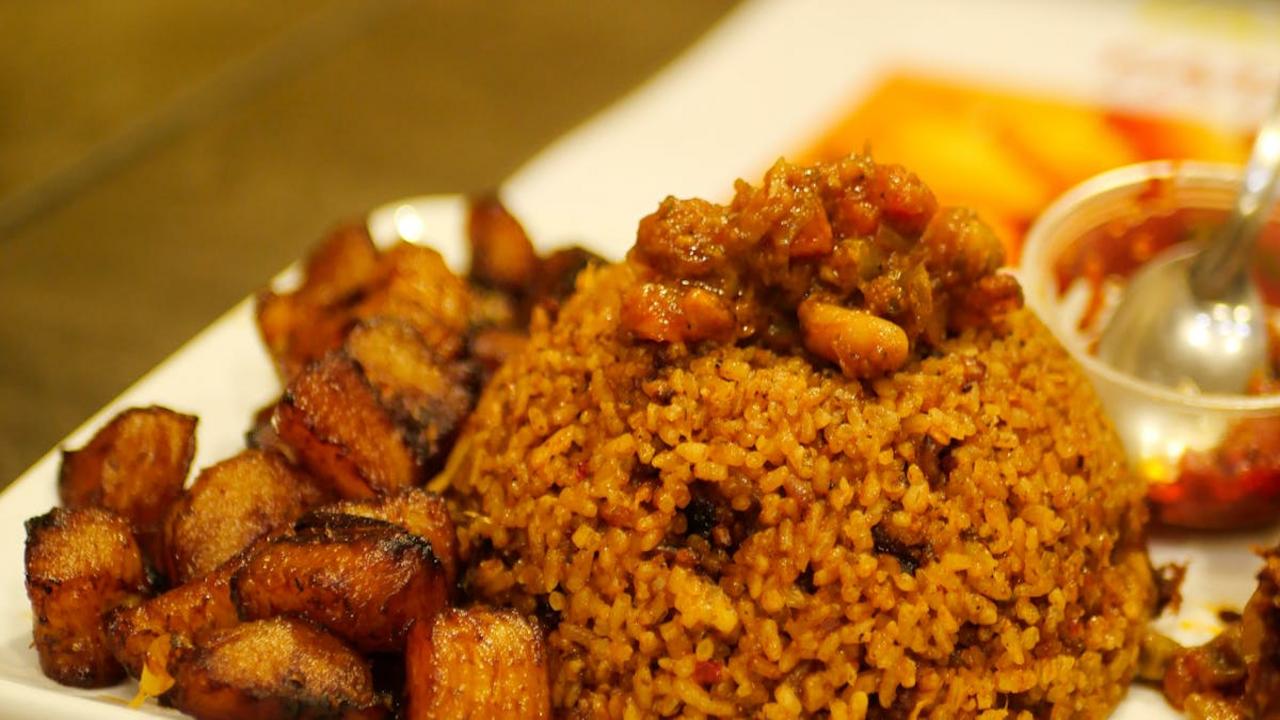
If there’s one dish that can start friendly debates, unite families, and stretch a dollar like nobody’s business, it’s Jollof rice. This West African staple transforms humble rice into something spectacular with tomatoes, onions, peppers, and whatever spices you’ve got hiding in your cabinet. Countries across West Africa have their own versions, and trust me, each nation swears theirs is superior. Nigerians prefer their rice with a smoky party bottom (the crispy bits stuck to the pot), while Ghanaians go for a redder, more tomato-forward approach. Senegalese Jollof often includes vegetables and fish, making it a complete meal in one pot. The beauty? You can feed eight people with about five dollars’ worth of ingredients, and everyone will ask for seconds.
The magic happens when rice absorbs that rich tomato sauce, turning every grain into flavor-packed perfection. Start by blending tomatoes, peppers, and onions into a paste, then fry it down until the raw edge disappears and it turns sweet. Add your rice, broth, and seasonings, then cover and pray you get that coveted crispy bottom without burning the whole pot. Some cooks swear by the “put a towel under the lid” technique, others use aluminum foil, and a few brave souls just turn up the heat at the end and hope for the best. Throw in chicken, fish, or keep it vegetarian—this dish adapts to whatever protein you can afford that week. It’s forgiving, filling, and ridiculously delicious, which explains why it’s been feeding West African families for generations without breaking the bank.
Thieboudienne (Senegal)
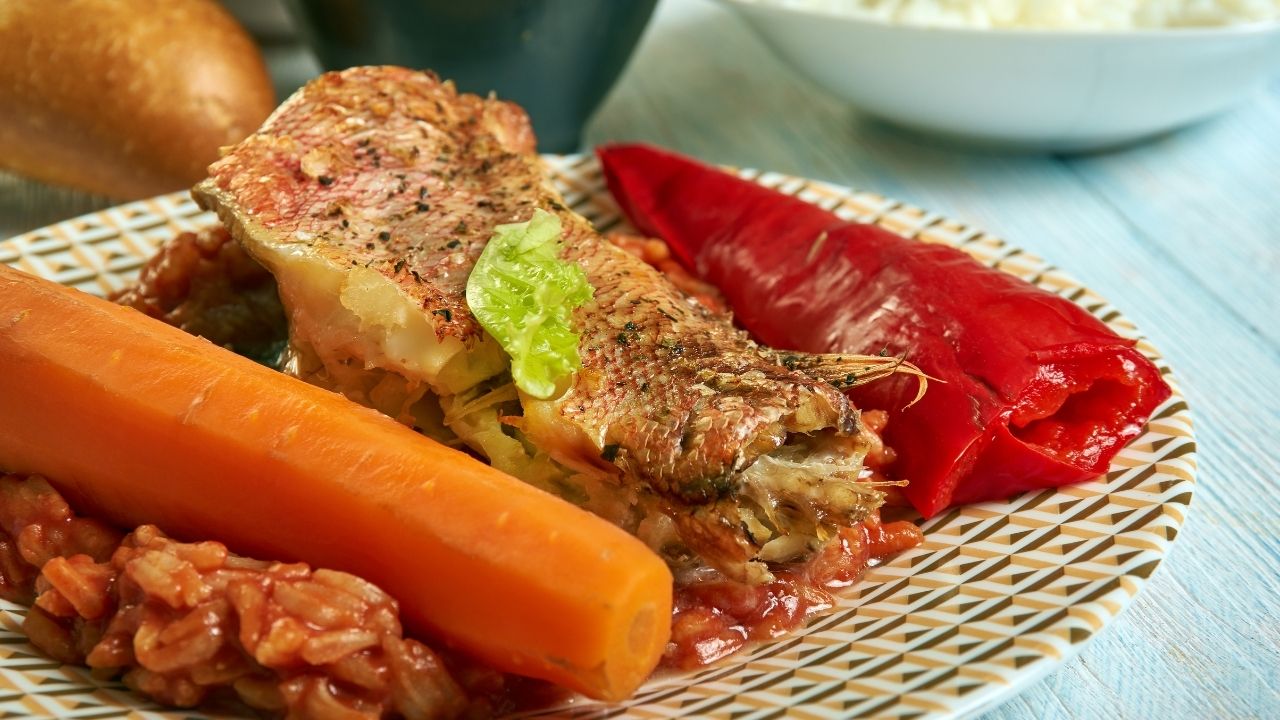
Picture this: a massive platter piled high with bright red rice, chunks of fish, and vegetables that have been stewed to tender perfection. That’s Thieboudienne (pronounced “cheb-oo-jen”), and it’s basically Senegal’s national treasure on a plate. This one-pot wonder starts with broken rice—the cheaper, smaller grains that cook up fluffy and absorb flavors like a sponge—mixed with tomato paste, tamarind, and whatever vegetables are hanging around. The genius here is that everything cooks together in layers: first the fish gets stuffed with herbs and fried, then vegetables simmer in that flavorful oil, and finally the rice soaks up all that goodness. It’s the kind of dish where nothing goes to waste, and cheaper cuts of fish work just as well as the fancy stuff. Plus, broken rice costs a fraction of premium long-grain varieties, making this feast surprisingly affordable for feeding a crowd.
What really makes Thieboudienne special is how it transforms humble ingredients into something that looks like it belongs at a celebration. The rice turns a gorgeous rust color from the tomatoes, and the vegetables—usually cabbage, carrots, cassava, and eggplant—practically melt in your mouth after their long simmer. Senegalese cooks know that the crusty bits of rice stuck to the bottom of the pot (called “xoon”) are the best part, and there’s always friendly competition over who gets them. The dish originated in the city of Saint-Louis back in the 1800s, created by a cook named Penda Mbaye who wanted to make French-style paella more accessible with local ingredients. Now it shows up at everything from casual family dinners to weddings, proving that the best comfort food doesn’t need a fancy price tag to make people happy.
Millet Porridge (Sahel Region)
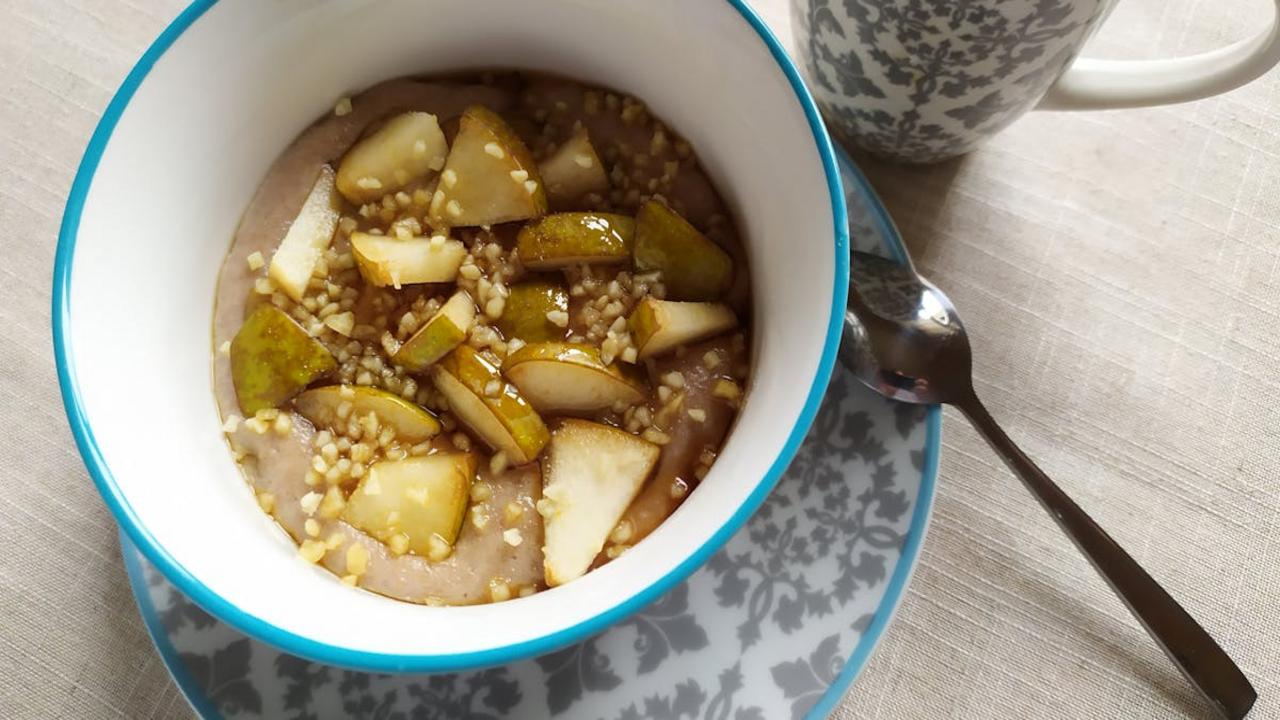
Picture this: you’re in the Sahel, where the sun beats down relentlessly and resources are scarcer than a raindrop in the desert. What do people turn to? Millet porridge, a humble bowl of magic that’s been keeping bellies full for centuries. This isn’t your fancy oatmeal situation—millet is a grain that laughs in the face of drought, growing where other crops throw in the towel. Farmers have been cultivating this resilient little seed for over 5,000 years, and it’s still going strong. The porridge itself is simple: ground millet cooked with water until it reaches a creamy consistency, sometimes sweetened with a bit of sugar or honey, other times left plain to accompany savory stews. It’s the kind of breakfast that costs pennies but delivers protein, fiber, and enough energy to power through the morning.
What makes millet porridge a budget champion is its versatility and staying power. You can flavor it with whatever you have on hand—dried fruits, a sprinkle of spices, or even a dollop of peanut butter for extra richness. In many Sahelian households, this porridge serves triple duty as breakfast, lunch filler, and dinner base, depending on what goes into the pot that day. The grain stores forever without spoiling, which means families can buy in bulk when prices dip and never worry about waste. Plus, millet grows fast—ready to harvest in just 60 to 90 days—making it the ultimate survival crop. Each bowl might look unassuming, but it represents thousands of years of human ingenuity, adapting to one of Earth’s harshest environments with nothing more than water, fire, and determination.
Dal Bhat (Nepal)
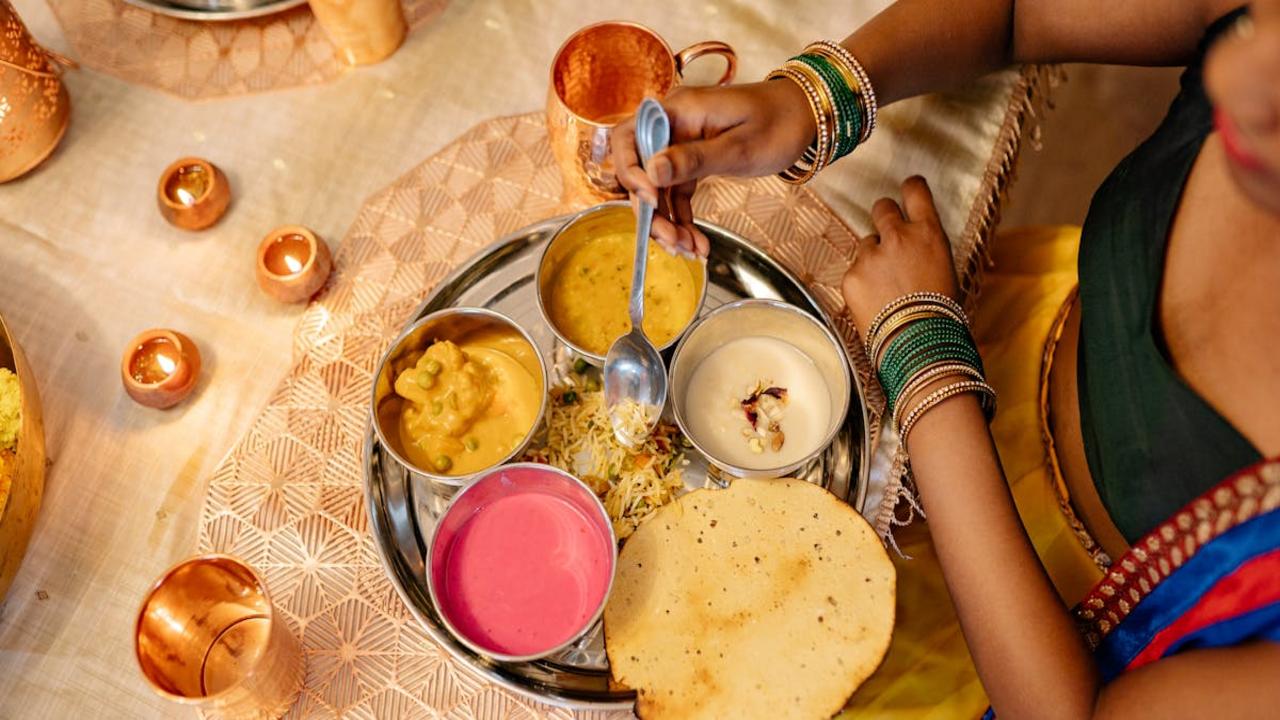
If you’ve ever wondered what fuels Himalayan mountaineers as they scale Everest, wonder no more—it’s Dal Bhat, Nepal’s national dish that’s basically the superhero of budget meals. This simple combo of lentil soup (dal) and steamed rice (bhat) costs mere pennies to make, yet it’s so nutritious and satisfying that Nepalis have a saying: “Dal Bhat power, 24 hour!” And they’re not kidding. The genius lies in its infinite refills tradition—most restaurants serve this dish with unlimited seconds, making it the ultimate value meal. You get your protein-packed lentils seasoned with turmeric, cumin, and garlic, a mountain of fluffy rice, and usually some pickled vegetables and spinach on the side. It’s the kind of meal that sticks to your ribs without sticking to your wallet.
What makes Dal Bhat brilliant beyond its affordability is its adaptability—every household has their own recipe, passed down through generations like precious gold. Some versions include potato curry, others feature fermented greens called gundruk, and if you’re lucky, there might be a dollop of ghee melting into everything. The best part? You can make a huge pot of dal for about three dollars, and it’ll feed your entire family for days. Rice is a pantry staple anyway, so you’re halfway there already. This isn’t fancy food trying to be something it’s not—it’s honest, humble, and absolutely delicious. Plus, eating with your hands (the traditional way) somehow makes it taste even better, though I can’t scientifically explain why. Your fingers just know what they’re doing when scooping up that perfect dal-and-rice ratio.
Cassava Porridge (Sub-Saharan Africa)
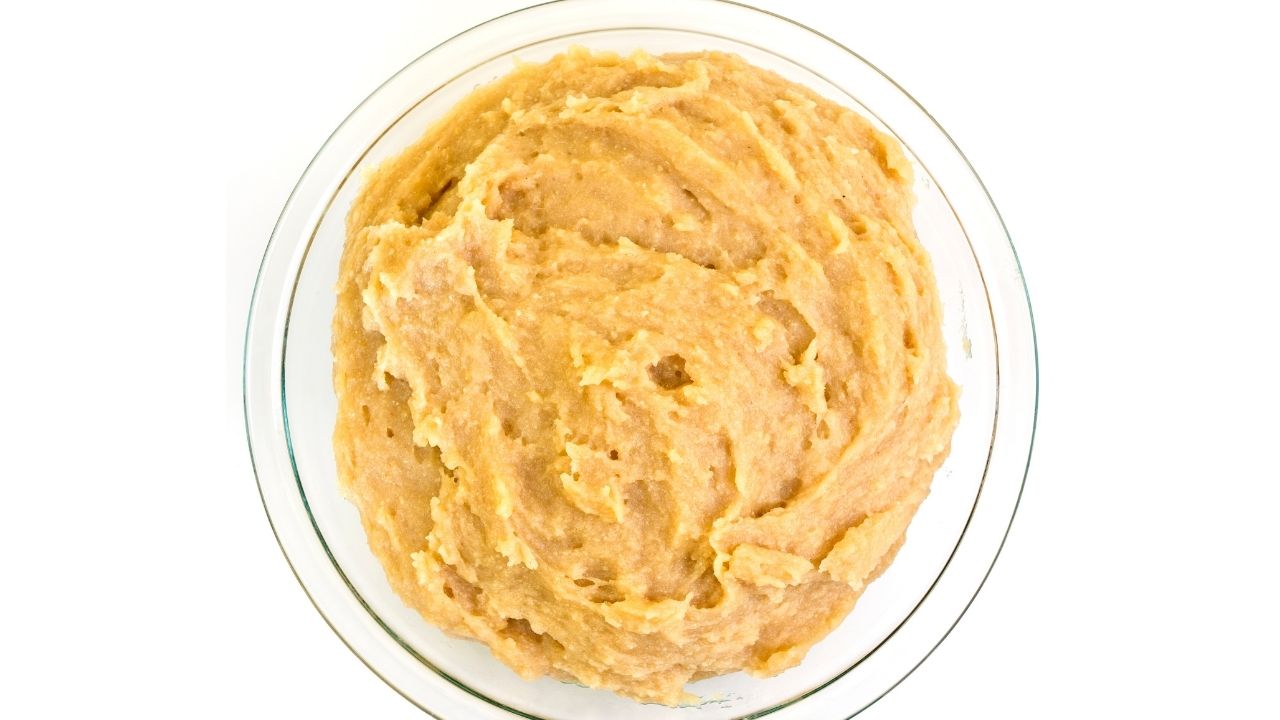
Cassava porridge is the unsung hero of African kitchens, transforming one of the continent’s most abundant root vegetables into a creamy, filling breakfast that costs pennies per serving. This humble dish has sustained communities for generations, and once you understand why, you’ll appreciate its genius: cassava is drought-resistant, stores for months underground, and multiplies like crazy with minimal care. Mix grated or ground cassava with water, cook it down until it reaches a pudding-like consistency, and you’ve got yourself a blank canvas for whatever flavors you fancy. Some folks add coconut milk for richness, others throw in a handful of peanuts or a spoonful of honey. The beauty is that cassava’s mild, slightly earthy flavor plays well with both sweet and savory additions, making it ridiculously versatile for whatever your pantry holds.
What makes this dish particularly brilliant from a budget perspective is that cassava yields massive portions from a single root. One medium cassava can feed a family of four with leftovers to spare, and it packs enough starch to keep everyone satisfied until lunchtime. The preparation is wonderfully forgiving too—burn the bottom slightly? That’s just extra flavor. Too thick? Add more water. Too thin? Keep cooking. Street vendors across Nigeria, Ghana, and beyond sell steaming cups of cassava porridge topped with everything from condensed milk to ground nuts, proving that simple ingredients can create something deeply comforting. Pro tip: toast some cassava flour before mixing it with water to give your porridge a nutty depth that transforms this peasant food into something you’d happily serve guests (though maybe don’t mention the “peasant food” part).
Lentils and Rice (South Asia)
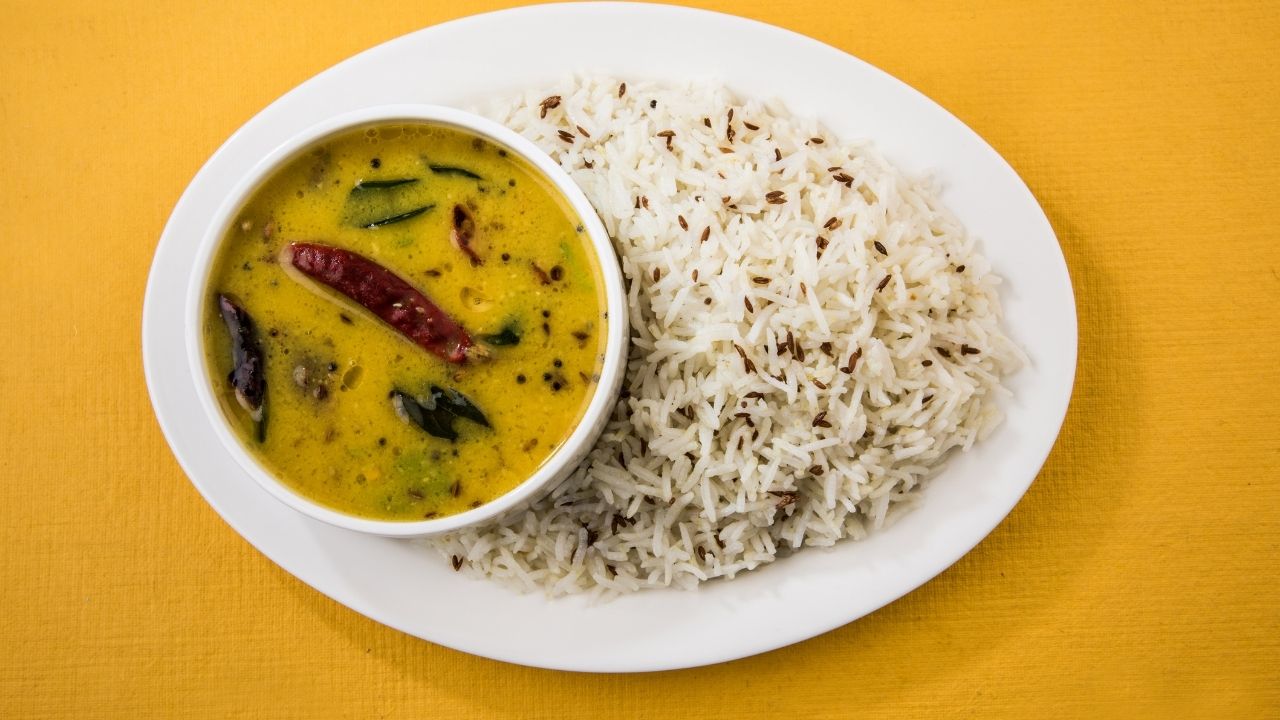
Picture this: you’re broke, you’ve got a bag of lentils and some rice sitting in your pantry, and you’re wondering how something so simple could possibly taste good. Well, friend, billions of people across South Asia have been answering that question for thousands of years with a resounding “delicious!” This dynamic duo, known as dal chawal in Hindi or dal bhat in Nepal, is the backbone of countless meals from India to Bangladesh. The magic happens when earthy lentils meet fluffy rice, creating a complete protein that’ll keep you full without emptying your wallet. Add some turmeric, cumin, garlic, and a squeeze of lemon, and suddenly you’ve got yourself a meal that costs pennies but tastes like someone actually cared about your dinner.
The beauty of lentils and rice is their chameleon-like ability to transform based on what spices you throw at them. Red lentils cook down into a creamy, golden comfort bowl in about fifteen minutes—faster than most delivery apps can even process your order. Yellow lentils give you that classic dal tadka vibe with their rich, buttery texture. Toss in whatever vegetables are lurking in your fridge (spinach, tomatoes, carrots—they all work), drizzle some ghee or oil on top, and you’ve got a meal that’s been sustaining generations of students, artists, and anyone who knows that good food doesn’t need to cost a fortune. The best part? You can make enough to feed yourself for three days with ingredients that cost less than a fancy coffee.
Ugali (East Africa)
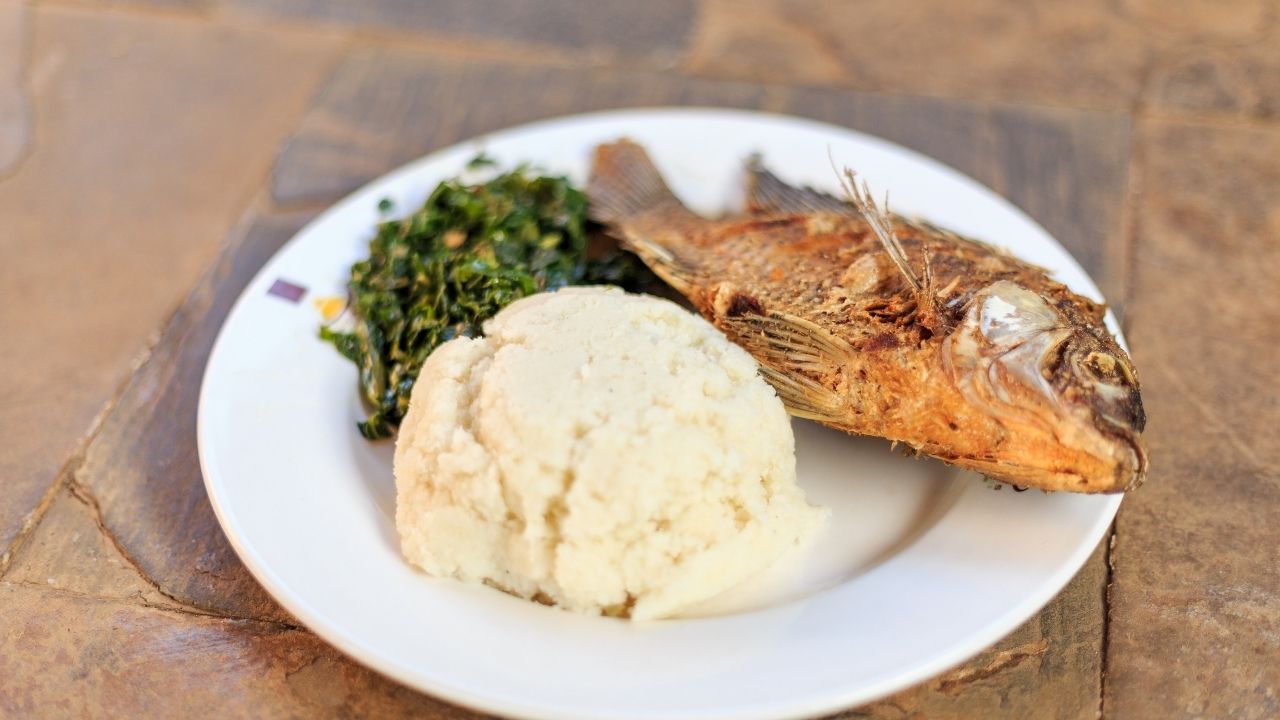
Picture this: a thick, creamy porridge that transforms into a sturdy, spongey bread right before your eyes. That’s ugali for you—the ultimate East African staple that feeds millions on a shoestring budget. Made from nothing more than water and maize flour (or sometimes millet or sorghum), this humble dish costs pennies to produce but packs enough staying power to fuel farmers, students, and families through long, demanding days. The magic happens in the cooking process—you stir and stir until your arm feels like it might fall off, gradually adding flour to boiling water until the mixture thickens into a dense, moldable mass that you can shape with your hands. Kenyans, Tanzanians, and Ugandans have perfected this technique over generations, turning basic ingredients into something that holds together beautifully and serves as the perfect edible spoon for scooping up stews, greens, or whatever protein you’ve managed to score.
What makes ugali so brilliant from a budget perspective is its incredible versatility and ability to stretch a meal further than you’d think possible. One small pile of this starchy wonder can turn a tiny portion of sukuma wiki (braised collard greens) or a modest serving of beans into a satisfying feast. The neutral flavor means it pairs with absolutely anything—from spicy fish curries to simple vegetable dishes—making it the Switzerland of starches. Street vendors across East Africa sell ugali meals for less than a dollar, often serving it alongside a protein and vegetable that together create a balanced, filling plate. Home cooks love it because they can make a huge batch for practically nothing, and kids adore tearing off chunks with their fingers and dipping them into flavorful sauces. Sure, your biceps might protest after all that stirring, but your wallet will definitely thank you. Plus, there’s something deeply satisfying about creating something so sustaining from ingredients you could probably find in your pantry right now.
Maíz Tortillas (Mexico)
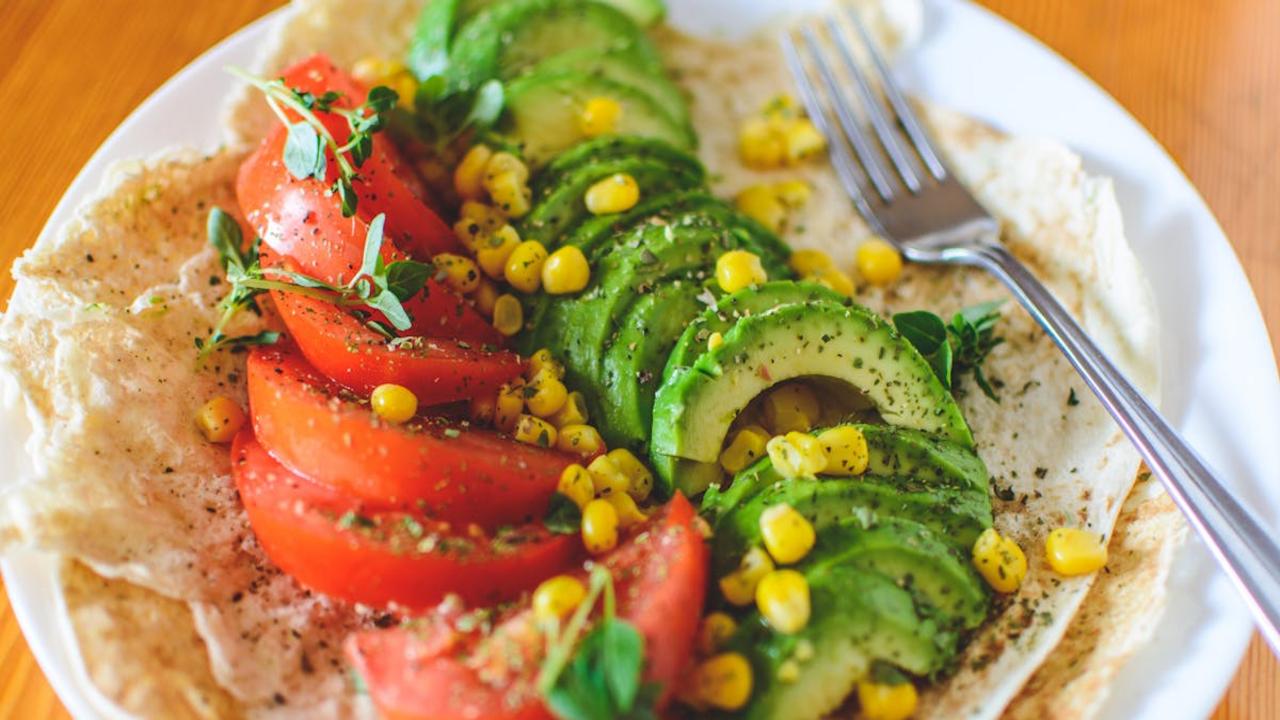
If you’ve ever wondered how Mexican families manage to feed everyone without breaking the bank, the answer is sitting right there in that humble basket on the table: corn tortillas. These flat circles of magic are so cheap to make that they’ve been the backbone of Mexican cuisine since the Aztecs figured out that nixtamalization (soaking corn in lime water) made it way more nutritious and delicious. With just masa harina, water, and a pinch of salt, you can create dozens of these babies for less than the cost of a fancy coffee. They’re the ultimate edible plate, wrap, scoop, and side dish all rolled into one – or should I say, pressed into one? A tortilla press is nice to have, but honestly, a rolling pin and some determination work just fine. The best part? They take mere minutes to cook on a hot comal or skillet, puffing up like little edible pillows that make your kitchen smell absolutely incredible.
The genius of tortillas isn’t just their affordability – it’s their versatility. Got leftover beans? Wrap them up. Found some cheese in the fridge? Quesadilla time. That mystery meat from last night’s dinner? Taco it. These golden discs transform even the most meager ingredients into something special. Fresh tortillas have this slightly sweet, earthy flavor that store-bought ones can only dream about, and they’re genuinely fun to make once you get the hang of it. Mexican grandmothers can shape these things with their eyes closed, slapping them between their palms with such grace that it looks like a form of meditation. You might not reach that level of zen on your first try (your tortillas might look more like amoebas than circles), but who cares? They’ll taste amazing anyway, and at roughly pennies per serving, you can practice guilt-free until you nail that perfect round shape.
Fufu and Egusi Soup (West Africa)
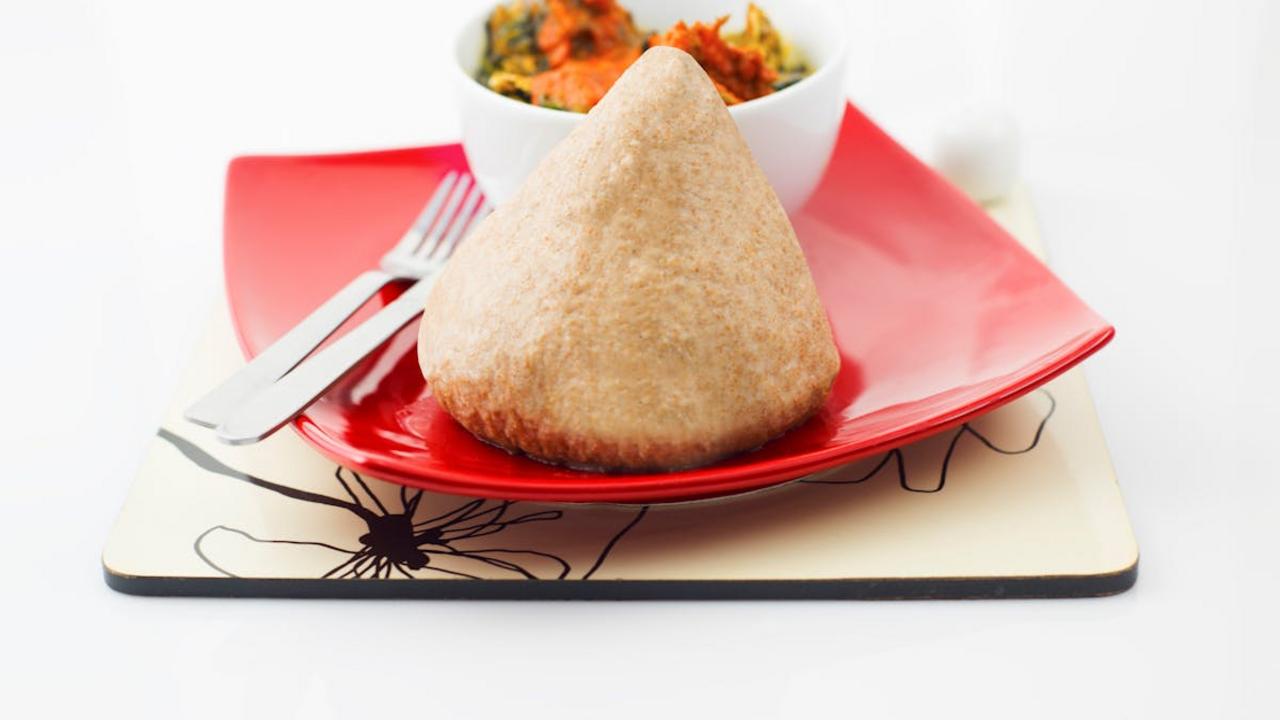
If you’ve never dunked a ball of fufu into a pot of egusi soup, you’re missing out on one of West Africa’s greatest contributions to the “make magic with minimal money” food hall of fame. Fufu—a doughy, stretchy side made from pounded cassava, yam, or plantain—costs next to nothing and fills you up faster than you can say “seconds, please.” Paired with egusi soup, a thick, nutty stew made from ground melon seeds, leafy greens, and whatever protein you can afford (stockfish, dried shrimp, or even just seasoning cubes if times are tight), this combo delivers serious flavor without decimating your wallet. The melon seeds are cheap, accessible, and packed with protein, making them the MVP of budget cooking. Plus, fufu requires zero fancy equipment—just strong arms, a mortar and pestle, and a willingness to work up a sweat.
What makes this dish brilliant is its flexibility. Egusi soup adapts to whatever vegetables you have lying around—spinach, pumpkin leaves, bitter leaf, take your pick. Add palm oil for richness, toss in some chili peppers for heat, and suddenly your humble pot of soup tastes like a feast. Fufu acts as both utensil and carb, so you’re saving on dishes and silverware. Scoop a chunk, flatten it between your fingers, dip it into the thick, savory soup, and pop it in your mouth. It’s interactive eating at its finest, and kids love the hands-on approach. In Ghana, Nigeria, and across West Africa, families have been stretching their naira, cedi, and francs with this meal for generations. It’s comfort food that doesn’t just feed you—it wraps you in tradition, warmth, and the satisfied glow of a full belly without the financial guilt.
Rice and Beans (Central America)
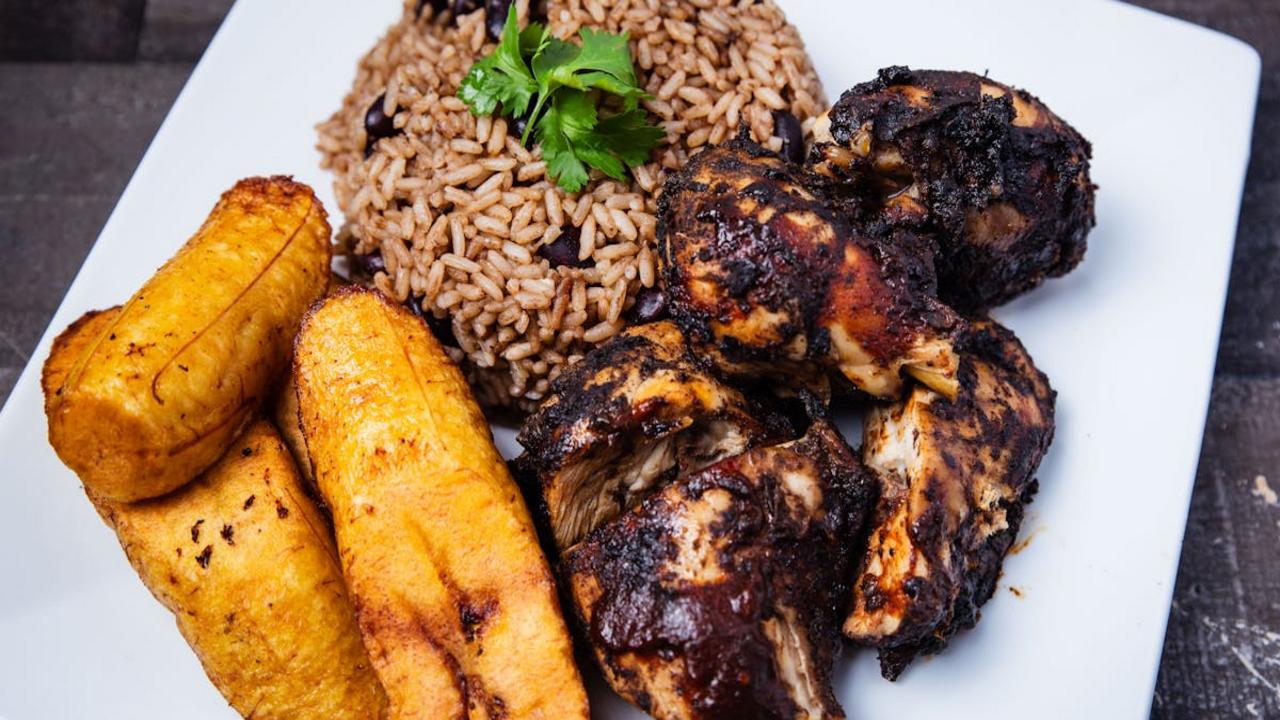
Rice and beans might sound like the most boring combo since matching socks, but Central Americans have turned this humble pairing into an art form that’ll make your wallet weep with joy. Gallo pinto in Costa Rica, casamiento in El Salvador, or arroz con frijoles literally anywhere else—this dynamic duo costs pennies per serving and somehow manages to taste like a million bucks. The secret? Each country doctors up their version with different spices, cooking methods, and attitude. Costa Ricans toss in Salsa Lizano (a tangy brown sauce that’s basically liquid gold), while Nicaraguans swear by red beans and insist their gallo pinto reigns supreme. The beauty lies in how this dish transforms yesterday’s leftovers into today’s breakfast, lunch, or dinner without anyone batting an eye.
Here’s what makes this combo so brilliant: rice and beans create a complete protein when eaten together, giving you all nine essential amino acids your body craves. That means you’re basically eating steak nutrition at rice prices—now that’s what I call a financial miracle! You can make enough rice and beans to feed a family of four for under five bucks, and it’ll keep in your fridge for days without getting weird or suspicious. Throw in some cumin, garlic, cilantro, and maybe a squeeze of lime, and suddenly you’ve got a meal that’s so satisfying, you’ll forget you’re eating on a shoestring budget. The best part? You can eat this stuff three times a day in Central America without anyone judging you, because guess what—they’re doing exactly the same thing.