14 All-You-Can-Eat Buffet Items You Should Always Skip
We all love the thrill of an all-you-can-eat buffet! The endless options, the freedom to try everything, and that sweet satisfaction of getting your money’s worth. But wait – not every gleaming tray deserves your attention. Some buffet offerings can leave you with more than just a full stomach – they might come with unwanted bacteria or disappointing quality.
I’ve spent years investigating buffet lines across the country, noticing patterns of which foods tend to sit too long, reach unsafe temperatures, or simply don’t hold up well in steam trays. Your buffet experience should be fantastic from first plate to last, without any regrets or tummy troubles afterward.
This guide highlights 14 items you should consider passing up next time you grab that buffet plate. From questionable seafood to temperature-sensitive favorites, knowing what to avoid helps you focus on the truly delicious options that make buffets worth visiting. Your stomach will thank you for making smarter choices while still enjoying the buffet bounty!
Pre Cut Fresh Fruits
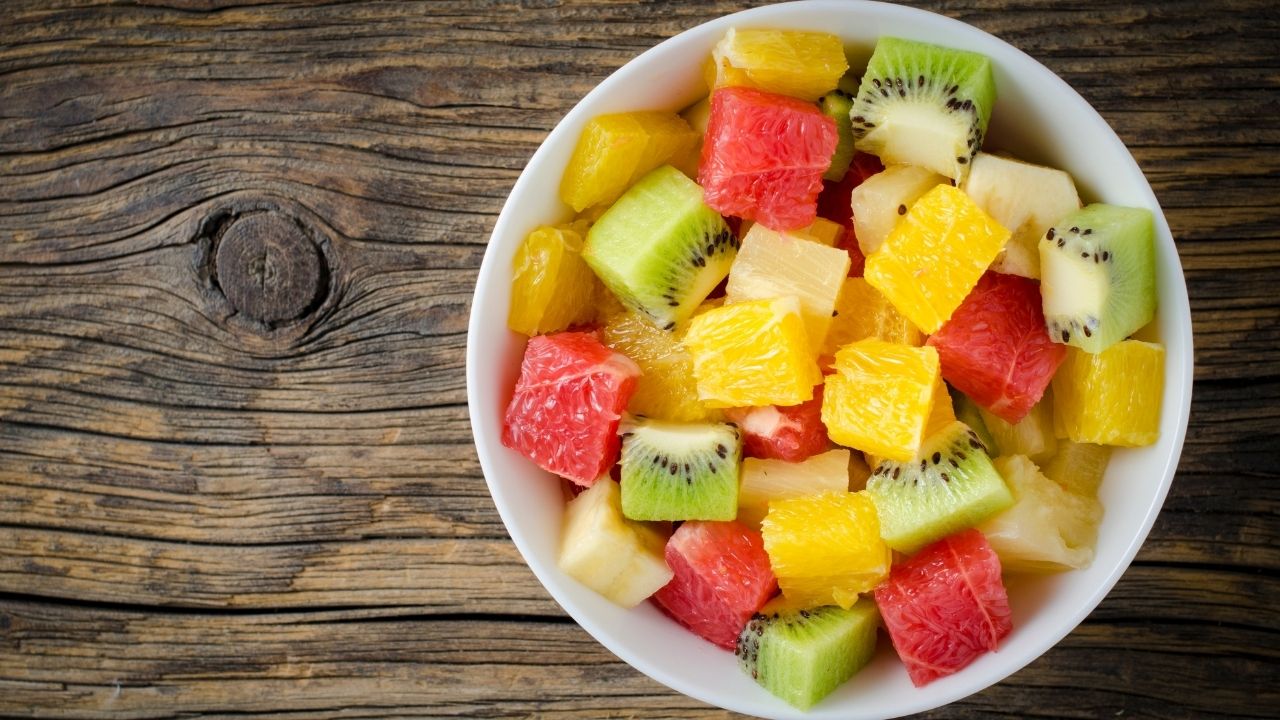
Fresh fruit sounds like the healthiest option at any buffet, right? Well, not so fast! Those beautiful pre-cut melons, pineapples, and berries sitting under those bright lights have been exposed to air for hours, sometimes even days. This exposure leads to significant vitamin loss, particularly vitamin C, which starts breaking down the moment you slice into fresh produce. What looked vibrant and nutritious this morning might now be delivering a fraction of its original nutritional value.
Beyond nutrition concerns, pre-cut fruits present serious food safety risks at buffet restaurants. These items sit at room temperature for extended periods, creating the perfect breeding ground for bacteria. Cross-contamination becomes a major issue when the same serving utensils touch different fruits, and you have no idea how long that cantaloupe has been sitting there or who might have sneezed near the fruit station. Skip the pre-cut options and head straight to the whole fruits if available, or better yet, pack your own fresh fruit from home for your next meal out!
Items with Visible Ice Crystals

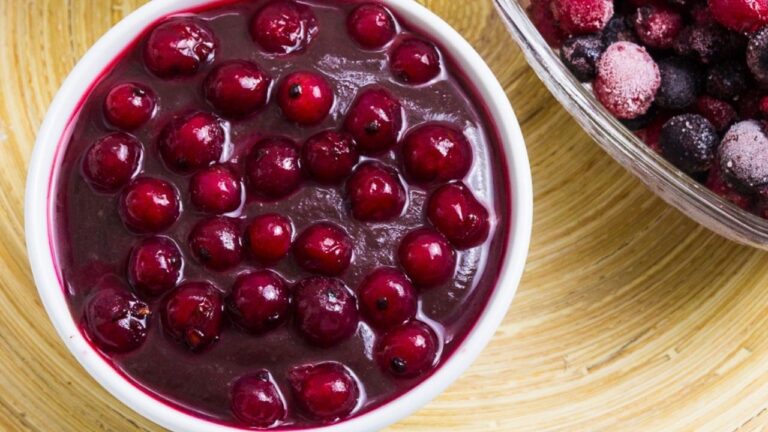
When you spot frozen foods with visible ice crystals at the buffet, that’s your cue to keep walking! Those frosty formations tell a story you don’t want to be part of. Ice crystals form when frozen items have been thawed and refrozen multiple times, or when they’ve been sitting around way too long in fluctuating temperatures. This freezer burn situation doesn’t just affect texture – it creates the perfect breeding ground for bacteria and completely destroys the original flavor and nutritional value of the food.
I always tell my friends to think of ice crystals as nature’s warning label. Whether it’s frozen shrimp, ice cream, or any other frozen buffet item, those crystal formations mean the food has lost its integrity. The cellular structure breaks down during repeated freeze-thaw cycles, leaving you with mushy, flavorless food that could potentially make you sick. Instead of risking a disappointing meal or worse, focus on the fresh, properly maintained items at the buffet. Your stomach will thank you, and you’ll actually enjoy your dining experience instead of wondering why everything tastes like freezer air!
Mayonnaise Based Salads
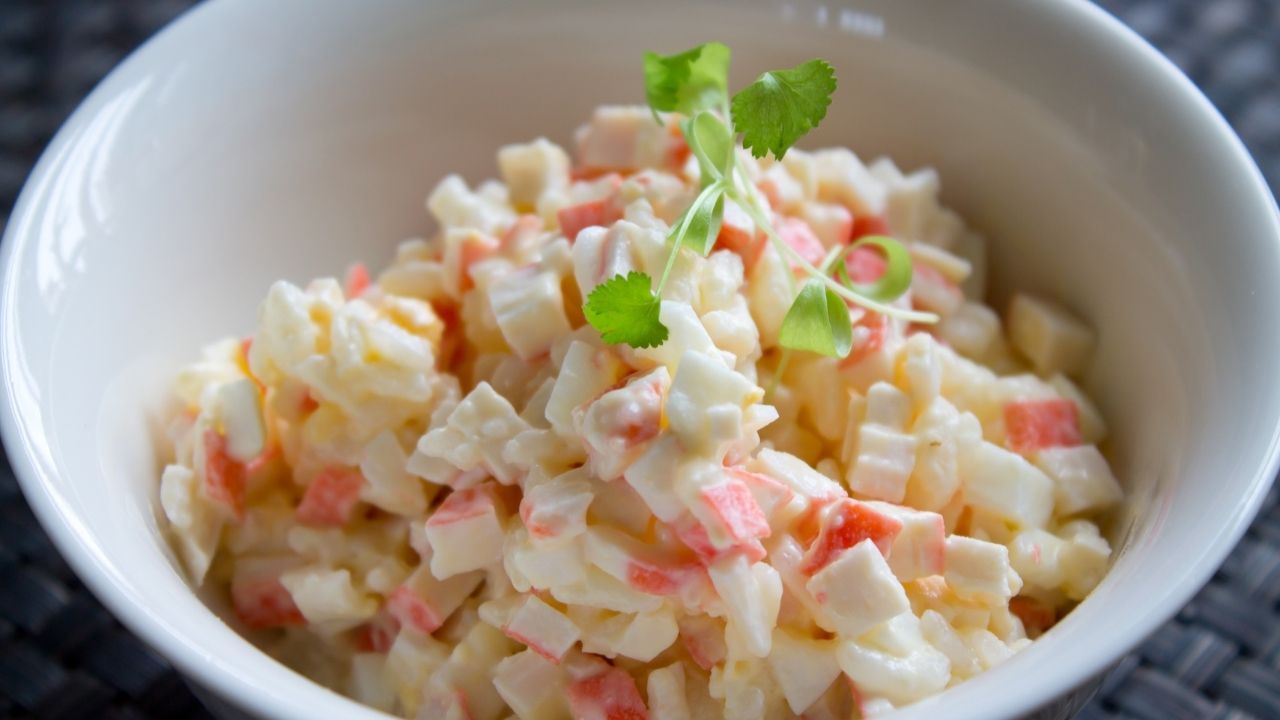
Those creamy, glistening potato salads, coleslaw, and macaroni salads sitting under the buffet lights might look tempting, but I’d strongly recommend walking right past them. Mayo-based salads are notorious for harboring bacteria, especially in buffet settings where temperature control can be inconsistent. These dishes sit in the “danger zone” between 40-140°F for hours, creating the perfect breeding ground for harmful microorganisms. The combination of eggs in mayonnaise, dairy products, and protein-rich ingredients like potatoes or pasta makes these salads particularly risky.
Beyond the safety concerns, buffet mayo salads rarely taste as fresh as they should. They often become watery from sitting too long, with the dressing separating and the vegetables losing their crunch. Instead of risking an upset stomach or worse, opt for fresh green salads from the salad bar where you can control the ingredients and dressing yourself. If you’re craving something creamy, look for options that use yogurt-based dressings or vinaigrettes that don’t pose the same temperature-related risks. Your digestive system will thank you later!
Seafood During Off Peak Hours
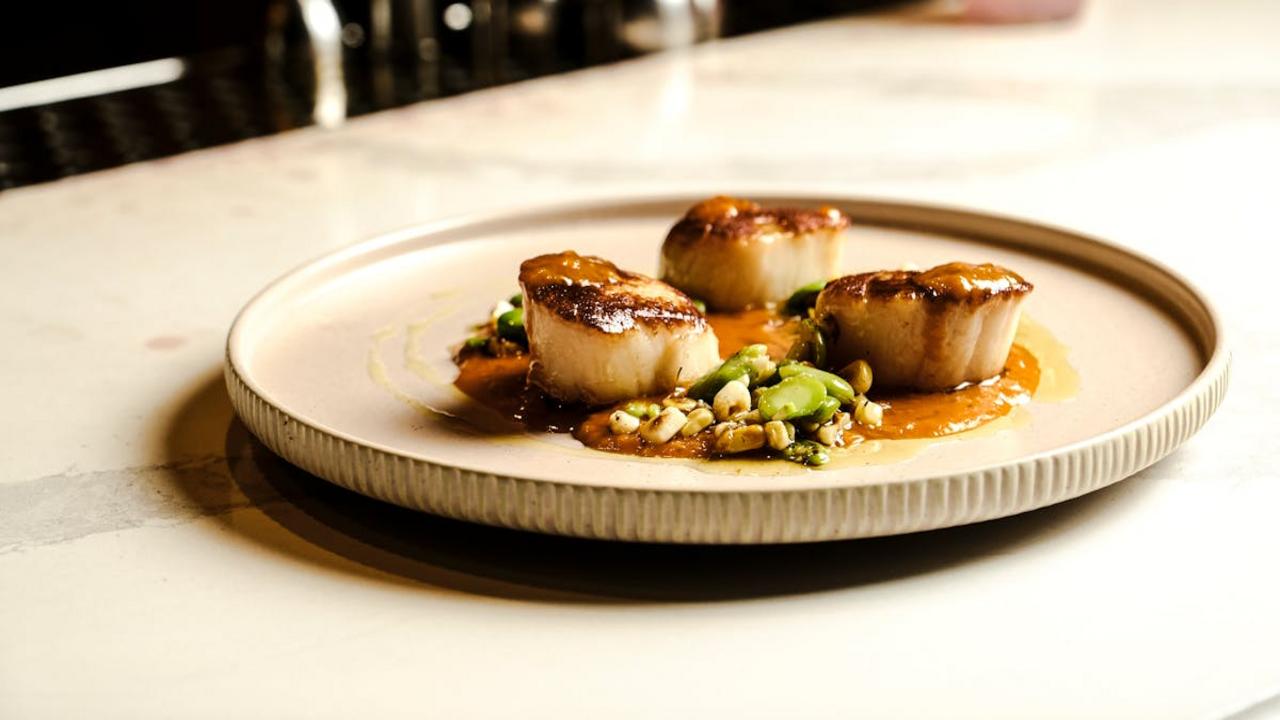
Listen, I know how tempting those golden fried shrimp and glistening fish fillets look at the buffet, but timing matters more than you might think! During slower periods like mid-afternoon or late evening, that seafood has likely been sitting under heat lamps for hours. Fresh seafood should smell like the ocean breeze, not fishy or pungent. When you notice that telltale strong smell or see dried edges on the fish, your body is getting a clear warning signal to steer clear.
I always check the turnover rate before loading up my plate with any seafood offerings. If you’re dining during peak hours when the restaurant is bustling with customers, chances are better that you’re getting fresher catches. But during those quieter times, that beautiful salmon or those coconut shrimp might have been sitting there since the lunch rush. Your stomach will thank you for choosing something else, and you can always return during busier periods when the seafood selection gets replenished more frequently. Trust me, food safety should never take a backseat to buffet value!
Bacon at Room Temperature
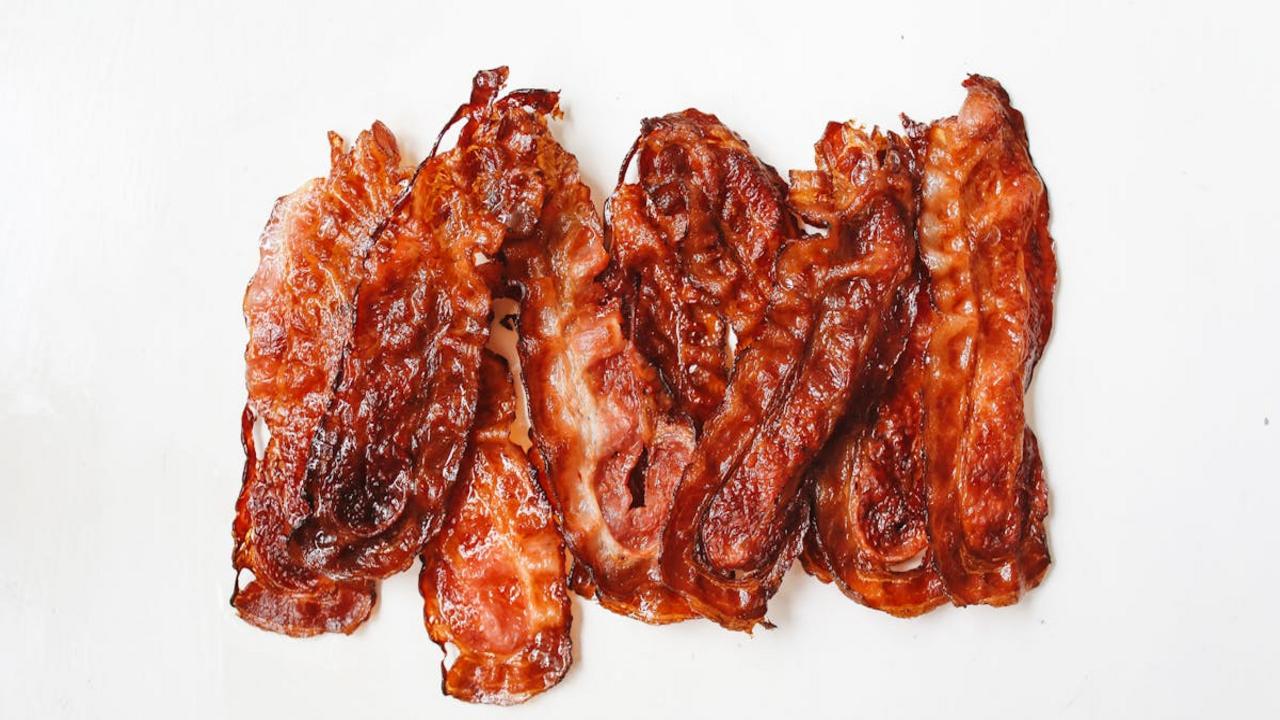
Walking past that bacon display at the buffet might make your mouth water, but hold up before you grab those strips! When bacon sits out at room temperature for extended periods, it becomes a breeding ground for harmful bacteria like salmonella and listeria. These nasty bugs multiply rapidly in what food safety experts call the “danger zone” – temperatures between 40°F and 140°F. Your stomach definitely doesn’t want to deal with the consequences of food poisoning, especially when you’re trying to enjoy a nice meal out.
I always tell my friends to think twice about buffet bacon that looks like it’s been lounging around for who knows how long. Fresh, properly heated bacon should be crispy and hot to the touch, not lukewarm or sitting in its own congealed fat. Instead of risking your health, ask the staff when they last refreshed the bacon or look for other protein options that are kept properly heated. Your digestive system will thank you later, and you’ll actually get to enjoy the rest of your dining experience without any unpleasant surprises. Trust me, no piece of bacon is worth spending the next day feeling miserable!
Lukewarm Rice Dishes
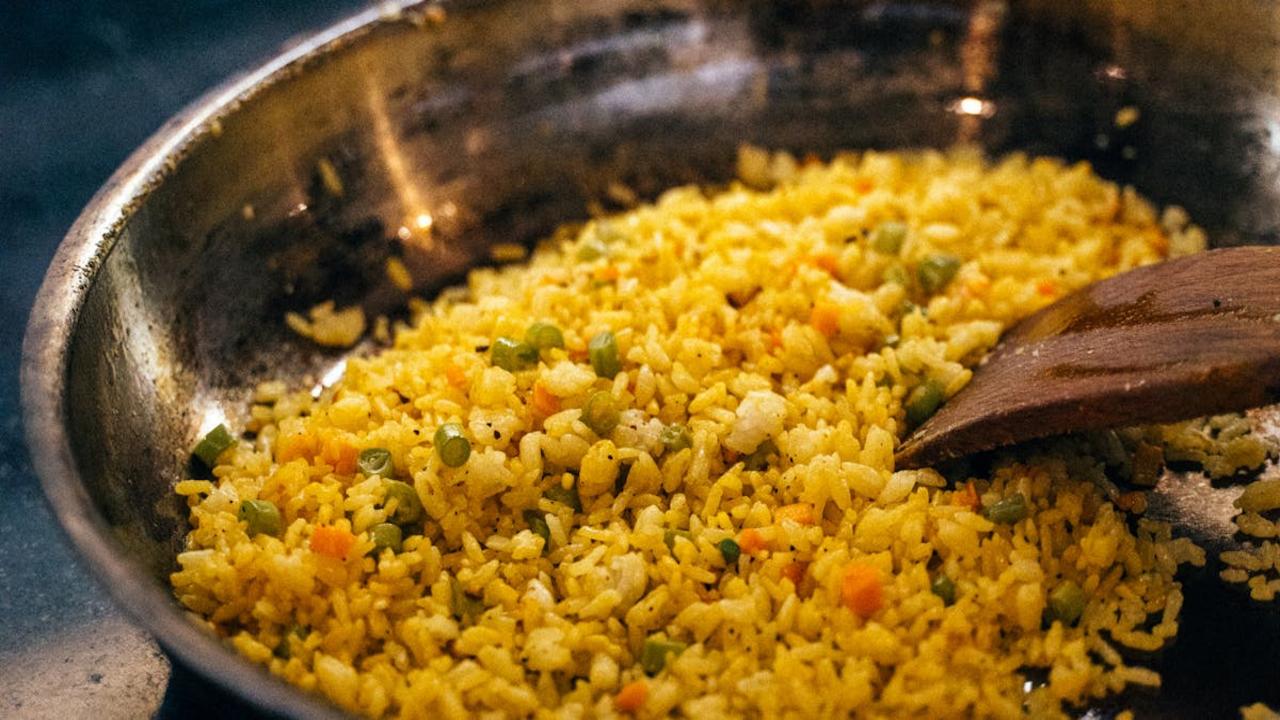
Rice dishes sitting under those heat lamps at buffets can be real disappointments, especially when they’ve been there for hours. That perfectly fluffy rice you’re hoping for? It’s probably turned into a mushy, temperature-confused mess that’s neither hot nor properly cooled. I’ve seen too many beautiful rice pilafs and fried rice dishes lose their magic once they hit that danger zone between 40°F and 140°F – what food safety experts call the bacterial playground.
Here’s what really gets me fired up about lukewarm rice: it’s not just about flavor anymore, it’s about your health! Rice can harbor some seriously nasty bacteria like Bacillus cereus when it sits at room temperature too long. This sneaky little bug loves cooked rice and can cause food poisoning that’ll have you regretting that buffet visit for days. Instead of rolling the dice with questionable rice, stick to the freshly prepared dishes that are still steaming hot, or better yet, ask the staff when the rice was last refreshed. Your stomach will thank you later!
Lettuce Based Salads
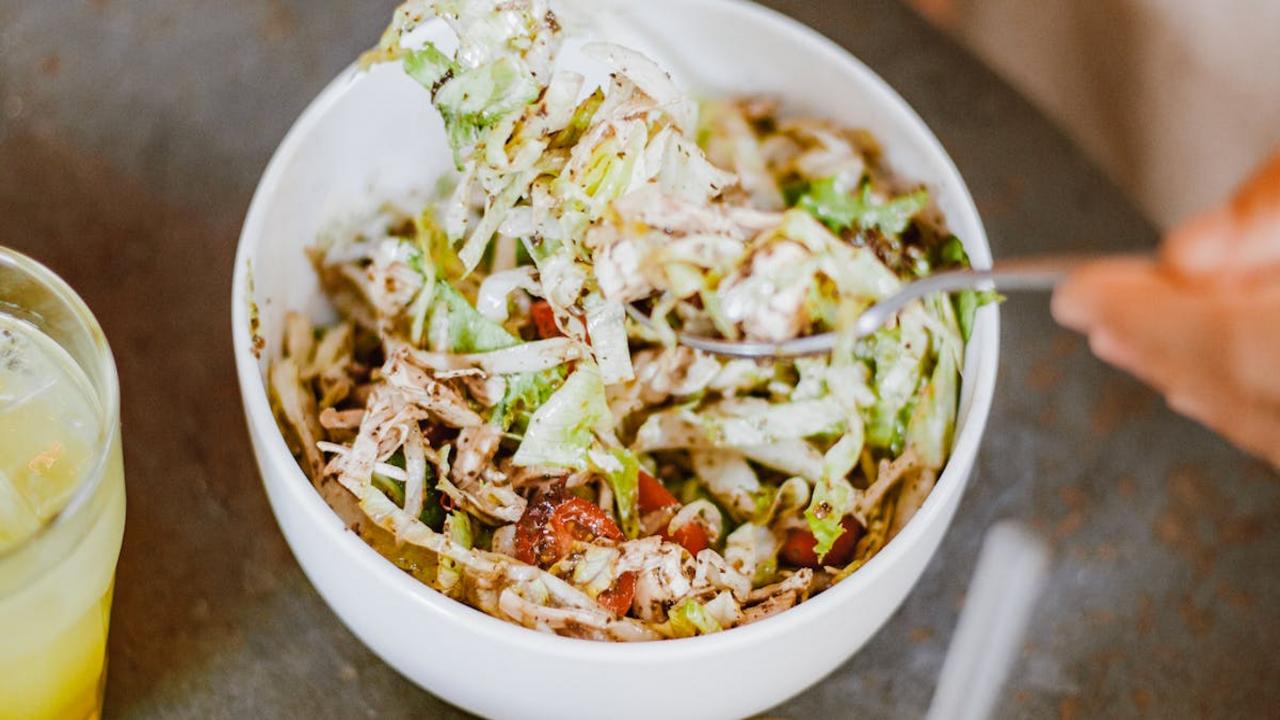
I know what you’re thinking – salads are healthy, so they must be safe bets at buffets, right? Well, hold on just a minute! Those innocent-looking lettuce-based salads sitting under those heat lamps can actually be some of the riskiest items on the entire buffet line. Fresh greens are incredibly delicate and need constant refrigeration to stay safe and crisp. At buffets, these salads often sit at room temperature for hours, creating the perfect breeding ground for harmful bacteria. The lettuce wilts, becomes soggy, and loses all its nutritional punch while potentially making you sick.
Here’s the thing about buffet salads – you have no idea how long those greens have been sitting there or how they were washed and prepared. Pre-mixed salads with dressings are even worse because the moisture accelerates bacterial growth and makes everything soggy and unappetizing. Instead of risking it with questionable lettuce, I always recommend building your own fresh salad at home before heading out, or choosing cooked vegetables from the buffet that have been kept at proper temperatures. Your stomach will thank you, and you’ll actually get the nutrients and freshness that make salads worthwhile in the first place!
Crab Legs near Closing Time
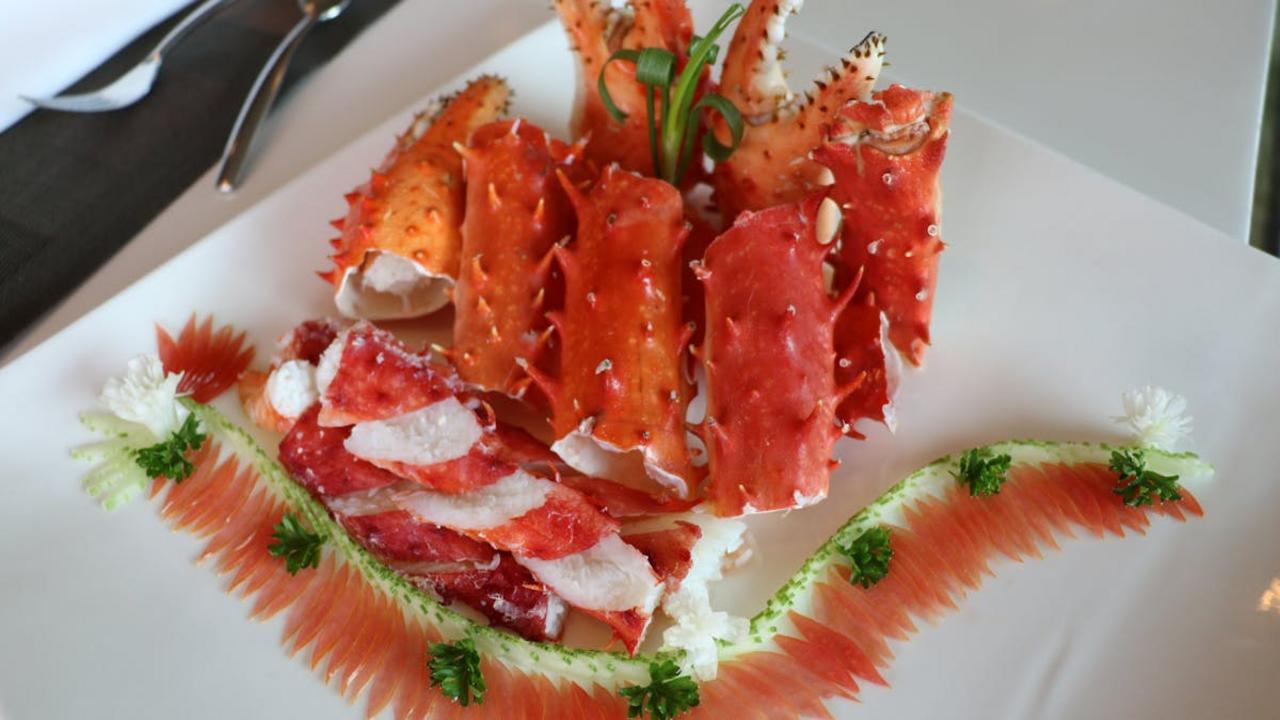
Picture this: you’re at the buffet during those final hours, and those gorgeous crab legs are calling your name from the seafood station. Hold up there, friend! Those beautiful crustaceans have likely been sitting under heat lamps for hours, slowly losing their sweet, tender texture and becoming rubbery disappointments. Fresh crab legs should snap cleanly and release that ocean-fresh aroma when you crack them open. After extended time under warming lights, they transform into chewy, dried-out versions of their former selves.
Here’s what I always tell people: crab legs are expensive for a reason, and you deserve to experience them at their peak! If you arrive late in the evening, those legs have probably been there since the lunch rush, soaking up heat and losing moisture with every passing hour. Instead of settling for subpar seafood, ask your server when the next fresh batch comes out, or better yet, plan your buffet visit during peak hours when turnover is high. Your taste buds will thank you for waiting for the good stuff rather than forcing down tough, overcooked crab that leaves you feeling like you wasted precious stomach space on mediocre food.
Cream Based Soups
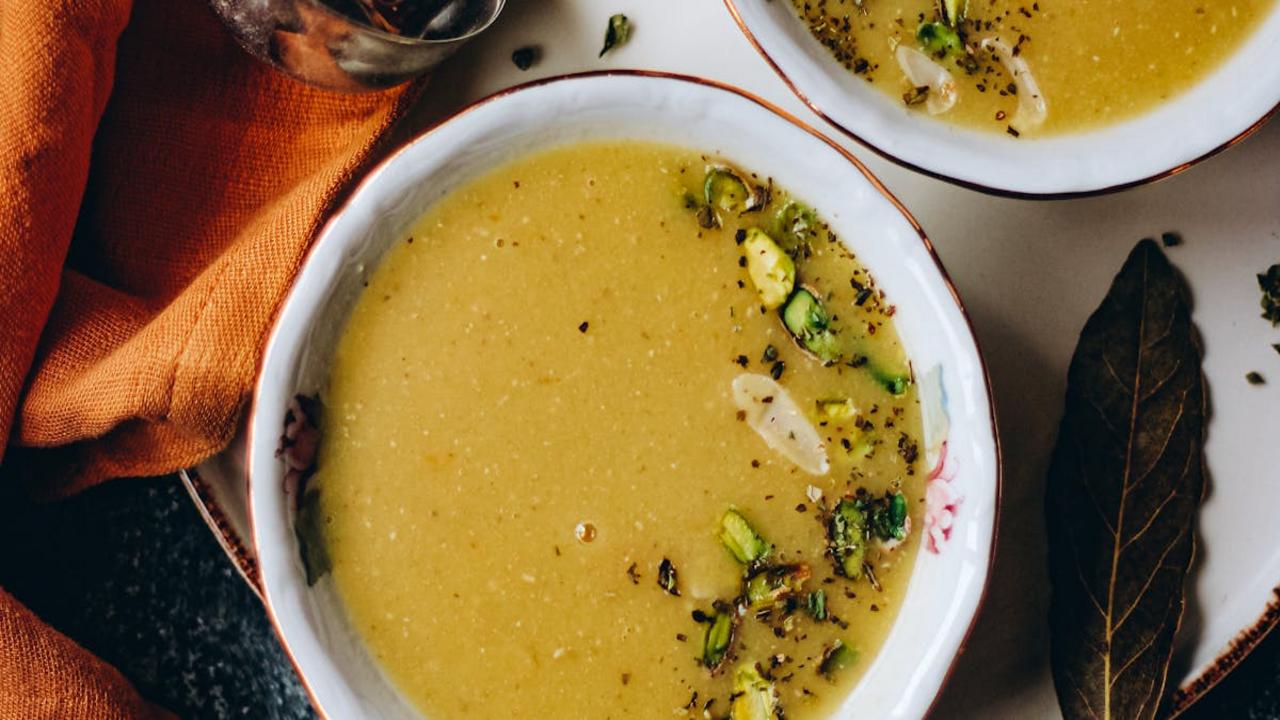
Those velvety cream-based soups sitting in the buffet warmers might look tempting, but they’re often nutritional nightmares waiting to happen. Most buffet cream soups rely heavily on processed ingredients, artificial thickeners, and loads of heavy cream or butter to achieve that rich texture. The problem? They’ve usually been sitting under heat lamps for hours, which breaks down the cream and creates an unappetizing film on top. Plus, you’re looking at sky-high sodium levels – sometimes over 1,000mg per serving – along with saturated fats that’ll leave you feeling sluggish.
Instead of reaching for that ladle, consider making your own cream soups at home where you control every ingredient. You can create incredibly satisfying versions using cashew cream, Greek yogurt, or even pureed cauliflower as your base. These alternatives give you that same creamy comfort without the processed additives and excessive calories. Try blending roasted vegetables with a splash of coconut milk for natural sweetness and richness. Your homemade versions will taste fresher, contain more actual vegetables, and won’t leave you wondering how long that soup has been sitting there getting that weird skin on top.
Caesar Salad
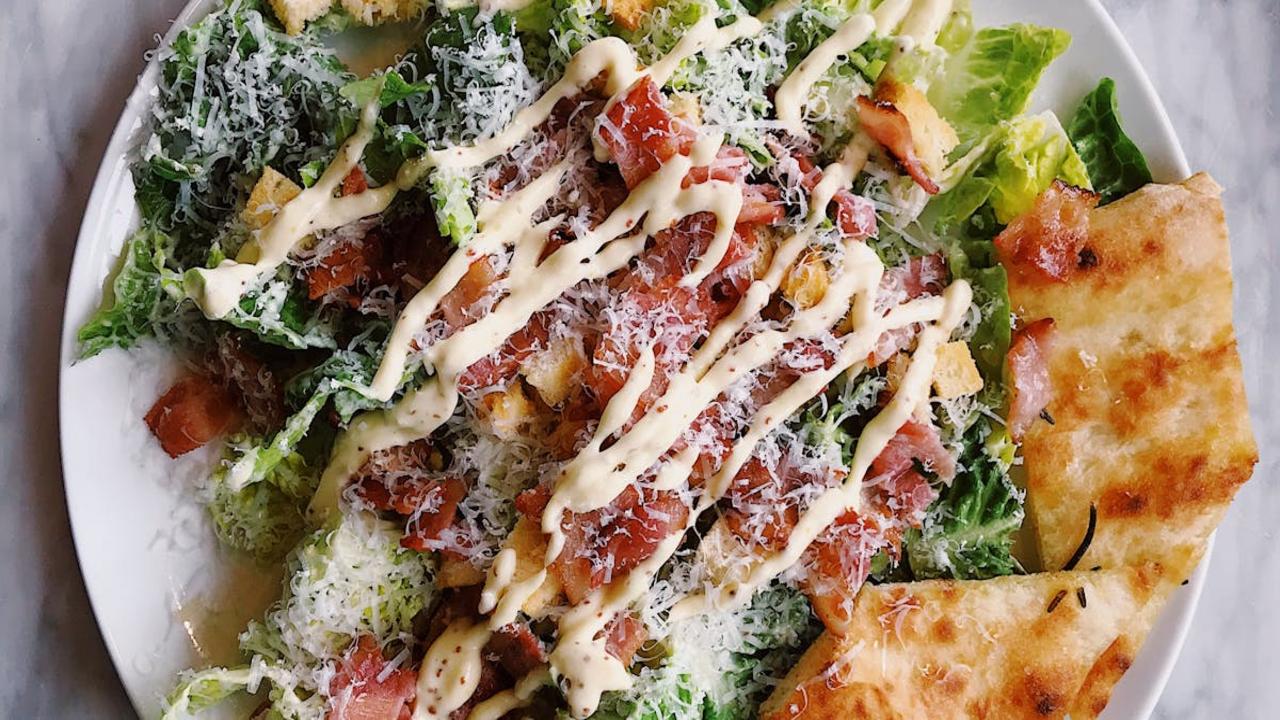
Caesar salad at buffets might seem like a healthy choice, but you’re walking into a nutritional minefield that’s often disguised as fresh greens. The pre-made dressing sits under those heat lamps for hours, becoming a breeding ground for bacteria while losing its creamy texture and bold flavor. Most buffet Caesar dressings contain mayonnaise-based ingredients that separate and turn rancid when left at room temperature, creating an unappetizing mess that tastes nothing like the restaurant-quality version you’re expecting.
The romaine lettuce itself presents another concern – it wilts quickly under buffet conditions, becoming soggy and losing its satisfying crunch. Those pre-grated parmesan cheese piles often sit exposed to air for extended periods, developing a plasticky texture and stale flavor that ruins the entire dish. Instead of getting your vegetables from this lackluster salad, grab fresh items from the raw bar if available, or simply skip the greens altogether and focus on properly prepared hot dishes that benefit from the buffet’s warming system.
Hollandaise Sauce
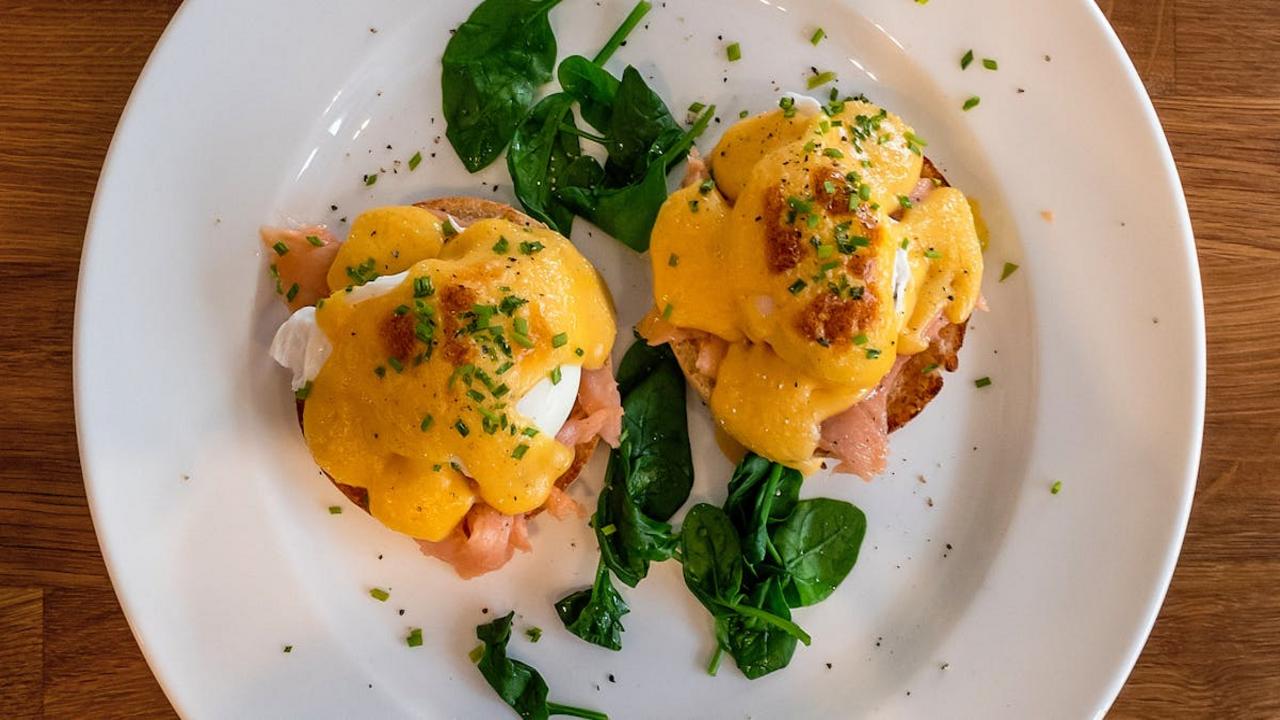
Hollandaise sauce might look tempting drizzled over those eggs Benedict at the buffet, but this creamy yellow delight can be a real food safety nightmare. The sauce sits in warming trays for hours, creating the perfect breeding ground for bacteria since it contains raw or lightly cooked egg yolks and butter. Temperature control becomes incredibly tricky with hollandaise – it needs to stay warm enough to remain liquid but cool enough to avoid curdling, and buffets rarely get this balance right.
Beyond the safety concerns, buffet hollandaise often tastes like a pale shadow of the real thing. You’ll likely encounter a grainy, separated mess that’s been sitting under heat lamps way too long. The beautiful, silky texture that makes fresh hollandaise so special gets completely lost in the buffet environment. Skip this risky sauce and make your own at home instead – it only takes about ten minutes, and you’ll control both the quality and safety. Your stomach (and your taste buds) will thank you for choosing fresh over potentially dangerous convenience.
Scrambled Eggs
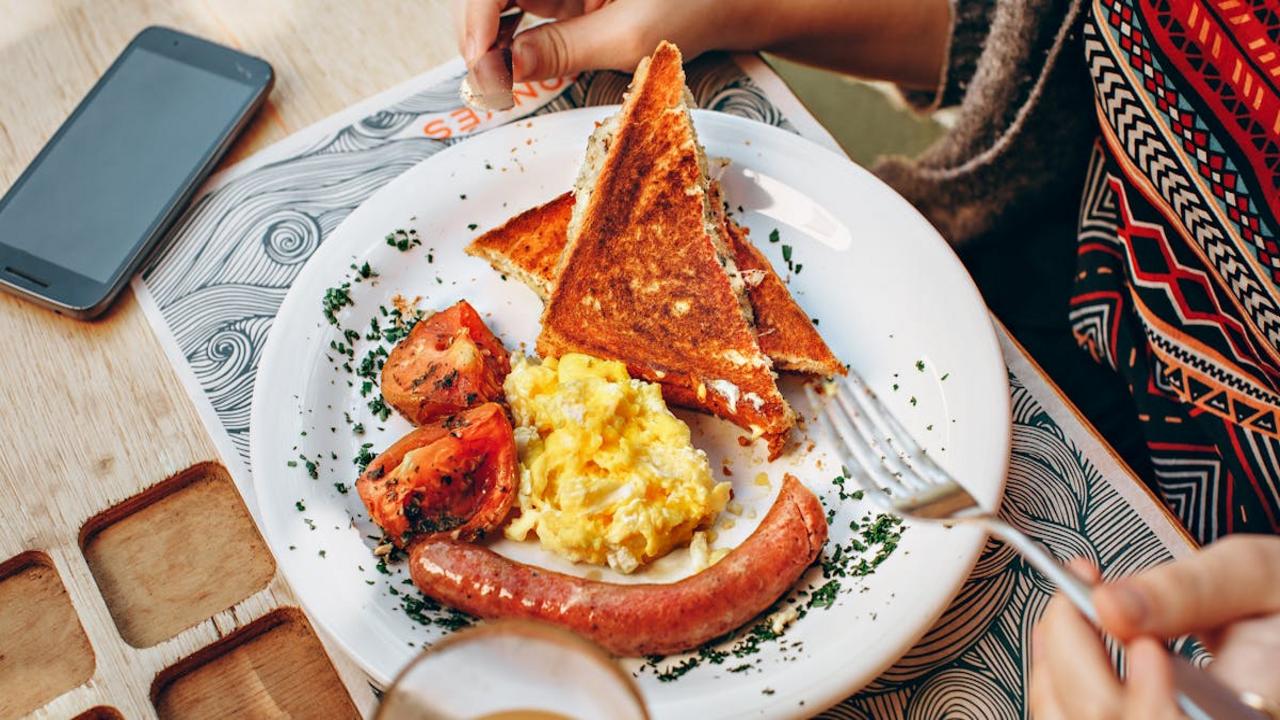
Those fluffy yellow mounds sitting under heat lamps might look tempting, but trust me, you’ll want to steer clear of buffet scrambled eggs. These poor eggs have been sitting there for who knows how long, slowly turning rubbery and losing all their natural moisture. The constant heat exposure breaks down the proteins, creating that unfortunate texture that’s somewhere between bouncy and cardboard-like. Plus, many buffets use powdered egg mix instead of fresh eggs, which means you’re missing out on the rich, creamy texture that makes scrambled eggs so wonderful when made properly.
Here’s what really gets me fired up about this situation – scrambled eggs are actually one of the easiest things to make fresh at home! You can whip up a batch in under five minutes with just a few fresh eggs, a splash of milk or cream, and a gentle hand with the spatula. The difference in flavor and texture is absolutely incredible compared to those sad buffet versions. Save your appetite for something that’s actually worth the calories, and treat yourself to perfectly creamy, just-set scrambled eggs made fresh in your own kitchen later. Your taste buds will thank you, and you’ll appreciate just how amazing this simple dish can be when prepared with care.
Raw Oysters
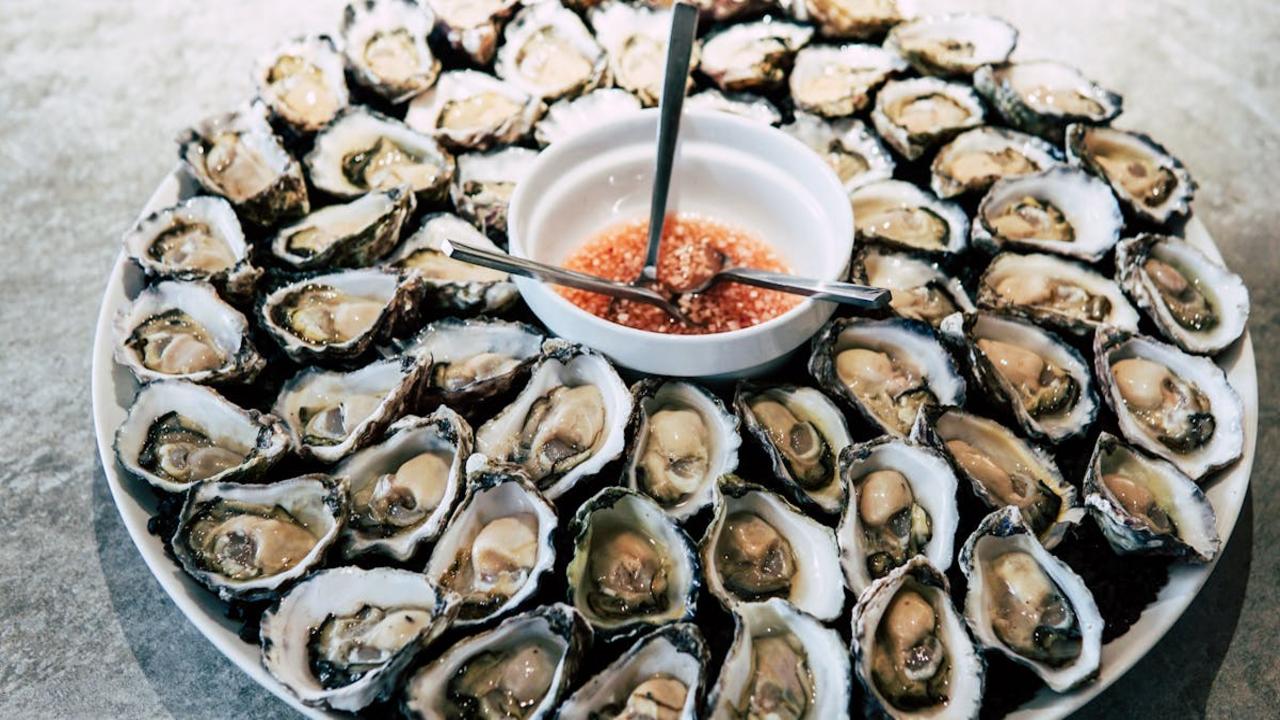
Raw oysters at buffets should set off immediate alarm bells for any savvy diner. These delicate shellfish require extremely careful handling, constant refrigeration, and quick turnover to remain safe for consumption. At buffets, oysters often sit under heat lamps or at room temperature for hours, creating the perfect breeding ground for harmful bacteria like Vibrio vulnosis and norovirus. The longer they sit exposed, the higher your risk of spending the next few days battling food poisoning symptoms that can range from uncomfortable to downright dangerous.
Beyond the serious food safety concerns, buffet oysters rarely deliver the fresh, briny flavor that makes these mollusks worth eating in the first place. Quality oysters should smell like the ocean and have a firm, plump texture – not the mushy, fishy-smelling specimens you’ll often encounter at all-you-can-eat establishments. Save your money and your stomach by ordering oysters only at reputable seafood restaurants where you can watch them being shucked to order. Your digestive system will thank you, and you’ll actually get to enjoy what fresh oysters truly taste like!
Sushi Rolls
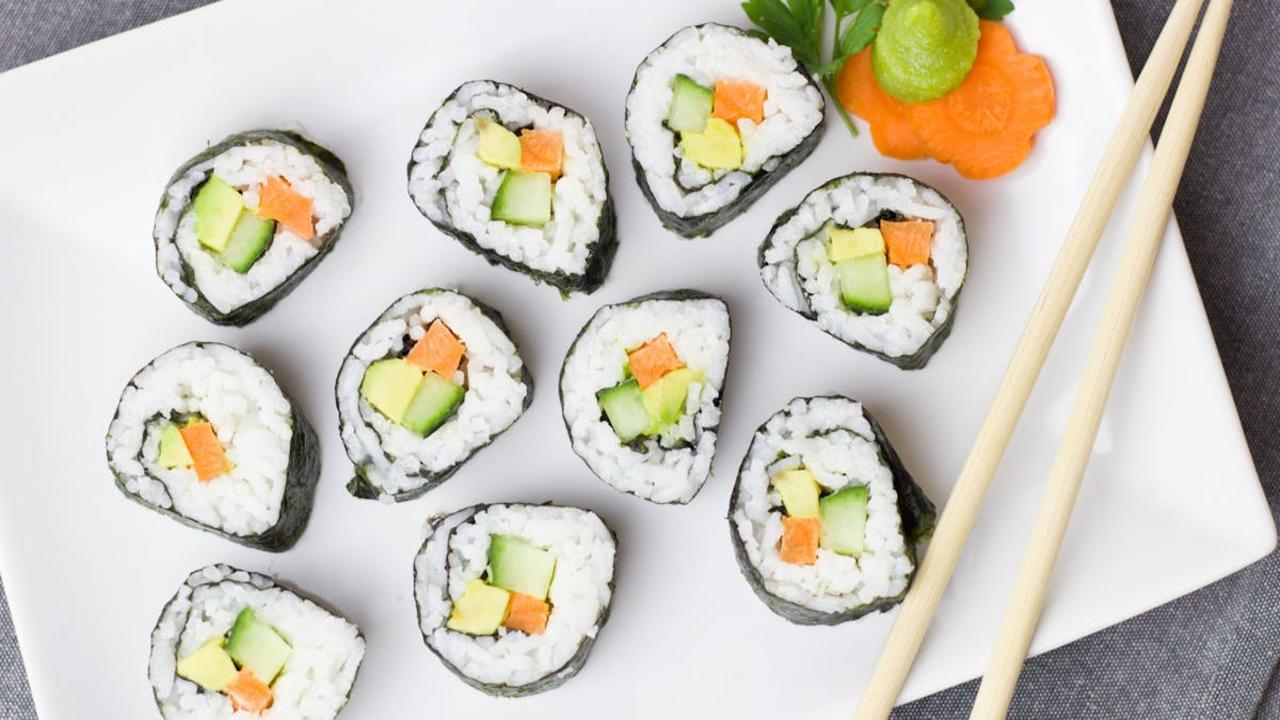
Here’s something that might shock you: those beautiful sushi rolls sitting under bright buffet lights aren’t your friend! I know they look tempting with their colorful presentations and Instagram-worthy appearance, but buffet sushi comes with serious red flags. Raw fish needs to be kept at precise temperatures and consumed quickly after preparation, and most buffets simply can’t guarantee this level of freshness and safety. The rice often sits for hours, becoming dry and losing its proper texture, while the fish can develop dangerous bacterial growth.
Instead of risking foodborne illness, save your sushi cravings for a dedicated sushi restaurant where you can watch the chef prepare your rolls fresh. Trust me on this one – I’ve learned this lesson the hard way! Buffet sushi rarely tastes as good as it looks anyway. The nori (seaweed) becomes chewy, the avocado turns brown, and the overall flavor profile falls flat compared to properly made sushi. Your stomach and your taste buds will thank you for skipping this buffet trap and waiting for the real deal at a quality sushi spot.