12 Fast-Food Secrets Your Favorite Chains Don’t Want You to Know
Ever wondered what goes on behind the counter at your go-to fast-food stops? I’ve dug into the hidden practices and secret methods that major chains keep under wraps. From McDonald’s off-menu treats to KFC’s closely guarded recipe, these revelations might change how you view your next drive-thru order.
The truth about your favorite meals includes some surprising facts – Wendy’s square burgers have a practical reason, and Taco Bell’s meat meets standards you might not expect. Meanwhile, those “fresh” Subway options pack more calories than advertised, and Burger King’s flame-broiling isn’t exactly what you picture.
Fast-food giants build their brands on carefully crafted images, but their actual operations tell different stories. From Domino’s tracking technology to Starbucks’ quirky cup naming system, I’ve gathered 12 industry secrets that these companies prefer to keep quiet. Ready for the unfiltered truth about what you’re really eating?
Chipotle Food Safety Protocols

You know how Chipotle bounced back from those food safety scares a few years ago? Well, they didn’t just cross their fingers and hope for the best. Behind the scenes, they completely revolutionized their food safety game with some pretty intense protocols that most customers never see. Every single ingredient gets tested multiple times before it even reaches your local restaurant, and I’m talking about serious laboratory-grade testing that would make a scientist proud. They’ve also implemented what they call “high-resolution testing” for their fresh produce, which means they can trace every single tomato or piece of lettuce back to its exact farm and harvest date.
What really impressed me is how they’ve turned their kitchen staff into food safety warriors. Every team member goes through extensive training that covers everything from proper hand-washing techniques to temperature monitoring systems that would rival a hospital’s standards. They’ve installed these amazing digital thermometers throughout their kitchens that automatically log temperatures every few minutes, and if anything goes even slightly off track, managers get instant alerts on their phones. Plus, they’ve created this incredible supply chain transparency system where you can actually track your ingredients from farm to bowl – something that was practically unheard of in fast-casual dining just a decade ago.
Five Guys Fresh Cut Fries Method
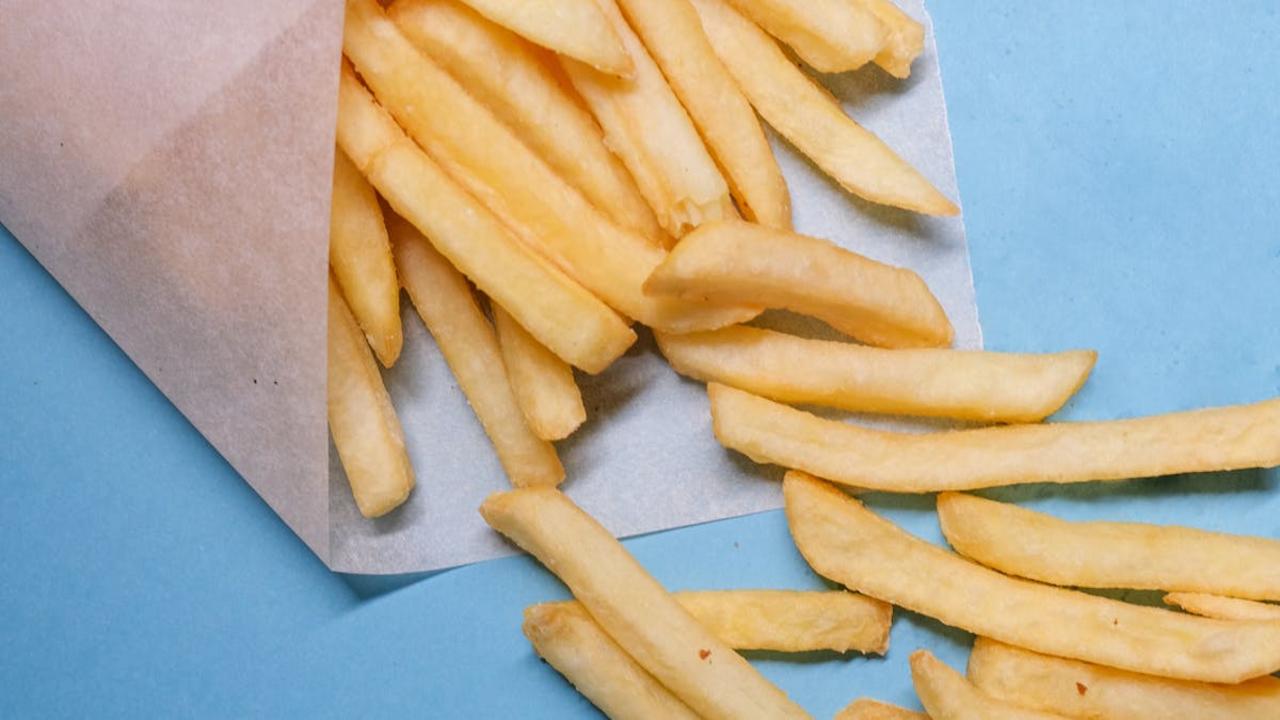
You know that amazing potato flavor you get from Five Guys fries? There’s a reason they taste so different from other chains, and it all comes down to their fresh-cut approach. While most fast-food places receive pre-cut frozen fries, Five Guys actually hand-cuts whole potatoes in each restaurant every single day. They wash, peel, and slice those spuds right there in the kitchen, then soak them in water to remove excess starch. This process creates that perfect balance between a crispy exterior and fluffy interior that keeps you coming back for more.
Here’s what makes this method so special for your own kitchen adventures: fresh-cut potatoes contain more moisture than frozen ones, which means they steam slightly while frying, creating that signature texture. The soaking step removes surface starch, preventing the fries from sticking together and helping them achieve that golden-brown color. You can recreate this magic at home by cutting your potatoes into strips, soaking them in cold water for at least 30 minutes, then double-frying them – first at a lower temperature to cook through, then at high heat for crispiness. Trust me, once you try this fresh approach, you’ll never go back to frozen fries again!
Why Starbucks Cup Sizes Have Unusual Names

You know that moment when you walk into Starbucks and feel slightly confused by the size names? Tall, Grande, and Venti aren’t just random words – they’re actually part of Howard Schultz’s vision to bring Italian coffeehouse culture to America. When Starbucks expanded beyond its original three sizes in the 1980s, Schultz wanted customers to feel like they were stepping into an authentic Italian café. The names reflect this passion: “Grande” means large in Italian and Spanish, while “Venti” means twenty in Italian, referring to the 20-ounce size.
Here’s what makes this even more interesting – the “Tall” size was originally the smallest option, but when Starbucks introduced an even smaller “Short” size (which still exists but isn’t advertised), Tall became the medium. This clever marketing strategy nudges customers toward larger, more profitable sizes while maintaining that European coffeehouse atmosphere. Next time you order your morning coffee, you’ll know you’re participating in a carefully crafted experience that transports you straight to the cobblestone streets of Italy, one uniquely named cup at a time.
Domino’s Pizza Tracking Technology
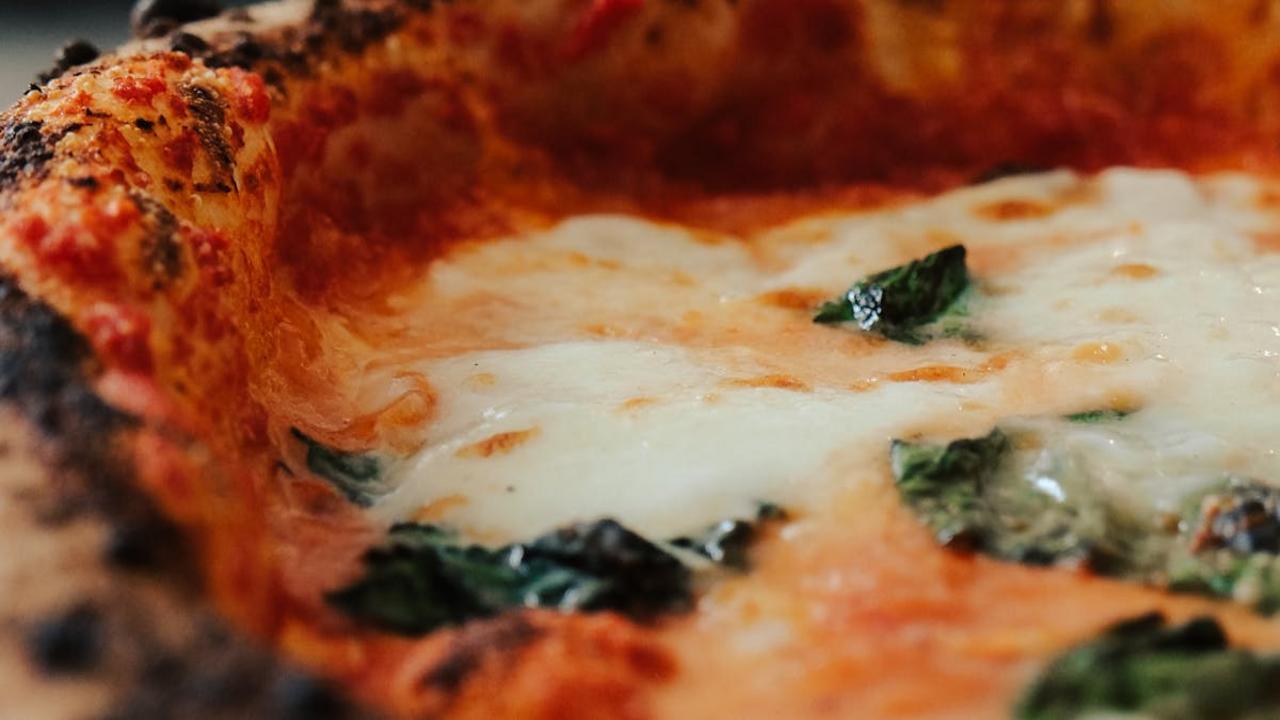
You know that satisfying feeling when you can track your Domino’s order from oven to doorstep? Well, here’s what they don’t advertise: that fancy pizza tracker isn’t always showing you real-time updates. Sometimes those cheerful “Your pizza is in the oven!” notifications are based on estimated timelines rather than actual sensor data. The system operates on predicted cooking and delivery windows, which means your pizza might still be sitting on the counter while the app celebrates its supposed journey through quality check.
But here’s the really interesting part – Domino’s has been experimenting with AI-powered cameras and heat sensors in some locations to make tracking more accurate. These systems can actually “see” when your pizza goes into the oven and monitor the cooking process. However, most locations still rely on employees manually updating order status, and during busy nights, staff might batch-update multiple orders at once. So while that tracking technology feels revolutionary, remember it’s part customer service tool and part marketing magic designed to keep you engaged and excited about your order.
The Truth About Chicken McNuggets
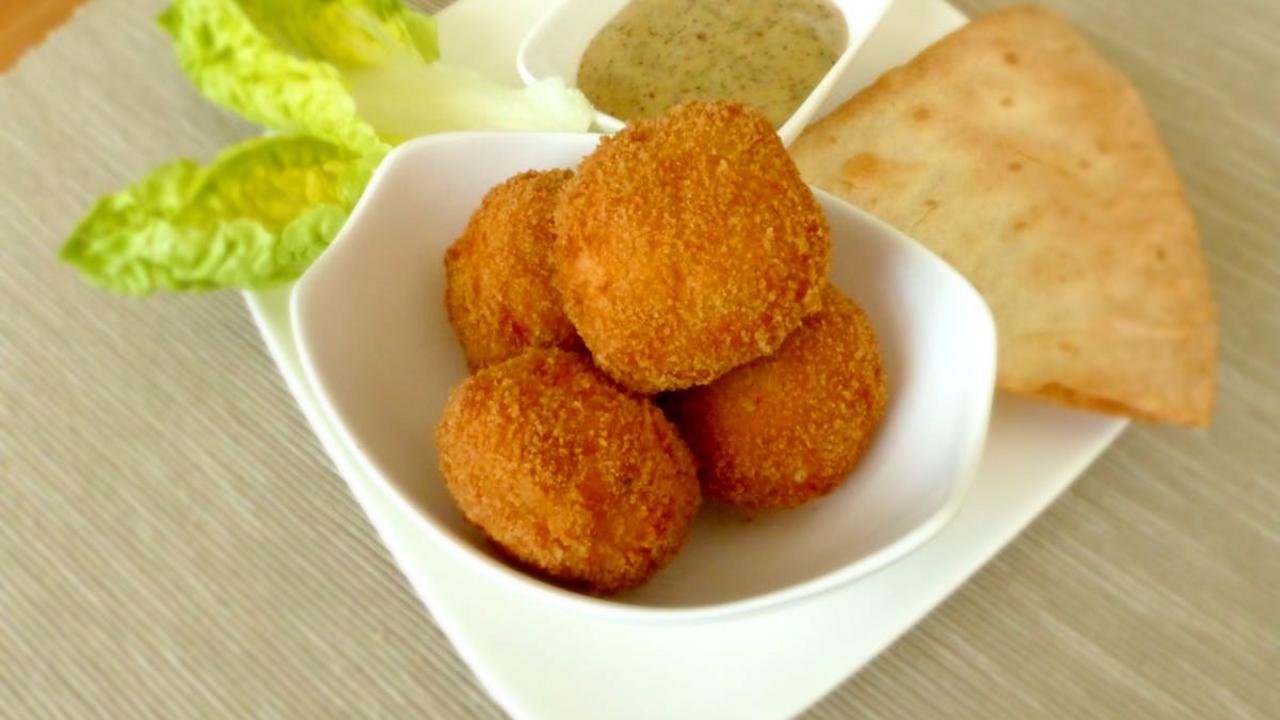
You know that crispy, golden exterior and tender inside of McDonald’s Chicken McNuggets? Well, here’s something that might surprise you: those nuggets contain way more than just chicken. McDonald’s uses a blend of white and dark meat, but they also add ingredients like sodium phosphates, natural flavors, and a variety of preservatives to maintain that signature taste and texture. The nuggets go through a complex process where the chicken gets ground up, mixed with these additives, formed into those familiar shapes, and then breaded twice before hitting the fryer. This isn’t necessarily bad, but it’s definitely more processed than the simple chicken pieces many people imagine they’re eating.
What really gets interesting is the ingredient list – it’s surprisingly long for what seems like straightforward chicken! Beyond the obvious chicken, wheat flour, and vegetable oil, you’ll find things like autolyzed yeast extract, dextrose, and citric acid. These ingredients help create that consistent flavor profile and keep the nuggets fresh during transport and storage. If you’re someone who prefers knowing exactly what goes into your food, making homemade nuggets with simple ground chicken, breadcrumbs, and your favorite seasonings gives you complete control. Plus, you can experiment with different spice blends and create versions that are just as satisfying – maybe even more so – than the fast-food original.
Burger King Flame Broiling Process
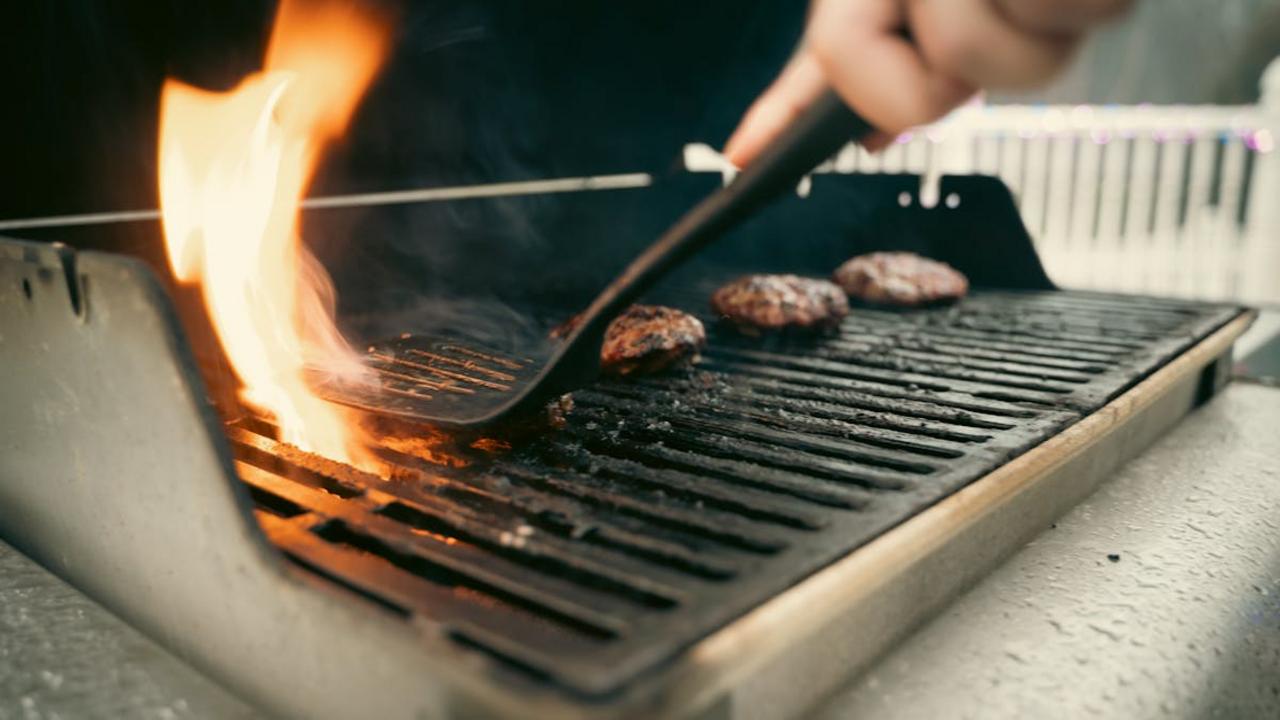
You know that distinctive smoky flavor you get from a Burger King Whopper? Well, here’s something that might surprise you: those flame-broiled patties aren’t actually kissed by real flames like you’d imagine. Instead, Burger King uses a conveyor belt system that moves the frozen patties over gas-powered burners. The patties cook on a moving chain broiler where they pass over open flames for about 80 seconds, getting those signature grill marks you see. This automated process ensures consistency across thousands of locations, but it’s quite different from the traditional grilling experience you might picture.
The genius behind this system lies in how it creates that smoky taste without requiring skilled grill masters at every restaurant. The flame broiling gives the meat a charred exterior while keeping the inside juicy, and those distinctive crosshatch marks aren’t just for show – they’re evidence of the actual flame contact. However, the patties are seasoned before freezing and cooking, which means much of that “fresh-grilled” flavor actually comes from pre-added seasonings rather than the flame broiling alone. This revelation doesn’t make the burgers less tasty, but it does show how fast-food chains master the balance between authentic cooking methods and mass production efficiency.
Hidden Calories in Subway Fresh Options
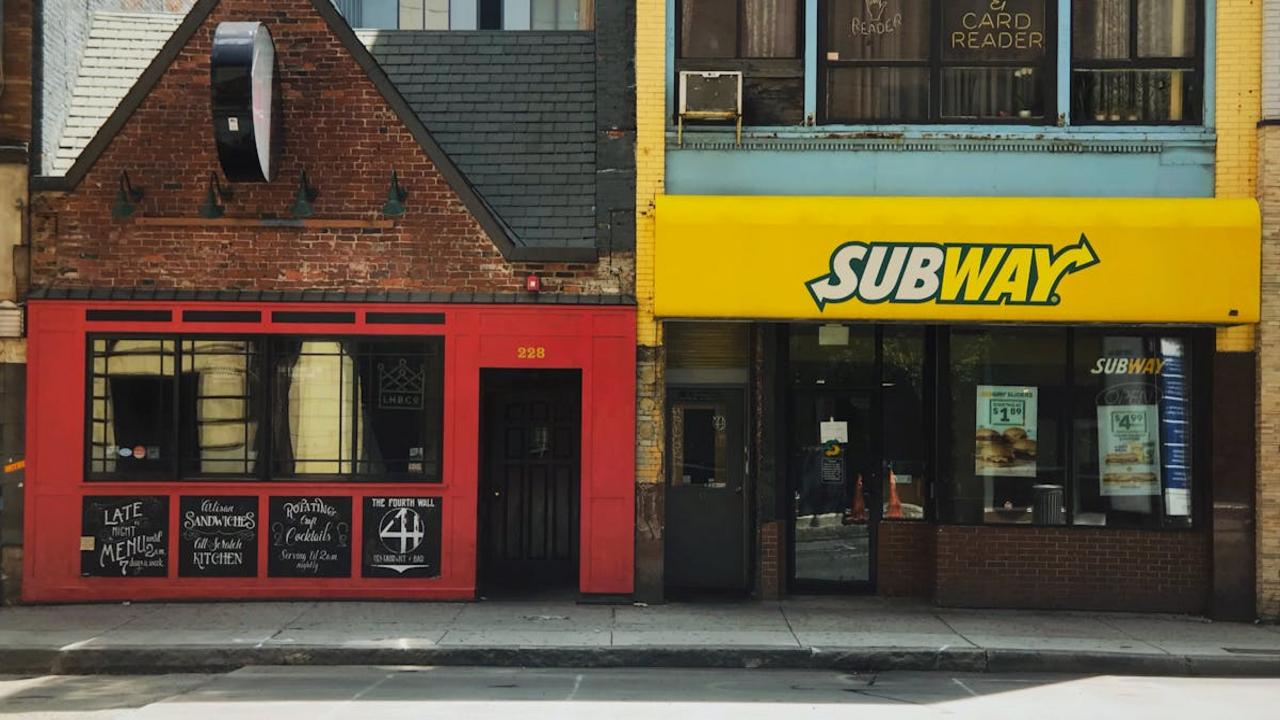
You walk into Subway thinking you’re making the smart choice – after all, they’re the “fresh” option, right? But here’s what they don’t advertise on those colorful menu boards: many of their supposedly healthy sandwiches pack way more calories than you’d expect. That innocent-looking turkey breast footlong can easily climb past 1,000 calories once you add cheese, mayo, and oil. Even their “lighter” 6-inch subs often contain 400-600 calories before you factor in chips and a drink, turning your quick lunch into a caloric bomb.
The sneaky truth lies in those creamy sauces and dressings that make everything taste so good. A single serving of their chipotle southwest sauce adds 100 calories, while that seemingly harmless honey mustard contributes another 30. The bread alone – yes, even their “9-grain wheat” – contains around 210 calories for a footlong. Your best bet? Skip the mayo-based sauces, load up on vegetables for crunch and flavor, and consider going open-faced with just the top bun. You’ll still get that satisfying Subway experience without the caloric surprise that comes with your receipt.
Taco Bell Meat Quality Standards
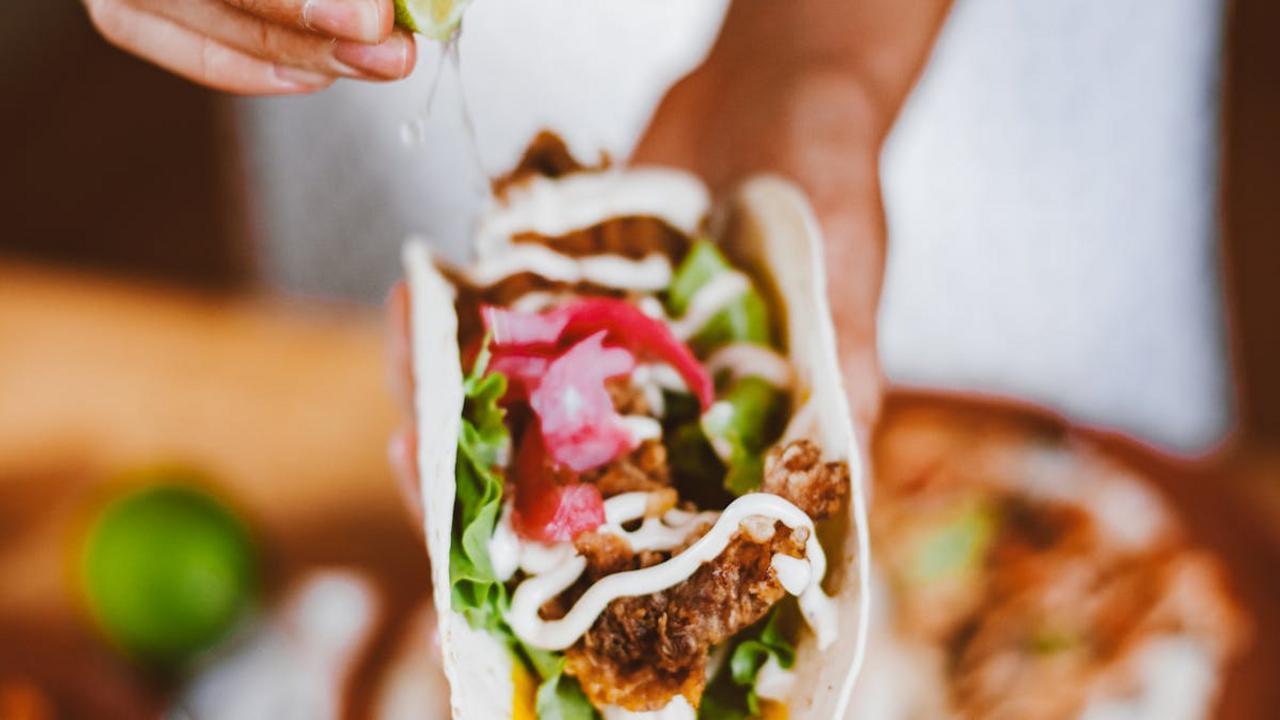
You know that seasoned beef filling in your favorite Taco Bell crunchy taco? Here’s something that might catch you off guard: Taco Bell’s “beef” contains only about 88% actual beef. The remaining 12% consists of a mixture that includes water, isolated oat product, salt, chili pepper, onion powder, tomato powder, oats, lime juice, sugar, garlic powder, cocoa powder, silicon dioxide, natural flavors, yeast, modified corn starch, soy lecithin, and citric acid. This recipe helps create that distinctive taste and texture we recognize, but it also means you’re getting less pure meat than you might expect from your quick dinner stop.
The chain faced legal pressure years ago over their meat mixture, which led them to be more transparent about their ingredients. While this blend isn’t necessarily harmful, it does mean you’re paying for fillers and additives rather than straight ground beef. If you want to recreate that familiar flavor at home, try mixing lean ground beef with some of these same seasonings, but you’ll control exactly what goes into your family’s tacos. Making your own version gives you the power to use higher-quality meat and skip unnecessary additives while still satisfying those late-night taco cravings.
How KFC Original Recipe Stays Secret
You know that famous blend of 11 herbs and spices that makes KFC’s chicken so addictive? Well, the company guards this recipe like Fort Knox! Only a handful of people on the planet know the complete formula, and they’ve never all been in the same room together at the same time. The original handwritten recipe sits locked away in a digital safe at KFC’s Louisville headquarters, protected by motion sensors and cameras. What makes this even more fascinating is that the recipe gets mixed at two different facilities – each location only knows half the ingredients, so no single supplier could ever recreate the magic.
The security measures around this recipe would make spy movies jealous! KFC rotates the few employees who know portions of the recipe, and they sign ironclad confidentiality agreements that could financially ruin them if broken. Even Colonel Sanders’ own family members don’t know the complete recipe – his nephew once tried to auction off what he claimed was the original recipe, but KFC quickly shut that down. The company has spent decades perfecting this secrecy system because they know their signature flavor is literally worth billions. Next time you bite into that crispy chicken, remember you’re tasting one of the world’s most protected trade secrets!
Why Wendy’s Burgers Are Square
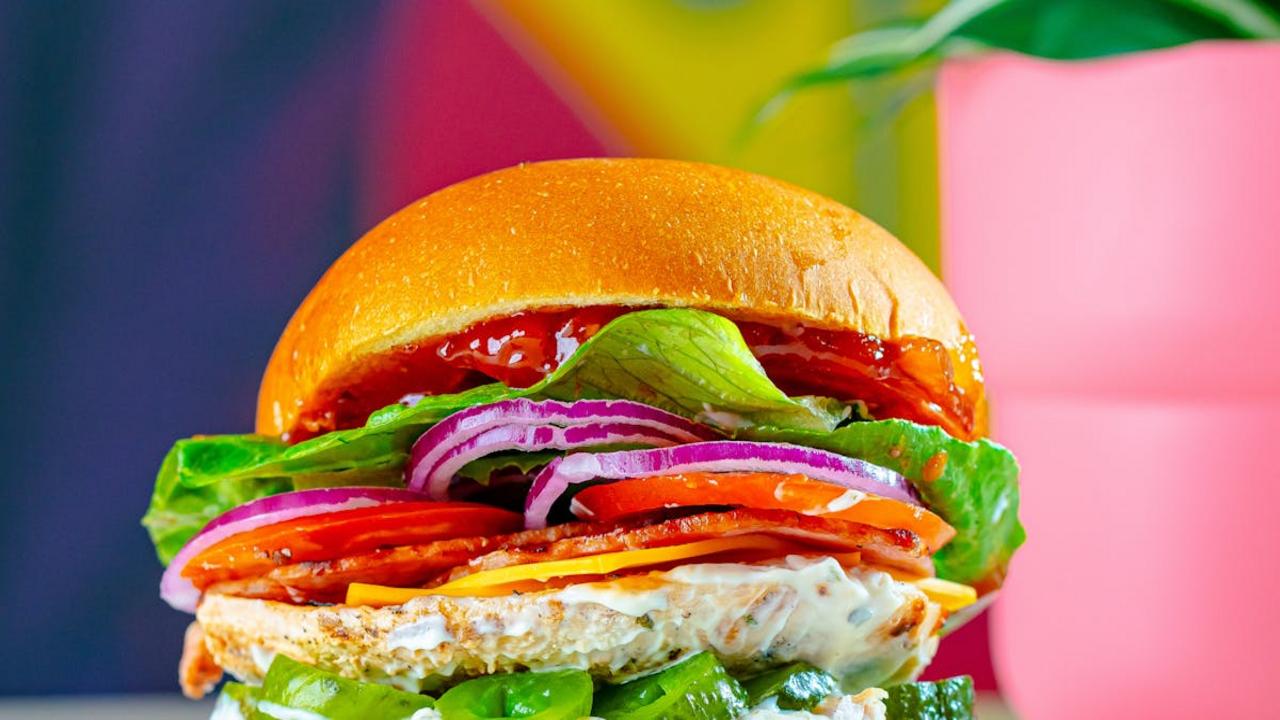
You’ve probably wondered why Wendy’s burgers come in that distinctive square shape while every other fast-food chain sticks to the traditional round patty. The answer goes back to Dave Thomas, Wendy’s founder, who wanted to make a bold statement about quality and value. Those square patties aren’t just for show – they’re actually designed to hang over the edges of the bun, creating what Dave called “quality you can see.” This clever marketing move allows you to spot the beef immediately, making the burger appear larger and more generous than competitors’ offerings.
The square shape also serves a practical purpose that benefits both the restaurant and you as the customer. Square patties cook more evenly because they have consistent thickness throughout, and they’re easier to portion control during preparation. From a business perspective, square patties stack more efficiently in freezers and cooking equipment, reducing waste and improving kitchen workflow. Plus, that overhang you see isn’t just visual appeal – it actually gives you more meat per bite in many cases. Next time you bite into a Wendy’s burger, you’ll appreciate how this simple geometric choice reflects the brand’s commitment to standing out from the crowd while delivering genuine value.
The Real Story Behind Pizza Hut Pan Pizza
You know that iconic thick, buttery crust that makes Pizza Hut’s pan pizza so irresistible? Here’s what they don’t want you to know: those signature deep-dish pans get coated with a generous amount of oil before the dough goes in. This creates that golden, almost fried bottom crust that we all crave. But here’s the kicker – each individual pan pizza contains way more oil than you’d expect, contributing significantly to the calorie count. The dough itself sits in those oiled pans for hours, absorbing every drop and creating that distinctive texture that keeps you coming back for more.
What’s even more interesting is how Pizza Hut perfected this technique back in the 1970s. They discovered that using specific pan sizes and oil quantities created the perfect balance between crispy exterior and fluffy interior. The real secret lies in the timing – the dough needs exactly the right amount of resting time in those oiled pans to achieve that signature taste. While this method creates an undeniably delicious pizza, it also means you’re getting a lot more fat and calories than a traditional thin crust. Understanding this process helps you make informed choices about when to indulge in this comfort food favorite.
Secret Menu Items at McDonald’s

You know that feeling when you walk into McDonald’s and scan the menu board, wondering if there’s something more exciting hiding behind those familiar options? Well, friend, you’re absolutely right to wonder! McDonald’s has an entire secret menu that most customers never hear about, filled with creative combinations that their employees know how to make but rarely advertise. These hidden gems include the McGangBang (a McChicken sandwiched inside a McDouble), the Land, Sea & Air Burger (combining beef, chicken, and fish patties), and the Apple Pie McFlurry that transforms your dessert experience completely.
The beauty of these secret items lies in how they transform ordinary ingredients into something extraordinary through simple combinations. Take the Neapolitan Shake, for instance – you can ask them to blend vanilla, chocolate, and strawberry together for a nostalgic ice cream parlor experience. Or try the Monster Mac, which doubles up on everything that makes a Big Mac special, giving you four beef patties instead of two. The best part? Most locations will happily make these for you if you explain exactly what goes into them. Just remember to be patient with the staff and maybe visit during slower hours when they have time to accommodate your special request. These secret creations prove that sometimes the most satisfying meals come from thinking outside the standard menu box!