13 Everyday Foods That Have Changed More Than You Realize
Your grocery cart holds secrets you never imagined. Those bright orange carrots weren’t always orange, and bananas once looked completely different from today’s yellow crescents. Modern agriculture and selective breeding have transformed our most familiar foods beyond recognition over centuries.
From ancient corn kernels smaller than your pinky nail to watermelons that were bitter and white inside, these everyday ingredients tell fascinating stories of human innovation. Chickens have tripled in size, while apples now come in varieties that didn’t exist fifty years ago.
Understanding these transformations helps you appreciate the incredible journey from wild plants to your dinner table. These changes happened gradually, shaped by farmers, scientists, and consumer preferences. Get ready to see your pantry staples in a whole new light as we uncover their surprising histories.
Sugar
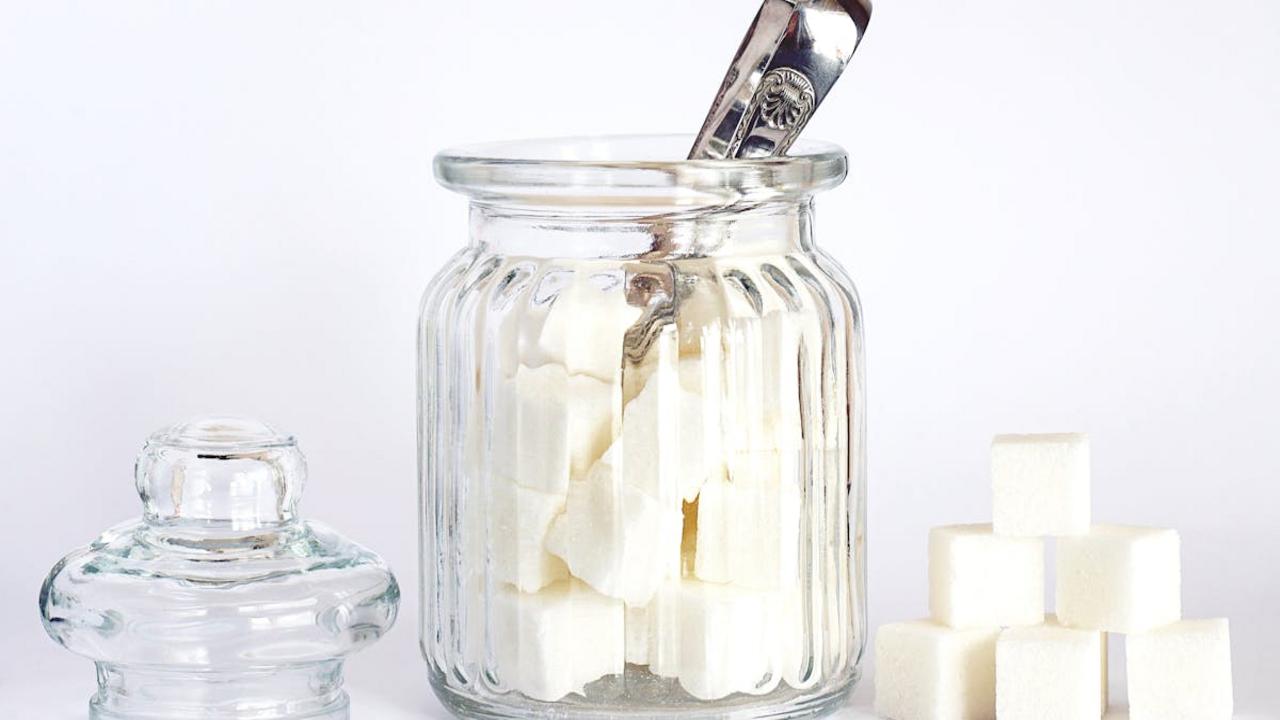
You probably reach for that white granulated sugar in your pantry without giving it much thought, but this sweetener has transformed dramatically from its ancient origins. Originally, people chewed raw sugarcane stalks to enjoy natural sweetness, and early civilizations extracted crude brown crystals through basic boiling methods. The pristine white sugar we know today didn’t exist until the 18th century, when new refining processes stripped away all the molasses and minerals, creating an almost pure sucrose product that bears little resemblance to its natural predecessor.
Modern sugar production involves multiple chemical treatments, bleaching agents, and intense processing that our ancestors would never recognize. What started as a whole food packed with trace minerals and nutrients became an isolated compound that spikes blood sugar levels rapidly. Today’s sugar industry produces everything from high-fructose corn syrup to artificial alternatives, but many health-conscious cooks are returning to less processed options like coconut sugar, maple syrup, or even going back to those original sugarcane methods. Next time you bake, consider swapping that ultra-refined white sugar for something closer to what nature intended – your body will thank you for choosing sweeteners that retain some nutritional value.
Peaches
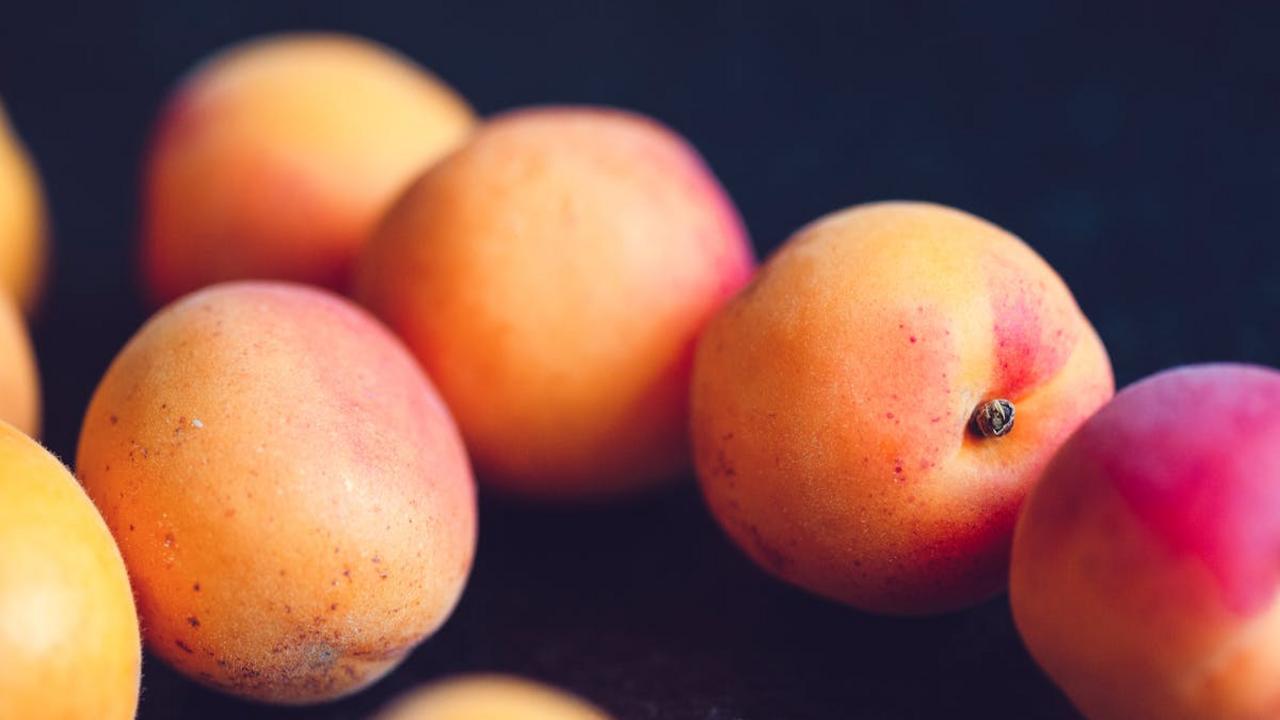
Your grandparents would barely recognize the peaches sitting in your grocery store today! Those fuzzy, softball-sized beauties we know and love started as tiny, hard fruits about the size of a cherry pit thousands of years ago in China. Ancient peaches were more stone than flesh, with barely any sweet juice to speak of. Through centuries of selective breeding, farmers gradually developed the plump, succulent varieties we crave during summer months. Modern peaches pack nearly ten times more flesh than their ancient ancestors, and their sugar content has skyrocketed to create that perfect balance of sweet and tangy we associate with peak summer flavor.
The transformation didn’t stop at size and sweetness – today’s peach varieties come in colors and textures that would amaze early cultivators. You can choose from white-fleshed peaches with their delicate, almost floral sweetness, or stick with the classic yellow varieties that deliver that bold peachy punch. Some modern peaches cling stubbornly to their pits while others release easily, and breeders have even developed varieties that resist browning and bruising for better transport. The next time you bite into a juicy peach, remember you’re experiencing thousands of years of agricultural innovation packed into one perfect, drippy bite that connects you to generations of farmers who dreamed of creating the ultimate summer fruit.
Tomatoes
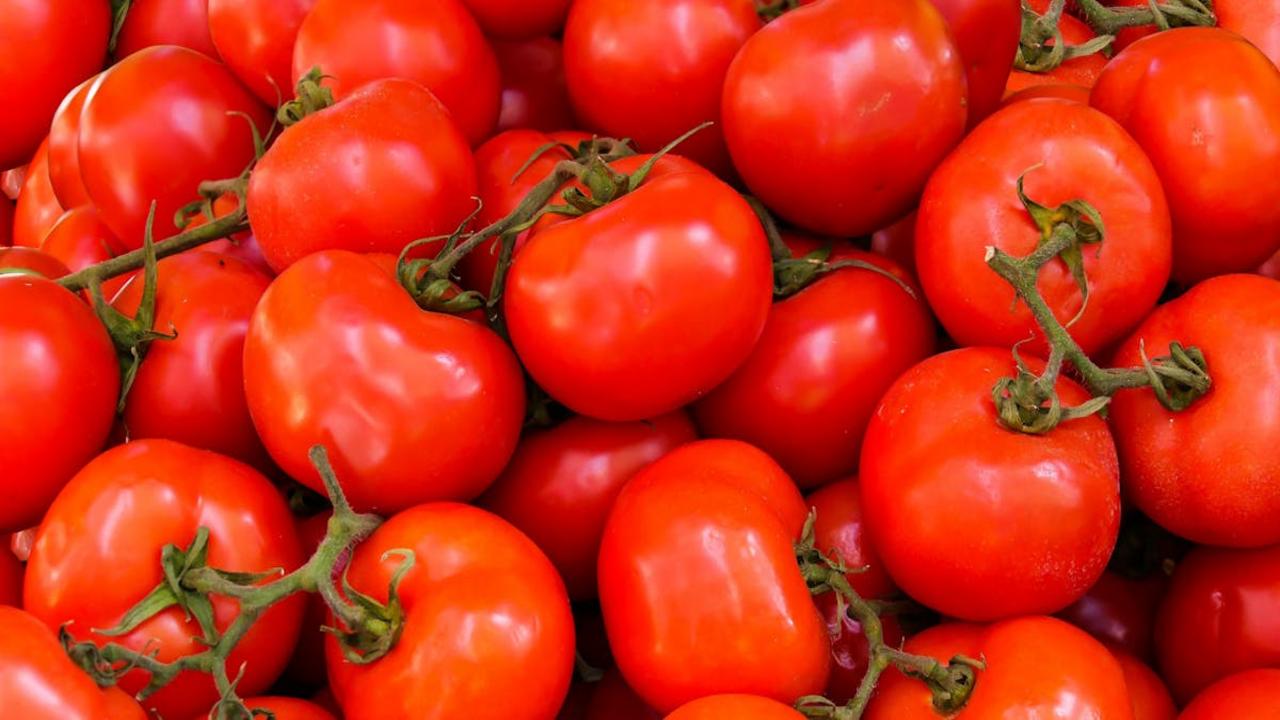
Picture this: the tomatoes sitting in your kitchen right now would be completely unrecognizable to someone from just a few centuries ago! Wild tomatoes were originally tiny, marble-sized fruits that grew in the mountains of South America. These little guys were about the size of cherry tomatoes today, but even smaller and much more tart. Through centuries of careful selection and cultivation, farmers gradually chose plants that produced larger, sweeter, and more colorful fruits. What started as small, often green or purple berries slowly transformed into the plump, red beauties we know and love today.
The modern tomato industry has taken this transformation even further, creating varieties that would absolutely blow the minds of our ancestors. We now have everything from massive beefsteak tomatoes that can weigh over a pound to tiny grape varieties perfect for snacking. Breeders have developed tomatoes that stay fresh longer, resist diseases better, and pack more flavor into every bite. Some varieties have been bred specifically for different cooking methods – Roma tomatoes for sauces, heirlooms for fresh eating, and determinate varieties that ripen all at once for easier canning. Your great-great-grandmother would be amazed to walk through a modern farmer’s market and see the rainbow of colors, sizes, and shapes that this once-humble wild berry has become!
Chocolate
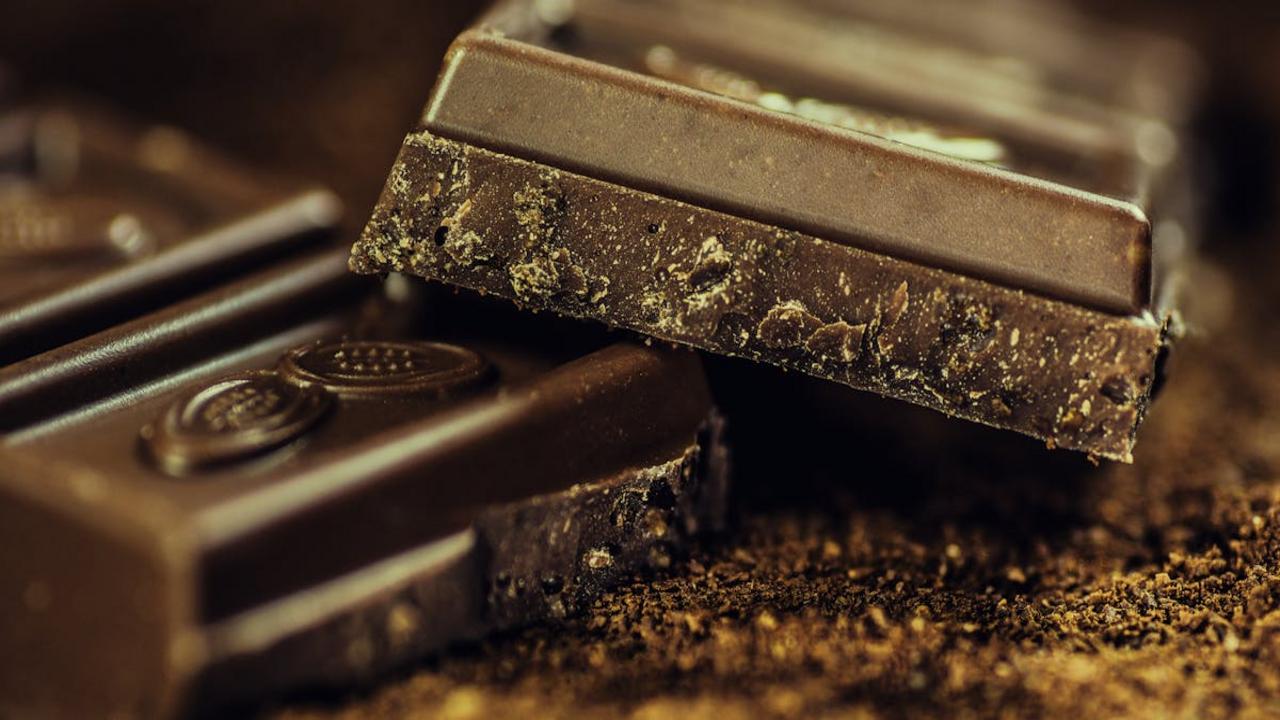
You probably think chocolate has always been the sweet, creamy treat we know today, but the transformation has been absolutely incredible! Originally, chocolate started as a bitter ceremonial drink in ancient Mesoamerica, made from cacao beans mixed with spices like chili peppers. The Aztecs and Mayans considered it sacred, calling it “xocolatl,” and it was nothing like our modern candy bars. When Spanish conquistadors brought cacao to Europe in the 16th century, they began adding sugar to make it more palatable, but it remained primarily a beverage for the wealthy.
The chocolate revolution really took off during the Industrial Revolution when Dutch chemist Coenraad van Houten invented the cocoa press in 1828, separating cocoa butter from cocoa solids. This breakthrough led to smoother, more refined chocolate products. Then came solid chocolate bars, milk chocolate (thanks to Henri Nestlé adding condensed milk), and eventually mass production. Today’s chocolate contains stabilizers, emulsifiers, and various additives that would have been completely foreign to ancient cacao drinkers. What started as a spicy, frothy drink reserved for royalty has become one of the world’s most beloved comfort foods, available in countless varieties from dark to white to ruby chocolate.
Coffee
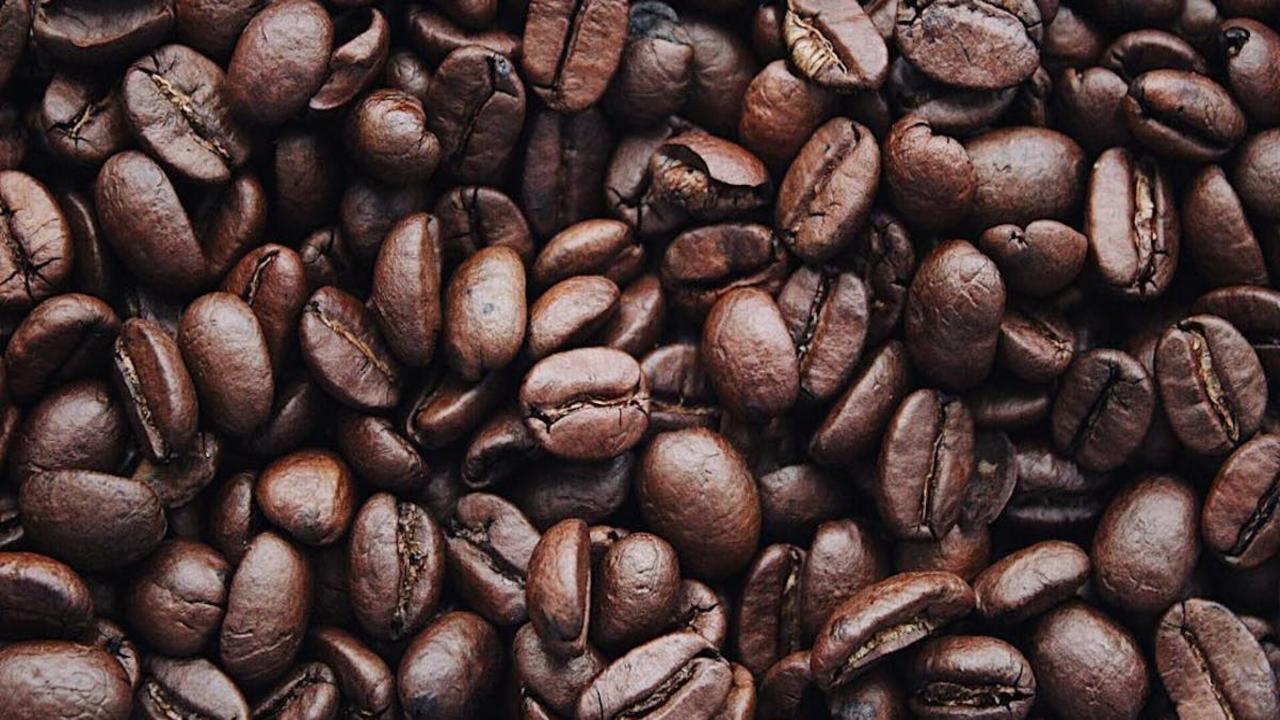
Your morning cup of joe has transformed dramatically from its humble beginnings as wild berries in Ethiopian highlands. Early coffee consisted of simply chewing the raw berries or brewing a weak tea from the leaves. The dark, rich brew you know today didn’t emerge until the 15th century when Arabian traders began roasting the beans. Even then, coffee remained a luxury item reserved for the wealthy and religious ceremonies. The colonial period brought coffee to the Americas, but preparation methods stayed fairly primitive – people would boil whole beans in water and strain out the grounds.
Fast-forward to today, and you’ll discover coffee has become a science. Modern roasting techniques precisely control temperature and timing to bring out specific flavor profiles, while brewing methods have exploded into dozens of options from pour-over to cold brew. Third-wave coffee culture treats beans like fine wine, with single-origin varieties showcasing unique terroir characteristics. Your local café probably offers more brewing methods than your grandmother knew existed! The quality and consistency of today’s coffee would amaze coffee drinkers from just 50 years ago, thanks to better farming practices, advanced equipment, and our deeper understanding of extraction chemistry.
Milk
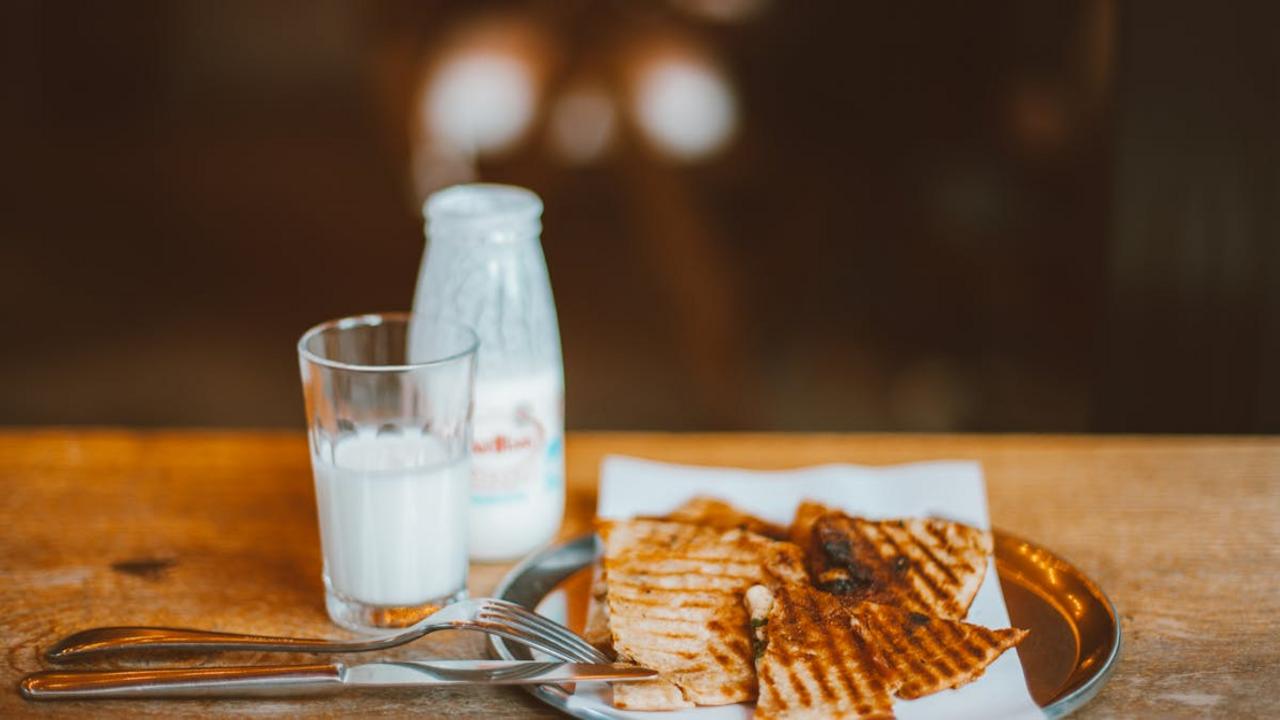
Your grandmother’s milk and today’s milk might as well be from different planets! Back in the day, families got their milk straight from local dairy farms, often still warm and unpasteurized. The cream would naturally separate and float to the top, creating that rich layer you’d either skim off or shake back in. Most milk came from cows that grazed on pastures, and the flavor changed with the seasons based on what those cows munched on – spring grass made sweeter milk, while winter hay created a more robust taste.
Fast forward to now, and milk goes through pasteurization, homogenization, and vitamin fortification before reaching your fridge. We’ve got options our great-grandparents never dreamed of: skim, 2%, whole, lactose-free, organic, grass-fed, and ultra-pasteurized varieties that last for weeks. The homogenization process breaks down fat molecules so cream doesn’t separate anymore, giving you that consistent texture in every glass. Plus, dairies now add vitamins A and D to boost nutrition, and many producers use advanced filtration methods that remove bacteria while preserving flavor. Your morning cereal companion has definitely gotten a modern makeover!
Bread
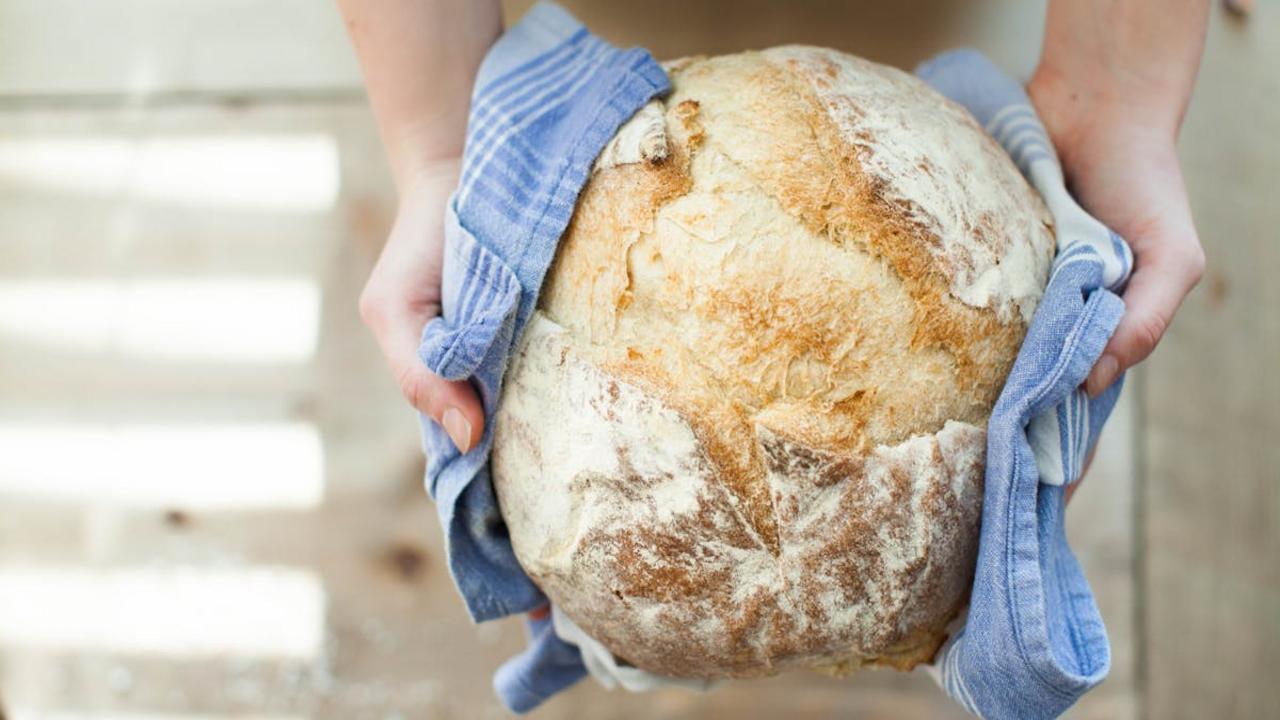
Your grandmother’s homemade loaf bears little resemblance to what most of us grab from grocery store shelves today. Traditional bread required just four simple ingredients: flour, water, salt, and wild yeast that naturally occurred in the environment. Bakers would spend days nurturing their sourdough starters, and the fermentation process took hours, sometimes even days, creating complex flavors and making nutrients more digestible. The crust crackled when you broke it open, revealing an airy, irregular crumb structure that came from slow, natural rising.
Modern commercial bread production changed everything in the name of convenience and shelf life. Today’s loaves contain dozens of additives, preservatives, and conditioners that keep them soft for weeks but strip away much of the nutritional value. High-speed mixing and rapid-rise yeasts mean your sandwich bread can go from flour to wrapped loaf in just a few hours. While this makes bread more affordable and accessible, many people now experience digestive issues with modern wheat varieties and processing methods. The good news? You can easily make your own bread at home with just those original four ingredients, and trust me, once you taste the difference, you’ll understand why our ancestors took such pride in their daily bread.
Chicken

Today’s chicken bears little resemblance to the birds our grandparents knew. Modern broiler chickens grow incredibly fast, reaching market weight in just six to seven weeks compared to the 16 weeks it took in the 1950s. This rapid growth comes from decades of selective breeding focused on producing more breast meat in less time. The result? Chickens today are significantly larger, with much more white meat and less dark meat than their ancestors.
The nutritional profile has shifted dramatically too. While modern chicken contains more protein per pound, it also has higher fat content and different omega fatty acid ratios due to changes in feed and breeding practices. Free-range and pasture-raised options have become popular responses to these changes, offering meat that more closely resembles traditional chicken in both flavor and nutrition. When you’re shopping, consider trying heritage breed chickens or those raised on pasture – you’ll notice the difference in taste and texture, plus you’re supporting farming methods that prioritize slower growth and more natural living conditions for the birds.
Apples
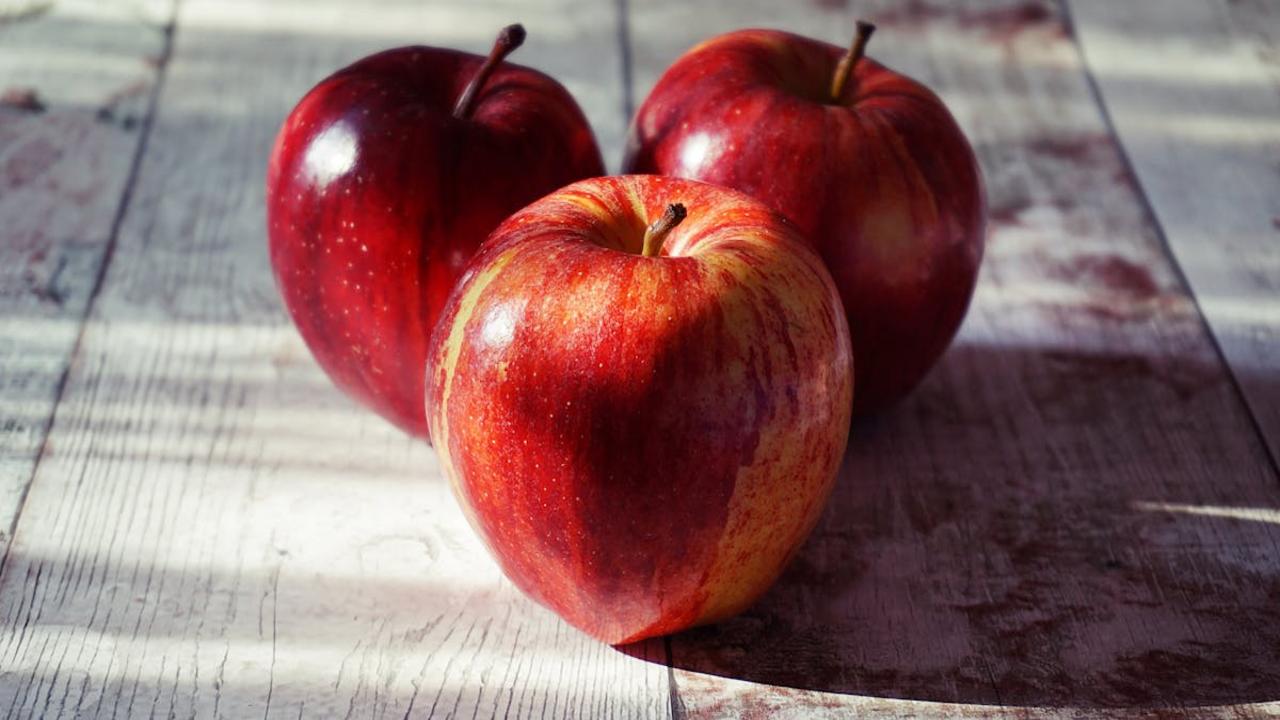
Your grandmother’s apple pie probably tasted completely different from the apples we bite into today! Modern apples have transformed dramatically through centuries of selective breeding and agricultural innovation. Those crisp, perfectly sweet Honeycrisp apples that crunch so satisfyingly? They didn’t exist until 1991! Before then, most apples were smaller, more tart, and had completely different textures. Wild apples were actually quite bitter and primarily used for making cider rather than eating fresh.
Today’s apple varieties represent decades of careful cultivation to create the perfect balance of sweetness, texture, and shelf life. Farmers have developed apples that stay fresh for months in storage, resist browning, and offer consistent flavors year-round. You can now choose from Pink Lady’s tangy sweetness, Gala’s mild flavor, or Granny Smith’s sharp bite – options that simply weren’t available to previous generations. Even the familiar Red Delicious has changed significantly since its introduction, though many food lovers argue not necessarily for the better! Next time you enjoy that perfect apple slice in your morning oatmeal or afternoon snack, remember you’re experiencing centuries of agricultural evolution.
Carrots
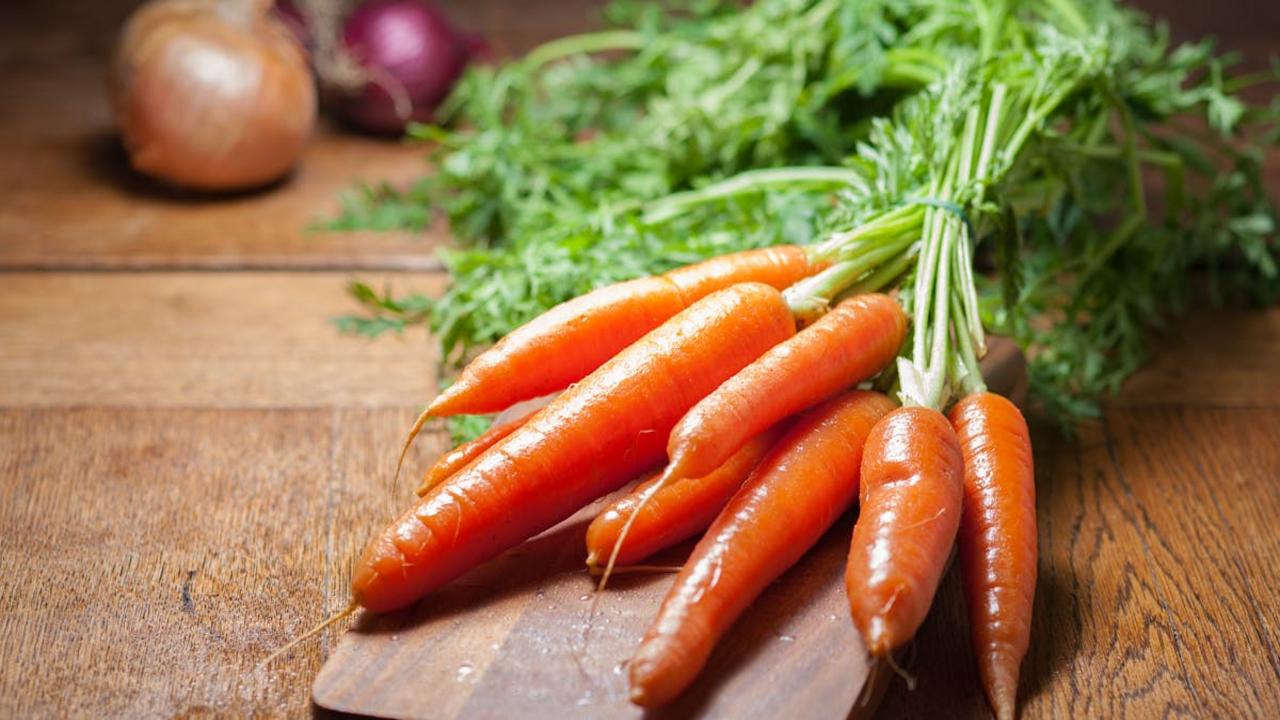
Picture this: you’re crunching on a bright orange carrot stick, but did you know that centuries ago, your ancestors would have been munching on purple, white, or yellow varieties instead? The vibrant orange carrot we know and love today didn’t become the standard until Dutch farmers in the 17th century selectively bred them to honor their royal House of Orange. Before this royal makeover, carrots came in a rainbow of colors, with purple being the most common variety in ancient times.
Today’s carrots pack significantly more beta-carotene than their colorful ancestors, making them a powerhouse of vitamin A that supports your eye health and immune system. Modern farming techniques have also made carrots sweeter, crunchier, and more uniform in size – quite different from the thin, bitter roots that grew wild in Central Asia thousands of years ago. You can still find those heritage varieties in specialty stores and farmers’ markets, where purple and yellow carrots are making a comeback. These heirloom types offer unique flavors and additional antioxidants, giving you a chance to taste history while adding gorgeous color to your dinner plate.
Watermelon

Picture biting into a watermelon from the 1600s, and you’d probably spit it right out! The watermelons our ancestors knew were bitter, seedy nightmares with tough, thick rinds and barely any of that sweet, juicy flesh we crave today. These early varieties contained mostly white or pale flesh with just hints of pink, and the seeds were so large and numerous that eating them felt more like a chore than a refreshing treat. Wild watermelons in Africa, where the fruit originated, were primarily valued for their water content during droughts rather than their flavor.
Thanks to centuries of selective breeding, modern watermelons have transformed into the summer superstars we adore. Today’s varieties boast vibrant red or yellow flesh that’s incredibly sweet, with sugar content that can reach up to 10% – that’s sweeter than many apples! We’ve also developed seedless varieties that make snacking effortless, and the rinds have become thinner and more manageable. Some newer cultivars even offer different shapes, from perfectly round to oblong, and unique flavors ranging from honey-sweet to subtly tropical. The next time you enjoy a crisp, refreshing slice, remember you’re tasting hundreds of years of agricultural innovation in every bite!
Bananas
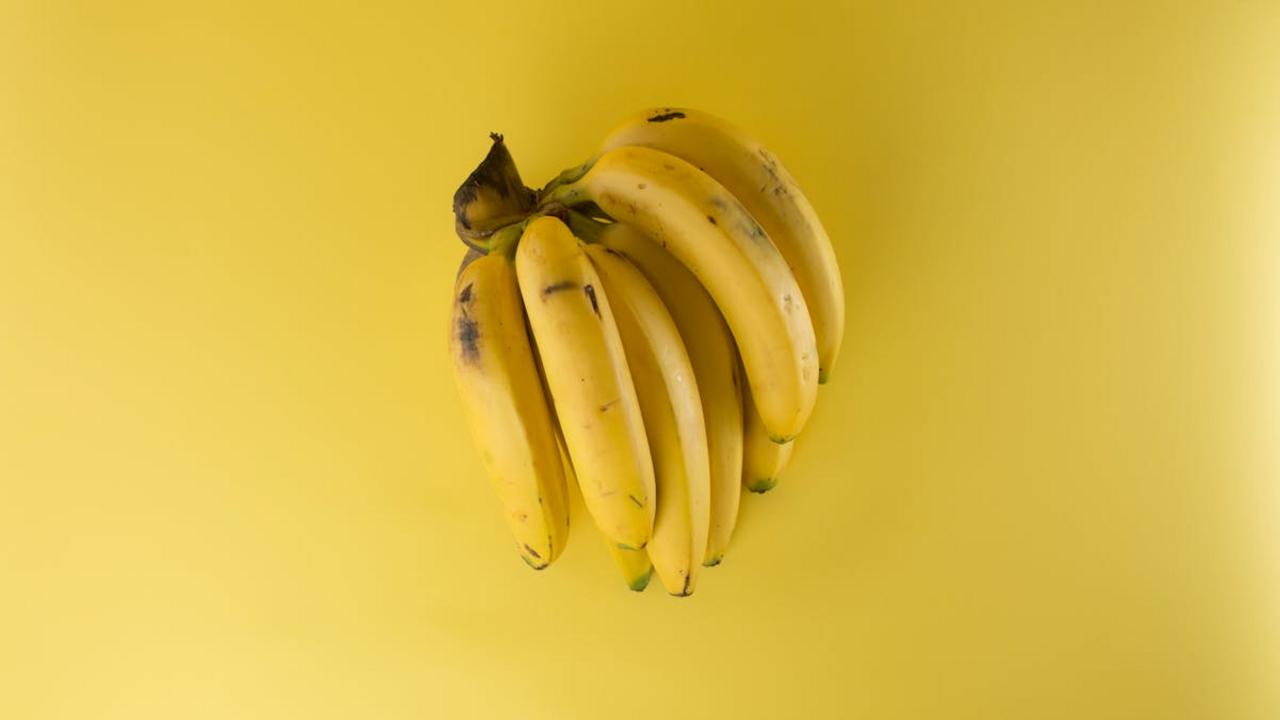
Your grocery store banana bears little resemblance to what people enjoyed just a century ago. The Cavendish variety we know today only became dominant in the 1950s after the previously popular Gros Michel banana was nearly wiped out by Panama disease. That original banana actually tasted much sweeter and had a stronger flavor that many describe as more “banana-like” than what we eat now. Interestingly, artificial banana flavoring still mimics the Gros Michel taste, which explains why banana candy tastes so different from fresh bananas!
Beyond variety changes, bananas have undergone significant genetic modifications and selective breeding to create the uniform yellow fruit we recognize. Wild bananas were small, seedy, and barely edible – nothing like the seedless, creamy fruits you toss into your morning smoothie. Modern bananas are actually sterile clones, meaning every Cavendish banana shares identical DNA. This genetic uniformity makes them vulnerable to diseases, and scientists are already working on new varieties as threats to our current banana supply continue to develop. Next time you peel one, remember you’re enjoying decades of agricultural innovation!
Corn
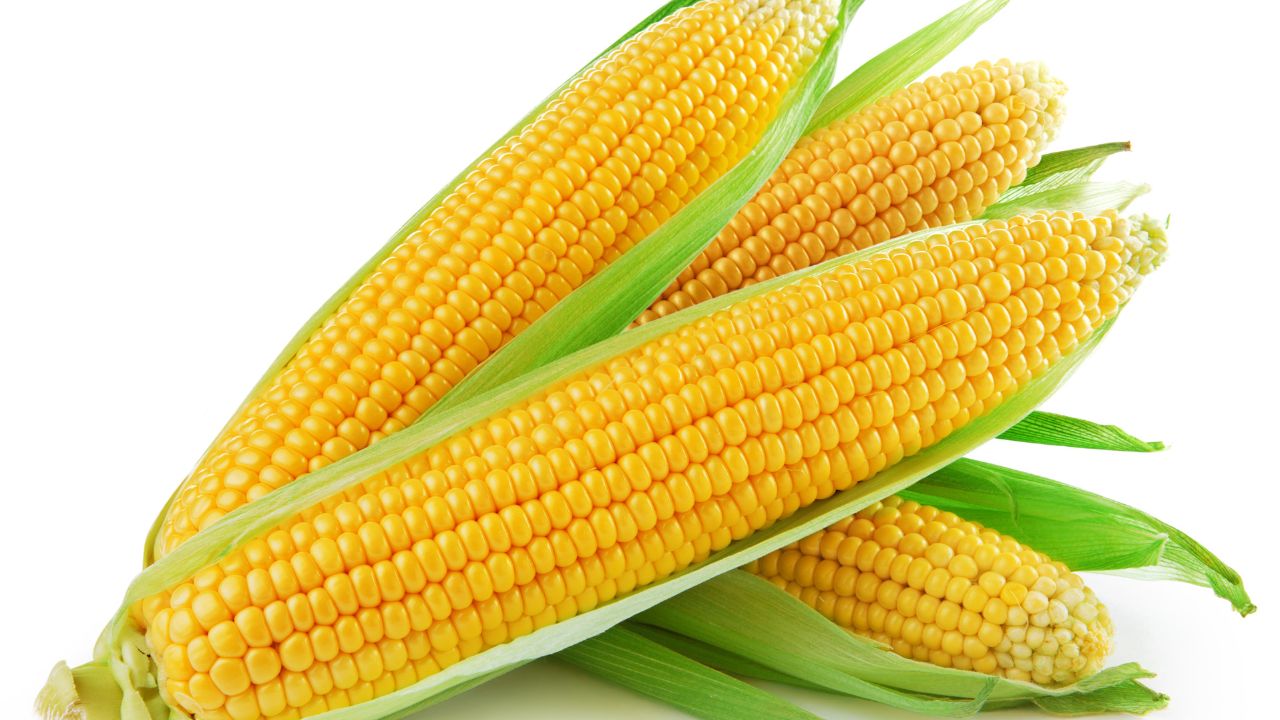
The corn you grab from the grocery store today would be completely unrecognizable to your ancestors! Modern corn started as teosinte, a wild grass with tiny kernels about the size of peppercorns. Through thousands of years of selective breeding, farmers transformed this humble plant into the plump, juicy kernels we know and love. Sweet corn varieties didn’t even exist until the 1700s, and those super-sweet varieties that make summer barbecues so special? They’re a recent invention from the 20th century that changed everything about how we enjoy corn on the cob.
What really amazes me is how corn has become one of the most versatile ingredients in our food system. You’ll find corn derivatives in everything from soda sweeteners to bread preservatives, and even in the coating on your morning cereal! The kernels themselves have grown dramatically larger and sweeter, with modern varieties containing up to 40% sugar compared to just 5% in older types. Next time you bite into that perfectly sweet corn on the cob, remember you’re experiencing thousands of years of agricultural innovation that turned a barely edible wild grass into one of our most beloved summer treats.