12 Foods That Split The Nation Love Them Or Hate Them You Decide
Food fights don’t always happen in cafeterias—sometimes they happen right at your dinner table. You know those moments when someone mentions pineapple on pizza and suddenly your peaceful family gathering turns into a heated debate? Yeah, those foods exist, and they’re absolutely fascinating in their ability to divide people faster than a political argument.
Some foods seem designed by nature (or mischievous chefs) to create instant controversy. Take cilantro, for example—thanks to a specific gene, some people think it tastes like soap while others can’t imagine Mexican food without it. Or consider durian, the fruit so polarizing that it’s banned from hotels across Southeast Asia because of its infamous smell.
These twelve divisive foods have earned their spots on this list through years of passionate arguments, wrinkled noses, and fierce loyalty from their fans. Whether you’re team love-it or team hate-it, each one tells a story about how personal our relationships with food really are. Ready to pick sides?
Wasabi
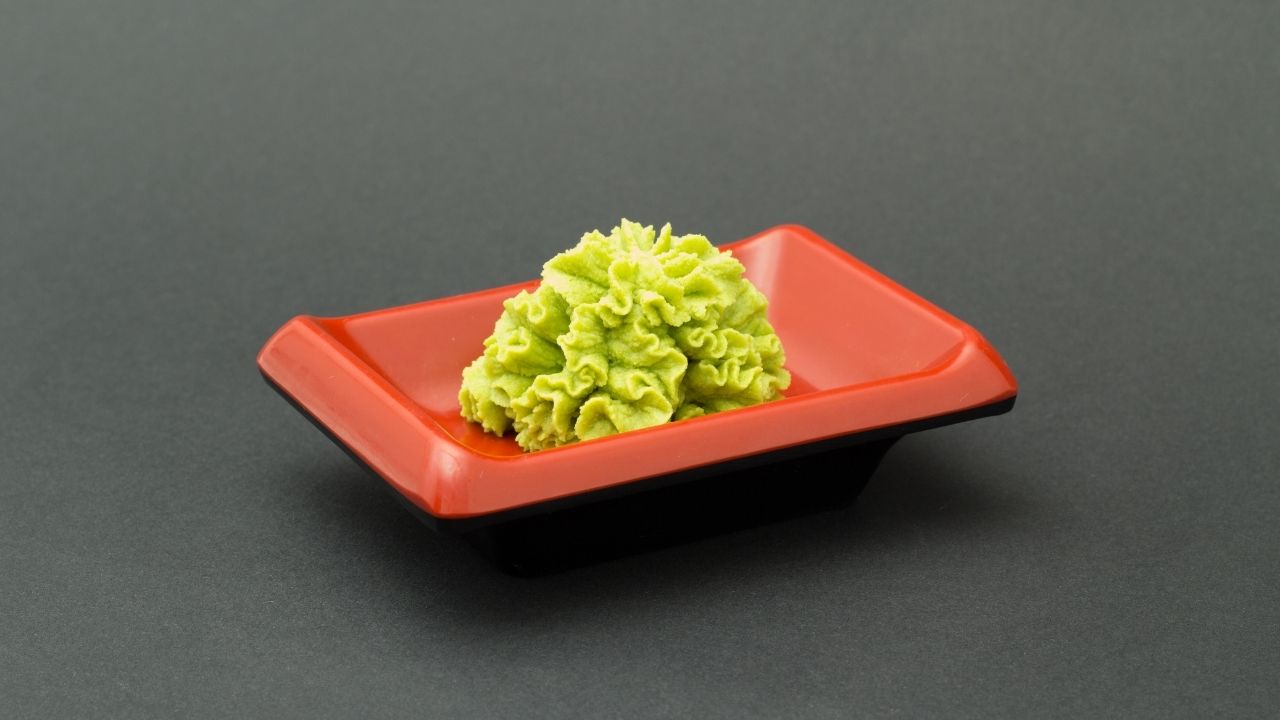
You know that green paste sitting next to your sushi that makes you question all your life choices after one tiny bite? That’s wasabi, and it’s probably not even real wasabi! Plot twist: most restaurants serve a mixture of horseradish, mustard, and green food coloring because authentic wasabi costs more than your monthly Netflix subscription. Real wasabi comes from the Wasabia japonica plant, which grows so slowly and requires such specific conditions that farmers basically need to whisper sweet nothings to it daily. The genuine stuff has a complex flavor that hits different – less sinus-clearing brutality, more sophisticated heat that dances on your tongue before gracefully bowing out.
Here’s where people split faster than your sinuses after a wasabi overdose: some folks treat it like green fire and avoid it completely, while others slather it on everything from crackers to ice cream (yes, that exists and yes, it’s surprisingly good). The wasabi lovers understand that a tiny dab mixed into soy sauce creates the perfect balance, while the haters remember that one time they mistook it for guacamole and needed therapy afterward. Fun fact: wasabi naturally fights bacteria, which explains why it became sushi’s best friend long before refrigeration existed. Whether you’re team “bring on the burn” or team “keep that green demon away from me,” you can’t deny wasabi has personality – it just depends if you want that personality attacking your nasal passages or not.
Vegemite
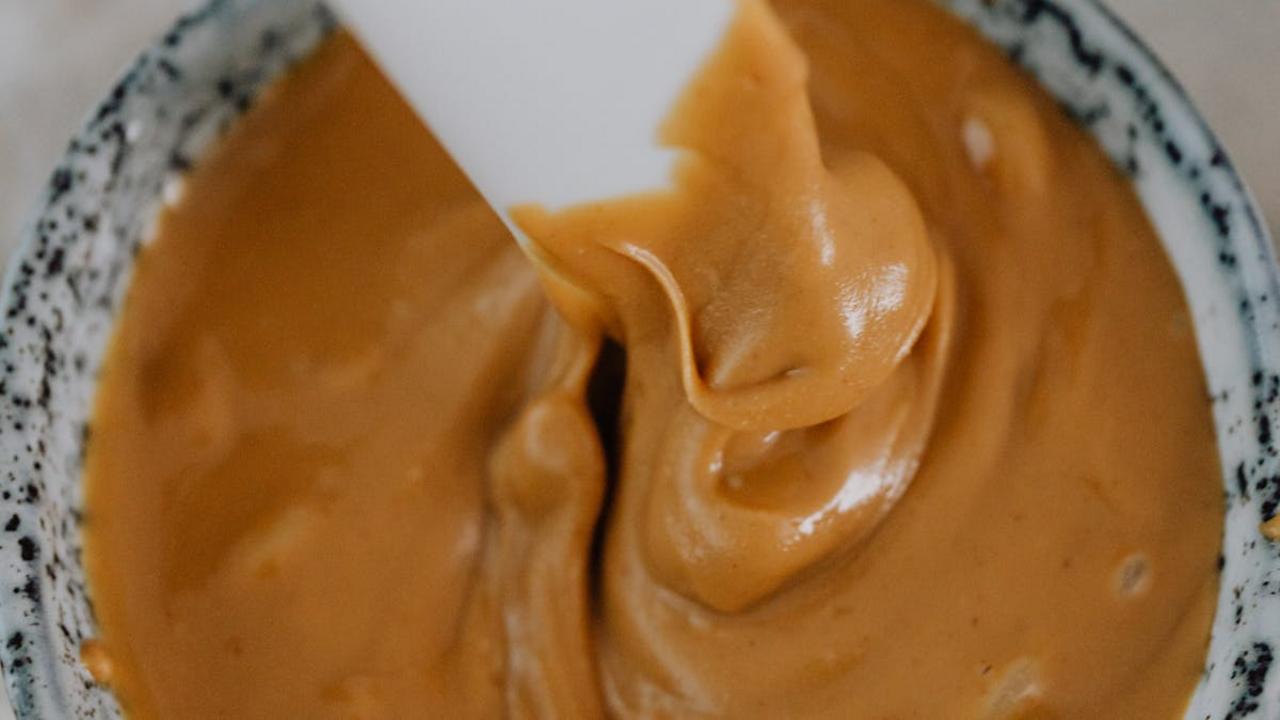
Oh, Vegemite! The dark brown paste that’s basically Australia’s edible version of Marmite – and yes, they’re different beasts entirely. This yeast extract spread looks like chocolate but tastes like concentrated umami had a baby with salt. Australians spread it thin on buttered toast like they’re painting the Sistine Chapel, while unsuspecting tourists slather it on thick like peanut butter and then wonder why their face contorts into expressions that could win Olympic medals for dramatic confusion. The secret? Less is absolutely more with this stuff – think of it as the MSG of breakfast spreads.
Born in 1922 by food scientist Dr. Cyril Callister (who probably never imagined his creation would spark international debates), Vegemite contains more B vitamins than a health food store and enough sodium to make your blood pressure monitor weep. Aussie kids grow up on this stuff mixed into their very DNA, while the rest of the world treats it like some sort of bizarre initiation ritual. The company even tried to rebrand it as “iSnack 2.0” in 2009 – imagine the collective national eye-roll that caused! Pro tip from someone who’s survived the Vegemite experience: pair it with avocado and you might just understand what all the fuss is about.
Tofu
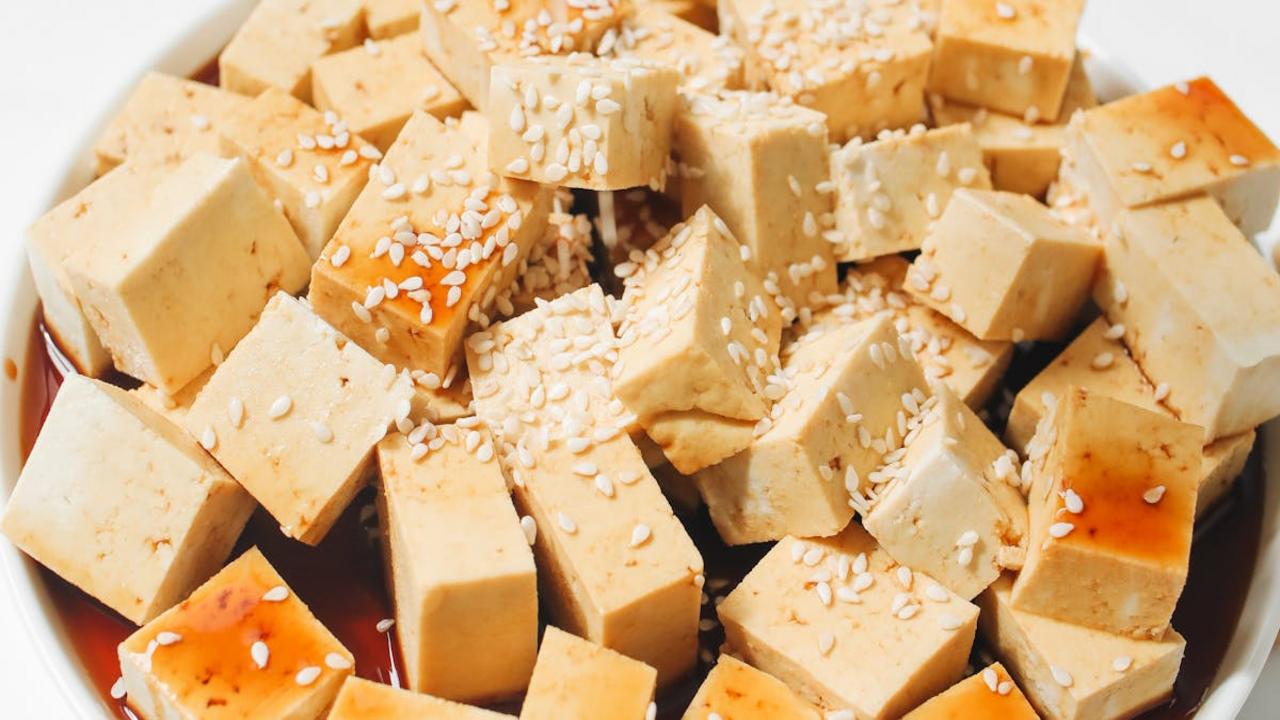
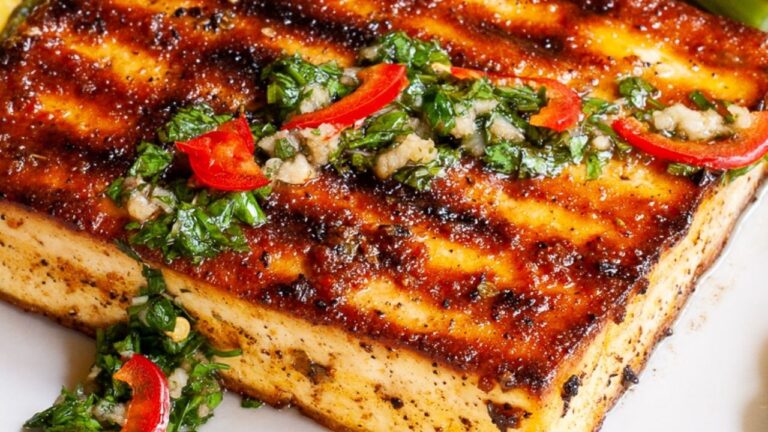
You either worship at the altar of this wobbly white wonder or you think it’s the most boring thing ever invented. Tofu sits there looking innocent, like a pale block of nothing, but don’t let its bland appearance fool you – this soybean superstar has been causing dinner table drama for centuries. Originally created by accident in ancient China when a cook spilled some nigari (a mineral-rich coagulant) into soy milk, tofu became the happy accident that fed millions. The texture ranges from silky soft to firm and chewy, and here’s the kicker – it tastes like absolutely nothing on its own, which is either its greatest strength or its fatal flaw depending on which camp you’re in.
The tofu lovers will tell you that’s exactly the point – this protein-packed chameleon absorbs flavors like a sponge soaks up water, transforming into whatever you want it to be. Press it, marinate it in soy sauce and garlic, then pan-fry until golden, and suddenly you’ve got something that’ll make you forget you ever missed chicken. The haters? They’re not buying it. They’ll poke at their sad, unseasoned cube and wonder why anyone would choose this over a perfectly good piece of meat. But here’s a fun fact that might change some minds: tofu contains all nine amino acids your body needs, plus it’s loaded with isoflavones that your heart will thank you for later.
Sardines
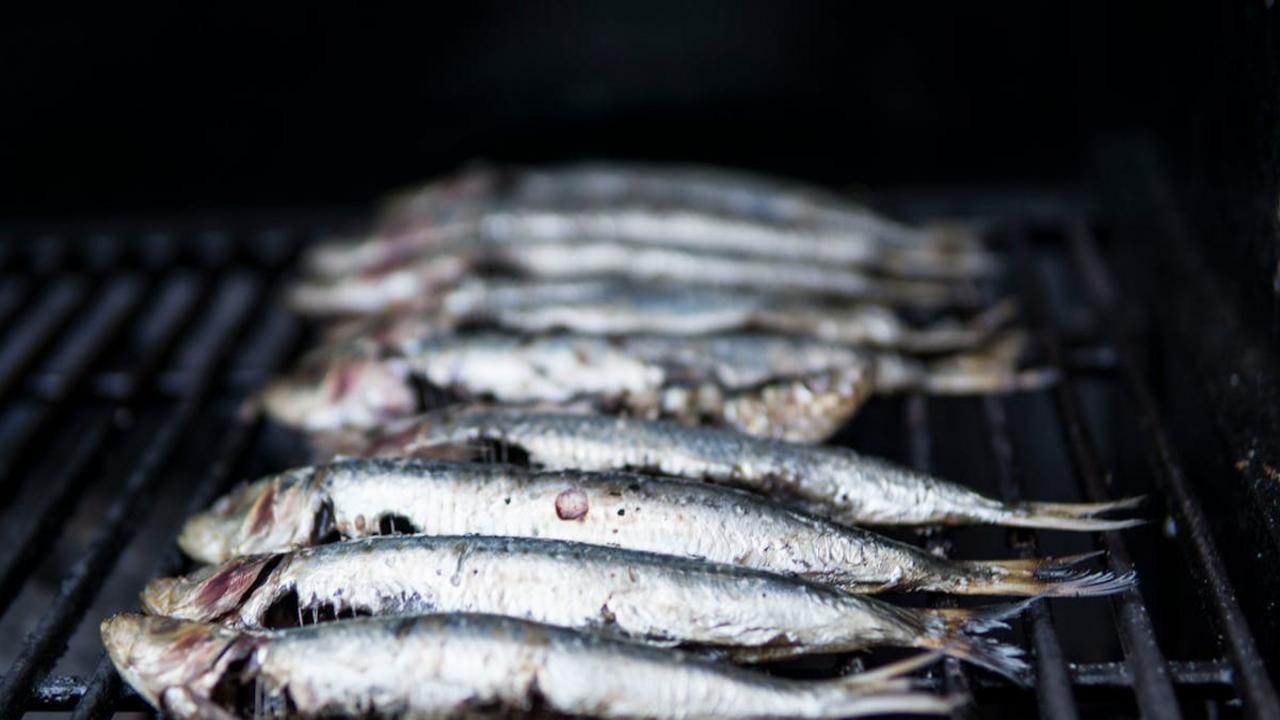
You know those tiny silver fish that come packed in a tin like they’re ready for a submarine expedition? Sardines are the ultimate kitchen divider – you either worship their briny, oceanic intensity or you dramatically flee the room when someone cracks open a can. These little powerhouses have been swimming their way into pantries for centuries, and here’s a fun fact: they’re named after the Italian island of Sardinia, where they were first commercially canned in the 1800s. One person’s “fishy nightmare” is another’s “umami treasure,” and I’ve watched dinner parties turn into full-scale debates over these polarizing swimmers.
If you’re team sardine, you already know the secret – these babies are nutritional superstars packed with omega-3s, protein, and enough calcium to make your bones dance. Try mashing them with lemon, capers, and good olive oil on crusty bread for a Portuguese-inspired feast that’ll make your neighbors wonder what magical transformation happened in your kitchen. But if you’re still on the fence, start with the ones packed in olive oil rather than water – they’re milder and less likely to send you running for the hills. Fair warning though: once you go sardine, your taste preferences might never be the same again!
Pineapple on Pizza
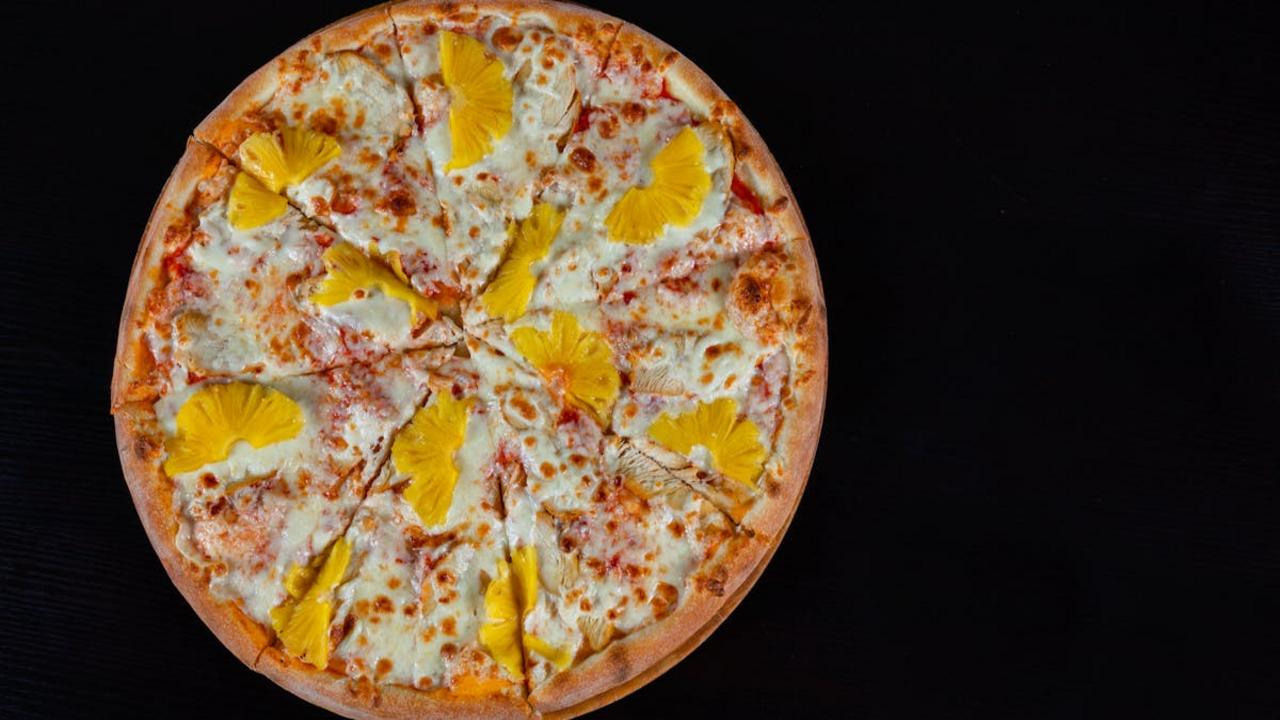
Oh, sweet tropical chaos! You mention pineapple on pizza at any dinner party, and watch the room divide faster than a middle school cafeteria during food fight season. This golden fruit sitting atop melted cheese creates more heated debates than pineapple’s cousin the durian ever could. The Hawaiian pizza, invented by a Greek-Canadian chef named Sam Panopoulos in 1962, sparked a controversy that’s still raging six decades later. He probably had no idea he was creating the food equivalent of asking someone their political affiliation on a first date.
Team Pineapple swears by that sweet-and-salty magic happening between the tangy fruit and salty ham, creating flavor fireworks that make their mouths dance. Meanwhile, Team Anti-Pineapple clutches their pizza purist pearls, declaring that fruit has no business mingling with marinara sauce. Here’s the thing though – pineapple contains bromelain, an enzyme that actually breaks down proteins, which means it’s literally tenderizing that cheese and ham while you chew. So whether you’re grabbing a slice of controversy or running away screaming, remember that this innocent tropical fruit is just trying to make your pizza experience a little more interesting, one enzyme at a time.
Olives
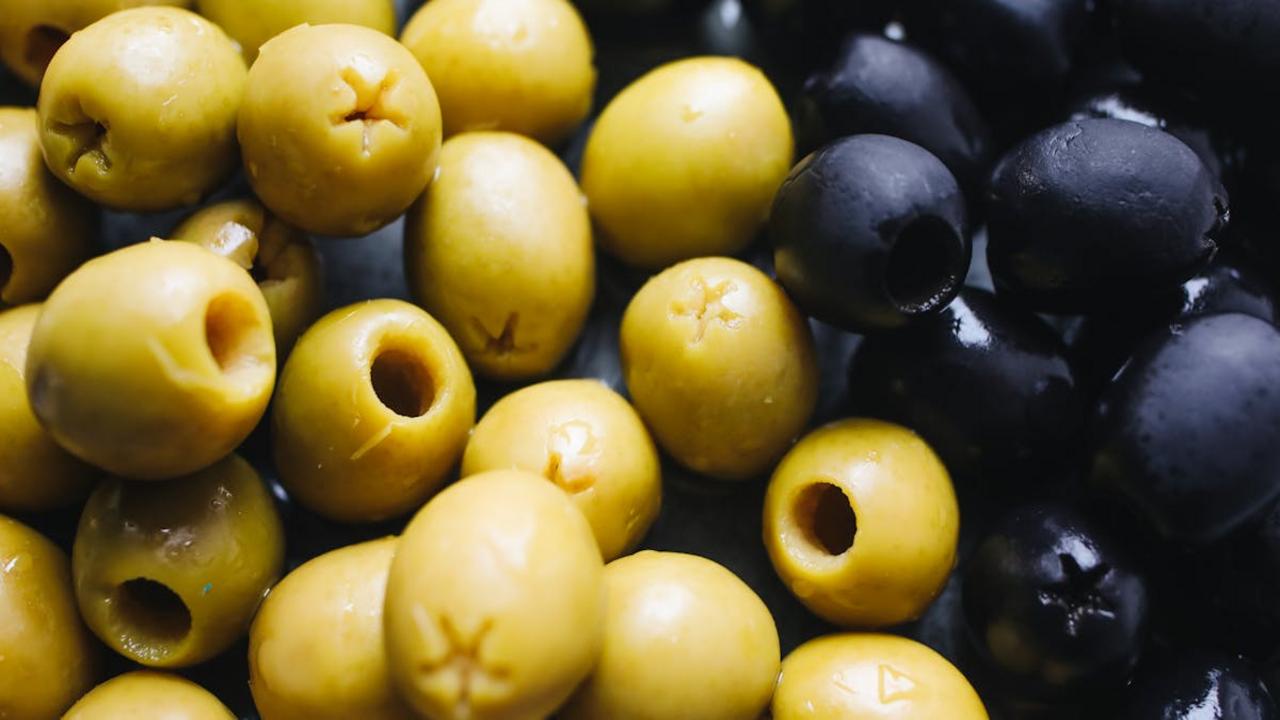
You either worship these briny little orbs or you’d rather eat dirt than let one touch your tongue. There’s absolutely no middle ground with olives, and honestly, I respect that kind of commitment to an opinion! These Mediterranean gems have been causing dinner table drama for centuries – ancient Greeks literally built their economy around them, while some modern humans act like they’re tiny green grenades of flavor doom. The funny thing is, olives straight from the tree are actually inedible and bitter enough to make you question your life choices. They need weeks of curing in salt water or oil to become the polarizing snacks we know today.
If you’re team olive, you probably understand why a single jar of Kalamatas can cost more than your lunch – those wrinkled purple beauties pack more complex flavor than most wines. You know the difference between a Castelvetrano and a Picholine, and you’ve definitely eaten way too many from the antipasto platter before dinner arrived. But if you’re firmly in the anti-olive camp, you’re probably wondering how anyone can enjoy something that tastes like “sadness soaked in ocean water,” as my friend Dave so eloquently puts it. Fun fact: your olive preference might actually be genetic – some people have taste receptors that make olives taste unbearably soapy, which explains why Uncle Bob makes that face every Thanksgiving!
Marmite
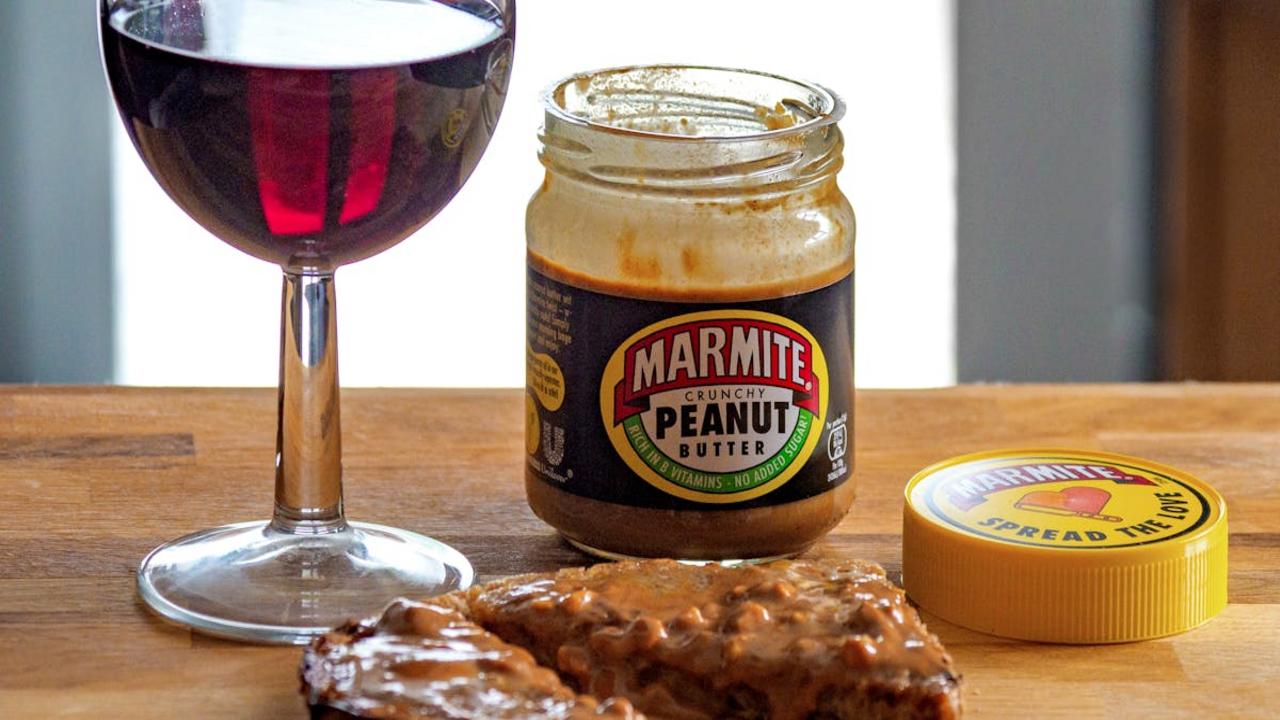
Ah, Marmite – the dark, sticky spread that turns friends into enemies and family dinners into battlefields! You either worship this salty, yeasty concoction like it’s liquid gold, or you recoil from it like it’s actual tar. There’s no middle ground with this British icon, which is exactly what makes it so beautifully divisive. Fun fact: Marmite gets its intense umami punch from leftover brewer’s yeast, basically making it beer’s funky cousin who never quite got their life together. The company even owns their polarizing reputation, running ads with the slogan “Love it or hate it” – talk about knowing your audience!
If you’re team Marmite, you probably slather it thick on buttered toast, creating that perfect salty-sweet symphony that makes your morning sing. Pro tip from a convert: start with the tiniest smear – seriously, less than you think you need – mixed with plenty of butter. The stuff packs more flavor per square millimeter than a concentrated flavor bomb, and rookie mistakes involve going full throttle on your first attempt. Fun bonus: pregnant women often crave Marmite because it’s loaded with B vitamins and folic acid, proving that sometimes your body knows exactly what weird stuff it needs, even if your taste buds are staging a rebellion.
Durian
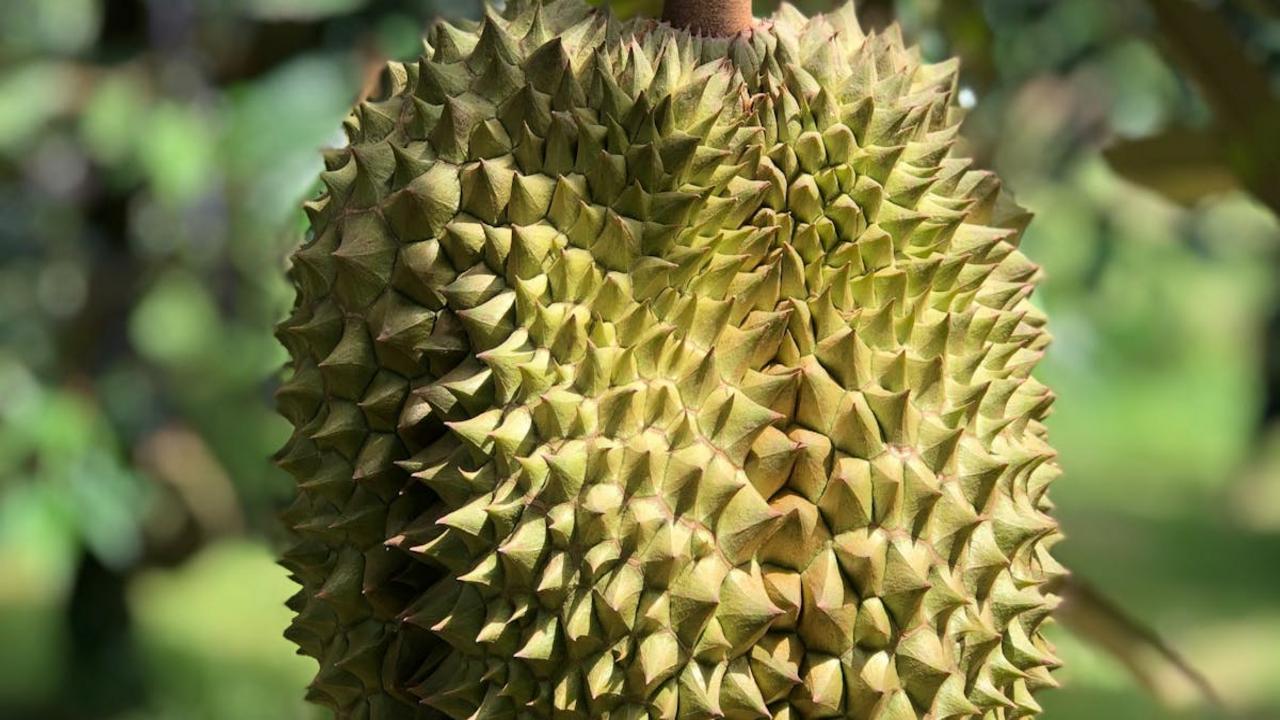
Meet the fruit that makes airport security guards break out in cold sweats – durian, the spiky Southeast Asian heavyweight that’s banned from hotels, public transport, and probably your neighbor’s dinner party. This thorny beast weighs up to eight pounds and smells like a combination of rotting onions, raw sewage, and your gym socks after a marathon. Yet millions of people across Asia consider it the absolute king of fruits, paying premium prices for the privilege of eating what others describe as “custard passed through a sewer pipe.” The contrast couldn’t be more dramatic: while some folks hold their breath and run away, others queue for hours just to get their hands on the perfect specimen.
Here’s the thing about durian – you either worship at its altar or you’d rather eat cardboard soaked in fish sauce. The creamy, custard-like flesh inside that intimidating exterior delivers an incredibly complex flavor profile that devotees describe as sweet, nutty, and almost wine-like, while detractors swear it tastes like Satan’s breakfast cereal. If you’re brave enough to try it, go for the Musang King variety (the Rolls Royce of durians), and whatever you do, don’t drink alcohol afterward – seriously, this combination can actually make you sick. Pro tip: eat it outdoors, because that smell will cling to your kitchen like a vengeful ghost, and your friends will never forgive you.
Cilantro
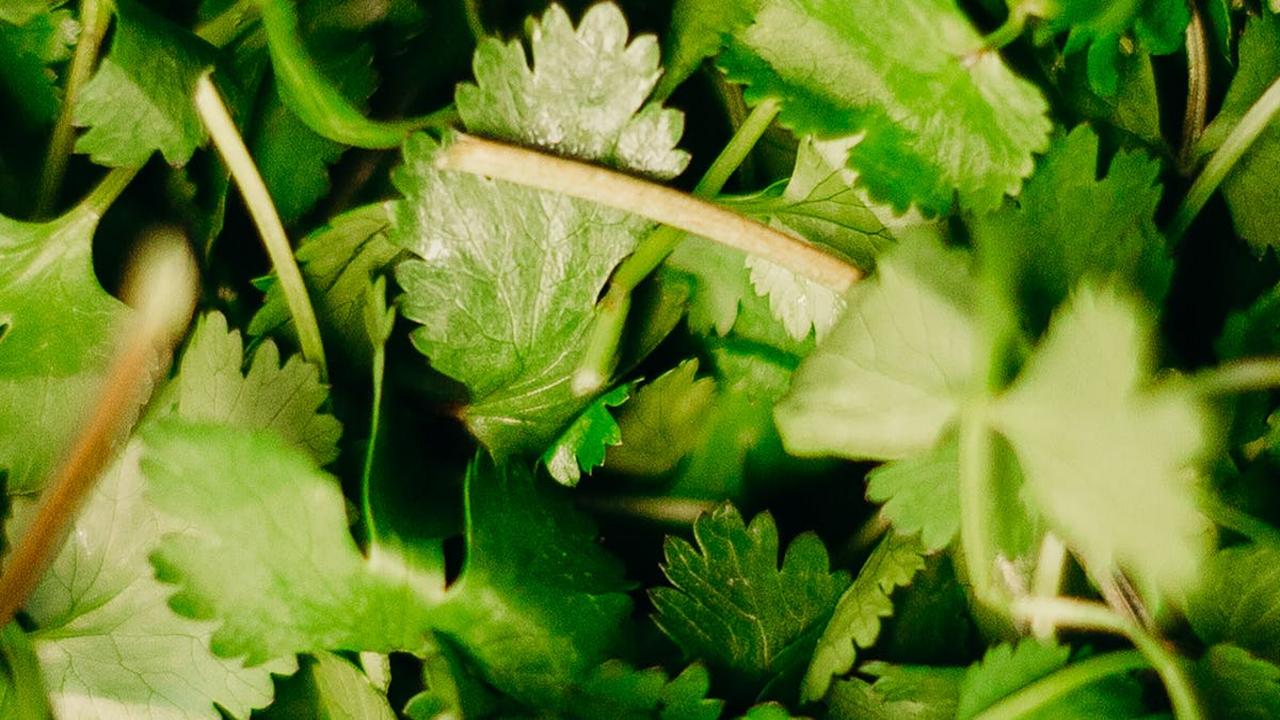
You know how some people claim they can detect the slightest hint of soap in their guacamole? Well, meet cilantro – the herb that’s basically running a genetics experiment on your dinner table. This bright green troublemaker contains compounds called aldehydes, which about 14% of the population can’t help but interpret as “dish soap with a side of metal shavings.” It’s not their fault – they’re literally tasting something different than the rest of us! Meanwhile, cilantro lovers are over here sprinkling it on everything like edible confetti, wondering why anyone would voluntarily skip this fresh, citrusy magic.
Originally from the Mediterranean and Middle East, cilantro (also known as coriander leaves) has been stirring up controversy for thousands of years – ancient Romans actually used it as a love potion, which explains a lot about modern relationships with this herb. The funny thing is, even cilantro haters often love coriander seeds, which come from the exact same plant but taste completely different. If you’re team cilantro, try pairing it with lime juice and garlic for maximum flavor impact. And if you’re firmly in the “tastes like soap” camp? Thai basil or parsley make excellent substitutes that won’t leave you questioning your life choices mid-taco.
Brussels Sprouts
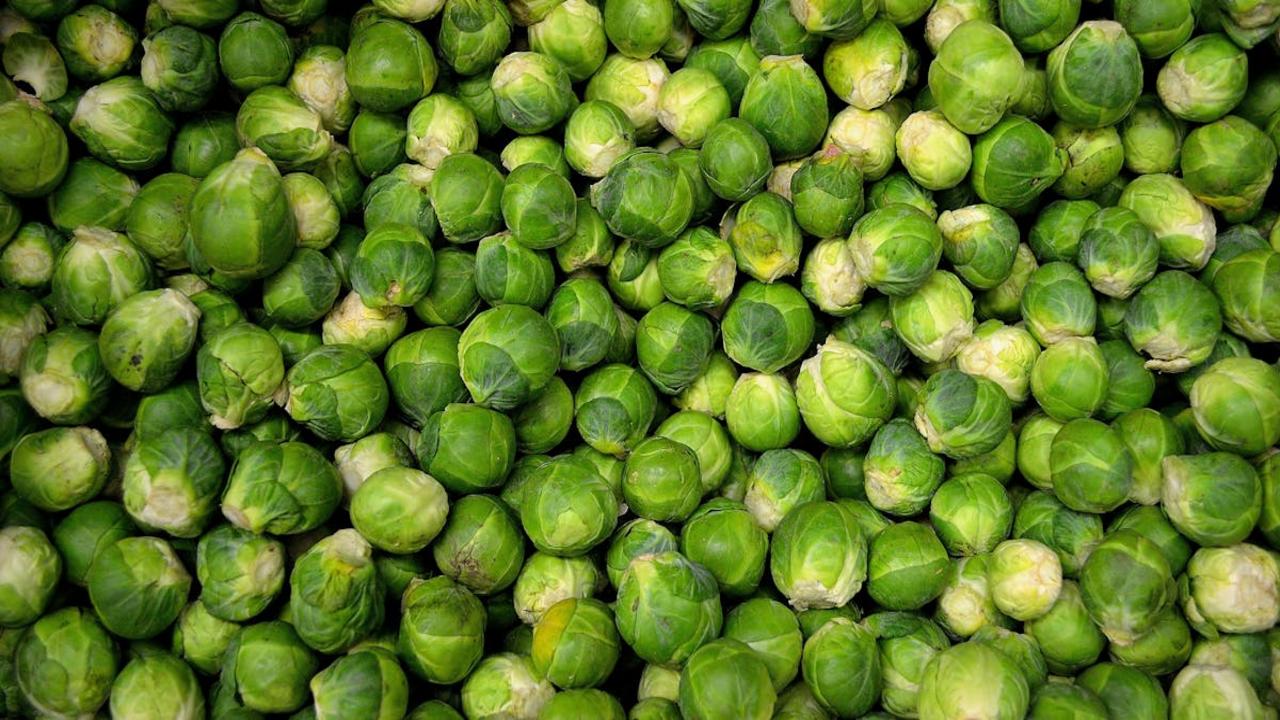
Brussels sprouts are the tiny green cabbages that somehow managed to become the poster child for “vegetables kids hate.” These mini spheres of controversy look like someone shrunk regular cabbage in the washing machine, and honestly, that’s not far from the truth—they’re literally baby cabbages growing on stalks that can reach four feet tall! Fun fact: they got their name from Brussels, Belgium, where they were supposedly perfected in the 16th century, though I’m not sure “perfected” is the word their critics would use.
Here’s the thing about Brussels sprouts: preparation makes or breaks the relationship. Boil them into mushy green balls of sulfur-scented sadness, and you’ve created a new enemy for life. But roast those bad boys with olive oil, salt, and a touch of balsamic vinegar until they’re crispy on the outside and tender inside? Pure magic happens. The bitter compounds that make people wrinkle their noses actually mellow out with proper cooking, revealing a nutty, almost sweet flavor that converts even the most stubborn skeptics. Try halving them, tossing with bacon bits and a drizzle of maple syrup, then roasting at 400°F for about 20 minutes—you’ll wonder why you ever doubted these little green globes.
Black Licorice
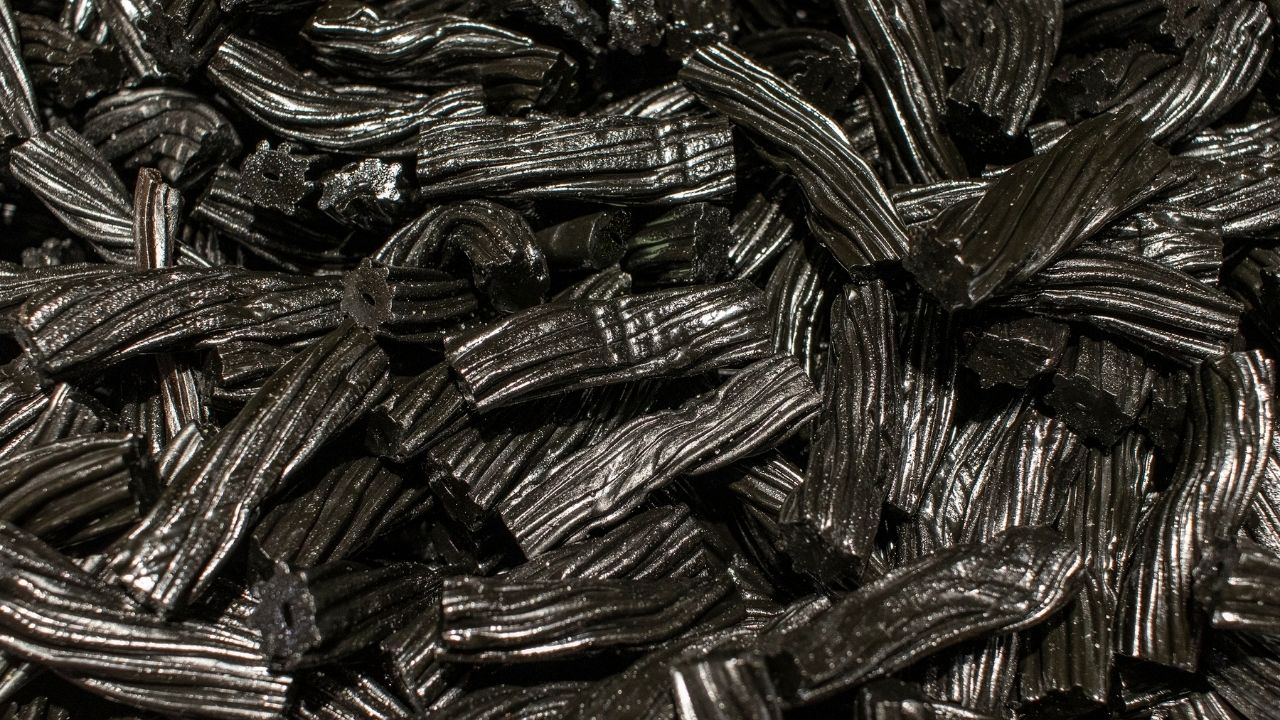
You know that moment when someone offers you black licorice and you either light up like a Christmas tree or recoil like they just handed you a rubber tire? There’s absolutely no middle ground with this polarizing candy that tastes like someone mixed fennel seeds with childhood memories and a hint of controversy. The secret weapon here is aniseed, which gives black licorice that distinctive flavor that makes some people swoon and others question your sanity. Fun fact: the ancient Egyptians actually used licorice root as medicine, though I’m pretty sure they weren’t anticipating the heated debates it would spark thousands of years later at movie theaters worldwide.
Here’s what blows my mind about black licorice lovers – they don’t just tolerate that intense anise flavor, they genuinely crave it! Meanwhile, the haters act like you’ve personally offended their ancestors by enjoying a simple piece of candy. If you’re team black licorice, you probably also appreciate bold flavors like blue cheese, dark chocolate, and maybe even that weird herbal liqueur your grandmother keeps in her cabinet. Pro tip: try pairing good quality black licorice with a strong espresso – the bitter notes actually complement each other beautifully, though this combination might officially classify you as having supernatural powers in the eyes of licorice skeptics.
Anchovies
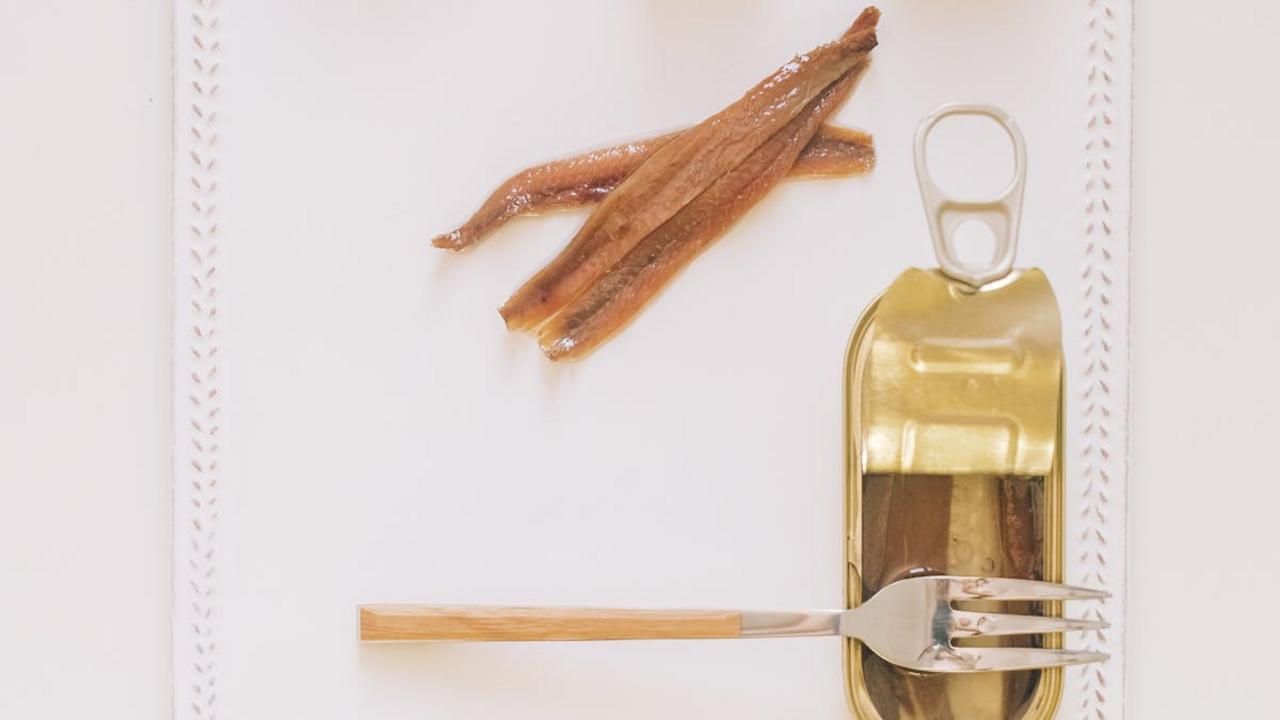
You either worship these tiny silver fish like they’re culinary royalty, or you scrape them off your pizza faster than you’d remove a spider from your shoulder. There’s absolutely no middle ground with anchovies – they’re the Marmite of the sea, and boy, do they know how to make an entrance! These little Mediterranean powerhouses pack more umami punch per square inch than a sumo wrestler’s handshake. Fun fact: ancient Romans were so obsessed with anchovies that they created garum, a fermented fish sauce that was basically the ketchup of their empire. Your great-great-great (add about 50 more greats) grandmother probably doused everything in this stuff, from bread to wine!
Here’s what team anchovy knows that the haters don’t: these fish aren’t meant to taste “fishy” – they’re meant to disappear into your dish like magic flavor dust. A proper anchovy dissolves completely in warm olive oil, leaving behind nothing but pure, concentrated savoriness that makes your taste receptors do a happy dance. Caesar salad without anchovies? That’s just expensive lettuce with fancy croutons, my friend. Pizza purists swear by them, and honestly, once you try a proper Napoletana with these salty gems melting into the cheese, you might just convert. The secret is buying quality ones packed in olive oil, not those sad, gray specimens floating in suspicious brine that taste like low tide.