12 Hidden Gem Foods You Probably Never Heard Of
Picture walking through a bustling market in Peru and spotting a golden fruit that tastes like maple syrup mixed with sweet potato. Or imagine discovering an ancient grain from Ethiopia that’s been nourishing people for thousands of years but somehow never made it to your local grocery store. These moments spark pure excitement for me—finding ingredients that most people have never encountered.
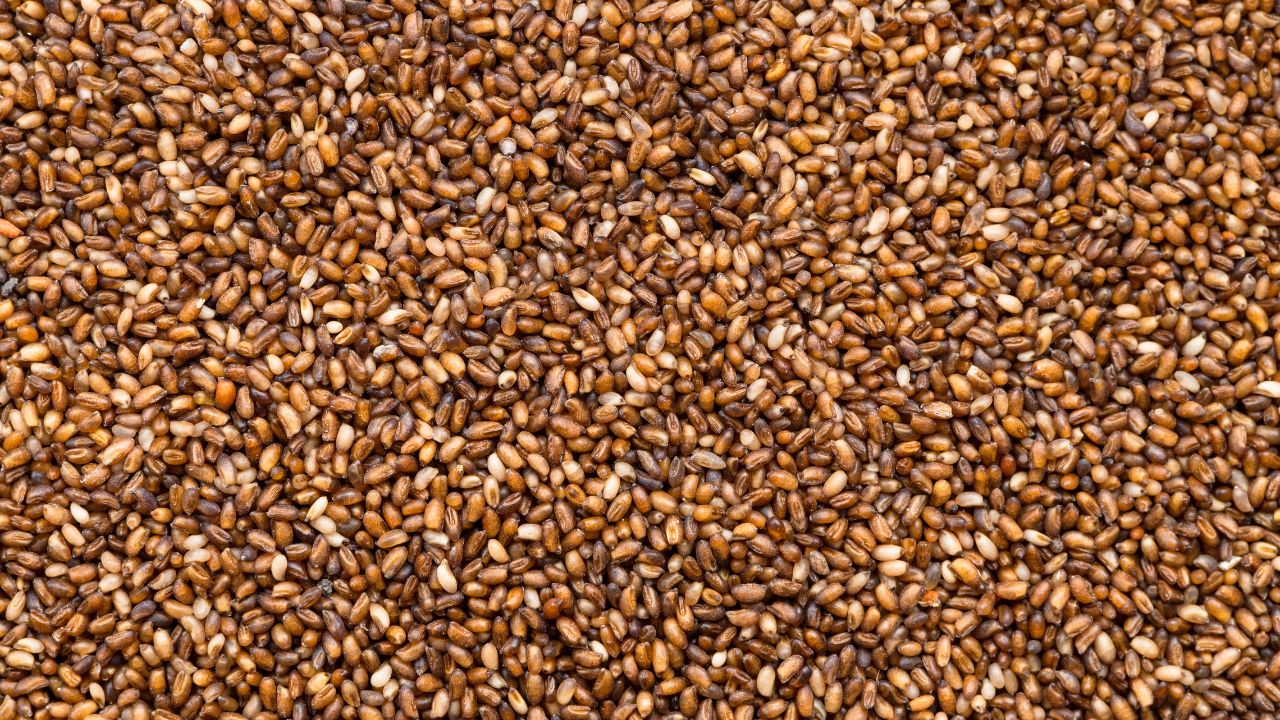
What draws me to these hidden gems isn’t just their novelty. These foods pack serious nutritional power while adding unexpected flavors to everyday cooking. I’ve turned moringa leaves into vibrant smoothies and transformed tiny teff grains into fluffy pancakes that rival any wheat-based version.
Each ingredient tells a story of traditional wisdom meeting modern nutrition science. They prove that the most nourishing foods often come from places we least expect. Ready to expand your pantry with ingredients that will transform how you think about healthy eating? Here are twelve remarkable foods waiting to revolutionize your kitchen.
Camu Camu
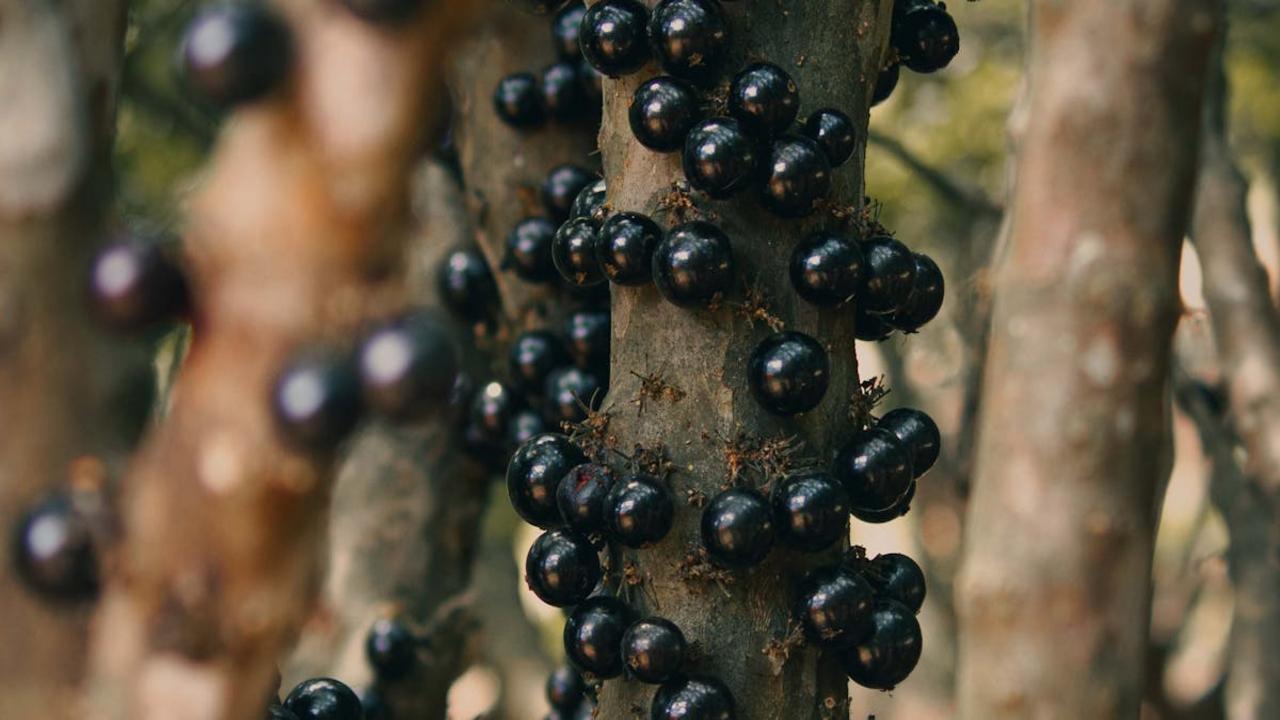
Picture this: a small, cherry-sized fruit growing wild in the Amazon rainforest that contains more vitamin C than any other food on Earth. That’s camu camu for you! This unassuming purple-red berry packs an incredible 2,700 milligrams of vitamin C per 100 grams—that’s about 30 times more than oranges. I discovered this superfruit while researching indigenous ingredients, and honestly, it blew my mind. The flavor hits you with an intense tartness that makes your face scrunch up, but in the best possible way. Think cranberry meets sour cherry with a punch that wakes up every sense.
Now, here’s where it gets exciting for us home cooks: camu camu powder transforms ordinary recipes into nutritional powerhouses. I love adding just a teaspoon to my morning smoothies—it gives this bright, tangy kick that pairs beautifully with tropical fruits like mango and pineapple. You can also whisk it into homemade salad dressings or sprinkle it over yogurt bowls. The key is starting small because this little fruit doesn’t mess around with flavor intensity. I’ve experimented with incorporating it into energy balls mixed with dates and almonds, and the result is this zesty, immune-boosting treat that feels like nature’s own vitamin pill, but actually tastes good.
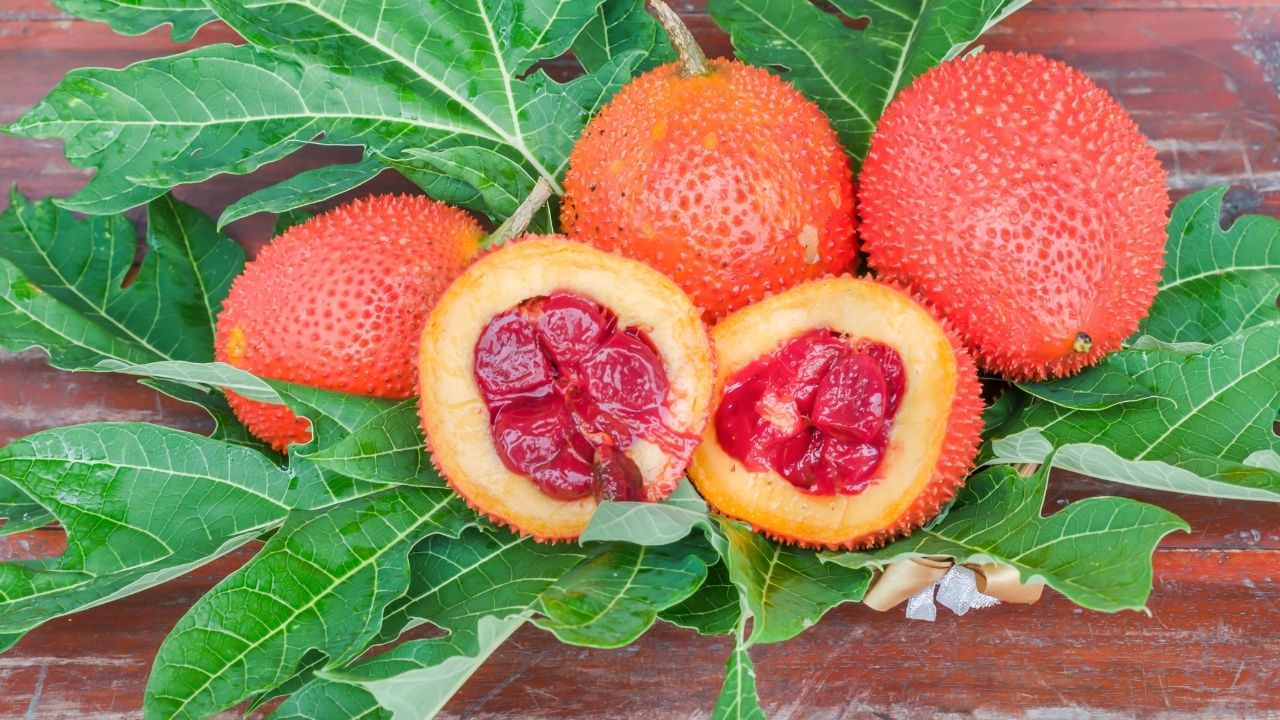
Gac Fruit
Your morning cup of coffee is about to become a precious ritual you’ll savor even more deeply. Climate change has been wreaking havoc on coffee-growing regions worldwide, with rising temperatures and unpredictable rainfall patterns threatening the delicate arabica beans we all love. Countries like Colombia, Ethiopia, and Guatemala are seeing their coffee yields drop dramatically, while diseases like coffee leaf rust spread faster in the changing climate. I’ve watched coffee prices creep up at my local roastery, and frankly, it breaks my heart knowing that this daily comfort might soon feel like a splurge rather than a simple pleasure.
What really gets me is how this affects the farmers who pour their lives into growing these beans. Many small-scale producers are abandoning their coffee farms because the economics just don’t work anymore. As someone who believes in supporting sustainable food systems, I’ve started buying directly from cooperative roasters who work closely with farming communities. Yes, it costs more upfront, but I’d rather pay fair prices now than watch this incredible industry disappear. Consider switching to whole bean coffee and grinding fresh each morning – you’ll stretch your beans further while getting maximum flavor from every precious cup.
Teff
You know that creamy green fruit sitting in your kitchen right now? The one you casually mash onto toast or blend into smoothies without a second thought? Well, friend, we might need to start treating avocados with a bit more reverence. Climate disruptions in major growing regions like California, Mexico, and Chile have already started pushing prices upward, and supply chain hiccups aren’t helping matters. What once felt like an affordable pantry staple could soon become something you think twice about adding to your grocery cart.
I’ve been experimenting with stretching avocados further in my cooking, and honestly, it’s opened up some beautiful possibilities. Instead of using a whole avocado per person for guacamole, I’ve started mixing in roasted cauliflower or white beans to create volume while keeping that rich, buttery texture we all crave. Try blending half an avocado with tahini and lemon for a lighter spread that still gives you that satisfying creaminess. And here’s something I learned from my grandmother: saving avocado pits to grow your own plants might seem old-fashioned, but having a backup plan never hurt anyone. We might need to get creative about how we enjoy this beloved fruit, but the good news is that a little avocado can go a long way when you know how to work with it.
Sea Buckthorn
Your weekend pancakes might cost you significantly more come 2025, and I’m not just talking about the flour or eggs. Real maple syrup – that liquid gold we drizzle over our stacks – faces serious price pressures from multiple directions. Climate change disrupts the delicate freeze-thaw cycles that maple trees need for optimal sap production, while extreme weather events damage sugar maple forests across North America. Labor shortages in rural areas where maple farms operate compound the problem, making it harder to tap trees and process sap during the narrow harvest window.
I’ve been experimenting with homemade alternatives in my kitchen, blending date syrup with vanilla and a touch of maple extract to stretch my precious bottle further. The production process for authentic maple syrup requires about 40 gallons of sap to make just one gallon of syrup – that’s an incredible amount of natural resources and time. Rising fuel costs for boiling equipment and transportation add another layer of expense. Start looking for local producers at farmers markets now, and consider buying in bulk when prices are still reasonable. Your future self will thank you when breakfast doesn’t break the bank.
Chlorella
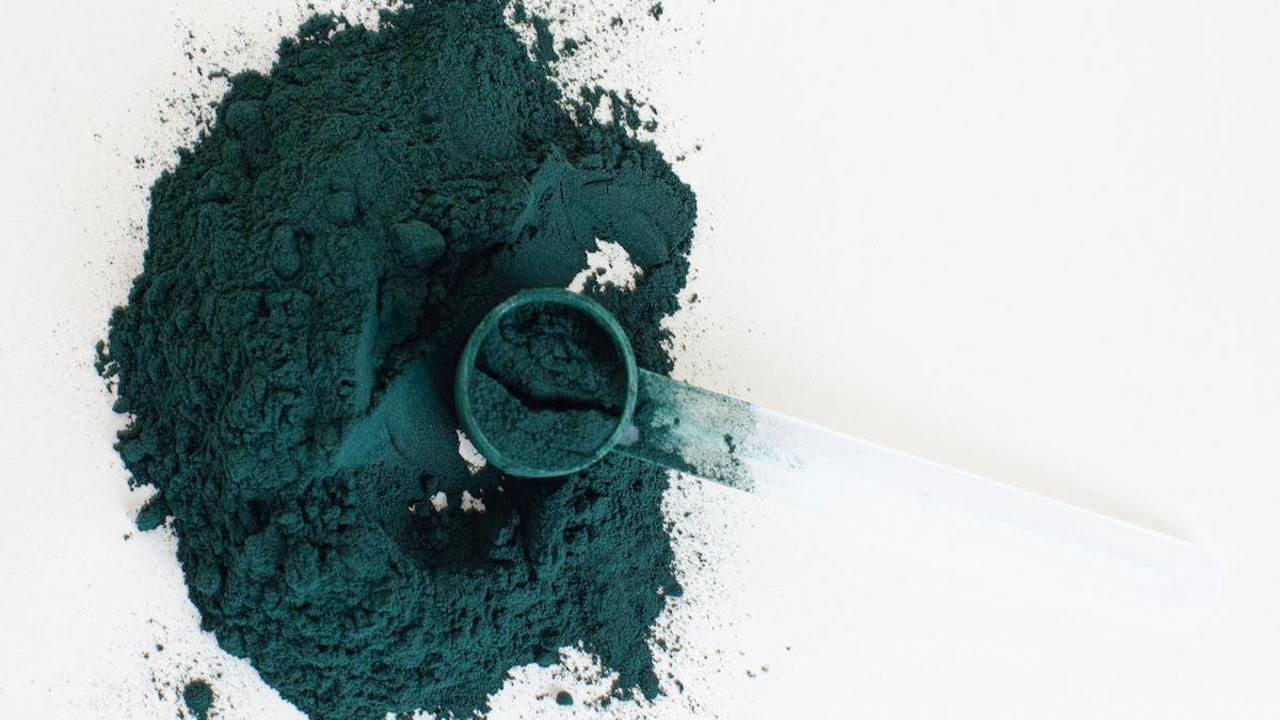
You know those beautiful green nuts that make your Mediterranean dishes sing? Pistachios are becoming more precious by the day, and I’m genuinely concerned about what this means for our kitchens. These buttery gems have already jumped in price dramatically over the past year, with drought conditions in California and Iran—the world’s biggest producers—creating a perfect storm. Climate change isn’t just affecting the trees; it’s reshaping entire growing regions, and farmers are struggling to maintain their orchards under increasingly harsh conditions.
I’ve been experimenting with pistachios in my recent recipes because they add such incredible depth to everything from my Persian-inspired rice dishes to homemade baklava. Their natural oils and protein content make them perfect for creating creamy sauces without dairy, and they bring this wonderful earthy sweetness that you simply can’t replicate with other nuts. But now I’m rationing them like liquid gold, using them more strategically as finishing touches rather than incorporating them throughout entire dishes. If trends continue, these nuts could easily become a special-occasion ingredient rather than something you casually snack on or toss into your daily cooking rotation.
Fonio
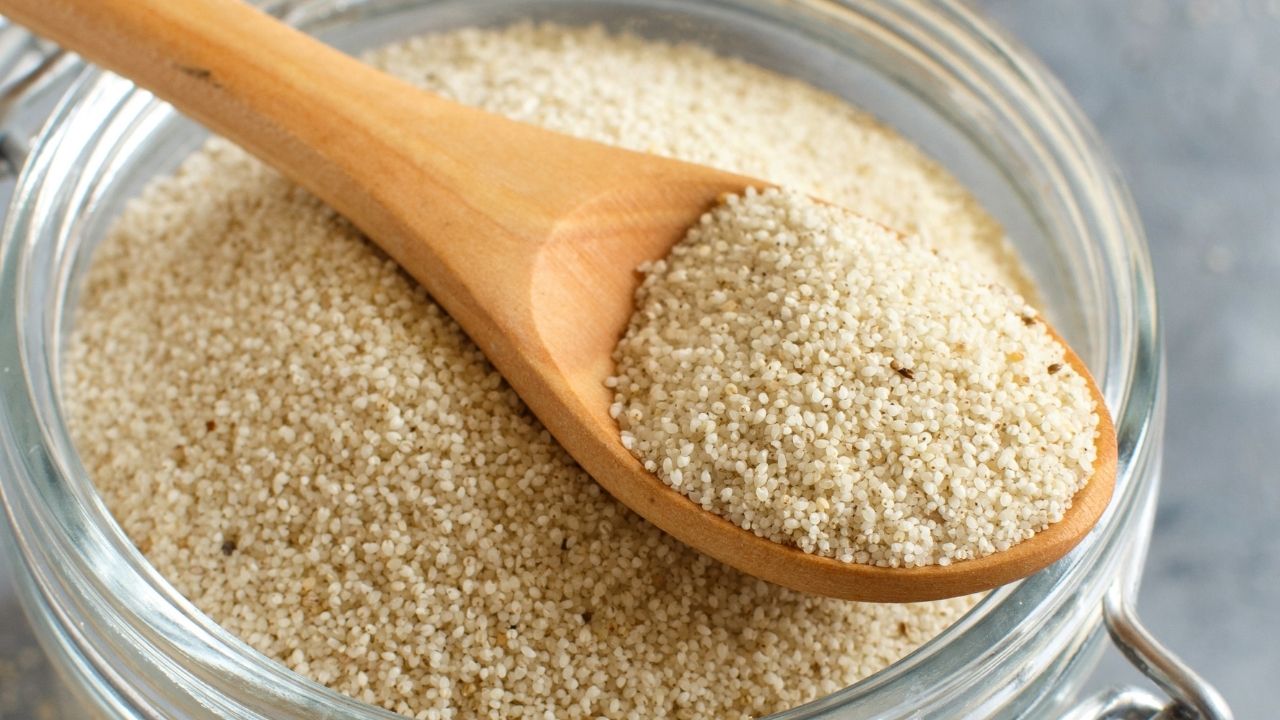
Your morning chocolate ritual might become a luxury sooner than you think! Raw cacao prices have jumped dramatically due to climate disasters hitting major growing regions in West Africa and South America. I’ve been watching this unfold as someone who treasures my daily cacao ceremonies – you know, that moment when you whisk raw cacao powder into warm almond milk with a touch of cinnamon and honey. The earthy, complex flavors that make your homemade chocolate creations so much richer than anything store-bought are becoming increasingly precious.
What breaks my heart is thinking about all the beautiful recipes we take for granted – those fudgy black bean brownies where cacao powder creates magic, or the Mexican-inspired mole where a tablespoon of raw cacao adds that mysterious depth. I’ve started buying cacao in bulk and storing it properly because the prices keep climbing. If you’re like me and prefer making your own chocolate treats from scratch rather than buying processed bars loaded with sugar, now’s the time to stock up on quality cacao powder and nibs. Your future self will thank you when you’re still creating those soul-warming hot chocolates and decadent avocado chocolate mousses while others are paying premium prices for basic cocoa.
Lucuma
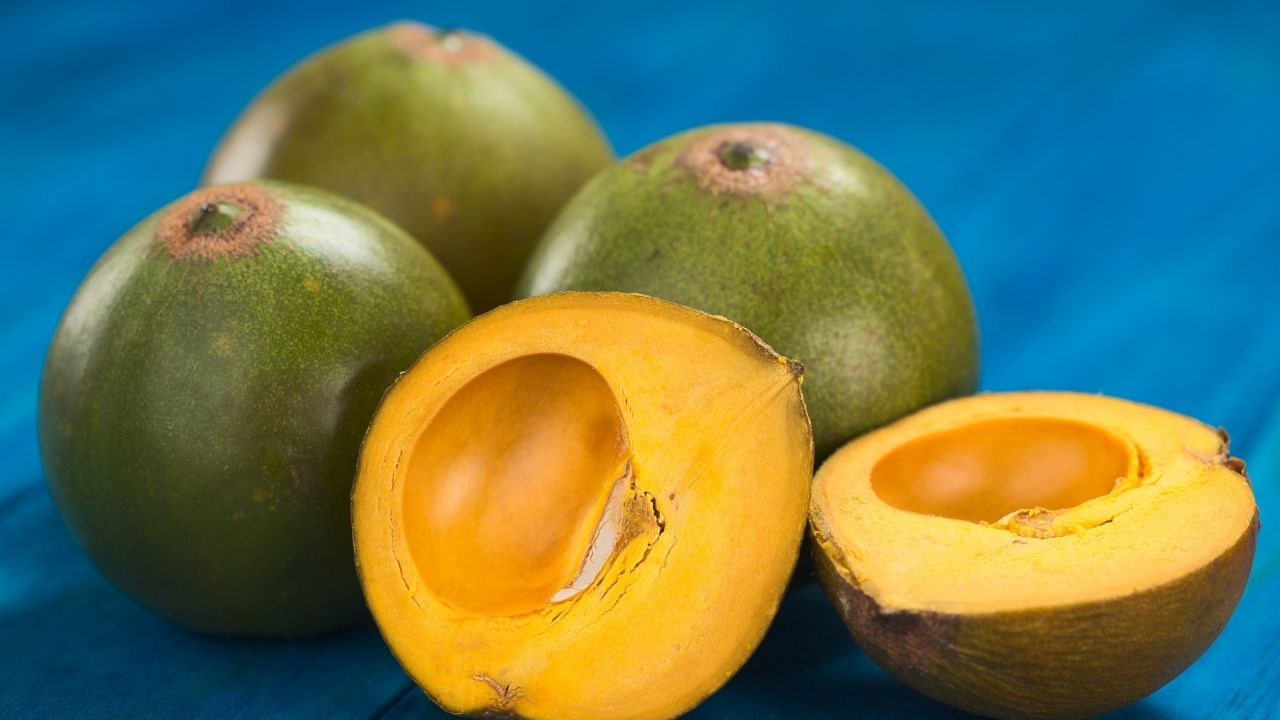
Wild caught salmon has always commanded a premium price, but friend, we’re looking at prices that might make your weekly grocery budget weep by 2025. Climate change continues to disrupt salmon runs, while overfishing pressures and stricter regulations mean less fish making it to market. I’ve watched the cost of a beautiful piece of sockeye or coho climb steadily over the past few years, and industry experts predict we could see prices double from current levels. What once felt like an accessible weeknight protein option might soon become reserved for special occasions only.
Here’s what I want you to know though – if you can still swing it occasionally, wild salmon remains one of nature’s most perfect foods. Those omega-3 fatty acids, that clean flavor that needs nothing more than a sprinkle of sea salt and a squeeze of lemon – it’s pure nourishment. I love searing it skin-side down until crispy, then finishing with fresh herbs from my windowsill garden. But start thinking creatively about alternatives now: canned wild salmon works beautifully in salmon cakes or mixed into grain bowls, and it stores well for months. Stock up when you find sales, because this protein powerhouse might soon price itself out of regular rotation for many families.
Baobab

Picture this: you’re strolling through an African market when you spot these odd, chalky white pods that look like they’ve been forgotten by time. That’s baobab fruit, and friend, you’re looking at nature’s own superfruit pharmacy. The powder inside these ancient pods tastes like a perfect marriage between tangy citrus and sweet candy – imagine if lemon drops had a more sophisticated cousin. I love adding a tablespoon to my morning smoothies because it gives this incredible creamy texture while packing six times more vitamin C than oranges. The flavor is so unique that it transforms ordinary breakfast bowls into something that feels both exotic and comfortingly familiar.
What makes baobab truly special is how it connects you to thousands of years of African wisdom while fitting perfectly into modern healthy cooking. I keep the powder in my pantry right next to my vanilla extract because it’s become that reliable. You can whisk it into yogurt, blend it into energy balls with dates and nuts, or even use it to add depth to salad dressings – the natural tartness balances rich ingredients beautifully. The tree itself lives for over a thousand years, and somehow that ancient energy translates into this incredibly nourishing ingredient that your body just seems to understand. Trust me, once you start cooking with baobab, you’ll wonder how you ever lived without this creamy, tangy miracle powder.
Sacha Inchi
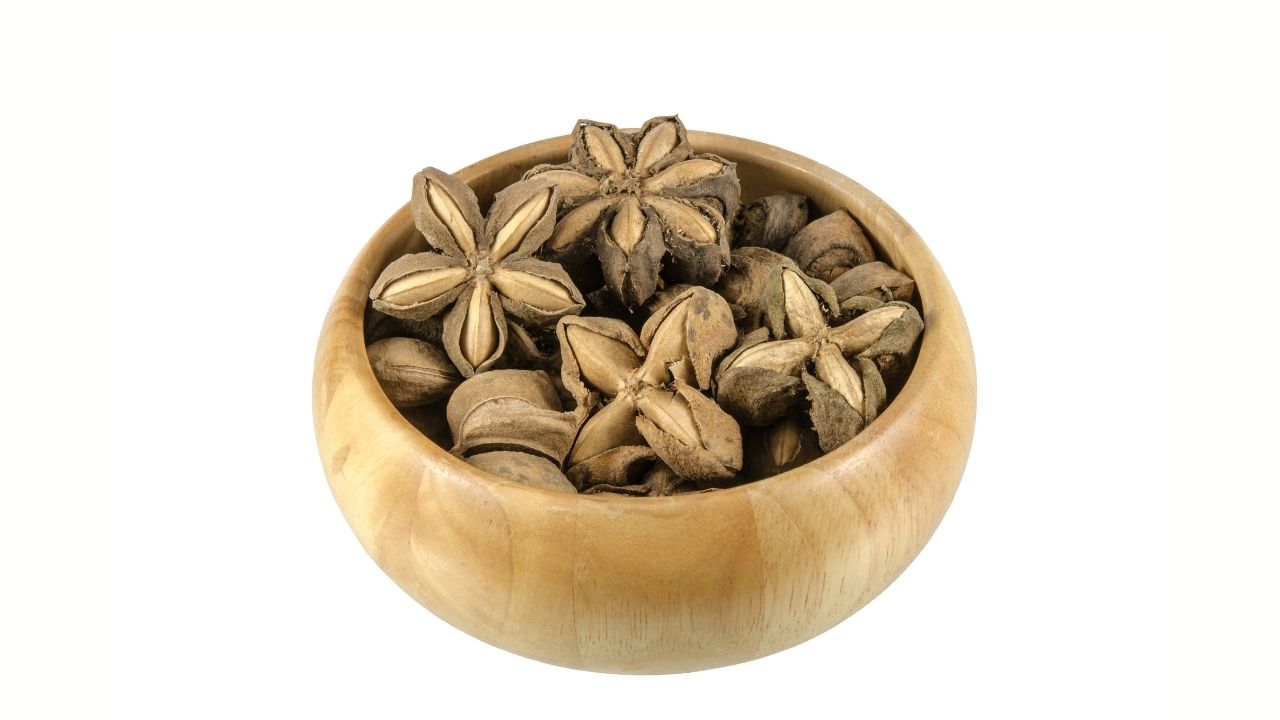
You know those moments when you stumble across an ingredient that makes you wonder how you’ve lived without it? That’s exactly what happened when I first discovered sacha inchi seeds from the Amazon rainforest. These star-shaped pods contain seeds that pack more omega-3 fatty acids than salmon – yes, you read that right! I started incorporating them into my morning smoothie bowls and couldn’t believe how they transformed the entire nutritional profile while adding this incredible nutty flavor that reminds me of a cross between sunflower seeds and macadamias.
What I love most about sacha inchi is how incredibly versatile it becomes once you start experimenting. I toast the raw seeds lightly in a dry pan for about three minutes, and they become this amazing crunchy topping for everything from salads to yogurt parfaits. The oil pressed from these seeds has become my secret weapon for finishing dishes – just a drizzle over roasted vegetables or stirred into homemade salad dressings brings this rich, complex flavor that guests always ask about. Plus, knowing that each tablespoon delivers complete protein with all nine amino acids makes me feel like I’m giving my family something truly special from nature’s pantry.
Chokeberry (Aronia)
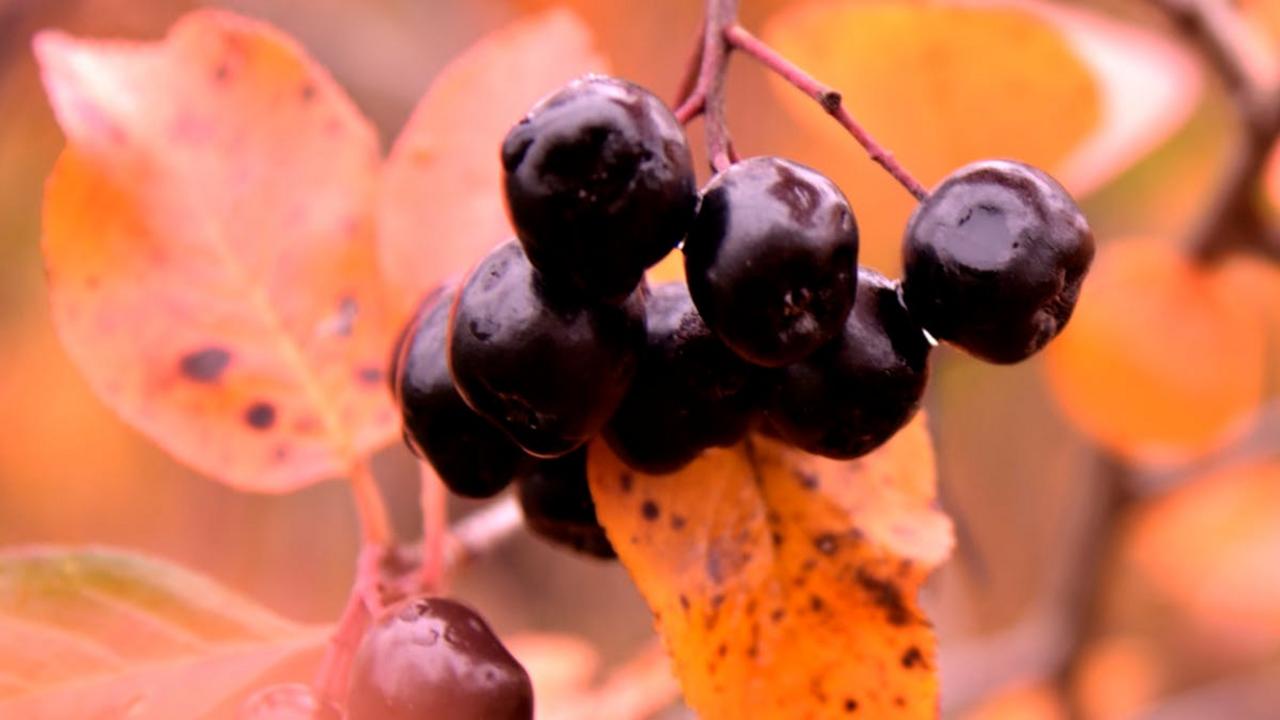
You know that moment when you bite into something so intensely tart it makes your face scrunch up? That’s chokeberry for you – but don’t let that initial pucker fool you! These dark purple-black berries pack more antioxidants than blueberries, cranberries, and pomegranates combined. I discovered them at a local farmers market last fall, and the vendor warned me they’re too astringent to eat raw. Challenge accepted! After experimenting in my kitchen, I found their bold, wine-like flavor transforms beautifully when you cook them down into jams, syrups, or fold them into baked goods where their natural tartness balances sweet elements perfectly.
What I love most about chokeberries is how they force you to think creatively. I’ve turned them into a gorgeous reduction that pairs wonderfully with roasted duck, blended them into smoothies with banana and honey to tame their intensity, and even fermented them into a probiotic-rich drink. The berries freeze exceptionally well, so I stock up during their short late-summer season. If you can find them fresh or frozen, start small – maybe a handful mixed into your morning oatmeal or a spoonful of homemade chokeberry syrup drizzled over pancakes. Your body will thank you for all those powerful antioxidants, and your kitchen adventures will never be boring again.
Amaranth
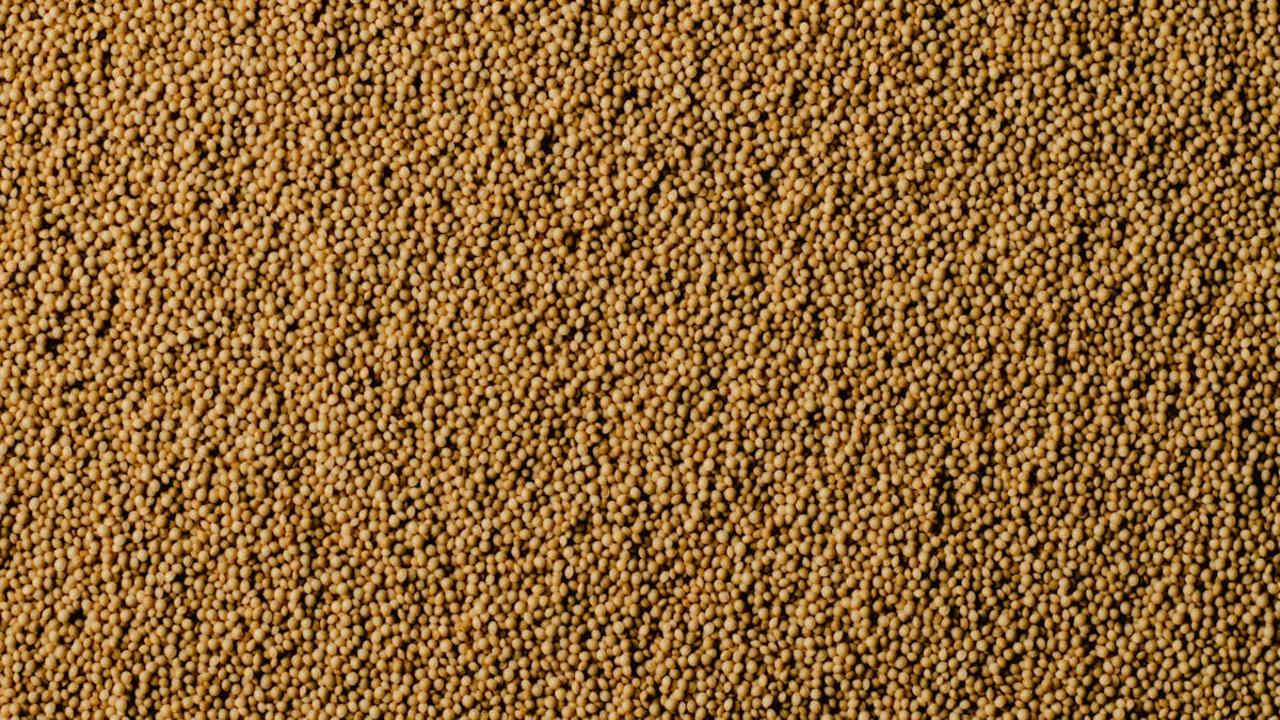
I remember the first time someone handed me a bag of amaranth seeds – these tiny, almost jewel-like grains that most people walk right past in the health food store. You know what struck me immediately? This isn’t just another trendy superfood – amaranth has been feeding families for over 8,000 years, particularly in Central and South America where the Aztecs considered it sacred. When you cook these little powerhouses, they transform into something magical: nutty, slightly sweet, with this wonderful chewy texture that makes every bite satisfying.
What gets me excited about amaranth is how ridiculously nutritious it is – we’re talking complete protein, meaning it contains all nine amino acids your body needs. I love tossing cooked amaranth into my morning smoothie bowls for extra protein, or mixing it with roasted vegetables and a drizzle of tahini for a hearty lunch. The best part? You can pop amaranth seeds in a dry pan just like popcorn, creating these tiny, crunchy bits that add incredible texture to salads or yogurt. Trust me, once you start cooking with amaranth, you’ll wonder how you ever lived without this ancient grain that tastes like the earth decided to create the perfect little seed.
Moringa
3