14 Clever Kitchen Hacks to Upgrade Your Weeknight Dinners
Looking to jazz up your weeknight cooking routine without spending hours in the kitchen? I’ve got you covered with these smart swaps that make dinner prep faster and healthier. After years of testing shortcuts in my own kitchen, these 14 hacks have become my go-to tricks when time is tight but I still want something delicious.
Weeknight dinners often feel like a choice between quick-but-boring or healthy-but-complicated. But it doesn’t have to be that way! Simple ingredient substitutions can transform ordinary meals into nutrient-packed dishes without sacrificing flavor. I’ve found these switches work beautifully even when cooking for picky eaters.
The beauty of these kitchen hacks lies in their simplicity. No fancy equipment or hard-to-find ingredients required—just straightforward swaps using items you probably already have. Whether you’re trying to cut calories, add more vegetables, or just break out of a dinner rut, these clever tricks will refresh your cooking routine and have everyone asking for seconds.
Nuts Instead of Croutons for Crunch
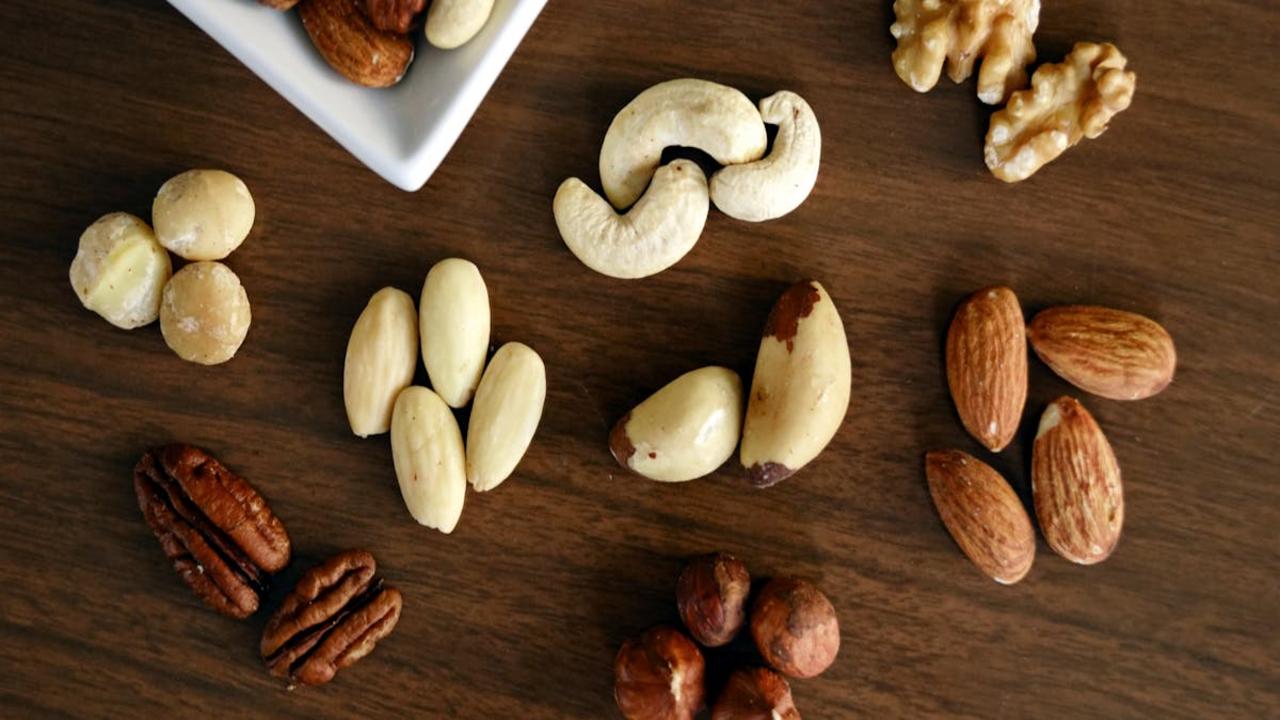
You know that satisfying crunch you get from croutons? I’ve discovered something even better – toasted nuts! Whether I’m making a quick Caesar salad or a hearty grain bowl, I reach for almonds, walnuts, or pecans instead of bread cubes. The texture is incredible, and the flavor depth they add transforms any simple salad into something restaurant-worthy. I love how a handful of toasted pine nuts can make my weeknight arugula salad feel fancy, or how chopped hazelnuts turn basic roasted vegetables into a celebration.
The beauty of this swap goes beyond just flavor – you’re adding healthy fats, protein, and minerals to your meal instead of processed bread. I keep different nuts in my pantry and toast them in a dry skillet for about 3-4 minutes until fragrant. Sometimes I’ll toss them with a pinch of smoked paprika or za’atar while they’re still warm. This simple switch has become one of my favorite ways to add both nutrition and excitement to everyday dishes, and honestly, once you try crunchy pistachios on your next soup, you’ll never go back to store-bought croutons.
Fresh Herbs Instead of Salt

You know that moment when you’re seasoning your weeknight stir-fry and reach for the salt shaker again? Stop right there! I’ve discovered that swapping salt for fresh herbs creates layers of flavor that transform even the simplest dishes into something extraordinary. Instead of relying on sodium to boost taste, try tossing chopped cilantro into your rice bowls, stirring fresh basil into pasta sauces, or sprinkling dill over roasted vegetables. These green powerhouses don’t just add flavor—they bring vitamins, antioxidants, and that bright freshness that makes your family ask what’s different about tonight’s dinner.
My favorite trick? Keep a small herb garden on your windowsill or grab those pre-potted herbs from the grocery store. They’ll last longer than you think and cost less than buying packaged herbs weekly. I love combining unexpected herbs too—mint with roasted carrots, oregano in scrambled eggs, or thyme with sautéed mushrooms. Each herb brings its own personality to the plate, and you’ll find yourself using less salt naturally because your food already tastes so vibrant and alive. This simple switch has revolutionized how I approach weeknight cooking, making healthy eating feel indulgent rather than restrictive.
Cinnamon Instead of Sugar for Sweetness

You know those moments when you’re craving something sweet in your weeknight dinner but don’t want to load up on refined sugar? Cinnamon becomes your secret weapon here. I started using this warm spice to add natural sweetness to everything from roasted vegetables to meat marinades, and honestly, it transforms ordinary dishes into something special. When you sprinkle cinnamon on roasted carrots or sweet potatoes, it brings out their natural sugars while adding that cozy warmth we all love. Even in savory applications like Moroccan-inspired chicken tagines or Middle Eastern rice pilafs, cinnamon creates depth without any actual sugar.
The beautiful thing about cinnamon is how it tricks your brain into perceiving sweetness while actually providing zero calories and loads of antioxidants. I often add a pinch to my tomato-based sauces – it rounds out the acidity and creates this subtle complexity that makes people ask what your secret ingredient is. Try dusting it over Greek yogurt with fresh fruit for dessert, or mixing it into your coffee instead of reaching for sugar. Your weeknight dinners become more interesting, your body gets beneficial compounds, and you satisfy that sweet tooth naturally. It’s one of those simple swaps that makes healthy eating feel indulgent rather than restrictive.
Sparkling Water Instead of Soda

You know that moment when you’re craving something fizzy with dinner but don’t want the sugar crash that comes with soda? I’ve got your back! Sparkling water has become my secret weapon for creating refreshing drinks that actually complement your weeknight meals instead of overwhelming them. The bubbles give you that satisfying fizz while letting the flavors of your food shine through. I love adding a splash of fresh lime juice and a pinch of sea salt to plain sparkling water – it creates this amazing balance that works beautifully with spicy dishes or rich, creamy pastas.
What really excites me about this swap is how you can customize your fizzy drink to match whatever you’re cooking. Making Asian-inspired noodles? Try sparkling water with a few drops of rice vinegar and fresh ginger. Whipping up something Mediterranean? Add some fresh herbs like mint or basil right into your glass. Your body will thank you for skipping the processed sugars, and your palate will appreciate how these clean, bright flavors actually enhance your meal rather than compete with it. Plus, you’re saving money and reducing waste by not buying those plastic bottles!
Baked Chips Instead of Fried Chips

You know that crispy crunch you crave when making weeknight dinners? Skip the oil-heavy frying and turn your oven into your best friend for creating golden, satisfying chips. I slice potatoes, sweet potatoes, or even plantains into thin rounds, toss them with just a drizzle of olive oil and my favorite spice blend—maybe smoked paprika and garlic powder, or cumin and chili for a global twist. The oven does all the work while you focus on the main dish, and you get that perfect texture without the mess or excess oil.
What I love most about baked chips is how they complement any weeknight meal without overwhelming your digestive system. They pair beautifully with grilled fish, roasted chicken, or even a simple bean and vegetable stew. The natural sweetness of the vegetables shines through, and you can experiment with different seasonings based on your dinner’s flavor profile—rosemary and thyme for Mediterranean nights, or za’atar for Middle Eastern-inspired meals. Your family gets their beloved crispy side dish, and you get peace of mind knowing you’ve created something wholesome from scratch.
Lettuce Wraps Instead of Bread
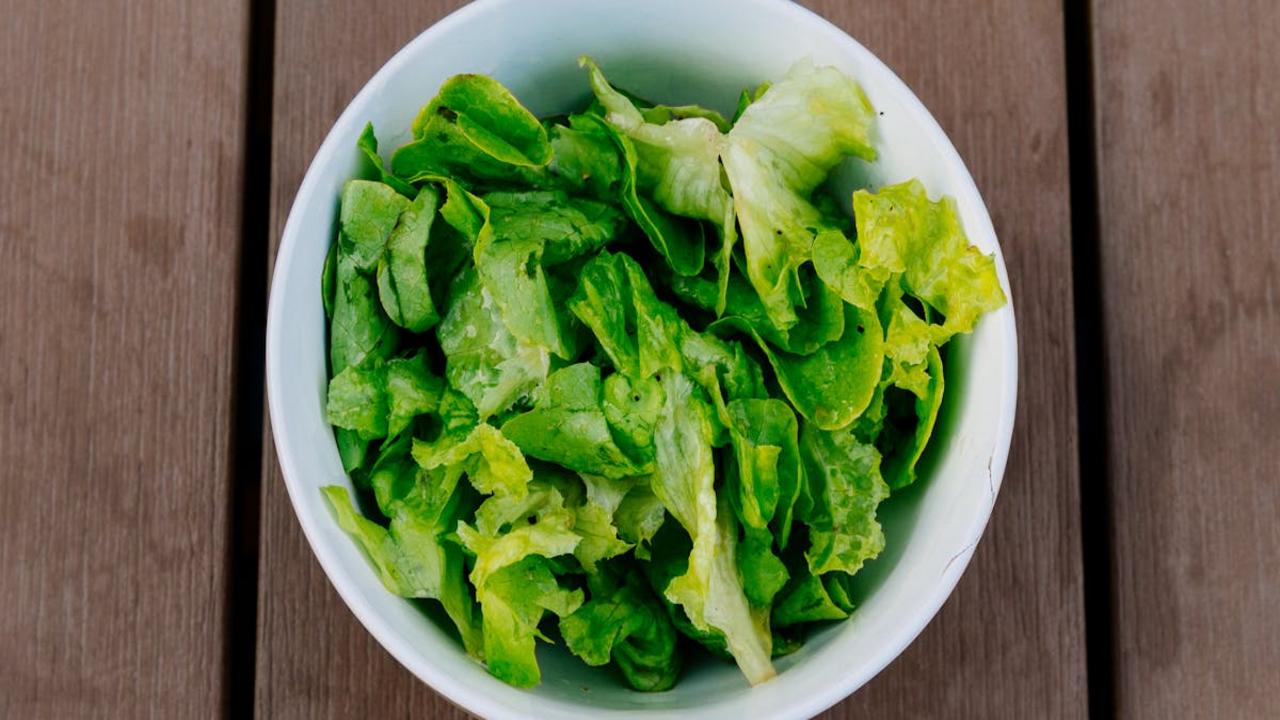
You know that moment when you’re craving something fresh but still want the satisfaction of a handheld meal? I grab crisp butter lettuce leaves and transform them into the most refreshing wraps you can imagine. These vibrant green cups hold everything from spiced ground turkey with ginger and soy to Mediterranean-inspired chickpea salad with herbs and lemon. The natural sweetness of the lettuce plays beautifully against bold flavors, and you get that satisfying crunch without the heaviness of traditional bread.
What I love most about lettuce wraps is how they wake up your weeknight routine with zero extra prep time. Simply rinse your lettuce leaves, pat them dry, and you have instant vessels for whatever protein or filling you’re working with. I often make a big batch of seasoned ground meat or lentils at the start of the week, then wrap them up with fresh herbs, diced vegetables, and a drizzle of tahini or peanut sauce. Your body feels energized rather than weighed down, and you’re getting extra vegetables without even thinking about it. These wraps prove that healthy swaps don’t mean sacrificing flavor or satisfaction.
Avocado Spread Instead of Mayonnaise
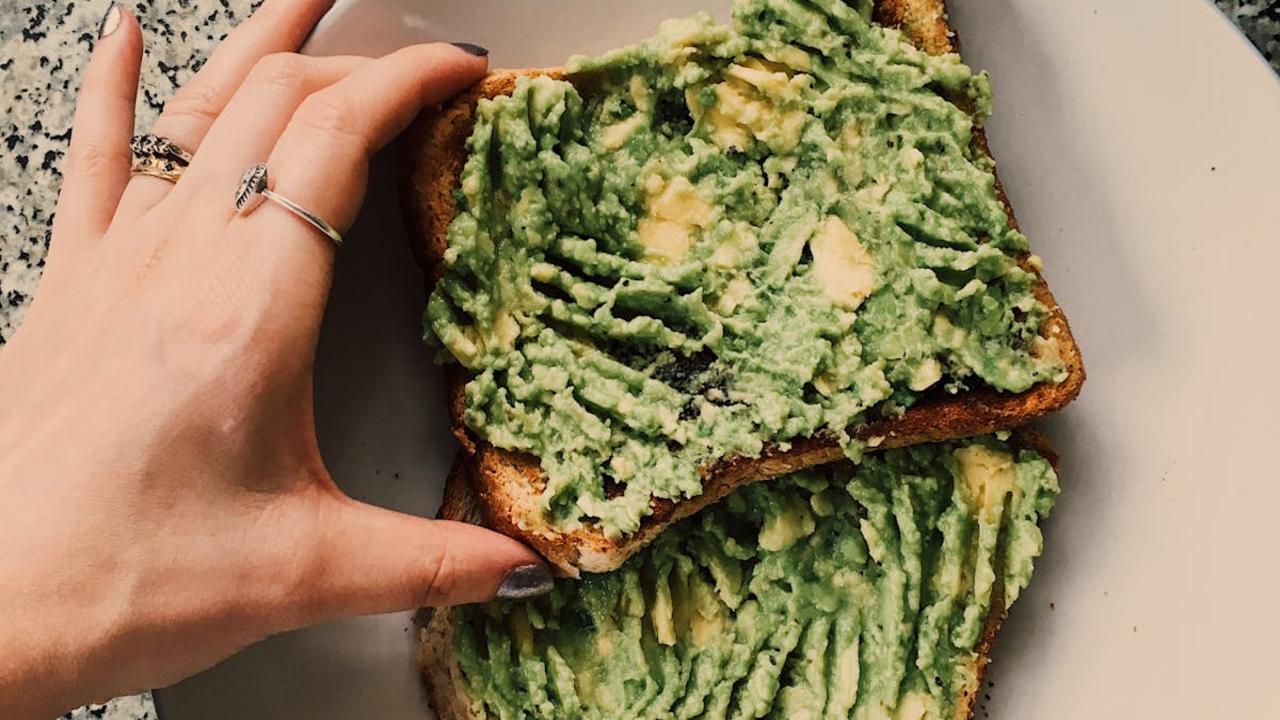
Friends, I want you to meet your new sandwich hero – creamy avocado spread that completely transforms your weeknight meals. Mash one ripe avocado with a squeeze of lime juice, a pinch of salt, and maybe some garlic powder if you’re feeling adventurous. This green goddess becomes your go-to base for everything from wraps to toast, bringing healthy fats and incredible richness to your table. I’ve been doing this swap for years now, and honestly, I can’t remember the last time I reached for that jarred mayo.
What makes this hack so brilliant is how it elevates even the simplest ingredients into something special. Spread it thick on sourdough bread, layer with sliced tomatoes and fresh herbs, and you’ve got yourself a gourmet sandwich in minutes. The avocado adds this luxurious creaminess that makes every bite feel indulgent, while secretly packing your meal with nutrients. Plus, you can customize it endlessly – add cilantro for a Mexican twist, or fold in some lemon zest for brightness. Your weeknight dinners just got a whole lot more exciting, and your body will thank you for choosing real, whole ingredients over processed alternatives.
Almond Flour Instead of White Flour
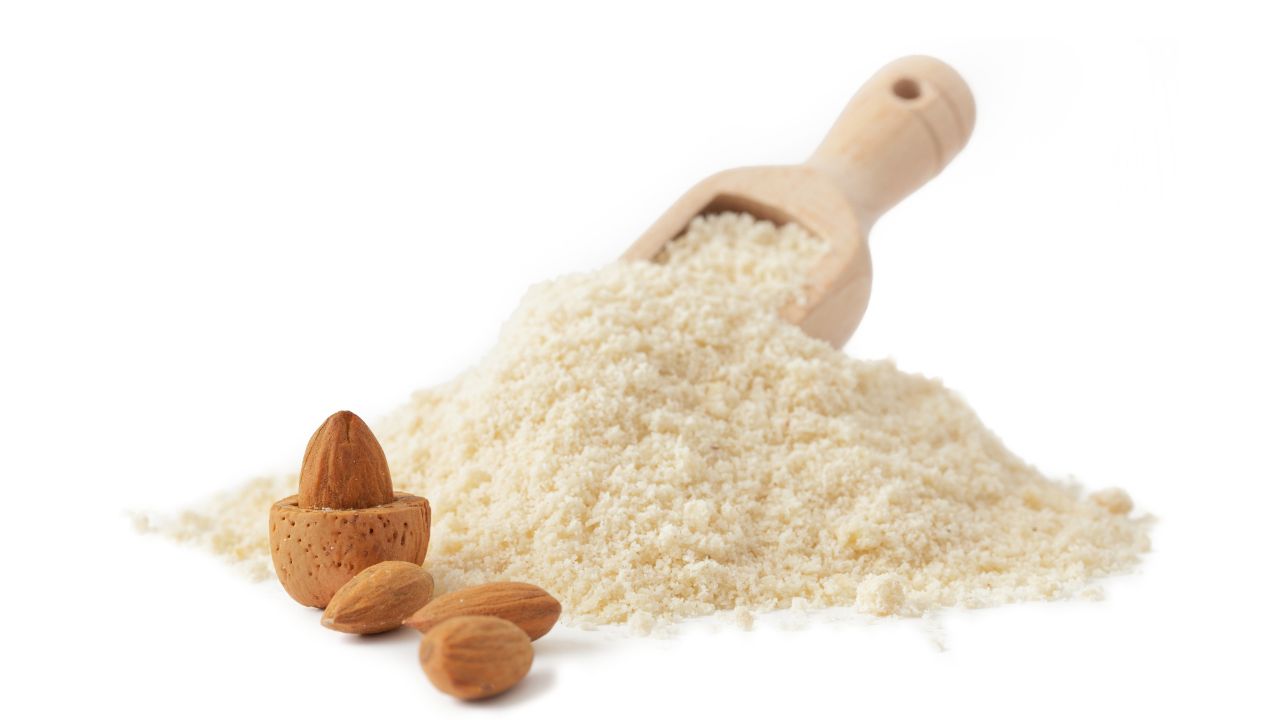
I started swapping almond flour for white flour about three years ago, and honestly, it changed everything about my weeknight cooking. This simple switch transforms your regular dishes into protein-packed, nutrient-dense meals that actually keep you satisfied longer. Unlike white flour, which basically gives you empty calories and a blood sugar spike, almond flour brings healthy fats, vitamin E, and magnesium to your plate. I use it for coating chicken, making quick pancakes, or thickening sauces – and the nutty flavor adds this beautiful depth that white flour just can’t match.
The best part? You don’t need to completely relearn how to cook. Start with a 1:1 ratio in most recipes, though you might need slightly less liquid since almond flour absorbs differently. I keep a big container in my pantry and reach for it whenever I’m making my weeknight fish cakes, quick fritters with leftover vegetables, or even a simple roux for curry bases. Your family won’t even notice the difference, but their bodies will thank you for the extra nutrition. Plus, it works beautifully in both sweet and savory applications – try it in your next batch of weeknight muffins or as a coating for roasted vegetables.
Ground Turkey Instead of Ground Beef

You know what completely changed my weeknight dinner game? Swapping ground beef for ground turkey in almost every recipe. I started doing this years ago when I wanted to lighten up our family meals without sacrificing flavor, and honestly, I never looked back. Ground turkey cooks faster than beef, which means your tacos, pasta sauces, and stir-fries come together in record time. Plus, it’s naturally leaner, so you’re getting more protein with less saturated fat – perfect for those of us trying to nourish our families with wholesome ingredients.
The secret to making ground turkey shine is treating it right from the start. I always season it generously with spices like cumin, paprika, or garlic powder while it’s browning, and I add a splash of olive oil to prevent it from drying out. Turkey’s mild flavor actually works in your favor because it absorbs whatever seasonings you throw at it beautifully. Whether I’m making my Korean-inspired turkey bowls with gochujang or a Mediterranean turkey and chickpea skillet with oregano and lemon, the turkey becomes this perfect canvas for bold flavors. Your family won’t even miss the beef, and your wallet will thank you too.
Honey Instead of White Sugar

You know that moment when you’re stirring together a marinade for tonight’s chicken thighs and reach for the sugar bowl? Stop right there and grab your honey jar instead! I discovered this simple swap completely transforms weeknight cooking, bringing depth and complexity that white sugar just can’t match. Honey caramelizes beautifully at lower temperatures, creating those gorgeous golden glazes on roasted vegetables and proteins without any extra effort. Plus, you’re getting trace minerals and antioxidants that refined sugar strips away – your body will thank you for choosing the more wholesome option.
The magic happens because honey’s natural enzymes and floral notes add layers of flavor that make even the simplest dishes sing. I love drizzling it into stir-fry sauces where it balances soy sauce and ginger perfectly, or whisking it into salad dressings for that gentle sweetness that doesn’t overpower fresh herbs. Start with about three-quarters the amount you’d use of regular sugar, then taste and adjust – honey’s sweetness can vary depending on the flowers the bees visited. Your weeknight meals will instantly feel more sophisticated and nourishing, all from this one mindful ingredient swap.
Applesauce as Oil Substitute in Baking
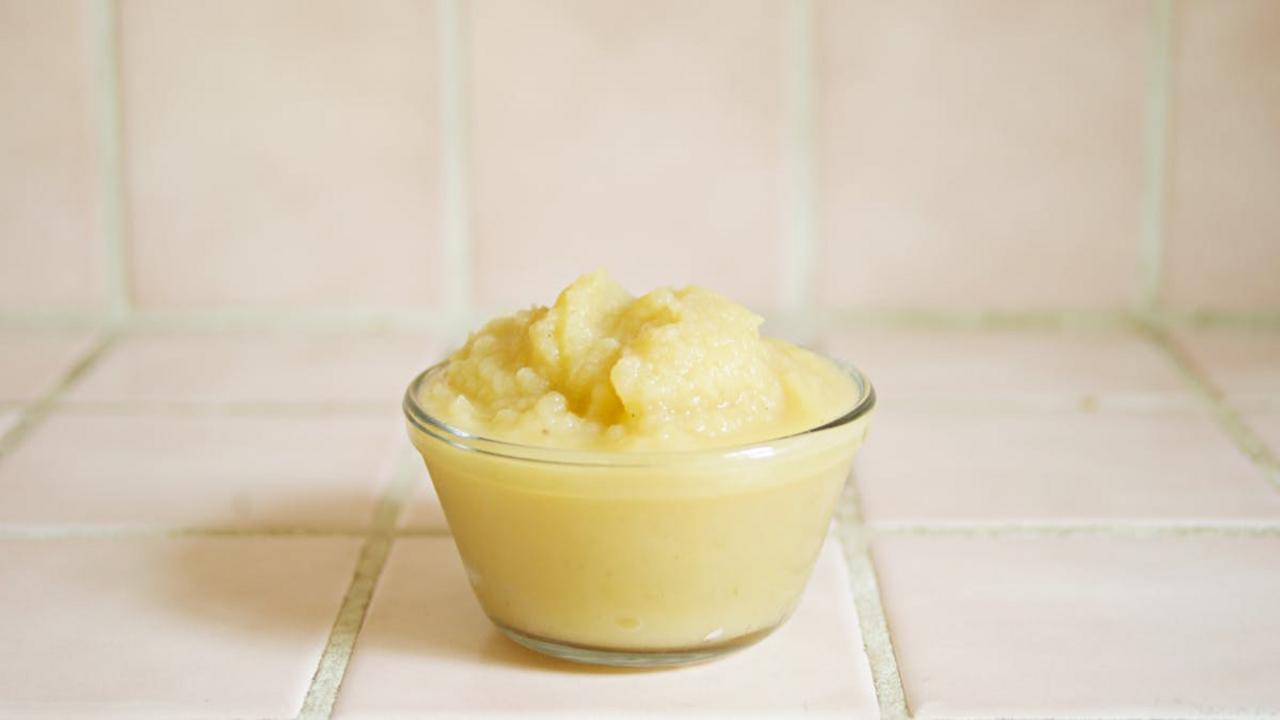
You know what transforms my weeknight baking without anyone noticing? Swapping half the oil in muffins, quick breads, and brownies with unsweetened applesauce. This simple substitution cuts calories dramatically while adding natural moisture and a subtle fruity sweetness that complements everything from chocolate chip cookies to banana bread. I started doing this when I realized how much processed oil I was using in my family’s favorite treats, and now it’s become second nature in my kitchen.
The magic happens because applesauce provides the same binding properties as oil while introducing fiber and vitamins your body actually wants. Start with a 1:1 ratio replacement for half your oil—so if a recipe calls for one cup of oil, use half a cup of oil and half a cup of applesauce. Your baked goods stay incredibly moist, sometimes even more so than the original version, and kids never suspect they’re eating something healthier. I love how this hack lets me serve dessert after dinner without the guilt, knowing I’ve snuck in some wholesome nutrition.
Zucchini Noodles Instead of Pasta
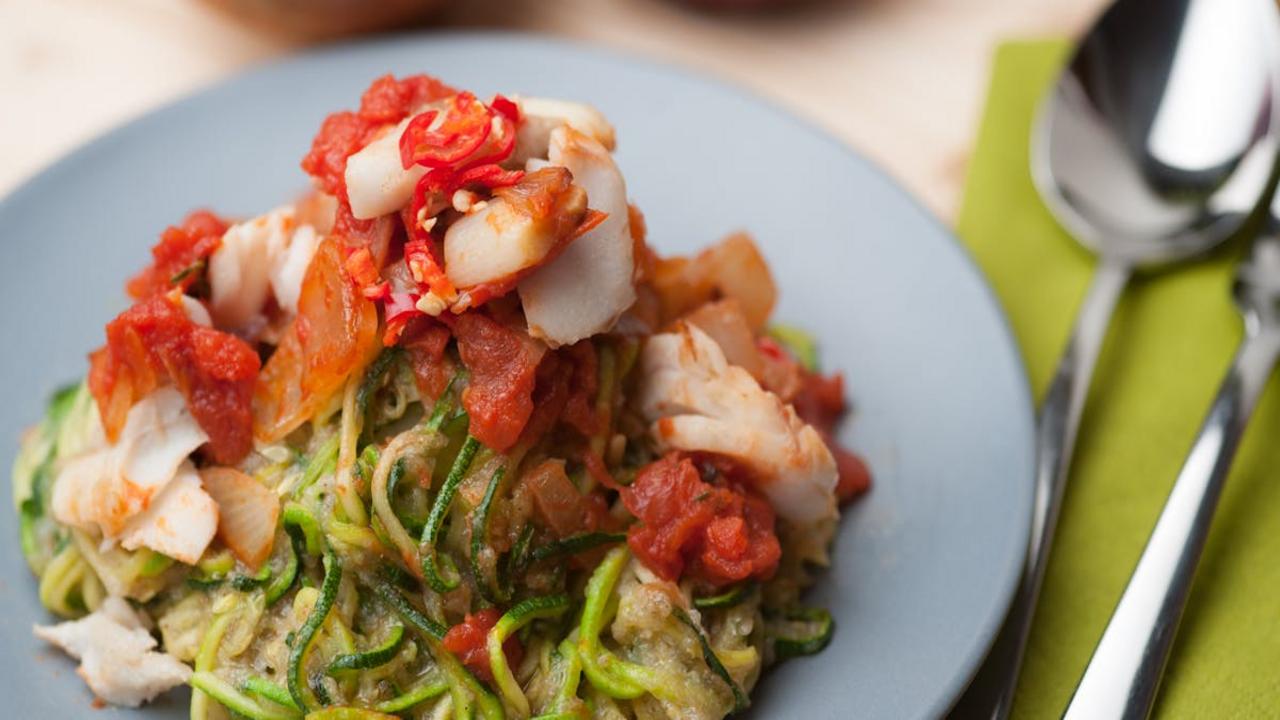
You know that moment when you’re craving a comforting bowl of pasta but want something lighter? I reach for my spiralizer and transform fresh zucchini into silky ribbons that satisfy without the heaviness. This simple swap has become my go-to weeknight solution, especially during summer when zucchini overflows from gardens and farmers’ markets. The beauty lies in how quickly these vegetable noodles cook—just two minutes in a hot pan with olive oil and garlic, and you have a base that absorbs flavors beautifully while maintaining a satisfying bite.
What I love most about zucchini noodles is their versatility across different flavor profiles. Tonight I might toss them with homemade pesto and cherry tomatoes, tomorrow with a spicy Thai-inspired peanut sauce, or keep it simple with butter, lemon, and fresh herbs. The key is salting the spiralized zucchini for ten minutes before cooking to draw out excess moisture—this prevents soggy noodles and concentrates the natural sweetness. Don’t have a spiralizer? A vegetable peeler creates gorgeous wide ribbons, or you can julienne with a sharp knife. Your body gets extra nutrients, your dinner feels lighter, and you still get that satisfying twirl-around-the-fork experience.
Cauliflower Rice Rather Than White Rice

You know that moment when you’re staring at your pantry, wondering how to make dinner feel lighter without sacrificing satisfaction? Cauliflower rice becomes your secret weapon here. I started making this swap years ago when I wanted to sneak more vegetables into my family’s meals, and honestly, it transformed how we think about weeknight dinners. The beauty lies in its versatility—cauliflower rice absorbs flavors beautifully, whether you’re making a quick fried rice with leftover vegetables, a fragrant pilaf with warm spices, or serving it alongside your favorite curry.
Making cauliflower rice takes just minutes in your food processor, and you can prep a big batch on Sunday for the entire week. I love how it cuts down cooking time too—while regular rice needs 15-20 minutes, cauliflower rice cooks in just 5-7 minutes. The texture surprises people every time; when you sauté it with a little garlic and olive oil, it becomes fluffy and satisfying. Plus, you’re getting a full serving of vegetables with every bowl, turning your dinner into something that nourishes your body while keeping your weeknight routine simple and stress-free.
Use Greek Yogurt Instead of Sour Cream
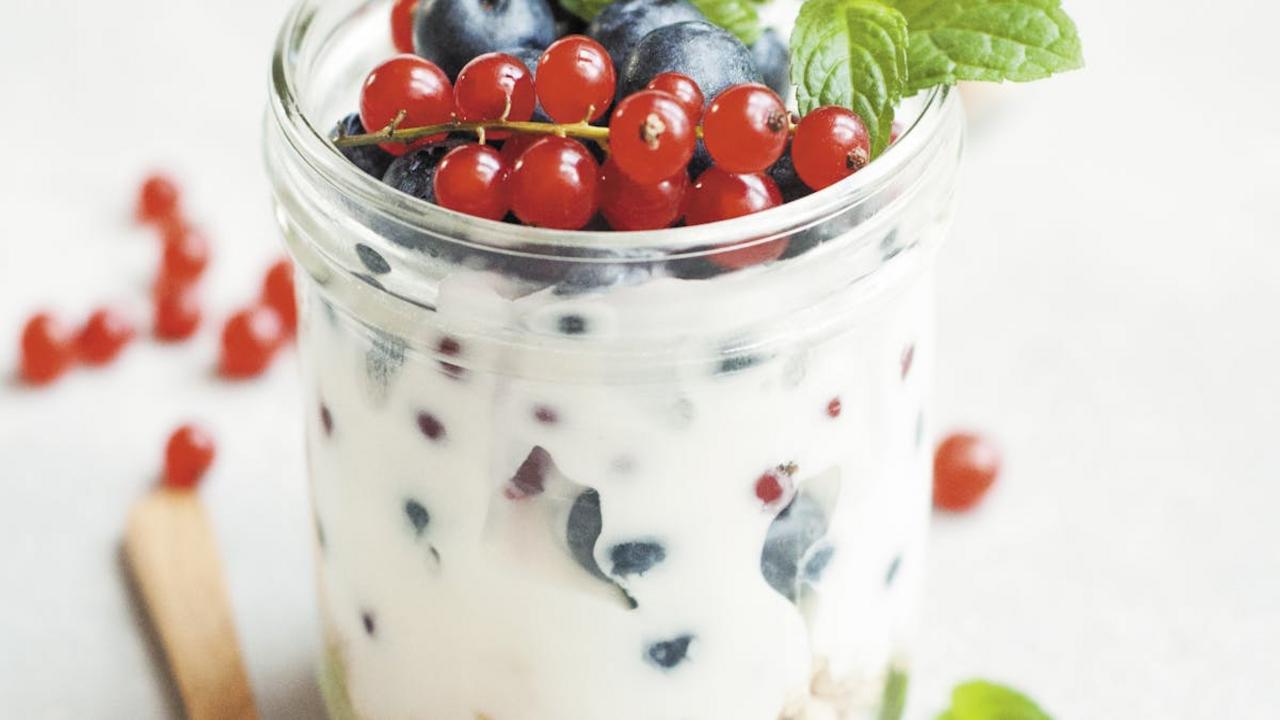
You know that moment when you’re stirring together a weeknight pasta sauce or topping your tacos, and you reach for the sour cream only to discover an empty container? Here’s where Greek yogurt becomes your kitchen superhero. I keep a large container of plain Greek yogurt in my fridge at all times because it delivers the same creamy tang as sour cream while packing significantly more protein and probiotics. The texture works beautifully in everything from stroganoff to Mexican dishes, and honestly, most people can’t tell the difference once it’s mixed into your cooking.
What makes this swap even more brilliant is how Greek yogurt transforms your dishes nutritionally without sacrificing flavor. I love mixing it with fresh herbs like dill and chives for a quick tzatziki-inspired sauce that works on grilled chicken or roasted vegetables. For warm dishes, add the yogurt at the end of cooking and keep the heat low to prevent curdling – a trick I learned after a few early kitchen experiments. The versatility amazes me every time: dollop it on chili, swirl it into soups for richness, or use it as a marinade base for tender, flavorful meats that cook up beautifully on busy weeknights.