15 Irresistible Comfort Foods from Around the World
Food connects us across borders and cultures, with each nation offering its own soul-warming dishes that feel like a warm hug. From steaming bowls of Chinese congee to cheesy Georgian khachapuri, these comfort foods tell stories of family traditions, local ingredients, and time-tested cooking methods.
I’ve gathered 15 incredible comfort foods that showcase how different cultures create happiness through their most beloved dishes. Each recipe represents generations of home cooks who’ve perfected these satisfying meals – whether it’s the creamy French aligot or the hearty South African pap en vleis.
These dishes go beyond just filling our stomachs – they bring people together, create memories, and keep cultural traditions alive. Get ready to discover new favorites that will add warmth and flavor to your own kitchen repertoire. From savory to sweet, simple to complex, each dish offers its own special kind of comfort.
Bubur Cha Cha (Malaysia)
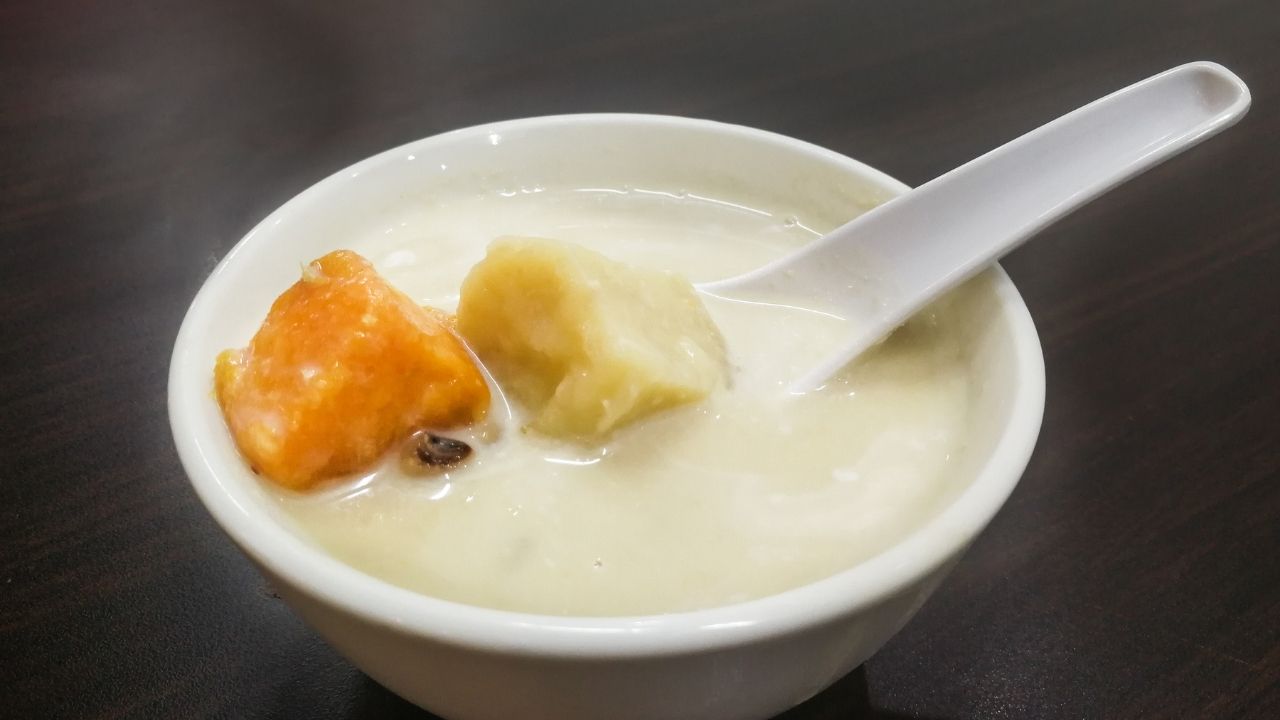
You’ll find pure comfort in every spoonful of Bubur Cha Cha, a beloved Malaysian dessert soup that brings together the sweetness of coconut milk with colorful chunks of sweet potatoes, taro, and chewy sago pearls. The purple, orange, and white cubes of root vegetables create a beautiful rainbow in your bowl, while the rich coconut broth adds a silky smoothness that makes this dish so satisfying. Many Malaysian families make this heartwarming treat during festive occasions or rainy afternoons when they need something cozy and sweet.
What makes Bubur Cha Cha extra special is how each ingredient adds its own texture to the mix – from the tender sweet potatoes that melt in your mouth to the slightly firmer taro pieces that give a pleasant bite. The pandan leaves used in cooking the coconut milk base infuse the dessert with their distinctive fragrance, creating an aroma that fills your kitchen with memories of Southeast Asian comfort food. You can serve this dessert either warm or chilled, making it perfect for any weather, though many Malaysians prefer it slightly warm for that extra comforting effect.
Haleem (India)
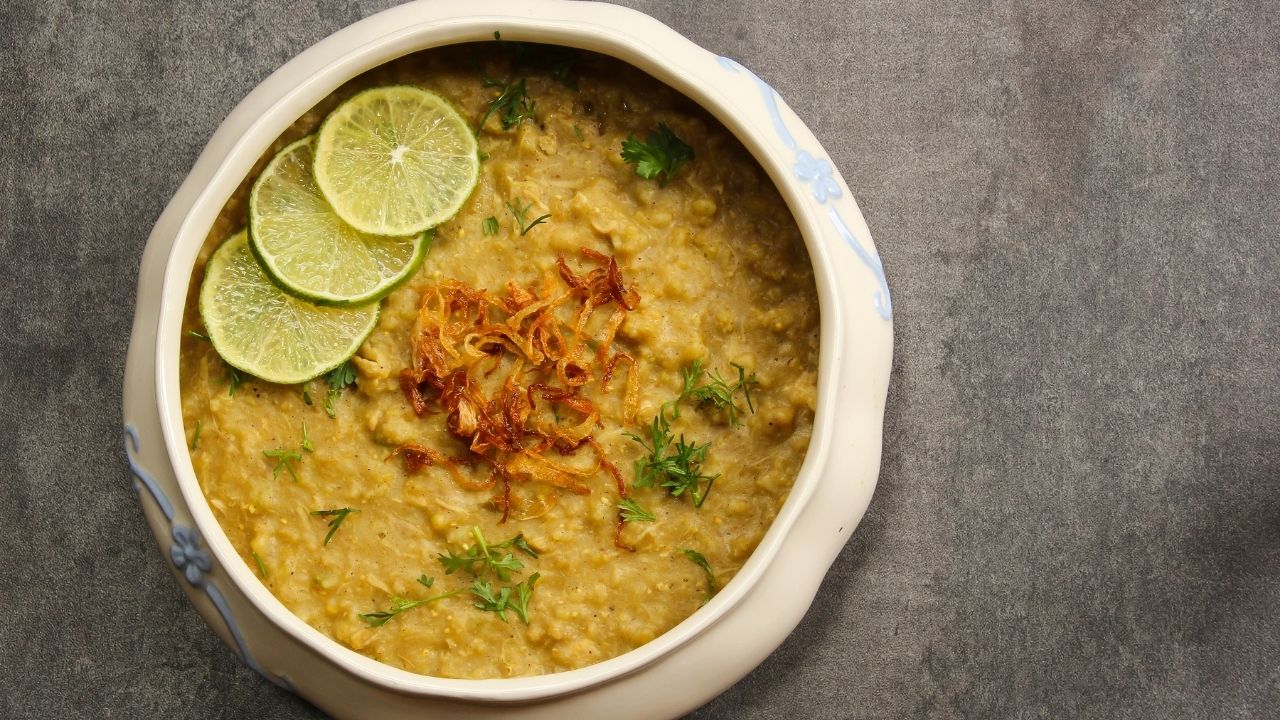
I can’t resist sharing my excitement about haleem, a thick, wholesome stew that brings warmth and comfort to millions across India, particularly during Ramadan. This rich blend combines wheat, barley, lentils, and tender meat (usually mutton or beef) slow-cooked until they merge into a smooth, creamy consistency. The magic happens when aromatic spices like cumin, coriander, cardamom, and ginger mingle with caramelized onions, creating deep layers of flavor that will make your kitchen smell incredible.
What makes haleem extra special is how you can customize each bowl to your liking. Top it with crispy fried onions, fresh mint, a squeeze of lime, or a pat of ghee – the options are endless! The dish packs a serious protein punch while keeping you satisfied for hours. I love making a big batch on weekends – it takes time and patience, but the results are so worth it. Plus, the leftovers only get better as the flavors continue to develop in the fridge. Trust me, once you try authentic haleem, you’ll understand why this comfort food holds such a special place in Indian cuisine.
Feijoada (Brazil)
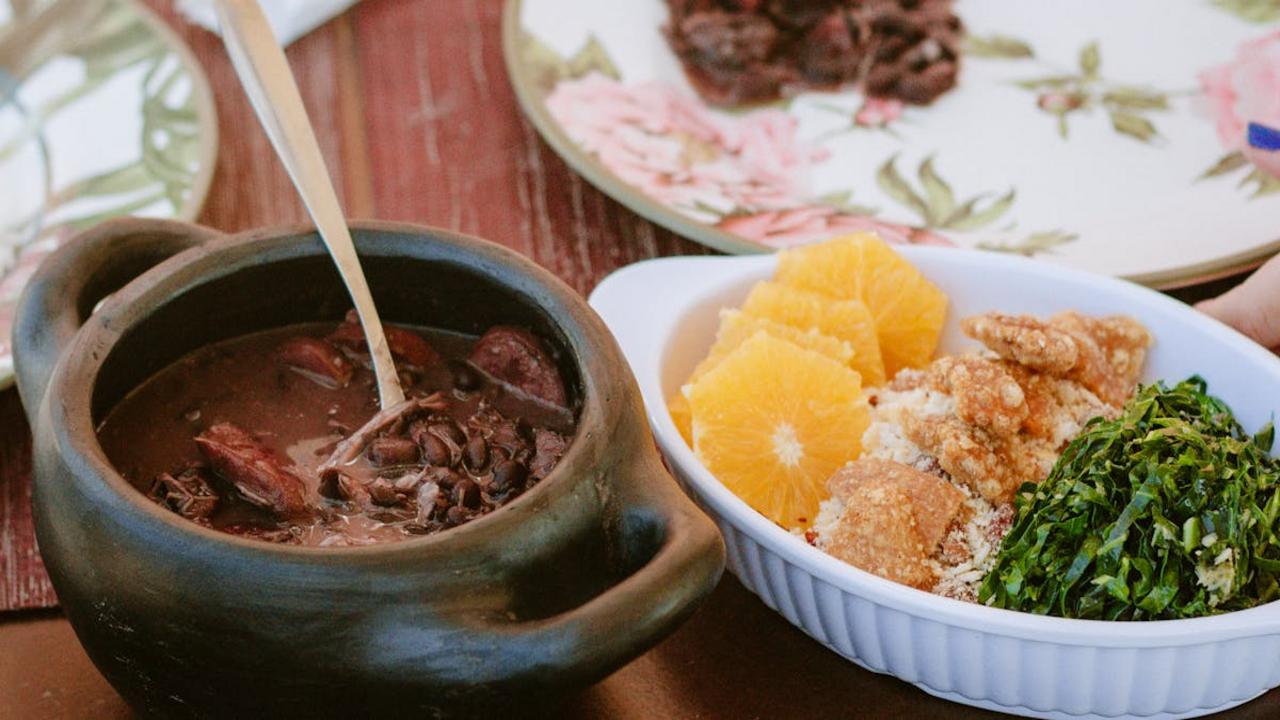
The national dish of Brazil brings together black beans, various cuts of pork, and smoky sausages in a rich, hearty stew that will warm your soul. I make this comforting meal at least once a month, and the slow-cooking process fills my kitchen with the most amazing aromas of garlic, bay leaves, and tender meat. The best part? You’ll always find this dish served with fluffy white rice, farofa (toasted manioc flour), sautéed collard greens, and fresh orange slices – creating the perfect balance of flavors and textures.
What makes feijoada truly special is its deep connection to Brazilian culture and history. This dish originated from the resourcefulness of enslaved people who transformed humble ingredients into something extraordinary. Today, it remains a cherished weekend meal that brings families together. I love how the beans become creamy and thick after hours of gentle simmering, while the different cuts of meat infuse the broth with their unique flavors. My Brazilian friend Maria taught me to add a splash of cachaça (Brazilian sugarcane spirit) near the end of cooking – it adds an extra layer of complexity that makes this comfort food simply irresistible.
Nikujaga (Japan)
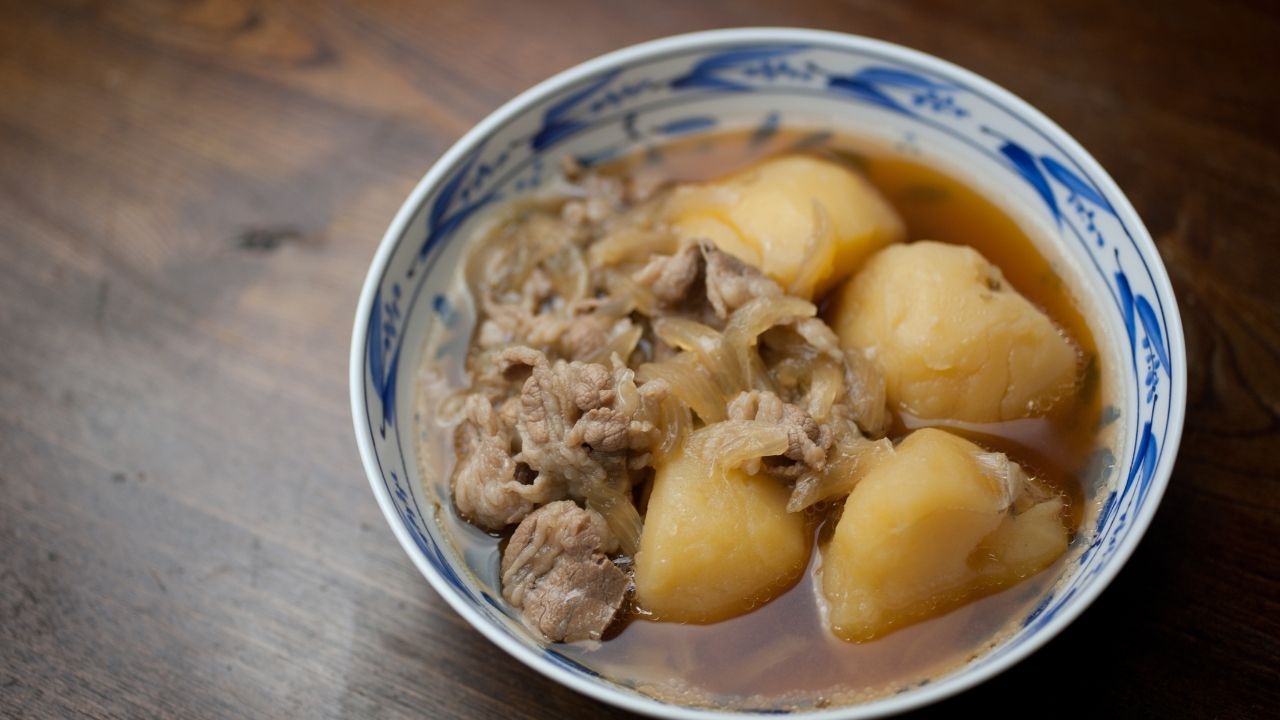
I’ll never forget my first bowl of nikujaga in a small Tokyo kitchen – this hearty Japanese comfort dish combines tender meat (usually thinly sliced beef) with soft potatoes, onions, and carrots, all simmered in a sweet-savory blend of soy sauce, mirin, and dashi. The name itself tells the story: ‘niku’ means meat and ‘jaga’ refers to potatoes, creating a dish that perfectly balances protein and vegetables in a rich, homestyle preparation that warms you from the inside out.
While many Japanese dishes focus on precise presentation, nikujaga celebrates rustic, home-cooked simplicity. The potatoes soak up the flavorful broth, becoming incredibly tender and infused with umami goodness. You’ll find this dish in Japanese homes rather than fancy restaurants, often served with a bowl of steaming rice and some pickled vegetables on the side. The secret to great nikujaga lies in allowing the ingredients to simmer slowly, giving them time to develop deep flavors while maintaining their individual textures.
Pierogi (Poland)
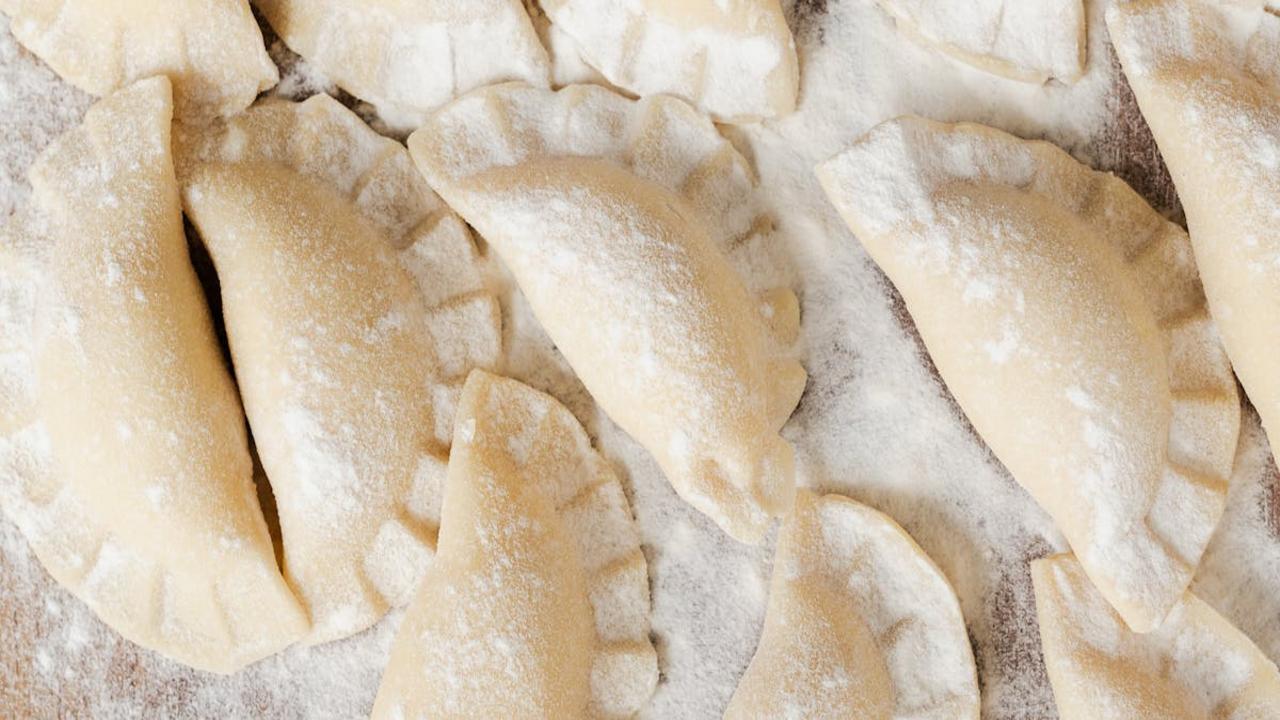
I can’t resist the comforting allure of Polish pierogi – those pillowy dumplings filled with creamy mashed potatoes, tangy sauerkraut, or savory ground meat. Every time I make these traditional Polish pockets of joy, I think about my grandmother’s kitchen and how she taught me to pinch the edges just right. The dough needs to be thin yet sturdy enough to hold the filling, and once you’ve mastered the technique, you’ll want to make these little pockets of happiness again and again.
The magic happens when you pan-fry these dumplings in butter until golden brown and crispy on the outside while maintaining that tender, chewy texture inside. I love topping mine with caramelized onions and a dollop of sour cream – it’s pure comfort food heaven! Whether you prefer the classic potato and cheese combination or want to experiment with mushroom and cabbage filling, pierogi bring warmth and satisfaction to any dinner table. Make a big batch because everyone will ask for seconds!
Moussaka (Greece)
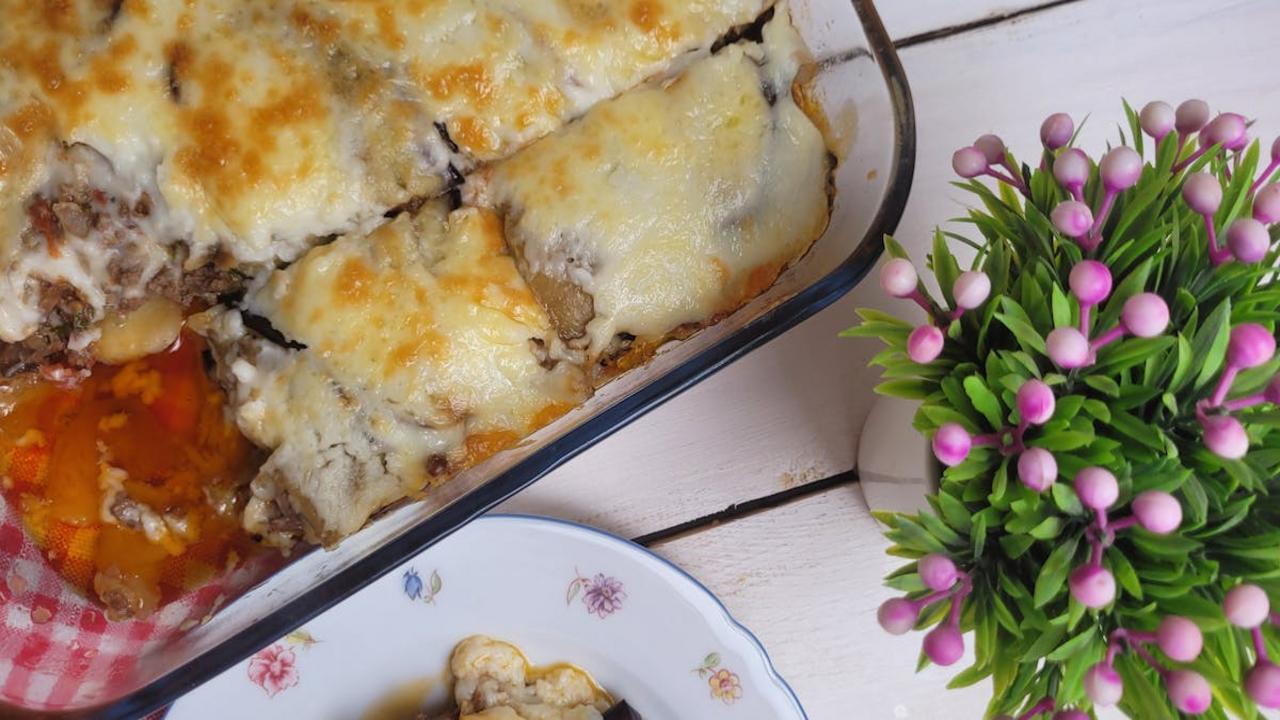
I’ve spent countless hours perfecting my Greek moussaka recipe, and I can tell you this layered dish will bring pure comfort to your dinner table. Picture this: tender slices of eggplant nestled between savory layers of spiced ground lamb and creamy béchamel sauce. The combination creates a rich, hearty casserole that’s both filling and deeply satisfying. The warm cinnamon and allspice in the meat sauce add an authentic Greek touch that’ll make your kitchen smell like a cozy taverna in Athens.
What makes moussaka truly special is how the ingredients work together – the eggplant soaks up all the wonderful flavors while the golden-brown béchamel top creates an irresistible crust. I recommend taking your time with each component, especially when salting and draining the eggplant slices to remove any bitterness. The result? A dish that’ll transport you straight to a sunny Mediterranean island. While it takes some time to prepare, you’ll find the end result worth every minute spent in the kitchen. Your family will beg you to make this Greek comfort food again and again.
Koshary (Egypt)
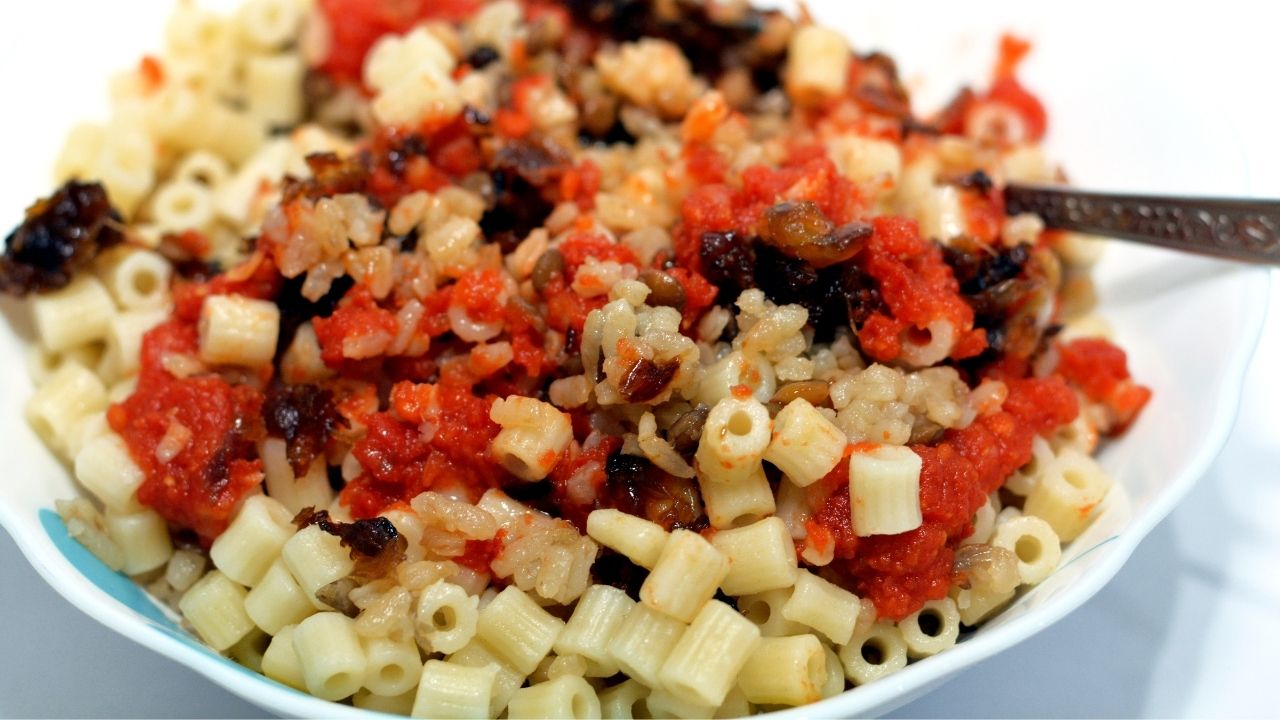
Koshary stands as Egypt’s most beloved street food – a beautiful mix of rice, lentils, macaroni, and chickpeas topped with spicy tomato sauce and crispy fried onions. I found this dish to be the perfect example of how simple ingredients can create something extraordinary. The magic happens when you mix all the layers together, letting the fragrant tomato sauce seep through the grains and pasta while the caramelized onions add a wonderful crunch to every spoonful.
What makes Koshary truly special is its ability to bring people together. You’ll find Egyptians from all walks of life gathering at small koshary shops, customizing their bowls with extra sauce or a splash of garlic vinegar. The dish originated in the 19th century when Egypt was a multicultural hub, combining Indian rice and lentils with Italian pasta and Middle Eastern flavors. Today, you can experience this filling comfort food in homes and street corners across Egypt, where vendors serve steaming portions from large metal carts to hungry customers day and night.
Pap en Vleis (South Africa)
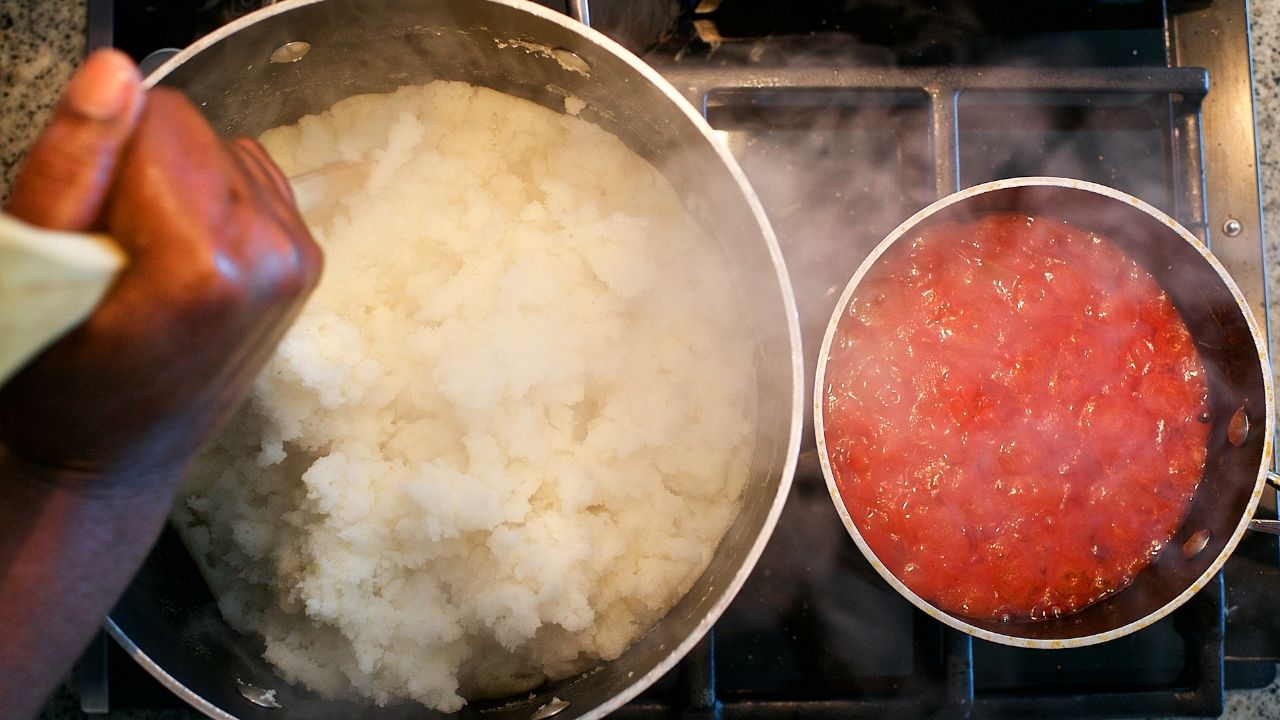
You’ll find this beloved South African comfort food at every braai (barbecue) gathering across the country. Pap en Vleis brings together two simple yet satisfying elements – “pap,” a thick porridge made from ground white cornmeal, and “vleis,” which means meat in Afrikaans. The pap has a smooth, firm texture that makes it perfect for soaking up the rich flavors of grilled meats and traditional tomato-based sauce called chakalaka. South Africans prepare their pap with precision, stirring it continuously until it reaches just the right consistency – not too soft, not too firm.
What makes this dish truly special lies in how South Africans serve and eat it. You’ll spot families and friends gathered around the grill, scooping up generous portions of pap with their hands to pair with smoky boerewors (traditional South African sausage) or tender grilled lamb chops. The combination creates a filling meal that brings people together, making it more than just food – it’s a symbol of community and celebration. Many South African families have their own special way of preparing both the pap and the meat, passing down recipes through generations.
Aligot (France)
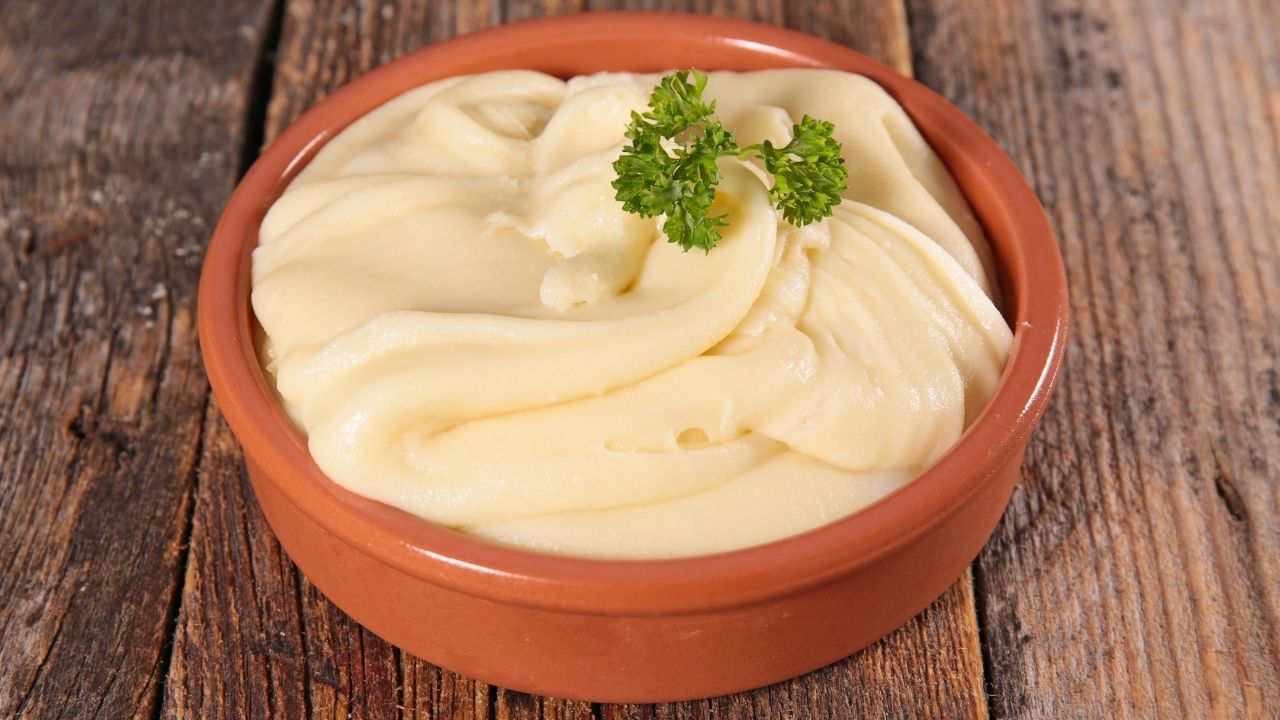
If you’ve never tried aligot, you’re missing out on France’s most heavenly comfort food! This rich and creamy potato dish from the Aubrac region combines mashed potatoes with generous amounts of fresh Tomme d’Auvergne cheese, creating the most spectacular stretchy texture. I make this dish regularly during cold winter months – there’s something magical about watching the cheese pull into long, silky strands as you lift your spoon from the pot. The traditional recipe calls for garlic and butter too, which add an extra layer of indulgent flavor.
French shepherds originally created aligot as a filling meal to sustain them through long days in the mountains. Today, you’ll find this dish served alongside grilled sausages or roasted meats in homes and restaurants across France. The key to perfect aligot lies in the vigorous stirring technique – you need to work those potatoes and cheese together until the mixture becomes glossy and elastic. While Tomme d’Auvergne cheese gives the most authentic result, you can substitute with mozzarella and Gruyère for a similar stretchy effect. Trust me, once you master this French comfort classic, it’ll become your go-to side dish for cozy dinners!
Käsespätzle (Germany)
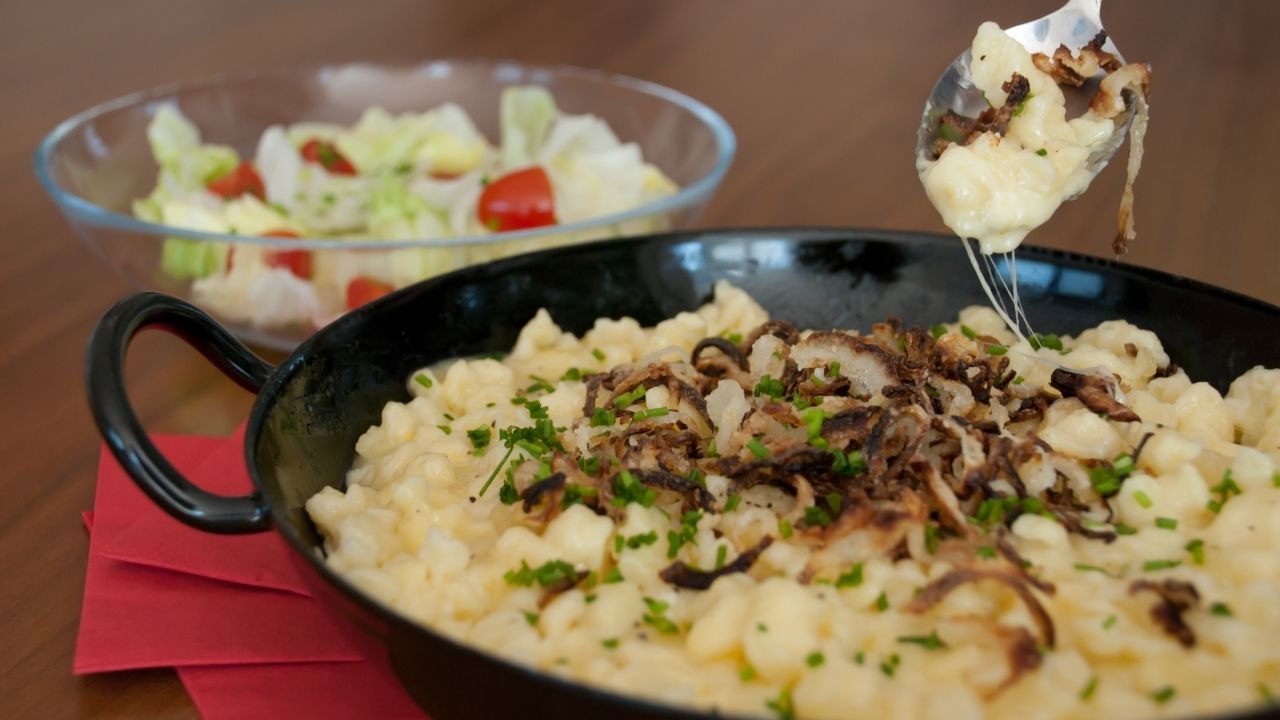
Picture yourself diving into a bowl of warm, cheesy German comfort food that’ll make you forget all your worries. Käsespätzle combines handmade egg noodles (spätzle) with layers of melted cheese, creating a dish that’s similar to mac and cheese but with a distinctive German twist. The spätzle dough, made from eggs, flour, and water, gets pushed through a special tool or colander into boiling water, forming irregular little dumplings that have the perfect texture to hold all that amazing cheese.
The real magic happens when you layer these tender noodles with generous amounts of German cheese – usually Emmentaler or Gruyère – and top it with crispy fried onions. Each region in Germany has its own special way of making Käsespätzle, but they all share that irresistible combination of gooey cheese and soft noodles. You’ll find this dish in cozy German restaurants and homes, often served as a main course with a simple green salad. The next time you want to try something new but comforting, whip up a batch of Käsespätzle – it’s like getting a warm hug from your German grandmother!
Stamppot (Netherlands)
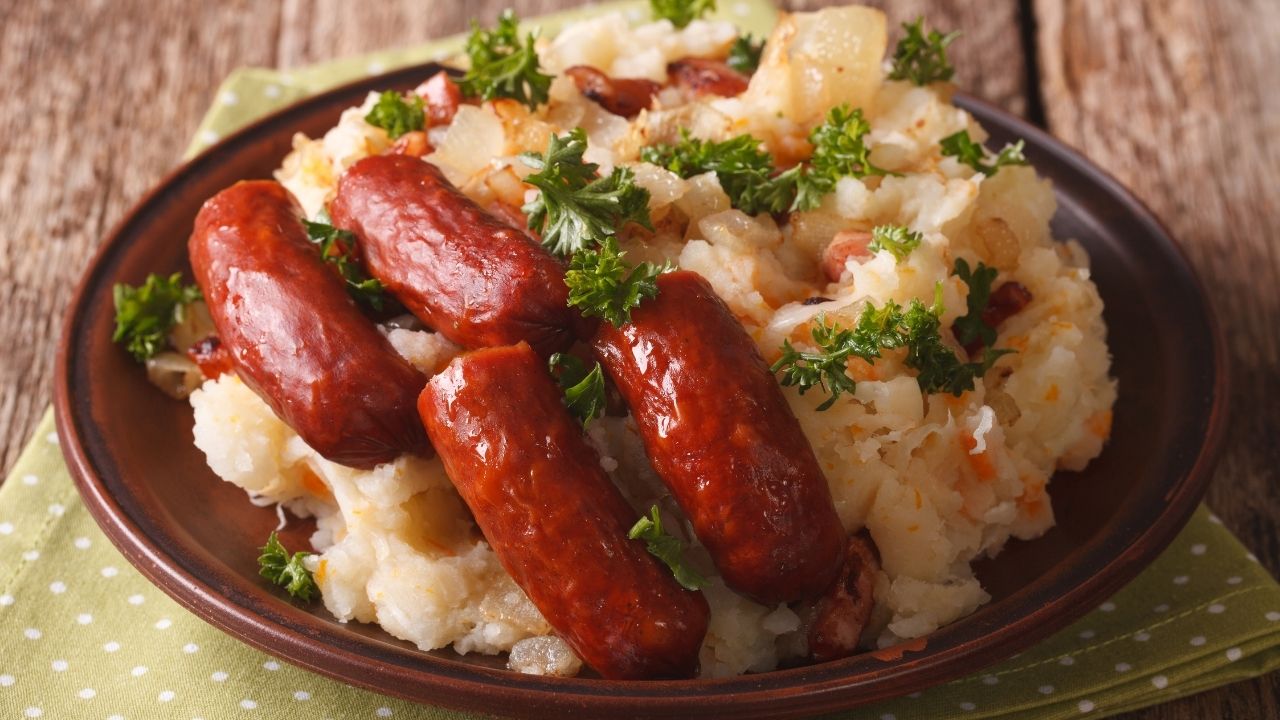
You’ll find comfort in its simplest form with stamppot, a hearty Dutch dish that brings together creamy mashed potatoes and seasonal vegetables. The most popular version combines kale or endive with potatoes, creating a vibrant green and white mixture that Dutch families have enjoyed for generations. I love adding crispy bacon bits and smoked sausage (rookworst) on top, making every bite a perfect balance of smooth and crunchy textures.
The magic of stamppot lies in how it transforms basic ingredients into a warming winter meal. To make it, you’ll need to boil potatoes until tender, then mash them with hot milk and butter until smooth. Next, stir in your cooked vegetables – my Dutch friends taught me to season generously with salt, pepper, and nutmeg. The traditional way to serve stamppot includes making a small well in the center of your plate and filling it with rich gravy, letting it slowly mix with the potato mixture as you eat.
Congee (China)
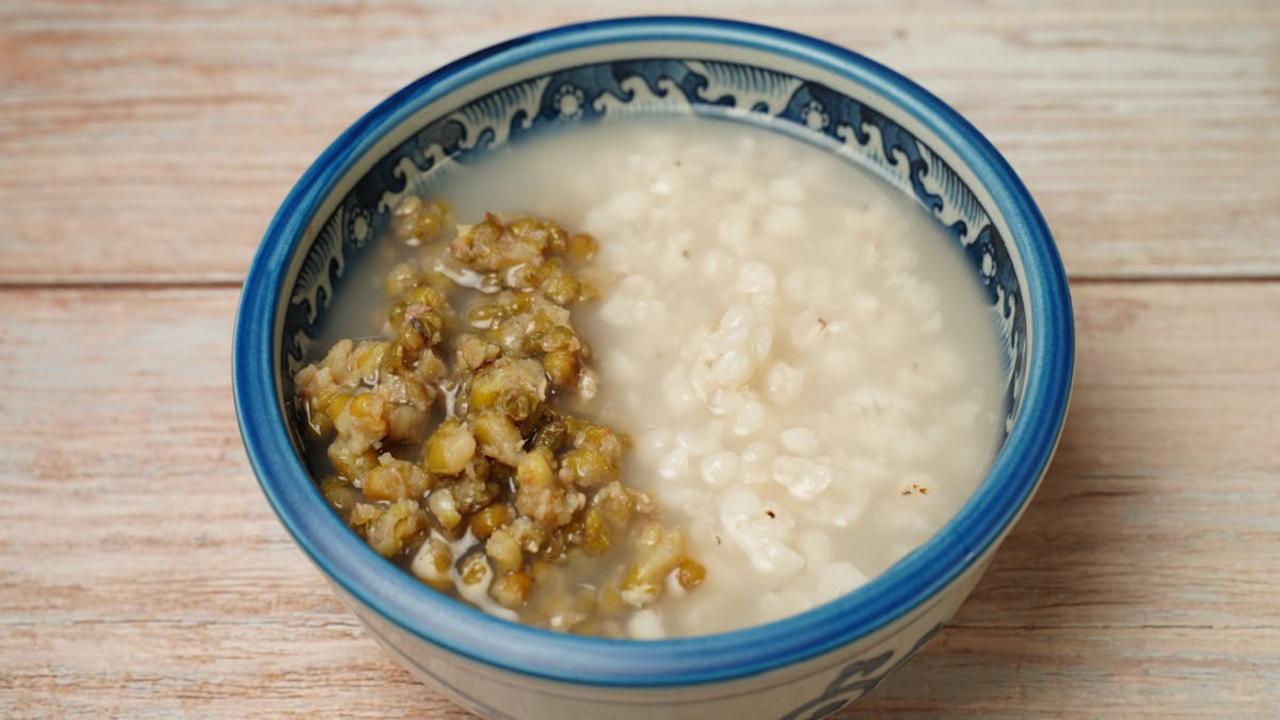
You’ll find comfort in every spoonful of congee, China’s beloved rice porridge that has warmed hearts for centuries. This simple yet satisfying dish combines rice with water or broth, cooked low and slow until it transforms into a silky, creamy consistency. I make mine with ginger and scallions, then top it with tender shredded chicken, century eggs, or fresh herbs. The beauty of congee lies in its adaptability – you can dress it up or down depending on what you have in your kitchen.
Nothing soothes a cold or brightens a gloomy morning like a steaming bowl of congee. Chinese families often serve this comforting rice porridge for breakfast, but you’ll find it enjoyed at any time of day. The dish holds deep cultural significance as a food for healing and recovery – many Chinese mothers and grandmothers prepare congee for family members feeling under the weather. Each region in China has its own take on this classic, from Cantonese-style with salted pork to Fujian’s version with sweet potato and peanuts. Whether plain or loaded with toppings, congee remains a timeless symbol of Chinese comfort food.
Poutine (Canada)
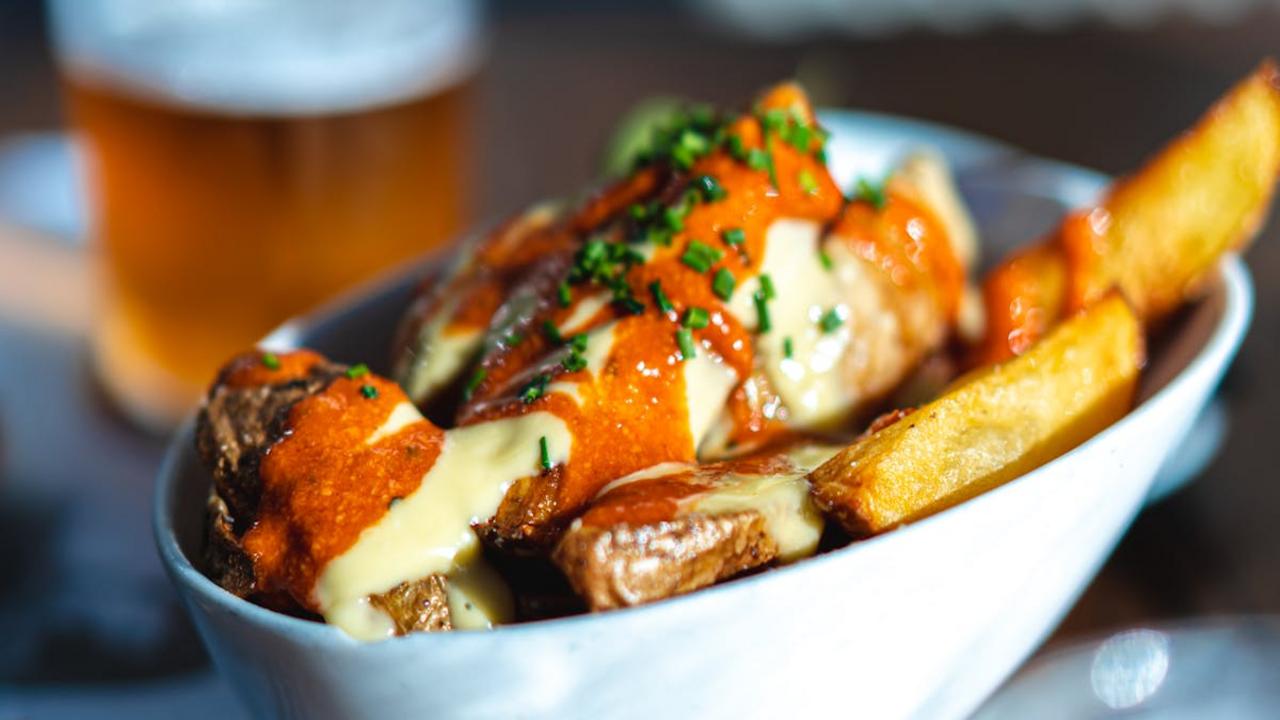
Oh, Canada’s gift to comfort food will make your heart skip a beat! Picture this: a mountain of golden, crispy french fries smothered in rich brown gravy and topped with squeaky cheese curds. The magic happens when the hot gravy hits those cheese curds, creating little pockets of melty goodness that blend perfectly with the crunchy fries. This Quebec creation has become a national treasure, and I can’t blame Canadians for wanting to claim this indulgent dish as their own.
While you’ll find poutine everywhere from fancy restaurants to food trucks across Canada, the best versions stay true to the original recipe’s simplicity. The key lies in using fresh cheese curds – they should squeak against your teeth when you bite into them! The gravy needs to be piping hot and have the right consistency to coat the fries without making them soggy. Make sure to eat your poutine right away while the fries maintain their crunch and the cheese curds keep their signature texture. This Canadian comfort food classic will warm you up on even the coldest winter nights!
Shakshuka (North Africa)
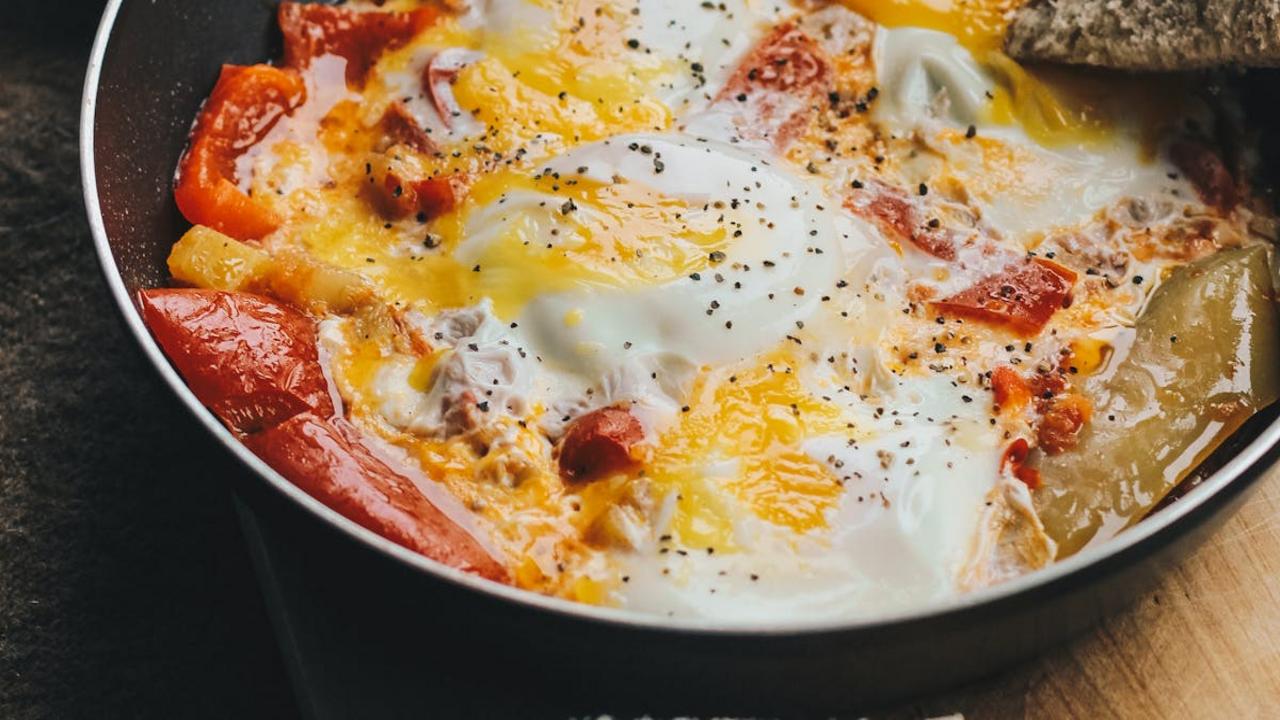
Picture this: a steaming pan of rich tomato sauce with perfectly poached eggs nestled inside, all seasoned with aromatic North African spices like cumin, paprika, and chili. That’s shakshuka for you! I make this heart-warming dish at least twice a month, and the best part is how the runny yolks mix with the slightly spicy sauce to create pure breakfast magic. The dish actually started in Tunisia and spread across North Africa and the Middle East, winning hearts with its simple yet bold flavors.
What I love most about shakshuka is its flexibility – you can dress it up or down however you want. Sometimes I add bell peppers and onions to the base, other times I throw in some crumbled feta on top or serve it with fresh herbs like parsley or cilantro. The key is good quality tomatoes and fresh eggs. Grab some crusty bread to soak up every last bit of that rich sauce. It’s traditionally a breakfast dish, but honestly, I’ve served it for dinner many times and nobody has ever complained!
Khachapuri (Georgia)
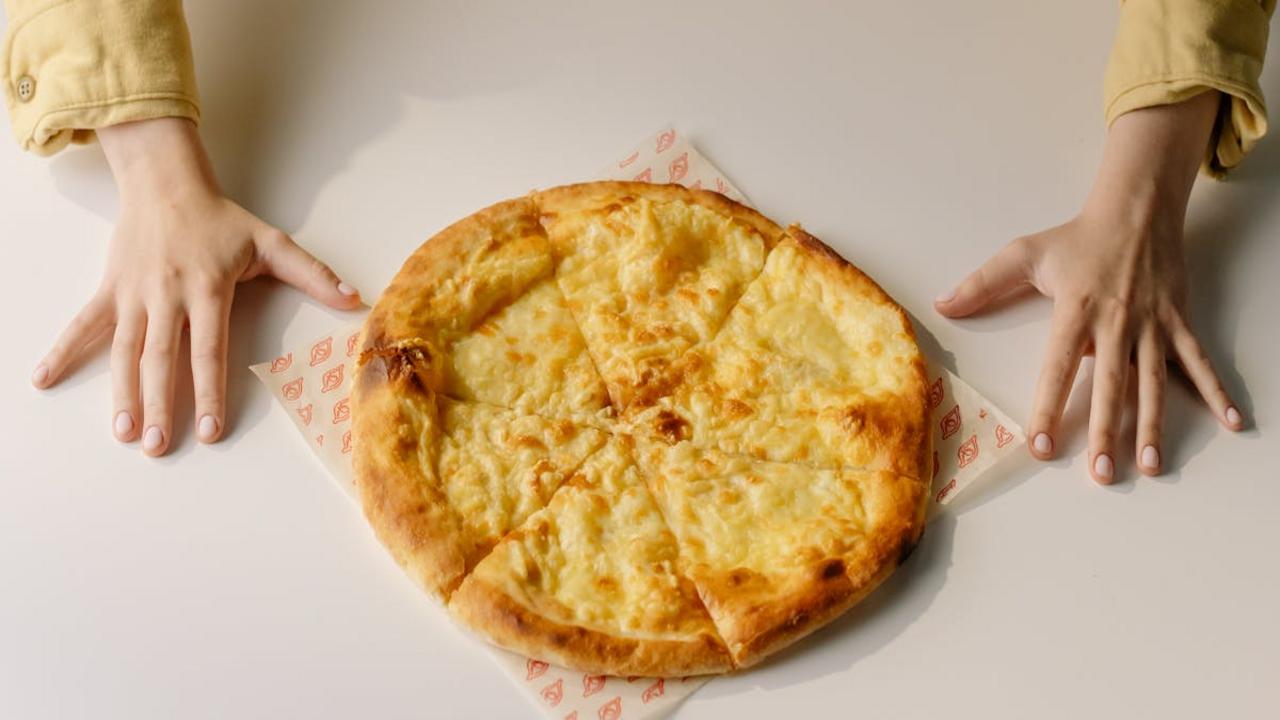
Picture a boat-shaped bread filled with melted cheese, butter, and a runny egg yolk – that’s khachapuri for you! This Georgian comfort food classic brings together the richness of local cheeses (traditionally sulguni and imeruli) with the satisfying chew of fresh-baked bread. The most popular version, Adjaruli khachapuri, features a hot, crispy crust that you tear and dip into the gooey cheese-egg mixture. You’ll find this hearty dish served in homes and restaurants across Georgia, where people consider it their national dish.
Making khachapuri at home requires simple ingredients but loads of love. The dough needs proper kneading and resting to achieve that perfect texture, while the cheese mixture must strike the right balance between salty and creamy. Once the bread comes out of the oven, add a pat of butter and crack an egg in the center – the residual heat will cook the egg just enough while keeping the yolk runny. Mix everything together with a fork and enjoy this incredibly comforting meal that will warm your soul, especially on cold winter days.