14 Foods to Steer Clear of at All-You-Can-Eat Buffets
All-you-can-eat buffets offer endless options at attractive prices, but making smart choices matters for your health and enjoyment. While these restaurants promise variety and value, certain dishes carry higher food safety risks than others, especially during slower hours or near closing time.
I’ve spent years studying buffet food safety practices and interviewed numerous restaurant managers and health inspectors. The insights I’ve gathered will help you avoid common pitfalls and make safer selections at your next buffet visit. Your dining experience should be enjoyable, not a gamble with foodborne illness.
From temperature-sensitive seafood to easily contaminated salads, some buffet items need extra caution. This guide highlights 14 foods that deserve a second thought before landing on your plate. By knowing what to watch for, you’ll maximize both safety and satisfaction during your next buffet meal.
Pre Cut Fresh Fruits
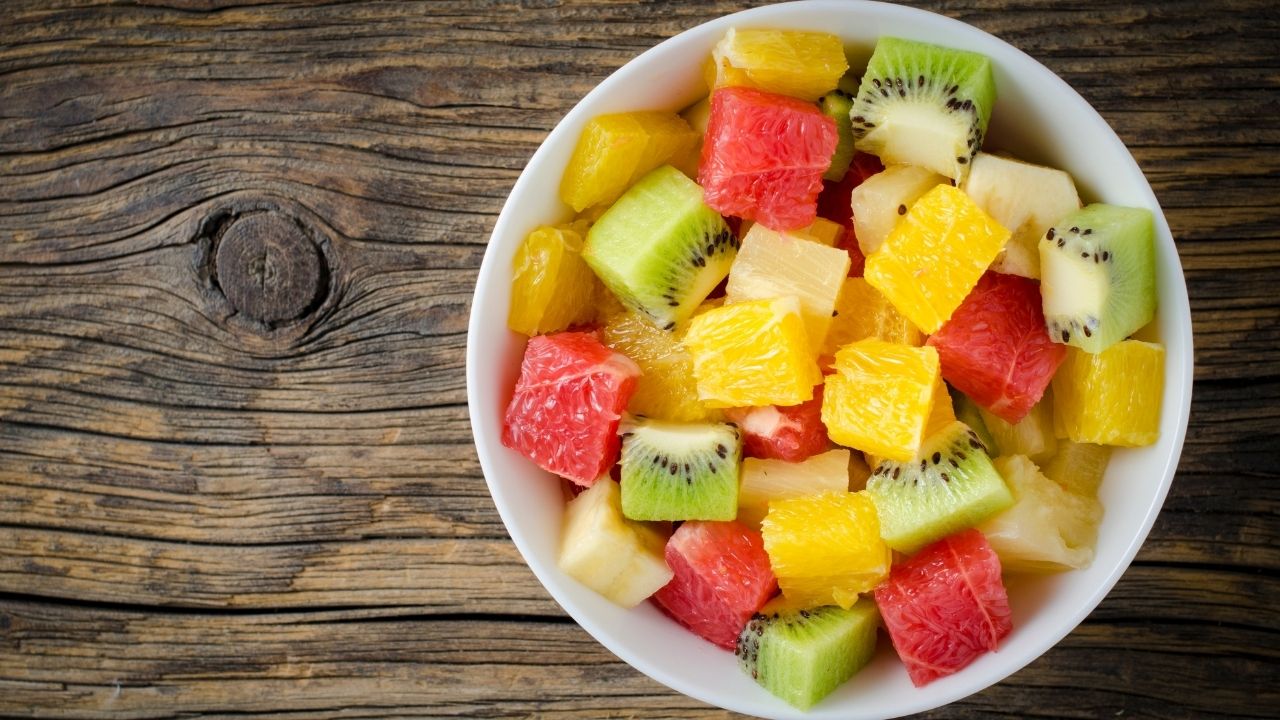
I’ve noticed many buffet restaurants display beautiful pre-cut fruit platters that catch your eye with their bright colors and perfect arrangements. But I need to warn you about picking up those enticing melon chunks and pineapple slices. Fresh fruits contain high water content and natural sugars that make them perfect breeding grounds for bacteria, especially when left out at room temperature for extended periods. The risk goes up even more when fruits are pre-cut since their protective outer layers have been removed.
Your best bet is to stick with whole fruits that you can peel yourself, like bananas or oranges, if they’re available at the buffet. Pre-cut fruits often sit out for hours, and you can’t know how long they’ve been there or whether proper food safety guidelines were followed during preparation. The staff might have prepared these fruit platters hours before service began, giving bacteria plenty of time to multiply. Plus, multiple people handling serving utensils increases contamination risks further.
Items with Visible Ice Crystals

You’ll want to skip any buffet items showing visible ice crystals – this is a clear warning sign that the food has likely gone through multiple freeze-thaw cycles. I’ve noticed many buffets keep certain dishes in rotation by refreezing them, which not only ruins the food’s texture but can make it unsafe to eat. Those little ice crystals form when moisture from the food keeps getting frozen, thawed, and refrozen again, breaking down the cellular structure of the ingredients.
During my years reviewing restaurants, I’ve learned that proper freezing should only happen once, with food staying consistently frozen until final preparation. If you spot ice crystals on items like seafood, vegetables, or desserts at a buffet, move right along to fresher options. The repeated temperature changes create perfect conditions for bacteria growth between cycles. Plus, foods that have been frozen multiple times often end up with an unpleasant mushy texture and diminished flavor that won’t give you the satisfying meal you’re looking for.
Mayonnaise Based Salads
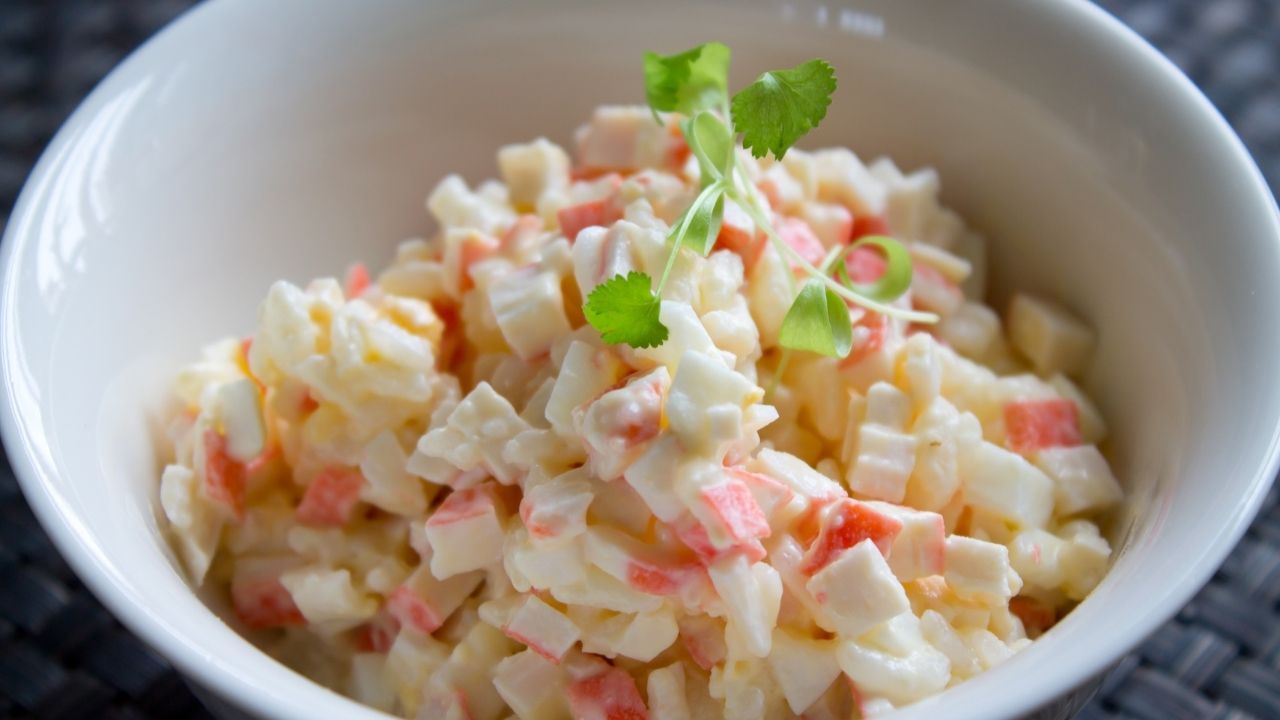
I always get a bit nervous when I see potato salad, egg salad, or chicken salad sitting out at buffets. These mayo-based dishes need constant refrigeration to stay safe, and the temperature control at buffets can be hit-or-miss. Mayonnaise creates the perfect environment for bacteria growth if it stays above 40°F (4°C) for more than 2 hours. Plus, you often don’t know how long these salads have been sitting out or how many people have dug through them with the serving spoon.
Beyond the food safety concerns, these salads usually pack a hefty caloric punch that can derail your buffet strategy. A single serving of potato salad can contain upwards of 350 calories, mostly from the mayo. I recommend filling your plate with fresh green salads or grilled vegetables instead. If you really want to try a mayo-based salad, visit the buffet during peak hours when the food turnover is high and the dishes get refreshed more frequently. Your stomach will thank you for being cautious with these risky items!
Seafood During Off Peak Hours
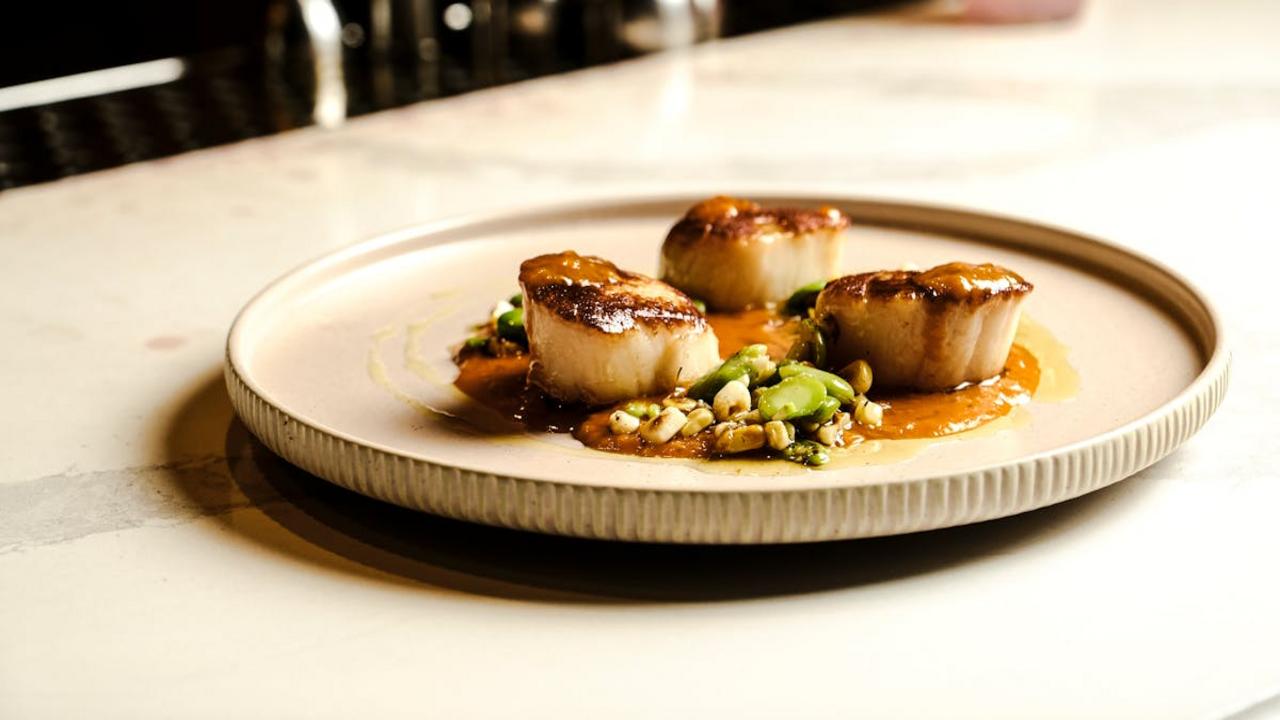
I always remind my readers to be extra careful with seafood at buffets during slower dining periods. The seafood items often sit out longer between customer rushes, which can make them unsafe to eat. Fresh seafood needs constant temperature control and frequent rotation to stay safe for consumption. Many buffets will prepare large batches of shrimp, crab legs, and fish during peak hours but may not refresh them as regularly during quieter times – this means you could end up eating items that have been sitting out too long.
Your best bet is to enjoy seafood selections during the busiest lunch and dinner hours when restaurants have more staff on hand and higher customer turnover. This ensures fresher preparation and more frequent replenishment of seafood dishes. Look for signs of quality like firmness in fish, bright colors in salmon, and a clean ocean smell. If you notice seafood looking dry, discolored, or having a strong fishy odor, skip it and choose another option. Your health isn’t worth risking for a few bites of questionable shellfish or fish that may have been sitting out too long.
Bacon at Room Temperature
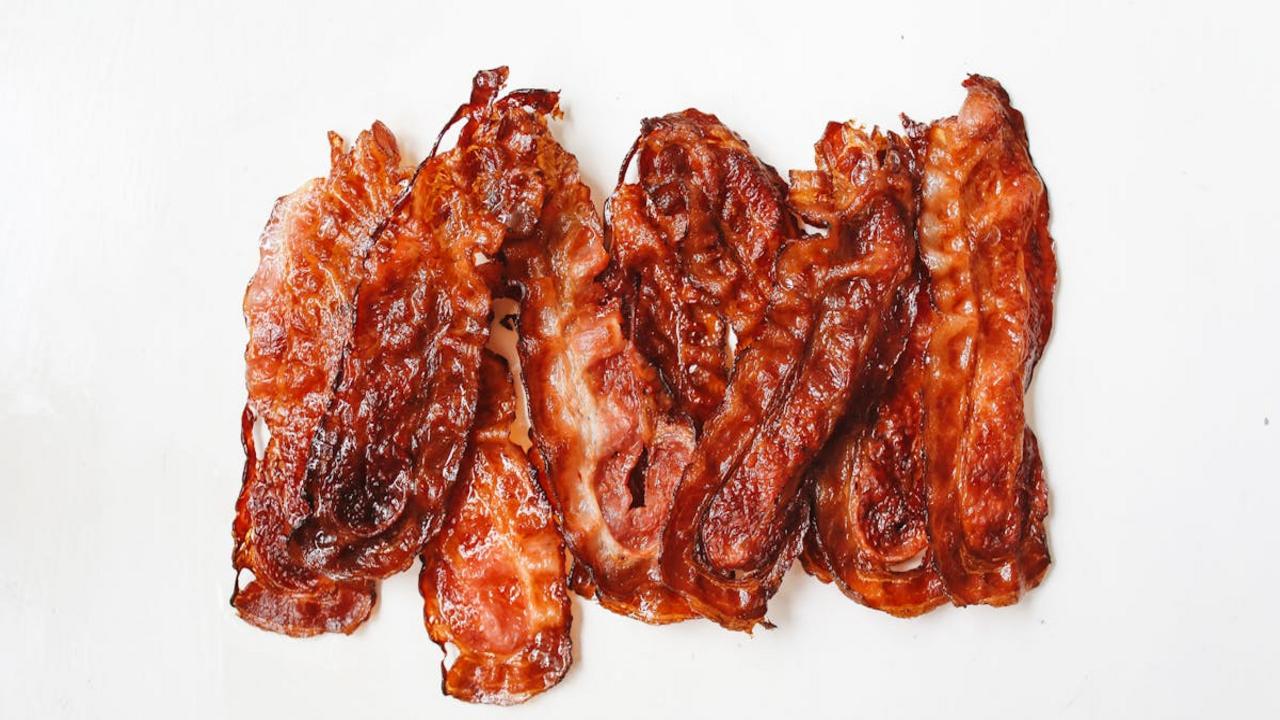
I know how tempting those crispy bacon strips can look on a buffet spread, but you should skip room temperature bacon every single time. Bacteria love to grow on bacon when it sits between 40°F and 140°F (the dangerous temperature zone), making it a perfect breeding ground for foodborne illness. The high fat content and protein in bacon make it extra risky when not kept at proper temperatures, and many buffets struggle to maintain the right heat levels throughout service.
The bacon on buffet lines often sits out for hours, and you can’t know how many times they’ve replenished it or how long each batch has been there. Even if it looks perfectly crispy and delicious, bacteria could be multiplying rapidly without any visible signs. Your best bet? Wait until your next homemade breakfast to enjoy bacon hot off the skillet. If you really want bacon at a buffet, look for places with covered warming trays that keep food at safe temperatures above 140°F, and watch for staff regularly checking and replacing items.
Lukewarm Rice Dishes
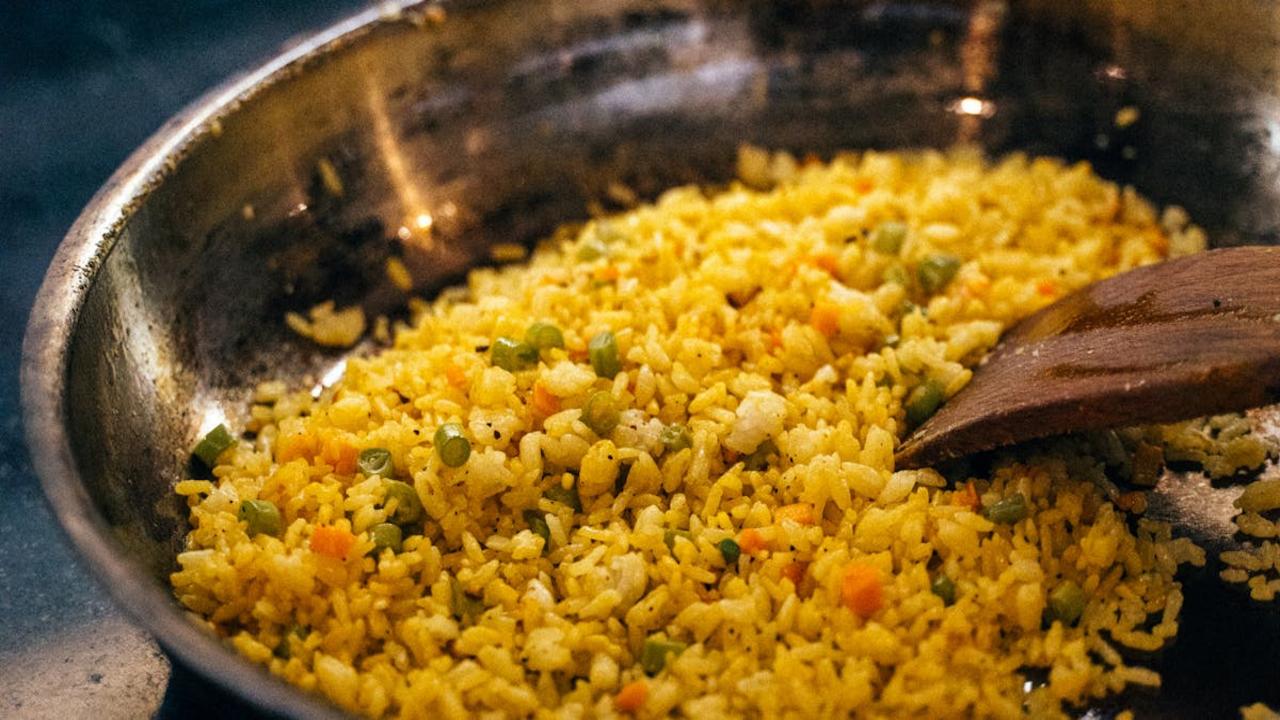
I’ve seen way too many rice dishes sitting at unsafe temperatures during my visits to buffets across the country. Rice becomes a breeding ground for bacteria when kept at room temperature, putting you at risk for food poisoning. The danger zone sits between 40°F and 140°F – exactly where most lukewarm rice dishes end up after sitting out too long. Your best move is to skip any rice that doesn’t feel properly hot or cold, even if it looks perfectly fine on the surface.
You’ll want to pay extra attention to rice mixed with other ingredients like vegetables or meat, since these combinations can create ideal conditions for bacterial growth. If you spot rice dishes that seem barely warm or those that have clearly been sitting out for a while, move on to other options. I always remind my readers that properly cooked rice should steam when served hot or feel distinctly chilled if it’s meant to be cold. Your health matters more than sampling every dish at the buffet, so make smart choices about the rice dishes you pick.
Lettuce Based Salads
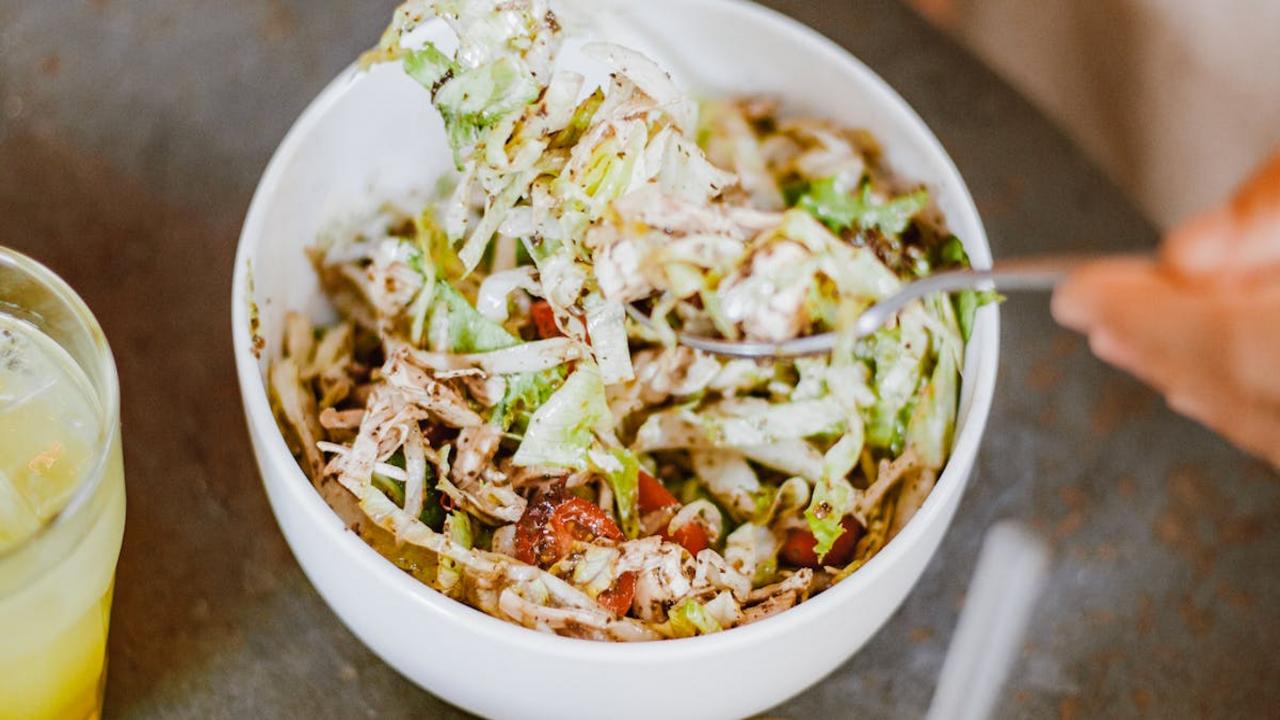
While I love a fresh, crisp salad, I recommend skipping the lettuce-based options at buffets. Raw lettuce can become a breeding ground for bacteria when left at room temperature for extended periods. Even with proper refrigeration and sneeze guards, these greens often wilt quickly under the bright buffet lights and constant exposure to warm air. Plus, many people handle the serving utensils and may accidentally touch the lettuce, increasing contamination risks.
Instead of loading up on basic lettuce salads, go for heartier vegetable options like marinated vegetables, roasted bell peppers, or bean-based salads. These alternatives hold up better in buffet conditions and pack more nutrients per serving. If you really want a fresh salad, pick ingredients that look crisp and check if the serving bowl sits on ice. Remember, your safest bet is to make your own garden-fresh salads at home where you control the storage and handling of delicate greens.
Crab Legs near Closing Time
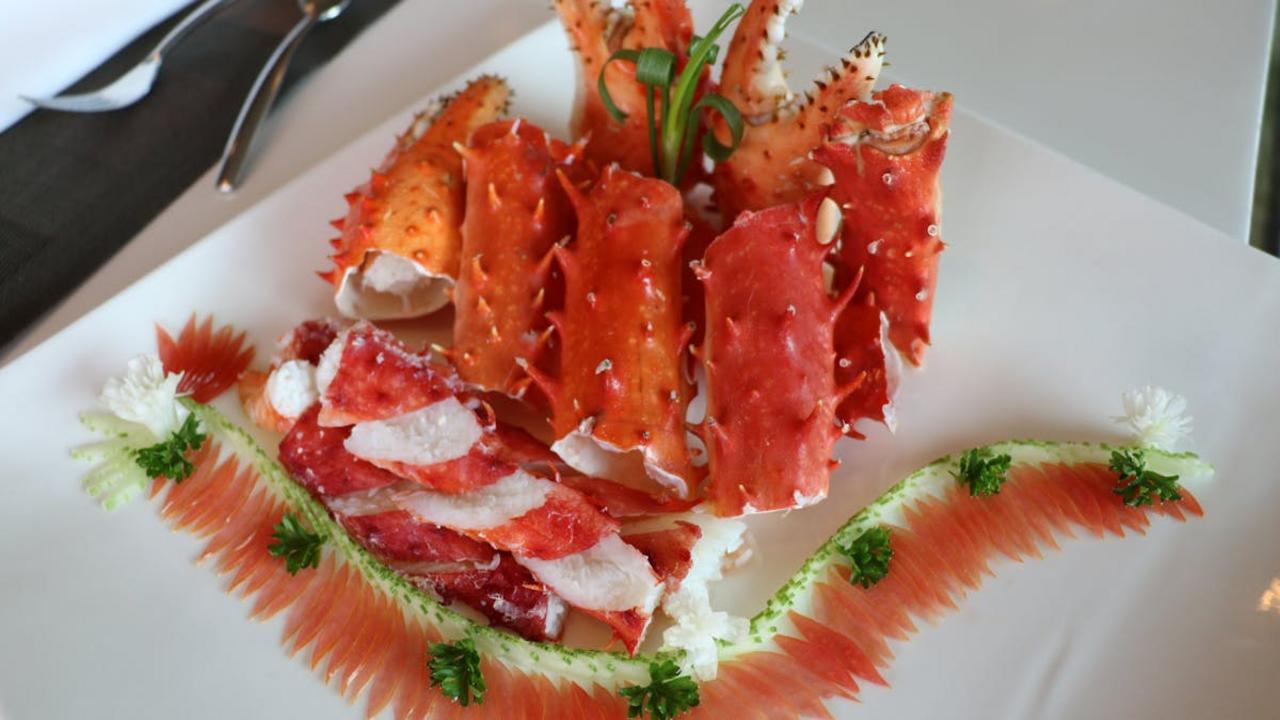
I’ve seen countless buffet-goers make a beeline for those glistening crab legs during the final hour of service, but I need to warn you about this common mistake. Those seemingly appealing shellfish have likely been sitting out for hours, getting progressively warmer and losing their fresh-from-the-ocean quality. The steam tables can only maintain food at safe temperatures for so long, and seafood is particularly sensitive to time and temperature changes. Plus, many buffets won’t replenish their crab leg supply as closing time approaches.
Your best bet is to grab crab legs earlier in the service when they’re fresher and the staff actively monitors and replaces them. During peak hours, you’ll find the crab legs crisp, sweet, and properly chilled – exactly how they should be. If you visit a buffet specifically for the crab legs (like I often do!), plan your visit during the first few hours of service. This way, you’ll get the best quality and reduce your risk of getting seafood that might upset your stomach later. Your tummy will thank you for making this smart choice!
Cream Based Soups
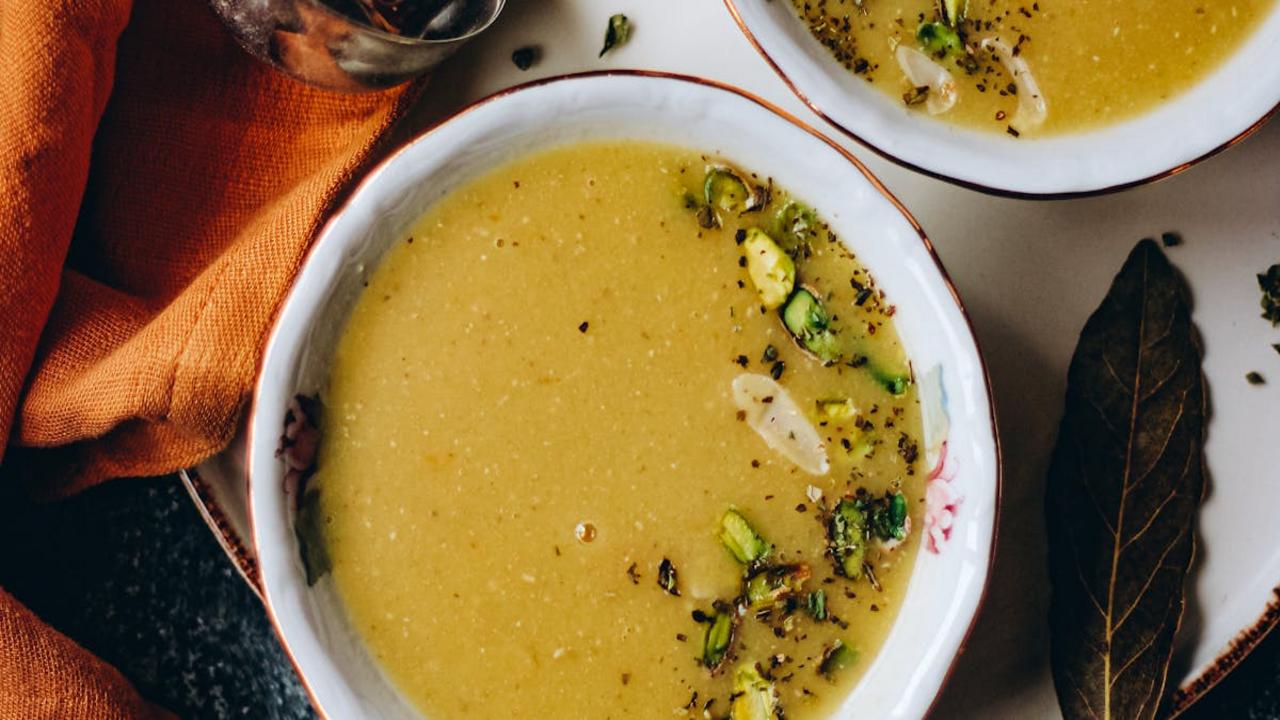
I know cream-based soups can look so tempting at buffets with their rich, velvety appearance, but I recommend you skip them. The main issue? These soups often sit at less-than-ideal temperatures in those big buffet containers, creating perfect conditions for bacteria growth. Plus, dairy products can become unstable when held for long periods, potentially leading to separation or spoilage that you might not notice right away.
Another reason to pass on cream soups at buffets? They pack a hefty caloric punch that can quickly fill up your plate’s real estate. Many buffet-style cream soups contain thickeners, extra butter, and heavy cream to maintain their consistency throughout service time. You’ll make a smarter choice by going for clear broths or vegetable-based soups instead – they’re lighter, safer, and will leave more room for you to sample other dishes you really want to try.
Caesar Salad
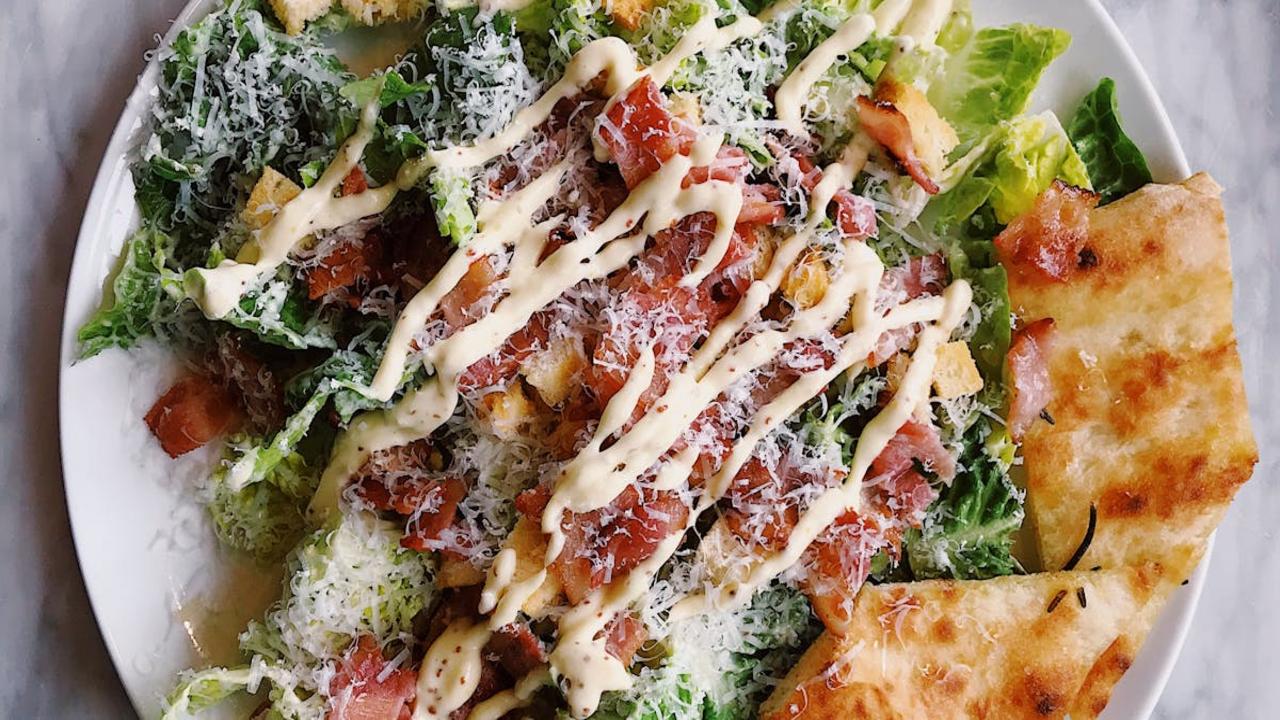
I know you might be thinking “it’s just a salad, how bad can it be?” But Caesar salad at buffets can pack a sneaky caloric punch that’ll make you regret filling your plate with it. Most buffet versions load up on heavy, cream-based dressing, fatty croutons, and excessive parmesan cheese. The romaine lettuce often sits out for hours, becoming limp and losing its nutritional value, while the dressing grows warm – creating perfect conditions for bacteria growth.
If you’re set on having a salad at the buffet, I recommend building your own from the fresh vegetable bar instead. Pick crisp greens and raw vegetables that look fresh and recently replenished. You’ll get more nutrients and reduce your risk of foodborne illness. Plus, you can control your portions of dressing and toppings, making it a truly healthy choice. The pre-made Caesar salad might look tempting, but trust me – your body will thank you for skipping it.
Hollandaise Sauce
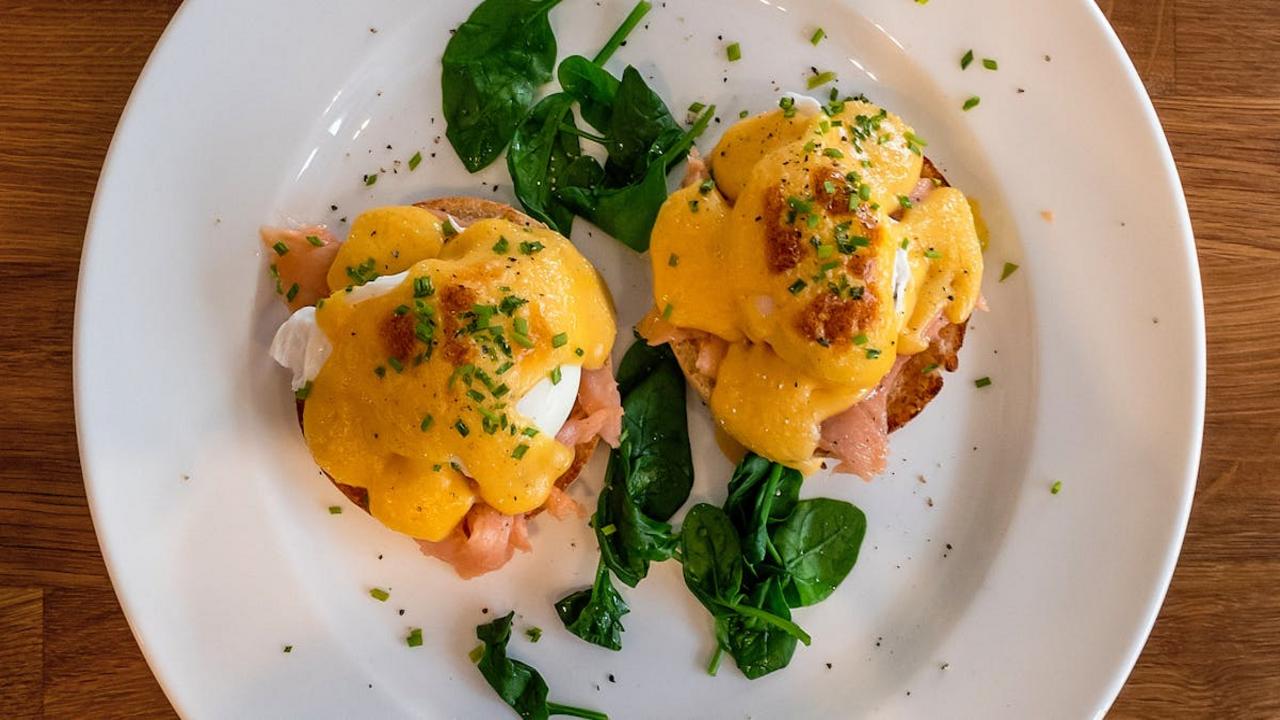
I’ll be honest with you – hollandaise sauce at buffets makes me nervous! The classic French sauce needs strict temperature control to stay safe for eating, and many buffets struggle to maintain those precise conditions. The mixture of raw egg yolks, butter, and lemon juice creates an ideal environment for bacteria growth if the sauce sits out too long or drops below 140°F. You don’t want to risk getting sick from improperly stored hollandaise, no matter how tempting those eggs Benedict look.
Making fresh hollandaise sauce takes skill and constant attention – it’s not something that holds up well for extended periods like at a buffet. The sauce can quickly separate, becoming greasy and unappetizing, or worse, dangerous to eat. I recommend skipping dishes with hollandaise sauce at buffets and saving your craving for a made-to-order brunch spot where you know the sauce will be fresh and properly handled. Your stomach will thank you for making the smart choice to pass on this risky buffet item.
Scrambled Eggs
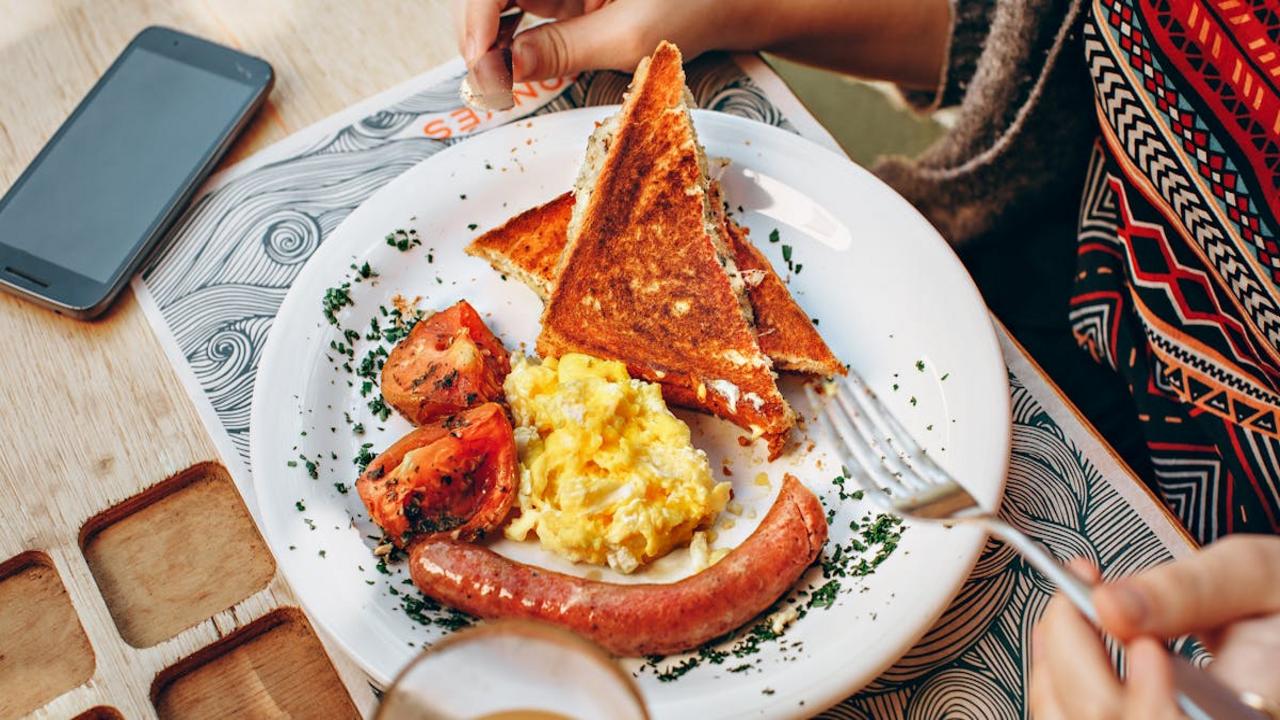
I’ll be honest with you – those pale yellow, rubbery scrambled eggs sitting in the buffet tray should raise a red flag. Buffet scrambled eggs often come from liquid egg mixtures that contain preservatives and stabilizers to help them last longer under the heat lamps. Many buffets prepare these eggs hours before service and keep reheating them, which ruins their texture and makes them dry and unappetizing. The constant exposure to heat also creates a perfect environment for bacteria growth if the temperature isn’t properly maintained.
Your best bet is to skip the pre-made scrambled eggs and head to the omelet station instead, where you can watch the chef prepare your eggs fresh. At made-to-order stations, you’ll get real eggs cooked right in front of you, and you can choose your own mix-ins like cheese, vegetables, and meats. The texture will be much better – soft and fluffy rather than tough and chewy. Plus, you’ll know exactly how long your eggs have been sitting out, giving you better peace of mind about food safety.
Raw Oysters
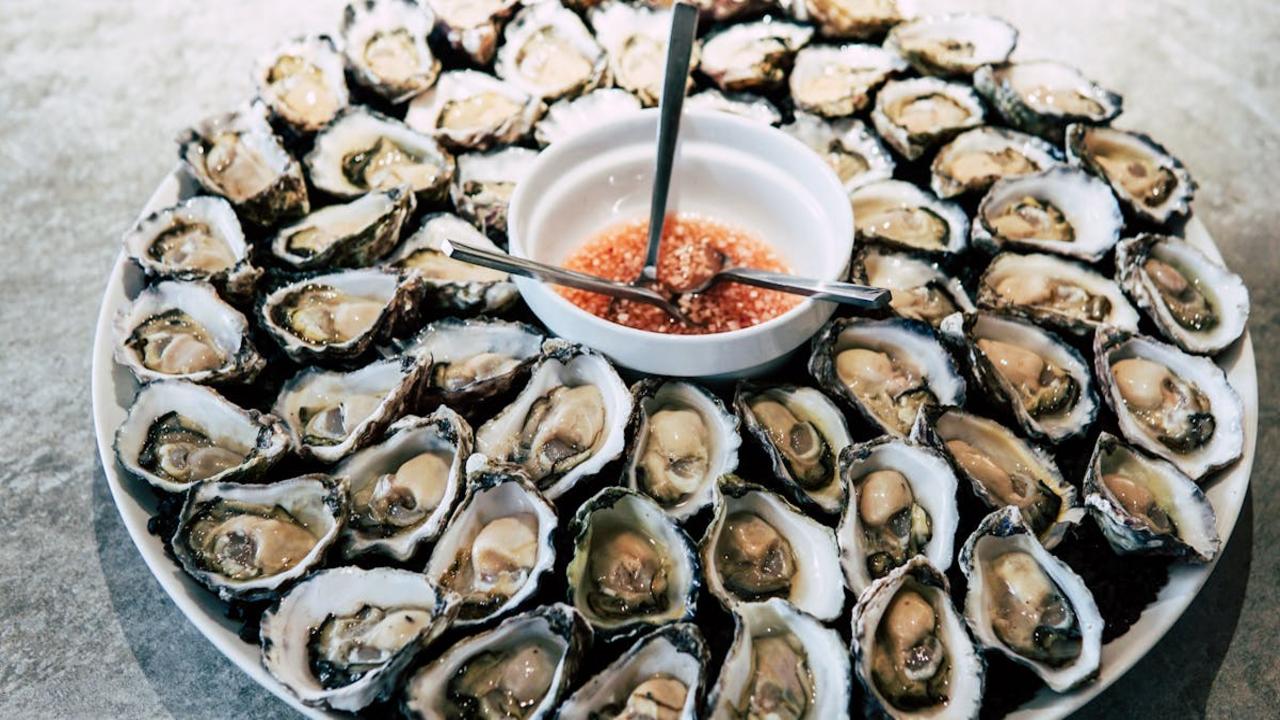
I know raw oysters can look so tempting at a buffet, but I’ll be straight with you – they’re one of the riskiest items you can choose. Even at high-end restaurants, raw oysters need careful handling and immediate serving to stay fresh and safe. At a buffet where food sits out for hours, the risk of bacterial growth skyrockets. Vibrio bacteria, which naturally live in coastal waters where oysters grow, can multiply quickly at room temperature and cause serious food poisoning.
Your best move is to skip the raw oysters at buffets completely, no matter how fresh they claim to be. The CDC reports that about 80,000 people get sick from vibrio infections each year, with raw oysters being a common source. If you’re craving oysters, head to a reputable seafood restaurant where they’re shucked to order, or better yet, try the cooked options at the buffet instead. Fried or grilled oysters can give you that briny seafood flavor you want while keeping you safe from foodborne illness.
Sushi Rolls
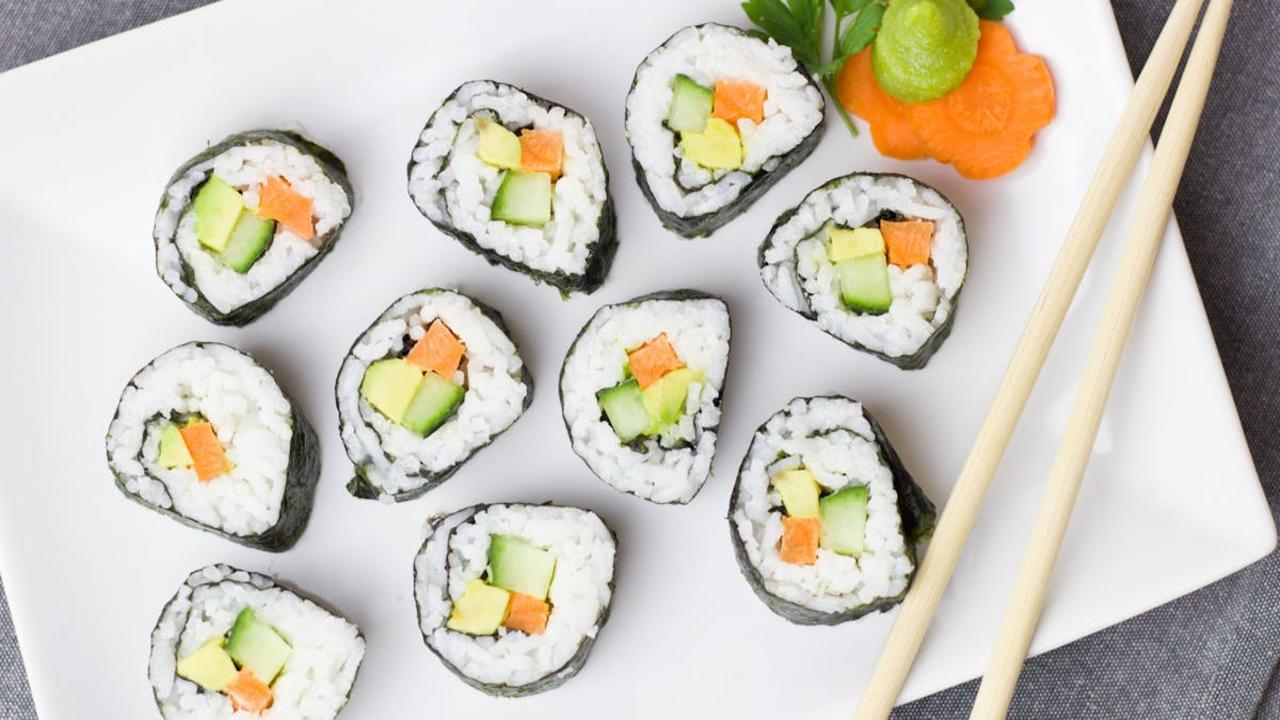
I’ll be honest with you – sushi rolls at all-you-can-eat buffets make me nervous. Most buffet sushi sits out for long periods at less-than-ideal temperatures, which can lead to bacterial growth in the raw fish. The rice often becomes dry and hard while the nori (seaweed wrapper) gets chewy and tough. Plus, many buffets try to cut costs by using lower-quality fish that might not meet the strict standards needed for safe raw consumption.
Quality sushi demands expert preparation, pristine ingredients, and immediate serving – three things that are nearly impossible to maintain at a buffet. If you’re craving sushi, I recommend visiting a dedicated sushi restaurant where trained chefs prepare each roll fresh to order. The fish will be properly stored at the right temperature, and you’ll get that perfect balance of tender fish, seasoned rice, and crisp nori that makes sushi so special. Your stomach (and taste buds) will thank you for making the safer choice!