14 Dairy-Free Foods Loaded with Calcium
Need calcium but can’t do dairy? I’ve got you covered! Many people think dairy is the only way to get this bone-building mineral, but nature offers plenty of dairy-free calcium powerhouses. From plant-based options to seafood selections, you’ll find calcium in surprising places without touching a drop of milk.
I discovered these alternatives during my own kitchen experiments. After cutting back on dairy, I worried about getting enough calcium until I found these 14 incredible foods. Each one brings its own unique flavors and textures to your meals while supporting strong bones, healthy muscles, and proper nerve function.
Adding these calcium-rich options to your daily meals is simpler than you might think. Sprinkle some almonds on your morning oatmeal, toss leafy greens into your lunch salad, or enjoy sardines on crackers for a quick snack. Your body won’t know the difference, but your taste buds will thank you for the variety!
Salmon

You know, when I first started cooking seriously, salmon became my gateway to understanding how one ingredient can completely transform your approach to nutrition. This gorgeous pink fish packs around 180-200 milligrams of calcium per 3.5-ounce serving, especially when you buy canned salmon with the bones included – those tiny, soft bones are calcium powerhouses that blend seamlessly into your dishes. I love how salmon bridges the gap between comfort food and serious nutrition, giving you that rich, buttery flavor while secretly loading your body with bone-building minerals.
What excites me most about salmon is how it plays beautifully with global flavors – I’ve tossed flaked canned salmon into Mediterranean grain bowls with tahini dressing, folded it into Japanese-inspired rice bowls with miso and sesame, and even created Indian-spiced salmon patties that my whole family devours. The canned variety works particularly well for weeknight cooking because those bones have already softened during processing, creating this incredible calcium boost without any weird texture. Fresh salmon works too, but you’ll want to choose bone-in fillets and eat them carefully to maximize that calcium intake – plus the omega-3 fatty acids make this fish a complete nutritional superstar.
Orange Juice

You know what surprised me the first time I started cooking for my lactose-intolerant cousin? Orange juice can be just as calcium-rich as milk when you choose the fortified varieties. I’m talking about 300-350 milligrams of calcium per cup – that’s more than what you’d get from a glass of dairy milk! Most commercial orange juice brands add calcium carbonate, which your body absorbs beautifully. I love starting my morning with a fresh glass, knowing I’m getting that bone-strengthening goodness along with vitamin C that actually helps my body absorb the calcium better.
Here’s my favorite trick: I use calcium-fortified orange juice in smoothies instead of milk. Blend it with spinach, banana, and a handful of almonds for a powerhouse breakfast drink that tastes like sunshine in a glass. The natural citrus masks any earthiness from the greens, and you’re getting calcium from multiple sources. I also reduce orange juice down into a glaze for roasted vegetables or use it in marinades for chicken. Just remember to shake that carton well before pouring – the calcium can settle at the bottom, and you want every bit of that nutritional gold in your glass.
Soybeans
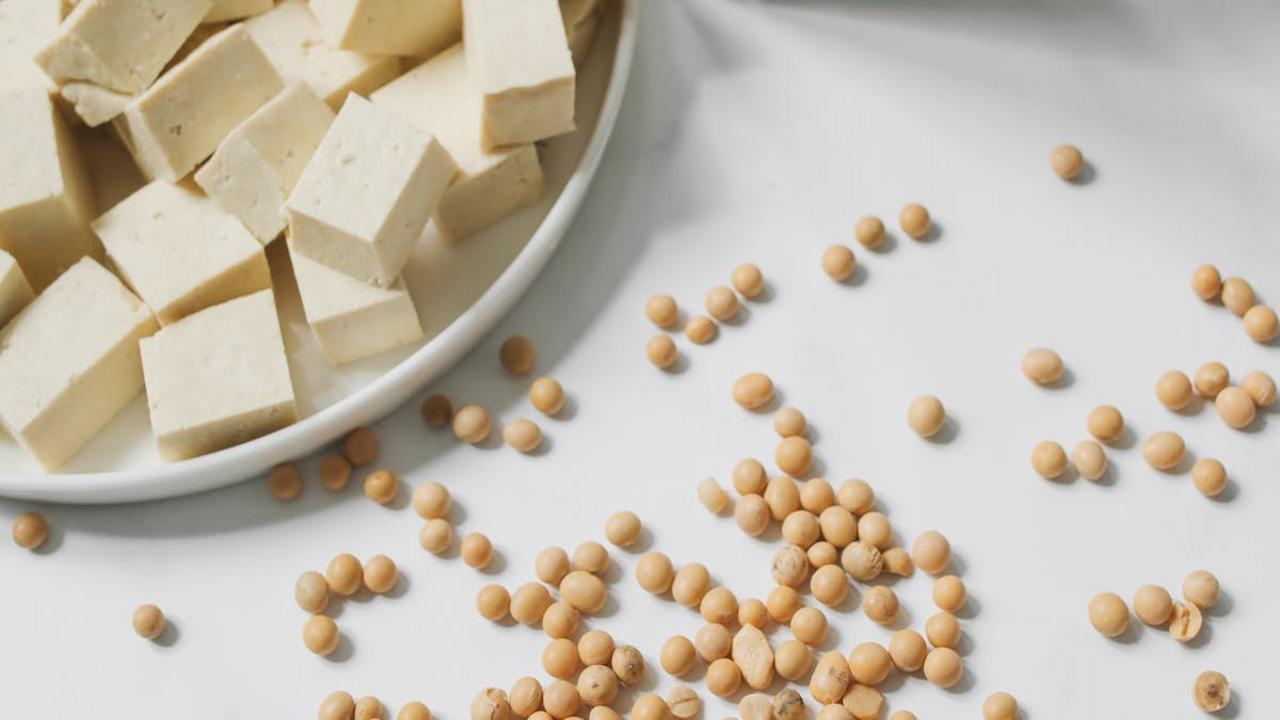
You know what makes me excited about soybeans? They’re like little calcium powerhouses disguised as humble legumes! A single cup of cooked soybeans delivers around 175 milligrams of calcium – that’s nearly 20% of your daily needs. I love how versatile these golden gems are in my kitchen. You can toss them into stir-fries, blend them into creamy soups, or even roast them with spices for a crunchy snack. What really gets me going is how soybeans transform into so many different forms – from silky tofu to rich tempeh to creamy soy milk.
The beauty of working with whole soybeans lies in their complete protein profile and their ability to absorb whatever flavors you pair them with. I often cook them with ginger, garlic, and a splash of tamari for an Asian-inspired side dish, or I’ll simmer them in a tomato-based sauce with herbs for a Mediterranean twist. Fresh edamame (young soybeans) make fantastic additions to grain bowls and salads, bringing that satisfying pop and nutty flavor. What I appreciate most is how these beans support bone health naturally while adding substance and nutrition to your meals without relying on processed alternatives.
Sesame Seeds
These tiny powerhouses pack an incredible calcium punch that will make you rethink how you view seeds in your kitchen. Just one tablespoon of unhulled sesame seeds delivers about 88 milligrams of calcium – that’s nearly 10% of your daily needs in such a small package! I keep jars of both white and black sesame seeds on my counter because they transform ordinary dishes into something special while secretly boosting your bone health.
You can toast them in a dry pan for 2-3 minutes until fragrant, then sprinkle over salads, stir into homemade granola, or blend them into tahini for the creamiest hummus you’ve ever tasted. I love grinding toasted sesame seeds with a pinch of salt to make gomashio – a Japanese seasoning that adds nutty depth to everything from roasted vegetables to rice bowls. The beauty of sesame seeds lies in their versatility; they work equally well in sweet applications like tahini cookies or savory dishes like za’atar-crusted chicken, all while quietly strengthening your bones with every bite.
Oranges

You know what I love about oranges? They’re hiding a calcium secret that most people miss completely. While everyone thinks of them as vitamin C powerhouses, one medium orange gives you about 52 milligrams of calcium. I always keep a bowl of fresh oranges on my counter because they work magic in both sweet and savory dishes. When I’m making my Moroccan-inspired tagines, I’ll add fresh orange segments right at the end, and that citrusy brightness paired with warm spices creates something absolutely beautiful. The natural sugars in oranges also help your body absorb the calcium better – nature really knows what it’s doing.
What gets me excited about cooking with oranges is how they transform everything they touch. I use fresh orange juice in my salad dressings instead of buying those processed bottles, and the difference is incredible. The zest goes into my homemade granola, giving it this bright, floral note that wakes up your whole kitchen. My favorite trick is roasting orange slices with root vegetables – the caramelization that happens brings out this deep, complex sweetness that makes even the kids ask for seconds. Plus, when you eat the whole fruit instead of just drinking juice, you get fiber and all those beneficial compounds that work together. That’s the kind of wholesome cooking that feeds your soul and your bones.
Broccoli
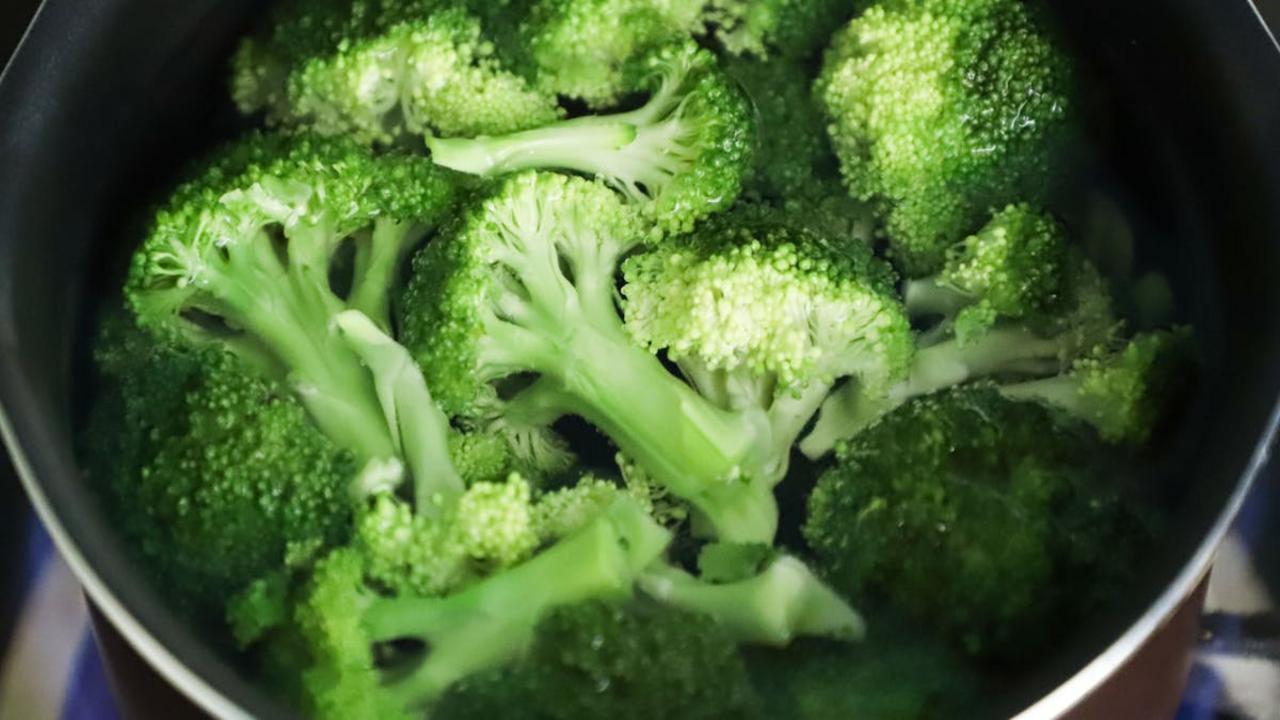
You know that vibrant green crown sitting in your crisper drawer? It’s practically a calcium powerhouse disguised as a vegetable! One cup of cooked broccoli delivers about 62 milligrams of calcium, plus you get a bonus dose of vitamin K and folate. I love how broccoli becomes this beautiful canvas for flavors from around the world – whether I’m tossing it with garlic and chili flakes for an Italian-inspired side, or stir-frying it with ginger and sesame oil for an Asian twist.
The beauty of broccoli lies in its versatility and how it transforms with different cooking methods. I roast it until the edges get crispy and caramelized, creating these incredible nutty flavors that make even skeptical eaters ask for seconds. Sometimes I blanch the florets quickly and fold them into grain bowls with tahini dressing, or blend the stalks (yes, the stalks!) into creamy soups. Don’t throw away those thick stems – they’re packed with calcium too and add wonderful texture when diced into stir-fries or grated into slaws. This humble vegetable proves that getting your calcium doesn’t require complicated ingredients or fancy techniques.
Figs
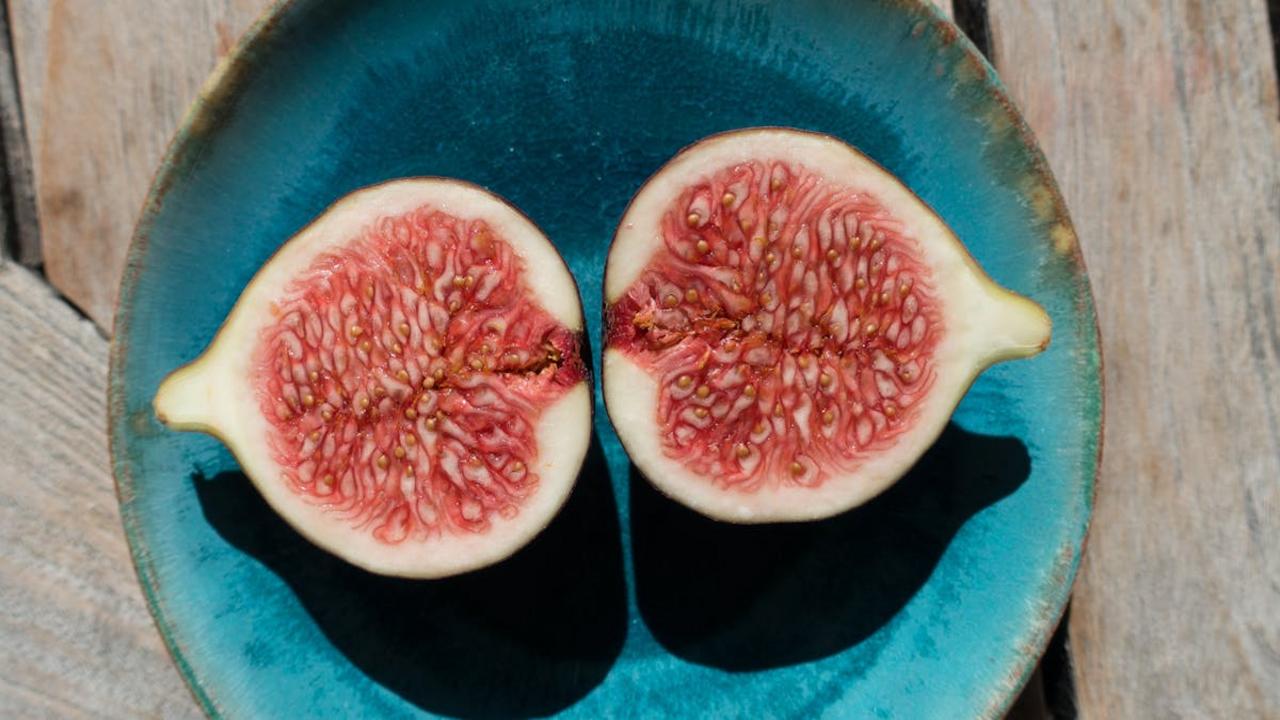
I remember the first time I bit into a perfectly ripe fig from my neighbor’s tree – the honey-sweet flesh practically melted on my tongue, and I had no idea I was getting a serious calcium boost! Fresh figs pack about 35 mg of calcium per cup, while dried figs concentrate that goodness even further with roughly 120 mg per half-cup serving. What makes figs particularly special is how they pair beautifully with other calcium-rich ingredients in both sweet and savory applications.
You can slice fresh figs over tahini-drizzled toast for breakfast, stuff them with almond butter for a quick snack, or toss dried ones into your morning oatmeal with chopped almonds. I love adding chopped dried figs to grain salads with leafy greens and sesame seeds – the natural sweetness balances bitter greens perfectly while creating a calcium powerhouse meal. During fig season, I make a simple compote by simmering fresh figs with a splash of lemon juice and a pinch of cardamom, then spoon it over chia pudding or blend it into smoothies for an extra mineral boost.
Edamame

You know those little green soybeans you see at Japanese restaurants? Edamame packs a serious calcium punch that most people don’t realize. One cup of shelled edamame gives you about 98 milligrams of calcium, plus a hefty dose of plant-based protein and fiber. I keep frozen edamame in my freezer year-round because it’s one of those versatile ingredients that transforms simple dishes into something special. You can steam them straight from frozen in just five minutes, toss them with sea salt and sesame oil, then sprinkle them over salads or grain bowls for an instant calcium boost.
What I love most about edamame is how it bridges different cooking styles seamlessly. I’ll mash cooked edamame with garlic, lemon juice, and tahini for a protein-rich hummus alternative, or fold them into fried rice for extra texture and nutrition. They work beautifully in Mediterranean-inspired dishes too – try them mixed with feta, cherry tomatoes, and fresh herbs for a quick lunch that hits all your calcium needs. The key is buying them already shelled if you’re planning to use them in recipes, though eating them straight from the pod with just a sprinkle of coarse salt remains one of life’s simple pleasures.
White Beans
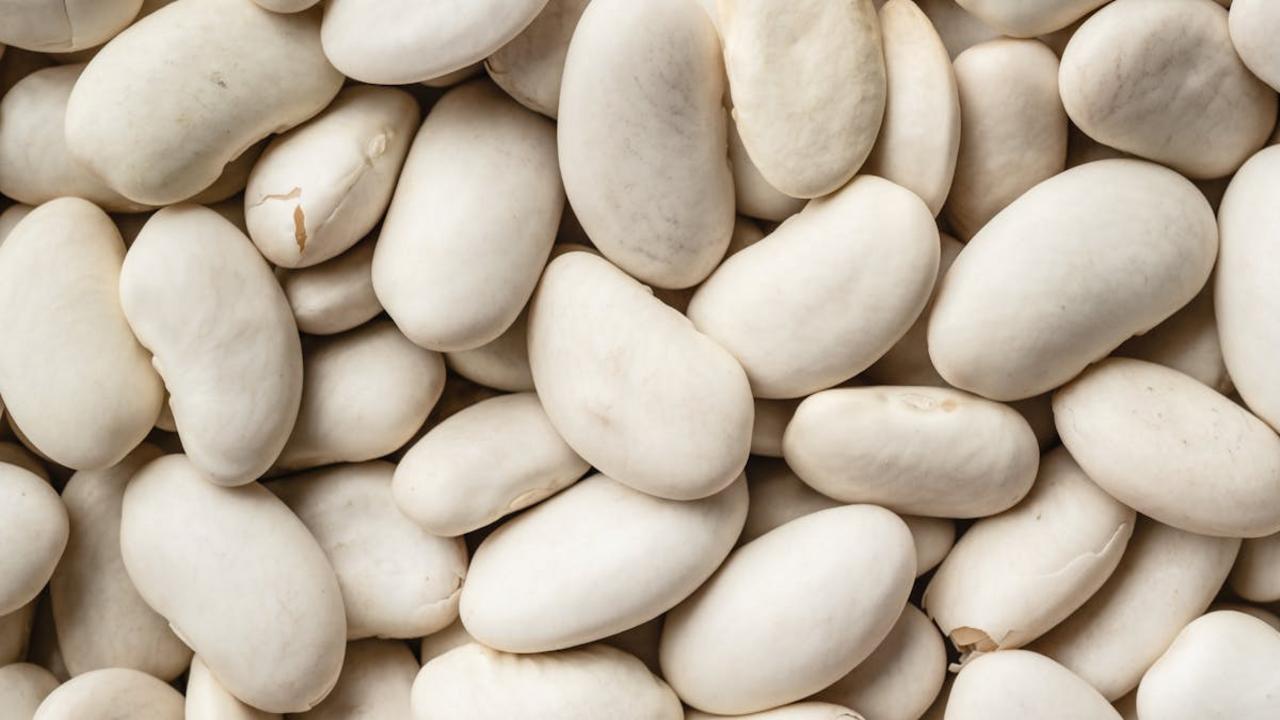
You know that can of white beans sitting in your pantry? It’s actually a calcium powerhouse waiting to transform your next meal! A single cup of cooked white beans delivers around 160mg of calcium – that’s roughly 16% of your daily needs. I love how these creamy legumes work magic in both rustic Mediterranean dishes and bold Latin American stews. Their neutral flavor makes them incredibly versatile, soaking up whatever spices and aromatics you throw their way.
I often reach for white beans when I’m craving something hearty yet nourishing. Toss them into a warming minestrone with fresh herbs, blend them into a silky hummus with tahini and lemon, or simply sauté them with garlic and rosemary for a quick protein-packed side. The beauty of cooking from scratch with whole ingredients like these means you control every element – no mysterious additives, just pure nutrition. Plus, they’re budget-friendly and shelf-stable, making them perfect for those spontaneous cooking moments when inspiration strikes but the fridge looks bare.
Chia Seeds
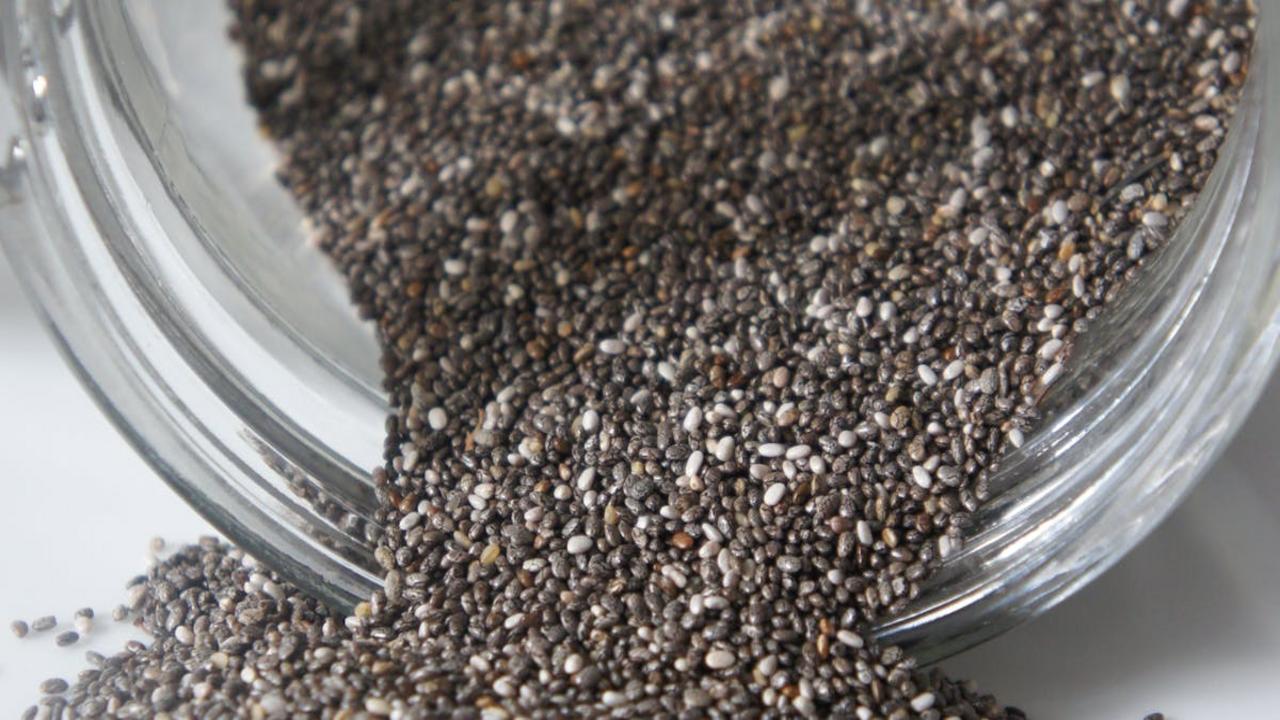
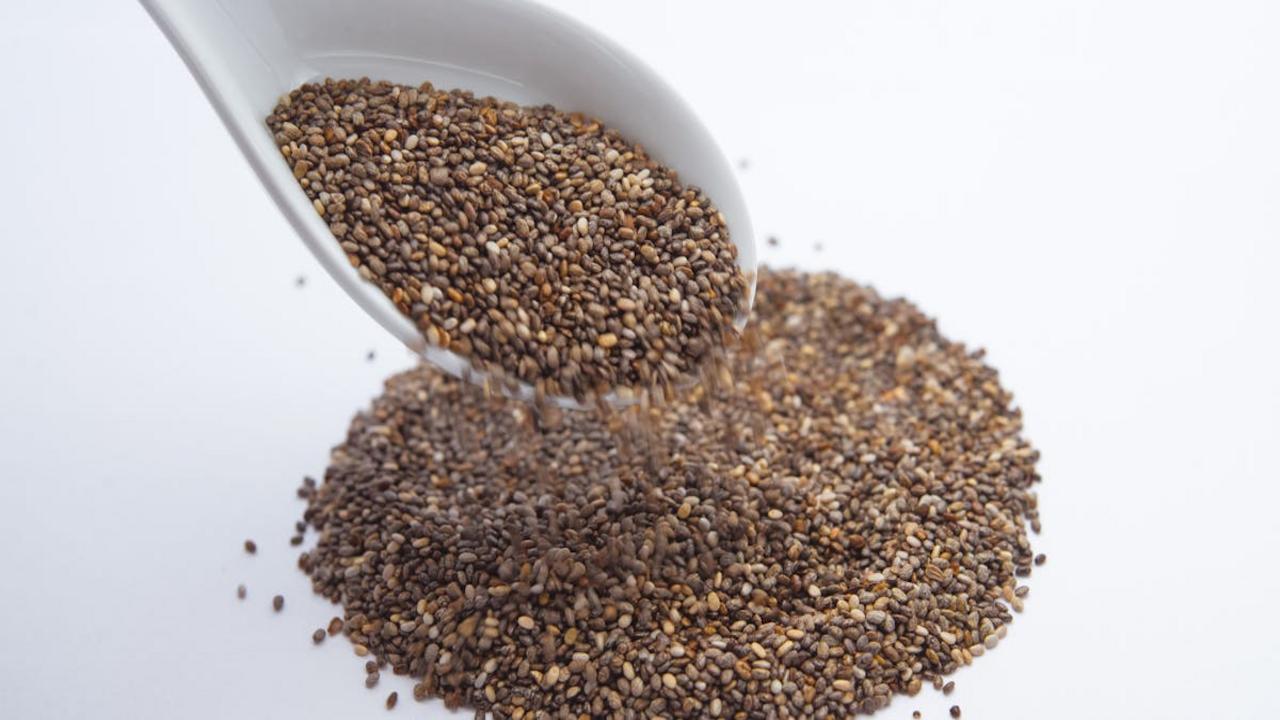
These tiny black seeds pack an incredible calcium punch that rivals many traditional dairy sources. Two tablespoons of chia seeds deliver about 180 milligrams of calcium—that’s roughly 18% of your daily needs! I love how these nutritional powerhouses transform any dish they touch. You can sprinkle them raw over your morning smoothie bowl, but here’s where the magic happens: when you soak them in plant milk for just 15 minutes, they create this wonderful pudding-like texture that becomes the base for countless breakfast creations.
What excites me most about chia seeds is their incredible versatility in the kitchen. I often make overnight chia puddings with coconut milk, vanilla, and a touch of maple syrup, then top them with fresh berries and crushed nuts for a calcium-rich breakfast that feels like dessert. You can also blend soaked chia seeds into smoothies for extra creaminess, mix them into homemade granola, or even use them as an egg replacement in baking—just combine one tablespoon with three tablespoons of water and let it gel for five minutes. The neutral flavor means they adapt beautifully to both sweet and savory preparations.
Leafy Greens
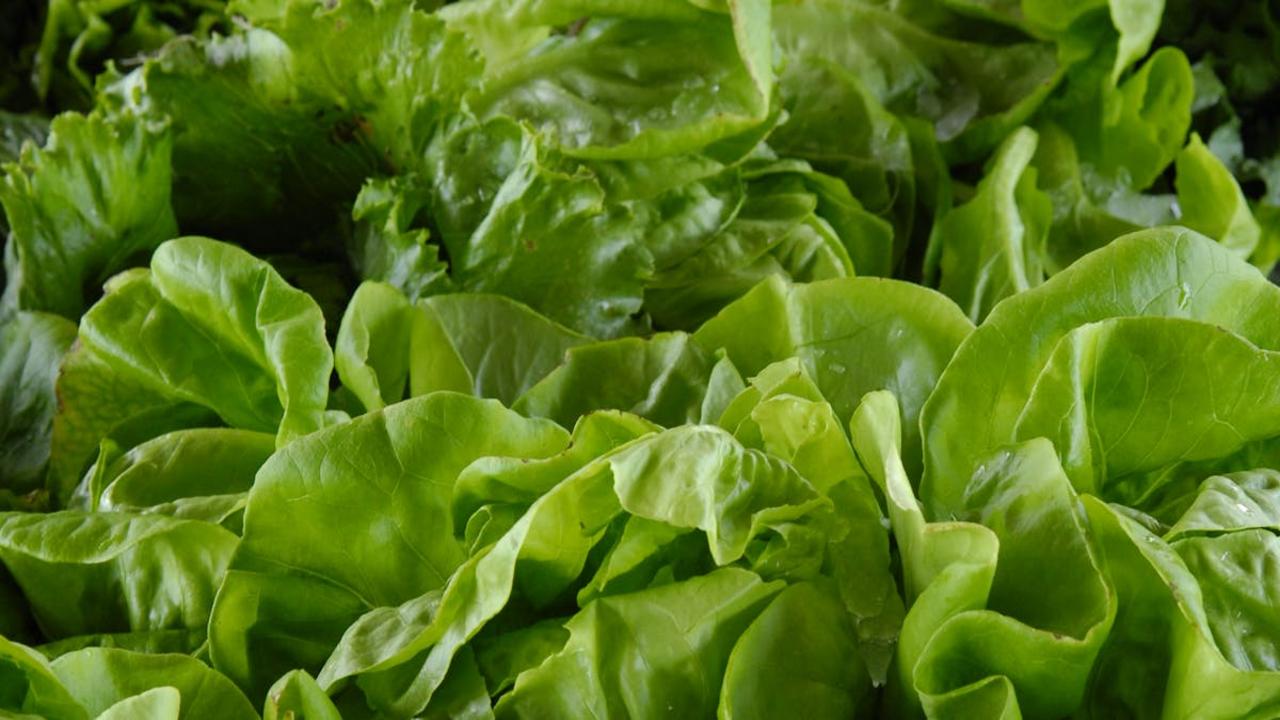
You know what I love about leafy greens? They’re like nature’s calcium powerhouses hiding in plain sight! I remember the first time someone told me that kale has more calcium per ounce than milk – I had to double-check that fact because it seemed too good to be true. But here we are, and greens like collard greens, bok choy, kale, and spinach are absolutely packed with this bone-building mineral. When I’m cooking collard greens the way my grandmother taught me, I know I’m getting around 268 mg of calcium in just one cup of cooked greens. That’s nearly a quarter of your daily calcium needs right there!
The beautiful thing about incorporating these calcium-rich greens into your cooking is how versatile they are across different cuisines. I love massaging kale with a bit of lemon juice and olive oil for a raw salad, or quickly stir-frying bok choy with garlic and ginger for that perfect Asian-inspired side dish. Collard greens become incredibly tender when braised slowly with onions and a splash of vegetable broth, while spinach practically melts into pasta dishes, curries, and smoothies. The key is not to overthink it – these greens want to be part of your daily cooking rotation, and your bones will thank you for it.
Tofu
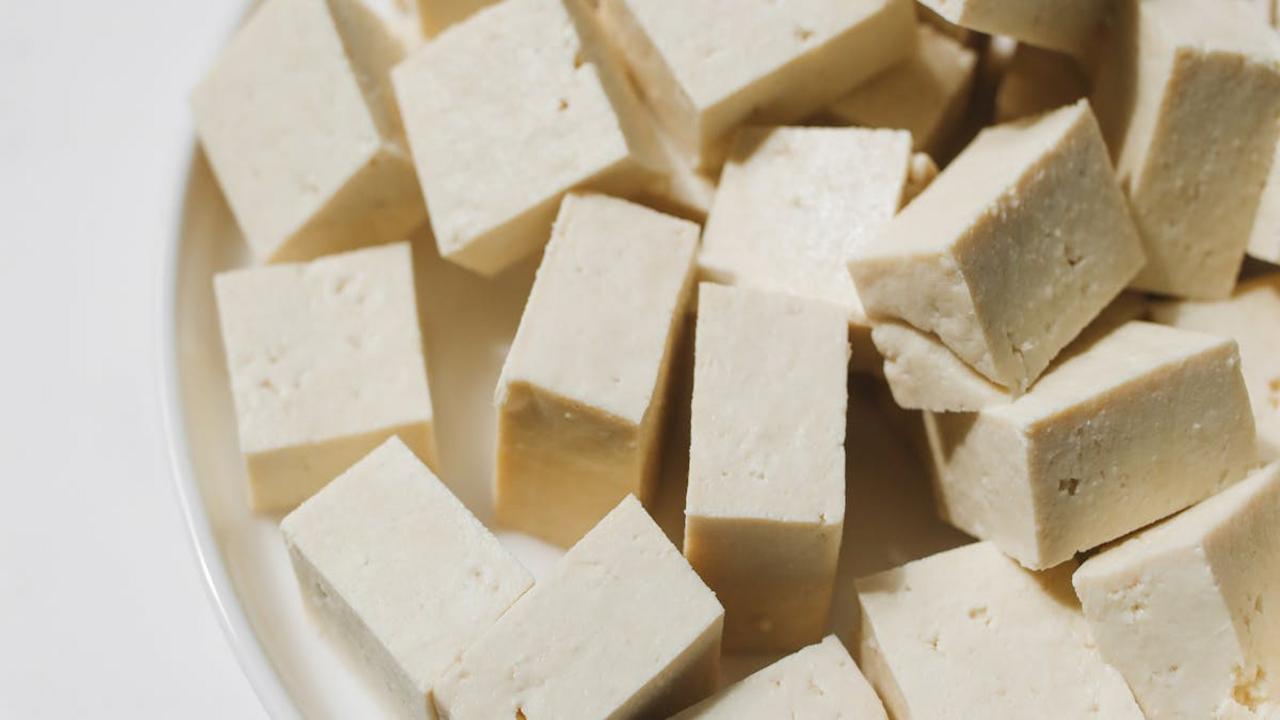
I remember the first time I made tofu from scratch in my kitchen – watching soybeans transform into silky curds felt like pure magic. This protein powerhouse delivers an impressive 350-400 mg of calcium per half-cup serving, making it one of the most reliable dairy-free calcium sources you can find. What makes tofu particularly special is how the calcium gets there naturally during the coagulation process, where calcium sulfate or calcium chloride helps form those tender curds we know and love.
The beauty of tofu lies in its chameleon-like ability to absorb whatever flavors you pair it with. I love pressing extra-firm tofu until it’s beautifully dense, then marinating it in tamari, ginger, and garlic before pan-frying until golden. For silken varieties, I blend them into creamy pasta sauces or whip them into chocolate mousse that nobody would guess contains tofu. Whether you’re crumbling firm tofu into scrambles, adding cubes to miso soup, or grilling thick slabs with Korean barbecue sauce, you’re getting that calcium boost while creating incredibly satisfying meals that prove plant-based eating never means sacrificing flavor or nutrition.
Almonds
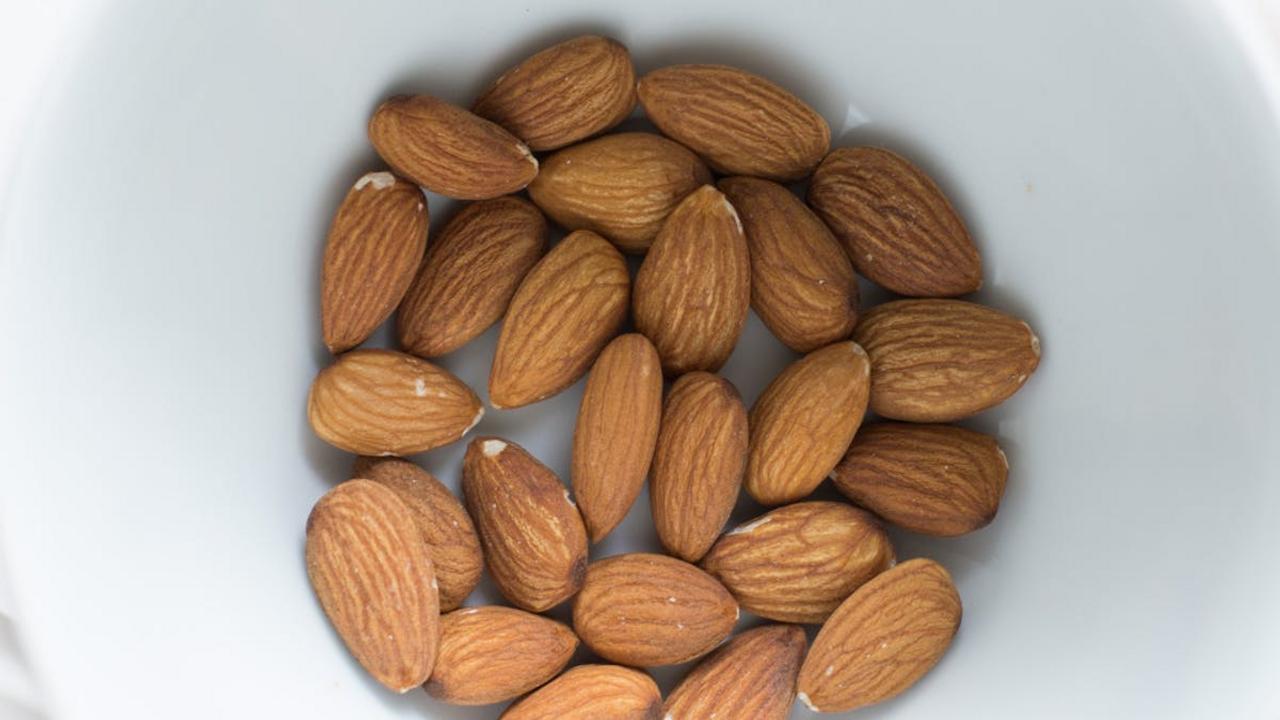
I keep a jar of raw almonds on my kitchen counter because they’re one of nature’s most reliable calcium sources – just one ounce gives you about 75 milligrams of this bone-building mineral. What I love most about almonds is their incredible versatility in my daily cooking. I toss them into my morning smoothies for extra creaminess, blend them into homemade almond milk that tastes infinitely better than store-bought versions, or simply grab a handful as an afternoon snack. Their natural sweetness pairs beautifully with both savory dishes like my Moroccan-inspired tagines and sweet treats like date energy balls.
Beyond their calcium content, almonds bring healthy fats and protein to every meal, making them perfect for anyone avoiding dairy while still wanting nutritious, satisfying food. I particularly enjoy making fresh almond butter in my food processor – it takes just minutes and transforms into the most luxurious spread without any added oils or preservatives. Try incorporating sliced almonds into your next salad or grinding them into flour for gluten-free baking. Their mild, buttery flavor works seamlessly across cuisines, whether you’re making Indian korma, Mediterranean pilaf, or simple roasted vegetables with a crunchy almond topping.
Sardines

I know what you’re thinking—sardines aren’t exactly the first thing that comes to mind when you’re craving something dairy-free and calcium-rich. But hear me out! These tiny silver fish pack an incredible 351 milligrams of calcium per 3.75-ounce can, which is roughly one-third of your daily needs. I’ve watched so many home cooks dismiss sardines without giving them a proper chance, and honestly, they’re missing out on one of nature’s most complete foods. Beyond calcium, sardines bring omega-3 fatty acids, protein, and vitamin D to your plate—a nutritional powerhouse that costs less than most fancy supplements.
The secret lies in knowing how to work with their bold, briny personality rather than fighting against it. I love mashing them into a rustic pâté with lemon juice, capers, and fresh herbs, then spreading it on sourdough toast for breakfast. Or try my Mediterranean approach: toss whole sardines with olive oil, garlic, and cherry tomatoes over pasta—the fish breaks down beautifully, creating this rich, umami-packed sauce that doesn’t taste “fishy” at all. Start with high-quality sardines packed in olive oil, and you’ll discover they’re actually quite versatile. Your bones will thank you, and your taste preferences might surprise you once you find your favorite preparation method.