14 Eco-Friendly Superfoods That Benefit You and the Planet
Want to eat better while saving the planet? I’ve got news for you – your food choices can make a real difference! From humble lentils to exotic jackfruit, nature offers incredible superfoods that pack a nutritional punch without leaving a heavy environmental footprint. These foods don’t just nourish your body – they help create a more sustainable food system.
Ever wondered what makes these superfoods so special? Take seaweed, for example – it grows without freshwater, fertilizer, or land use. Or consider mussels, nature’s water filters that actually clean our oceans while providing omega-3s. Each superfood on this list brings its own unique set of benefits to both your health and our environment.
Ready for some unexpected additions? Beyond the familiar quinoa and tree nuts, we’ll look at innovative options like fly larvae (yes, really!) and microgreens. These foods represent the future of sustainable eating – they’re nutrient-dense powerhouses that require minimal resources to produce. Your next grocery list might look a bit different after this!
Tree Nuts
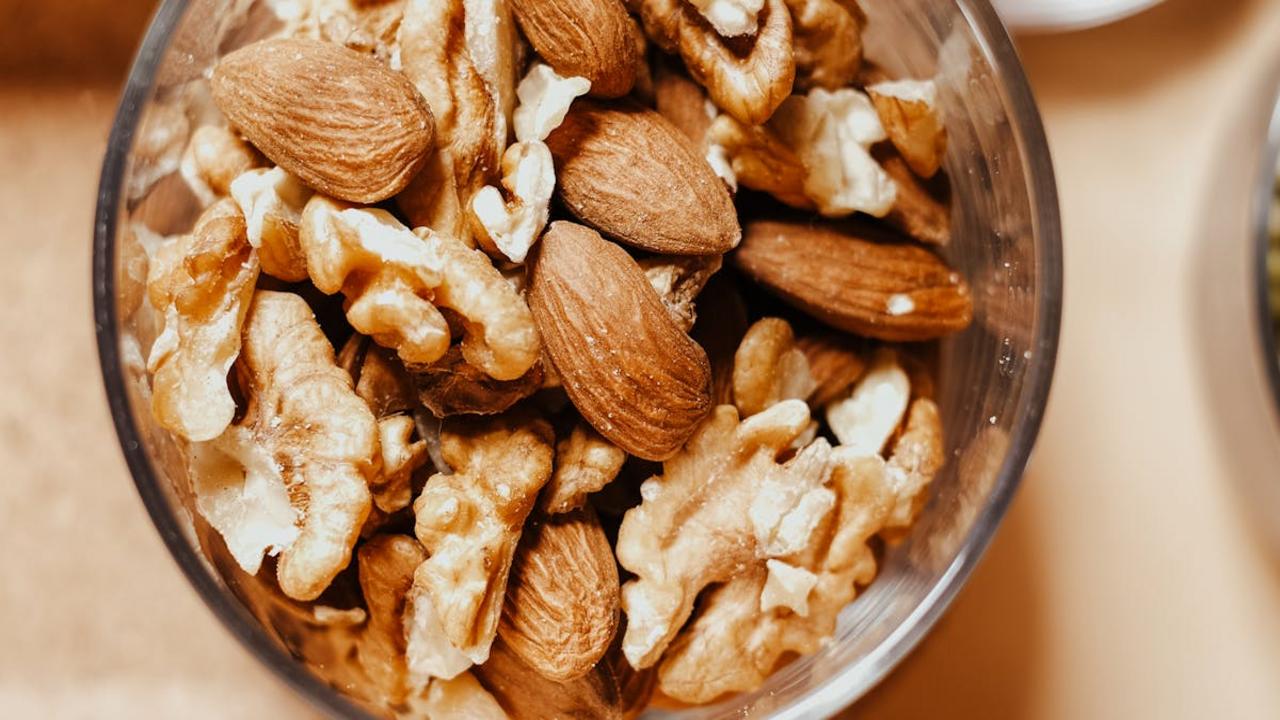
You know what’s wild? Tree nuts like almonds, walnuts, and pecans pack more environmental perks than most foods! These little nutrition powerhouses grow on trees that act like nature’s air filters, pulling carbon dioxide right out of our atmosphere. While your average almond tree might look modest, it’ll keep producing nuts for 25+ years, making it a fantastic long-term food source. Unlike annual crops that need replanting every year, these sturdy trees prevent soil erosion and create homes for local wildlife.
I’ve got a fun trick for you – toss a handful of mixed tree nuts into your morning oatmeal or yogurt for an instant protein and healthy fat boost. Each variety brings its own nutritional party to the table: Brazil nuts give you selenium, walnuts load you up with omega-3s, and pistachios deliver antioxidants by the bucketload. The best part? Many nut farmers now use advanced water conservation methods and integrated pest management, making your nutty snack habits even more earth-friendly. Just remember to buy from sustainable sources – your body and our planet will thank you!
Fava Beans
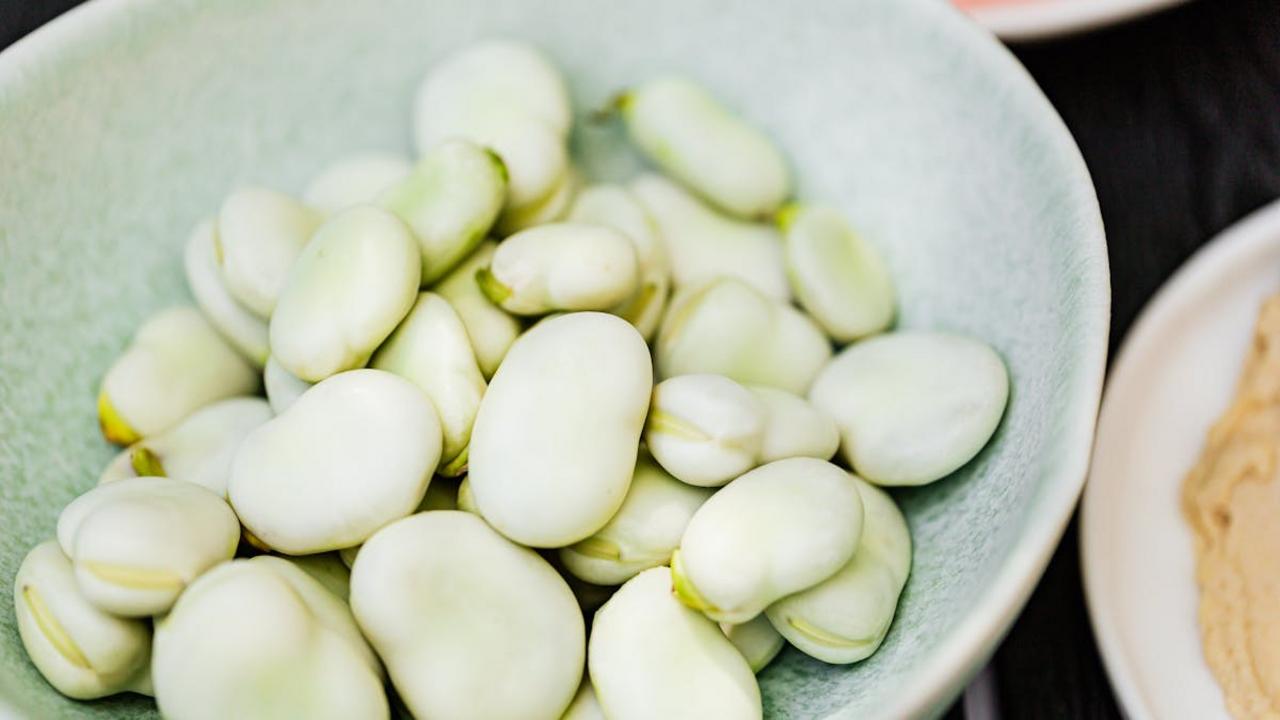
Oh my goodness, you need to meet these little green powerhouses called fava beans! I became obsessed with them after discovering their buttery, nutty flavor at a tiny Mediterranean restaurant in Brooklyn. These beans pack a serious protein punch (about 13g per cup!) while being total environmental superstars. Unlike many other crops, fava beans actually improve soil health by fixing nitrogen from the air into the ground – they’re like natural fertilizer factories! Plus, they need minimal water to grow and can thrive in cooler climates where other beans might struggle.
Want the best way to enjoy favas? Shell them twice (yes, twice – they have an outer pod and an inner skin), then quickly blanch them in salted water. I love tossing them with olive oil, fresh mint, and a squeeze of lemon for a simple spring salad. Or try them mashed on toast with garlic and a drizzle of good olive oil – it’s a traditional breakfast in Egypt! The pods and shells make excellent compost too, so you’ll create zero waste while enjoying these versatile beans. Just remember to buy them in season (usually spring) for the freshest, most tender beans.
Fly Larvae

I know what you’re thinking – fly larvae? Really? But hold onto your lunch because these tiny protein powerhouses pack a serious nutritional punch while helping our planet! Black soldier fly larvae have become the rising stars of sustainable protein, containing up to 45% protein by weight, plus healthy fats and essential minerals. These little grubs turn food waste into valuable nutrients, eating through organic matter 100 times their body weight daily. You’ll find them dried, ground into powder, or processed into protein bars – and they’re already making waves in pet food and animal feed industries.
The environmental benefits of farming fly larvae will blow your mind. Unlike traditional livestock, these insects need minimal water, space, and feed while producing practically zero greenhouse gases. One square meter can yield about 100 kg of protein annually – that’s roughly 100 times more efficient than beef production! Companies worldwide now farm these larvae commercially, transforming what would be landfill-bound food scraps into valuable protein. And before you wrinkle your nose, remember that many cultures have enjoyed insects as food for centuries. These sustainable protein nuggets might just become your next favorite superfood!
Moringa
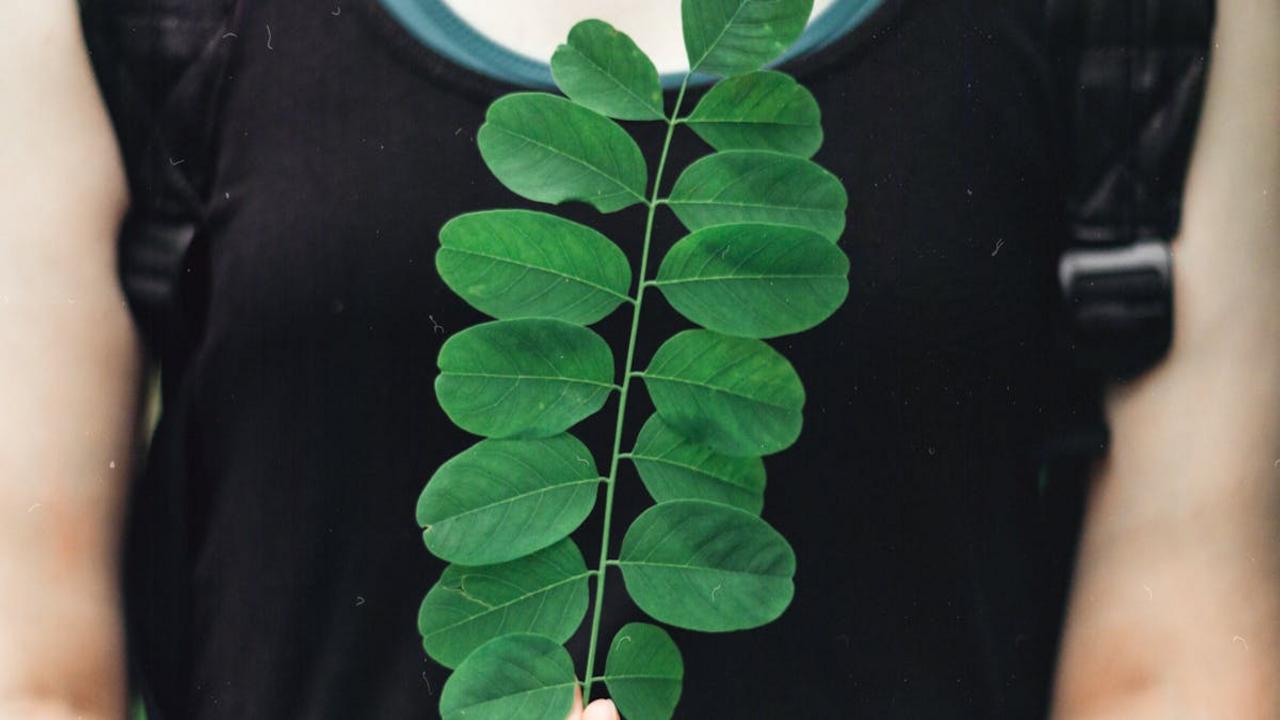
I couldn’t believe my eyes when I first saw moringa growing in my friend’s backyard – this unassuming tree with tiny leaves packs more nutrients than a whole shopping cart of vegetables! They call it the “miracle tree” for good reason – moringa contains seven times more vitamin C than oranges, four times more calcium than milk, and three times more potassium than bananas. The best part? You can grow this superfood champion with minimal water in poor soil conditions, making it a true eco-warrior in the fight against climate change and food insecurity.
You can toss moringa leaves into practically anything – I love sprinkling the dried powder into my morning smoothies or adding fresh leaves to soups and stews. The seeds produce a nutrient-rich oil that works wonders for skin care, and even the seed pods (they look like giant green beans!) make a delicious addition to curries. This versatile plant requires so few resources to grow yet gives back abundantly. In many parts of Africa and Asia, people use moringa to purify water, feed livestock, and create natural fertilizers – talk about a green superhero!
Hemp Seeds
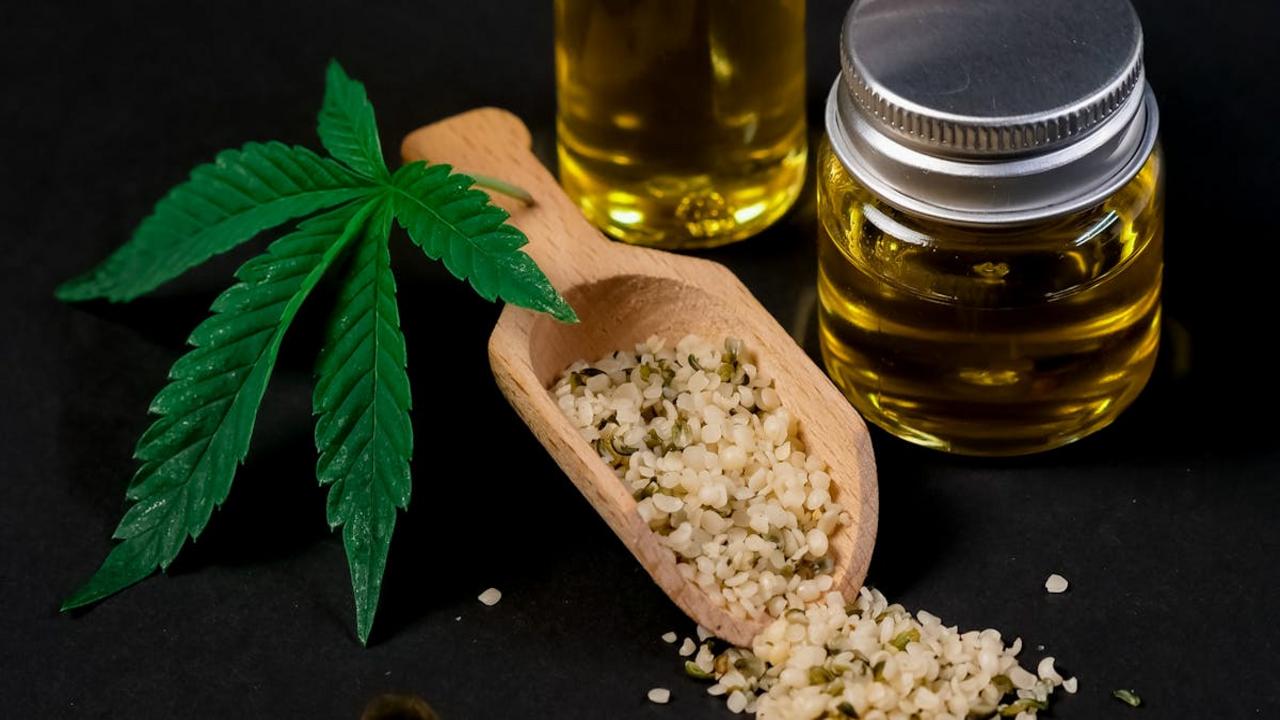
I couldn’t believe my eyes when I first spotted hemp seeds at my local market – these tiny powerhouses pack more protein than chia or flax seeds! These nutty little gems will give you all nine essential amino acids your body needs, plus a mega-dose of omega-3s that’ll make your skin glow. You can sprinkle them on everything from smoothie bowls to salads, and they’ll add this amazing buttery crunch that’ll make you wonder how you lived without them.
Here’s what makes hemp seeds a true environmental superhero: they grow like weeds (pun totally intended!) without needing pesticides or much water. The plants actually clean the soil they grow in by pulling out toxins and heavy metals. One hemp crop can produce food, fiber, and oil – talk about a multi-tasking plant! I love tossing a handful into my morning oatmeal with cinnamon and banana, or blending them into homemade pesto. Just remember, while these seeds won’t get you high, they’ll definitely get you hooked on their delicious flavor and incredible benefits.
Algae

You might think algae belongs in your fish tank, but this green superfood deserves a prime spot on your plate! From spirulina to chlorella, these aquatic powerhouses pack more protein per gram than beef and contain all nine essential amino acids. I mix a spoonful of bright blue spirulina into my morning smoothie – sure, it looks like I’m drinking liquid Avatar, but the energy boost is incredible! Plus, algae needs minimal resources to grow and actually helps clean our oceans while producing oxygen.
The coolest part? Algae grows 10 times faster than traditional land crops and doesn’t need freshwater or fertile soil to thrive. You’ll find these mighty microorganisms in everything from plant-based burgers to dairy-free ice cream these days. My favorite way to enjoy them? Sprinkle some dried nori (that’s seaweed, another form of algae) into your rice bowls or blend spirulina into homemade pesto. Yes, your food will turn slightly green, but think of it as nature’s food coloring – one that just happens to be loaded with omega-3s, vitamins, and minerals!
Kelp

I can’t help but geek out over kelp, the superhero of the sea! This underwater wonder packs more nutrition than your average land vegetable, bursting with iodine, iron, and calcium. Picture giant underwater forests swaying with the currents – that’s where your kelp grows, absorbing nutrients straight from mineral-rich ocean waters. The best part? You can add it to soups, stir-fries, or blend it into smoothies for an instant nutrient boost. Your body will thank you, and so will the oceans!
Here’s why kelp deserves a standing ovation from environmentalists: these sea vegetables grow incredibly fast (up to two feet per day!) without needing fresh water, fertilizers, or precious land space. They’re natural carbon absorbers too, pulling CO2 from the water like tiny underwater vacuum cleaners. Fun fact: kelp creates underwater “forests” that shelter thousands of marine species, from tiny fish to playful otters. Next time you spot kelp on a menu or in your local Asian grocery store, grab some – you’ll be supporting one of nature’s most efficient and earth-friendly food sources.
Microgreens
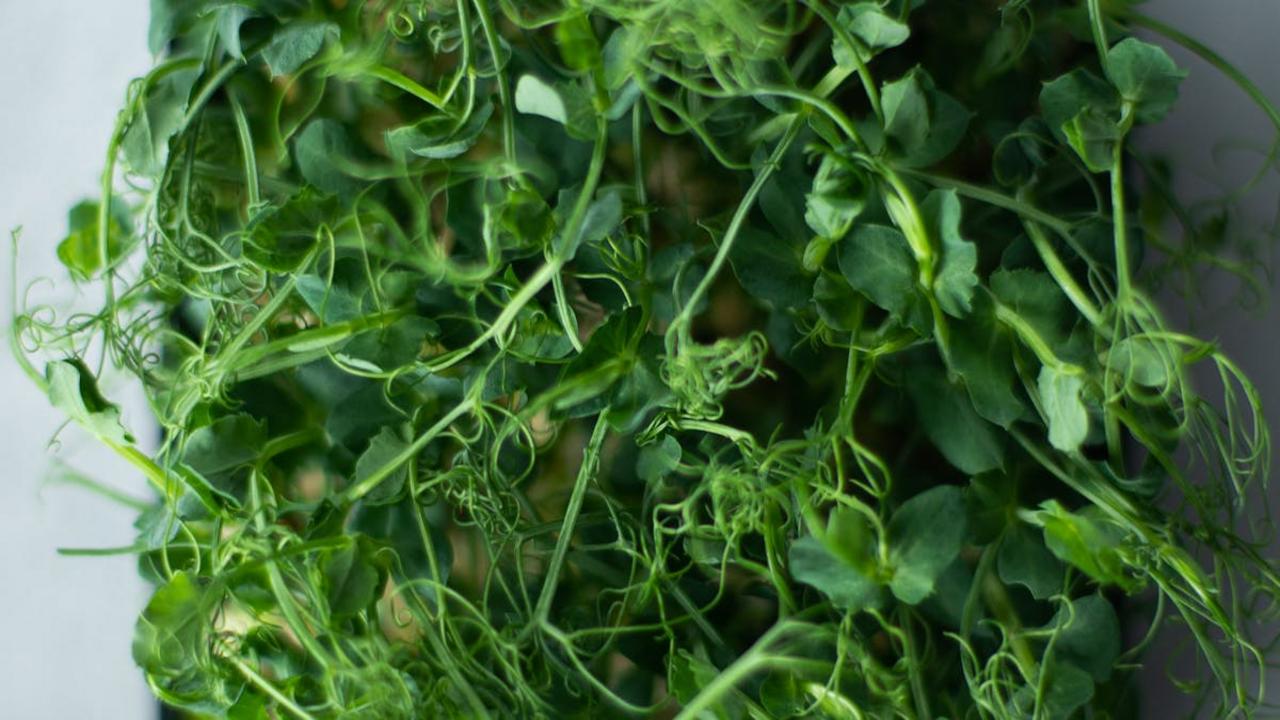
You know those tiny, adorable plant babies that chefs sprinkle on fancy dishes? Those are microgreens, and they pack more nutrition per ounce than their fully-grown counterparts! These mini powerhouses contain up to 40 times more nutrients than mature plants, making them a smart choice for anyone wanting to boost their health game. I grow mine right on my windowsill in recycled containers, and they’re ready to harvest in just 7-14 days – talk about instant gratification! Plus, they need minimal water and zero pesticides, making them a win for both your body and Mother Earth.
My favorite part about microgreens? The variety! From spicy radish shoots to sweet pea shoots, and nutty sunflower sprouts to zingy mustard greens – each type brings its own personality to your plate. I love adding them to my morning avocado toast or sprinkling them over soups for an extra nutritional kick. Growing these little guys at home also means zero packaging waste and no transportation emissions. And if you’re tight on space, no worries! A few small trays can yield enough microgreens to keep your meals looking and tasting amazing all week long.
Jackfruit
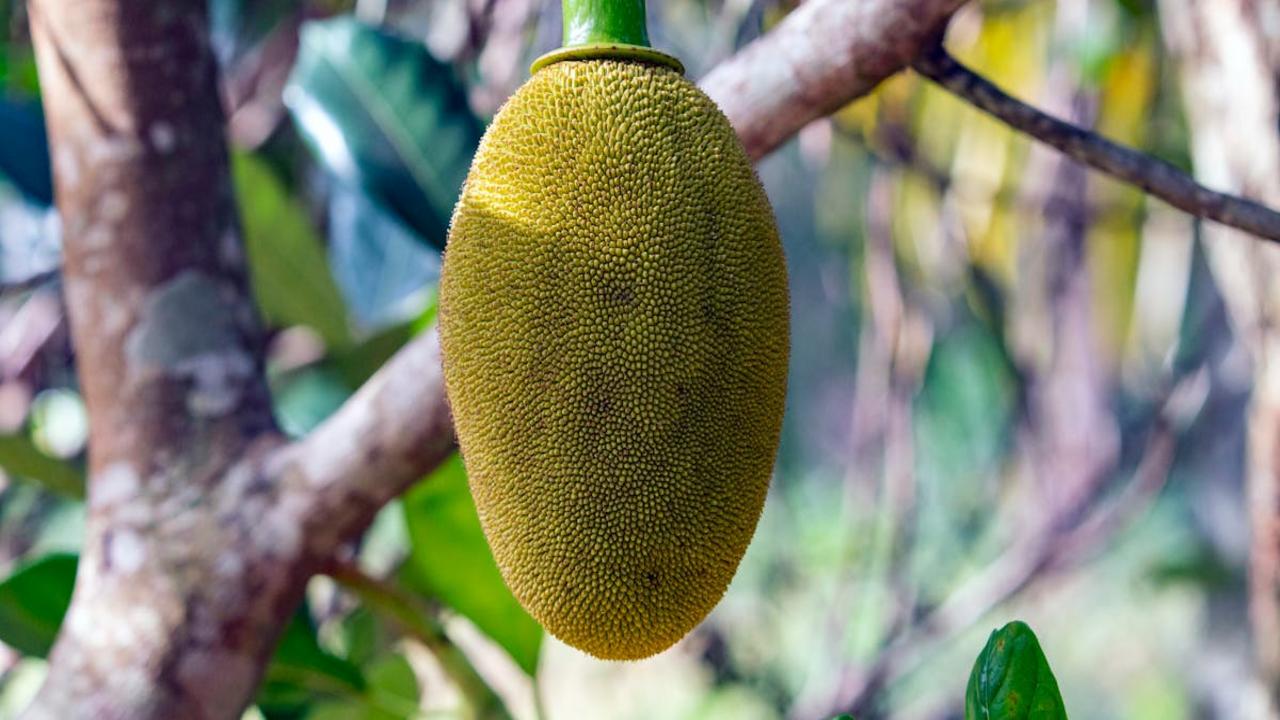
You’ve probably walked right past jackfruit in your grocery store, wondering what that massive, spiky fruit was all about. This gentle giant can weigh up to 100 pounds and has become the darling of plant-based cooking thanks to its meaty texture. When young and green, jackfruit’s neutral flavor soaks up seasonings like a sponge, making it perfect for pulled “pork” sandwiches or tacos. Plus, growing jackfruit requires minimal water and pesticides, and one tree can produce up to 200 fruits per year – talk about a sustainability superstar!
I recently swapped my usual BBQ pulled pork for young jackfruit at a family cookout, and nobody noticed the difference until I spilled the beans! The fruit’s stringy texture perfectly mimics meat, while its mature version offers a sweet, tropical flavor that’s like a party mix of banana, mango, and pineapple. Rich in fiber, potassium, and vitamin C, jackfruit grows abundantly in tropical climates without demanding much maintenance. This makes it an excellent food source in regions facing climate change challenges, feeding many people while leaving a tiny environmental footprint.
Bamboo Shoots
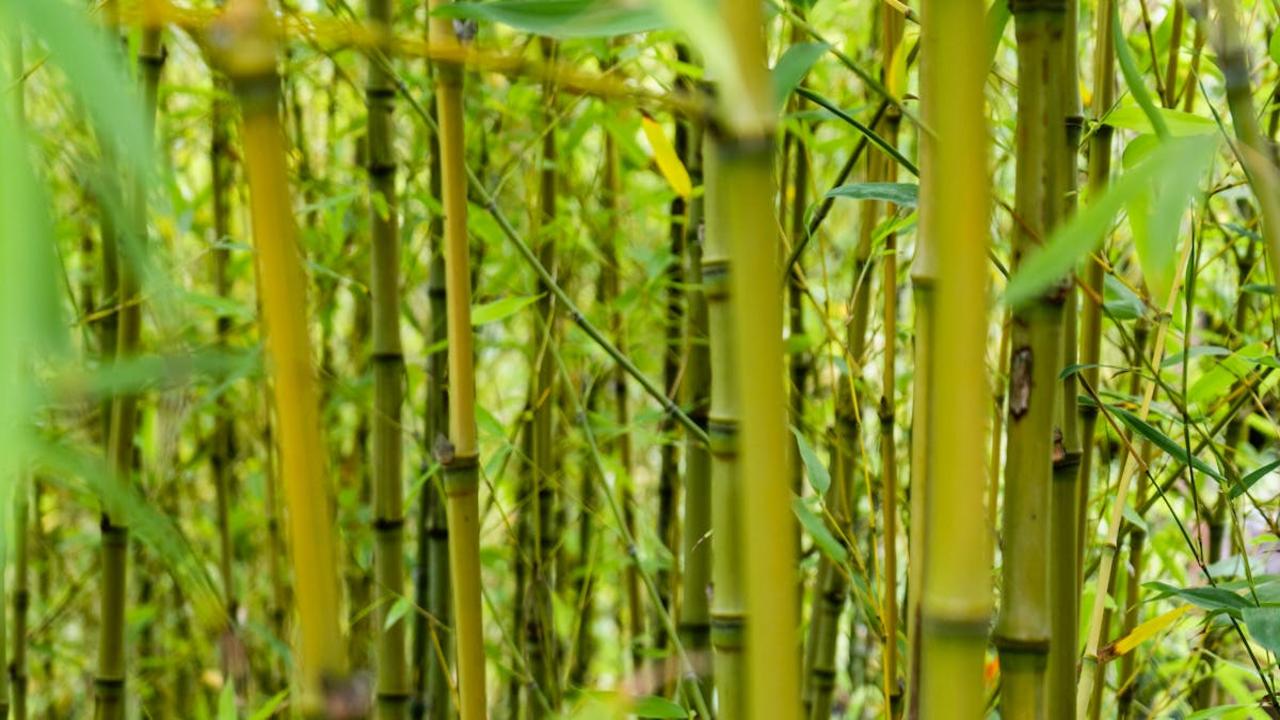
I’ve got a crunchy secret weapon in my kitchen that will make both your belly and Mother Earth happy – bamboo shoots! These tender, mild-flavored veggie stalks pack a nutritious punch with their high fiber content and valuable minerals like potassium and manganese. The real kicker? Bamboo grows like nobody’s business – up to 3 feet in just 24 hours! You won’t need pesticides or fancy fertilizers since these hardy plants naturally resist pests and diseases. Plus, they’re incredibly water-efficient compared to other crops.
Want to add some eco-conscious crunch to your meals? Toss these low-calorie wonders into your next stir-fry or soup for an authentic Asian flair. I love how bamboo shoots maintain their satisfying crispness even after cooking. Here’s a fun fact that’ll make you the star of dinner party conversations: bamboo forests release 35% more oxygen than equivalent stands of trees! By choosing bamboo shoots, you’re supporting one of nature’s most renewable resources – these fast-growing plants can be harvested every single year without replanting. Now that’s what I call smart snacking!
Quinoa
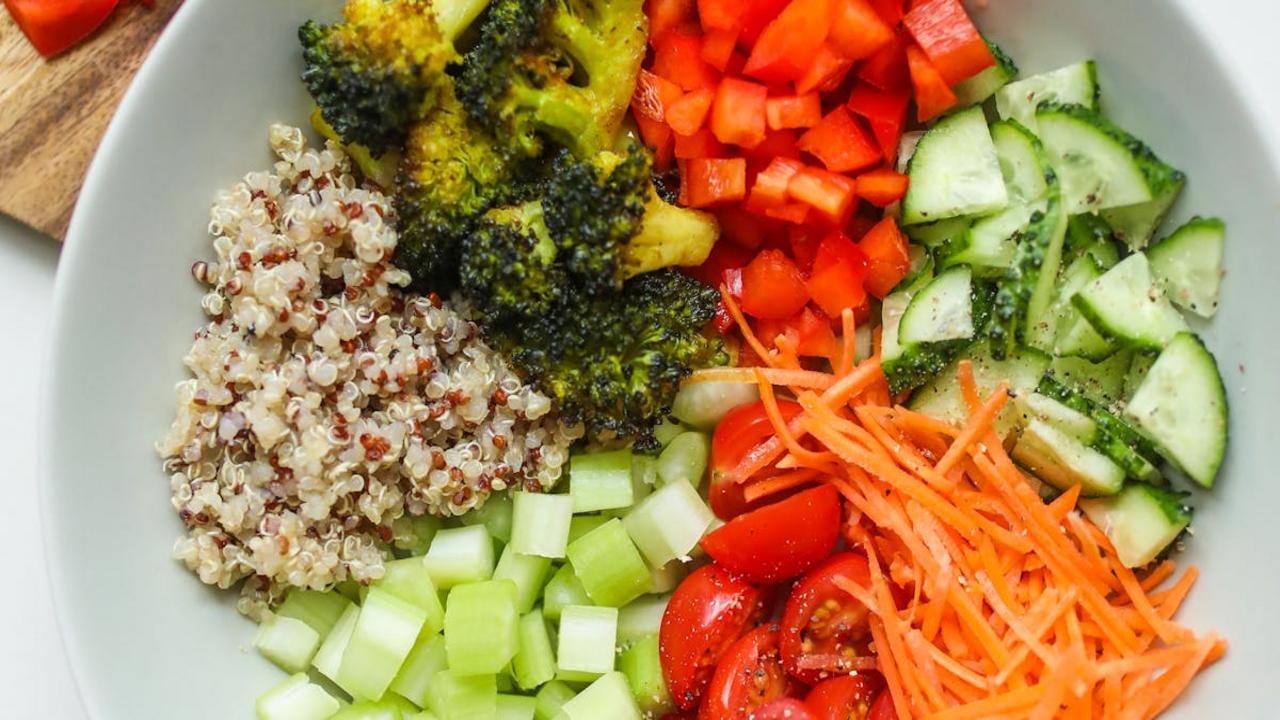
You might think quinoa (keen-wah, if you’re still puzzling over the pronunciation) is just another trendy grain, but this little South American superstar is actually a seed that packs more protein punch than any grain out there! I’ve found myself reaching for quinoa more often since discovering it makes the perfect base for my quick lunch bowls. The best part? This mighty seed grows in harsh conditions at high altitudes and needs very little water to thrive, making it one of the most environmentally friendly foods you can stock in your pantry.
Want to know something cool? NASA has named quinoa the perfect spaceflight food because it’s so nutrient-dense and adaptable. Back here on Earth, you can cook it just like rice (1 part quinoa to 2 parts water), but here’s my favorite trick: toast it in a dry pan before cooking to bring out its nutty flavor. And if you’re wondering about those tiny spirals that appear when it’s done – those are the germ separating from the seed, giving you a visual cue that your quinoa is ready to eat. Pretty nifty, right? Just remember to rinse it first to remove the natural bitter coating called saponin – your taste buds will thank you!
Mussels
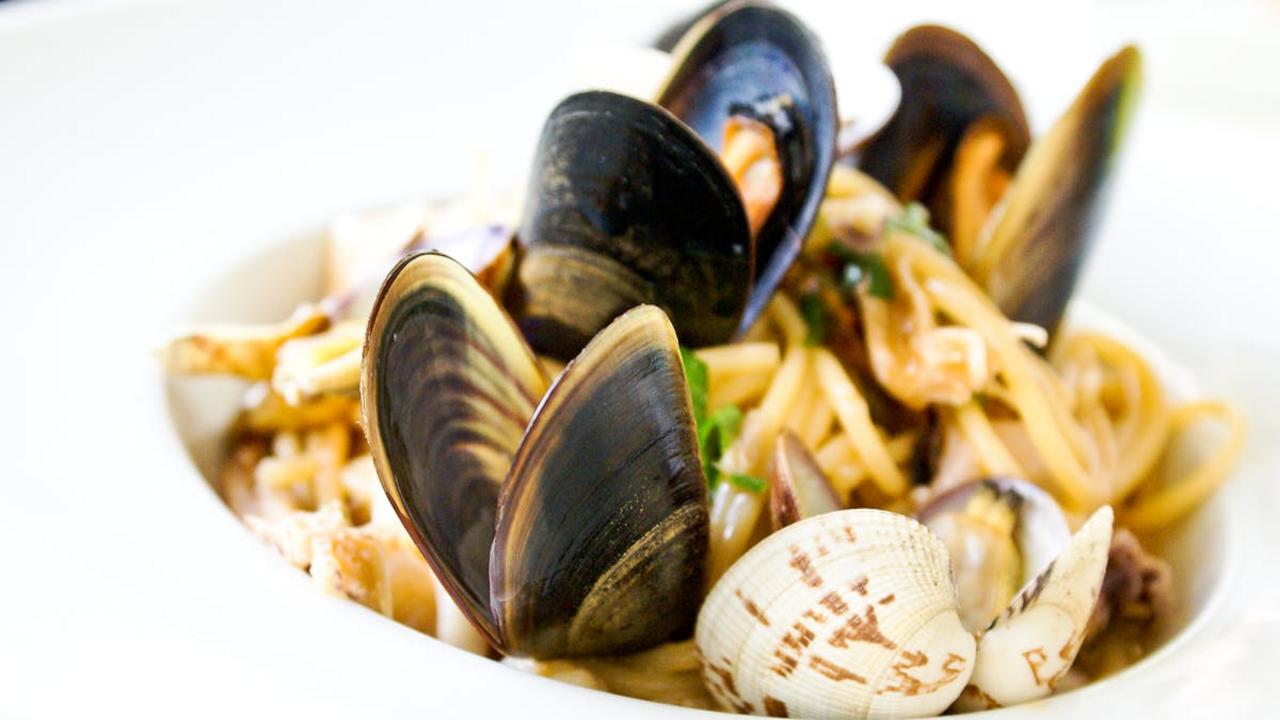
I’m going to let you in on a little secret – mussels might just be the most eco-friendly seafood you can eat! These little black shellfish are like nature’s water purifiers, filtering up to 15 gallons of water per day while growing. Unlike fish farms that need tons of resources, mussels grow naturally on ropes in the ocean, requiring zero feed, fertilizers, or antibiotics. They actually make their surrounding waters cleaner and help create vibrant marine ecosystems. Plus, they’re packed with protein, omega-3s, and vitamin B12 while having one of the lowest carbon footprints of any animal protein.
You’ll want to steam these blue-black beauties in white wine with garlic and herbs until they pop open like little treasure chests, releasing their briny-sweet meat. My favorite weekend ritual involves a big pot of mussels, crusty bread for soaking up the divine sauce, and friends gathered around the table, competing to build the highest tower of empty shells. At $3-4 per pound, they’re budget-friendly too! Just remember to buy from sustainable sources – look for rope-grown mussels from clean waters, and you’ll be doing your body and our oceans a favor.
Seaweed
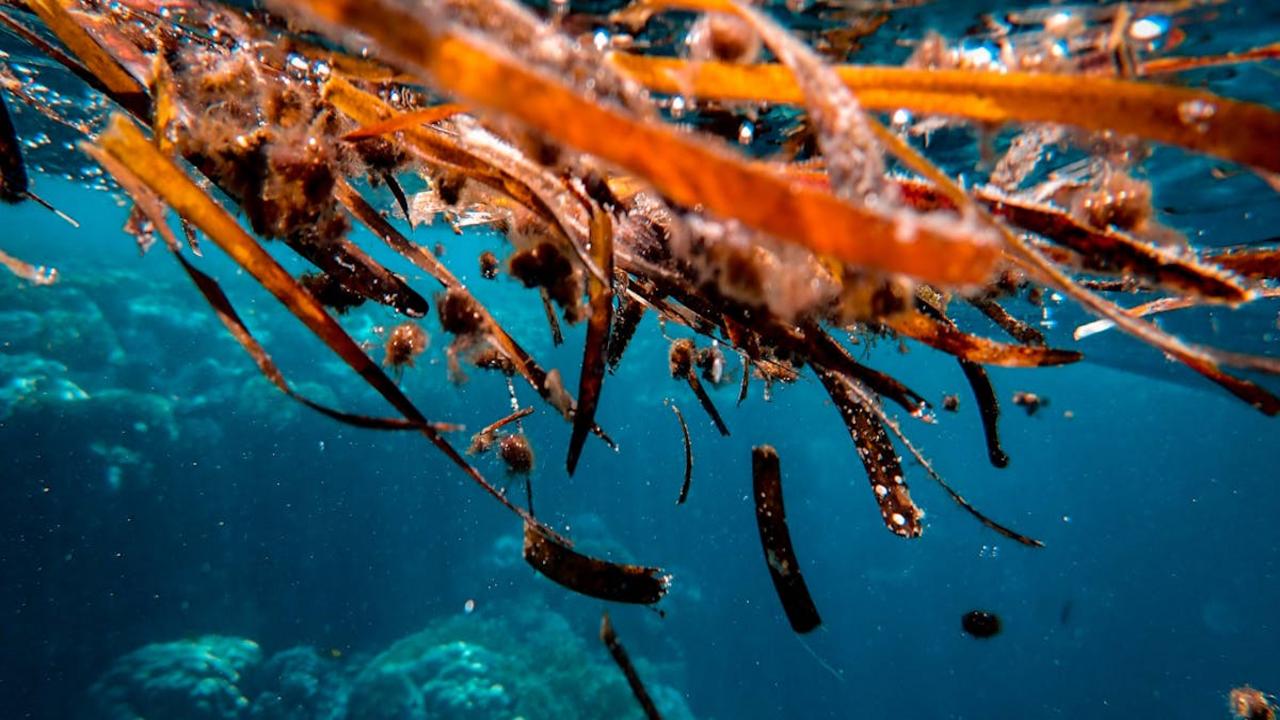
I’ll admit it – seaweed might not win any beauty contests, but this underwater superstar packs more nutrients per bite than most land vegetables! Think of it as nature’s multivitamin from the ocean, loaded with iodine, iron, and calcium. The best part? Seaweed needs no fresh water, fertilizers, or land to grow, making it one of the most sustainable foods on Earth. You can add it to soups, wrap it around sushi rolls, or sprinkle dried flakes on your salad for an instant mineral boost.
Your grocery store likely stocks several types of seaweed – from crispy nori sheets to wakame for miso soup. I love tossing dulse (a red seaweed) into stir-fries for a natural umami kick that rivals bacon! And here’s a fun fact: some seaweed species grow up to two feet per day, making them the fastest-growing plants in the world. Plus, seaweed farms help clean ocean water and create habitats for marine life, so you’re doing good for your body and the planet with every bite. Just remember to buy from sustainable sources that monitor water quality and harvest methods.
Lentils
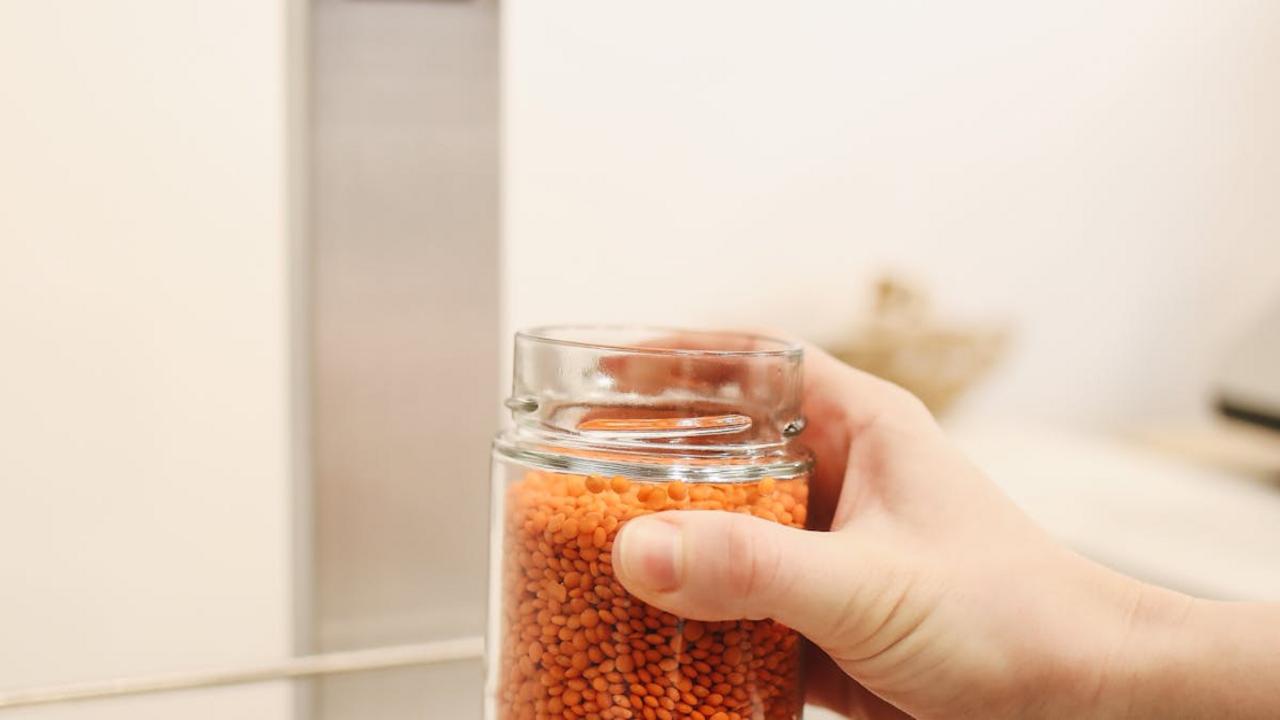
You know what’s funny about lentils? These tiny powerhouse legumes pack more protein than most foods while using a fraction of the water needed to produce meat. I keep a rainbow of varieties in my pantry – red for quick soups, green for hearty salads, and black for dramatic presentation (yes, I’m that person who color-coordinates their meals). The best part? A single cup of cooked lentils gives you 18 grams of protein, 15 grams of fiber, and enough iron to make Popeye jealous.
My favorite trick is adding lentils to taco filling – just mix them with ground beef to slash the meat content in half while doubling the nutrients. These little gems grow in drought-resistant conditions and actually improve soil health by fixing nitrogen. Talk about a win-win! Plus, they’re dirt cheap (pun absolutely intended), making them a budget-friendly way to eat like an eco-warrior. I’ve converted countless meat-loving friends to “Team Lentil” with my spiced lentil shepherd’s pie, and nobody has ever guessed the secret ingredient.