15 Delicious Foods That Stay Fresh Without Refrigeration
Your kitchen holds countless treasures that don’t need a spot in your fridge! From pantry staples to everyday ingredients, many foods stay fresh at room temperature for weeks or even months. Understanding which items you can store outside the refrigerator will help you organize your kitchen better and save precious cold storage space.
Smart food storage goes beyond just keeping things cold. The natural composition of many ingredients makes them stable at room temperature, thanks to low moisture content or natural preservatives. This means you can stock up on these items during sales without worrying about spoilage.
Ready to discover which foods you can keep in your pantry? I’ve gathered 15 common ingredients that maintain their quality and flavor without refrigeration. These staples will make your meal planning easier while keeping your fridge less crowded.
Onions
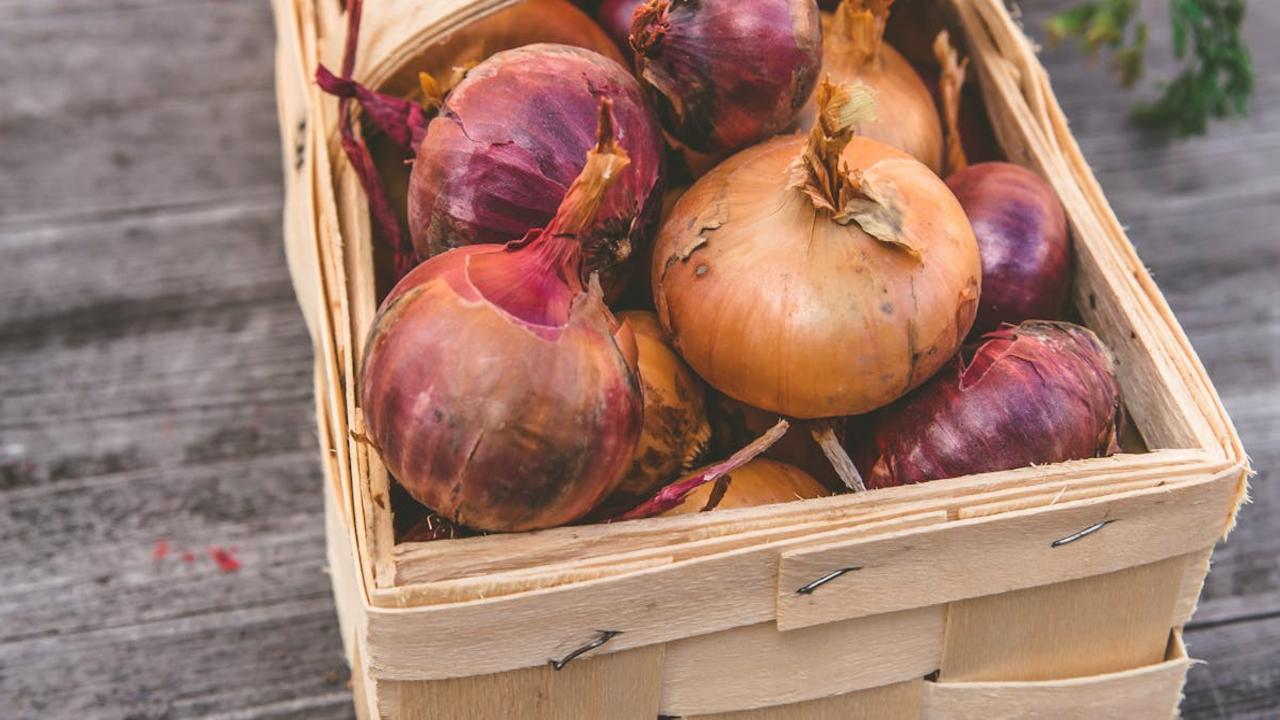
Your kitchen wouldn’t be complete without onions – they’re true pantry superstars that pack both flavor and convenience! These versatile vegetables will stay fresh for weeks or even months when you store them properly in a cool, dry spot away from direct sunlight. I keep mine in a mesh bag or basket in my pantry, making sure they have good air circulation. Just remember to keep them away from potatoes since they can make each other spoil faster.
Raw onions add zip to salads and sandwiches, while cooked onions bring rich, sweet depth to soups, stews, and sauces. You’ll know your onions are still good if they feel firm and don’t have any soft spots or strong odors. One tip I always share with my readers – if you notice an onion starting to sprout, don’t throw it away! Those green shoots are perfectly safe to eat and can add a mild, chive-like flavor to your dishes. My grandmother taught me that properly stored onions can last up to 3 months, making them a budget-friendly staple for any home cook.
Raw Potatoes
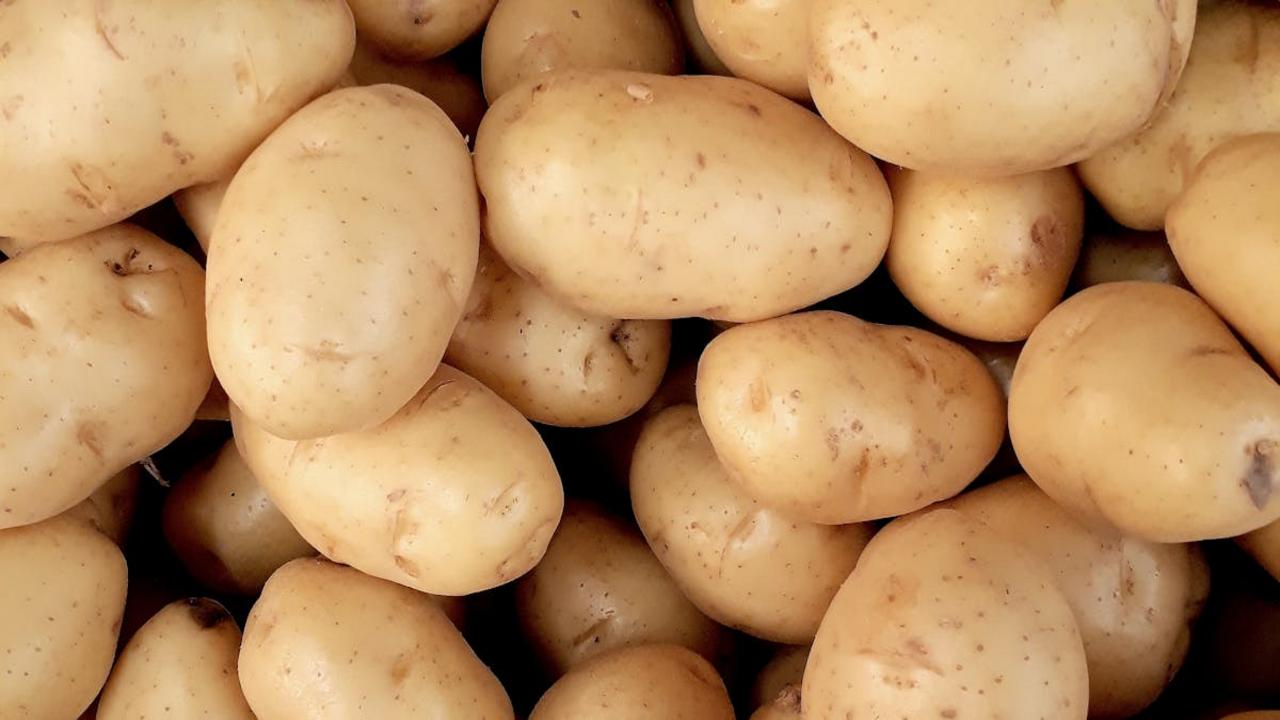
Raw potatoes hold a special place in my pantry thanks to their amazing shelf life and versatility. You can store these starchy wonders at room temperature for 2-3 months, provided you keep them in a cool, dark, and dry place. Your kitchen cabinet or basement makes an ideal spot, but remember to store them away from onions – these two common ingredients actually make each other spoil faster when kept together! Just check your potatoes regularly and remove any that show signs of sprouting or soft spots.
I always recommend storing raw potatoes in a paper bag or basket that allows good air circulation rather than plastic containers. The key to maintaining their freshness lies in protecting them from light exposure, which can cause them to turn green and develop solanine – a compound that can make you sick. My grandmother taught me to add an apple to the potato storage container, as it helps prevent premature sprouting. The natural compounds in apples work like magic to keep your potatoes fresh longer, making them ready for roasting, mashing, or frying whenever you need them.
Hard Candy

I absolutely adore hard candies for their incredible shelf life and portability! You can store these sweet treats at room temperature for months without any worry of spoilage, thanks to their high sugar content and low moisture. The sugar acts as a natural preservative, making hard candies perfect for keeping in your desk drawer, car, or pantry. Just remember to keep them in an airtight container to prevent them from getting sticky or attracting moisture from the air.
Your favorite hard candies will maintain their flavor and texture best when you store them in a cool, dry place away from direct sunlight. I recommend transferring them from their original packaging into glass jars or sealed plastic containers – this keeps them fresh and makes them look pretty too! You’ll find that butterscotch, peppermint, and fruit-flavored hard candies are particularly resilient, staying fresh for up to a year when stored properly. Plus, having a stash of hard candies ready means you’ll always have a quick sweet treat or breath freshener within reach.
Salt
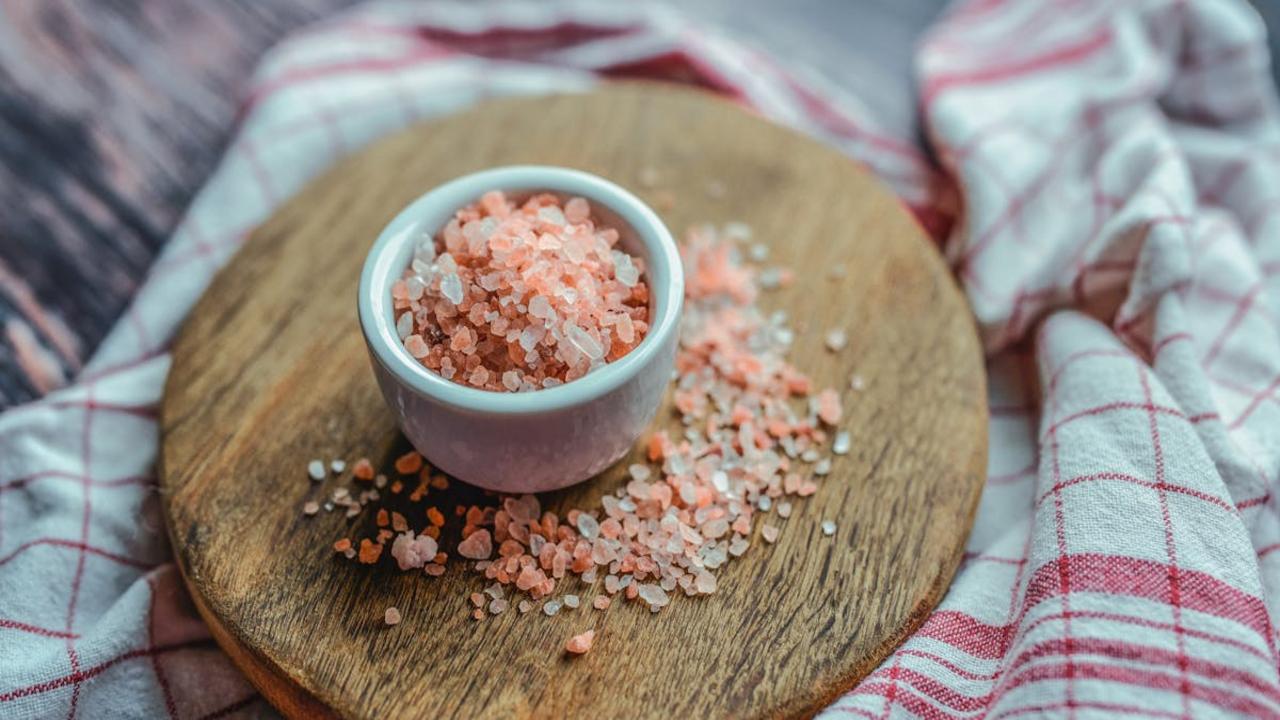
I keep a jar of kosher salt right next to my stove because it’s one of the most reliable ingredients in my kitchen. Salt has stood the test of time – it’s been a food preserver and flavor enhancer for thousands of years without needing any cold storage. The absence of moisture in salt creates an environment where bacteria simply can’t grow, making it practically immortal on your shelf. You’ll find different varieties like sea salt, pink Himalayan, or table salt maintaining their quality for years, ready to transform your dishes from bland to bold.
Your salt will stay fresh indefinitely if you keep it in an airtight container away from moisture. I recommend storing it in a cool, dry spot in your pantry or kitchen cabinet. A helpful tip: add a few grains of rice to your salt shaker to prevent clumping in humid conditions. This simple trick has saved me from dealing with rock-hard salt many times, especially during those sticky summer months. Just remember to give your salt container a quick shake before using it to break up any small clumps that might form over time.
Corn Starch

I’ve always kept corn starch in my pantry cabinet because it’s such a versatile ingredient that stays fresh for years without refrigeration. You’ll find this powdery wonder maintains its quality perfectly in an airtight container at room temperature, making it a reliable pantry staple. The key is to keep it away from moisture – I recommend storing it in a cool, dry spot in your kitchen where it can maintain its thickening power indefinitely.
Beyond its famous role as a thickening agent for gravies and sauces, corn starch has countless uses in your kitchen. I love using it to make crispy coatings for fried foods, to prevent sugar from crystallizing in homemade candies, and to create silky-smooth puddings. Just make sure to seal the container tightly after each use and wipe away any spills immediately – this will prevent moisture from clumping your corn starch and keep it ready for your next cooking adventure. The best part? You can always count on it being there when you need it, no fridge required!
All Purpose Flour
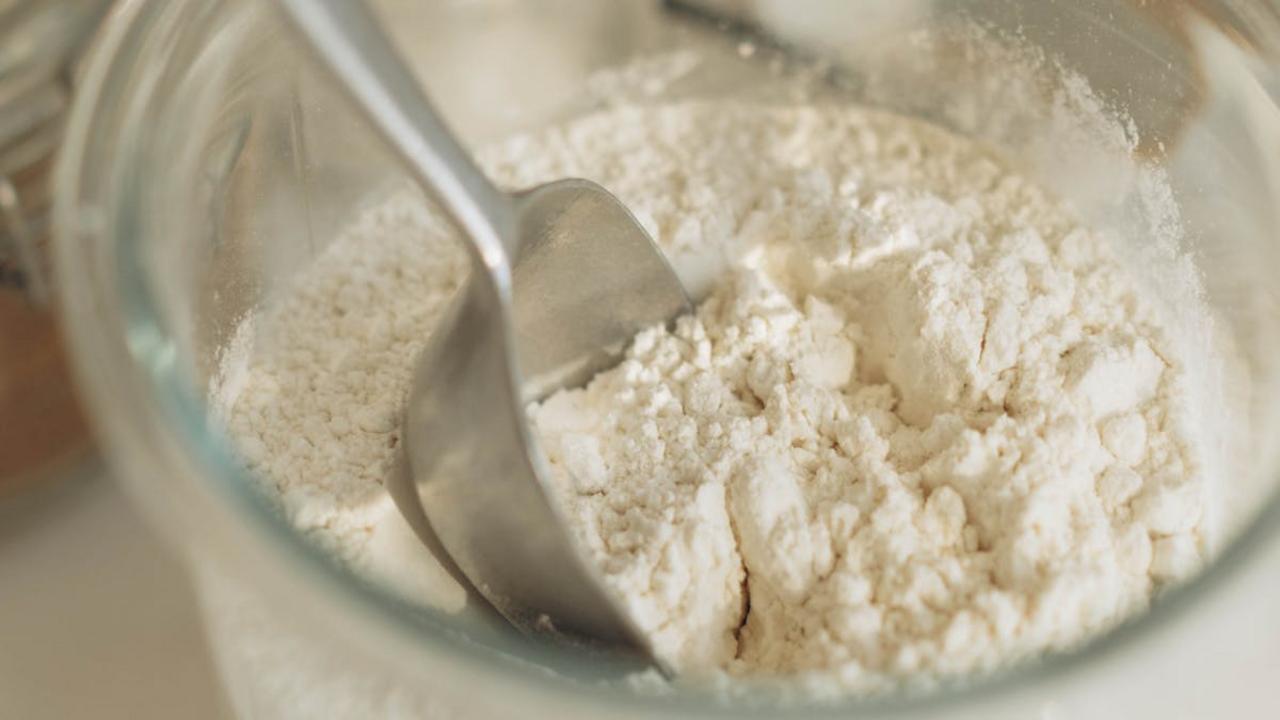
I keep my all-purpose flour in an airtight container in my pantry, and it stays fresh for 6-8 months without any need for refrigeration. The key to maintaining its quality lies in proper storage – you’ll want to keep it away from moisture and direct sunlight in a cool, dry spot. I recommend transferring your flour from its original paper packaging to a sealed container right after purchase, which prevents any unwanted visitors like weevils or pantry moths from making themselves at home.
Your flour should have a mild, neutral smell and appear white or off-white in color. If you notice any strange odors, discoloration, or small bugs, it’s time to toss it out. I’ve found that adding a bay leaf to my flour container helps deter insects naturally. Remember to always use clean, dry measuring cups when scooping flour to avoid introducing moisture. By following these simple storage tips, you’ll have fresh flour ready for your favorite baked goods whenever inspiration strikes!
Olive Oil
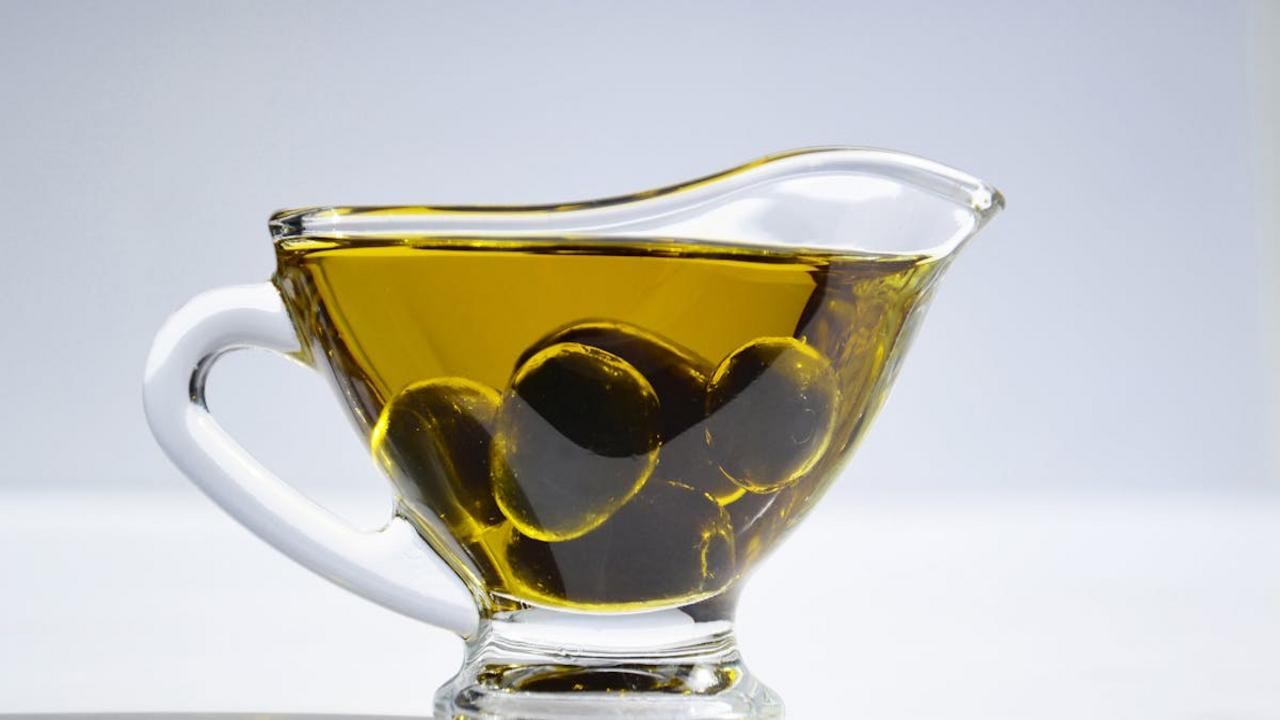
I love keeping a beautiful bottle of olive oil right on my kitchen counter! This liquid gold doesn’t just add rich flavor to your dishes – it stands up remarkably well at room temperature. You can store your olive oil in a cool, dark spot for up to two years without worrying about spoilage. Just make sure to keep it away from direct sunlight and heat sources, which could affect its quality and rich flavor profile.
The natural compounds in olive oil act as preservatives, making refrigeration unnecessary and even detrimental. Cold temperatures can make your olive oil cloudy and thick, affecting its smooth pouring consistency. I recommend transferring your olive oil to a dark glass bottle or tin container if it comes in clear packaging. This simple step protects the oil from light exposure and helps maintain its fresh, fruity notes and peppery kick that make Mediterranean cooking so wonderful.
Rolled Oats
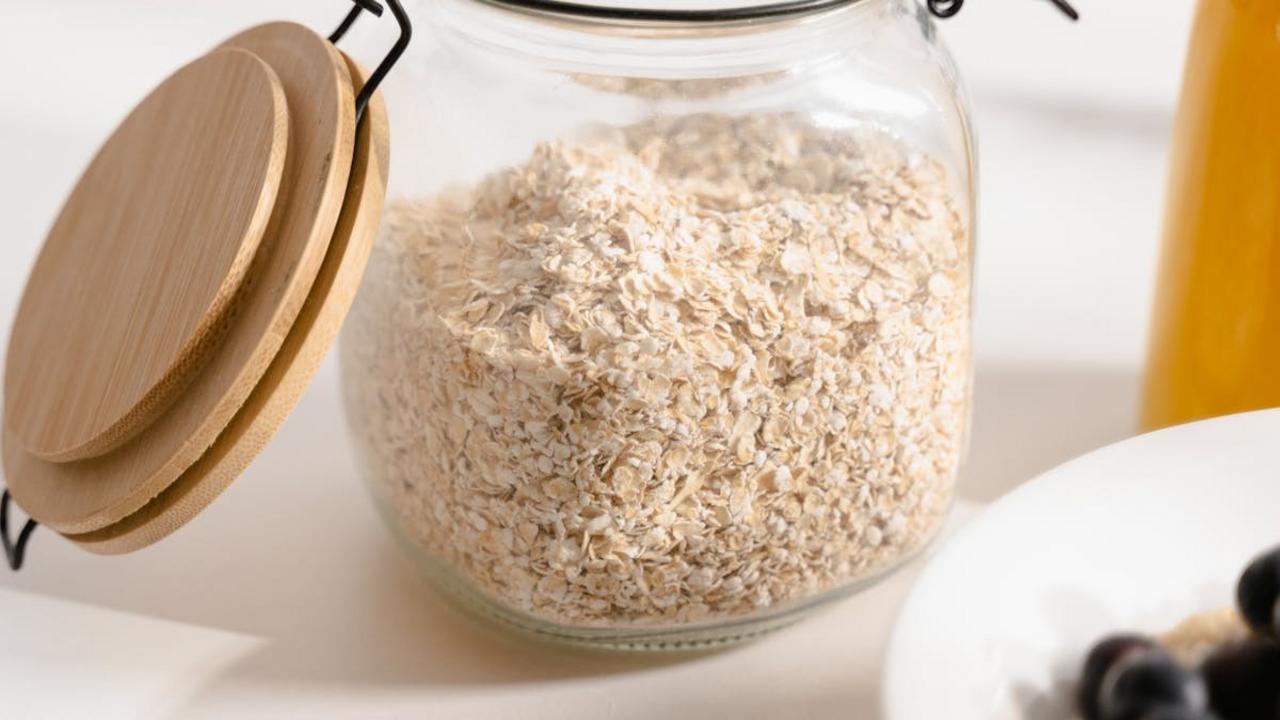
I keep rolled oats in my pantry year-round because they’re one of the most versatile and shelf-stable ingredients you can stock. You can store them in an airtight container at room temperature for up to 2 years without any quality loss. Their natural composition, with low moisture content and protective compounds, makes them resistant to spoilage. Just make sure to keep them away from direct sunlight and heat sources to maintain their fresh, nutty flavor.
Your morning breakfast options multiply with rolled oats on hand – from overnight oats (yes, you can soak them in non-dairy milk!) to warm porridge topped with honey and fruits. You can blend them into smoothies, bake them into cookies, or mix them into homemade granola. The high fiber content and complex carbohydrates will keep you full and energized throughout your day. Plus, they’re budget-friendly and take up minimal space in your kitchen, making them a smart choice for any home cook.
Dried Beans
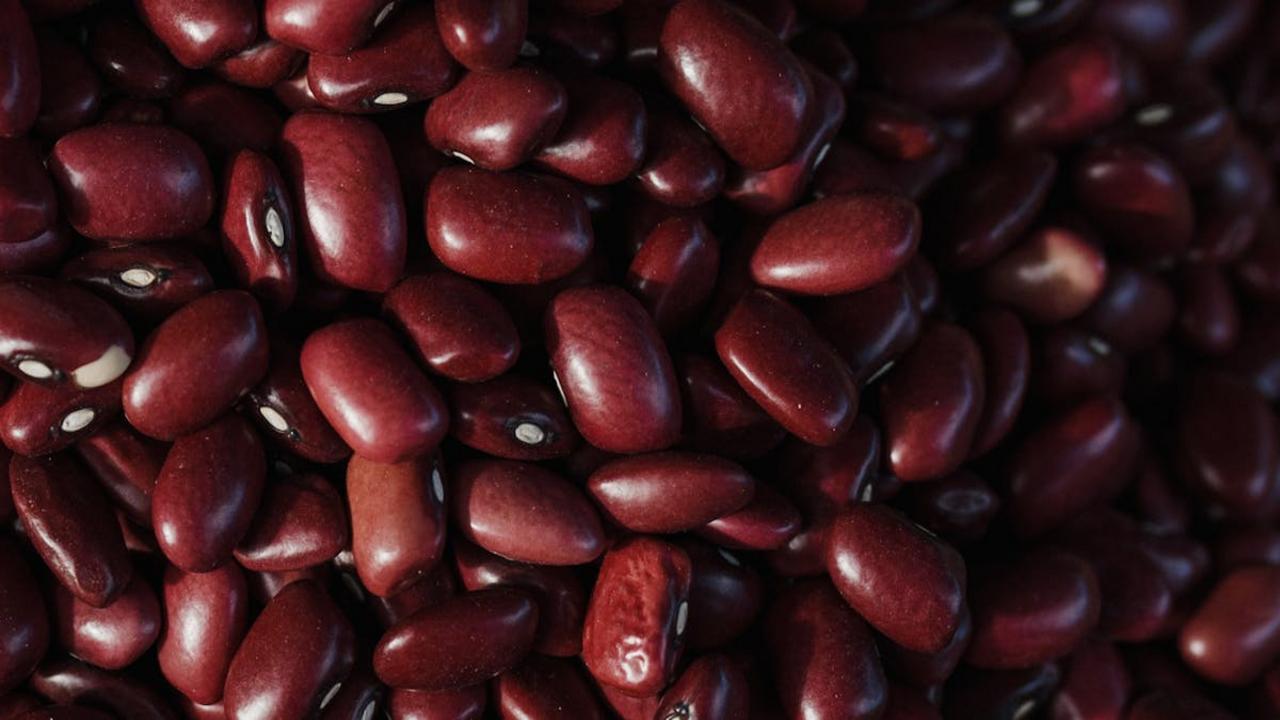
I adore keeping dried beans in my pantry because they’re one of the most budget-friendly and versatile ingredients you can stock up on. These little powerhouses will stay fresh for up to 2-3 years when you store them in airtight containers away from direct sunlight. You can stock up on different varieties like black beans, kidney beans, chickpeas, and navy beans – each bringing its own unique flavor and texture to your meals. The best part? You don’t need to worry about them going bad, unlike their canned counterparts.
My favorite way to prep dried beans is to soak them overnight, which helps reduce cooking time and makes them easier to digest. Once cooked, they become the perfect base for countless meals – from hearty soups and stews to protein-rich salads and dips. I always recommend buying dried beans instead of canned ones because they’re not only more economical but also give you complete control over the seasoning and sodium content. Plus, you’ll notice a significant difference in texture – home-cooked beans turn out creamier and more flavorful than their pre-cooked alternatives.
Coffee Beans
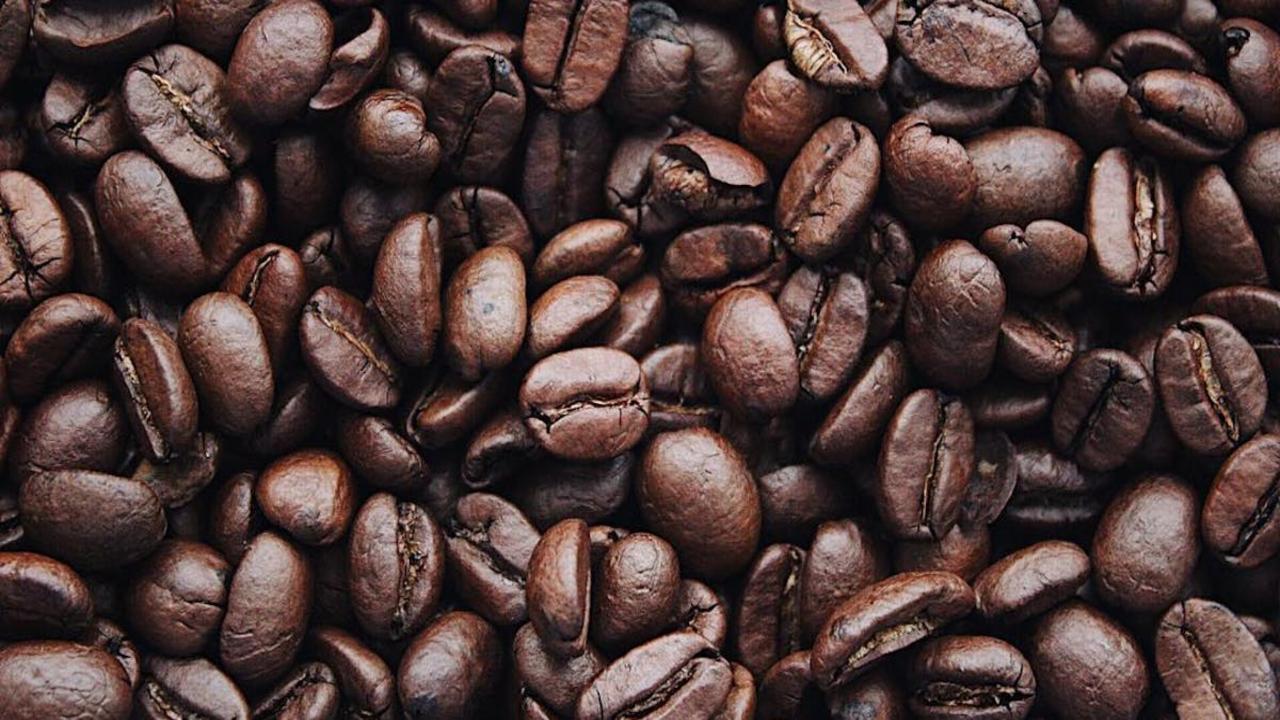
I adore having fresh coffee beans in my pantry – they’re one of the most reliable shelf-stable ingredients you can keep! Raw or roasted coffee beans will maintain their quality for months when you store them in an airtight container away from heat, light, and moisture. Your morning brew will stay rich and flavorful if you keep the beans in a cool, dark cabinet or pantry. Just remember to buy whole beans instead of pre-ground coffee since ground coffee loses its freshness much faster.
The natural oils in coffee beans help preserve their distinctive flavors and aromas without refrigeration. You’ll want to transfer your beans from their original packaging into an opaque, airtight container to block out oxygen and light that can make them go stale. A ceramic or stainless steel container with a good seal works perfectly. I recommend buying smaller amounts more frequently rather than stocking up on huge quantities – this way you’ll always have the freshest beans for your daily coffee ritual. Your beans can last 3-6 months when stored properly at room temperature.
Brown Sugar
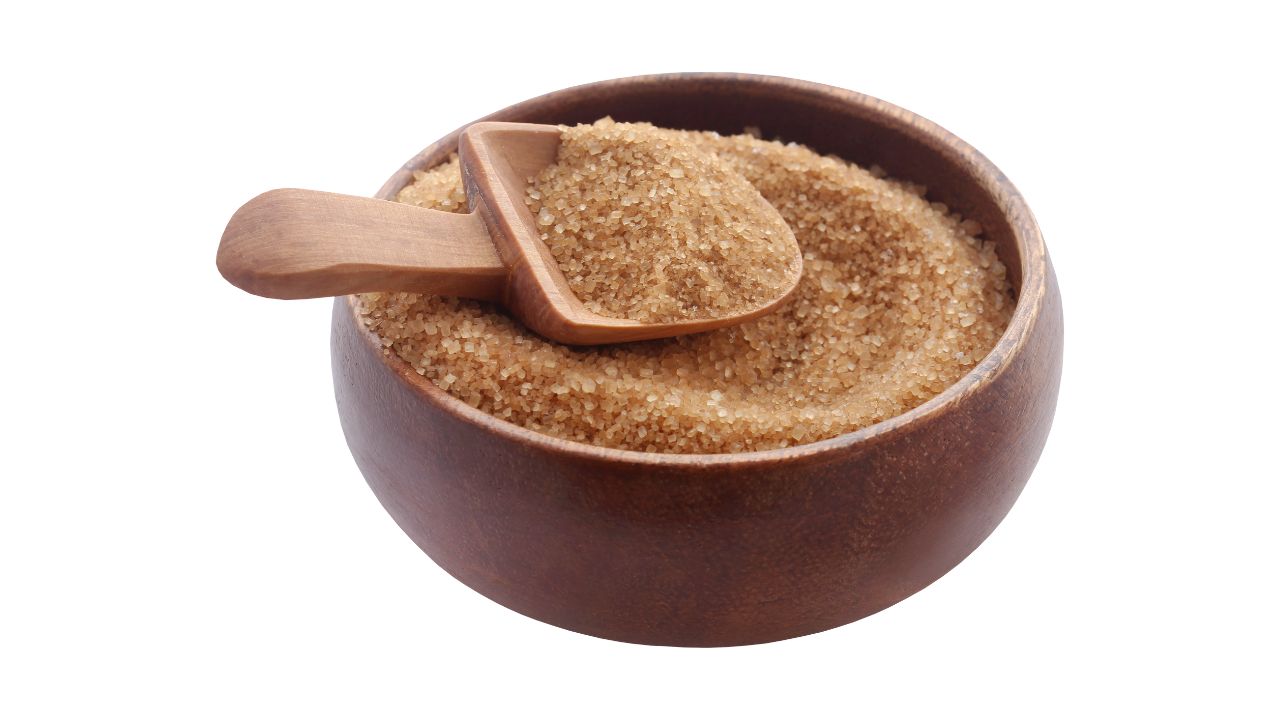
You’ll find brown sugar to be one of the most reliable pantry staples that doesn’t need refrigeration. Its unique moisture-retaining properties, thanks to the molasses content, help it maintain freshness for up to two years when you store it properly in an airtight container. I keep mine in a cool, dark cabinet away from heat sources and direct sunlight. The key to preserving brown sugar’s soft, scoopable texture lies in keeping moisture locked in – a task that becomes simple with the right storage container.
If you notice your brown sugar starting to harden (we’ve all been there!), don’t toss it out! Place a slice of bread or a few marshmallows in the container overnight, and you’ll wake up to perfectly soft sugar again. You can also prevent hardening by adding a clay disk or even a few apple slices to your storage container. Just remember to check on your brown sugar every few months and give it a quick stir to break up any small clumps that might form. With these simple tips, you’ll always have fresh, ready-to-use brown sugar for your baking adventures.
White Sugar
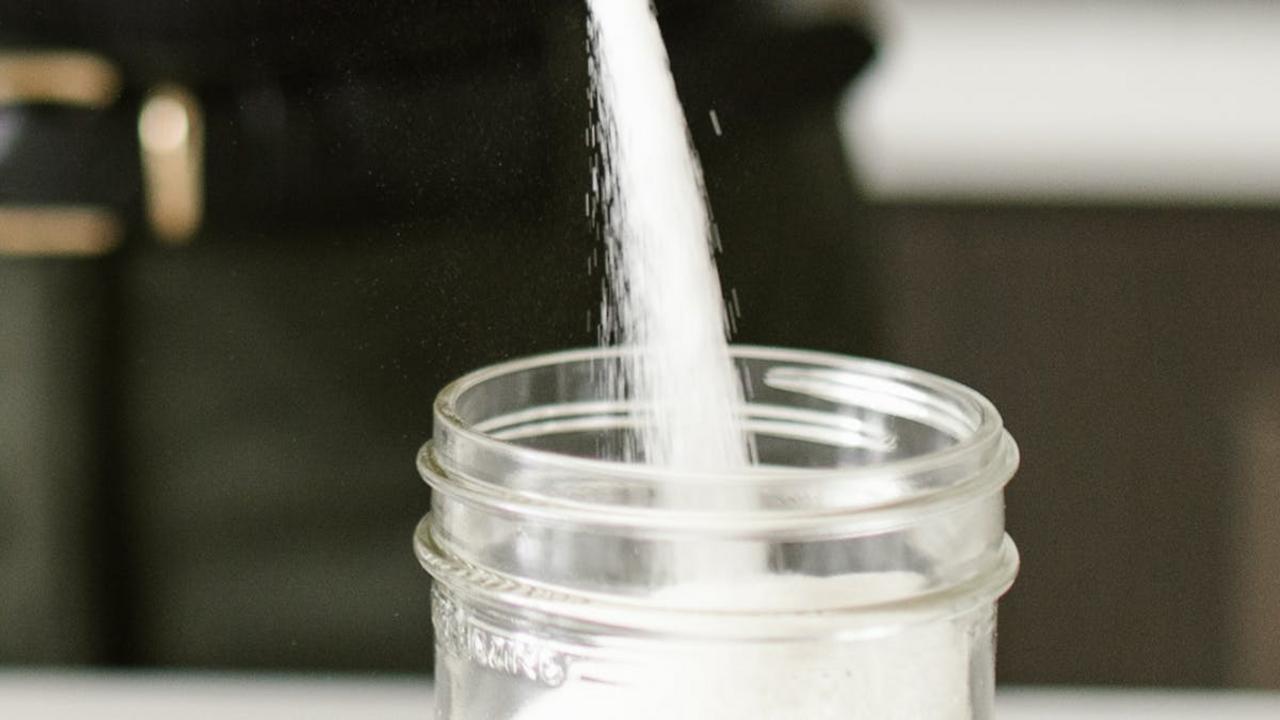
White sugar is one of your most reliable pantry staples – you’ll never need to worry about it going bad! Thanks to its unique chemical composition and super-low moisture content, this sweetening superstar can last indefinitely when you store it properly in an airtight container. Just keep it away from moisture and humidity, and your sugar will maintain its quality for years. I always recommend transferring store-bought sugar into mason jars or tight-sealing canisters to prevent any clumping or moisture absorption.
You can maximize your sugar’s shelf life by following a few simple storage tips. Place your container in a cool, dry spot in your pantry, away from direct sunlight and heat sources. If you notice any hardened clumps forming, don’t throw the sugar away! Simply break up the lumps with a fork or run them through a sieve – the sugar is still perfectly good to use. I keep my backup sugar supply in my basement pantry where the temperature stays consistent, and it has stayed fresh for over 5 years without any quality loss.
Honey
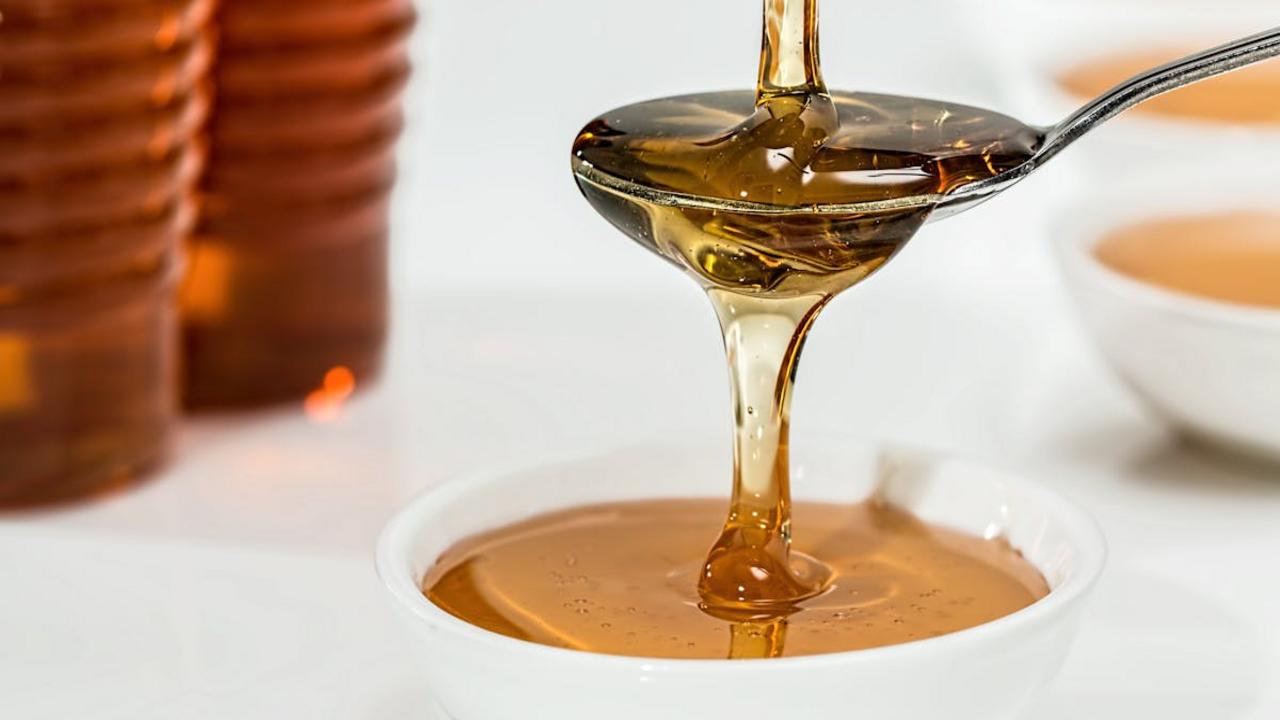
I always keep a jar of honey in my pantry because it’s one of nature’s most incredible foods that never spoils! The natural compounds and low moisture content in honey make it inhospitable for bacteria and microorganisms, which means you can store it at room temperature indefinitely. The ancient Egyptians knew this secret too – archaeologists have found 3,000-year-old honey in tombs that remains perfectly edible today! Just remember to keep your honey in an airtight container away from direct sunlight to maintain its quality.
Your honey might crystallize over time, but don’t worry – this natural process doesn’t mean it’s gone bad. Simply place the jar in warm water for a few minutes to restore its liquid form. I recommend buying raw, unprocessed honey from local beekeepers whenever possible since it retains more beneficial properties than heavily processed varieties. You’ll find raw honey contains natural enzymes, antioxidants, and antimicrobial compounds that make it both a sweet treat and a natural remedy for sore throats and minor wounds. Plus, supporting local beekeepers helps maintain healthy bee populations in your community!
Pasta
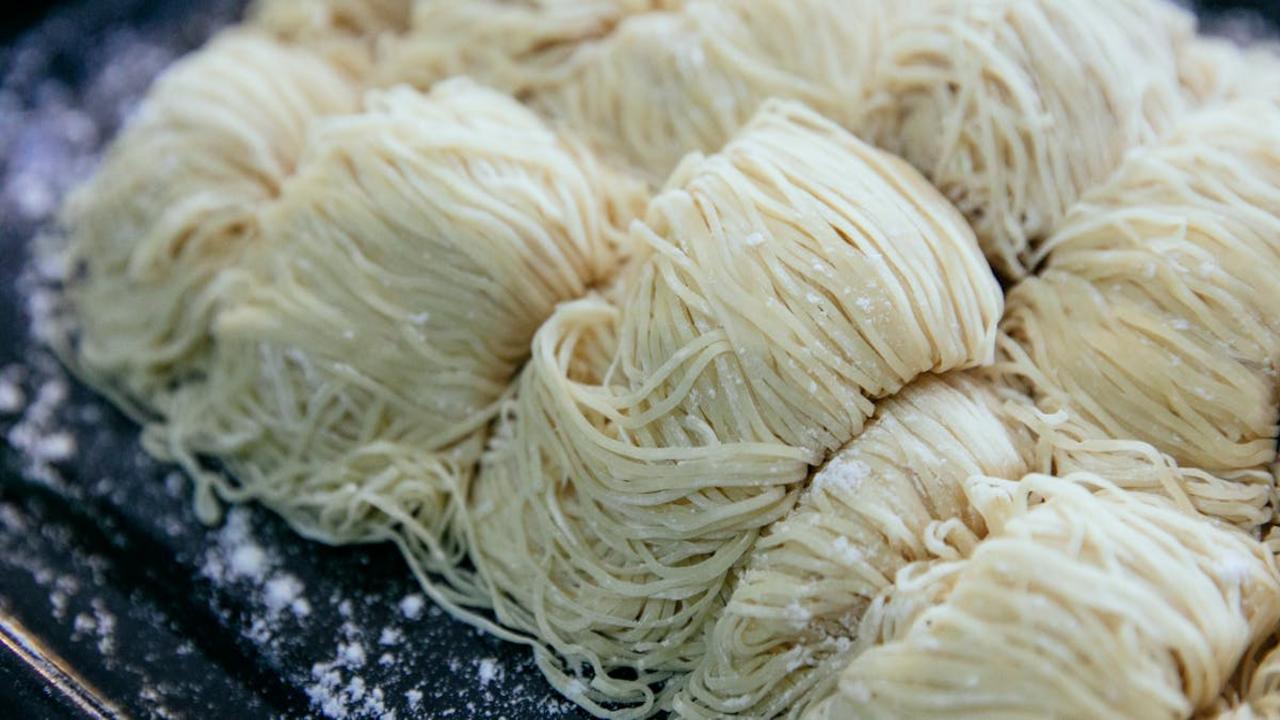
I love keeping dry pasta in my pantry because it’s such a reliable staple that needs no refrigeration and lasts for months, even years! Your uncooked pasta will stay fresh and ready to use as long as you store it in an airtight container away from moisture and direct sunlight. I recommend transferring your pasta from its original packaging into glass jars or BPA-free plastic containers – this not only keeps it fresh longer but also makes your pantry look beautifully organized.
The best part about pasta is how versatile it becomes once you cook it. You can pair it with simple olive oil and garlic for a quick weeknight dinner, or create rich sauces for special occasions. Just remember that while dry pasta keeps indefinitely, fresh pasta needs refrigeration since it contains raw eggs and higher moisture content. I suggest buying dry pasta in bulk when it’s on sale – you’ll save money and always have the foundation for a satisfying meal within arm’s reach.
Rice
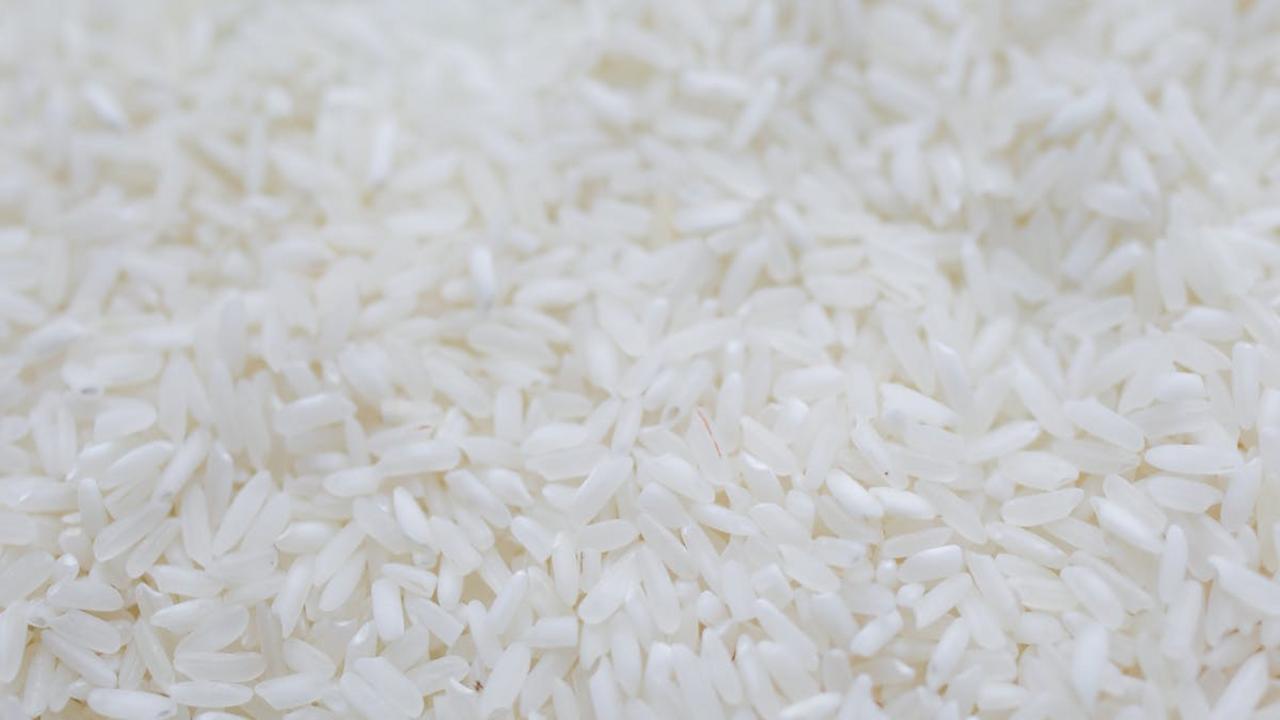
I keep a large container of uncooked rice in my pantry as one of my most reliable staples, and you should too! Raw rice stays fresh at room temperature for up to 2 years when you store it properly in an airtight container. White, brown, jasmine, or basmati – all varieties remain stable without refrigeration. Just make sure to keep your rice in a cool, dry place away from direct sunlight and check occasionally for any signs of moisture or insects.
You’ll love how versatile rice can be in your daily cooking. I recommend buying rice in bulk to save money and always having it ready for quick meals. A simple tip I learned from my grandmother: add a few bay leaves to your rice container – they act as natural pest deterrents and help maintain freshness. Make sure to seal your container tightly after each use and avoid storing rice near your stove or other heat sources that could affect its quality. With proper storage, your rice will stay fresh and ready whenever you need it!