12 Foods That Go Bad Shockingly Fast in the Fridge
You open your fridge door, reach for that perfectly ripe avocado you bought yesterday, and – oh no! It’s already turned to brown mush. We’ve all been there. Your refrigerator might seem like a magical preservation box, but for certain foods, it’s more like a ticking time bomb of spoilage.
Ever noticed how those gorgeous berries develop fuzzy green spots seemingly overnight? Or how fresh herbs wilt faster than ice cream melts on a hot sidewalk? What about that fish that smells, well, extra fishy after just a day? Your fridge isn’t playing tricks on you – some foods simply have a startlingly short shelf life.
From soft cheeses that turn funky to mushrooms that get slimy in the blink of an eye, knowing which foods spoil quickly can save you money and prevent that disappointing moment of discovery. Let’s explore 12 refrigerator favorites that won’t wait around for you to use them – so you can eat them at their peak instead of finding them past their prime.
Tomatoes
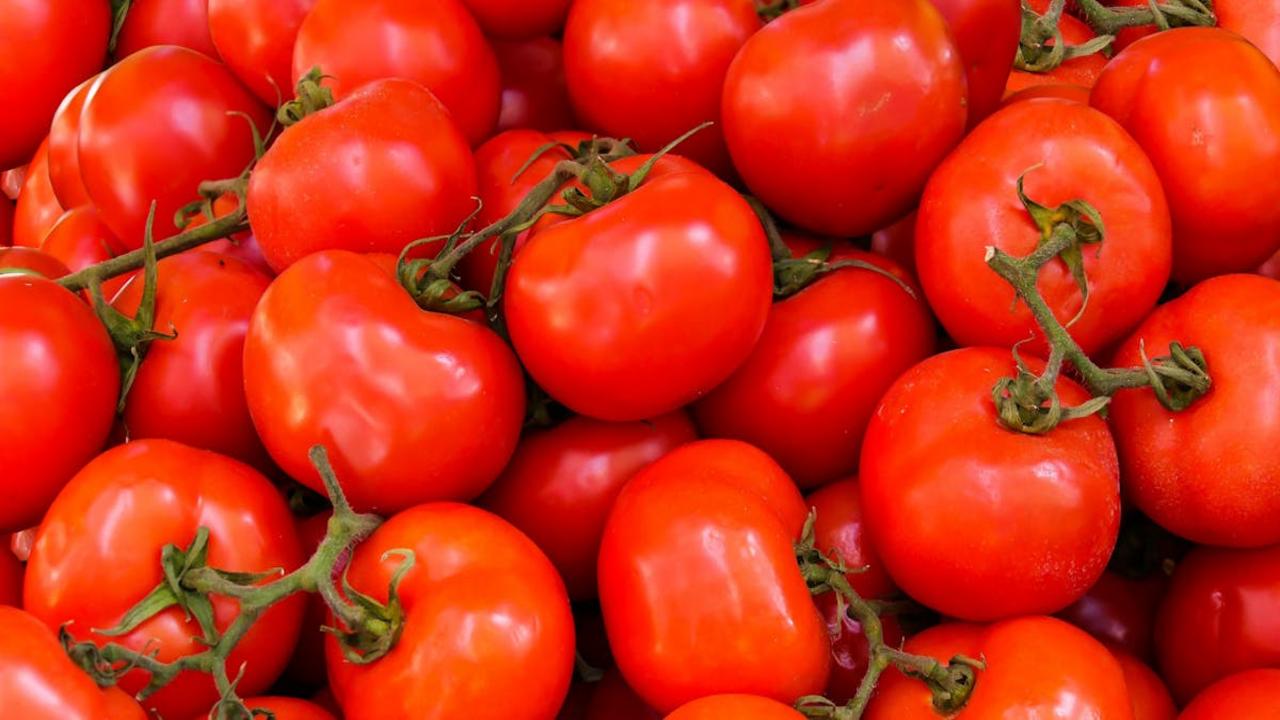
Those gorgeous, ruby-red beauties sitting on your counter might look picture-perfect, but stick them in the fridge and watch the magic disappear faster than your motivation on a Monday morning. Tomatoes are like that friend who thrives in warm weather but turns into a grumpy mess when it gets cold—refrigeration kills their flavor compounds and transforms their texture from juicy perfection into something resembling wet cardboard. The cold temperature actually breaks down the cell walls, creating that mealy, disappointing bite that makes you question all your life choices. Fun fact: tomatoes are technically fruits (botanically speaking), but the Supreme Court declared them vegetables for tax purposes in 1893—talk about identity crisis!
Your best bet is keeping these summer stars at room temperature, where they’ll continue ripening and developing those complex flavors that make your mouth water. If you absolutely must refrigerate them (maybe you bought way too many at the farmer’s market because they looked so good), bring them back to room temperature before eating to resurrect some of that lost flavor. Store them stem-side down to prevent moisture from sneaking in through that little scar, and never, ever store them in plastic bags unless you want to speed up their journey to mush city. Remember, a perfectly ripe tomato should give slightly to gentle pressure and smell like summer itself—sweet, earthy, and absolutely irresistible.
Ripe bananas
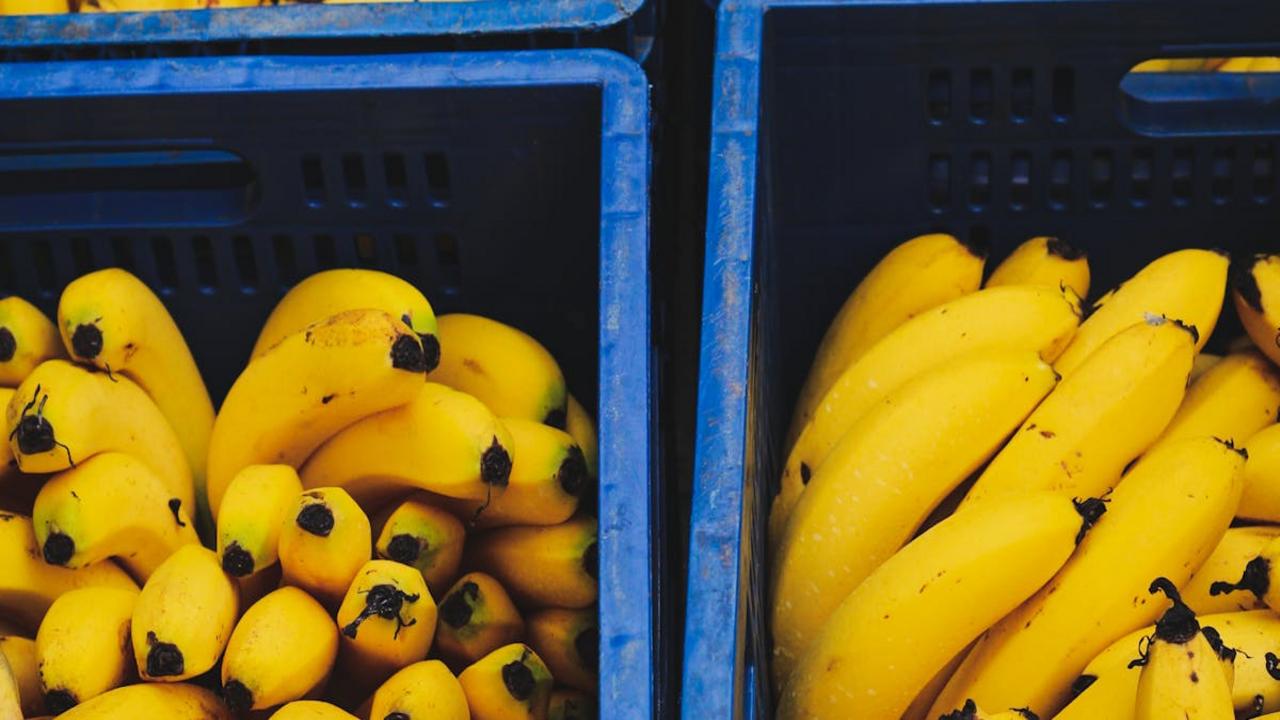
You know that perfect banana you bought yesterday? The one with just a few brown spots that screamed “eat me now”? Well, surprise! Today it looks like it survived a boxing match with a heavyweight champion. Ripe bananas are basically the drama queens of the fruit world – they go from golden goddess to brown mush faster than you can say “banana bread.” Once they hit peak ripeness, you’ve got maybe 24-48 hours before they transform into something that belongs in a smoothie rather than your lunchbox.
Here’s the thing about bananas in the fridge: they’re total rebels. While the cold slows down the actual fruit from going mushy inside, the peel turns black almost immediately, making them look absolutely tragic. Don’t panic though – that scary-looking banana with the midnight-black skin is probably still perfectly good inside! The trick is eating them quickly once they reach that sweet spot, or better yet, peel and freeze them for future smoothies. Pro tip: if you’re staring at a counter full of overly ripe bananas, just remember that banana bread exists for exactly this reason. Your kitchen mishap just became tomorrow’s breakfast victory!
Soft cheeses

Your beautiful wedge of brie sits in the fridge like a ticking time bomb, quietly plotting its fuzzy demise while you’re busy living your life. Soft cheeses are the drama queens of the dairy world – they’ll go from creamy perfection to science experiment faster than you can say “cheese and crackers.” That gorgeous camembert you splurged on at the farmer’s market? It’s got maybe a week before it starts growing a beard that would make a hipster jealous. Unlike their hard cheese cousins that can laugh in the face of time, soft cheeses contain more moisture, which basically rolls out the red carpet for bacteria and mold to throw their own little party.
Here’s the kicker: some mold on soft cheese isn’t just unappetizing – it can actually be dangerous. While you might scrape a bit of fuzz off your cheddar without batting an eye, soft cheeses are different beasts entirely. The creamy texture means harmful bacteria can penetrate deep into the cheese, way beyond what your eyes can see. Your best bet? Buy only what you can devour within a few days, store it properly wrapped in wax paper (never plastic – cheese needs to breathe!), and when in doubt, toss it out. Trust me, no midnight snack is worth a trip to the emergency room, no matter how good that goat cheese looked when you bought it three weeks ago.
Fish
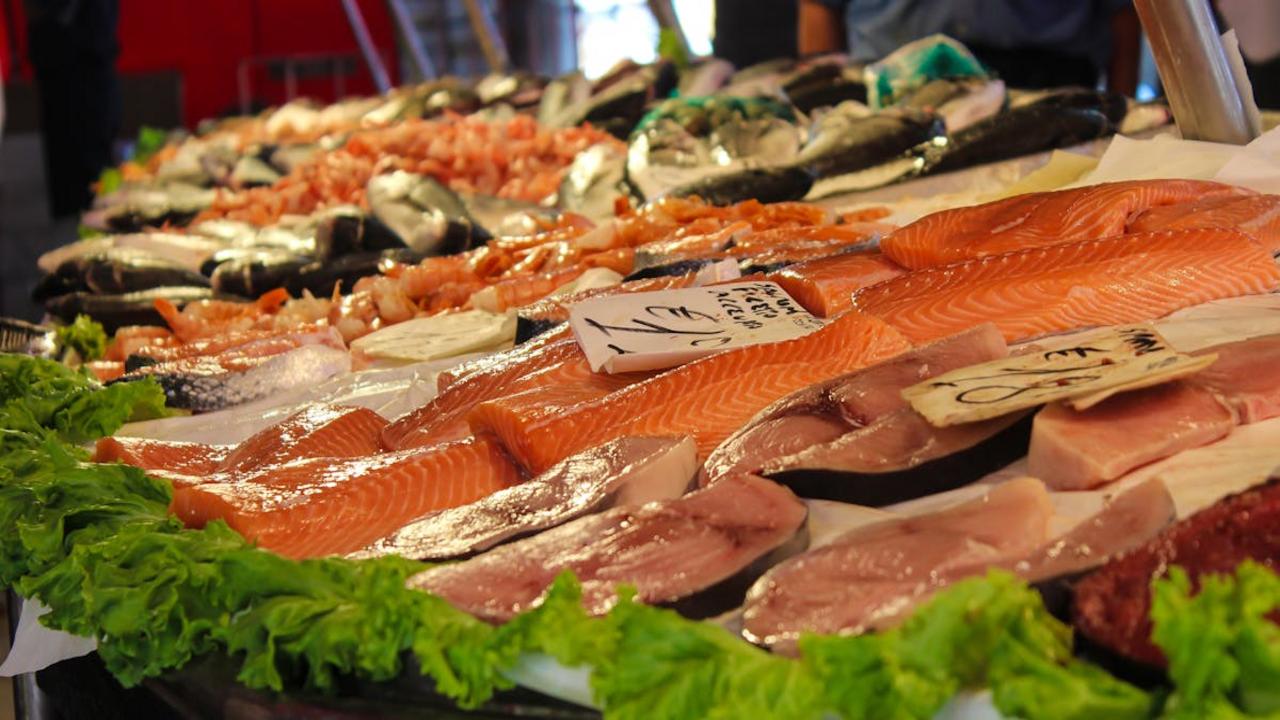
Fresh fish might look gorgeous sitting there in your fridge, all shimmery and oceanic, but don’t let its beauty fool you—this protein has the lifespan of a mayfly at a rock concert. Most fish starts its downward spiral within 24-48 hours of hitting your refrigerator, and by day three, you’re basically housing a science experiment that would make marine biologists weep. The smell alone will clear your kitchen faster than a smoke alarm, and trust me, your neighbors will know exactly what went wrong in your meal planning.
The secret lies in fish’s delicate cellular structure and high moisture content, which creates the perfect playground for bacteria to throw their own little party. Store your finned friends on ice in the coldest part of your fridge, and cook them within two days maximum—one day if you want to play it safe. Pro tip: if your fish starts looking cloudy, feels slimy, or smells like anything other than the ocean breeze, toss it without hesitation. Your stomach will thank you, and your kitchen will maintain its reputation as a place where food dreams come true rather than where seafood nightmares begin.
Asparagus
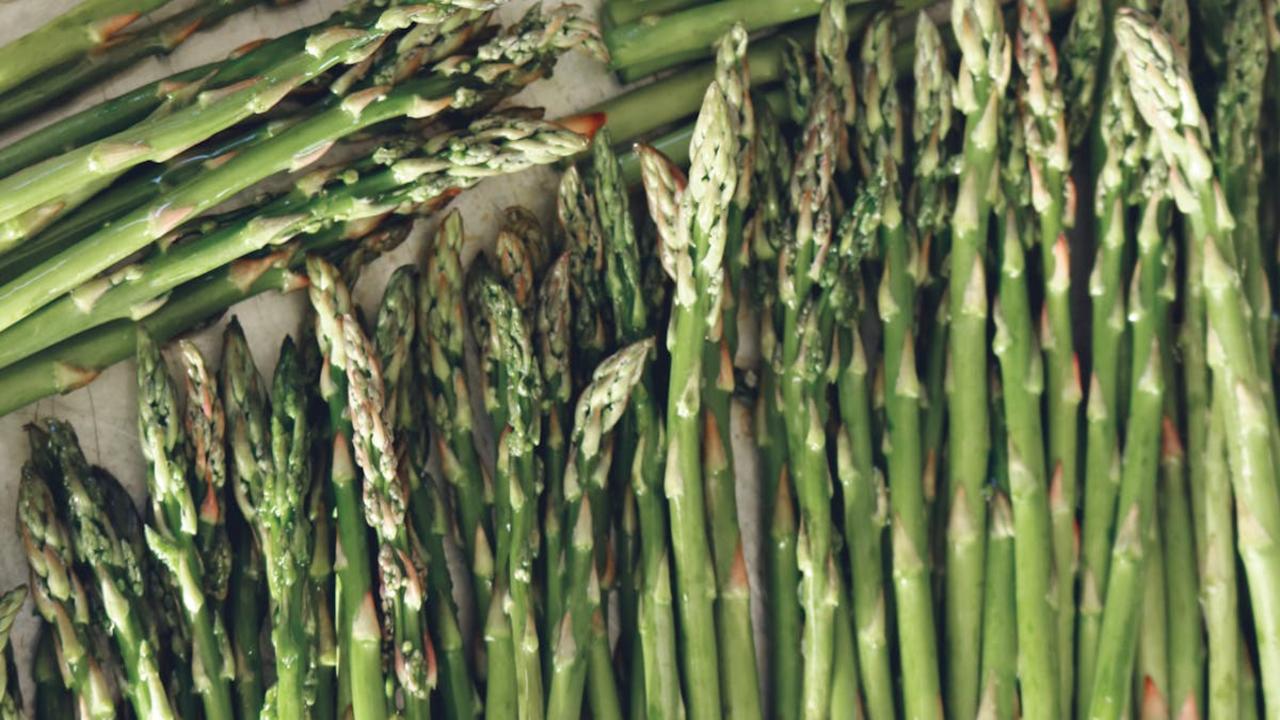
Asparagus has the lifespan of a mayfly at a rock concert – blink and it’s gone from crisp green spears to sad, wilted soldiers surrendering to the vegetable drawer. Those gorgeous stalks you picked up at the farmer’s market on Sunday? By Wednesday, they’re doing their best impression of overcooked spaghetti, complete with that funky smell that makes you question all your life choices. The secret lies in those cut ends – they’re basically straws desperately trying to drink water that isn’t there anymore, slowly dehydrating your precious asparagus into expensive compost.
Here’s your survival strategy: treat asparagus like the high-maintenance diva it truly is. Trim about an inch off the bottom stems the moment you get home, then stand those spears upright in a jar with water covering the cut ends – think of it as a bouquet for your fridge. Cover the tops loosely with a plastic bag, and suddenly your asparagus thinks it’s still growing in the field. This trick buys you about a week of peak performance instead of the usual three-day death spiral. Pro tip: if your asparagus starts bending like it’s doing yoga, cook it immediately – it’s waving the white flag of surrender, but it’s still perfectly delicious roasted with garlic and lemon!
Peaches
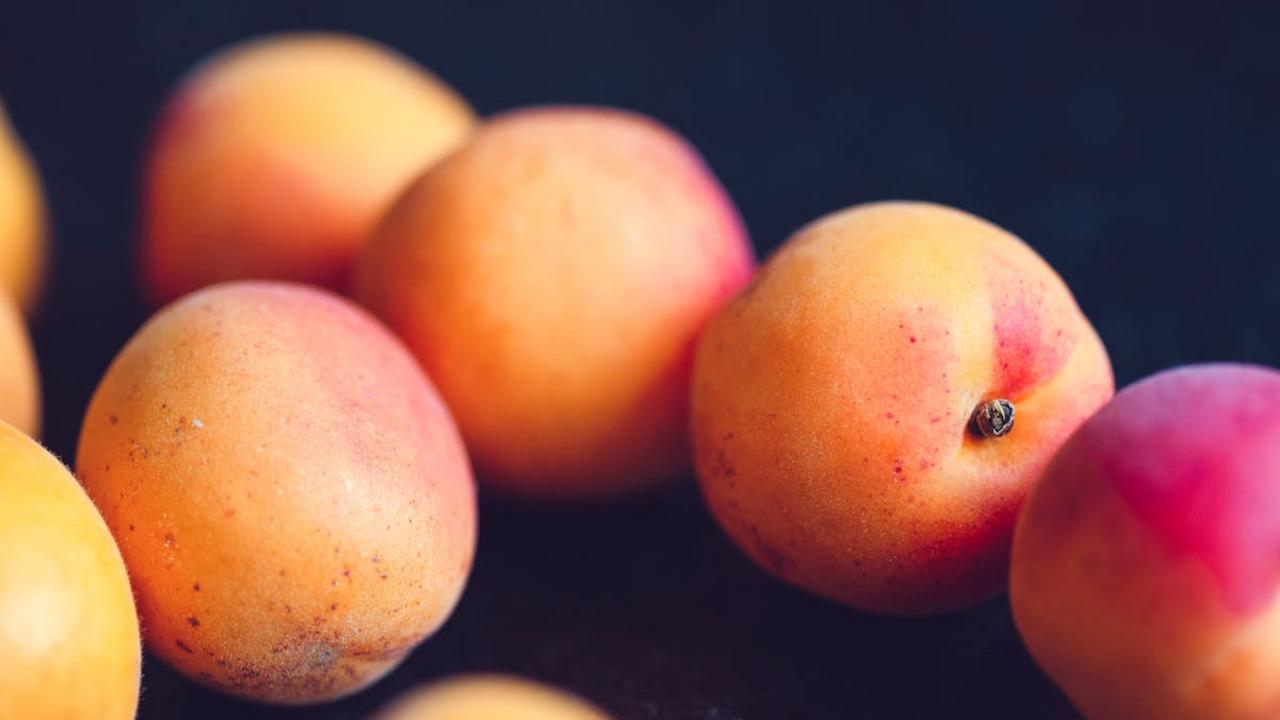
Peaches are basically the drama queens of the fruit world – gorgeous, sweet, and absolutely incapable of maintaining their composure for more than a hot minute once they hit peak ripeness. You bring home those perfect, sunset-colored beauties from the farmer’s market, and within 48 hours they’ve transformed from Instagram-worthy specimens into wrinkled, mushy disappointments that belong in a compost bin faster than you can say “peach cobbler.” These fuzzy divas ripen so quickly that bruising becomes their signature look, and once that brown spot appears, it spreads like gossip at a small-town coffee shop.
The secret to peach preservation lies in understanding their temperament – they’re climacteric fruits, which means they continue ripening even after being picked, producing ethylene gas that speeds up the process exponentially. Store unripe peaches at room temperature until they yield slightly to gentle pressure, then immediately transfer them to your refrigerator where they might grant you an extra day or two of glory. Pro tip: keep them in a single layer in your crisper drawer, because stacking peaches is like playing Jenga with fruit – one wrong move and you’ve got peach puree everywhere. If you’re lucky enough to catch them at their prime, slice and freeze them immediately for smoothies, or better yet, make that peach cobbler before they stage their inevitable revolt against freshness.
Cucumbers
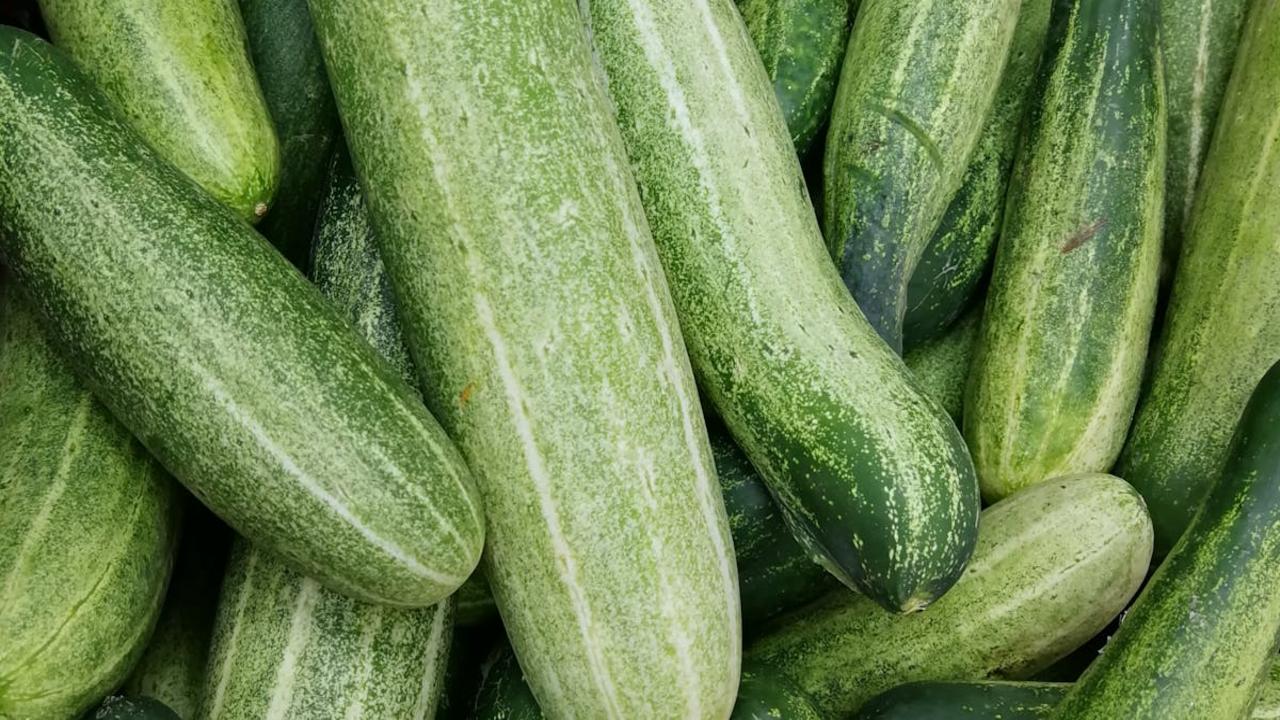
Cucumbers are the divas of the vegetable drawer, and boy, do they know how to make an exit! These crisp green beauties might look sturdy and reliable, but they’re secretly plotting their soggy demise from the moment you bring them home. Within just three to four days in your fridge, they’ll transform from that satisfying crunch machine into a sad, mushy shadow of their former selves. The worst part? They don’t even have the decency to warn you – one day you’re slicing perfect rounds for your salad, and the next day you’re holding what feels like a deflated balloon filled with cucumber soup.
Here’s the thing about cucumbers that’ll blow your mind: they’re actually 96% water, which explains why they go from hero to zero faster than you can say “spa day.” Those little water balloons are incredibly sensitive to temperature changes, and your fridge’s cold environment causes their cell walls to break down rapidly. Pro tip from someone who’s learned the hard way: store them in the crisper drawer wrapped in a paper towel to absorb excess moisture, and keep them away from ethylene-producing fruits like tomatoes and bananas. Trust me, your future self will thank you when you’re not fishing slimy cucumber remnants out of your salad bowl while questioning your life choices.
Mushrooms
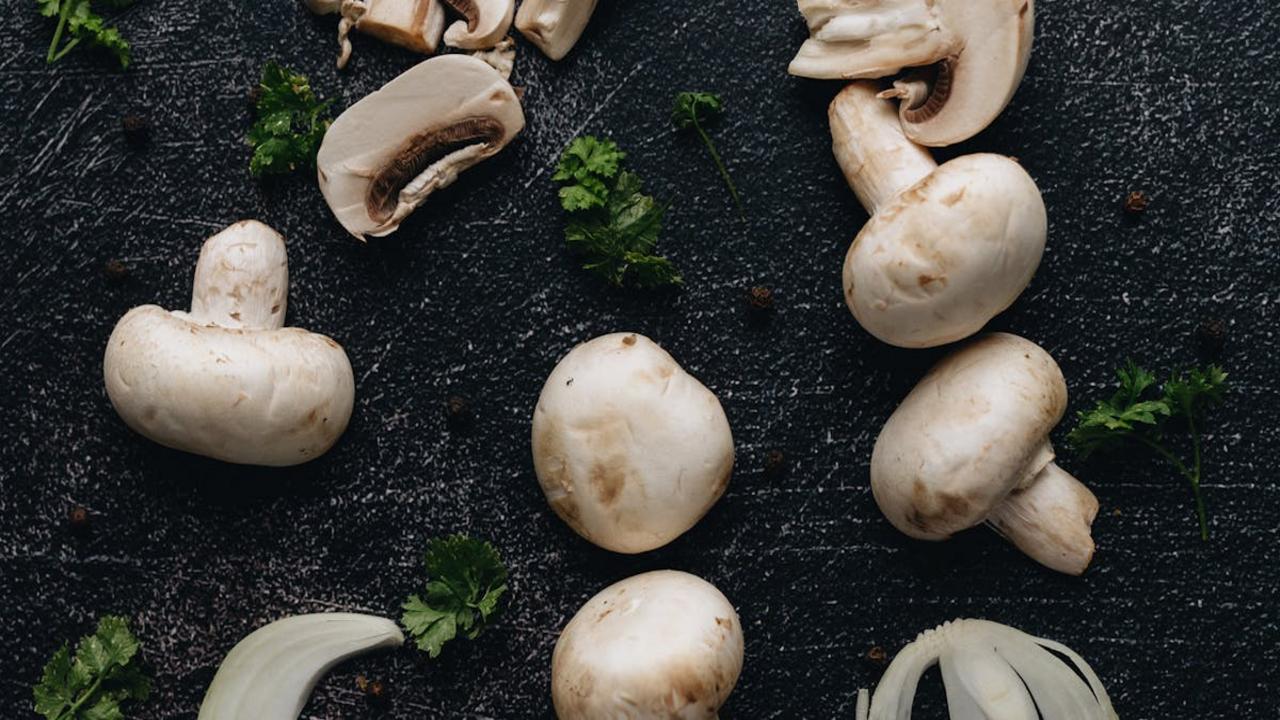
Mushrooms are basically the prima donnas of the produce world – they look gorgeous when you bring them home, but within days they’re throwing dramatic tantrums in your cridge drawer. These fungi friends have zero patience for moisture, which is ironic considering they’re basically 90% water themselves. One day you’ve got plump, firm button mushrooms ready for your weekend stir-fry, and the next day they’ve turned into sad, slimy shadows of their former selves. The worst part? They don’t just go bad gracefully – oh no, they develop this distinctive earthy-gone-wrong smell that makes you question every life choice that led to forgotten mushrooms in your fridge.
Here’s the thing about mushrooms: they’re like that friend who seems super low-maintenance but actually requires very specific care. Store them in their original packaging or a paper bag (never plastic – they’ll suffocate faster than you can say “shiitake”), and keep them in the main part of your fridge, not the humidity-controlled crisper drawer. Fresh mushrooms typically last 7-10 days max, but check them every few days because they can turn from perfect to gross overnight. Pro tip: if they start feeling spongy or develop dark spots, use them immediately in a soup or pasta sauce where their slightly past-prime texture won’t matter. And remember, when mushrooms start growing actual fuzz, that’s nature’s way of saying “time to compost, my friend.”
Leafy greens
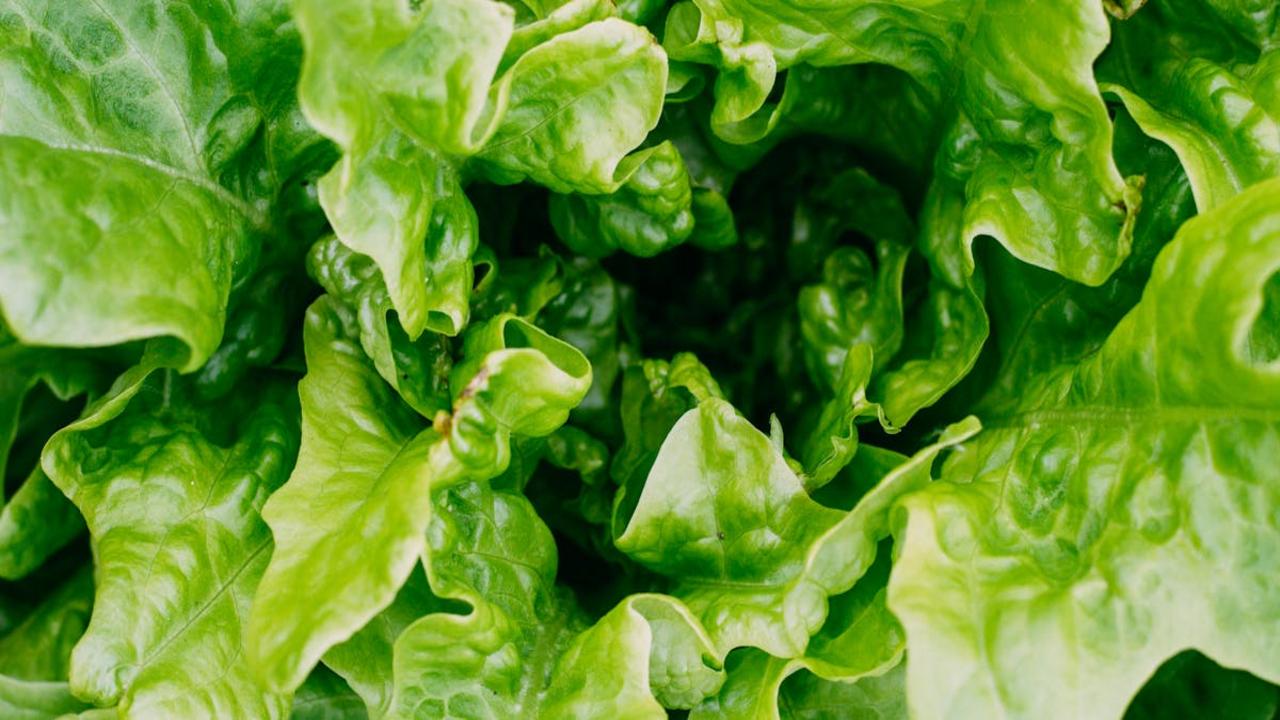
Your beautiful bunch of spinach transforms into a slimy, blackened mess faster than you can say “superfood smoothie.” Leafy greens are basically the divas of the produce world—they demand perfect conditions and throw dramatic tantrums when they don’t get them. The moment you bring home that gorgeous bag of arugula or kale, the countdown begins. These delicate leaves contain high water content and thin cell walls that make them incredibly vulnerable to moisture loss and bacterial growth. One day you’re admiring those perky lettuce leaves, and the next day they’ve turned into what looks like green slime from a horror movie.
Here’s the thing about leafy greens: they hate being wet, but they also hate being too dry. It’s like they’re constantly having an identity crisis in your crisper drawer. Most greens will start showing brown spots and wilting within 3-5 days, even when stored properly. The trick is to wash them gently, dry them thoroughly with paper towels or a salad spinner, and store them in breathable containers or perforated bags. Pro tip: stick a paper towel in with your greens to absorb excess moisture—it’s like giving them a tiny moisture-wicking workout shirt. And please, for the love of all things crispy, don’t store them near ethylene-producing fruits like apples or bananas, unless you enjoy watching your expensive organic spinach commit vegetable suicide.
Avocados
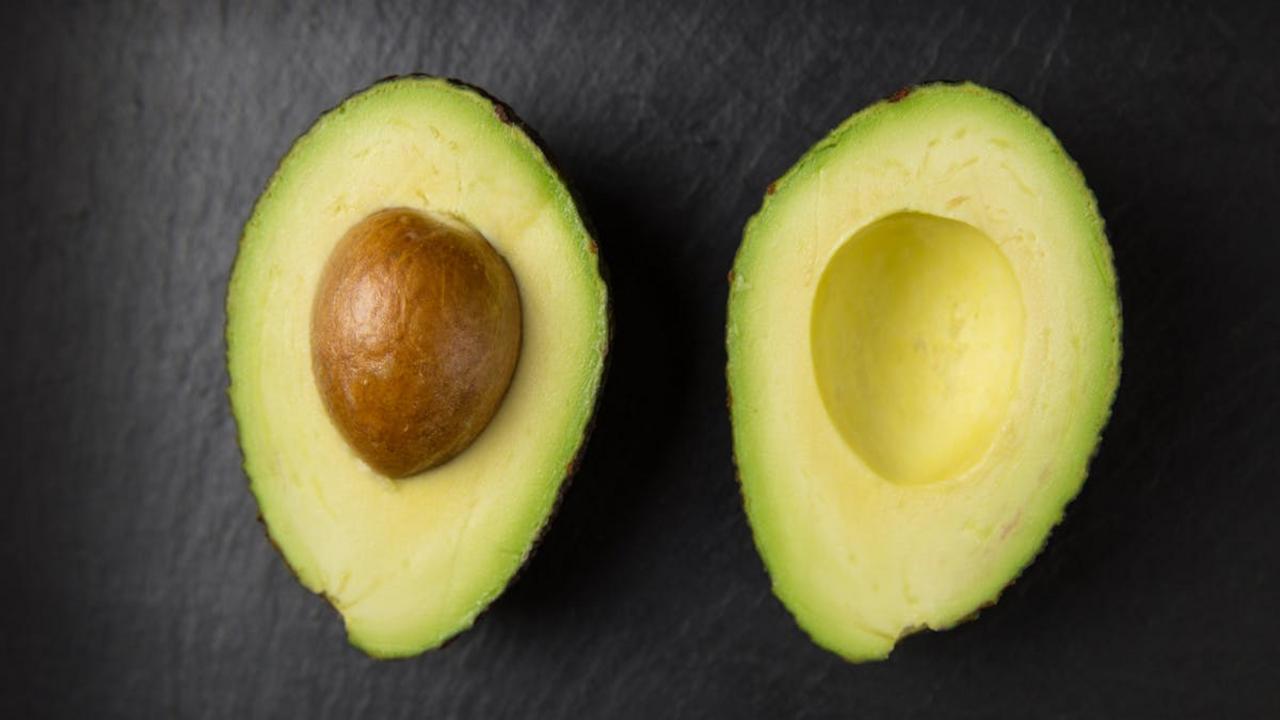
These green goddesses are basically the divas of the produce world – one day they’re rock-hard and refusing to cooperate with your toast dreams, and the next day they’ve turned into brown mush faster than you can say “guac.” You know the drill: you buy six perfectly firm avocados, lovingly place them in your fridge thinking you’re being responsible, and somehow three days later they’ve all decided to throw a decomposition party without inviting you. The fridge actually speeds up their demise because cold temperatures mess with their ripening process, turning that creamy perfection into a stringy, oxidized disaster.
Here’s the thing about avocados – they’re basically nature’s practical joke. They release ethylene gas (yes, fruit gas is a real thing), which makes them ripen faster, and storing them next to other fruits turns your crisper drawer into a produce time bomb. Your best bet? Keep unripe ones on the counter until they give slightly to gentle pressure, then pop them in the fridge for maybe two days max. If you’ve already cut one open and can’t finish it, brush the flesh with lemon juice, wrap it tight, and pray to the avocado gods that it doesn’t turn brown overnight – though let’s be honest, it probably will anyway.
Berries
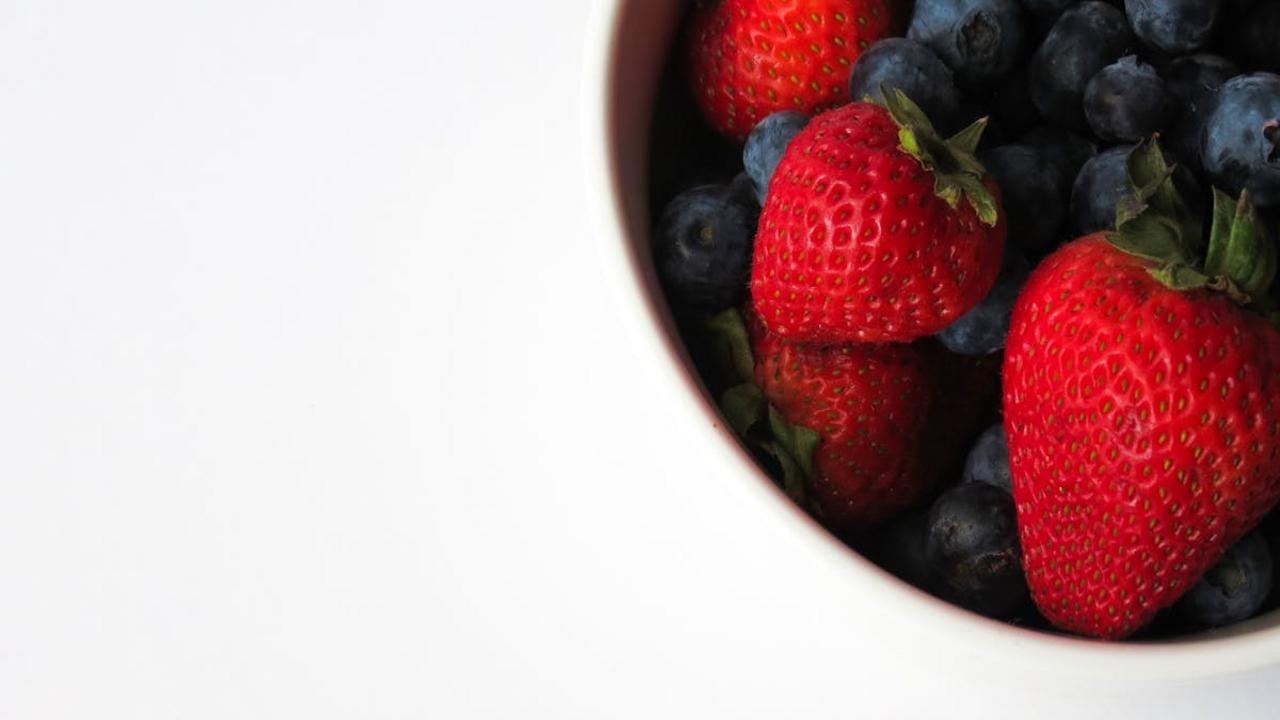
Those gorgeous little jewels you just bought at the farmer’s market? They’re basically ticking time bombs in your fridge. Berries have this maddening habit of looking absolutely perfect one day and transforming into fuzzy, moldy science experiments the next. The culprit? Their delicate skin and high water content make them prime real estate for bacteria and mold. Strawberries are the worst offenders – they can go from Instagram-worthy to compost-ready in just two days. Blueberries might last a week if you’re lucky, while raspberries and blackberries barely make it past the weekend before they start their tragic descent into mushiness.
Here’s the thing about berries – they’re drama queens that demand VIP treatment. Never wash them until you’re ready to eat them, because excess moisture is their kryptonite. Store them in the fridge in their original containers with good airflow, and do that weird berry inspection dance every day, plucking out any suspicious-looking ones before they contaminate their neighbors. Pro tip: if you know you won’t finish them within a few days, toss those babies in the freezer for smoothies later. Trust me, frozen berries are infinitely better than discovering what I like to call “berry soup” lurking in the back of your produce drawer.
Fresh herbs
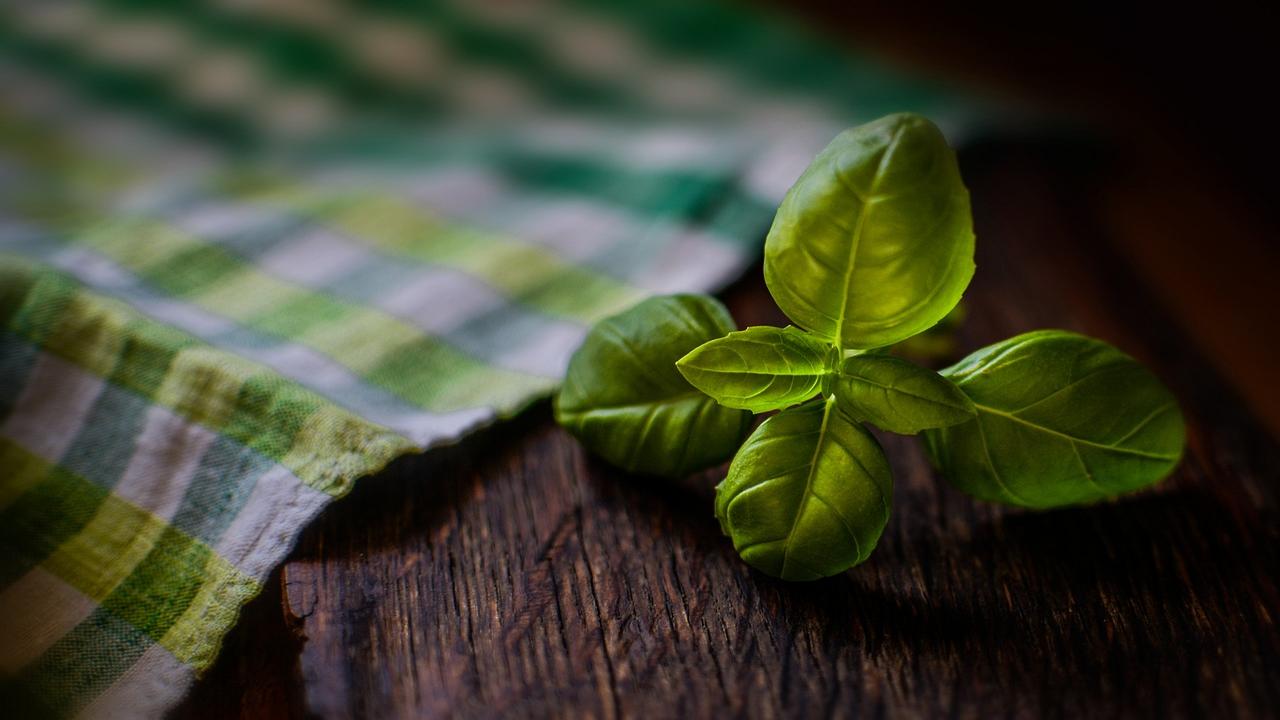
You know that moment when you buy a beautiful bunch of fresh basil, dreaming of homemade pesto and caprese salads, only to open your fridge three days later to find what looks like a crime scene? Fresh herbs are basically the drama queens of the produce world – they’ll go from Instagram-worthy to compost material faster than you can say “farm-to-table.” These delicate little leaves contain so much moisture that they’re practically begging to wilt, and once they start their descent into mushiness, there’s no turning back. Cilantro turns into green slime, parsley becomes a soggy mess, and don’t even get me started on what happens to dill – it’s like watching a green fairy tale turn into a horror story.
The secret to keeping these temperamental beauties alive longer involves treating them like the high-maintenance plants they truly are. Store soft herbs like basil and cilantro like flowers – trim their stems, pop them in a glass of water, and cover them with a plastic bag before refrigerating. Hardy herbs like rosemary and thyme can handle being wrapped in damp paper towels and stored in the fridge. But here’s the kicker: even with perfect storage, you’re looking at maybe a week before they start their inevitable march toward the compost bin. My advice? Buy only what you need, or better yet, start that windowsill herb garden you’ve been talking about for years – at least then you can blame your black thumb instead of your procrastination when things go south!