13 Everyday Processed Foods Hijacking Your Health Right Under Your Nose
That box of cereal or packet of instant noodles in your pantry might seem convenient, but these processed foods could be sneaking unwanted ingredients into your daily meals. From hidden sugars and sodium to artificial preservatives, many common grocery items pack more than just quick satisfaction – they bring potential health risks too.
I’ve spent years studying food labels and tracking how processed foods impact our bodies. The truth can be shocking: many popular items we eat daily contain chemicals, excess fats, and refined carbohydrates that can lead to weight gain, inflammation, and other health issues. The good news? You can make smart swaps once you know what to look for.
Ready to take control of your health? Let’s examine 13 everyday processed foods that might be affecting your wellbeing more than you think. Understanding what’s really in these items will help you make better choices at the grocery store and feel more energized throughout your day.
Energy Drinks

I need to be straight with you about energy drinks – they’re not your friend! While the quick boost might feel great, these beverages pack a dangerous punch of caffeine, sugar, and artificial stimulants that can throw your body into chaos. A single can often contains more sugar than four chocolate bars and enough caffeine to make your heart race. Plus, the mix of synthetic caffeine and questionable additives like taurine can lead to jitters, anxiety, and serious sleep problems.
Your body deserves better than this chemical cocktail! The high levels of artificial sweeteners and preservatives in energy drinks can mess with your blood sugar, strain your liver, and even damage your tooth enamel. Many people don’t realize these drinks can also cause dehydration despite being liquid – the caffeine acts as a diuretic. Instead of reaching for that brightly colored can, try natural energy boosters like green tea, fresh fruit smoothies, or a small coffee. Your body will thank you with steady, sustainable energy throughout the day.
Boxed Mac and Cheese

I know those bright orange boxes of mac and cheese hold a special place in many of our hearts – they’re quick, cheap, and total comfort food. But here’s the thing: your favorite boxed mac and cheese contains artificial food dyes, preservatives, and excessive sodium that can mess with your health over time. The cheese powder mix often includes Yellow 5 and Yellow 6, two synthetic dyes linked to hyperactivity in children and potential allergic reactions. Plus, one serving packs around 30% of your daily sodium intake!
You don’t need to give up your mac and cheese fix completely – just try making it from scratch instead! Real cheese like cheddar and parmesan will give you that creamy texture and rich flavor you crave, plus beneficial protein and calcium. Mix in some whole grain pasta and you’ll add fiber and nutrients missing from the boxed version. I love tossing in steamed broccoli or peas for extra nutrition. Your body will thank you for skipping those artificial ingredients, and your taste buds will love the authentic cheesy goodness of homemade mac and cheese.
Packaged Deli Meats

I know those packaged deli meats look so convenient at the supermarket – perfect for quick sandwiches and protein-packed snacks. But here’s something that might make you think twice: most packaged deli meats contain high amounts of sodium, preservatives like nitrates and nitrites, and artificial flavors that can impact your health. A single serving of processed deli turkey can pack up to 1,000mg of sodium – that’s almost half your daily recommended intake! The preservatives in these meats have also been linked to increased risks of heart disease and certain cancers.
Want a healthier alternative? You can roast your own turkey or chicken breast at home, slice it thinly, and store it in your fridge for 3-4 days. This way, you control exactly what goes into your meat, and you’ll skip those harmful additives. If you must buy deli meats, look for options labeled “no nitrates or nitrites added” and “low sodium.” Better yet, try plant-based sandwich fillings like hummus, avocado, or grilled vegetables – they’re packed with nutrients and will keep you feeling energized throughout your day.
Potato Chips

I know those salty, crunchy potato chips call your name from the snack aisle, but they pack a serious health punch you need to watch out for. A single serving of potato chips loads you up with empty calories, high amounts of sodium, and unhealthy fats that can spike your blood pressure and expand your waistline. Plus, most commercial chips contain artificial flavors, preservatives, and acrylamide – a concerning chemical that forms when potatoes are fried at high temperatures.
You’ll find yourself reaching for “just one more” chip thanks to the carefully calculated combination of salt, fat, and crunch that makes them incredibly addictive. Food manufacturers design these snacks to hit your pleasure centers and keep you munching, while offering zero nutritional benefits. Instead, grab some air-popped popcorn or make your own baked sweet potato chips at home – you’ll satisfy that snack craving without compromising your health goals. Your body will thank you for making the switch!
Frozen Pizza

Your go-to frozen pizza might seem like a quick dinner fix, but it’s often loaded with hidden health-damaging ingredients. Most frozen pizzas pack high amounts of sodium, artificial preservatives, and processed meats that can raise your risk of heart disease and high blood pressure. The cheese often contains added oils and fillers rather than pure dairy, while the crust typically includes refined white flour stripped of its natural nutrients and fiber. One serving can deliver up to 40% of your daily sodium limit and excessive saturated fats.
I’ve noticed many frozen pizza brands add sugar to their tomato sauce and use chemical additives to maintain the texture during freezing. These additions can trigger inflammation in your body and contribute to weight gain over time. The processed meats like pepperoni and sausage contain nitrates and nitrites – compounds linked to increased cancer risk. Instead, try making your own pizza with whole wheat dough, fresh vegetables, and real cheese. You’ll control the ingredients while creating a more nutritious meal that actually supports your health goals.
Instant Noodles
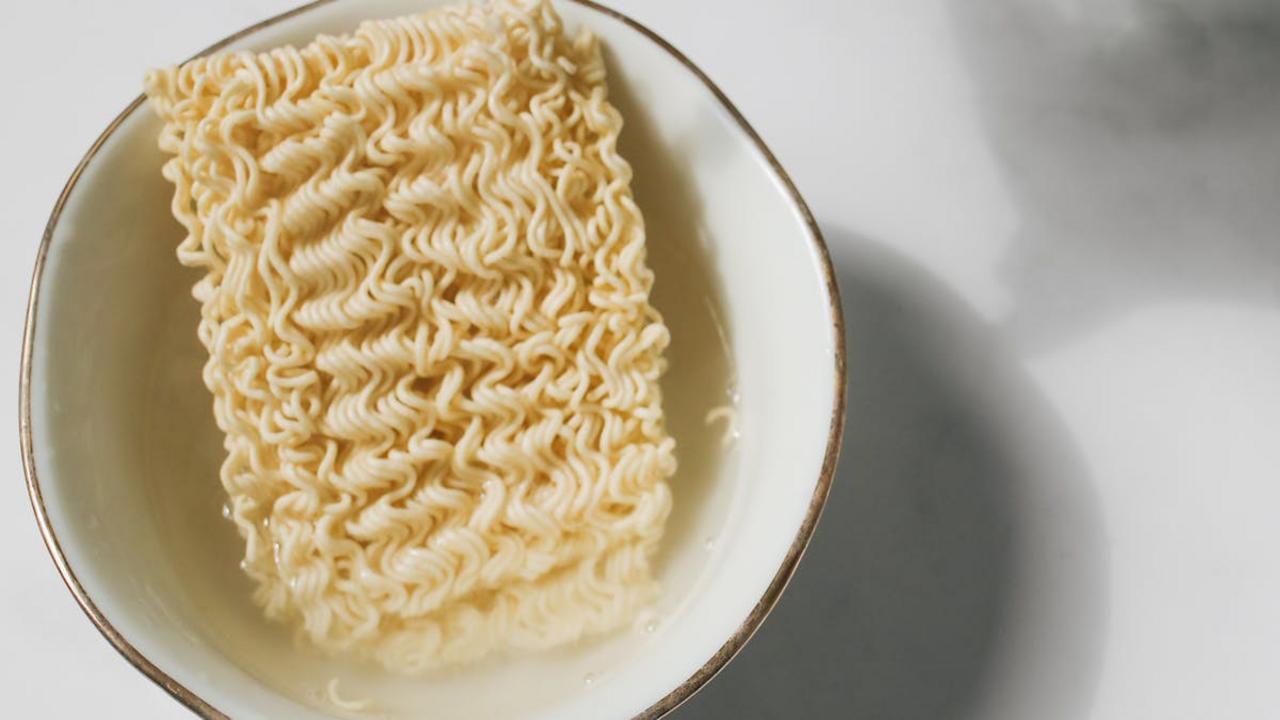
Those quick and convenient instant noodles you keep in your pantry might save you time, but they pack a heavy health toll. The noodles go through deep-frying during manufacturing, which loads them with unhealthy trans fats and excessive sodium. A single serving can contain up to 1,800mg of sodium – that’s over 70% of your daily recommended intake! Plus, the noodles lack essential nutrients like fiber, protein, and vitamins, making them nothing more than empty calories that’ll leave you hungry again in no time.
The flavor packets that come with instant noodles make things even worse. They’re full of artificial flavors, preservatives, and MSG (monosodium glutamate) that can trigger headaches and digestive issues in sensitive people. Regular consumption of instant noodles links to higher risks of metabolic syndrome, including increased blood pressure, blood sugar, and belly fat. If you need a quick meal, try whole grain pasta with homemade sauce or rice with vegetables – your body will thank you for making the switch!
Canned Soups
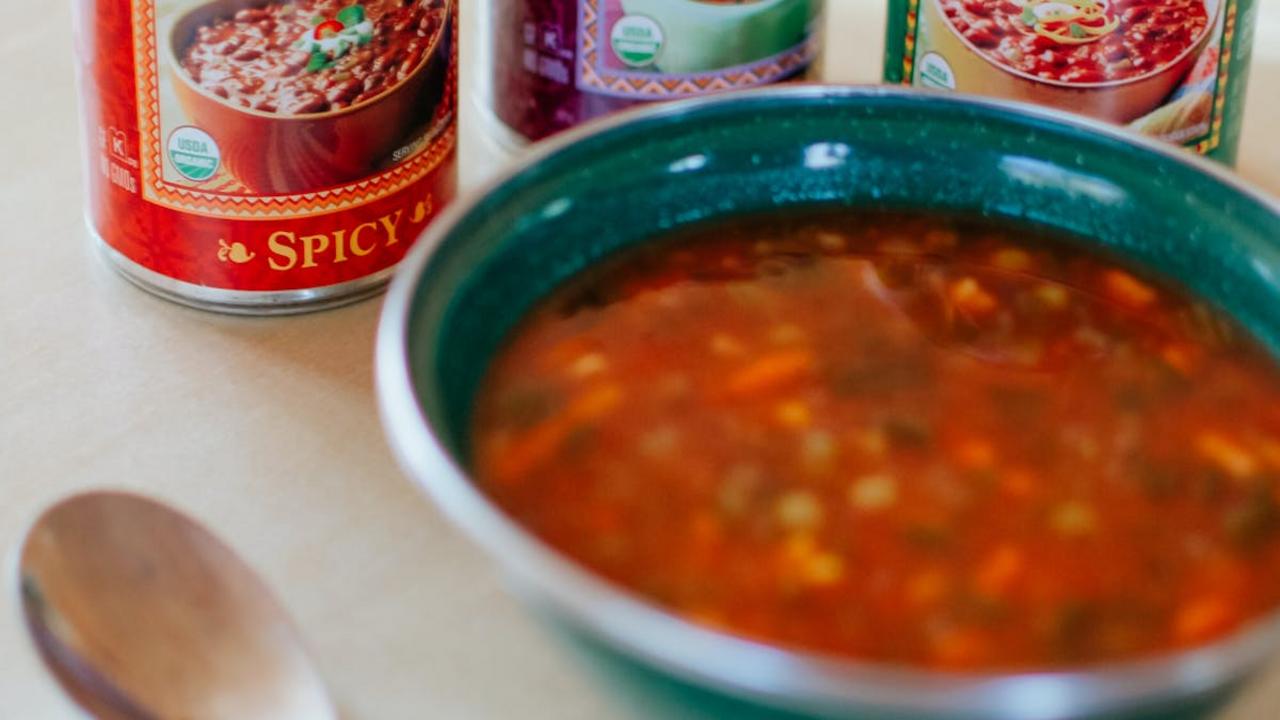
I know canned soups seem like a quick and cozy lunch option, but they pack a sneaky health punch you might not expect. Most store-bought canned soups contain shocking amounts of sodium – often reaching 40% of your daily recommended intake in just one serving! The high salt content can lead to increased blood pressure and water retention. Plus, many canned soups include preservatives, artificial flavors, and MSG to enhance their taste and extend shelf life, which can trigger headaches and discomfort in some people.
You’ll also find that many canned soups rely heavily on refined carbohydrates and offer minimal nutritional value compared to homemade versions. The canning process itself can strip vegetables of their natural vitamins and minerals, leaving you with a less nutritious meal than you’d think. Instead, try making a big batch of fresh soup on weekends – you can freeze portions for quick meals throughout the week. Your body will thank you for skipping the excess sodium and artificial ingredients while getting more nutrients from fresh ingredients.
Soda

I see many people grab sodas without thinking about what’s really in those fizzy drinks. Your average can of soda packs around 10 teaspoons of sugar – that’s more than your recommended daily limit! The artificial sweeteners, phosphoric acid, and caffeine create a dangerous cocktail that spikes your blood sugar and messes with your metabolism. Plus, drinking soda regularly links directly to tooth decay, obesity, and type 2 diabetes, yet many of us still reach for these drinks daily.
You’ll find zero nutritional value in sodas, just empty calories that leave you wanting more. The high fructose corn syrup in these drinks tricks your brain into craving additional sweets while disrupting your body’s natural hunger signals. Consider this: drinking one can of soda per day adds up to 39 pounds of sugar per year! Next time you’re thirsty, grab water with fresh lemon or homemade iced tea instead. Your body will thank you for making the switch to healthier alternatives that actually nourish rather than harm.
Packaged Cookies

Those tempting packaged cookies in your pantry might seem like a quick, convenient snack, but they’re hiding a dark secret. Most store-bought cookies pack a whopping amount of refined sugar, unhealthy fats, and artificial additives that can throw your blood sugar levels into chaos. What’s more concerning? Many popular brands sneak in high-fructose corn syrup, preservatives, and artificial colors that your body simply doesn’t need. These ingredients can lead to weight gain, increased inflammation, and even affect your mood throughout the day.
I’ve seen many of my readers switch to homemade cookies and notice incredible changes in their energy levels and overall health. By baking your own treats, you control exactly what goes into them – think whole wheat flour, natural sweeteners like honey or maple syrup, and real butter instead of processed oils. You can even add nutritious ingredients like nuts, dark chocolate, or dried fruit to boost the nutrition value. The best part? Your kitchen will smell amazing, and you’ll create memories while baking with your family. Plus, homemade cookies actually fill you up, unlike their processed counterparts that often leave you craving more.
Microwave Popcorn

I’ll bet you’ve got a box of microwave popcorn stashed in your pantry right now – it’s such a convenient snack! But here’s the thing: those seemingly innocent bags pack more than just kernels and butter flavor. The bags themselves contain PFAS (per- and polyfluoroalkyl substances), chemicals linked to various health issues. Plus, most brands load their popcorn with artificial butter flavoring containing diacetyl, a compound that can cause serious respiratory problems when inhaled regularly. The high sodium and trans fat content in many varieties only adds to the health concerns.
You don’t need to give up popcorn though! I switched to making mine the old-school way with plain kernels in a pot or air popper, and it’s been a total game-changer for my family. We control exactly what goes into our snack, and the kernels cost way less than those pre-packaged bags. My kids love trying different healthy toppings like nutritional yeast or a sprinkle of herbs. The best part? We get all the satisfaction of fresh popcorn without worrying about synthetic chemicals or artificial ingredients messing with our health.
Hot Dogs

I know hot dogs bring back fond memories of baseball games and summer cookouts, but these processed meat tubes pack a serious health punch you’ll want to know about. Your typical hot dog contains a mix of mechanically separated meats, sodium nitrites, artificial flavors, and high amounts of saturated fats. The sodium content alone in one hot dog can reach up to 500mg – that’s over 20% of your daily recommended intake! Plus, research from the World Health Organization links processed meats like hot dogs to increased cancer risk.
You don’t have to give up your favorite ballpark snack completely, but I recommend choosing healthier alternatives for regular meals. Look for organic, nitrate-free hot dogs made from grass-fed beef or turkey if you really want that classic hot dog fix. Better yet, try grilling up some marinated portobello mushrooms or veggie dogs made from whole food ingredients. Your body will thank you for making the switch, and you might find these alternatives just as satisfying as the original.
White Bread

You might reach for that fluffy white bread without thinking twice, but this everyday staple can seriously impact your health. White bread goes through heavy processing that strips away the nutrient-rich bran and germ layers of wheat, leaving behind refined flour with minimal nutritional value. The refinement process removes fiber, B vitamins, iron, and other important minerals your body needs. Plus, manufacturers often add bleaching agents and preservatives to achieve that perfectly white color and extend shelf life.
Your blood sugar takes a hit every time you eat white bread because your body quickly converts these simple carbohydrates into glucose. This rapid spike can leave you feeling hungry shortly after eating, leading to overeating and potential weight gain. Instead, pick whole grain breads that keep their natural nutrients intact. Look for options where “whole wheat flour” appears first on the ingredient list – these breads will give you steady energy and actually fill you up. Your body will thank you for making this simple switch in your daily sandwich routine.
Breakfast Cereals
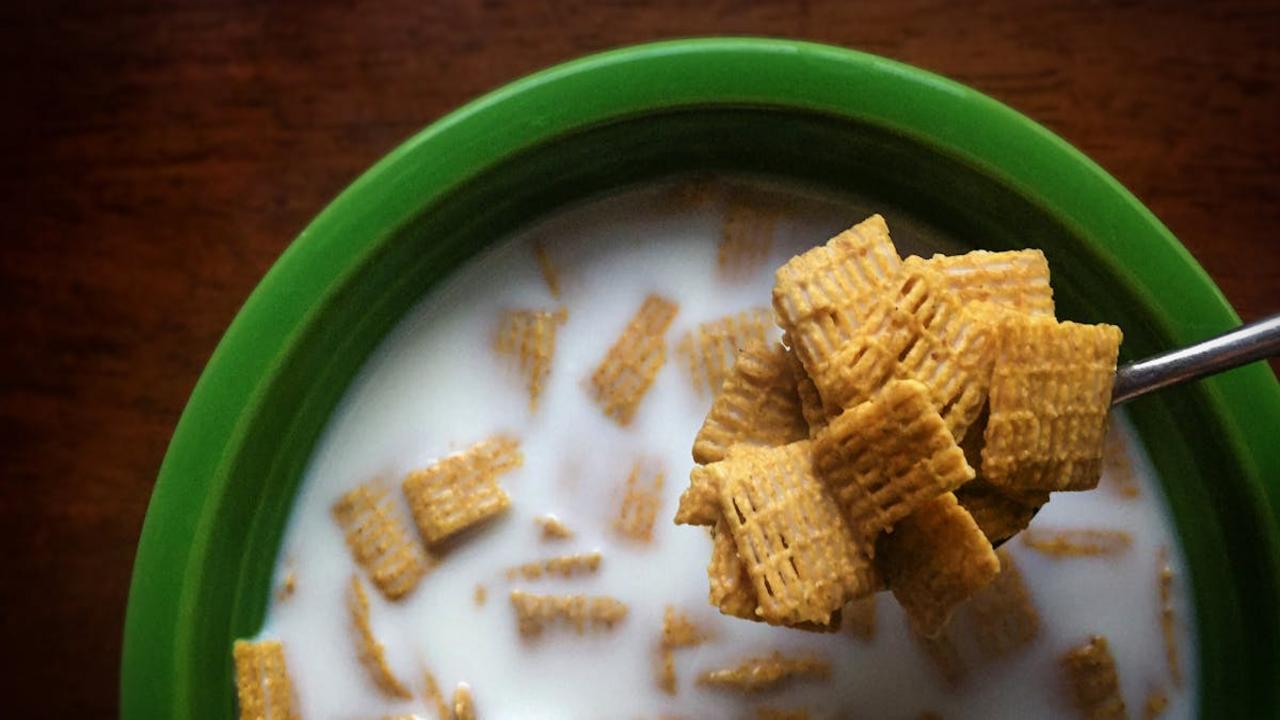
That colorful box of breakfast cereal might look like a quick and easy morning solution, but many popular brands pack more sugar than a candy bar! Most commercial cereals go through heavy processing that strips away their natural nutrients, only to be artificially fortified later. The manufacturers often market these sugar-loaded cereals to children through cartoon characters and fun shapes, making kids beg for what’s basically a dessert masquerading as breakfast. Your favorite childhood cereals likely contain artificial colors, preservatives, and refined grains that spike blood sugar and leave you hungry an hour later.
You’ll find much better nutrition by switching to whole grain alternatives like plain oatmeal or homemade granola. I recommend reading cereal labels carefully – look for options with less than 6 grams of sugar per serving and ingredients you can pronounce. Better yet, make your own breakfast bowl with steel-cut oats topped with fresh fruits, nuts, and a drizzle of honey. You’ll get real fiber, protein, and sustained energy without the blood sugar crash. Your body will thank you for ditching those processed cereals that offer little more than empty calories and artificial ingredients.