10 Sneaky Secrets That Make Junk Food Irresistible
You know that moment when you open a bag of chips “just for one” and suddenly you’re scraping crumb dust from the bottom? Yeah, that’s not willpower failure—that’s food science warfare. Companies spend millions engineering the perfect storm of sugar, salt, and fat to hijack your brain’s reward system.
Every crunchy bite triggers dopamine cascades while artificial flavors trick your mouth into thinking it’s experiencing something natural. Meanwhile, those bright packages practically scream “EAT ME” from grocery shelves like edible sirens. Your ancestors survived famines by gorging on rare calorie-dense foods, so your DNA basically high-fives every processed snack.
From texture contrasts that create “bliss points” to hunger-stimulating additives that keep you reaching for more, these ten secrets reveal why resisting that bag of Doritos feels impossible. Spoiler alert: it kind of is, and understanding why might just save your sanity (and your waistline).
Brain Chemistry
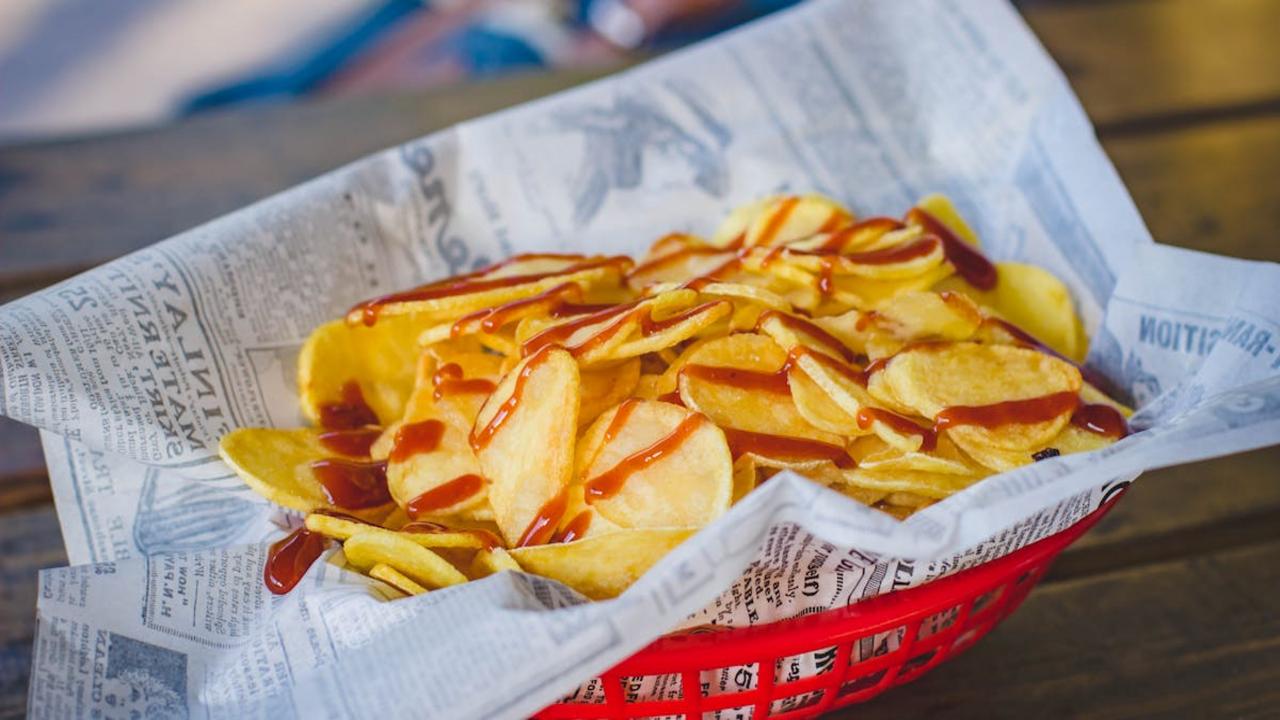
Your brain on junk food looks remarkably similar to your brain on drugs – and that’s not an accident. Food scientists have figured out exactly which chemicals trigger the biggest dopamine dumps in your noggin, and they’ve turned that knowledge into a multi-billion-dollar industry. Salt, sugar, and fat don’t just taste good together; they literally hijack your reward pathways and make you crave more. Ever wonder why you can demolish an entire bag of chips but struggle to finish a single apple? Blame your neurons – they’re basically throwing a party every time you bite into that perfect combination of crispy, salty, fatty goodness.
The real kicker? Food companies employ actual neuroscientists to study how different flavors light up brain scans. They’ve discovered that certain ratios of ingredients create what researchers call “hyper-palatability” – foods so intensely rewarding that your brain can’t help but want more. Think about how you feel after eating a donut versus a piece of grilled chicken. The donut floods your system with feel-good chemicals so quickly that your brain starts planning its next sugar heist before you’ve even finished chewing. Meanwhile, that chicken just sits there being all responsible and nutritious, completely failing to trigger the same neurochemical fireworks show that keeps you coming back for more junk.
Emotional Comfort
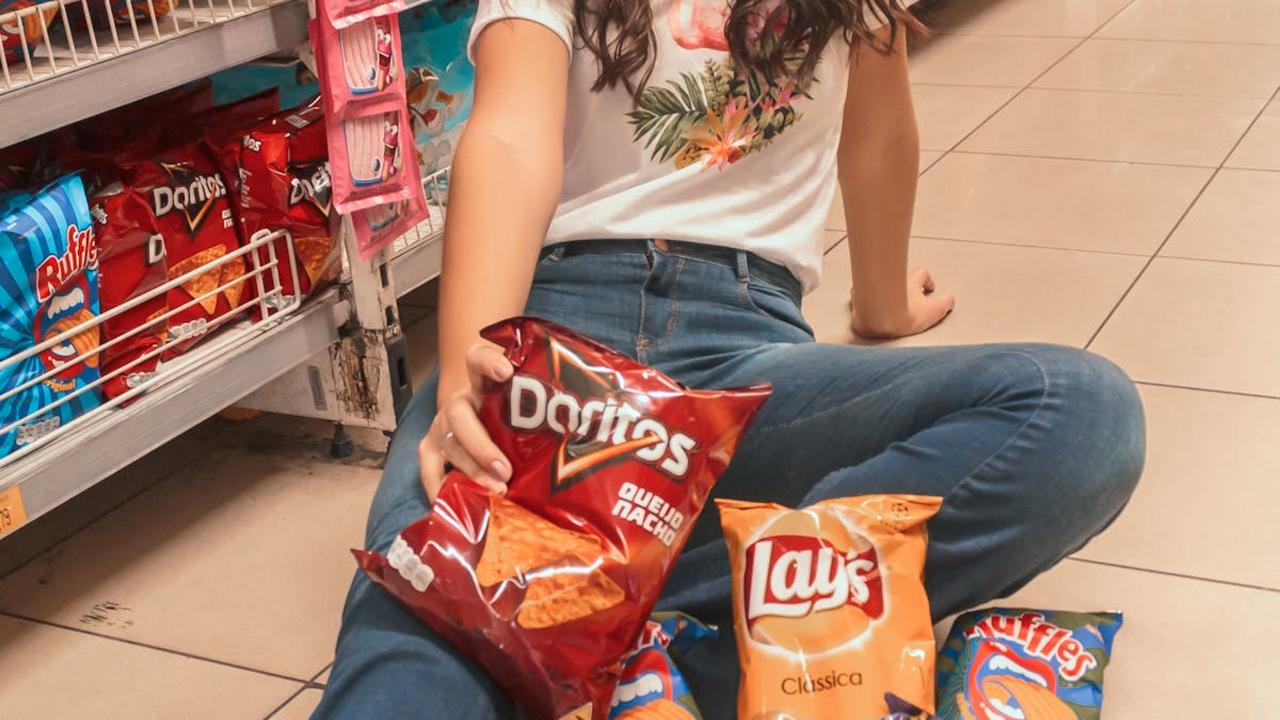
You know that feeling when your day crashes harder than a soufflé in a thunderstorm? Your brain doesn’t reach for kale chips – it screams for that pint of Ben & Jerry’s hiding behind the frozen peas. Food companies have cracked the code on this psychological goldmine, designing products that hit our emotional panic buttons with surgical precision. They’ve studied how certain combinations of fat, sugar, and salt trigger the same neural pathways that light up during a warm hug from your grandmother. That bag of chips isn’t just crunchy; it’s a edible security blanket wrapped in shiny packaging.
The sneaky part? These companies deliberately create what scientists call “comfort food profiles” – specific textures and flavors that mimic the foods we associate with safety and love. Think about how mac and cheese feels like liquid sunshine on a bad day, or how a chocolate chip cookie can transport you back to your childhood kitchen. Food engineers spend millions studying these emotional triggers, then replicate them in processed foods. They add vanilla extract to make products smell like home baking, create that perfect “mouth melt” that reminds you of your mom’s mashed potatoes, and design packaging colors that subconsciously whisper “everything will be okay.” Your emotions become their marketing strategy, and honestly? It works like a charm.
Colors and Packaging

Ever notice how you can spot a bag of Cheetos from three aisles away? That blazing orange screams “PICK ME UP!” louder than a toddler in the cereal section. Food companies spend millions studying color psychology because they know that bright red triggers urgency (hello, Coca-Cola), yellow sparks happiness (McDonald’s golden arches, anyone?), and that electric blue somehow makes us think “extreme flavor” even though nothing in nature is that shade of blue. Your brain makes split-second decisions based on these visual cues before you even read the product name. That shiny, crinkly bag isn’t just protecting the chips inside – it’s practically hypnotizing you with its reflective surface and bold graphics.
The packaging itself tells a story that your subconscious mind reads like a novel. Those rounded corners and soft fonts whisper “comfort food,” while angular designs and metallic finishes shout “energy boost!” Companies test thousands of package variations on focus groups, measuring everything from how long people stare at different designs to which colors make their pupils dilate. That’s why your favorite snacks often come in packages that feel substantial in your hands – the weight and texture send signals to your brain that this product is worth the money. Next time you’re grocery shopping, pay attention to how certain packages seem to jump off the shelf while others blend into the background. It’s not magic; it’s millions of dollars of research designed to make you reach for that particular bag of chips instead of the generic brand sitting right next to it.
Convenience Factor
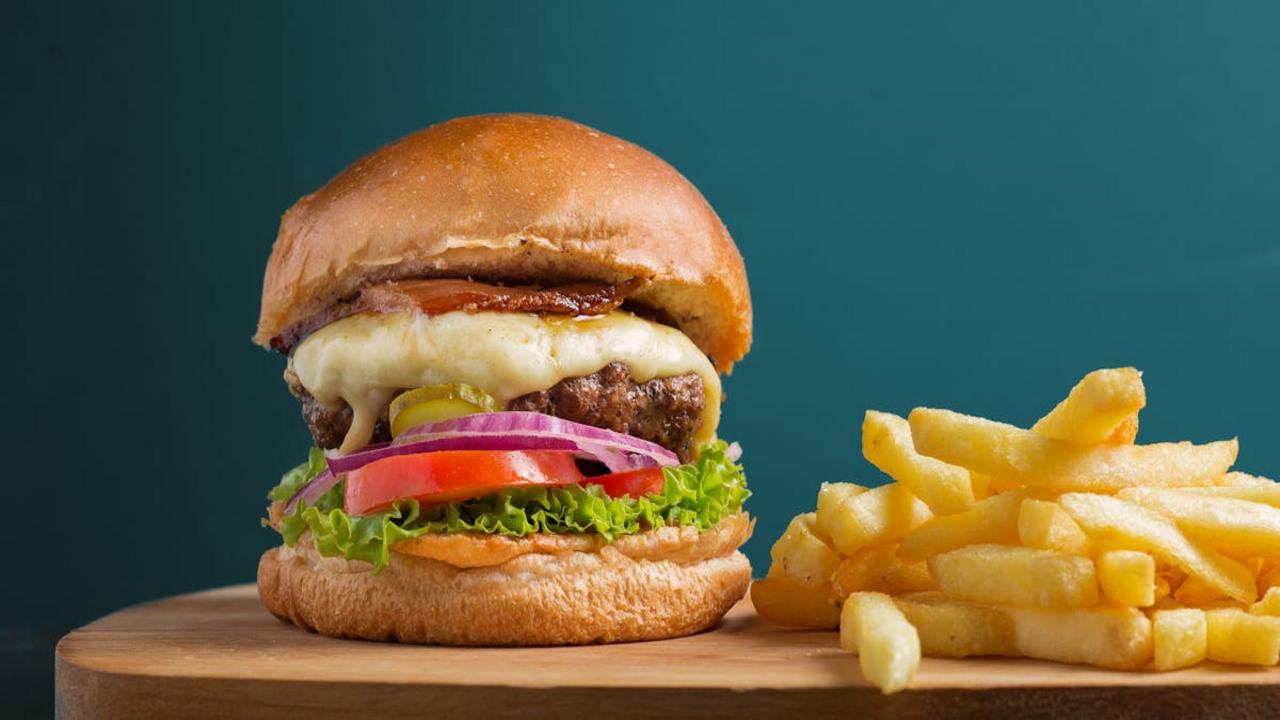
Picture this: you’re running late for work, your stomach is growling like an angry bear, and you’ve got exactly thirty-seven seconds to grab something edible. What do you reach for? That apple sitting innocently in your fruit bowl, or the perfectly packaged granola bar that’s practically throwing itself at you from the pantry shelf? Yeah, I thought so. Food manufacturers have basically turned convenience into an Olympic sport, and they’re winning gold medals left and right. They’ve figured out that our modern lives move at warp speed, and nobody has time to peel, chop, or prepare anything that requires more effort than ripping open a wrapper.
The genius lies in how they’ve engineered instant gratification into every single bite. Those snack-sized bags of chips aren’t just portion control – they’re portable happiness dispensers that fit perfectly in your car’s cup holder, your desk drawer, and that mysterious black hole you call a purse. Meanwhile, that bag of raw carrots requires washing, peeling, and actual commitment to eating something that crunches back at you with zero flavor enhancement. Fast food drive-throughs have mastered the art of getting hot, salty, crispy food into your hands faster than you can say “I should probably eat a salad instead.” They’ve basically turned eating into a pit stop, and honestly, when your day feels like a NASCAR race, who has time to argue with efficiency?
Hunger Stimulants

You know that friend who always seems hungry even right after finishing a massive meal? Well, junk food companies have basically turned that into a science experiment, and we’re all their willing lab rats. They’ve figured out how to hack your brain’s hunger signals by loading their products with specific ingredients that literally make you feel hungrier the more you eat. MSG, certain artificial sweeteners, and high-fructose corn syrup don’t just add flavor – they mess with your satiety hormones like ghrelin and leptin, basically telling your brain “Hey, we’re still starving over here!” It’s like having a tiny food demon whispering sweet lies directly into your hypothalamus.
The most devious part? These hunger stimulants work so subtly that you’ll swear you’re just naturally blessed with a hearty appetite. I once watched my brother demolish an entire bag of chips while insisting he wasn’t even that hungry – meanwhile, his brain was getting bombarded with signals that he needed more salt, more crunch, more everything. Food scientists call this the “bliss point,” but I call it the “why-did-I-eat-the-entire-pantry point.” Next time you find yourself mysteriously ravenous after snacking, check the ingredient list. If you see MSG lurking there like a sneaky little hunger gremlin, you’ll know exactly why your stomach is staging a dramatic encore performance.
Texture Combinations
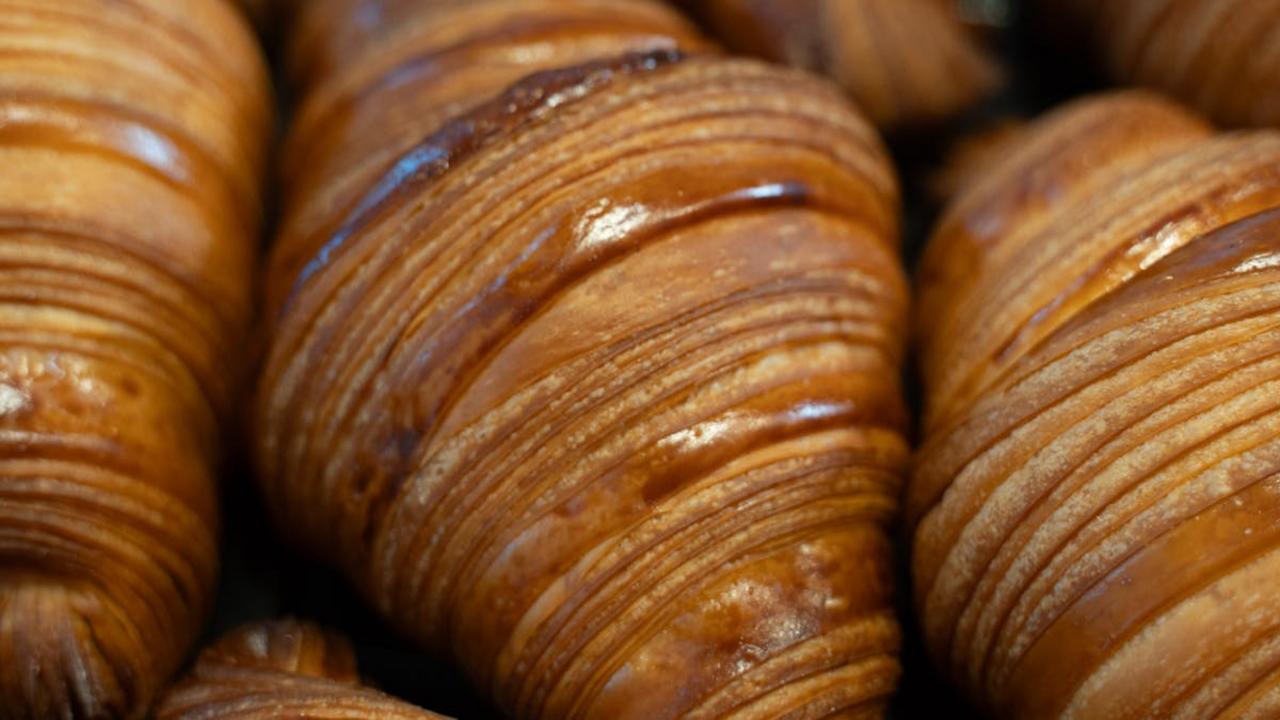
Your mouth is basically a texture detective, and junk food companies have cracked the code on exactly what makes your brain do a happy dance. Think about your favorite bag of chips – it’s not just the salt that hooks you, it’s that perfect storm of crunch followed by that satisfying dissolve on your tongue. Food scientists spend their days in labs creating what they call “dynamic contrast” – basically the edible equivalent of a roller coaster for your mouth. They know that when you bite into something that starts crispy but then melts away (hello, Cheetos!), your brain interprets this as “this must be really good food” and sends out pleasure signals like confetti cannons.
The real genius lies in layering multiple textures within a single bite. Take your average candy bar – you’ve got smooth chocolate giving way to chewy caramel, then BAM, crunchy nuts or crispy wafer. Each texture change triggers a new wave of sensory excitement, keeping your mouth engaged and your brain begging for more. Even something as simple as ice cream gets the texture treatment with mix-ins, swirls, and chunks that create what researchers call “textural interest.” It’s like having a party in your mouth where every guest brings something different to the table, and your brain is the enthusiastic host who never wants the party to end.
Artificial Flavors
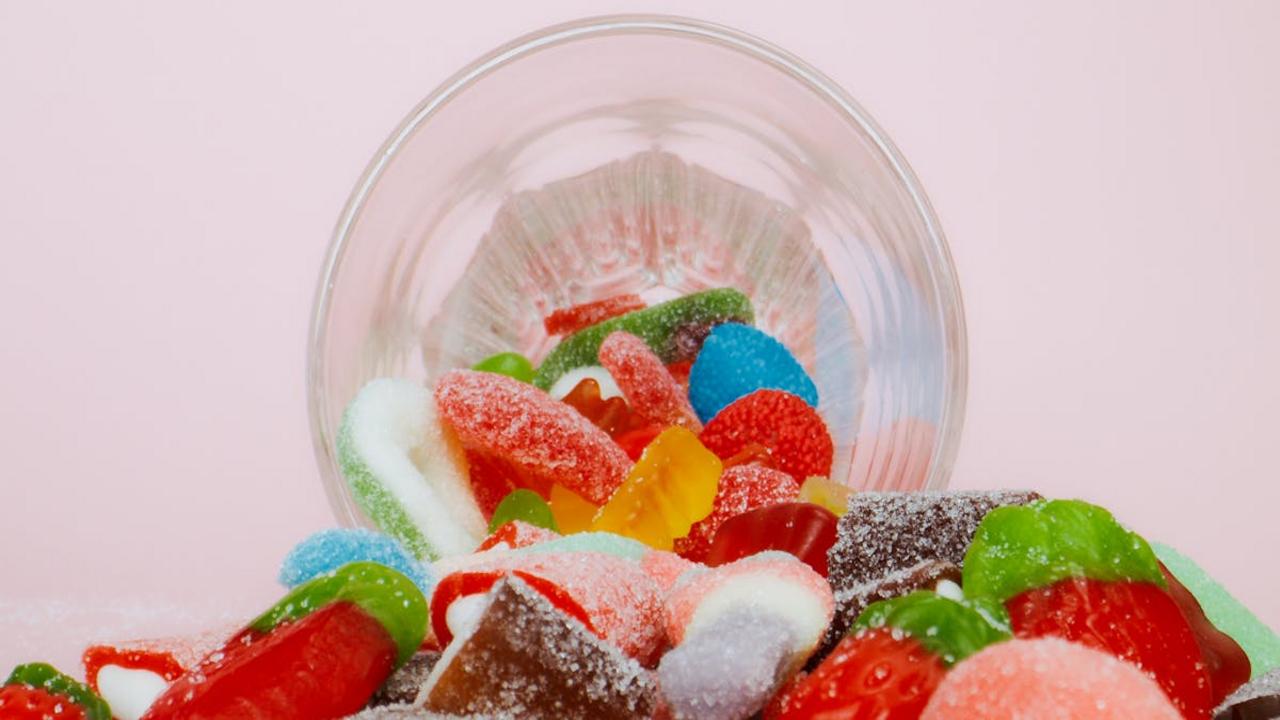
You know that strawberry flavor in your favorite candy that tastes more strawberry-ish than actual strawberries? That’s artificial flavor magic at work! Food scientists have basically become flavor wizards, creating compounds that trick your brain into experiencing tastes that are often more intense and consistent than nature ever intended. Here’s the kicker: artificial strawberry flavor comes from a compound called ethyl butyrate, which naturally occurs in pineapples and has absolutely nothing to do with strawberries. Your brain doesn’t care about this botanical betrayal though—it just wants that sweet, fruity hit that sends dopamine straight to your reward center.
The genius behind artificial flavors lies in their ability to create what I like to call “flavor nostalgia”—that perfect, idealized version of taste that becomes your brain’s default expectation. Real vanilla has over 250 different flavor compounds, but artificial vanilla uses just one: vanillin. Yet somehow, that single compound can make you crave cookies, cake, or ice cream with alarming efficiency. Food manufacturers have figured out that consistency beats complexity every time. Your childhood memories of grape candy didn’t come from grapes at all—they came from methyl anthranilate, a compound that creates that distinctly “purple” taste we all recognize. Once your brain locks onto these artificial flavor profiles, natural foods can actually taste bland in comparison. Sneaky, right?
Fat Content
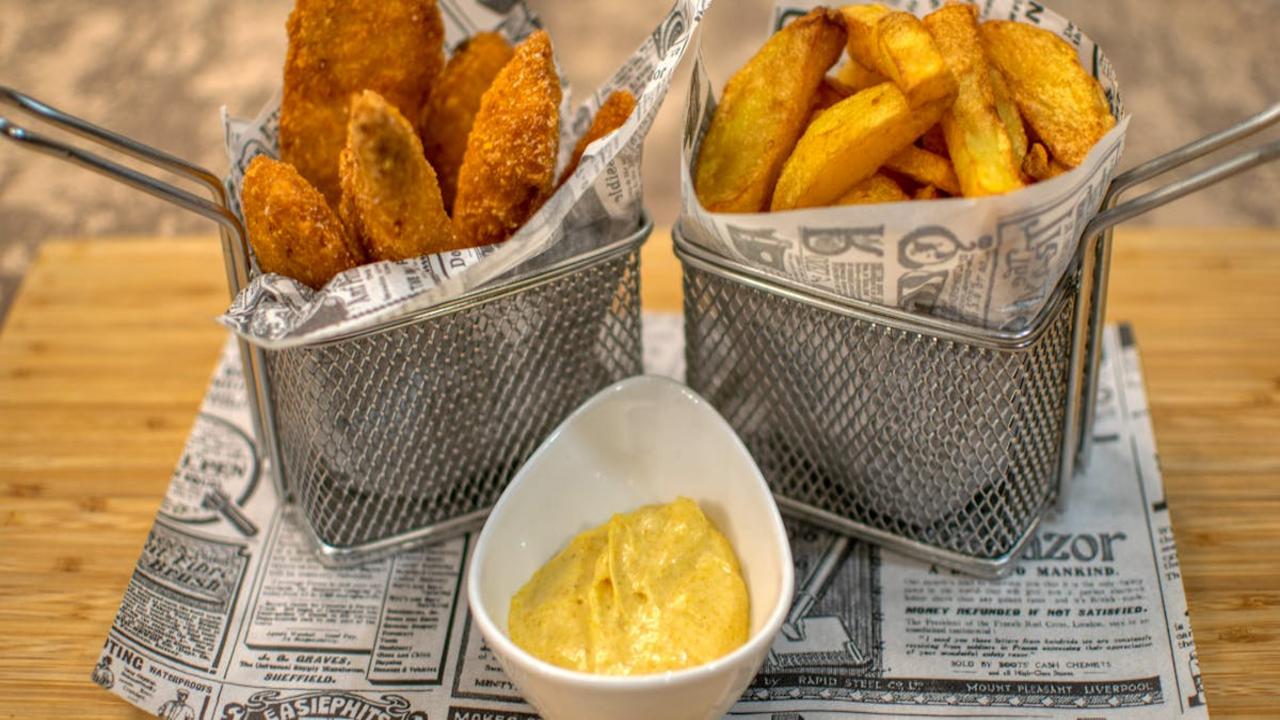
You know that moment when you bite into a perfectly crispy french fry and your brain practically does a happy dance? That’s fat working its magic on your neurons! Food scientists have discovered that fat doesn’t just make things taste good—it actually triggers pleasure centers in your brain, creating what researchers call “hedonic eating.” Your mouth has special fat receptors (yes, really!) that detect creamy, rich textures and send “MORE PLEASE!” signals straight to your reward system. Think about it: would you rather munch on a plain baked potato or one loaded with butter, cheese, and sour cream? The fat-laden version wins every time because it hits multiple pleasure points simultaneously.
Here’s where junk food companies get sneaky—they’ve perfected something called the “bliss point” for fat content. This sweet spot typically hovers around 35% fat content, which explains why chips, cookies, and ice cream feel so addictive. But fat does more than just taste amazing; it carries flavors better than any other macronutrient. Ever notice how vanilla ice cream tastes more intense than vanilla-flavored water? That’s because fat molecules trap and concentrate flavor compounds, making every bite a concentrated flavor bomb. Plus, fat slows down digestion, which means those delicious flavors linger in your mouth longer. No wonder your brain keeps asking for “just one more bite” of that chocolate chip cookie—it’s basically a perfectly engineered fat-and-flavor delivery system!
Salt Cravings

Your brain practically throws a party every time salt hits your tongue, and junk food companies know this better than your mother knows your middle name. Salt doesn’t just make things taste good—it triggers an actual chemical celebration in your noggin that makes you want more, more, MORE. Food scientists have discovered that the perfect amount of salt creates what they call the “bliss point,” that magical sweet spot where your brain basically starts doing backflips and demanding seconds. Think about those perfectly salted potato chips that somehow vanish from the bag while you’re watching Netflix—that’s not willpower failure, that’s pure neuroscience at work!
Here’s where it gets sneaky: manufacturers don’t just sprinkle salt on top and call it a day. They layer different types of sodium throughout their products like edible Russian nesting dolls. You’ve got your regular table salt, sodium citrate for tanginess, monosodium glutamate for that umami punch, and sodium phosphate to keep things fresh. By the time you bite into that seemingly innocent snack, you’re experiencing a symphony of sodium that your prehistoric brain interprets as “this food will keep me alive forever, better eat the entire bag.” It’s like they’ve hacked the ancient survival code that made our ancestors crave salt during times when finding it meant the difference between thriving and becoming cave person jerky.
Sugar Rush
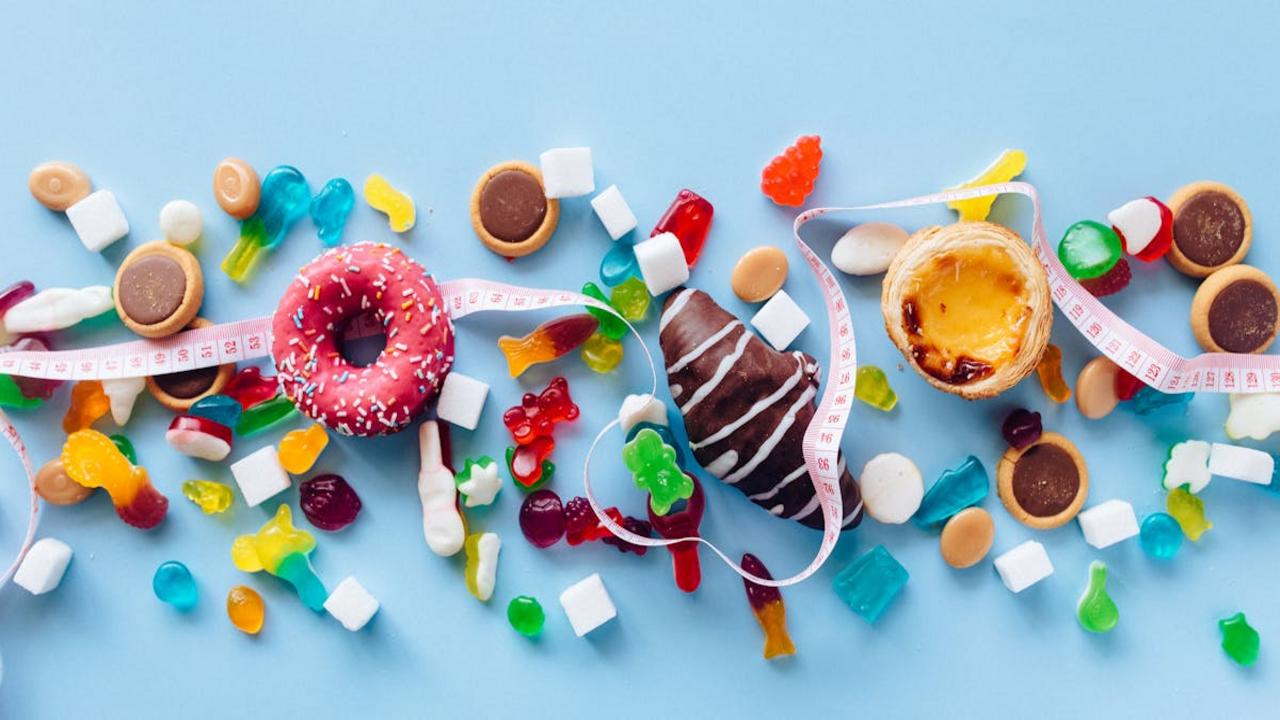
You know that moment when you bite into a candy bar and suddenly feel like you could conquer Mount Everest? That’s the sugar rush working its magic, and food manufacturers have turned this biological response into an absolute science. Your brain lights up like a Christmas tree when sugar hits your bloodstream, releasing dopamine faster than you can say “just one more cookie.” Companies don’t just throw random amounts of sweetness into their products—they calculate the exact “bliss point” where your brain practically begs for another bite. This sweet spot triggers the same reward pathways that light up during other pleasurable experiences, which explains why you can demolish an entire sleeve of cookies while binge-watching Netflix without even realizing it.
The sneaky part? Food scientists deliberately create sugar highs followed by crashes that leave you craving more. They’ve discovered that combining different types of sugars—high fructose corn syrup, sucrose, and dextrose—creates a more intense and longer-lasting rush than using just one type. Think of it like a sugar symphony where each ingredient plays its part in keeping you hooked. Even foods you wouldn’t consider “sweet” contain hidden sugars designed to trigger these cravings. That seemingly innocent granola bar contains more sugar than a chocolate chip cookie, and your morning yogurt packs enough sweetness to rival ice cream. The result? You’re riding a blood sugar roller coaster that keeps you reaching for the nearest snack, wondering why your willpower seems to have vanished into thin air.