15 Ancient Staple Foods That Fed Civilizations for Centuries
Long before trendy superfoods hit your Instagram feed, ancient civilizations thrived on hearty, nutritious staples that stood the test of time. These powerhouse foods didn’t just fill bellies – they built empires, sustained populations through harsh seasons, and created food traditions we still cherish today. I’m always amazed how these ancient crops managed to feed millions without modern farming technology!
What makes these 15 foods truly special isn’t just their impressive nutritional profiles, but their remarkable adaptability. From the protein-packed quinoa of the Andes to barley that fueled Egyptian workers, these foods grew in challenging conditions where other crops failed. They connected communities through shared meals and cooking techniques passed down through generations.
You’ll discover how many of these ancient staples are making a comeback in modern kitchens. Their staying power proves something I’ve always believed – good food doesn’t need fancy packaging or marketing campaigns. These humble grains, roots, and fruits have nourished humanity for centuries simply because they work, taste good, and keep us healthy.
Barley
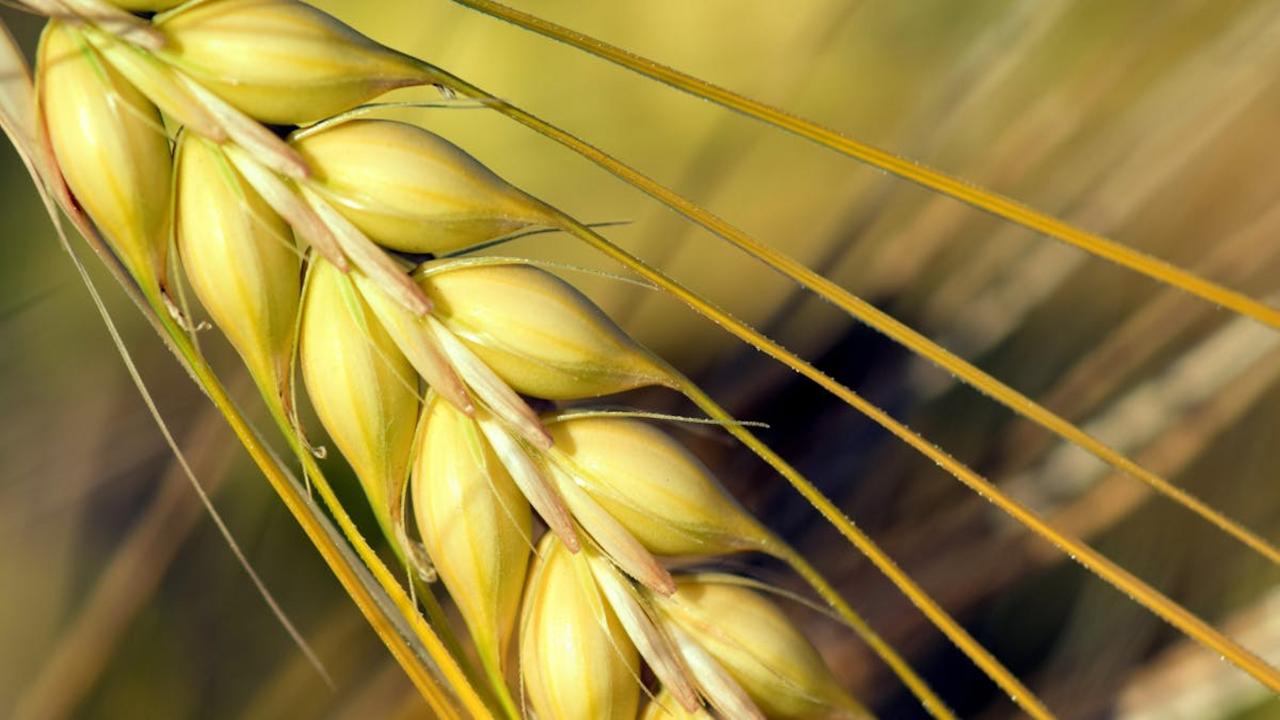
Barley stands as one of humanity’s oldest friends in the grain family, and I can’t help but get excited when I think about how this humble cereal has nourished people for over 10,000 years! From the ancient Egyptians who considered it so valuable they used it as currency, to the Greeks who fed it to their Olympic athletes for strength and endurance, barley has been the backbone of countless civilizations. This resilient grain thrived in harsh climates where wheat couldn’t survive, making it the reliable go-to crop that kept entire communities fed through difficult seasons. You’ll find barley’s fingerprints all over history – it was the primary ingredient in ancient breads, porridges, and even the first fermented beverages.
What makes me absolutely love barley today is how incredibly versatile and nutritious it remains in our modern kitchens. This chewy, nutty grain packs a serious nutritional punch with its high fiber content, B vitamins, and minerals like selenium and manganese. You can toss pearl barley into hearty soups and stews where it adds wonderful texture and helps thicken the broth naturally, or cook hulled barley as a satisfying side dish that pairs beautifully with roasted vegetables. I particularly enjoy using barley in grain bowls topped with fresh herbs and a drizzle of olive oil – it’s comfort food that actually loves you back! The best part? Barley keeps you full and satisfied for hours, proving that our ancestors really knew what they were doing when they made this grain a dietary staple.
Plantains
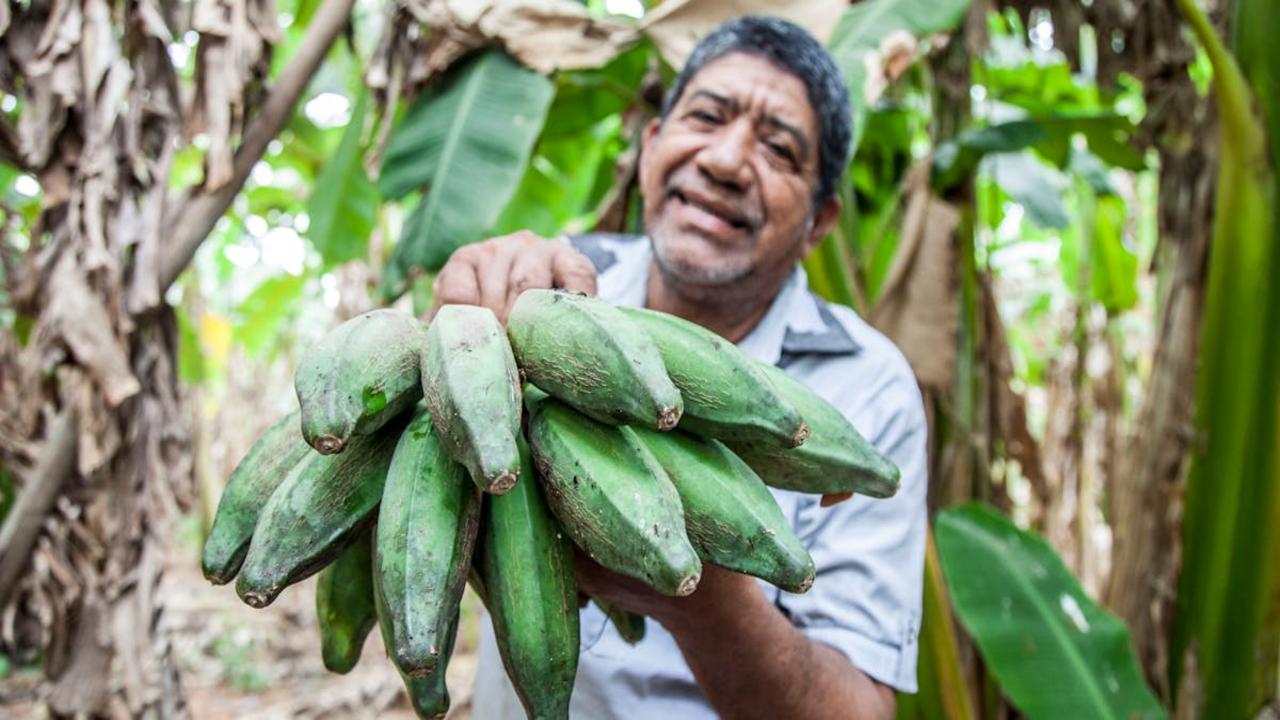
You know that feeling when you discover a food that’s been quietly supporting entire civilizations while you’ve been missing out? That’s exactly how I felt when I first learned about plantains and their incredible history. These starchy green giants have been the backbone of tropical communities across Africa, the Caribbean, and Central America for over a thousand years. Unlike their sweet banana cousins, plantains pack serious nutritional punch with complex carbohydrates, potassium, and vitamin C that kept whole populations thriving through seasons of scarcity.
What makes me absolutely love plantains is their incredible versatility – they’re like the chameleon of the produce world! When green and firm, they become crispy tostones or hearty boiled accompaniments that taste almost like potatoes. As they ripen and turn yellow, then black, their natural sugars develop into something magical for sweet preparations. I’ve watched friends transform these humble fruits into everything from savory mofongo to caramelized maduros, and each preparation tells the story of how different cultures made plantains their own. The best part? They’re still incredibly affordable and accessible, making them perfect for anyone wanting to add both history and nutrition to their weekly meal rotation.
Yams
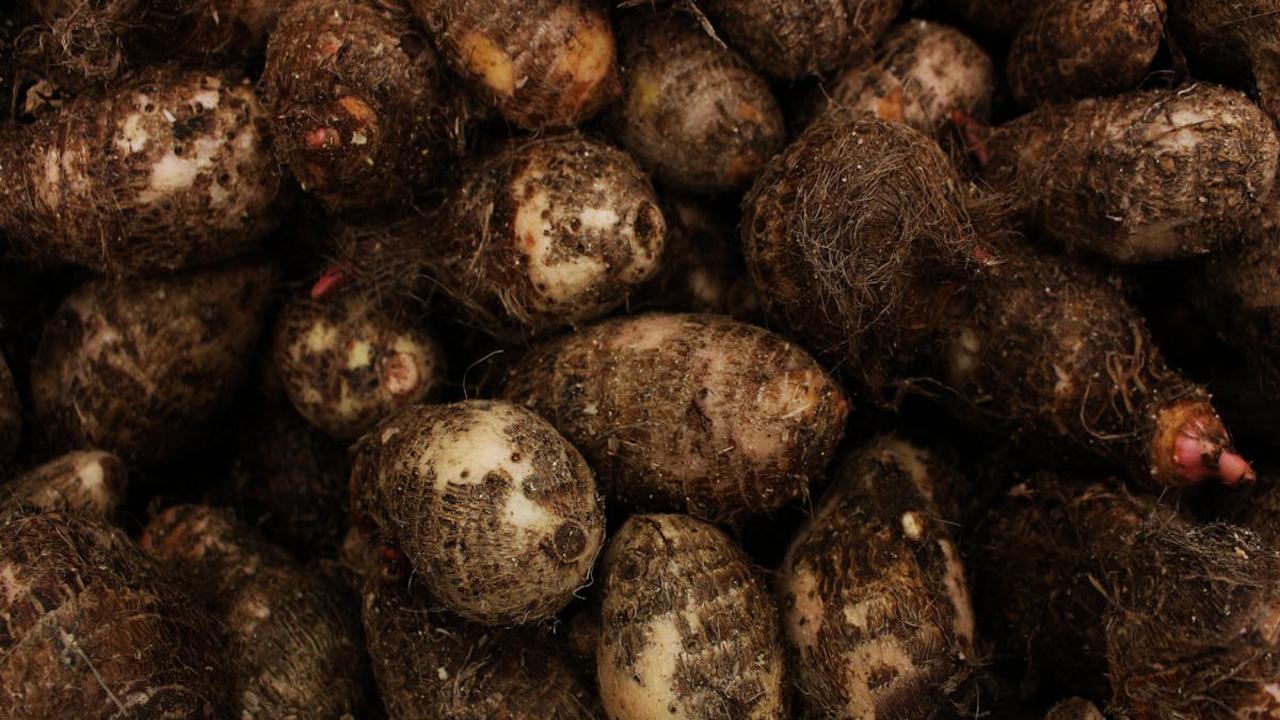
You know that feeling when you discover a food that’s been quietly sustaining entire civilizations while you’ve been overlooking it at the grocery store? That’s exactly what happened to me with yams! These incredible tubers have been feeding communities across Africa, Asia, and the Pacific Islands for thousands of years, and honestly, we need to give them way more credit. True yams (not the sweet potatoes we often call yams in America) are starchy powerhouses that can grow massive – I’m talking up to 130 pounds for a single tuber! Ancient African societies built their agricultural calendars around yam harvests, and many West African cultures still celebrate annual yam festivals that honor these life-giving roots.
What makes yams so special goes beyond their impressive size and long shelf life. These versatile tubers pack serious nutritional punch with complex carbohydrates, potassium, and fiber that kept entire populations healthy and energized. You can boil them, roast them, pound them into fufu, or slice them thin and fry them into chips – the possibilities are endless! I love how yams adapt to whatever cooking method you throw at them, becoming creamy and comforting when mashed or developing a beautiful golden crust when roasted. Next time you spot real yams at your local international market, grab some and experience the same nourishing satisfaction that has powered civilizations for centuries.
Taro
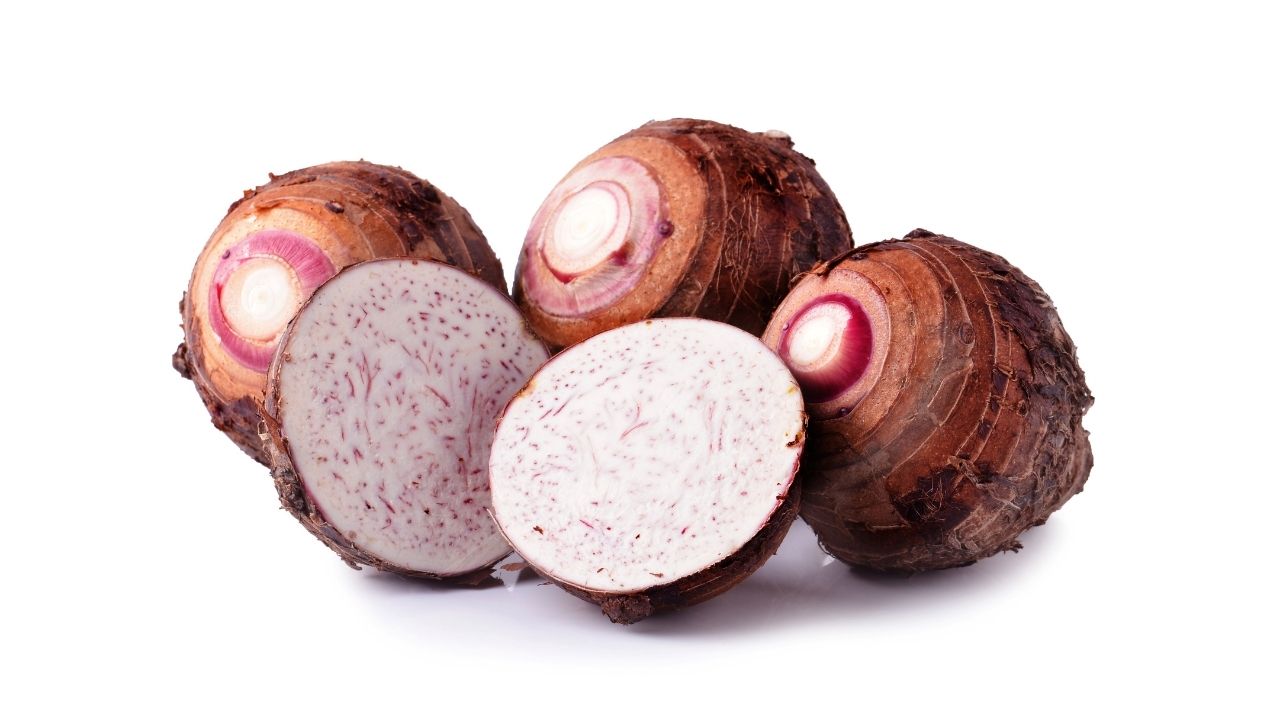
You know that creamy, slightly sweet root vegetable that’s been quietly nourishing families across the Pacific Islands, Asia, and Africa for over 7,000 years? That’s taro, and trust me, this purple-tinged powerhouse deserves a spot on your dinner table! Ancient Hawaiians called it kalo and considered it sacred, while civilizations from Egypt to China built entire agricultural systems around this dependable crop. What makes taro so special is its incredible versatility – you can boil it, steam it, fry it, or pound it into that famous Hawaiian poi that sustained entire communities through seasons of scarcity.
Here’s what I love most about cooking with taro: it’s like having a blank canvas that soaks up whatever flavors you pair with it. The starchy flesh becomes beautifully creamy when cooked, similar to a cross between potato and sweet potato but with its own unique nutty undertone. Plus, taro leaves are completely edible too (just make sure you cook them thoroughly first!), giving you two vegetables in one plant. Try roasting cubed taro with coconut oil and sea salt, or add it to your next curry – you’ll discover why this ancient root kept entire civilizations thriving for millennia. Modern nutritionists are rediscovering what our ancestors always knew: taro provides steady energy, fiber, and potassium that keeps bodies strong and satisfied.
Chestnuts
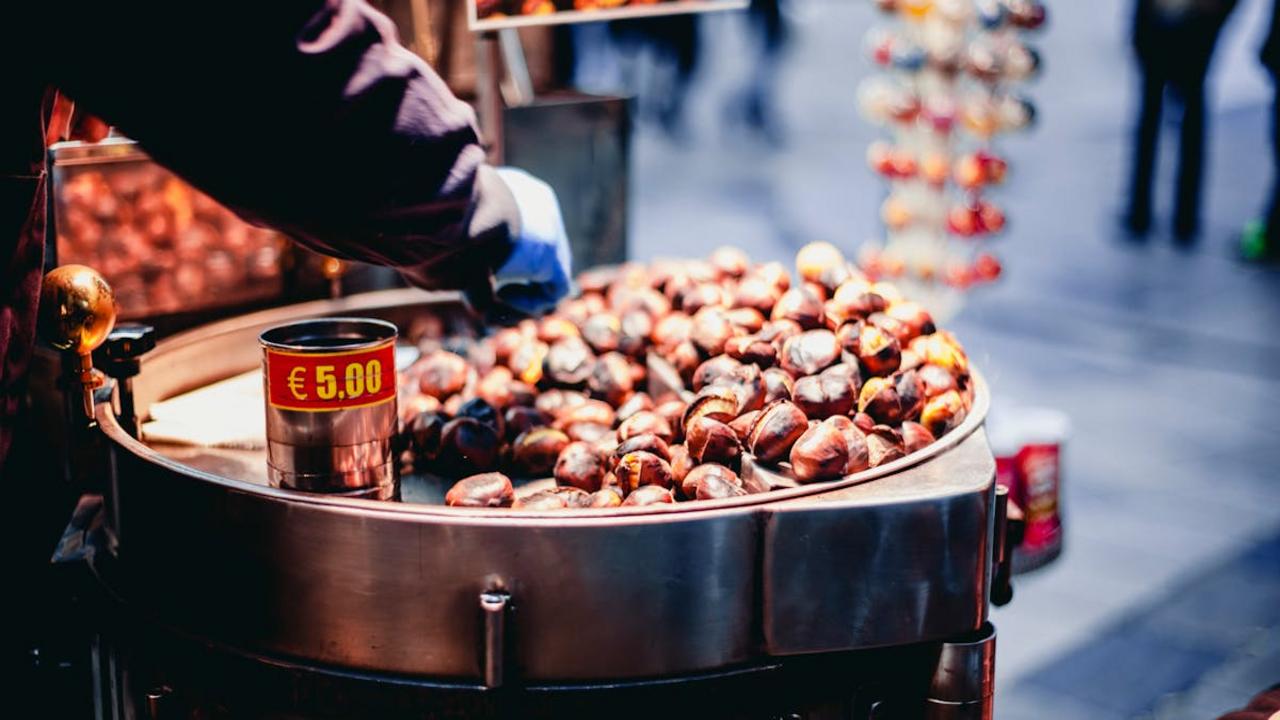
You know what’s absolutely magical about chestnuts? These glossy brown gems literally kept entire civilizations thriving for thousands of years! From ancient China to medieval Europe, chestnuts were the reliable friend that families could count on when other crops failed. Unlike their tree nut cousins, chestnuts are packed with complex carbohydrates instead of fats, making them more like a sweet potato that grows on trees. I love how they transformed from a survival food into something we now associate with cozy winter evenings and holiday celebrations.
What makes me excited about chestnuts is their incredible versatility – you can roast them until they’re creamy and sweet, grind them into flour for gluten-free baking, or even turn them into hearty soups and stews. In many mountain communities across Europe and Asia, chestnut flour was so important that people called the chestnut tree “the bread tree.” The best part? They’re naturally sweet, so you can satisfy your dessert cravings while getting a solid dose of vitamin C, fiber, and potassium. Next time you see those spiky husks at the farmer’s market, grab some and discover why our ancestors treasured these nutritious powerhouses!
Fava Beans
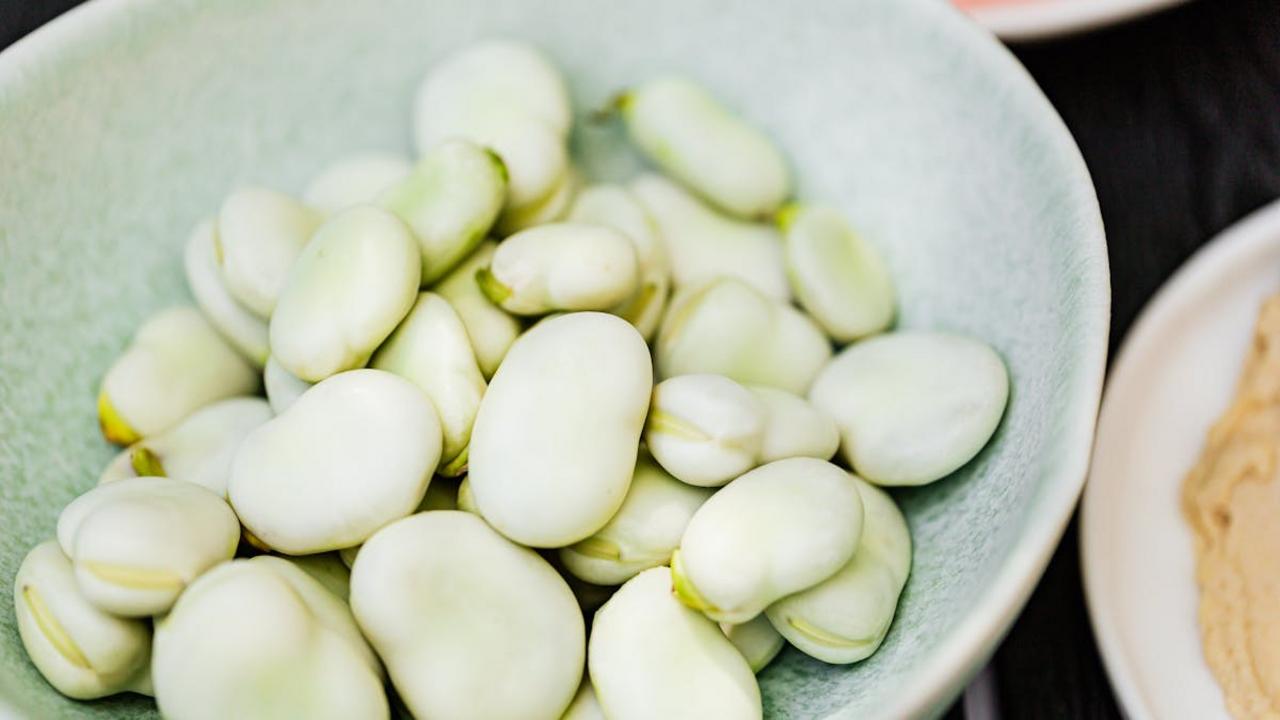
You know those broad, flat green pods you sometimes see at the farmer’s market? Those are fava beans, and they’ve been feeding people since the Bronze Age! These protein-packed legumes became the backbone of Mediterranean and Middle Eastern diets long before chickpeas and lentils took center stage. Ancient Egyptians considered them so important they buried them with pharaohs, and Greeks made them into hearty stews that sustained entire communities through harsh winters. What I love about favas is how they transform from tough, leathery pods into creamy, buttery beans that taste like spring itself.
Fresh fava beans need a little extra love in the kitchen – you’ll double-pod them by removing the outer shell, then blanching and peeling each individual bean. Trust me, it’s worth the effort! The result is a vibrant green bean with a slightly sweet, earthy flavor that pairs beautifully with fresh herbs, olive oil, and garlic. You can mash them into dips, toss them into pasta, or simply sauté them with spring vegetables. Dried favas work differently – they break down into thick, comforting soups and stews that have been warming families for thousands of years. These nutritional powerhouses pack protein, fiber, and folate into every bite.
Dates
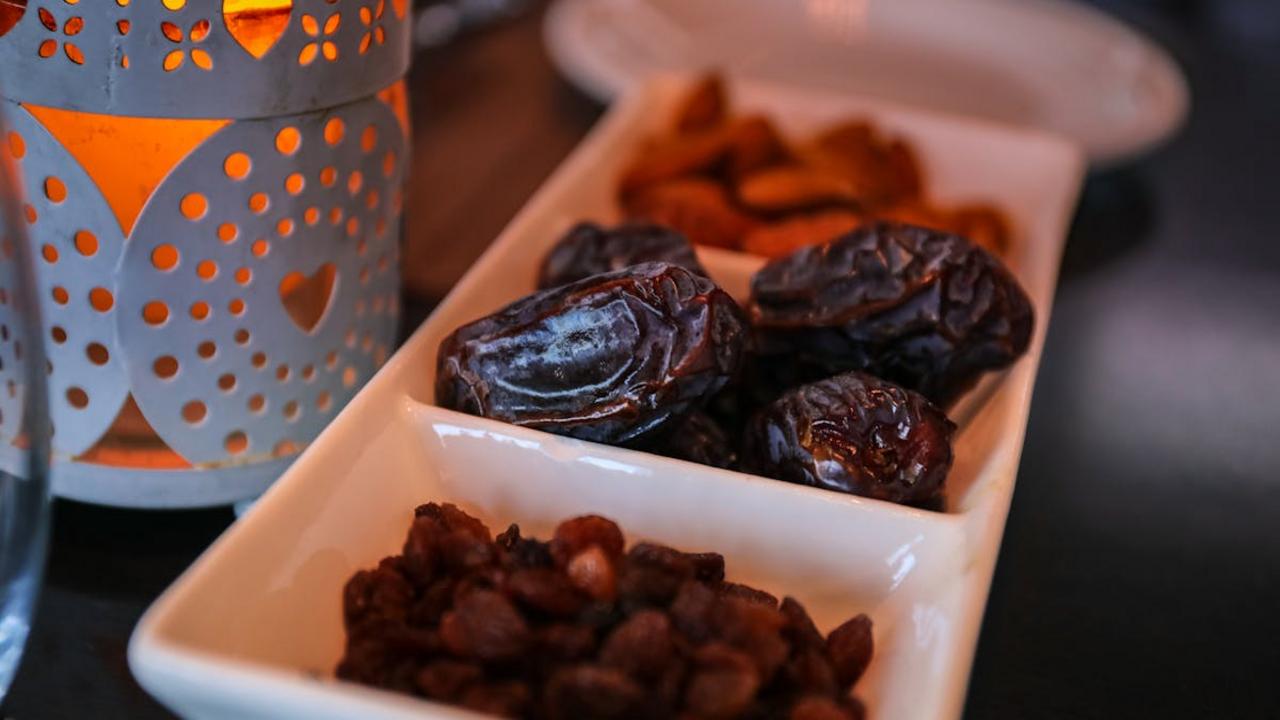
Picture this: you’re wandering through an ancient Middle Eastern marketplace, and the sweet aroma of dates fills the air. These incredible little fruits have been feeding people for over 4,000 years, and honestly, I can’t think of a more perfect natural candy! Dates grow on towering palm trees that can live for centuries, producing fruit that’s packed with natural sugars, fiber, and minerals like potassium and copper. What makes me absolutely love dates is how they transform from fresh, crisp treats to those wonderfully chewy, caramel-like gems we know today through natural drying processes that concentrate all their goodness.
You know what’s amazing? Dates literally built civilizations! Ancient peoples in Mesopotamia, Egypt, and the Arabian Peninsula relied on these energy-dense fruits as their primary carbohydrate source, and they could store them for months without spoiling. I always keep a container of Medjool dates in my pantry because they’re nature’s answer to processed sweets – you can stuff them with nuts, blend them into smoothies, or chop them into oatmeal for instant sweetness. The next time you bite into a date, remember you’re tasting the same food that sustained desert traders, pharaohs, and nomadic tribes across centuries of human history!
Chickpeas
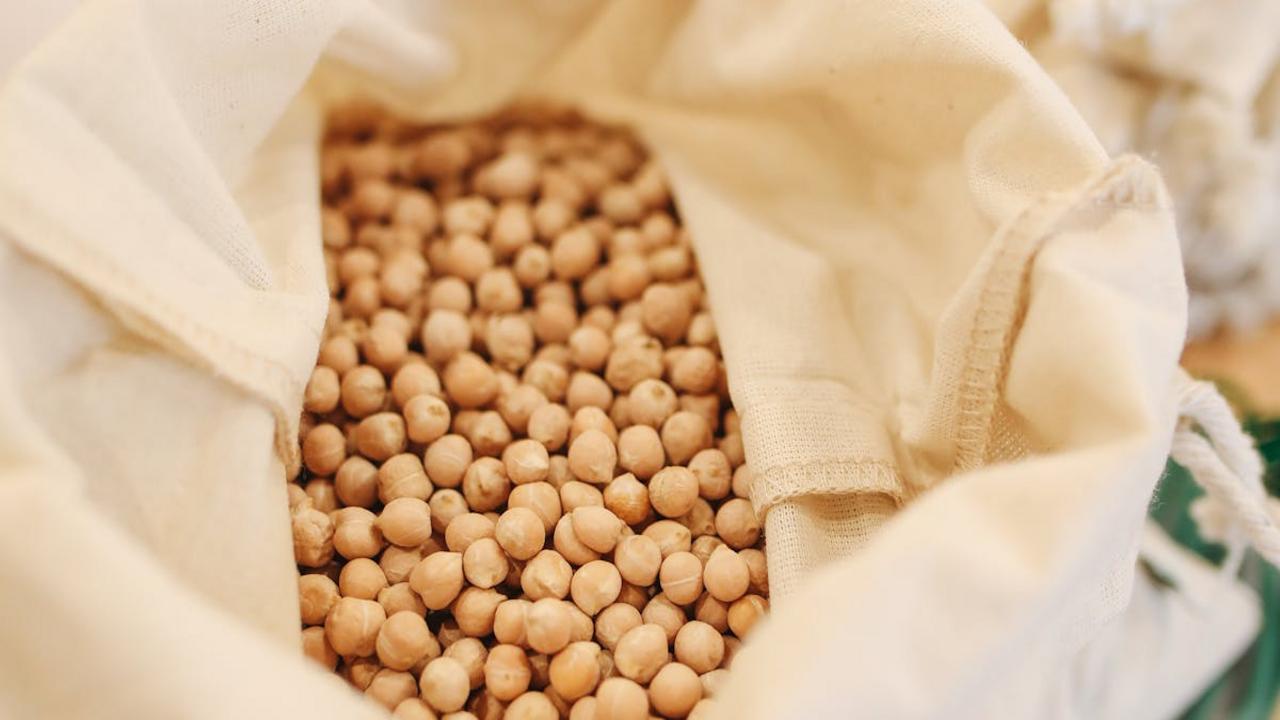
Chickpeas have been nourishing families across the Mediterranean, Middle East, and India for over 7,000 years, making them one of humanity’s oldest protein powerhouses. These humble legumes pack an incredible nutritional punch – they’re loaded with plant-based protein, fiber, folate, and iron, which made them absolutely perfect for ancient civilizations that needed affordable, long-lasting nutrition. You can store dried chickpeas for years without refrigeration, and they grow well in arid climates where other crops might struggle. From ancient Mesopotamian kitchens to Roman markets, chickpeas became the backbone of countless meals.
What I love most about chickpeas is how they’ve seamlessly adapted to every culture that grows them! In the Middle East, they transformed into creamy hummus and crispy falafel. Indian cooks created warming curries like chana masala that’ll make your kitchen smell absolutely divine. Mediterranean families have been tossing them into hearty stews and salads for generations. Today, you can roast them for a crunchy snack, blend them into flour for gluten-free baking, or simply toss them into your favorite soup. Their mild, nutty flavor means they play well with bold spices and gentle herbs alike – they’re like the friendly neighbor of the legume world!
Buckwheat
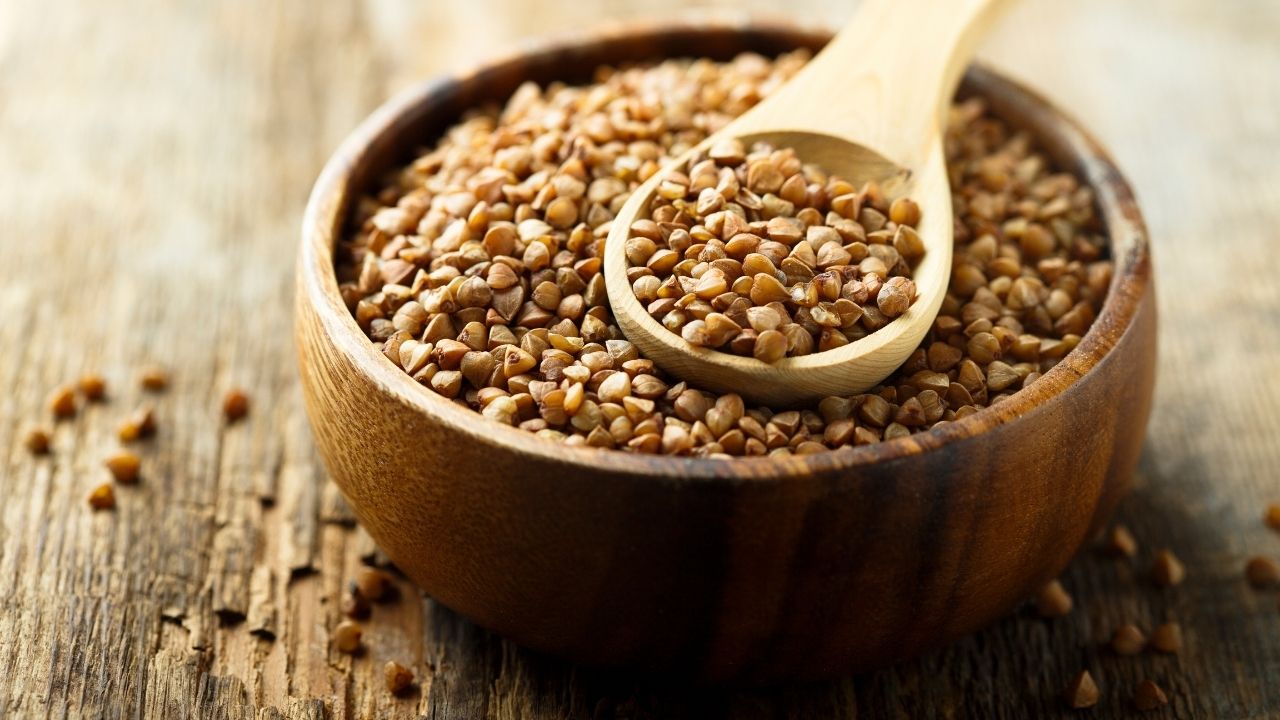
Buckwheat might sound like a grain, but this powerhouse seed has been fooling people for centuries! Despite its name, it’s completely gluten-free and packed with more protein than most grains. Ancient civilizations across Asia and Eastern Europe discovered this triangular treasure thousands of years ago, and it quickly became their go-to crop for harsh climates. You can thank buckwheat for helping entire populations survive brutal winters and poor soil conditions where wheat simply couldn’t grow.
What makes buckwheat so special? This little seed contains all nine amino acids your body needs, making it a complete protein source that rivals meat and eggs. From Russian blini to Japanese soba noodles, buckwheat has shaped traditional cuisines worldwide. You can toss buckwheat groats into soups, grind them into flour for pancakes, or even sprout them for salads. The nutty, earthy flavor adds depth to both sweet and savory dishes, and cooking with it feels like connecting to generations of home cooks who knew they’d found something truly nourishing for their families.
Amaranth
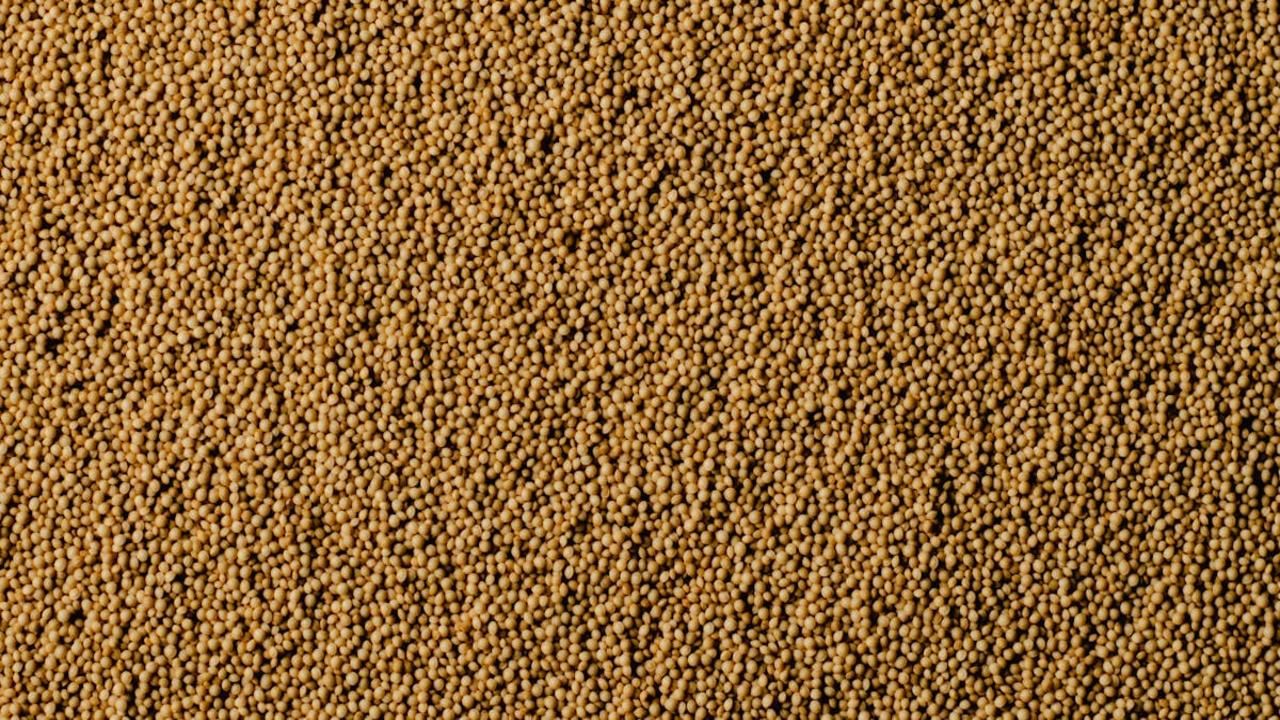
Amaranth stands as one of history’s most remarkable grains, though it’s technically a seed that acts like a grain in your kitchen. The Aztecs treasured this tiny powerhouse so much they called it “huauhtli” and used it in religious ceremonies alongside daily meals. What makes amaranth truly special is its complete protein profile – it contains all nine amino acids your body needs, making it a nutritional goldmine that sustained entire civilizations. You can pop these seeds like tiny popcorn, grind them into flour, or cook them into a creamy porridge that feels like a warm hug in a bowl.
Today, you’ll find amaranth making a comeback in health-conscious kitchens everywhere, and for good reason. This gluten-free wonder cooks up in just 20 minutes, transforming from tiny seeds into fluffy, nutty grains that pair beautifully with both sweet and savory dishes. Try mixing cooked amaranth into your morning smoothie bowl for extra protein, or use amaranth flour in pancakes for a boost of iron and calcium. The best part? These ancient seeds store well and cook consistently, making them perfect for meal prep. Your ancestors knew what they were doing when they made amaranth a dietary staple – now you can bring that same nourishing power to your modern table.
Cassava
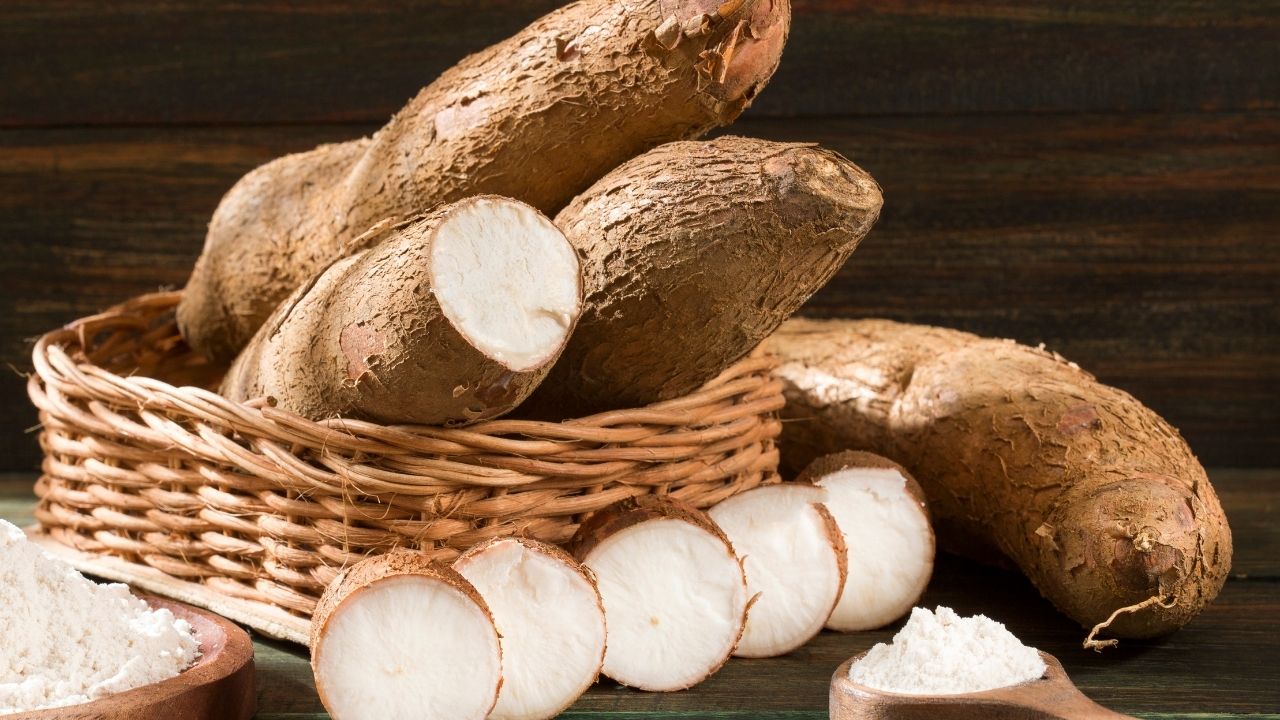
Picture this: you’re holding a humble root that has quietly sustained over 800 million people worldwide for centuries. Cassava, also known as yuca or manioc, deserves way more credit than it gets! This drought-resistant superstar originally grew wild in South America before spreading across Africa and Asia through Portuguese traders. What makes cassava so remarkable? It grows in poor soil where other crops fail, stores well underground for months, and packs serious nutritional punch with complex carbohydrates, vitamin C, and folate.
You can transform cassava into countless delicious dishes that will surprise your family. Boil it like potatoes, fry it into crispy chips, or grind it into flour for gluten-free baking adventures. In Brazil, they make farofa (toasted cassava flour) that adds incredible texture to any meal. African cooks create fufu by pounding boiled cassava into a smooth, stretchy dough perfect for scooping up stews. The best part? Cassava’s mild, slightly nutty flavor works beautifully in both sweet and savory recipes. Just remember to peel and cook it properly since raw cassava contains compounds that need heat to become safe for eating.
Millet
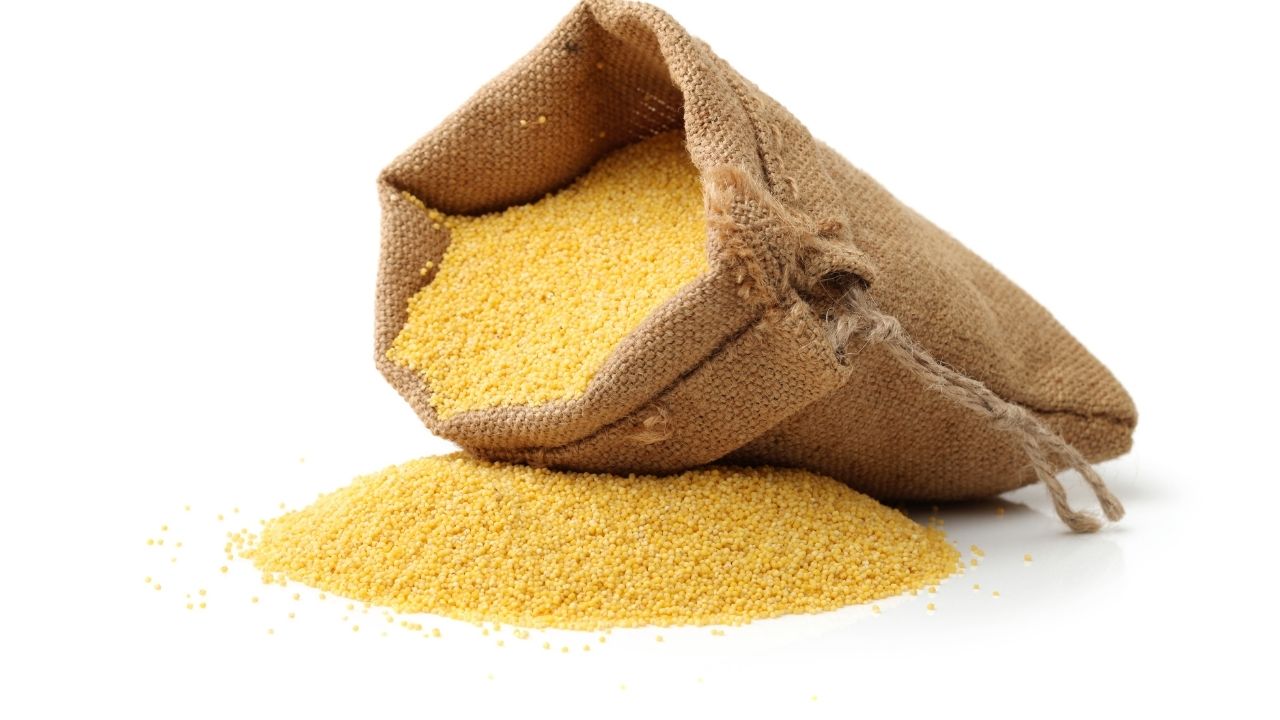
You know that tiny grain that often gets overlooked in the cereal aisle? Millet deserves way more credit than it gets! This incredible little powerhouse has been feeding families across Africa and Asia for over 7,000 years. From the vast savannas of sub-Saharan Africa to the mountainous regions of China and India, millet became the go-to grain because it could grow practically anywhere. What makes me absolutely love this grain is how resilient it is – it thrives in poor soil, needs very little water, and can handle extreme temperatures that would kill other crops.
Here’s what gets me excited about cooking with millet: it’s naturally gluten-free and packed with protein, fiber, and B vitamins. You can toast it like quinoa for a nutty flavor, cook it creamy like risotto, or even pop it like tiny popcorn for a fun snack! In many African countries, people still make traditional porridges and flatbreads with millet, just like their ancestors did centuries ago. I love how versatile this grain is – you can substitute it for rice in almost any recipe, and it adds this wonderful, slightly sweet flavor that pairs beautifully with both savory and sweet dishes.
Sorghum
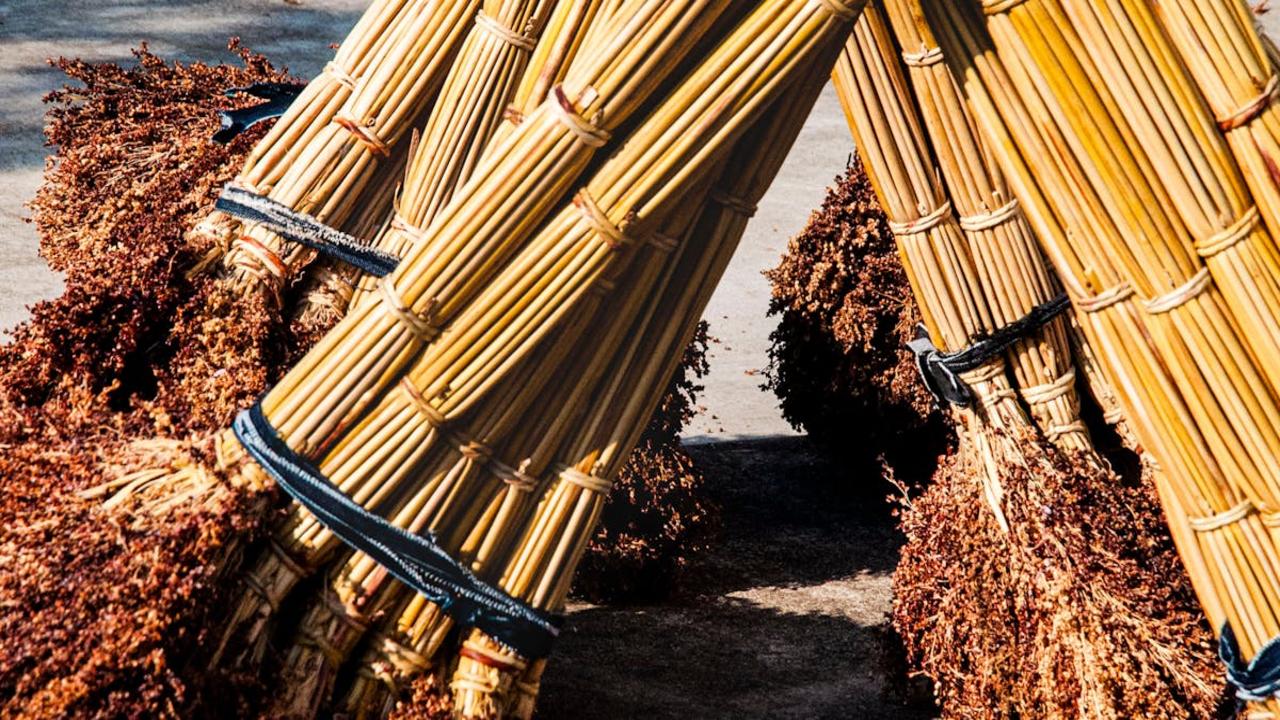
You know that feeling when you discover a grain that’s been quietly feeding millions of people for thousands of years? That’s exactly what happened when I first learned about sorghum! This incredible cereal grain originated in Africa around 8,000 years ago and quickly became the backbone of civilizations across the continent. From the ancient kingdoms of Sudan to the bustling markets of West Africa, sorghum provided reliable nutrition in some of the world’s most challenging climates. What makes this grain so special is its remarkable drought tolerance – it can thrive where other crops simply give up, making it a true lifesaver for communities facing unpredictable rainfall.
Today, sorghum deserves a spot in your pantry for so many reasons! This gluten-free powerhouse packs impressive nutritional value with high levels of protein, fiber, and antioxidants that support your overall health. You can pop it like popcorn for a fun snack, grind it into flour for baking, or cook the whole grains like rice for hearty side dishes. I love how versatile sorghum is – it has a mild, slightly sweet flavor that works beautifully in both savory and sweet recipes. Plus, knowing that you’re cooking with a grain that sustained entire civilizations adds such meaningful depth to your meals. Give sorghum a try and connect with this ancient food tradition!
Teff
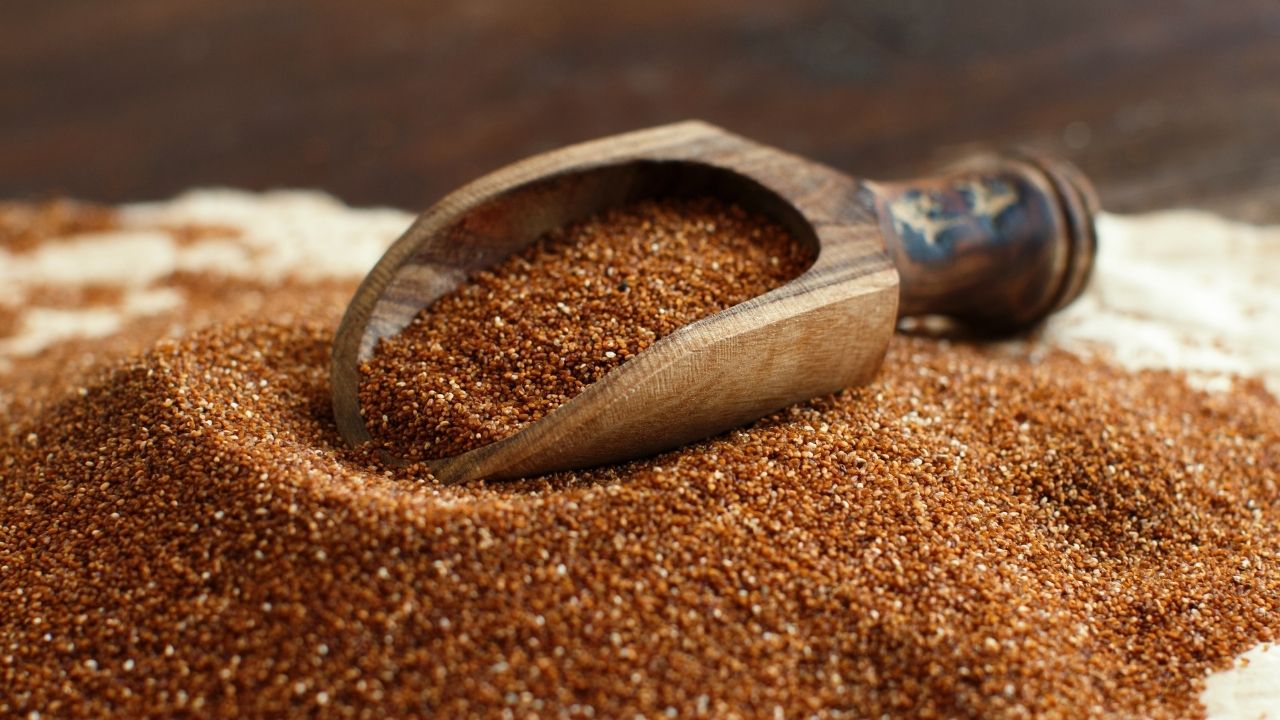
Meet teff, the tiny powerhouse grain that has sustained Ethiopian families for over 5,000 years! This incredible seed, smaller than a poppy seed, packs more nutrition per bite than almost any other grain on the planet. You’ll find it loaded with complete proteins, iron, calcium, and fiber – making it a perfect choice for anyone wanting to boost their daily nutrition. Ethiopian mothers have passed down teff recipes through generations, creating the beloved spongy flatbread called injera that serves as both plate and utensil in traditional meals.
What makes teff so special goes beyond its impressive nutritional profile. This drought-resistant crop thrives in harsh conditions where other grains fail, which explains why entire civilizations built their food security around it. You can easily incorporate teff into your modern kitchen by grinding it into flour for pancakes, adding cooked teff grains to soups and stews, or using it as a gluten-free alternative in baking. Its naturally sweet, nutty flavor pairs beautifully with both savory and sweet dishes, giving you endless opportunities to experiment with this ancient superfood that has kept people healthy and satisfied for millennia.
Quinoa
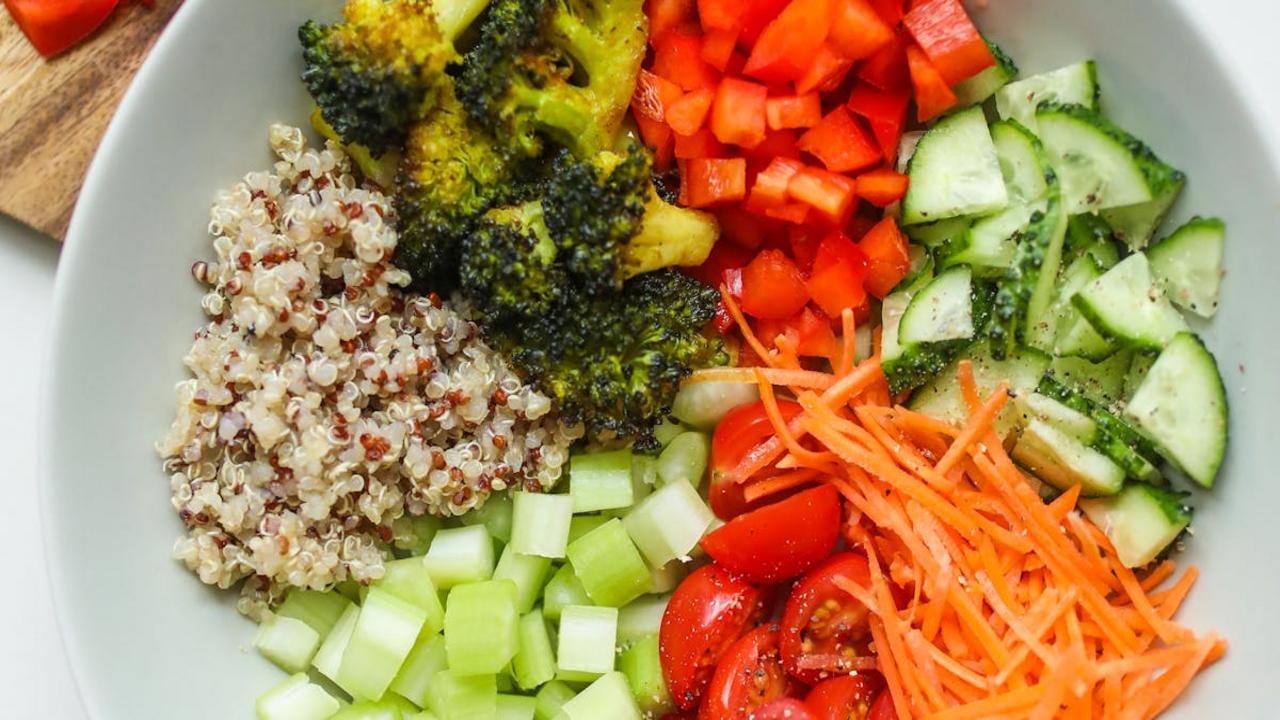
You know that tiny grain that’s been taking over health food stores everywhere? Well, quinoa has actually been nourishing people for over 4,000 years! The Incas called it “chisaya mama” or “mother of all grains,” and honestly, they weren’t exaggerating. High up in the Andes Mountains of Peru, Bolivia, and Ecuador, this incredible seed (yes, it’s technically a seed!) sustained entire civilizations through harsh mountain winters and challenging growing seasons. The Incas considered quinoa so sacred that the emperor himself would plant the first seeds each season using golden tools.
What makes quinoa so special is that it’s a complete protein, meaning it contains all nine amino acids your body needs – something pretty rare in the plant world! This nutritional powerhouse kept Andean peoples strong and healthy for centuries, providing them with protein, fiber, iron, and magnesium. Today, you can easily cook quinoa just like rice, and it takes on whatever flavors you pair with it. Try toasting it in a dry pan before cooking for a nutty flavor, or mix it into salads, soups, or even breakfast bowls. This ancient superfood proves that sometimes the oldest foods are exactly what our modern bodies need most!