12 Iconic American Recipes Everyone Should Master
American cooking is comfort on a plate – a patchwork of regional gems that tell our collective story through flavor. These 12 all-star recipes form the backbone of our country’s food identity, from the flaky perfection of a classic apple pie to the crispy satisfaction of Southern fried chicken. They’re the dishes that make you feel at home, no matter where you grew up.
I’ve watched grown adults fight over the last buttermilk biscuit and seen kids lick their plates clean after demolishing homemade mac and cheese. These foods connect us – they’re what grandma made, what shows up at every potluck, what you crave when you’re far from home. Each recipe carries its own history and family memories.
Mastering these American classics gives you more than just dinner options – it hands you the keys to our cultural heritage. From the sweet simplicity of chocolate chip cookies to the hearty warmth of pot roast, these recipes don’t just fill stomachs – they create traditions. Your kitchen becomes a little museum of American food history with each dish you perfect.
Chocolate Chip Cookies
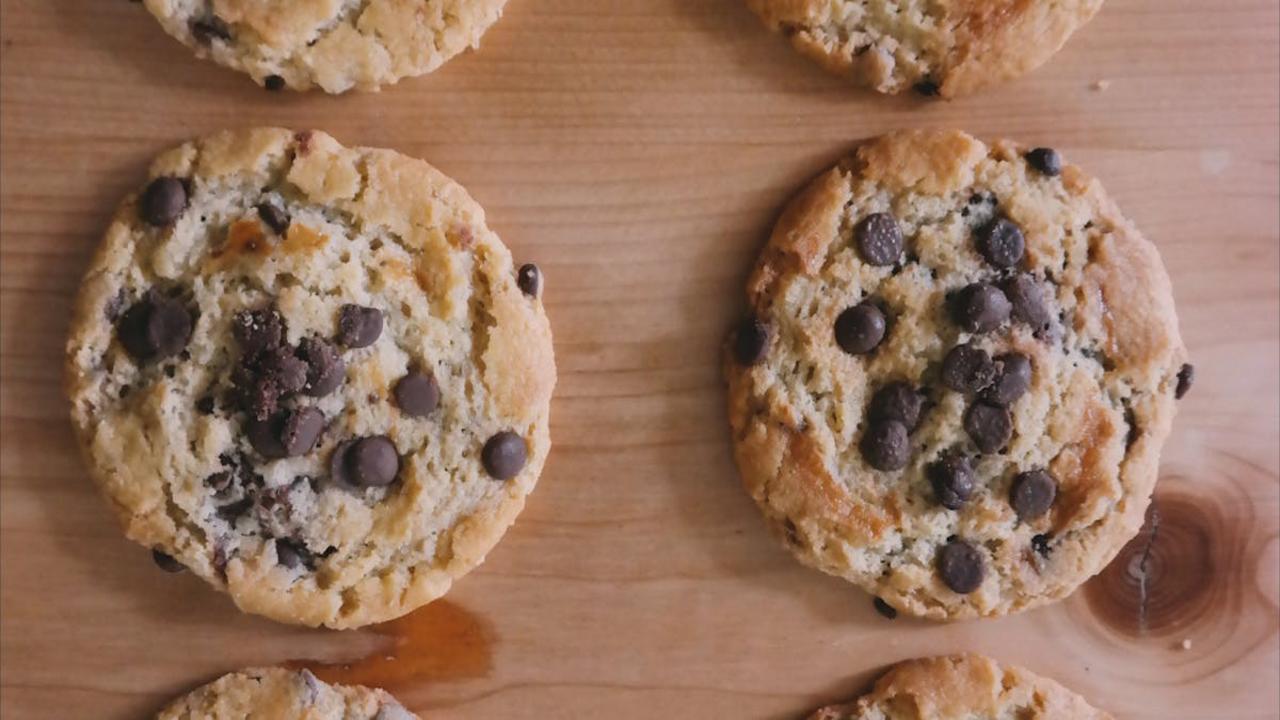
Listen, if you can’t make a decent chocolate chip cookie, do you even deserve to call yourself an American? Ruth Wakefield accidentally created this masterpiece in 1938 at the Toll House Inn when she ran out of baker’s chocolate and threw some broken-up Nestlé bars into her cookie dough, thinking they’d melt evenly. Plot twist: they didn’t! Instead, she gave birth to the most beloved cookie in existence. The woman literally changed the world because she was too lazy to go to the store. That’s the kind of revolutionary thinking we need more of in this country.
Now, making the perfect chocolate chip cookie is both ridiculously simple and mysteriously complex. You want that magical combo of crispy edges and chewy centers? Brown your butter first—it adds this nutty, caramelized flavor that’ll make people think you’re some kind of baking wizard. Use a mix of brown and white sugar (brown sugar equals chewiness, white sugar equals crispiness), and for the love of all that’s holy, don’t overbake them! They should look slightly underdone when you pull them out because they’ll keep cooking on the hot pan. Also, here’s a secret: let your dough rest in the fridge for at least 24 hours. I know waiting is torture, but trust me on this one.
Cornbread
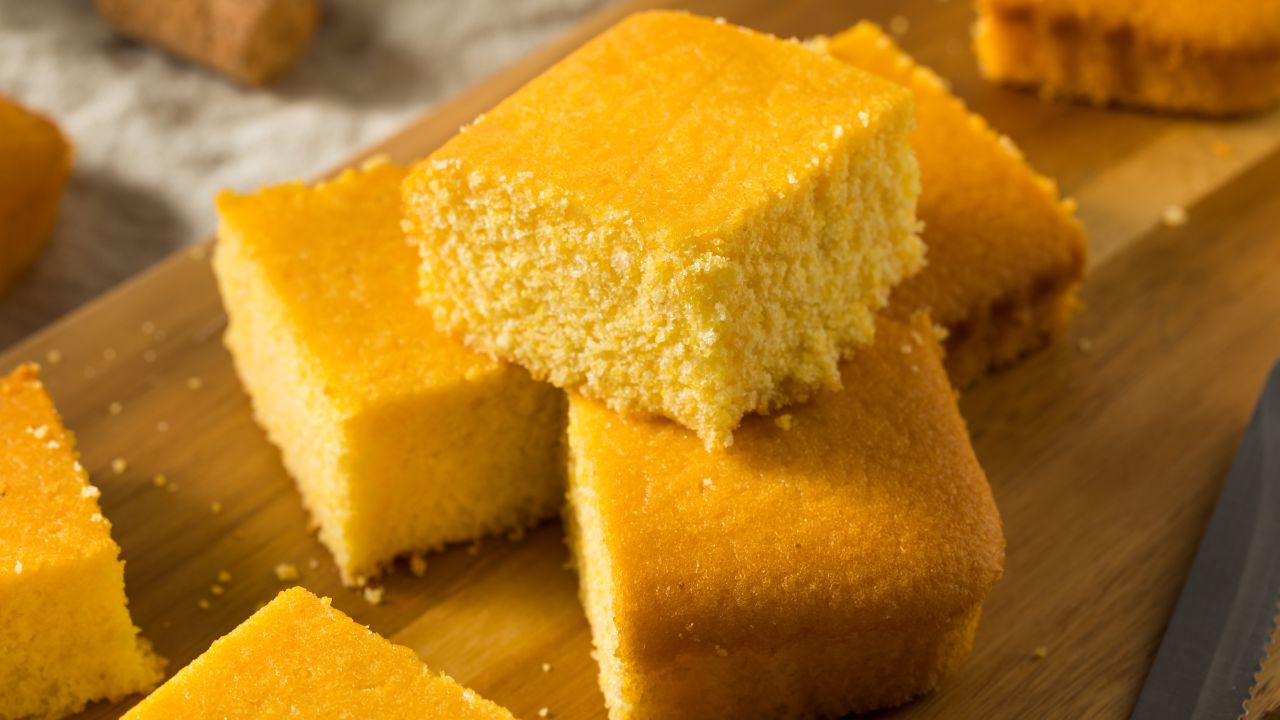
You haven’t lived until you’ve watched someone get into a heated argument about whether cornbread should be sweet or savory – and trust me, these debates can get more intense than presidential campaigns! Sweet cornbread lovers swear by their sugar-laden golden squares that practically qualify as cake, while the savory camp insists that real cornbread should be made with nothing but cornmeal, buttermilk, and pure Southern attitude. Here’s a fun fact that’ll blow your mind: Native Americans were making cornbread thousands of years before European settlers even knew corn existed, originally cooking it on hot stones and calling it “pone.”
The beauty of cornbread lies in its gorgeous simplicity – you can whip up a batch in about five minutes and have it on your table in thirty. My grandmother always said the secret was heating your cast iron skillet until it practically screamed, then pouring in the batter to create that perfect golden crust that crackles when you cut into it. Whether you’re team sweet (adding honey or maple syrup) or team savory (throw in some jalapeños and cheese), cornbread transforms any meal from ordinary to downright magical. Pro tip: leftover cornbread makes incredible stuffing, and day-old pieces soaked in buttermilk create the most divine breakfast you never knew you needed!
Chicken Pot Pie
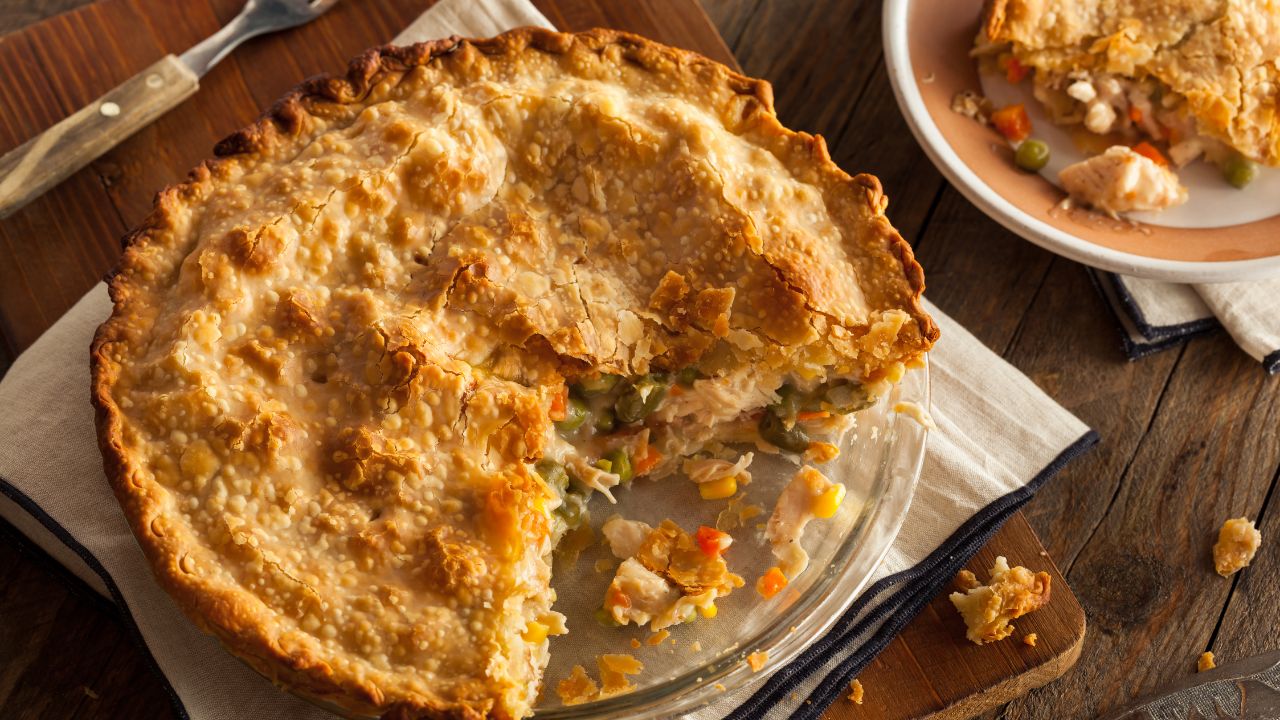
Picture this: you’re eight years old, snow’s piling up outside, and your grandmother pulls a golden-domed masterpiece from the oven that makes the whole house smell like pure comfort. That, my friend, is chicken pot pie—America’s answer to “what happens when you put a blanket on soup and make it even better.” This dish became popular during the Great Depression when creative cooks discovered they could stretch a single chicken into a feast by adding vegetables and wrapping everything in pastry. Fun fact: the earliest versions were called “coffins” because of their rectangular pastry shells, which sounds way more ominous than delicious but somehow fits the drama of achieving perfect crust.
Making chicken pot pie from scratch might seem intimidating, but here’s the secret—it’s basically organized chaos that rewards you with crispy-topped, creamy-centered perfection. Start with a solid roux (flour and butter dancing together until golden), add your stock slowly while whisking like your life depends on it, then fold in tender chicken, carrots, peas, and whatever vegetables didn’t escape your refrigerator. The real magic happens with the crust: whether you go store-bought or homemade, brush that top with beaten egg for a glossy finish that photographs beautifully and makes your neighbors mysteriously appear at your door. Pro tip—cut steam vents in fun shapes because if you’re going to spend three hours making dinner, you might as well make it Instagram-worthy.
Peanut Butter Cookies
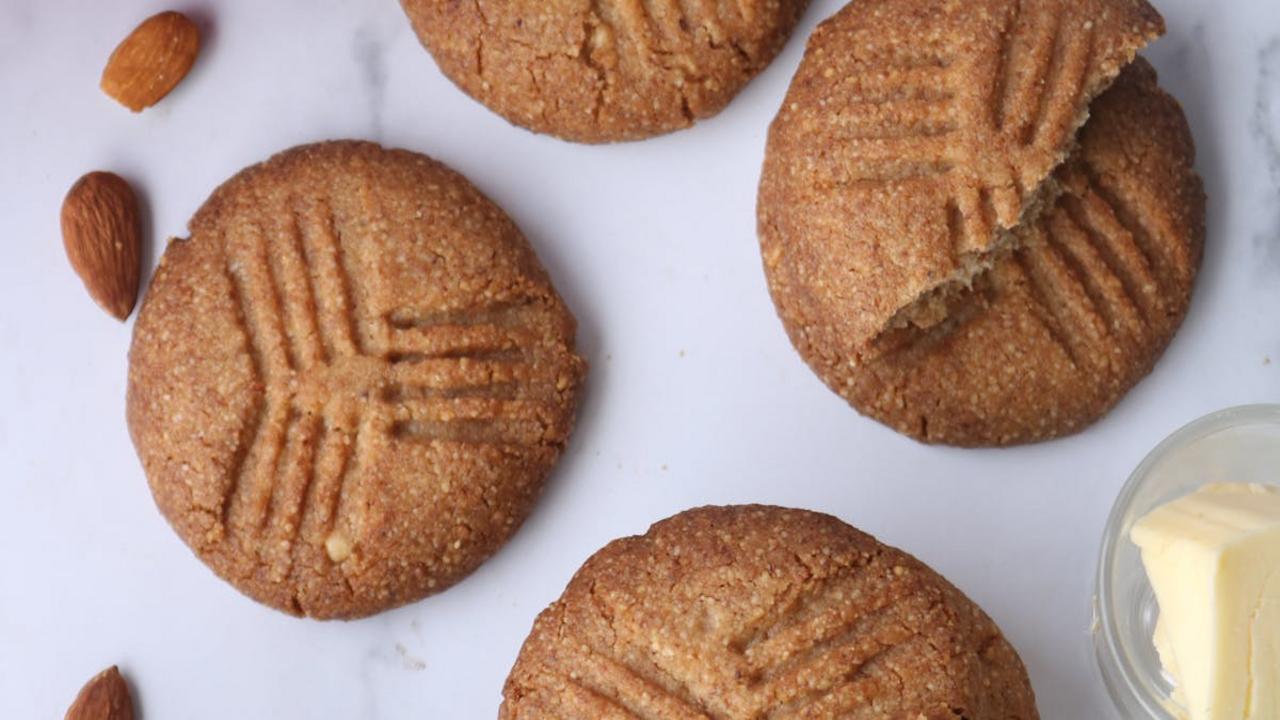
Peanut butter cookies are the underdogs of the cookie world—no fancy chocolate chips or Instagram-worthy drizzles, just pure, unapologetic nuttiness pressed into golden rounds with those iconic fork marks. These beauties emerged during the Great Depression when home bakers discovered that a jar of peanut butter could transform simple pantry staples into pure comfort. The secret lies in that perfect ratio of creamy (or crunchy, if you’re feeling rebellious) peanut butter to brown sugar, creating cookies that are simultaneously tender and satisfying. Fun fact: those classic crosshatch marks aren’t just for show—they actually help these dense cookies bake evenly by creating more surface area.
Making peanut butter cookies feels like a warm hug from your grandmother, even if she never baked a day in her life. The dough comes together faster than you can say “Skippy,” and the smell wafting from your oven will have neighbors mysteriously appearing at your door. Here’s the real magic: these cookies improve with age (unlike most of us), developing deeper flavors after a day or two in an airtight container. Pro tip from someone who’s burned more than her fair share—resist the urge to overbake them. They should still look slightly underdone when you pull them out, because they’ll continue cooking on the hot pan while developing that perfect chewy-crispy texture that makes peanut butter cookies absolutely irresistible.
Clam Chowder
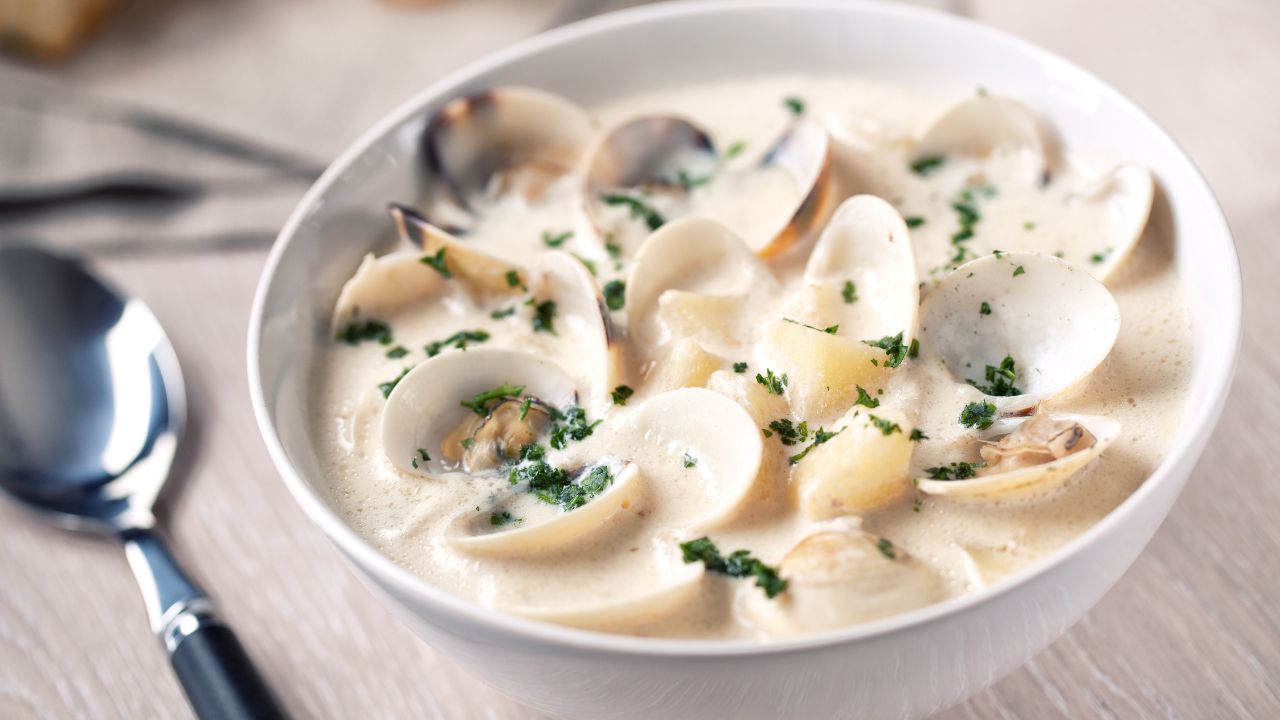
Nothing starts a good old-fashioned East Coast argument quite like clam chowder! You’ve got your New England camp firmly planted in the creamy white corner, while Manhattan defenders wave their tomato-red flags with equal passion. Then Rhode Island sneaks in with their clear broth version, which honestly feels like showing up to a costume party in regular clothes – technically correct but missing the point entirely. The cream-based New England style wins my heart every time, with its rich, velvety base that coats your spoon like a warm hug from your favorite aunt.
Making proper clam chowder requires patience and a willingness to get your hands dirty shucking clams, though canned ones work in a pinch when you’re craving comfort food at 9 PM on a Tuesday. Start with bacon fat (because everything good starts with bacon fat), sauté your holy trinity of onions, celery, and carrots, then add diced potatoes and fresh clam juice. The secret lies in adding the cream slowly and never letting it boil once the dairy joins the party – nobody wants scrambled soup! Fun fact: the word “chowder” comes from the French “chaudière,” meaning cauldron, which explains why this soup feels like pure magic bubbling away in your kitchen.
Pot Roast with Root Vegetables
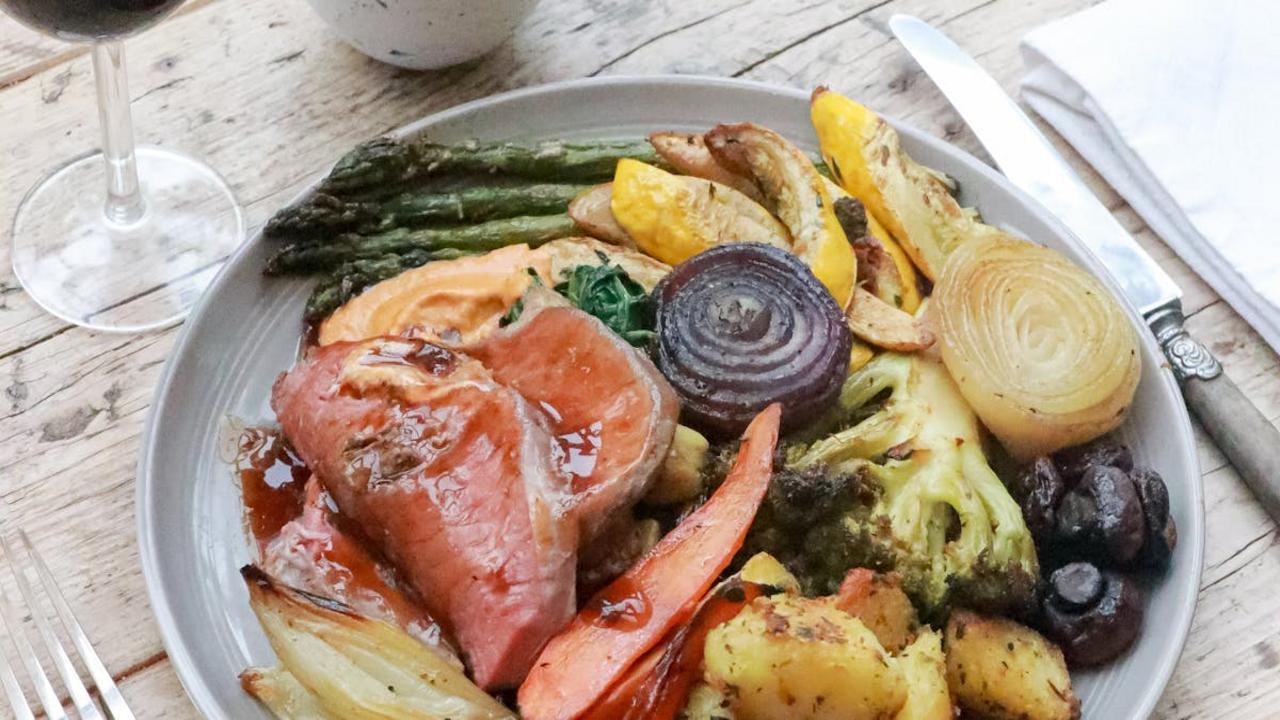
Picture this: it’s Sunday afternoon, and your grandmother’s kitchen smells like pure magic. That’s pot roast working its slow-cooked wizardry! This American comfort food classic transforms the toughest cuts of beef into tender, fall-apart perfection through the ancient alchemy of time, heat, and patience. Chuck roast – that marbled, budget-friendly hero of the meat counter – becomes the star of this show, surrounded by chunky carrots, potatoes, and onions that soak up all those rich, beefy juices. Fun fact: pot roast actually saved countless Depression-era families because it could feed a crowd while stretching every penny, proving that sometimes the best dishes come from necessity rather than luxury.
The beauty of pot roast lies in its forgiving nature – you literally can’t mess this up unless you forget it exists for three days straight. Start by searing that chuck roast until it’s gorgeously brown (this step creates those deep, caramelized flavors that’ll make you weep with joy), then nestle it into your Dutch oven with rough-chopped vegetables and enough beef broth to create a cozy little hot tub situation. Pop it in a 325°F oven for about three hours, and voilà – you’ve created a meal that’ll have your neighbors mysteriously dropping by around dinnertime. Pro tip: save those incredible pan drippings and whisk them into a gravy that’s so good, you’ll want to drink it straight from the ladle.
Green Bean Casserole
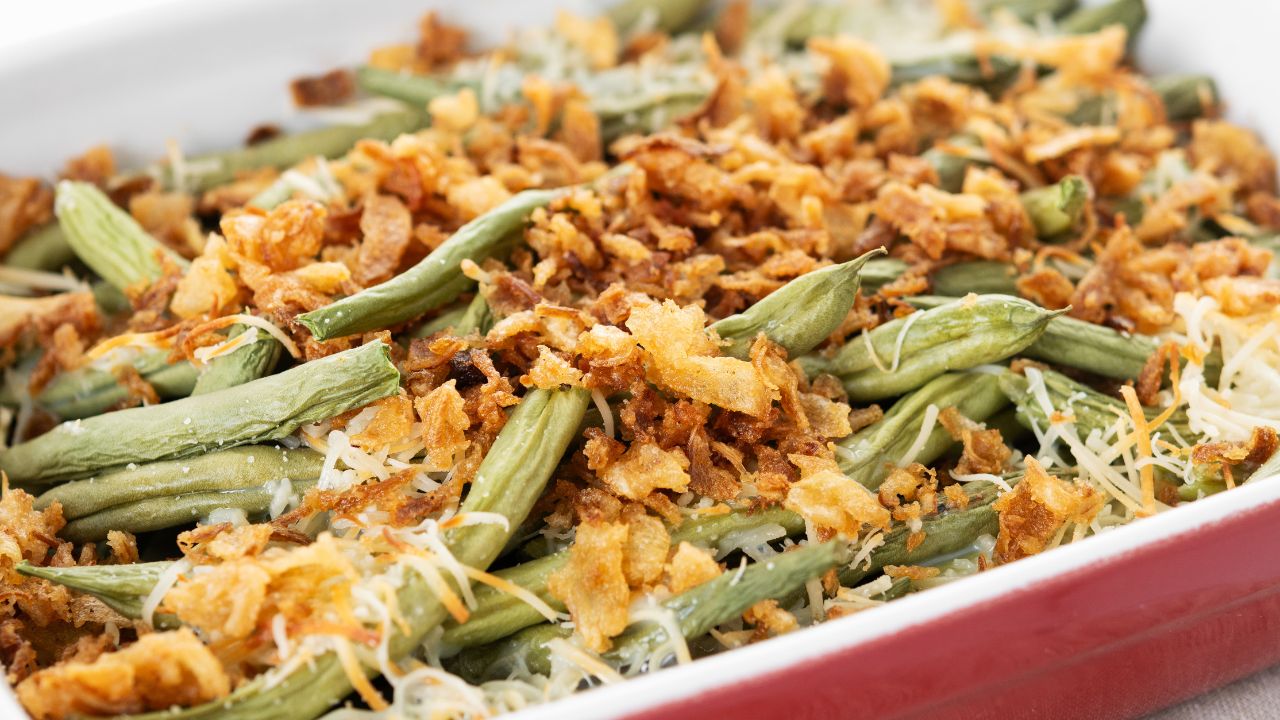
Here’s the truth about green bean casserole: it’s either the star of your Thanksgiving table or the dish everyone politely ignores while secretly judging your cooking skills. This Campbell’s Soup Company creation from 1955 has somehow become as American as apple pie, despite being invented by a marketing team trying to sell more cream of mushroom soup. The genius lies in its simplicity – green beans, condensed soup, and those gloriously artificial French fried onions that taste like crispy heaven but probably contain ingredients you can’t pronounce.
Don’t let food snobs shame you for loving this casserole! Sure, you can make it “fancy” with fresh green beans and homemade mushroom sauce, but honestly, the original recipe exists for a reason. It’s comfort food that requires zero culinary training and feeds a crowd without breaking the bank. Pro tip: double the French fried onions because they’re the real MVP here. Watch people fight over the crispy bits on top while claiming they “don’t usually eat processed food.” The hypocrisy makes it taste even better.
Buttermilk Biscuits
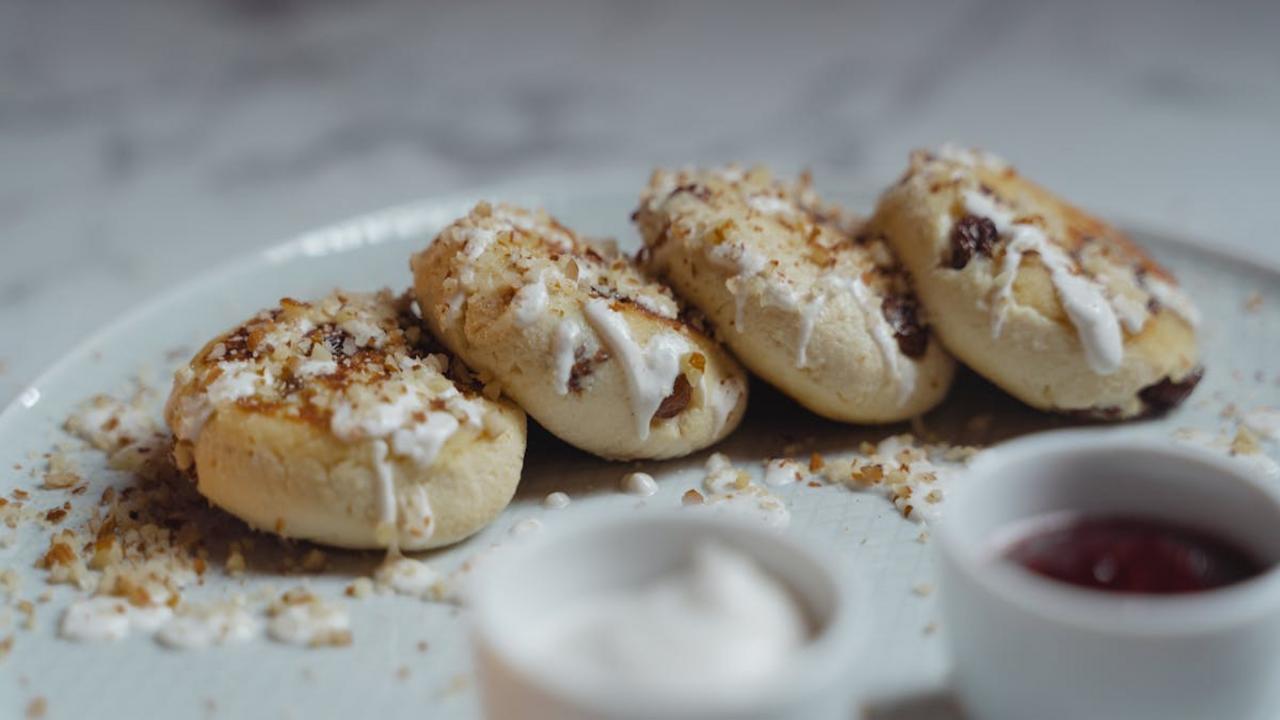
Picture this: you’re standing in your kitchen at 6 AM, flour dusting your pajamas like edible confetti, and the smell of butter hitting hot oven air makes you question why anyone ever invented cereal. That’s the magic of buttermilk biscuits – they transform ordinary mornings into something that feels like your grandmother’s kitchen, even if she never baked a thing in her life. The secret lies in cold butter and a gentle hand; overwork that dough and you’ll end up with hockey pucks that could double as doorstops. True buttermilk biscuits should split apart in flaky, buttery layers that practically beg for honey or jam.
Here’s something wild: buttermilk biscuits became popular partly because buttermilk was originally a byproduct of churning butter, so thrifty cooks found ways to use every drop. The acidity in buttermilk reacts with baking soda to create those coveted tall, fluffy biscuits that make your mouth water just thinking about them. Some folks swear by freezing their butter and grating it directly into the flour – sounds crazy, but it works like a dream. The key is keeping everything cold until it hits that 425-degree oven, where the magic happens and transforms your simple ingredients into golden-topped pillows of carbohydrate heaven that disappear faster than you can say “pass the gravy.”
Meatloaf with Brown Gravy
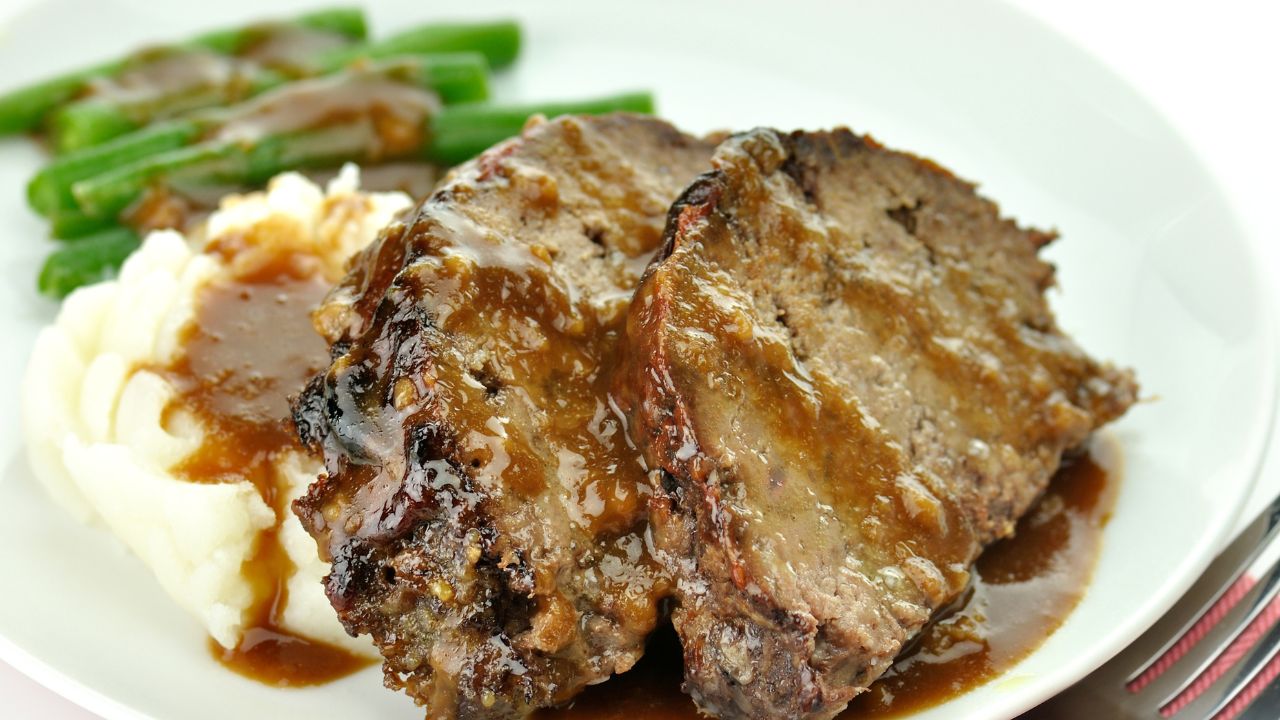
Listen, I get it—meatloaf sounds about as exciting as watching paint dry on a Tuesday afternoon. But hear me out! This humble brick of seasoned ground beef has been the unsung hero of American dinner tables since the Great Depression, when resourceful home cooks discovered they could stretch a pound of meat into a feast for six. The secret lies in treating your meatloaf like the star it deserves to be: mix ground beef with breadcrumbs, eggs, and a splash of Worcestershire sauce, then shape it with the confidence of a sculptor creating their masterpiece. Don’t you dare pack it too tightly—nobody wants a hockey puck masquerading as dinner.
Now, about that brown gravy—this silky, savory companion transforms meatloaf from “meh” to “more, please!” The trick is using those gorgeous brown bits left in your meatloaf pan (called fond, if you want to sound fancy at your next dinner party). Whisk flour into butter, slowly add beef broth while channeling your inner zen master to avoid lumps, and season with salt, pepper, and maybe a sneaky dash of soy sauce for extra depth. Fun fact: Americans consume over 2 billion pounds of meatloaf annually, proving that sometimes the most ridiculed comfort foods pack the biggest punch. Serve thick slices smothered in that glossy gravy, and watch even the pickiest eaters clean their plates.
Southern Fried Chicken
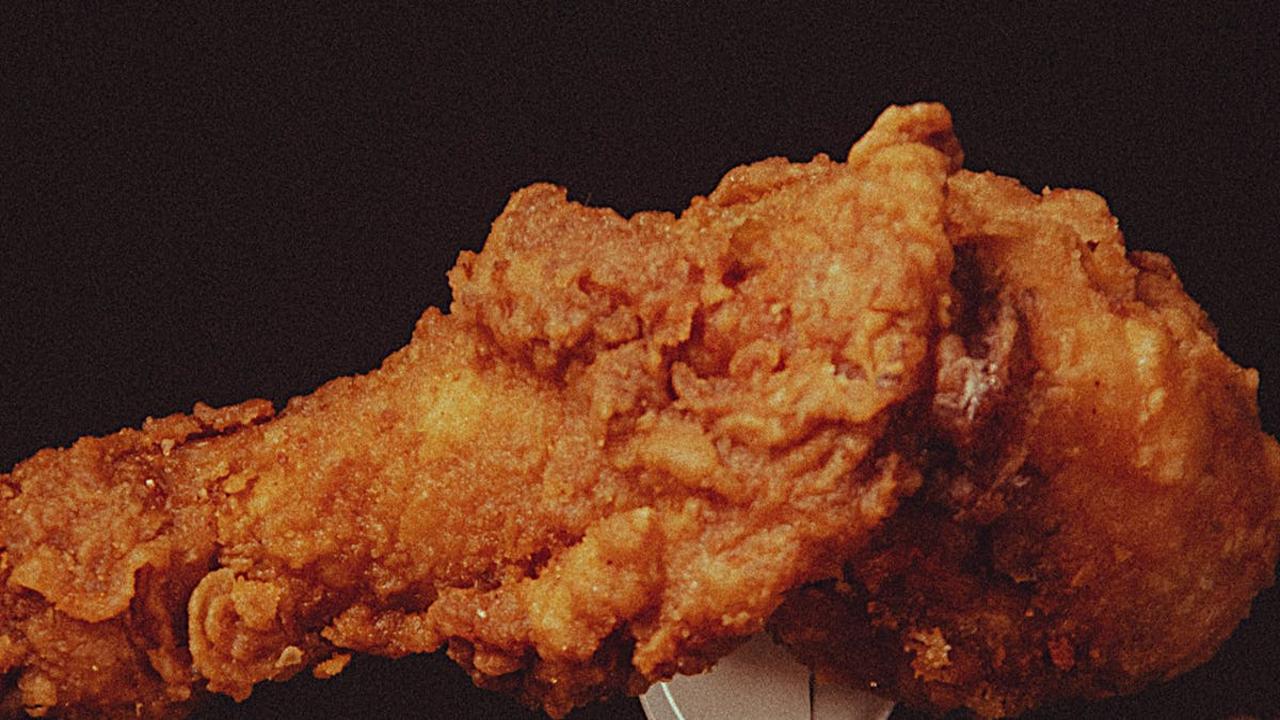
Listen, I’ve eaten fried chicken from coast to coast, and nothing—absolutely nothing—compares to the golden, crispy perfection that is Southern fried chicken. This isn’t just food; it’s a religious experience wrapped in a crunchy coating that shatters between your teeth like the most satisfying percussion instrument ever invented. The secret lies in the buttermilk brine that tenderizes the meat overnight, followed by a flour mixture seasoned with enough paprika, garlic powder, and cayenne to make your grandmother weep tears of joy. Here’s a fun fact: the technique actually traveled to America with Scottish immigrants, but Southern cooks turned it into pure magic by adding their own spice blends and frying methods.
You want to master this recipe because it’s basically a rite of passage into serious cooking territory. The key is maintaining that perfect 325°F oil temperature—too hot and you’ll burn the outside while leaving the inside raw, too cool and you’ll end up with greasy, soggy disappointment. Cast iron is your best friend here, holding heat like a champion and giving you that extra crispy bottom crust that makes people propose marriage on the spot. I once watched a grown man cry actual tears of happiness after biting into perfectly executed Southern fried chicken at a church picnic in Alabama, and honestly, I completely understood his emotional response.
Mac and Cheese
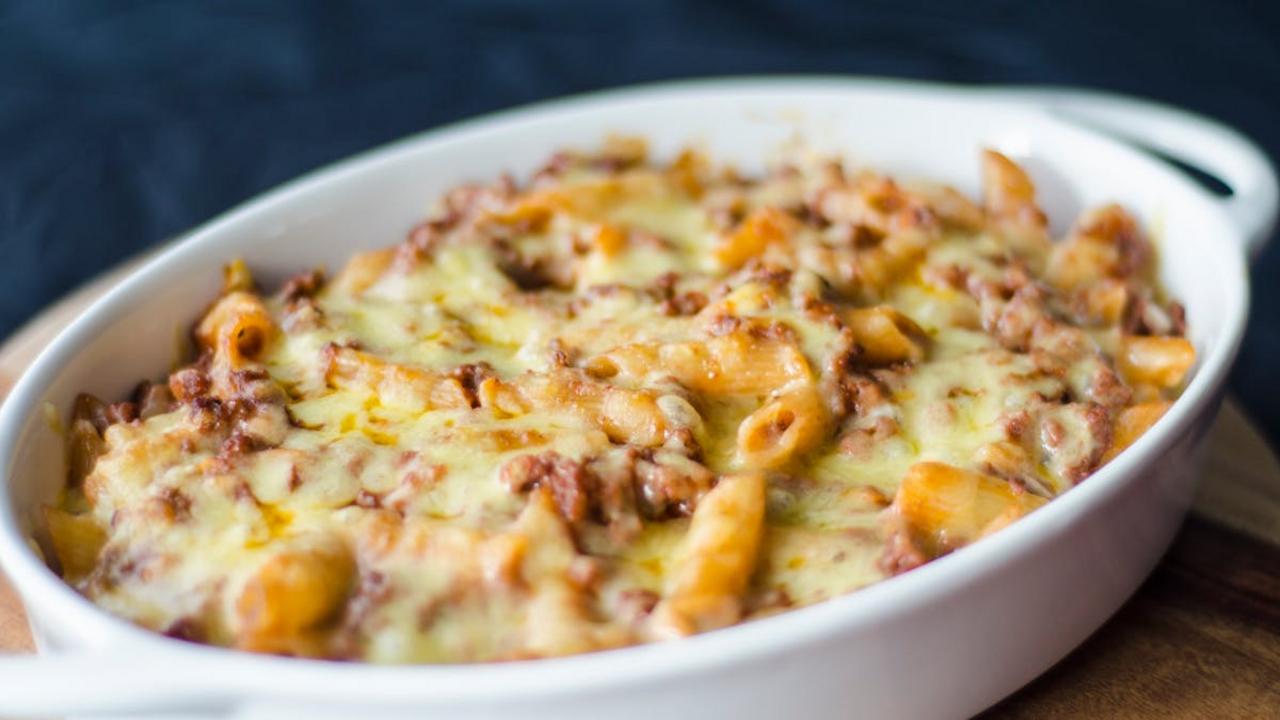
Listen up, friend—if you can’t make mac and cheese from scratch, you’re basically admitting defeat to a blue box with a cartoon character on it. This creamy, cheesy masterpiece has been America’s comfort food champion since Thomas Jefferson brought pasta back from Italy and his enslaved chef James Hemings perfected the dish at Monticello. Fun fact: Jefferson was so obsessed with macaroni that he actually imported a pasta machine from Italy, making him possibly America’s first pasta fanatic. The man knew what he was doing, because nothing says “I love you” quite like a bubbling casserole of tender noodles swimming in liquid cheese gold.
The secret to transcendent mac and cheese isn’t rocket science—it’s building a proper cheese sauce (aka béchamel with attitude). Start with butter and flour, whisk in milk until smooth, then add your cheese gradually so it melts without turning into a grainy disaster. Sharp cheddar is your MVP here, but throw in some gruyere or fontina if you’re feeling fancy. The pasta should be slightly underdone since it’ll finish cooking in the oven, and for the love of all things holy, use elbow macaroni—those little tubes were practically designed to cradle cheese sauce. Top with buttery breadcrumbs and bake until golden and bubbly, then watch grown adults weep tears of joy at your dinner table.
Classic Apple Pie
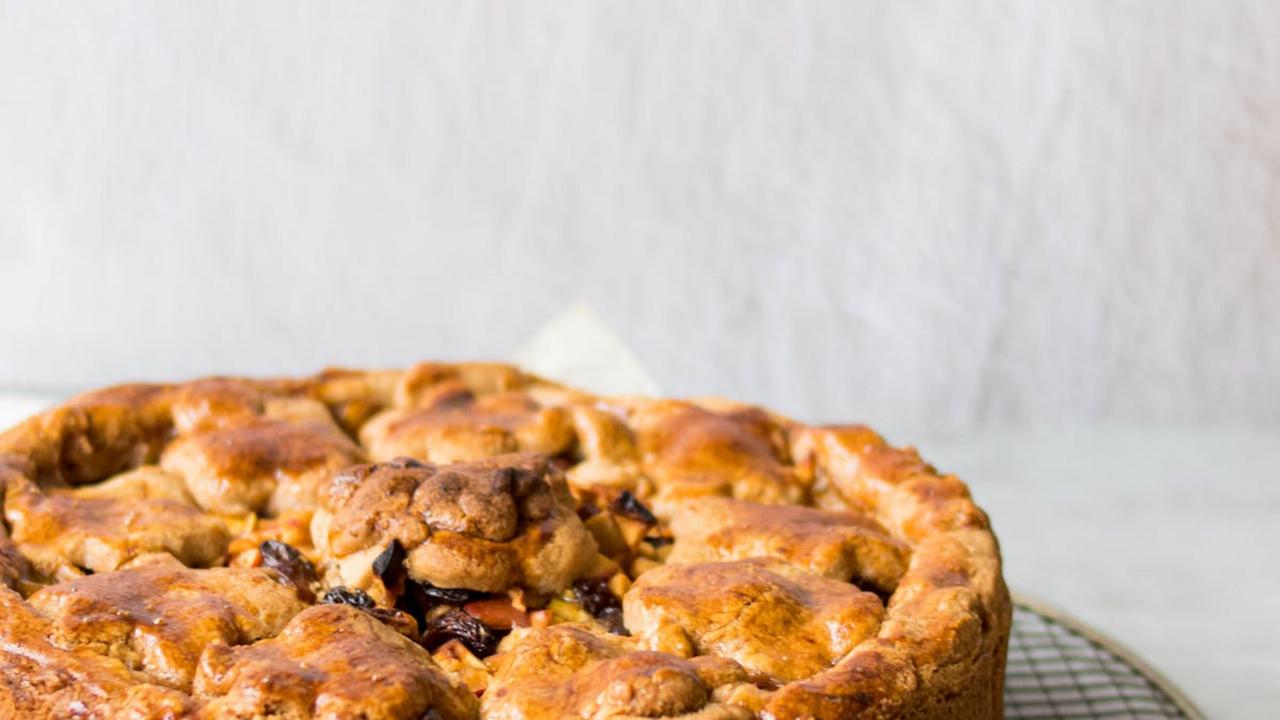
Nothing screams “America!” quite like a golden apple pie cooling on a windowsill, steam curling up like little patriotic flags. This isn’t just dessert—it’s edible nostalgia wrapped in flaky pastry. Here’s a fun fact that’ll knock your socks off: apple pie isn’t actually American! The first recorded recipe dates back to 1381 in England, but Americans perfected it with such dedication that we basically claimed ownership. You can’t blame us—we took something good and made it absolutely spectacular with our abundance of apple varieties and that special American flair for making everything bigger and better.
The secret to a perfect apple pie lies in choosing the right apples (Granny Smith and Honeycrisp make beautiful music together), creating a flaky crust that shatters at first bite, and mastering that magical balance of cinnamon, nutmeg, and sugar that makes your kitchen smell like pure happiness. Don’t you dare skip the lattice top—those interwoven strips aren’t just pretty, they’re functional art that allows steam to escape while creating those Instagram-worthy golden peaks. Pro tip from someone who’s burned more than her fair share: if your edges start browning too fast, wrap them in foil strips. Your future self will thank you while savoring that perfect slice with vanilla ice cream melting down the sides.