13 Kitchen Blunders That Accidentally Gave Rise to Today’s Most Iconic Dishes
We all make mistakes in the kitchen – from burning toast to oversalting soup. But sometimes, these culinary mishaps lead to amazing discoveries. The dishes we know and love today weren’t always created through careful planning and precise measurements. Many came from happy accidents, quick thinking, and pure luck.
From a rushed restaurateur tossing leftover ingredients into a salad to sisters who flipped an apple tart upside down to save it, these kitchen blunders transformed into beloved recipes. Each mistake opened up new possibilities and changed how we cook and eat forever.
Join me in uncovering 13 incredible stories of kitchen accidents that birthed some of our favorite foods. These tales prove that creativity often stems from chaos, and sometimes the best recipes come from thinking on your feet rather than following a strict plan.
Corn Flakes
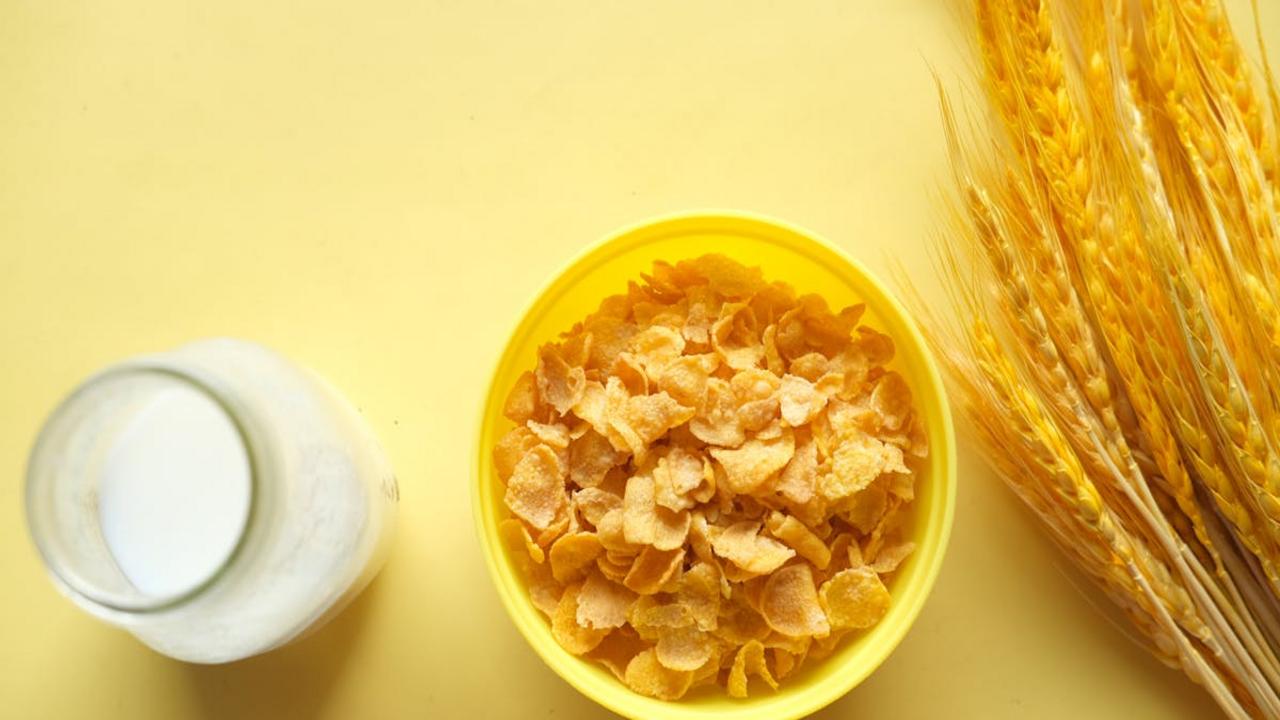
Would you believe one of America’s most popular breakfast cereals started as a kitchen mishap? Back in 1894, Will Kellogg and his brother Dr. John Kellogg were experimenting with healthy foods at their sanitarium in Battle Creek, Michigan. They accidentally left some cooked wheat out overnight, and it went stale. Instead of throwing it away, they decided to roll it out anyway – and through the rollers, each wheat berry flattened into a thin flake. The brothers tried this process with corn next, and the crispy result became an instant hit with their patients.
The original corn flakes recipe aimed to create a healthy breakfast option that could curb certain impulses – Dr. John believed in strict dietary guidelines. But Will saw the commercial potential and added a key ingredient his brother opposed: sugar. This sparked a fierce disagreement between the siblings. Will broke away to found the Battle Creek Toasted Corn Flake Company in 1906, which we know today as Kellogg’s. Who would have thought that a forgotten pot of wheat would lead to revolutionizing how millions of people start their day? The accidental discovery proved that sometimes the best innovations happen when things don’t go according to plan.
Potato Chips
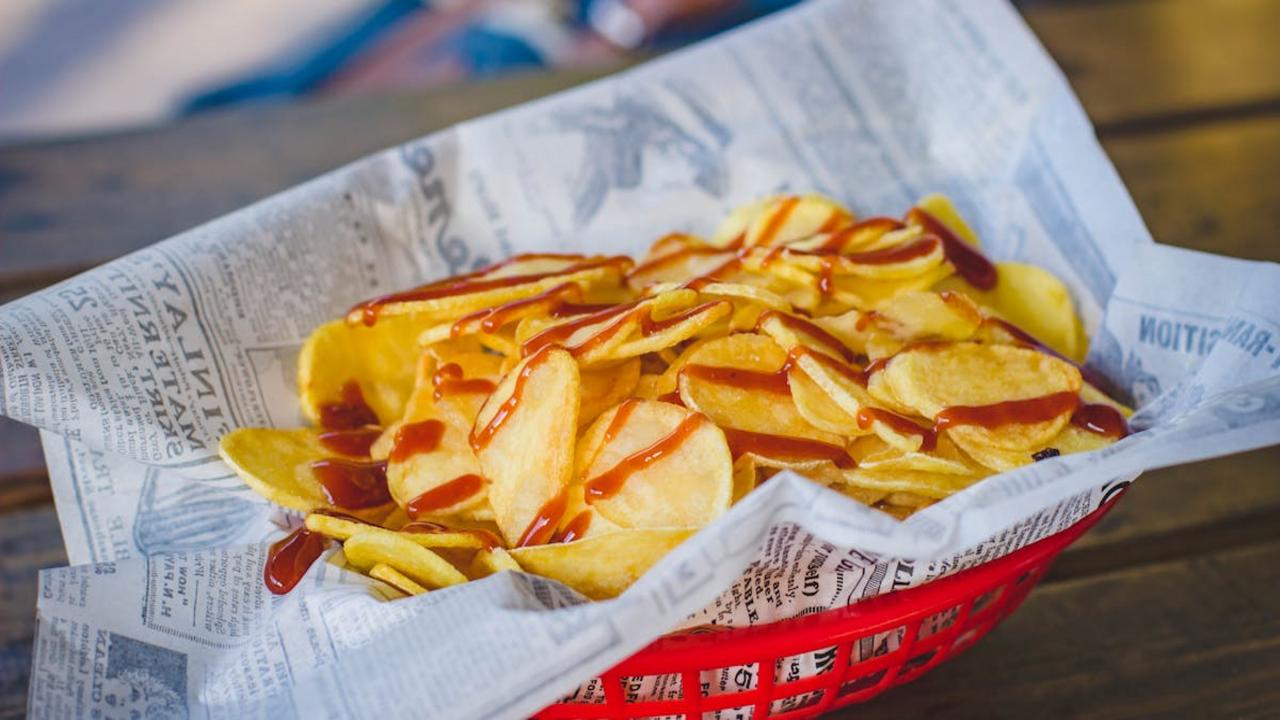
Would you believe that your favorite crispy potato chips started as a chef’s snarky response to a complaining customer? Back in 1853, at Moon’s Lake House in Saratoga Springs, railroad tycoon Cornelius Vanderbilt kept sending his fried potatoes back to the kitchen, saying they were too thick and soggy. The fed-up chef George Crum decided to slice the potatoes paper-thin and fry them until they were impossibly crisp – hoping to prove a point. To his surprise, Vanderbilt loved them! These “Saratoga Chips” quickly became the restaurant’s signature dish.
The accidental creation spread beyond Moon’s Lake House, with visitors clamoring for these addictively crunchy potato slices. By the early 1900s, entrepreneurs started mass-producing potato chips in factories, and clever marketers introduced sealed bags to keep them fresh longer. Today, Americans munch through about 1.85 billion pounds of potato chips annually, and you’ll find countless flavors worldwide – from classic salt and vinegar to wild combinations like wasabi ginger. Who knew one chef’s moment of frustration would transform a humble spud into a global snacking sensation?
Buffalo Wings
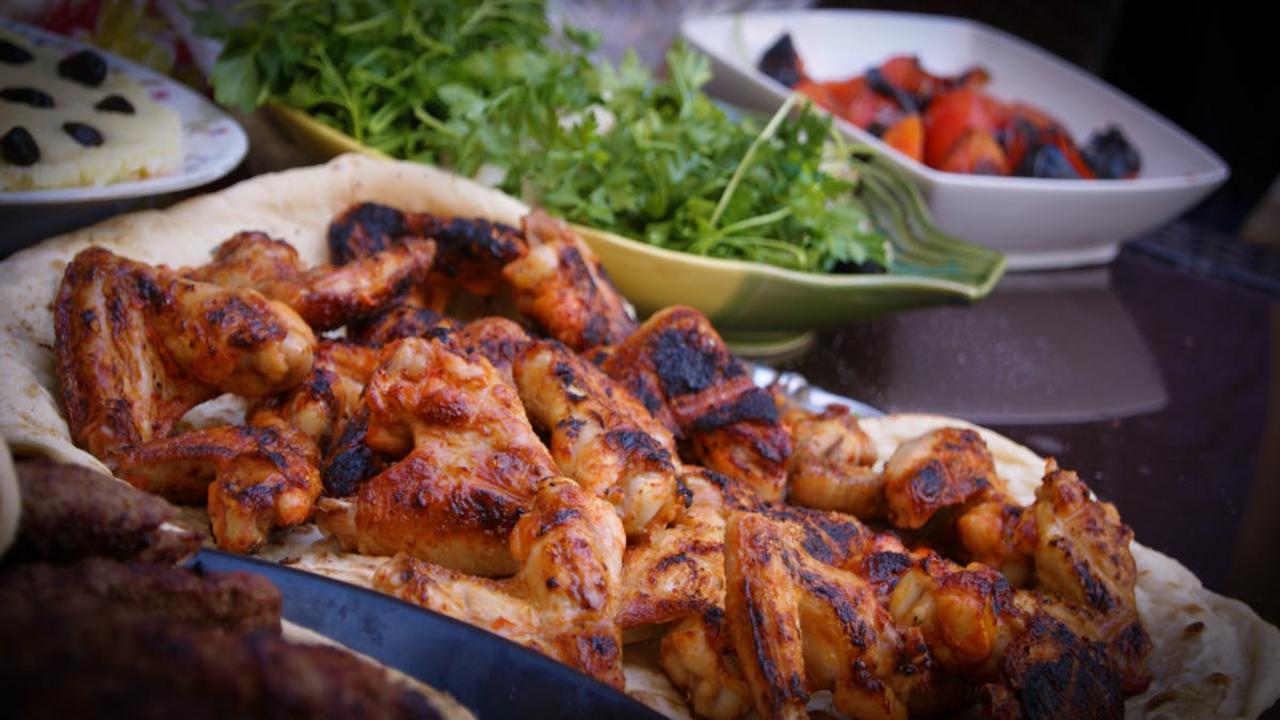
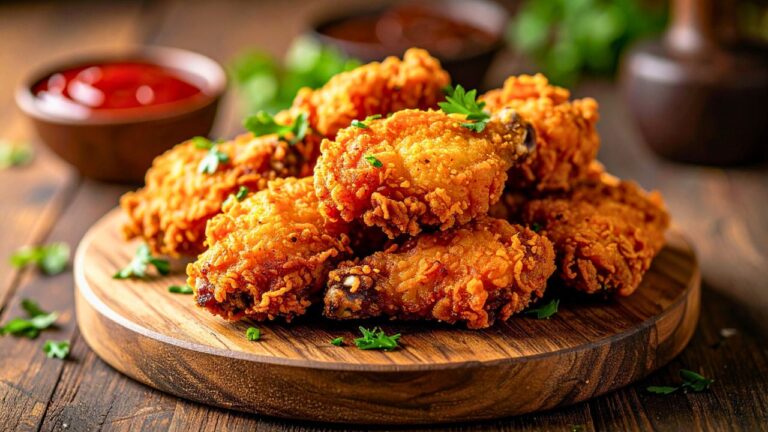
I’ll never forget learning how Buffalo wings were born from a midnight mix-up at the Anchor Bar in Buffalo, New York, back in 1964. The owner, Teressa Bellissimo, had received an accidental shipment of chicken wings instead of other chicken parts. Rather than waste them, she got creative at midnight when her son and his friends wanted a late-night snack. She fried up those wings, tossed them in hot sauce, and served them with celery and blue cheese dressing – creating what would become an American food icon.
The genius of Buffalo wings lies in that perfect balance of crispy skin, tender meat, and that signature spicy-buttery sauce. What started as a kitchen mishap turned into a phenomenon that transformed chicken wings from an overlooked cut into a must-have at sports bars, restaurants, and home gatherings across America. Now, we consume over a billion wings during Super Bowl weekend alone! The original recipe remains simple – deep-fried wings coated in a mixture of melted butter and cayenne pepper sauce – proving sometimes the best recipes come from making the most of what you have.
Ice Cream Cone

I can’t help but smile when I think about how the ice cream cone came to be at the 1904 St. Louis World’s Fair. On that hot summer day, an ice cream vendor named Charles Menches ran out of dishes to serve his ice cream. Looking around desperately, he noticed Ernest Hamwi, a Syrian concessionaire next door, making crispy waffle-like pastries called “zalabia.” In a moment of quick thinking, Menches rolled one of the warm waffles into a cone shape and filled it with ice cream – creating what would become an enduring symbol of summer joy.
The happy accident transformed not just that day at the fair, but the entire ice cream industry. While several people claim to have invented the ice cream cone around the same time, this particular story shows how necessity truly breeds innovation. The combination of the crunchy, sweet waffle cone with cool, creamy ice cream proved so popular that other vendors at the fair quickly copied the idea. By the end of the exposition, the ice cream cone had captured everyone’s hearts. Today, Americans consume about 2.3 billion ice cream cones every year – all thanks to one vendor’s creative solution to running out of dishes!
Champagne

You might think champagne was created by meticulous French winemakers, but this beloved bubbly actually came from a mistake! In the 1600s, monks in the Champagne region of France would get frustrated when their wine bottles would explode or the corks would pop out. The cold winters would halt fermentation, and when spring arrived, the yeast would wake up and start fermenting again, creating bubbles of carbon dioxide. Dom Pérignon, a Benedictine monk, initially tried to prevent this “flaw” but eventually refined the process to create the sparkling wine we know today.
The accidental discovery led to a complete transformation in winemaking techniques. The monks had to develop stronger bottles that could withstand the pressure of carbonation and figure out how to control the second fermentation process. They created the méthode champenoise, which includes adding sugar and yeast to still wine in thick bottles, then aging it while occasionally turning the bottles to collect sediment in the neck. What started as an unwanted fizz became the world’s most celebrated sparkling wine, sipped at special occasions and celebrations across the globe.
Chimichangas
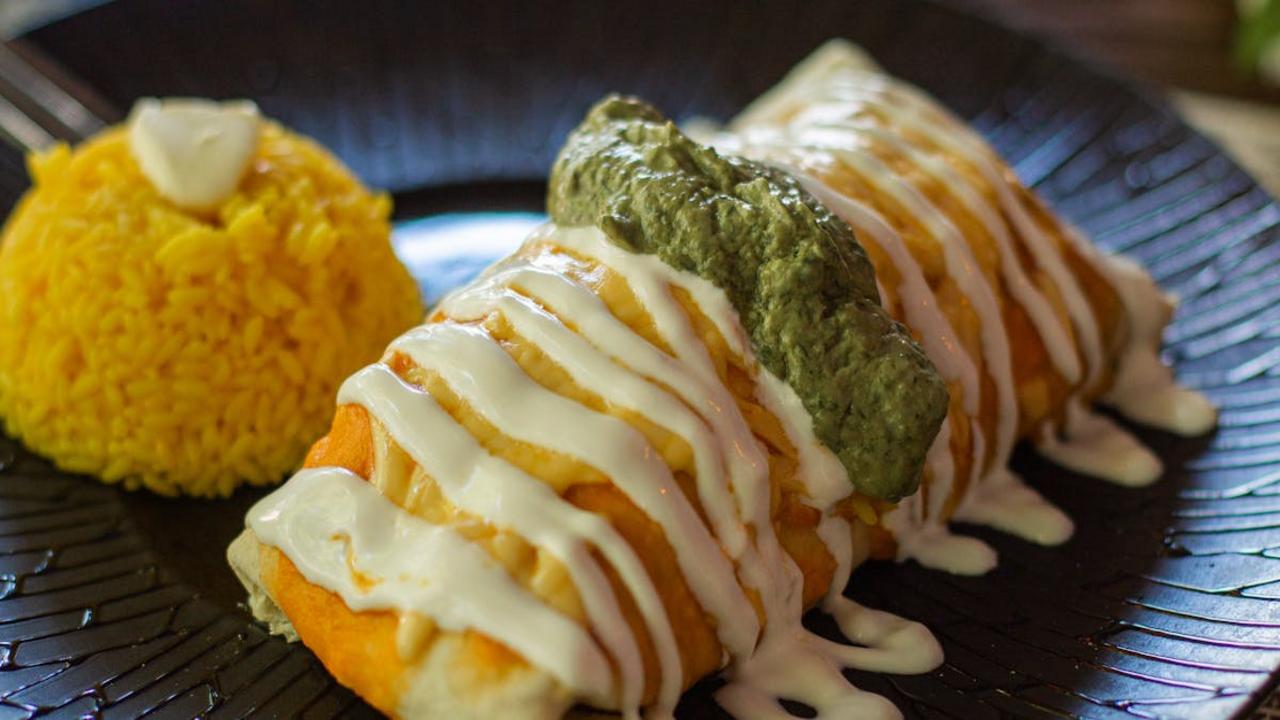
I can’t help but smile whenever I share the origin story of chimichangas – those crispy, deep-fried burritos we all adore. The happy accident happened at El Charro Café in Tucson, Arizona, where founder Monica Flin was making burritos late one night. As she prepared to flip a burrito, it slipped from her hands and dropped into the deep fryer. Ready to yell a Spanish curse word that starts with “chi,” she caught herself mid-word since kids were nearby and instead blurted out “chimichanga!” – which became the name of this accidental creation.
This Mexican-American fusion dish quickly gained popularity beyond El Charro’s walls, becoming a Southwest staple. The golden-brown exterior gives way to a tender filling of meat, cheese, and beans – proving that some kitchen mishaps lead to pure magic. You’ll find variations across the Southwest, from shredded chicken to ground beef versions, but the core remains the same: a perfectly fried burrito that transforms simple ingredients into something extraordinary. The chimichanga reminds me that sometimes our best cooking happens when we stay open to unexpected twists in the kitchen.
Sandwich
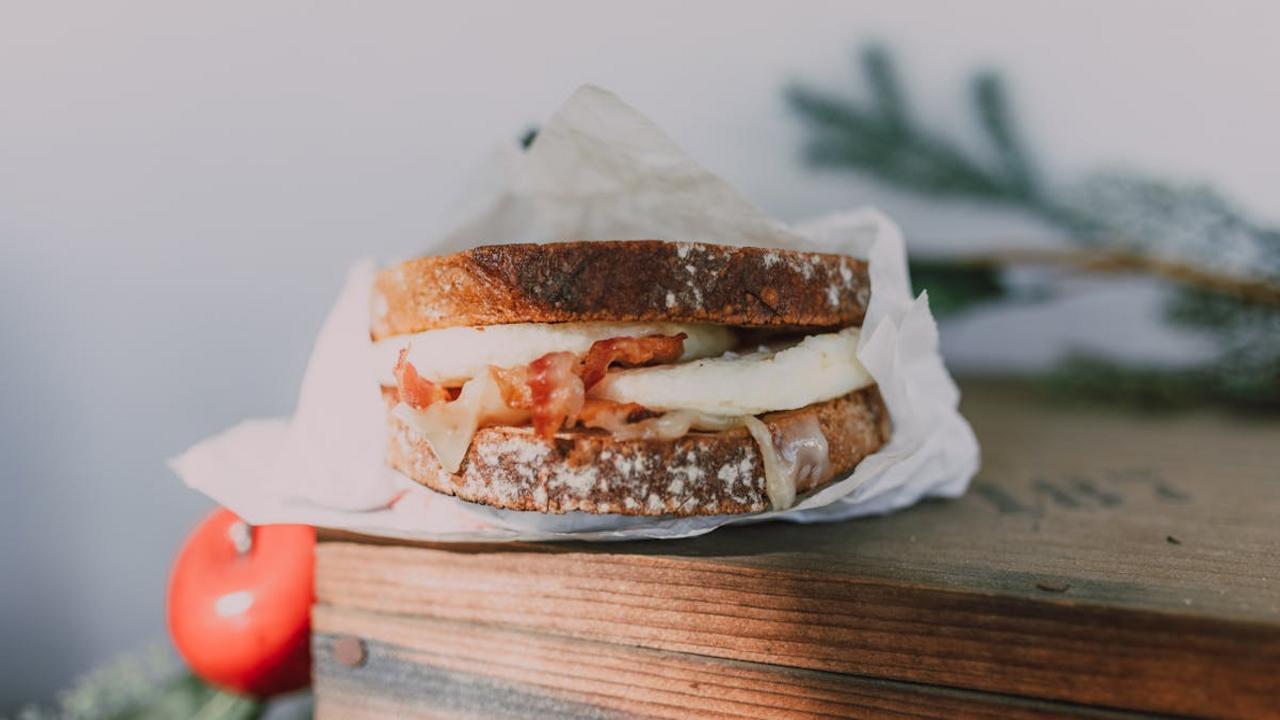
You can thank John Montagu, the 4th Earl of Sandwich, for creating this beloved meal staple back in 1762. The story goes that Montagu, an avid gambler, didn’t want to leave the card table during intense gaming sessions. He asked his cook to bring him meat tucked between two slices of bread so he could eat with one hand while continuing to play cards. His fellow card players started requesting “the same as Sandwich,” and just like that, a new food invention took hold.
What started as a nobleman’s quick fix turned into a global phenomenon that revolutionized how we eat on the go. The sandwich spread throughout England and across Europe, with each culture adding its own spin using local ingredients. From the French Croque Monsieur to the Vietnamese Banh Mi, this accidental invention sparked countless variations worldwide. The simple combination of bread and fillings became the foundation for portable meals that feed millions daily, proving that sometimes the best creations come from the most unexpected moments.
Nachos
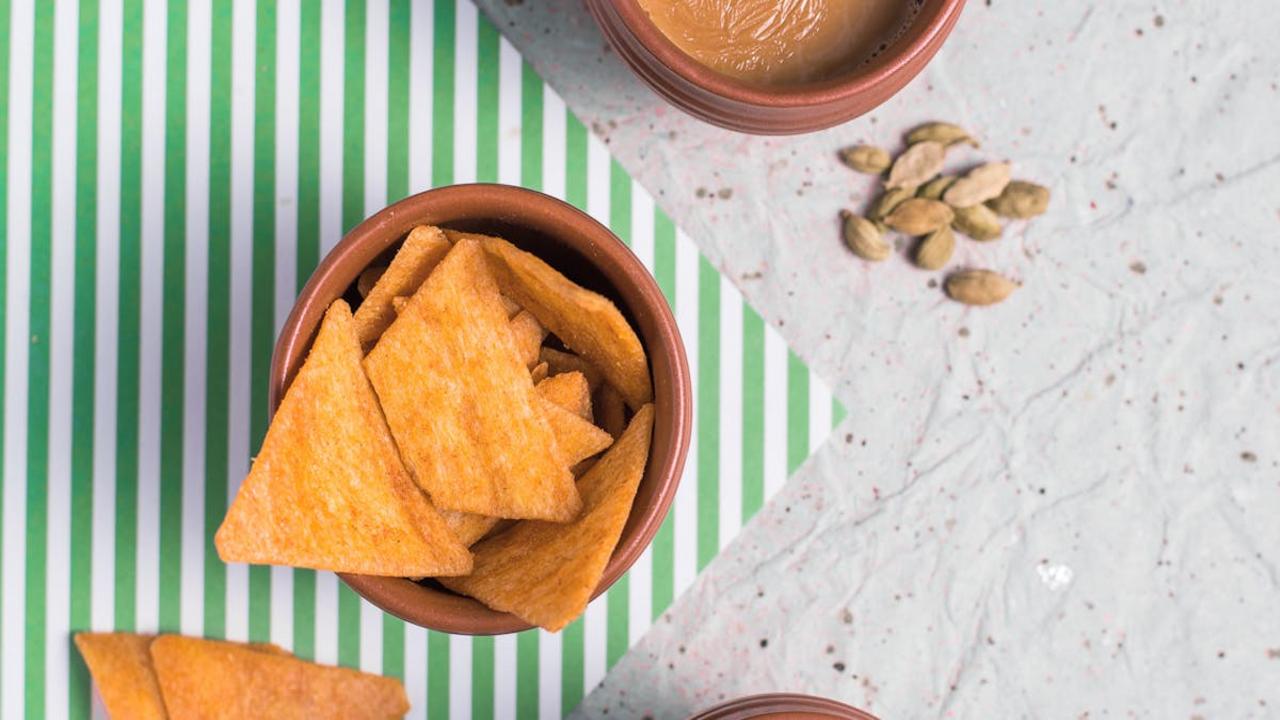
In 1943, Ignacio “Nacho” Anaya created this beloved snack by pure accident at the Victory Club restaurant in Piedras Negras, Mexico. When a group of U.S. military wives arrived after the kitchen had closed, Anaya needed to think fast. He grabbed what he had on hand – tortilla chips, cheese, and jalapeños. After quickly melting cheese over the chips and adding sliced peppers, he served his impromptu creation. The wives loved it so much, they named the dish after his nickname “Nacho.”
The simple yet genius combination caught on rapidly, spreading from the Mexico-Texas border throughout both countries. Today’s nachos have evolved far beyond Anaya’s original three ingredients – we top them with everything from sour cream and guacamole to beans, meat, and fresh vegetables. The accidental dish even made its way into baseball stadiums in 1976 when Frank Liberto modified the recipe with a cheese sauce that could stay melted longer. This sports-fan favorite continues to bring people together at parties, bars, and dinner tables worldwide.
Worcestershire Sauce
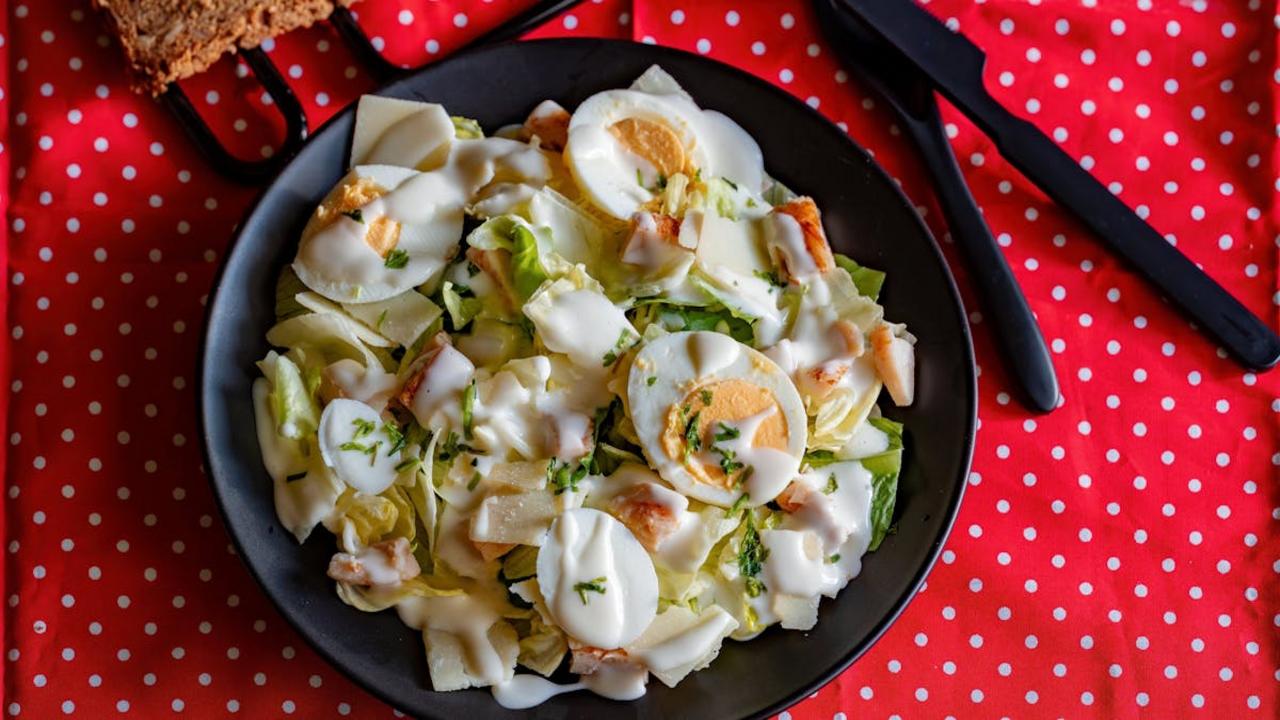
I find it fascinating how one of the world’s most popular condiments came from a complete accident in Worcester, England. In 1837, pharmacists John Wheeley Lea and William Perrins tried to recreate a sauce from India for Lord Sandys. The initial batch tasted awful, so they stored the extra barrels in their cellar’s basement and forgot about them. Two years later, they rediscovered these barrels and decided to taste the fermented mixture – to their amazement, it had transformed into a rich, savory sauce with deep umami notes.
The magic lies in the fermentation that happened during those forgotten years. The original recipe included anchovies, molasses, tamarind, onions, garlic, and spices that mellowed and merged into what we now know as Worcestershire sauce. Today, this happy accident adds depth to countless dishes worldwide – from Bloody Marys to marinades. I particularly love adding a dash to beef stews or using it to enhance the flavor of homemade barbecue sauces. The next time you reach for that familiar bottle, remember it exists because two pharmacists couldn’t bring themselves to throw away a “failed” experiment!
Popsicles
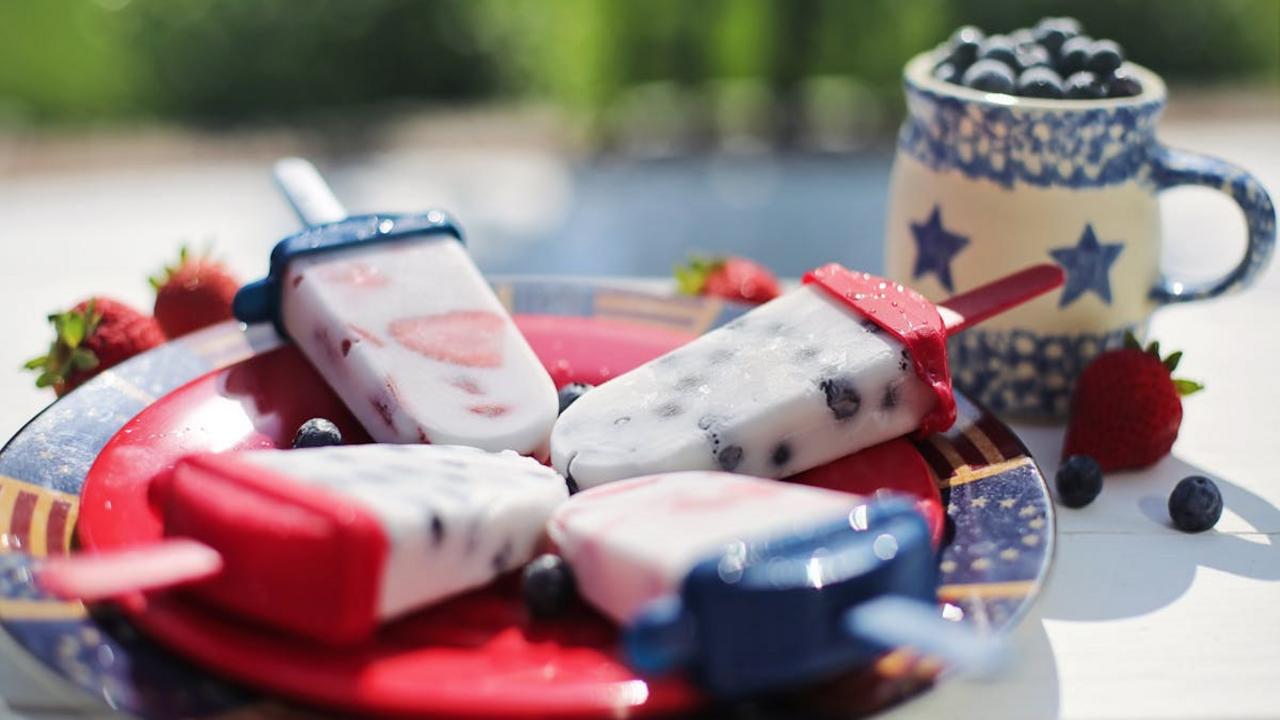
The beloved popsicle owes its existence to an 11-year-old boy’s forgetfulness back in 1905. Frank Epperson left his powdered soda mixture with a stirring stick outside on his San Francisco porch during a cold winter night. The next morning, he found his drink had frozen solid around the stick, creating an icy treat he could hold and eat. Young Frank named his frozen creation the “Epsicle” and started selling them around his neighborhood, bringing joy to local children.
Though Frank initially kept his accidental invention as a childhood memory, he later patented his frozen treat in 1924, renaming it “Popsicle” after his children kept asking for “Pop’s sicles.” The simple combination of flavored water and a wooden stick revolutionized summer snacking forever. Today, billions of popsicles sell worldwide each year, with hundreds of flavor variations from classic cherry and orange to innovative combinations like mango-chili and lavender-lemonade. Your kitchen mishaps might just lead to something equally amazing!
Chocolate Chip Cookies
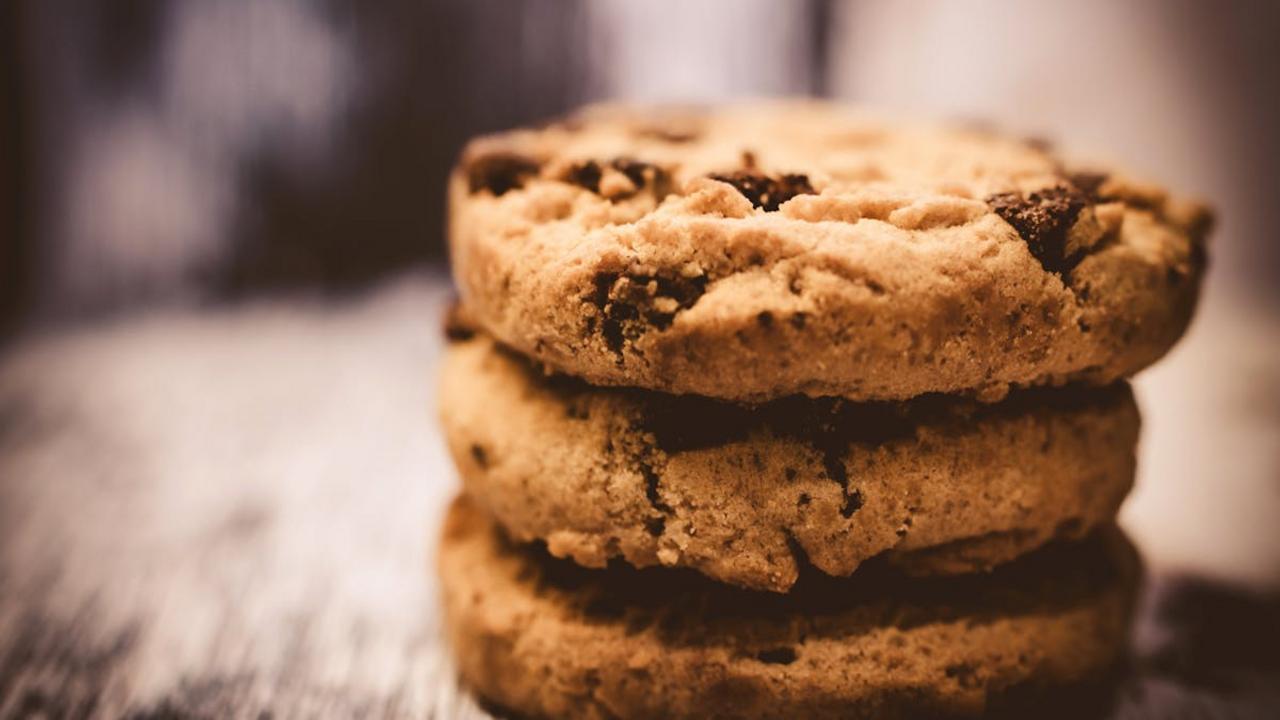
You might think Ruth Wakefield planned the chocolate chip cookie recipe that made her Toll House Inn famous, but this beloved treat happened by pure accident in 1938. Running low on baker’s chocolate for her standard chocolate cookies, Ruth chopped up a Nestlé semi-sweet chocolate bar instead, thinking it would melt and spread throughout the dough. To her surprise, the chocolate pieces kept their shape, creating small pockets of melty goodness within the buttery cookies. Her customers immediately loved this new creation, making it an instant hit at the Massachusetts inn.
The happy accident caught Nestlé’s attention, who eventually struck a deal with Ruth to print her recipe on their chocolate bar packages. In exchange, Ruth received a lifetime supply of Nestlé chocolate – not a bad trade for an unplanned baking substitution! The recipe quickly spread across American households, transforming into countless variations we know today. From classic semi-sweet to dark chocolate, white chocolate, or even mixed with nuts and other add-ins, this accidental invention sparked generations of cookie lovers and home bakers making their own versions of this timeless treat.
Tarte Tatin
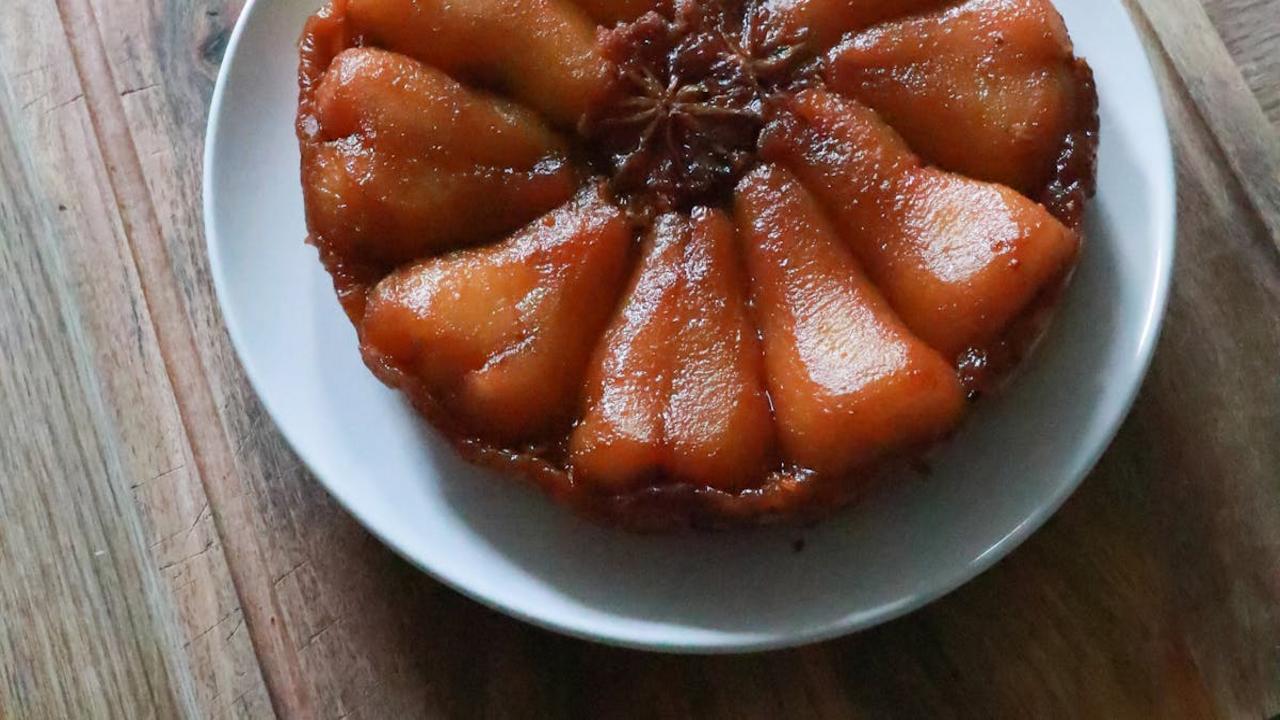
I’ve always found the story of Tarte Tatin so inspiring – it shows how the best recipes can come from simple mistakes! Back in the 1880s, Stéphanie Tatin, who ran Hotel Tatin in France with her sister Caroline, had a busy day in the kitchen. While making a traditional apple pie, she accidentally overcooked the apples in butter and sugar. Rather than waste the caramelized fruit, she tried to salvage the dish by putting the pastry on top of the apples and baking it anyway.
What happened next became culinary history – when Stéphanie flipped the pie over to serve it, she discovered she had created something magical. The upside-down tart had deeply caramelized apples on top with a perfectly crisp crust underneath. Hotel guests fell in love with this “mistake,” and soon the Tarte Tatin became the hotel’s signature dish. Today, you’ll find this upside-down caramelized apple tart in French bakeries worldwide, proving that sometimes kitchen accidents lead to the most wonderful creations. The key is staying open to unexpected outcomes and trusting your instincts in the kitchen!
Caesar Salad
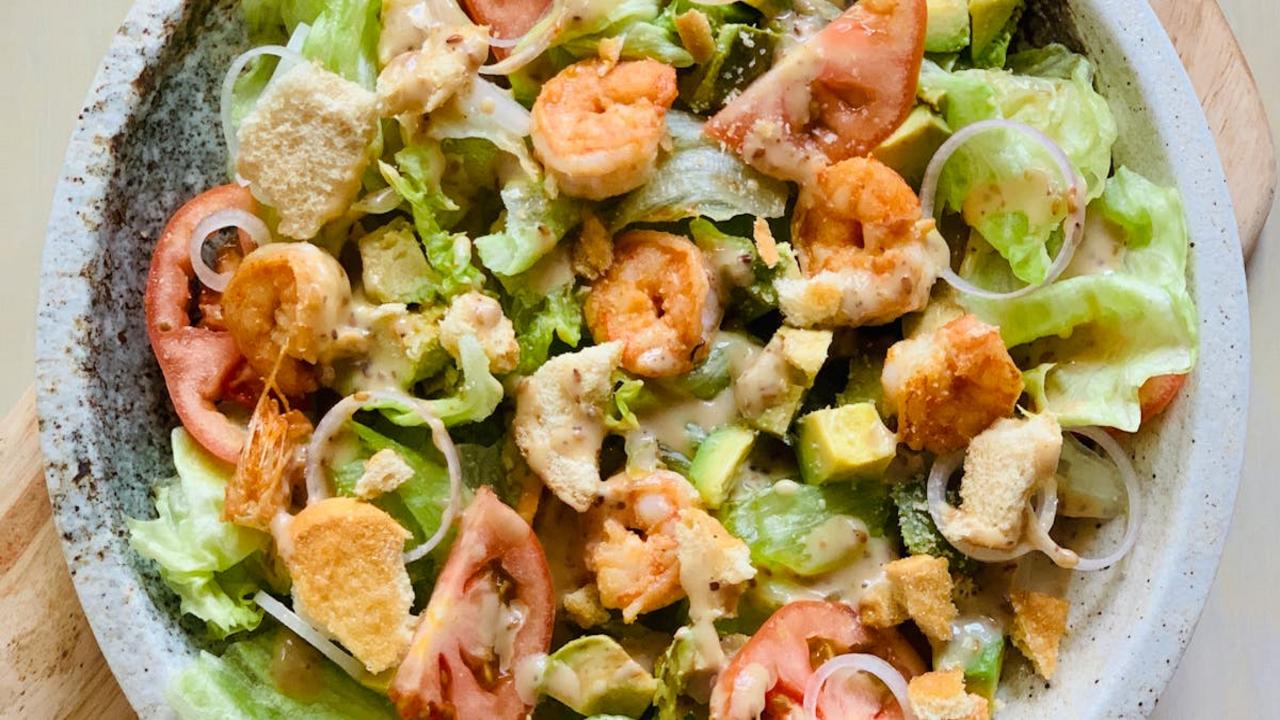
Picture this – it’s July 4th, 1924, and chef Caesar Cardini had run out of ingredients during a packed holiday rush at his restaurant in Tijuana, Mexico. Working with what he had left, he tossed together romaine lettuce, olive oil, eggs, croutons, Parmesan cheese, and Worcestershire sauce right at the table. His impromptu creation, born from necessity rather than planning, became an instant hit with his guests. The theatrical tableside preparation added extra flair that made diners feel special.
While many assume the salad has ancient Roman roots due to its name, it’s actually a modern invention from less than 100 years ago. Caesar’s brother Alex later added anchovies to the recipe, though Caesar himself insisted the Worcestershire sauce provided enough fishy flavor. The original recipe didn’t include chicken or any other proteins we commonly add today. This simple combination of fresh ingredients mixed with a creamy dressing has become such a staple that you’ll find it on menus worldwide, from casual cafes to high-end restaurants.