10 Reasons We Can’t Resist Salty and Sweet Foods and What’s Really Behind Those Cravings
You know that moment when you’re standing in your kitchen at 9 PM, torn between reaching for chocolate or grabbing a handful of pretzels? You’re not alone in this daily battle! Our cravings for salty and sweet foods run deeper than simple willpower – they’re wired into our biology, shaped by evolution, and influenced by everything from our childhood memories to the bacteria living in our gut.
Understanding why we crave these flavors can actually help us make better food choices and find balance in our eating habits. These cravings aren’t character flaws or signs of weakness – they’re complex responses involving our brain chemistry, hormones, and even our cultural background.
Today we’re diving into ten fascinating reasons behind these irresistible urges, and I promise you’ll walk away with a completely new perspective on those afternoon snack attacks. Knowledge truly is power when it comes to creating a healthier relationship with food!
Impact of Food Marketing
You know that feeling when you walk past a billboard featuring a glistening burger or see a commercial with perfectly crispy fries? That’s no accident! Food companies spend billions of dollars each year studying exactly what makes us reach for their products. They use vibrant colors, mouth-watering close-ups, and strategic placement to trigger our cravings for salty and sweet foods. These marketing wizards understand our psychology better than we do sometimes, and they know exactly which buttons to push to make us want their snacks, fast food, and processed treats.
The most clever part? They don’t just advertise during meal times – they bombard us everywhere, from social media feeds to grocery store displays. You’ll notice how candy bars live right at eye level near checkout counters, and how potato chip bags feature bold, exciting graphics that practically shout “pick me up!” This constant exposure rewires our brains to associate these foods with happiness, comfort, and reward. Next time you feel an unexpected craving hit, take a moment to think about what advertisements you’ve seen recently. You might be surprised how much they influence your food choices without you even realizing it!
Childhood Associations
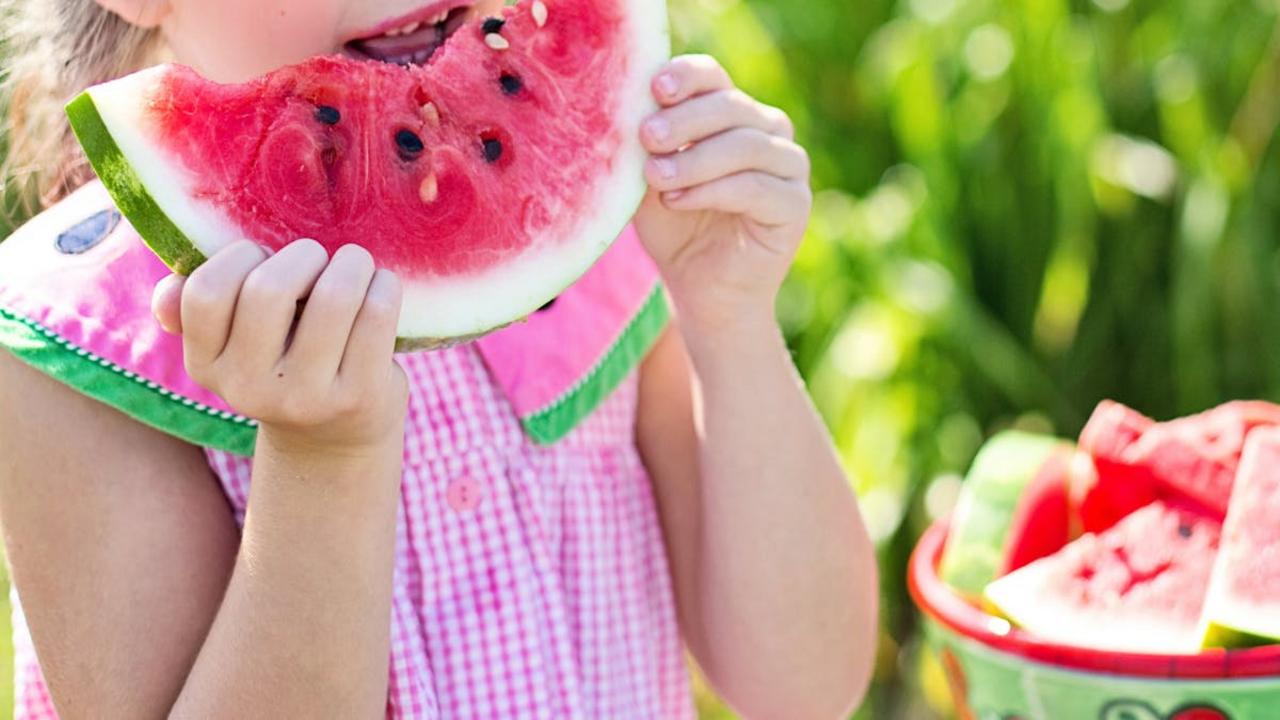
Your brain creates powerful links between specific foods and the feelings you experienced while eating them as a child. That chocolate chip cookie your grandmother baked when you scraped your knee? Your brain remembers not just the sweetness, but the comfort and love that came with it. These memories get stored deep in your neural pathways, creating automatic responses that can last your entire lifetime. When stress hits or you need emotional support, your brain recalls these positive associations and sends you straight toward those same salty or sweet treats that once provided solace.
The foods your family celebrated with become your go-to choices for creating happiness later in life. Birthday cake, holiday cookies, movie theater popcorn, or that special ice cream your parents bought after a tough day—all of these create emotional blueprints that influence your adult food choices. You’re not just craving the flavor; you’re seeking to recreate those feelings of safety, celebration, or love. Understanding this connection helps explain why you might reach for specific comfort foods during difficult times, and recognizing these patterns gives you the power to make more conscious decisions about what you eat and why.
Influence of Microbiome
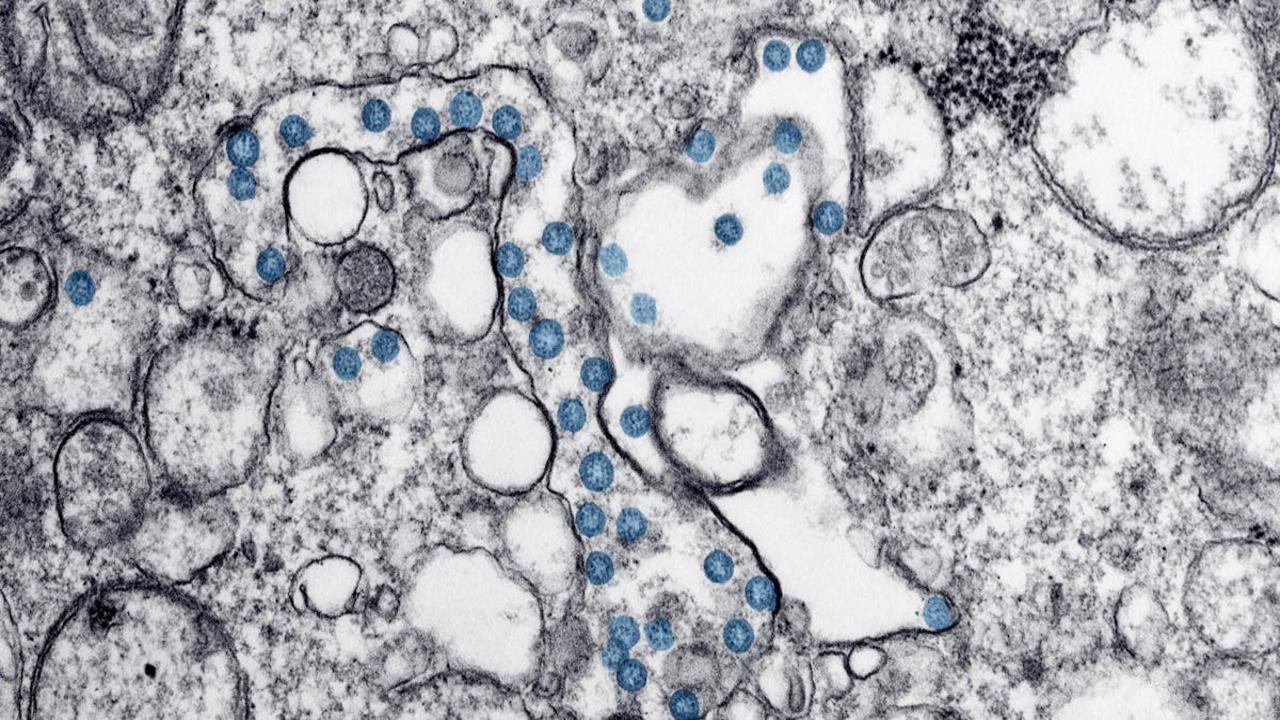
Your gut bacteria are basically tiny food critics living inside you, and they have some pretty strong opinions about what you should eat! These microscopic residents actually send signals to your brain that can trigger specific cravings for salty and sweet foods. Certain bacteria strains thrive on sugar and processed foods, so when their populations grow, they literally hijack your appetite to feed their own needs. It’s like having millions of little voices whispering “ice cream” or “potato chips” directly to your brain.
The fascinating part is that you can actually retrain these bacterial communities through your food choices. When you consistently eat more fiber-rich vegetables, fermented foods, and whole grains, you feed the beneficial bacteria that prefer these healthier options. Over time, these good bacteria multiply and start sending different signals – ones that make you crave the very foods that nourish them. So while it might feel like an uphill battle at first, remember that every healthy meal you eat is essentially voting for the bacteria that will support your wellness goals rather than sabotage them.
Stress and Emotional Eating

When life throws curveballs your way, your body responds by releasing cortisol, the infamous stress hormone that sends your cravings into overdrive. This biological response makes perfect sense from an evolutionary standpoint – our ancestors needed quick energy during threatening situations, so our brains learned to seek out high-calorie foods rich in sugar, salt, and fat. Today, though, we’re not running from predators; we’re dealing with deadlines, relationship drama, or financial worries, yet our bodies still crave those same comfort foods that promise instant relief.
You know exactly what I’m talking about – that magnetic pull toward a bag of chips after a tough day at work or the way ice cream seems to call your name during heartbreak. These foods trigger the release of dopamine and serotonin, those feel-good neurotransmitters that temporarily soothe emotional pain and stress. The tricky part is that this creates a cycle: you feel stressed, reach for salty or sweet foods, experience temporary relief, then often feel guilty afterward, which can lead to more stress. Breaking this pattern starts with recognizing it and finding alternative ways to manage emotions, like taking a walk, calling a friend, or preparing a nourishing meal that satisfies both your body and soul.
Balancing Electrolytes
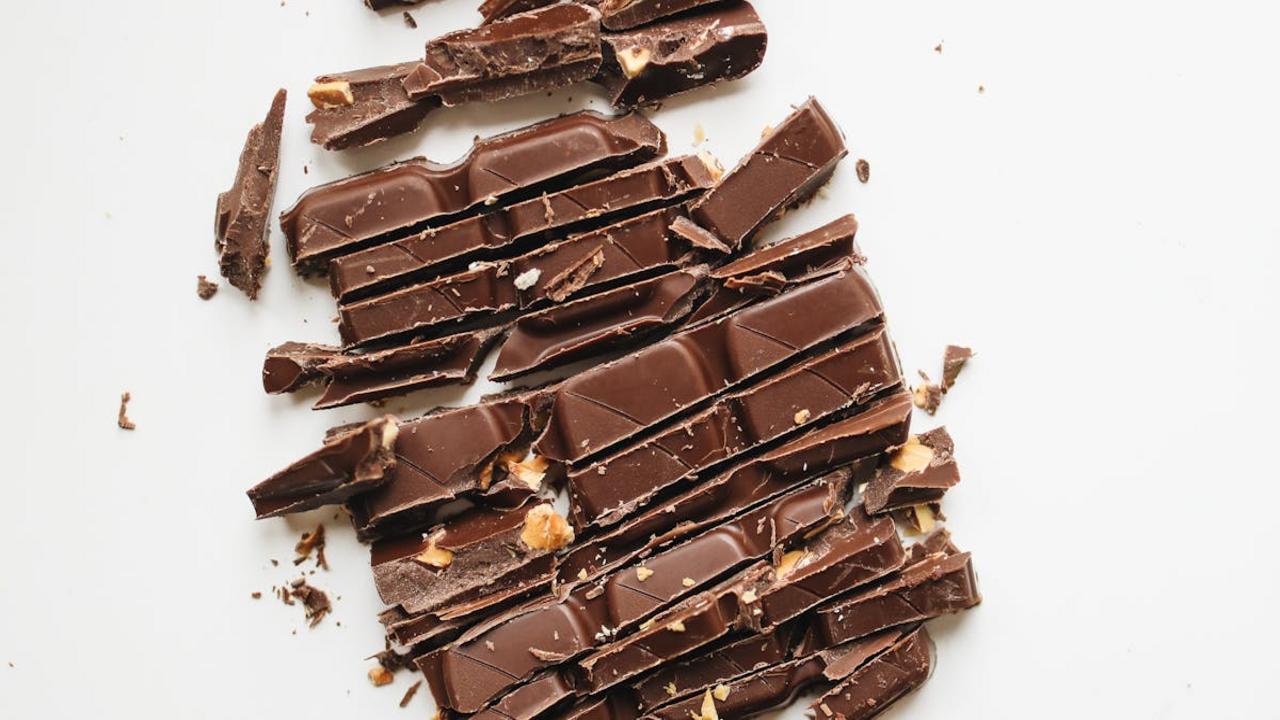
Your body runs on a delicate electrical system, and sodium plays a starring role in keeping everything humming along perfectly. When you sweat during a workout, stress out over deadlines, or simply go about your busy day, you lose precious electrolytes that need replenishing. That sudden craving for chips or a pickle isn’t just your imagination running wild – it’s your smart body sending you a direct message that it needs sodium to maintain proper fluid balance, nerve function, and muscle contractions.
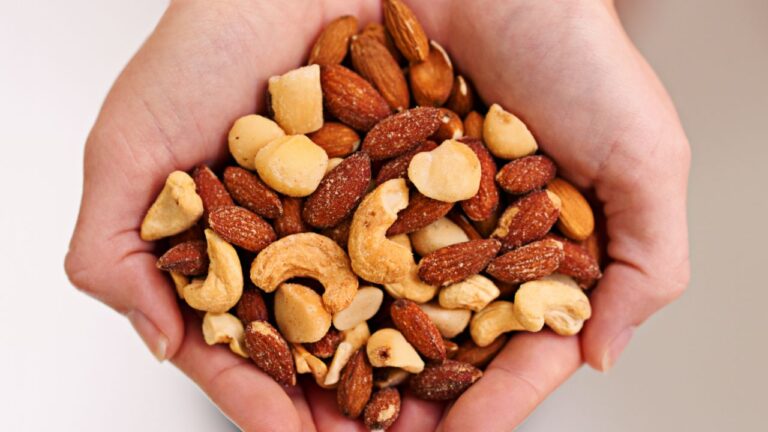
Think of electrolytes like the orchestra conductor of your internal systems, coordinating everything from your heartbeat to your brain signals. When levels drop too low, your body triggers those intense salt cravings to get you back on track. You can honor these signals by choosing nutrient-dense options like sea salt on avocado toast, a handful of salted nuts, or even a pinch of quality salt in your water bottle. Listen to your body’s wisdom – it knows exactly what it needs to keep you feeling energized and balanced throughout your day.
The Role of Hormones

Your hormones are working behind the scenes every single day, orchestrating those powerful cravings that send you straight to the pantry for something salty or sweet. Think about cortisol, your stress hormone – when levels spike during tough days at work or personal challenges, your body craves quick energy sources like sugary snacks and comfort foods loaded with salt. Insulin plays a major role too, especially after you eat refined carbs that cause blood sugar spikes and crashes, leaving you desperately seeking another sweet fix to stabilize those energy levels.
Ghrelin, known as the hunger hormone, ramps up before meals and makes everything taste more appealing, particularly foods high in fat, sugar, and salt. Meanwhile, leptin signals fullness, but chronic stress and poor sleep can throw this system completely off balance, making it harder to recognize when you’ve had enough. Women experience additional hormonal fluctuations during their menstrual cycle – estrogen and progesterone changes can intensify cravings for chocolate, chips, and other comfort foods. Understanding these hormonal triggers helps you recognize that your cravings aren’t just about willpower; they’re your body’s natural response to complex chemical signals that you can learn to work with rather than fight against.
Neurological Reward Systems

Your brain lights up like a Christmas tree when you bite into that perfect combination of salty pretzels and sweet chocolate! This happens because your neurological reward systems release dopamine, the same feel-good chemical that makes you happy when you hug a loved one or accomplish a goal. These powerful brain pathways evolved to help our ancestors survive by seeking out energy-dense foods, but in our modern world of abundant processed snacks, they can work against us. When you experience that irresistible pull toward a bag of salted caramel cookies, you’re not lacking willpower – you’re responding to ancient programming that once kept humans alive during times of scarcity.
The fascinating part is how quickly your brain creates these reward patterns. Each time you enjoy something salty and sweet together, your neural pathways strengthen, making those cravings more intense next time. Think of it like creating a well-worn path through a forest – the more you walk it, the easier it becomes to follow. But here’s the empowering news: you can train these same systems to crave healthier options! Try pairing naturally sweet fruits with a pinch of sea salt, or enjoy dark chocolate with nuts. Your brain will gradually start associating these wholesome combinations with pleasure, helping you satisfy those cravings while nourishing your body with foods that truly love you back.
Cultural Influences and Traditions

Your cravings don’t exist in a vacuum – they’re deeply rooted in the cultural soil where you grew up! Think about it: if you were raised in a household where grandma’s chocolate chip cookies meant comfort and love, your brain has wired sweet treats to feelings of safety and belonging. Mexican families might crave the perfect balance of sweet and salty in traditional mole, while someone from the American South might yearn for that ideal combination found in salted caramel pecan pie. These aren’t just random desires – they’re emotional blueprints passed down through generations of shared meals and celebrations.
Food traditions create powerful neural pathways that connect specific flavors to memories, emotions, and social bonds. When you smell freshly baked bread or taste your mom’s signature dish, your brain releases a cocktail of feel-good chemicals that reinforce these cravings. Cultural celebrations often center around foods that hit both sweet and salty notes – think pretzels dipped in chocolate during holidays, or the way many Asian cuisines masterfully blend soy sauce with sugar in their signature dishes. These learned associations become so strong that simply thinking about culturally significant foods can trigger intense cravings, making you reach for those familiar flavor combinations that feel like home.
Evolutionary Survival Mechanism

Your body’s intense craving for salty and sweet foods isn’t just a modern weakness – it’s actually a brilliant survival strategy that’s been hardwired into your DNA for thousands of years. Back when our ancestors roamed the earth as hunter-gatherers, finding foods rich in sugar and salt meant the difference between thriving and merely surviving. Sweet foods signaled ripe fruits packed with quick energy and vitamin C, while salty foods indicated precious minerals that your body desperately needed to maintain proper fluid balance and nerve function. Your brain learned to reward these discoveries with powerful pleasure signals, creating an almost irresistible drive to seek out and consume these life-sustaining nutrients.
Today, even though you can easily grab salt and sugar from your kitchen pantry, your ancient brain hasn’t gotten the memo that scarcity is no longer an issue. Those same reward pathways that once helped your ancestors survive now light up like a Christmas tree every time you smell fresh cookies or catch a whiff of kettle-cooked chips. This explains why you can polish off an entire bag of pretzels without thinking twice, or why that chocolate bar calls your name from the checkout counter. Understanding this biological programming helps you make peace with your cravings rather than fighting against them – you’re not lacking willpower, you’re just responding to millions of years of successful human evolution.
Contrasting Sensory Experiences

Your mouth experiences something magical when sweet meets salty – think chocolate-covered pretzels or salted caramel ice cream. This combination creates what food scientists call “flavor layering,” where opposing tastes actually enhance each other rather than cancel out. The sweetness makes the salt seem less harsh, while the salt prevents the sweet from becoming cloying. Your brain gets excited by this complexity because it has to work harder to process these contrasting signals, making each bite more interesting and memorable than either flavor would be alone.
This sensory contrast also triggers different parts of your palate at different times, creating what I like to call a “flavor journey” in your mouth. First, you might taste the sweet coating, then the salty crunch hits, followed by lingering notes that blend together beautifully. Your brain craves this kind of sensory adventure because it’s stimulating and unpredictable. That’s why you can’t stop at just one piece of that dark chocolate with sea salt – your mouth wants to experience that delightful push and pull between opposing flavors again and again. It’s like your palate is having its own little party with every bite!