10 Funny Food Myths You Swore Were Bogus Are Actually True
We’ve all heard those bizarre food claims from our grandmothers and dismissed them with an eye roll. “Chocolate gives you zits,” Mom warned as you reached for another piece. Turns out, she wasn’t just trying to hoard the good stuff! Some food folklore actually contains kernels of truth hidden beneath layers of exaggeration.
Remember laughing at your friend who swore bananas were radioactive? Or the kid who wouldn’t eat watermelon seeds because they feared a fruit garden growing in their belly? I’ve collected ten food myths we’ve all mocked that scientists now confirm hold surprising truth.
From turkey’s sleep-inducing powers to the actual connection between crackers and hiccups, these food “facts” deserve an apology from all of us skeptics. Each myth reveals how our ancestors sometimes knew more than we gave them credit for—even if their explanations were a bit half-baked.
Crackers can cure hiccups
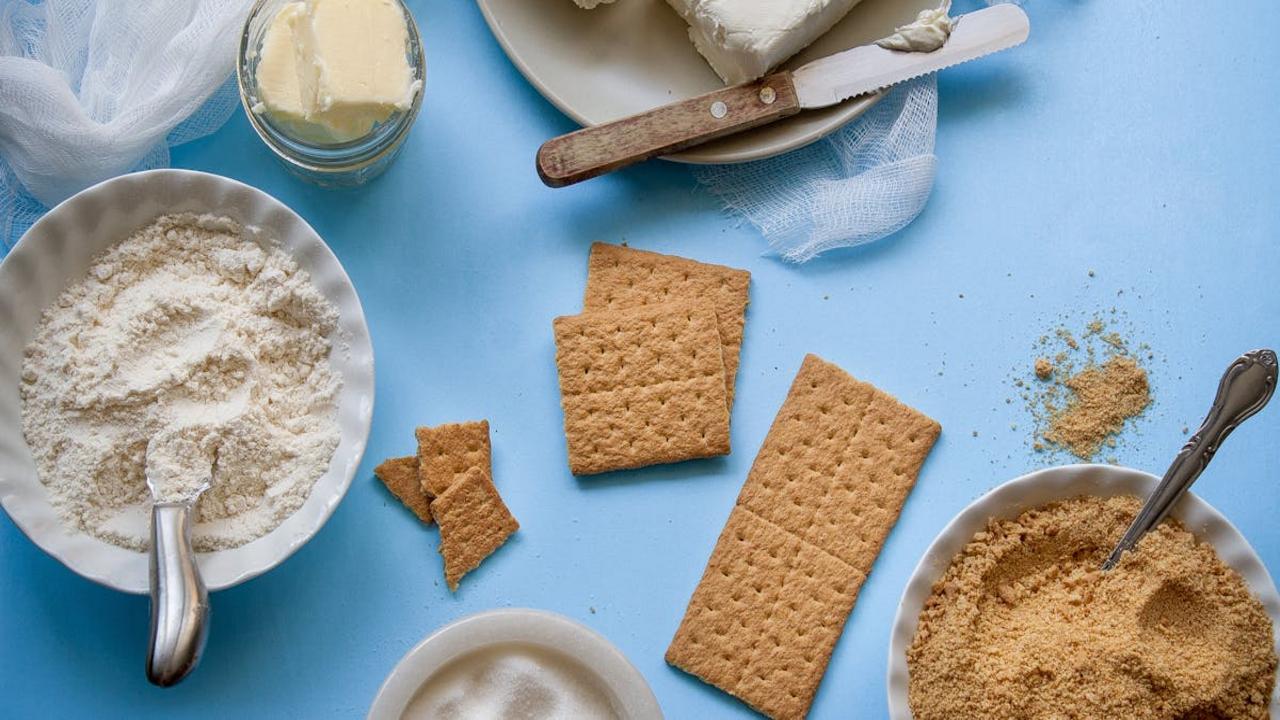
Your grandmother wasn’t pulling your leg when she handed you a sleeve of saltines during that embarrassing hiccup attack at Thanksgiving dinner. Those dry, crunchy squares actually pack a secret weapon against the dreaded diaphragm spasms that make you sound like a broken record player. The science behind this bizarre cure lies in the mechanical action of chewing and swallowing something dry and textured. When you munch on crackers, your esophagus has to work overtime to push down those crumbly bits, which interrupts the rhythmic nerve signals causing your hiccups. It’s like hitting the reset button on your vagus nerve, the cranky controller of your diaphragm that got stuck in repeat mode.
I discovered this miraculous cracker cure during a particularly mortifying first date at a fancy Italian restaurant. Between courses, I developed a case of hiccups so aggressive they could’ve registered on the Richter scale. My date, bless his soul, flagged down the waiter and requested a basket of breadsticks. Five minutes of aggressive carb consumption later, silence! The key is choosing something adequately dry – think saltines, water crackers, or even stale bread. Avoid anything too moist or smooth, because your esophagus needs that textural challenge to break the hiccup cycle. Keep a pack of crackers in your purse or glove compartment, because you never know when your diaphragm might decide to throw its own little tantrum party.
Spinach makes you strong
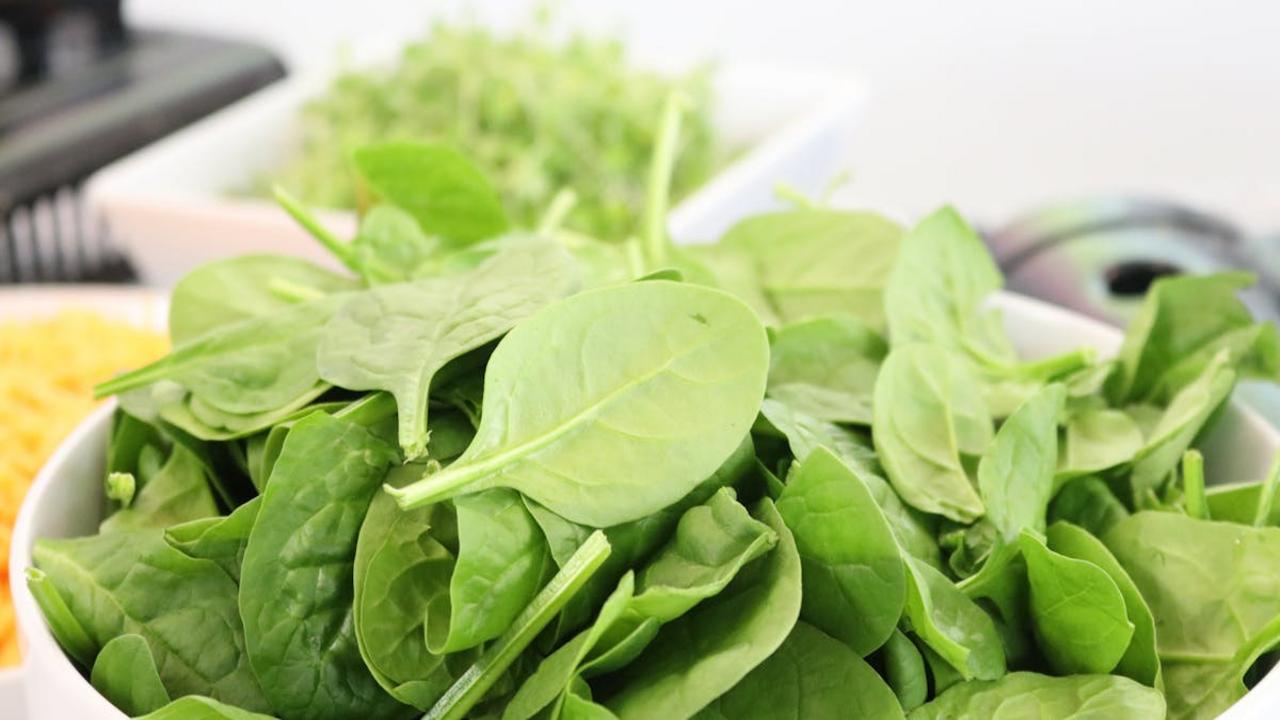
Remember when your mom would wave a forkful of wilted spinach in your face, claiming it would transform you into Popeye? Well, plot twist—she wasn’t entirely wrong! While you won’t suddenly sprout cartoon muscles after downing a can of the green stuff, spinach does pack a serious nutritional punch that can genuinely boost your strength and energy levels. This leafy powerhouse contains iron, magnesium, and folate, all working together to support muscle function and oxygen transport throughout your body. Plus, it’s loaded with nitrates that help improve blood flow to your muscles during exercise.
The funny thing is, Popeye’s creator accidentally made spinach look like a superhero food because of a misplaced decimal point in early iron content research—scientists thought spinach had ten times more iron than it actually does! Even with this mathematical blunder, spinach still deserves its reputation. I love tossing fresh baby spinach into smoothies with banana and pineapple—you can’t even taste the greens, but your muscles will thank you later. Try sautéing it with garlic and a squeeze of lemon, or throw it into your morning omelet. Your body will feel the difference, even if you don’t start flexing like a sailor man!
Fish is brain food

Your grandmother wasn’t just being pushy when she slipped that salmon onto your plate every Friday night – turns out she was actually serving up some serious brain fuel! Those omega-3 fatty acids packed into fish like mackerel, sardines, and tuna work overtime to keep your neurons firing on all cylinders. Scientists have discovered that people who regularly eat fish show better memory performance, sharper focus, and even slower cognitive decline as they age. The DHA (docosahexaenoic acid) in fish literally becomes part of your brain cell membranes, making them more flexible and efficient at transmitting signals. So every time you bite into that buttery piece of cod, you’re basically giving your brain a tune-up.
The evidence gets even more impressive when you look at entire populations – Mediterranean folks who grow up eating fish multiple times per week consistently score higher on cognitive tests and have lower rates of dementia. Even pregnant women who eat fish during pregnancy often have children with better language and motor skills. Of course, moderation matters since some fish carry mercury, but the brain benefits far outweigh the risks for most people. Next time someone teases you about ordering the fish special again, just remind them you’re investing in your mental portfolio. Your future self will thank you when you’re still sharp enough at 80 to beat everyone at crossword puzzles!
Coffee stunts growth

Hold onto your mugs, coffee lovers, because this childhood warning your parents drilled into you actually has some truth to it! While coffee won’t literally make you shrink like Alice in Wonderland, studies show that caffeine can interfere with calcium absorption in your bones. When you’re guzzling that third espresso of the morning, your body struggles to hold onto the calcium it needs for proper bone development. Kids and teenagers who drink excessive amounts of coffee might miss out on reaching their full height potential, especially during those crucial growth spurts when bones are stretching faster than pizza dough on a Saturday night.
Now, before you panic and toss your beloved coffee maker out the window, remember that moderation is key here. We’re talking about excessive consumption – not your reasonable morning cup or two. The real troublemakers are those caffeine-chugging teenagers who treat energy drinks like water and coffee like a food group. A single cup of joe won’t turn you into a hobbit, but if you’re downing six shots of espresso daily while skipping milk and cheese, your skeleton might file a complaint. So go ahead, enjoy your morning brew, but maybe pair it with some calcium-rich foods and save the coffee shop marathons for after you’ve finished growing!
Eating watermelon seeds will make them grow in your stomach
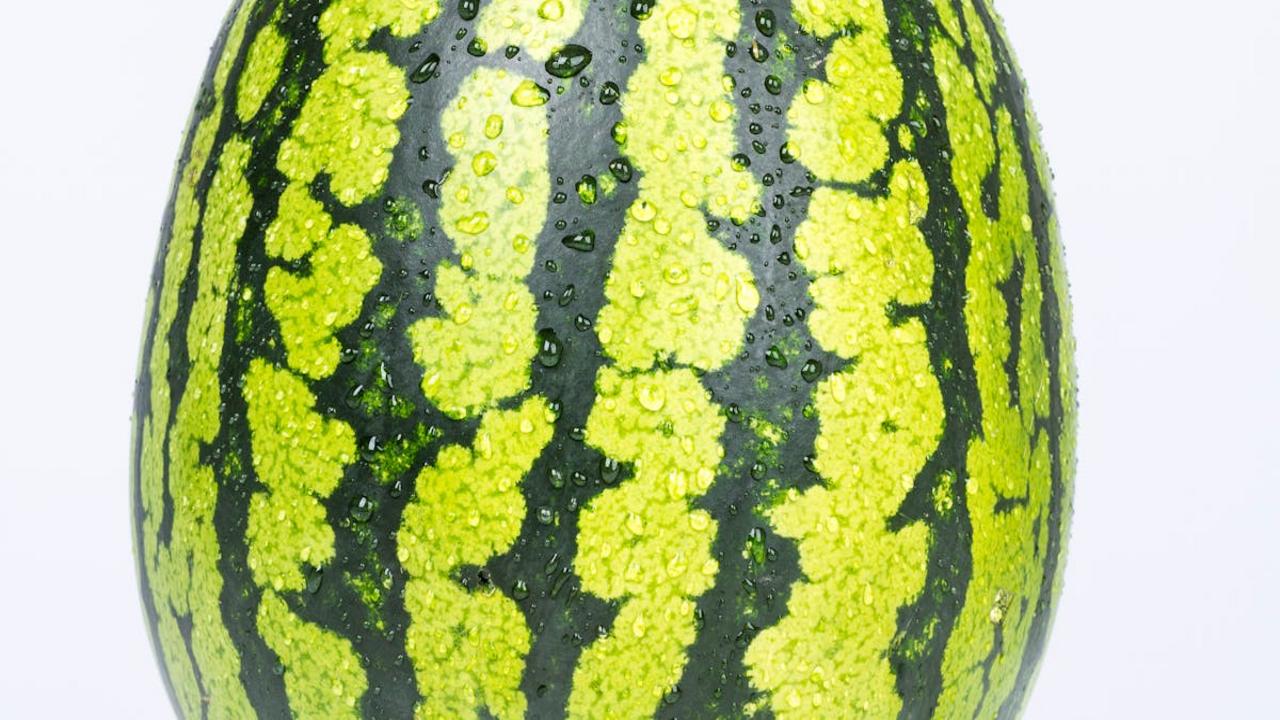
Remember when your mom used to freak out every time you accidentally swallowed a watermelon seed? She’d dramatically clutch her chest and warn you about the impending watermelon vineyard sprouting in your belly. Well, here’s the kicker – she wasn’t completely wrong! While you won’t exactly turn into a walking fruit farm, watermelon seeds can technically germinate under the right conditions. The catch? Your stomach is basically a hostile acid bath that would make even the toughest seed wave its tiny white flag in surrender.
Your digestive system runs at a toasty 98.6°F with pH levels that could strip paint off a car – not exactly the cozy garden bed seeds dream about. But here’s where it gets interesting: if you somehow managed to swallow seeds and they miraculously survived the stomach apocalypse, they’d need sunlight, proper soil, and way more space than your intestines offer. Scientists have actually found sprouted seeds in compost piles and sewage treatment plants, proving these little guys are tougher than we give them credit for. So while your mom’s panic was adorable, the only thing growing in your stomach after a watermelon feast is probably just a satisfied smile!
Spicy food causes stomach ulcers

For decades, your grandmother probably wagged her finger at you every time you reached for that extra jalapeño, warning that all that heat would burn holes right through your stomach lining. Well, plot twist – she was actually onto something! While we spent years rolling our eyes and dismissing this as old-wives’-tale nonsense, recent research has shown that extremely spicy foods can indeed contribute to stomach ulcer formation in certain people. The capsaicin in hot peppers doesn’t directly cause ulcers, but it can irritate existing stomach damage and make you more susceptible to the bacteria H. pylori, which is the real ulcer culprit.
Now, before you swear off your beloved hot sauce collection forever, remember that moderation is key here. Your average sriracha drizzle or mild curry won’t send you straight to the emergency room. We’re talking about the kind of spice levels that make you question your life choices – think ghost pepper challenges or those ridiculous hot wings that require you to sign a waiver. Most of us can enjoy our favorite spicy dishes without worry, but if you’re already dealing with stomach issues or have a family history of ulcers, maybe save the Carolina Reaper experiments for someone else’s YouTube channel.
Turkey makes you sleepy

You know that post-Thanksgiving food coma that hits you like a freight train? Well, your suspicious relatives who’ve been blaming the turkey all these years actually had it right! Turkey contains tryptophan, an amino acid that your body converts into serotonin and then melatonin – basically nature’s own sleepy-time cocktail. But here’s the kicker: chicken, beef, and even cheese pack similar amounts of tryptophan. So why does turkey get all the blame for turning you into a couch potato?
The real sleepy-time magic happens because of what you pair with that beautiful bird. Think about it – you’re not just eating turkey on Thanksgiving. You’re demolishing mountains of carb-heavy stuffing, mashed potatoes, and sweet potato casserole, washing it all down with wine, then finishing with pie. Those carbs trigger insulin production, which helps tryptophan cross the blood-brain barrier more easily. Add in the sheer volume of food (because who eats normal portions on holidays?), and your body redirects energy to digestion, leaving you ready for the ultimate food nap. So yes, turkey makes you sleepy, but it’s got some serious accomplices in this drowsy crime!
Bananas are radioactive
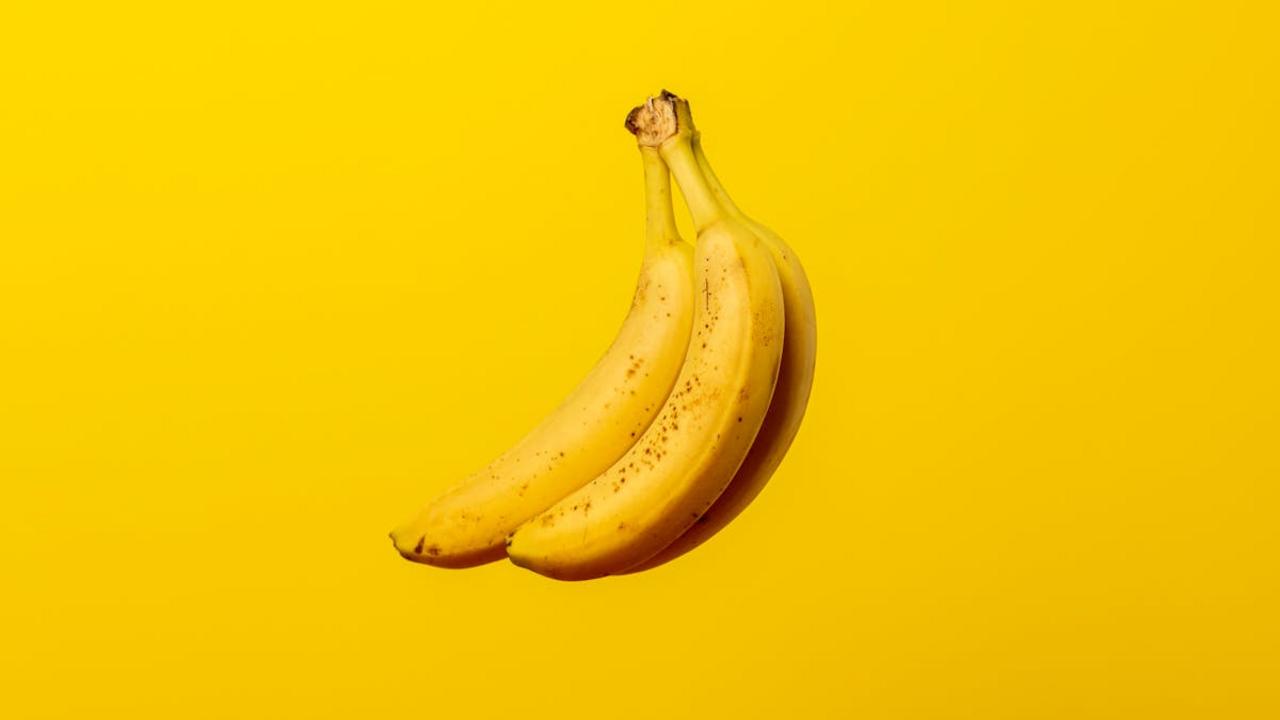
Your morning smoothie just got a lot more exciting! Those innocent-looking yellow crescents sitting on your counter are actually tiny radiation sources, and no, I’m not making this up to scare you away from potassium. Bananas contain naturally occurring potassium-40, a radioactive isotope that makes them legitimately radioactive. Scientists even use “banana equivalent dose” as an actual unit of measurement for radiation exposure – because apparently, we needed a fruit-based way to explain nuclear physics to people. Every time you peel one of these sunny fellows, you’re handling something that would make a Geiger counter click, albeit very, very quietly.
Before you start treating your fruit bowl like a hazmat zone, relax – you’d need to eat about 10 million bananas at once to get a lethal dose of radiation (though the potassium overdose would probably get you first). The amount of radiation in a single banana is so minuscule that eating one exposes you to less radiation than you’d get from sleeping next to someone for eight hours. Yes, your snoring partner is technically more radioactive than your breakfast! This quirky fact makes bananas the perfect conversation starter at parties, especially when someone inevitably asks why their smoke detector keeps beeping near the fruit basket. Who knew that this humble, slip-hazard-creating fruit could double as a miniature nuclear reactor?
Carrots improve vision
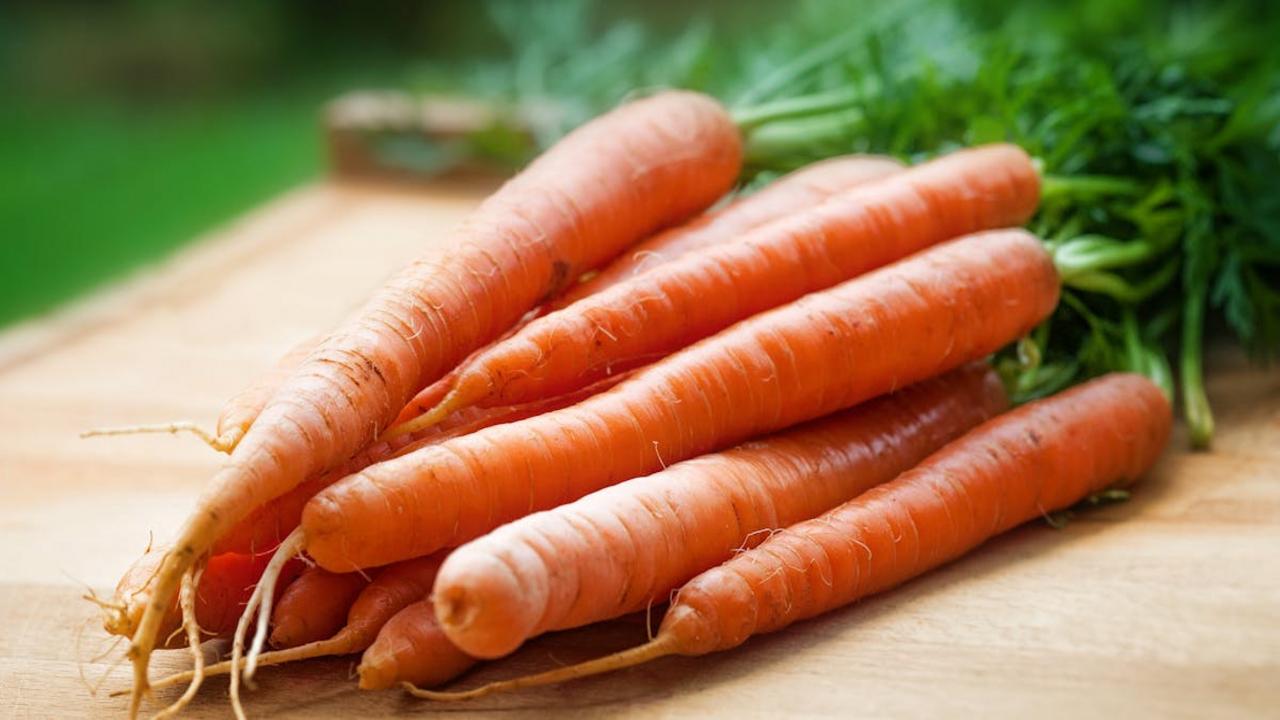
Your grandmother wasn’t spinning tales when she insisted you eat those orange sticks on your dinner plate! The whole “carrots help your eyesight” thing actually has solid science backing it up, though the story behind this myth is absolutely bonkers. During World War II, the British military wanted to keep their new radar technology secret from the Germans, so they spread propaganda claiming their pilots’ incredible night vision came from eating tons of carrots. The enemy bought it hook, line, and sinker, stockpiling carrots like they were golden tickets to superhuman sight. Plot twist: carrots really do boost your vision, just not in the comic book superhero way people imagined.
Here’s the real deal – carrots pack a serious punch of beta-carotene, which your body converts into vitamin A faster than you can say “What’s up, Doc?” Vitamin A keeps your retinas happy and helps prevent night blindness, so those Bugs Bunny cartoons weren’t completely off base. You won’t develop eagle eyes or see through walls, but munching on these crunchy orange beauties can genuinely help maintain healthy peepers. Raw carrots give you the biggest bang for your buck, though roasting them with a drizzle of olive oil makes the beta-carotene more bioavailable. So go ahead, crunch away guilt-free – your eyes will thank you, even if you can’t suddenly spot enemy aircraft in the dark!
Chocolate causes acne
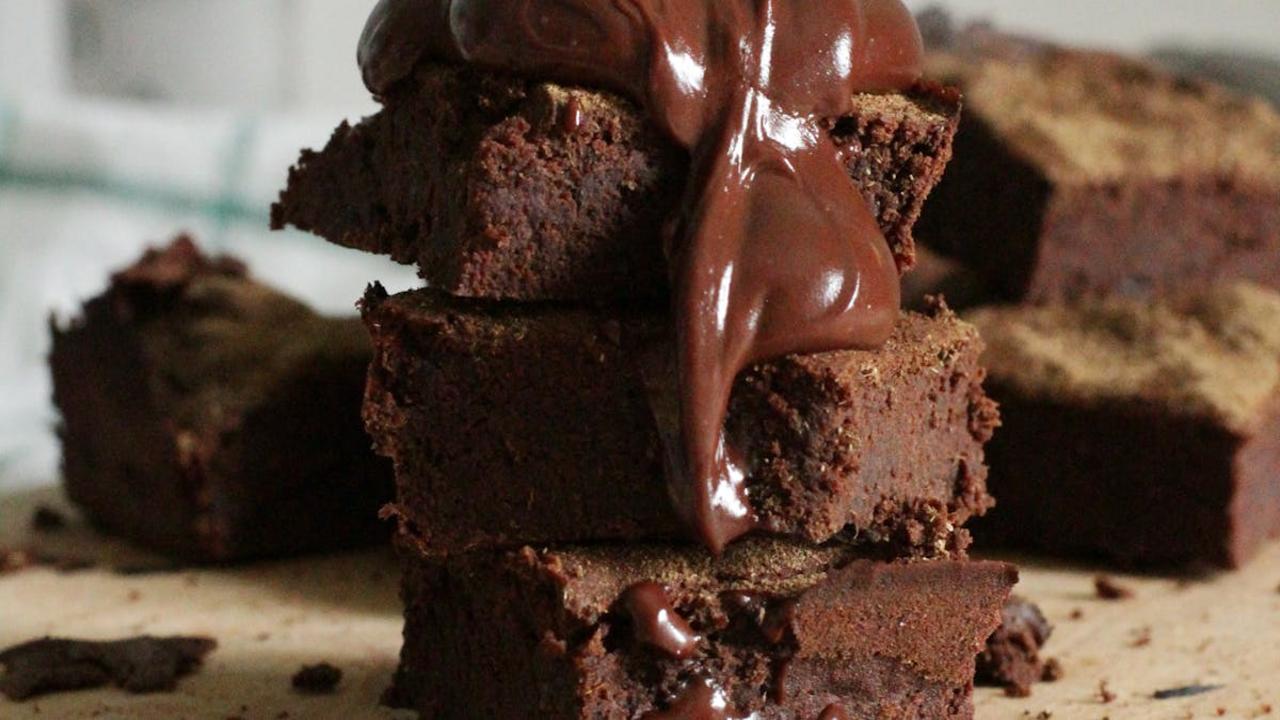
Oh, the sweet irony! For decades, we chocolate lovers have rolled our eyes at well-meaning relatives who claimed our beloved cocoa treats would turn our faces into pepperoni pizzas. We’d smugly cite studies showing no direct link between chocolate and breakouts, feeling vindicated as we unwrapped another candy bar. But here’s the plot twist that’ll make you want to hide your emergency stash: recent research suggests there might actually be some truth to this age-old warning. Scientists have discovered that certain compounds in chocolate—particularly the dairy and high glycemic ingredients often found in milk chocolate—can trigger inflammatory responses that contribute to acne formation.
Before you dramatically sweep all your chocolate into the trash (please don’t!), remember that not all chocolate wears the same guilty verdict. Dark chocolate with higher cocoa content and less sugar appears to be the hero of this story, while milk chocolate plays the troublemaker role. The real culprits seem to be the added sugars, dairy, and processed ingredients that tag along with your favorite treats. So if you’re battling breakouts, consider upgrading to that fancy 70% dark chocolate you’ve been eyeing—your skin might thank you, and you’ll still get your chocolate fix. Plus, you can now sound incredibly sophisticated when someone asks about your skincare routine: “Oh, I only consume artisanal high-cocoa-content chocolate for optimal dermatological health.”