Tired Medical Mom Faked a Potato Allergy to Avoid Her Daughter’s Dinner Tantrum. Her Six-Year-Old Was Devastated.
We all understand that parenting is the hardest job in the world, and sometimes, a little white lie can feel like a necessary tool just to get through the day. Whether it’s about the ice cream truck only playing music when it’s out of treats or why a favorite toy has “gone on a vacation,” these fibs are often deployed in moments of sheer exhaustion.
However, one mother recently shared a story online that asks a very important question: when does a harmless fib cross the line into a damaging lie, especially when it comes to our children’s trust?
The Incident
The story comes from a 29-year-old mother who, along with her husband, works as a medical professional. As you can imagine, their days are long and draining. She explained that she had carefully taught her six-year-old daughter about the seriousness of allergies after a classmate had a frightening reaction to a bee sting.
Her daughter took the lesson to heart and became a staunch advocate for allergy awareness, never joking about the topic.
Unfortunately, her daughter had also entered a phase of being an “extreme picky eater.” The mother shared that if someone simply mentioned not liking a food, her daughter would suddenly decide she hated it too, even if it was a favorite the day before.
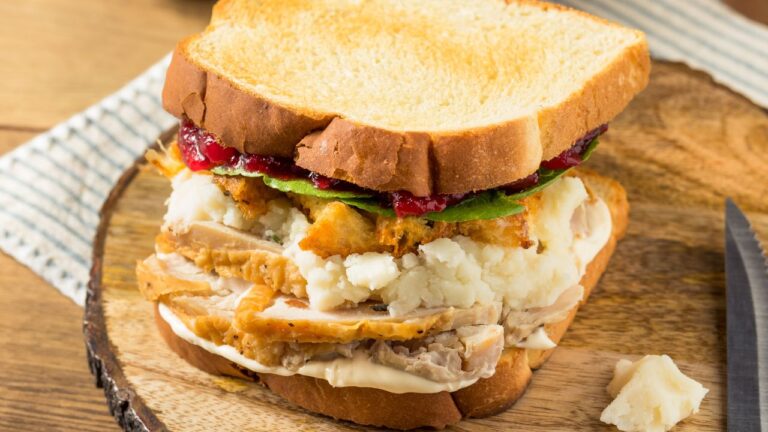
One evening, after a long shift, the mother made baked potatoes—a dish her husband and daughter both love. She herself can’t stand them, so she made a sandwich for her own dinner.
Her daughter immediately noticed and began questioning why her mother was eating something different. Feeling completely spent, the mother made a split-second decision. “Both me and hubs are exhausted,” she wrote. “We don’t really want to either hear her tantrum about how she suddenly doesn’t like the dish or want to make another thing. So I say that I am allergic, because I know she’ll drop it. And she did.”
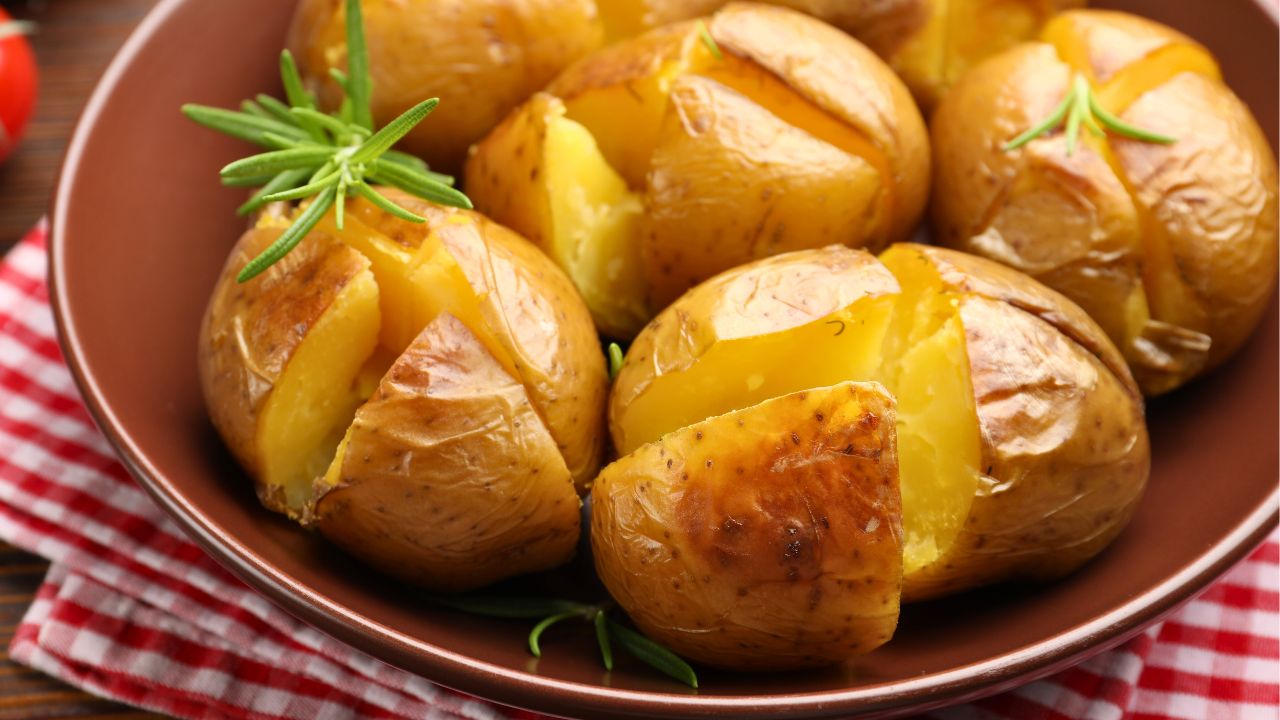
The lie worked, but the relief was short-lived. After their daughter was in bed, her husband pointed out that she shouldn’t have lied, and a wave of guilt washed over her. She realized she had used a topic her daughter takes incredibly seriously to avoid a dinner-time squabble. The next morning, she came clean to her daughter, who was understandably hurt and disappointed, wisely telling her mother, “You don’t lie about these things, mom.”
The Internet Reacts
When the mother shared her dilemma, the internet had plenty to say, with people falling into a few distinct camps. It seems this particular parenting struggle struck a chord with many.
First, there was the “Absolutely Not” Crowd. These commenters felt the mother was completely in the wrong, regardless of her exhaustion. They argued that the lie could have serious long-term consequences. One person put it bluntly: “When she sees you eat potatoes again and not die, she’ll think allergies are no big deal. That’s not good for the future kid sitting next to her in school who has a peanut allergy.”
Another focused on the issue of trust, stating, “When you lie to your children, they learn that they can’t trust you. If you want your child to grow up and respect you, you need to set a good example.”
Then came the “Devil’s Advocate” camp, mostly composed of fellow parents who understood the desperation. While they didn’t necessarily praise the lie, they offered empathy for the mother’s situation. One commenter admitted, “I know exactly what it’s like to have a child that’s a picky eater, you will do anything to get them to eat and if you need to tell a little white lie to get them to eat then so be it.”
Another shared her own elaborate tales, confessing, “Lies I have told my child to get him to eat: ‘I didn’t put onion in it’… ‘this is definitely real chicken’.” They saw it not as a malicious act, but as a survival tactic.

Finally, there was the “Helpful Suggestions” Crowd, who offered practical alternatives to lying. These readers provided gentle advice for handling the situation differently next time. One person suggested a softer truth: “You can say something like ‘Mommy can’t eat baked potatoes because it upsets my stomach,’ which is true since they make you gag.”
Another user offered excellent advice on handling picky eaters in general, advising the mother to avoid power struggles. “Don’t make it a battle,” she wrote. “If she wants to decline food, don’t fight it… please let meal time be a source of relaxation and not tension.”
The Etiquette Verdict
While every parent can sympathize with being too tired to fight another battle, this is a clear case where honesty was the best policy. Faking a serious medical condition, even for a moment, trivializes the real struggles of those who live with them every day. More importantly, it undermines the trust that is the very foundation of our relationship with our children.
This mother had worked hard to teach her daughter an important lesson about empathy and safety, only to compromise it to avoid a tantrum. Thankfully, she quickly realized her error and took the most important step: she apologized. By admitting her mistake, she taught her daughter an even more valuable lesson—that adults aren’t perfect, and that taking responsibility for our actions is a sign of true character.

Your Thoughts
What do you think about this situation? Was this a harmless white lie from an exhausted mother, or was it a serious parenting mistake that rightfully upset her daughter?
Ready for the next level of insight? Discover more in my latest article here.