13 Exotic Fruits You Need to Try Now and Delicious Ways to Slice, Sip, and Savor Them
Your supermarket adventures deserve an upgrade with these 13 amazing exotic fruits that can transform your everyday meals into something special. From the vibrant pink dragon fruit to the creamy cherimoya, each one brings unique flavors and textures to your table. You’ll discover new favorites that work beautifully in smoothies, salads, or simply enjoyed fresh.
I’ve gathered the most exciting ways to prepare these treasures so you can make the most of their flavors. Did you know jackfruit makes an incredible meat substitute? Or that kumquats should be eaten whole—peel and all? These fruits aren’t just delicious; they’re packed with vitamins, antioxidants, and fiber that boost your health while tantalizing your taste buds.
Ready to shake up your fruit routine? Each selection comes with simple tips for picking ripe ones and creative serving ideas. Imagine waking up to a tropical smoothie bowl topped with star fruit slices or serving a show-stopping fruit platter with rambutan and lychee at your next gathering. These fruits make healthy eating fun and exciting!
Longan
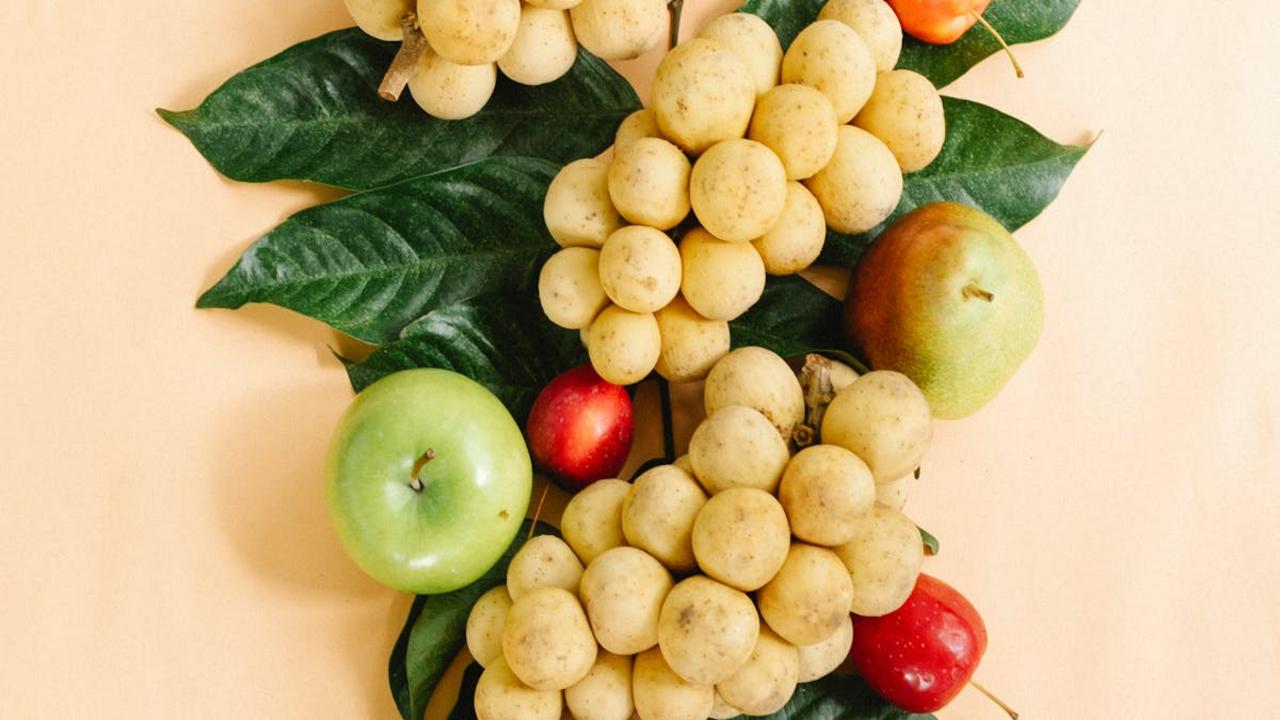
Nicknamed “dragon’s eye,” longan has a translucent, juicy flesh that surrounds a shiny black seed. You’ll immediately notice its subtly sweet flavor with hints of musk—milder than its cousin, lychee. Native to Southern China but now grown throughout Southeast Asia and tropical regions, these small round fruits come in clusters inside a thin, tan-colored shell that you crack open with your fingers. High in vitamin C and potassium, longan makes a refreshing snack on hot days or an elegant addition to your fruit platter.
Peel and eat longans fresh for the most authentic experience, but don’t stop there! Toss them into fruit salads for texture contrast, freeze the flesh for a cool summer treat, or add them to smoothies for natural sweetness. Many Asian desserts feature longan, from simple sweet soups to more complex rice puddings. Try making a tropical drink by blending longan with coconut water and a squeeze of lime. The dried version, often used in traditional Chinese medicine and cooking, creates a deeper, more caramel-like flavor that works beautifully in teas and broths.
Cherimoya
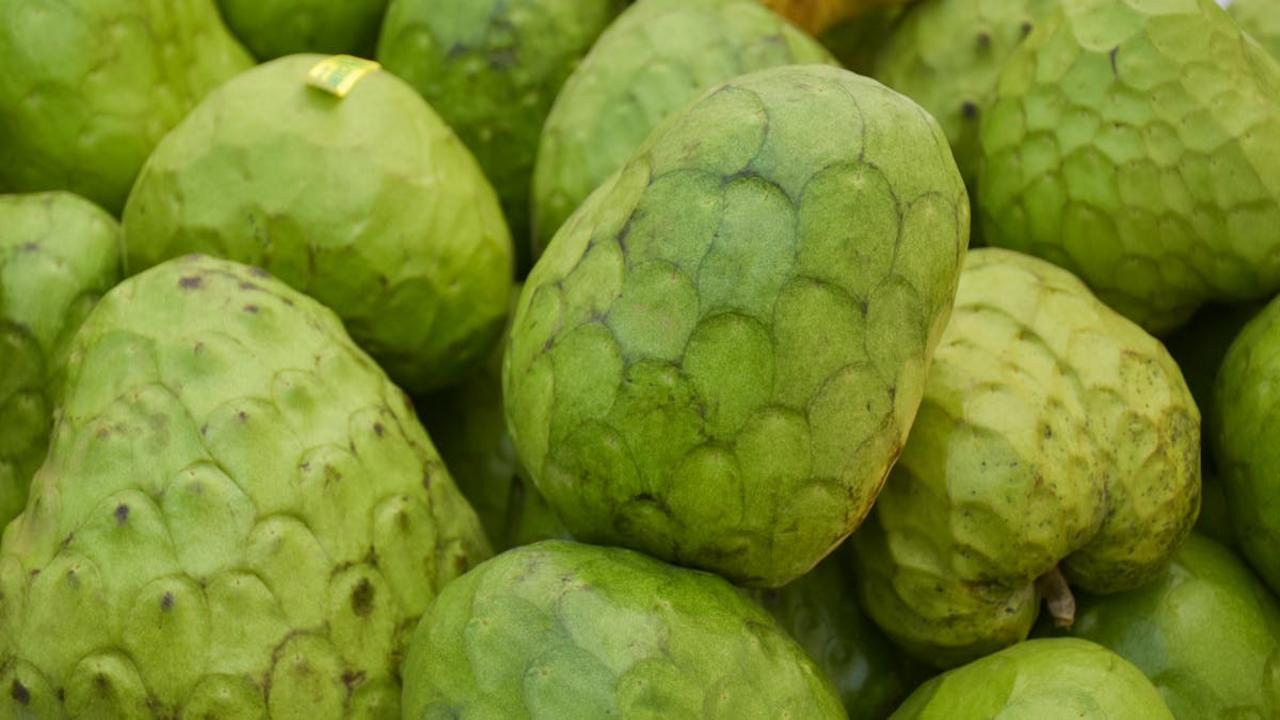
Ever tried a cherimoya? This heart-shaped green fruit with scale-like skin reveals a creamy white flesh inside that tastes like a blend of banana, pineapple, and strawberry – yes, all in one fruit! Native to the Andean valleys of Peru, Ecuador, and Colombia, cherimoyas earned the nickname “custard apple” for their smooth, pudding-like texture. Simply cut one in half and scoop out the flesh with a spoon, making sure to remove the large black seeds scattered throughout.
You can enjoy cherimoyas in so many delicious ways! Blend the flesh into smoothies for a tropical twist, or freeze it for a few hours to create a natural ice cream alternative. For a quick breakfast, mix cherimoya chunks with Greek yogurt and a drizzle of honey. The fruit pairs wonderfully with lime juice, which brings out its sweet notes while adding a refreshing zing. Look for cherimoyas that yield slightly to pressure – similar to an avocado – for perfect ripeness.
Soursop
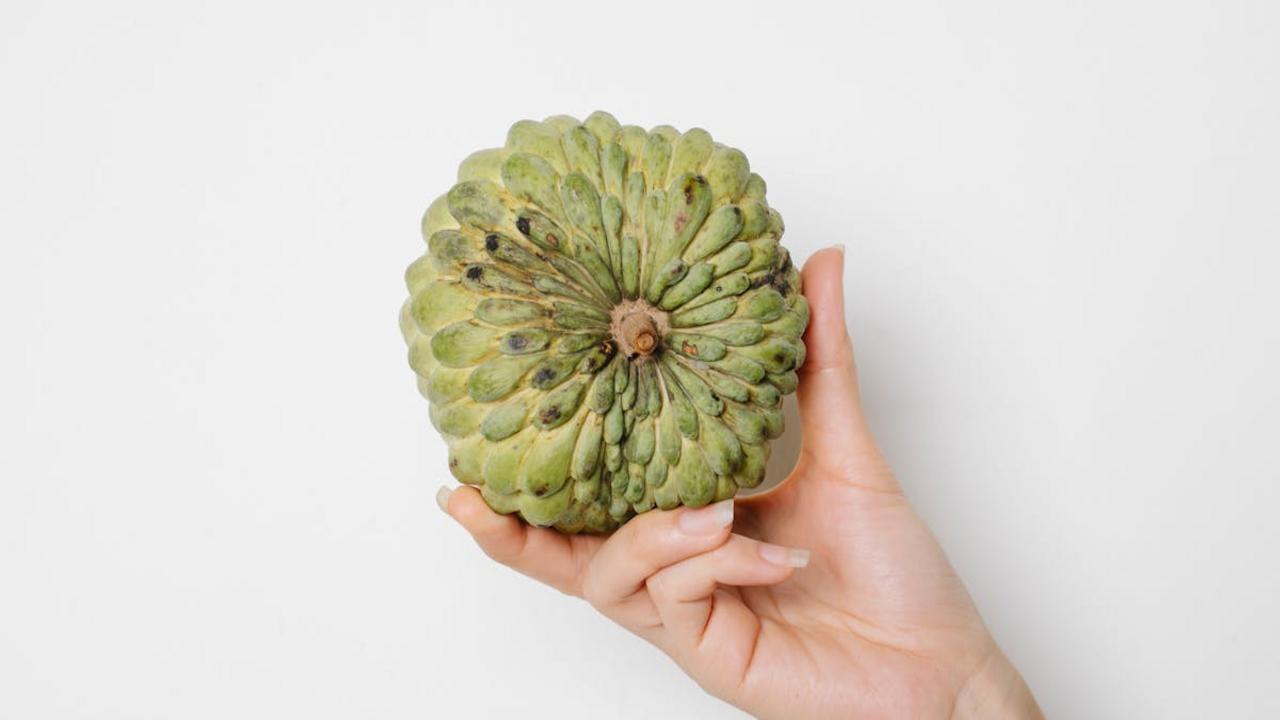
Have you ever tried soursop? This tropical treasure boasts a spiny green exterior that hides an incredibly creamy white flesh inside! The flavor combines strawberry, pineapple, and a hint of coconut with a pleasant tanginess that gives this fruit its name. You’ll find soursop in Caribbean, Latin American, and Southeast Asian markets, where locals prize it for both its delicious taste and potential health benefits. When shopping, pick fruits that yield slightly to pressure but aren’t too soft, as overly ripe soursops quickly turn mushy.
You can enjoy soursop in so many ways! Scoop the flesh directly with a spoon for a refreshing snack, or blend it into smoothies for a tropical twist. The pulp makes amazing ice cream, sorbets, and refreshing drinks – just strain out the seeds first, as they aren’t edible. For a quick tropical dessert, mix soursop pulp with a touch of sweetened condensed milk and freeze it briefly. Some people even use it in savory dishes, adding small amounts to seafood marinades for a subtle sweet-tart flavor that complements fish beautifully.
Durian
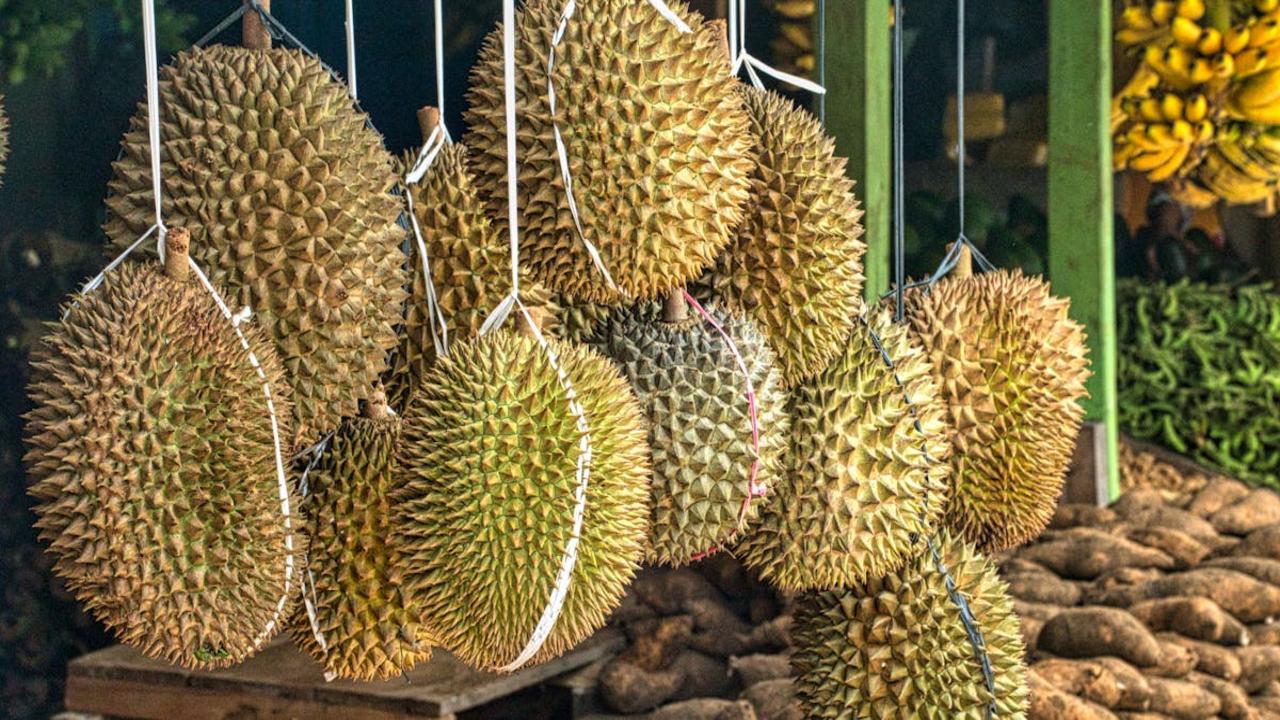
I call durian the “wild child” of the fruit world – you’ll either crave its creamy, custard-like flesh or run away from its infamous aroma! Known as the “king of fruits” across Southeast Asia, durian contains a sweet, complex flavor that blends notes of caramel, vanilla, and almond. Though its strong smell keeps many first-timers hesitant, those who push past this initial reaction often become devoted fans. The pale yellow to golden flesh hides inside a spiky, intimidating exterior that requires careful handling to open properly.
You can enjoy durian in many delicious ways beyond eating it fresh. Try blending it into milkshakes for a decadent treat, incorporating it into ice cream, or using it in traditional Southeast Asian desserts like sticky rice with durian. In Thailand and Malaysia, durian pastries and candies offer a milder introduction to this controversial fruit. If you want to try durian for the first time, look for frozen segments in Asian markets or specialty stores – they typically have a less intense aroma than the fresh version while still delivering that unique, buttery flavor experience.
Kumquat
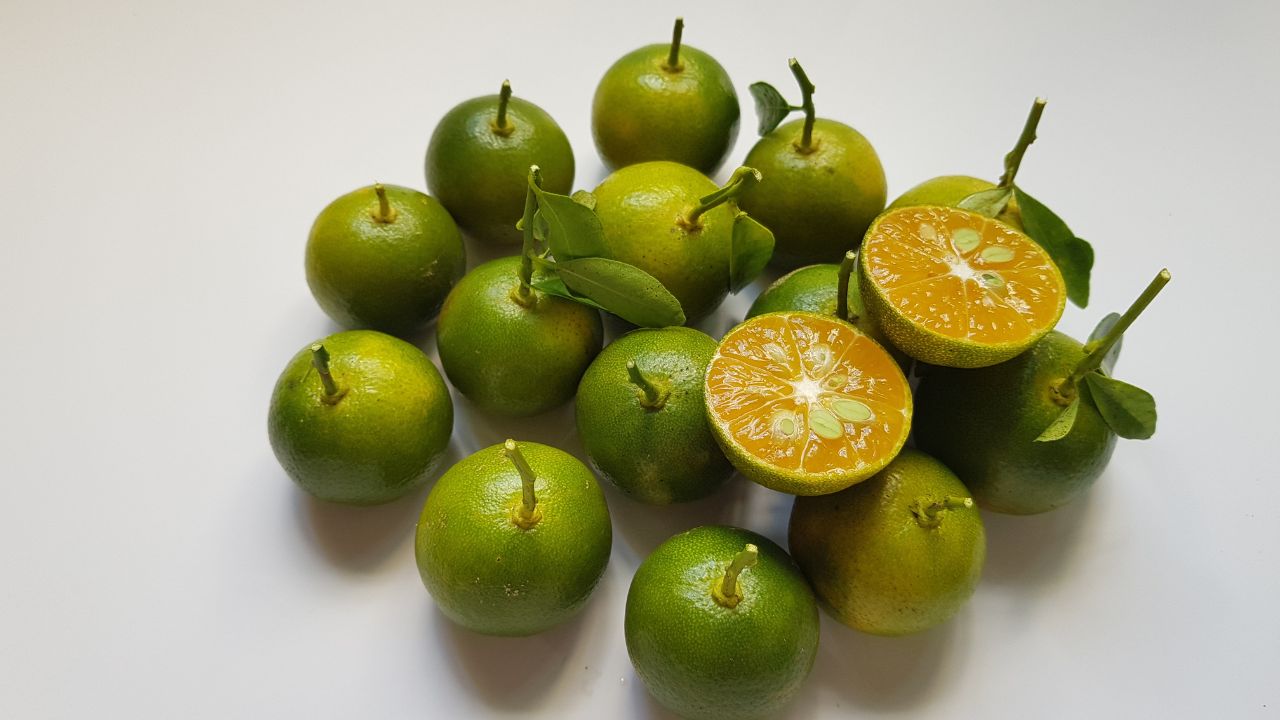
Meet the kumquat – that adorable, bite-sized citrus fruit that packs a surprising punch! Unlike its citrus cousins, you can eat kumquats whole, skin and all. The peel actually tastes sweet while the inside delivers a tangy, tart kick. This creates a unique sweet-sour combo in every bite. I love adding sliced kumquats to salads for a bright pop of flavor, or you can candy them for a delicious snack. You’ll find these tiny treasures in season during winter months, bringing a splash of sunshine to colder days.
Want a simple way to enjoy kumquats? Try quartering them and tossing with honey and a pinch of salt for a quick treat. You can also simmer them with sugar and water to make a fantastic marmalade or preserves. For something refreshing, muddle kumquats with mint in your water or cocktails. The oils in the skin make for amazing infusions in spirits too! My favorite weekend project is making kumquat-infused vodka – just wash the fruit, slice it, add to a jar with vodka, and wait a week for a bright, citrusy spirit perfect for martinis.
Guava
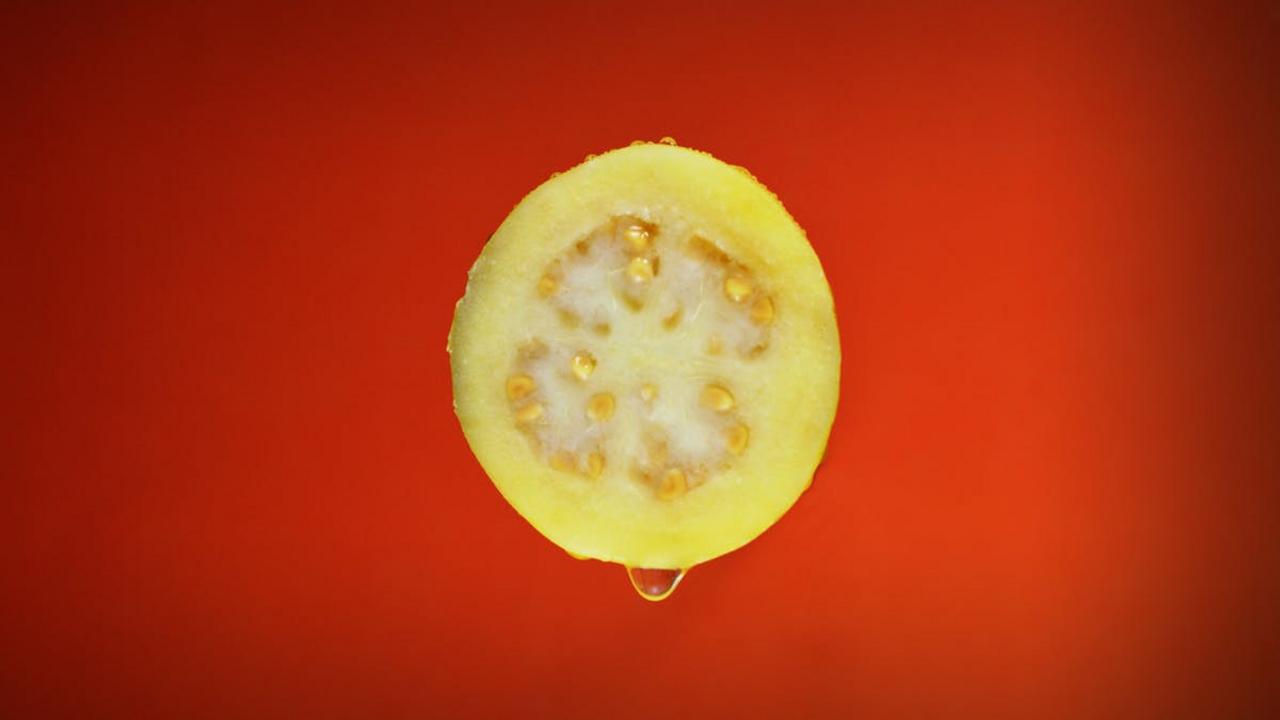
Guava is a tropical gem with a fragrant, flowery aroma that will transport you straight to paradise! This green-skinned fruit (which sometimes has a blush of yellow when ripe) hides a pink, white, or red interior packed with tiny edible seeds and offers a unique flavor that combines pear, strawberry, and kiwi notes. Rich in vitamin C—containing four times more than oranges—guavas also deliver plenty of fiber, potassium, and antioxidants in each bite. You can enjoy them raw by simply slicing them in half and scooping out the flesh, or add them to smoothies for a tropical twist.
Try transforming guavas into a refreshing agua fresca by blending the fruit with water, lime juice, and a touch of honey. The resulting drink makes a perfect companion for hot summer days! You can also cook guavas down into a sweet paste or jam that pairs wonderfully with cheese or crackers. For a quick breakfast, top your morning yogurt with diced guava and a sprinkle of granola. My favorite way to showcase this fruit is in a tropical salsa—mix chopped guava with red onion, jalapeño, cilantro, and lime juice for a vibrant topping that elevates grilled fish or chicken to new heights.
Lychee
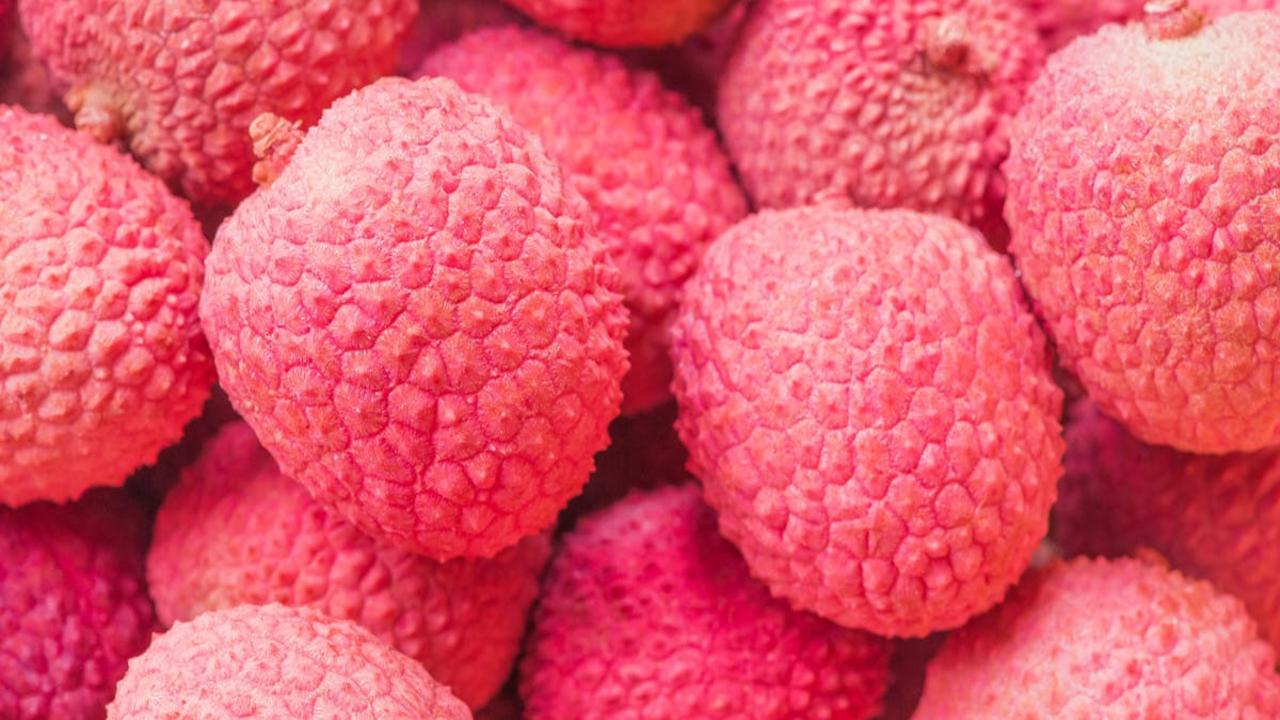
You’ll fall head over heels for lychees once you crack open their bumpy red shells to reveal the translucent, grape-like flesh inside! These juicy gems offer a perfect balance of sweetness with delicate floral notes that make them incredibly refreshing. I always keep a bowl in my fridge during summer months for quick snacking. Simply peel away the thin shell with your fingers, remove the seed, and pop the fragrant flesh into your mouth for an instant tropical escape.
Try adding peeled lychees to fruit salads for an unexpected twist, or freeze them for a cooling treat on hot days. For an elegant dessert, serve them alongside vanilla ice cream, or blend them into smoothies and cocktails. My favorite weekend brunch includes chilled lychee mimosas – just puree the fruit and add to champagne with a splash of orange juice. You can find fresh lychees at Asian markets during late spring and summer, or opt for canned versions year-round (just drain the syrup first for a more natural flavor).
Star Fruit
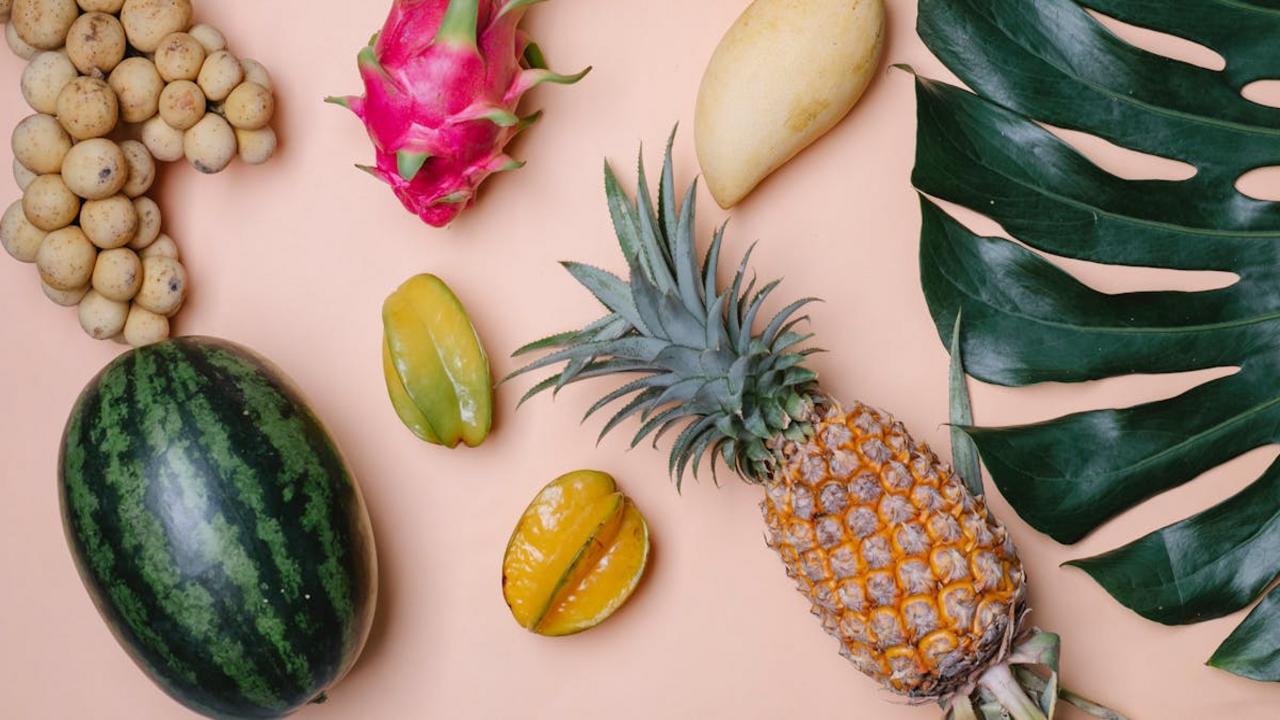
Star fruit (carambola) will dazzle your eyes before it enchants your palate! This tropical delight from Southeast Asia transforms into perfect star-shaped slices when cut crosswise. You’ll notice its crisp texture similar to apples, while the flavor balances sweet and tart notes—slightly reminiscent of pineapples, plums, and even a hint of citrus. The entire fruit is edible, including the waxy outer skin which contains good amounts of vitamin C and antioxidants.
Try star fruit in multiple ways to make the most of its unique shape and refreshing taste. Add thin slices to fruit salads or use them as decorative garnishes on desserts and cocktails. For a simple snack, sprinkle star fruit slices with a touch of honey and cinnamon. You can also juice star fruit with apples and ginger for a nutritious morning drink. If you prefer something more adventurous, include star fruit in stir-fries or tropical salsas—the slight sourness pairs wonderfully with seafood dishes and complements spicy foods.
Jackfruit
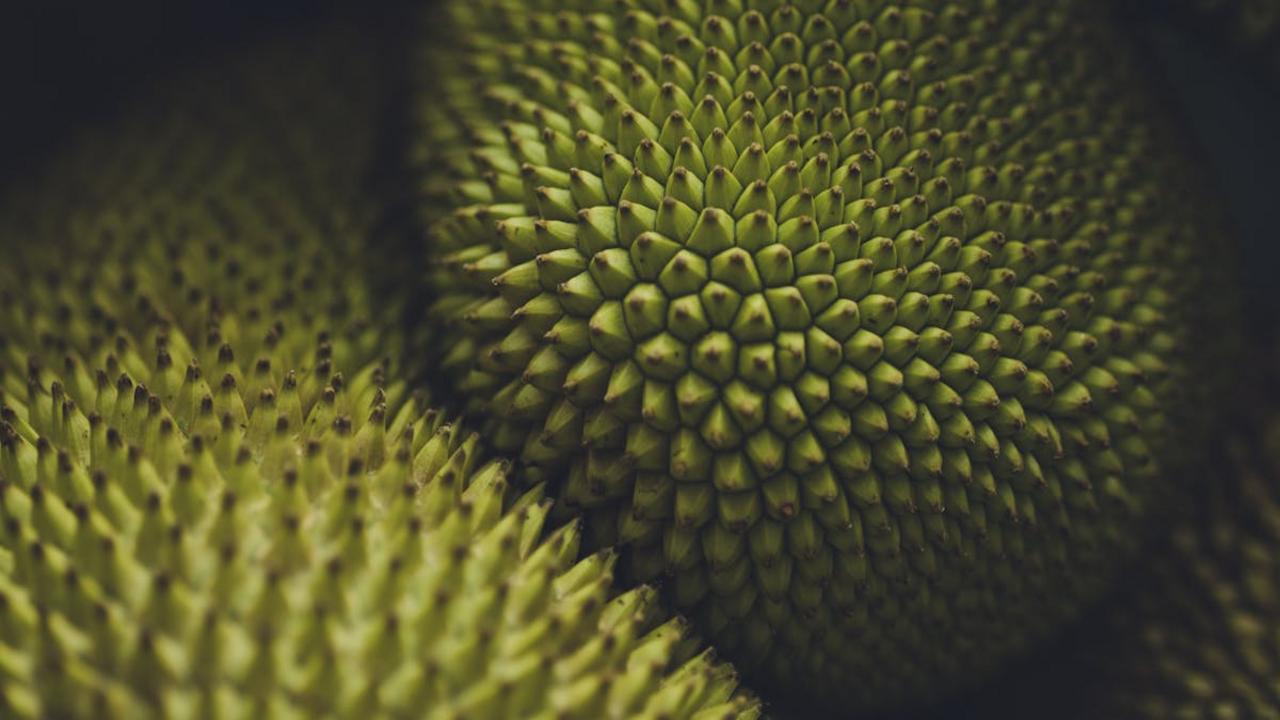
Meet jackfruit, the gentle giant of the tropical fruit world! This massive, spiky fruit can weigh up to 100 pounds and grows throughout Southeast Asia. Inside its intimidating exterior lies sweet, fragrant yellow pods with a flavor that combines notes of pineapple, banana, and mango. The magic of jackfruit lies in its versatility—when ripe, it makes a perfect sweet treat, but young jackfruit has a fibrous texture that shreds like pulled pork, making it a favorite meat substitute for vegans and vegetarians worldwide.
You can enjoy jackfruit in countless ways. Try ripe jackfruit fresh as a snack, blend it into smoothies, or add to fruit salads for a tropical twist. For savory applications, cook young jackfruit with BBQ sauce for incredible plant-based tacos or sandwiches that will satisfy even dedicated meat-eaters. You’ll find canned jackfruit in most Asian markets or health food stores—it simplifies preparation significantly. If you buy a whole jackfruit, wear gloves during preparation as the white sap inside can be sticky! The seeds are also edible when roasted and taste similar to chestnuts—giving you even more reasons to try this remarkable fruit.
Rambutan
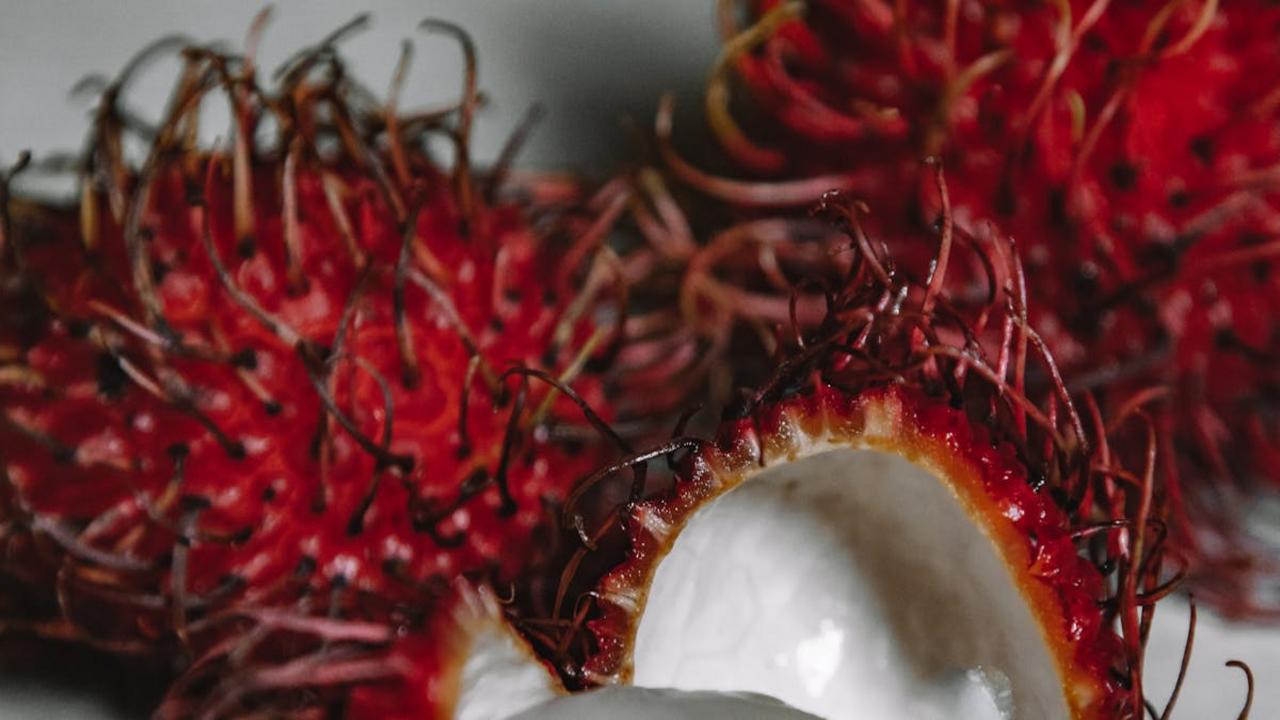
You’ll spot rambutans immediately with their bright red skin covered in soft, hair-like spines – don’t worry, they’re completely harmless to touch! Native to Southeast Asia, these golf ball-sized fruits hide a translucent, sweet flesh similar to lychees but with a more floral, creamy flavor. To enjoy them, simply cut through the skin with a knife and peel it away, or squeeze gently until the fruit pops out. The white flesh separates easily from the single seed inside, giving you a juicy, refreshing snack perfect for hot summer days.
Add rambutans to fruit salads for an exotic twist, or freeze the peeled fruit for a cool treat. You can blend them into smoothies with coconut milk for a tropical flavor combination, or muddle them in cocktails for a sweet base note. Many people enjoy them chilled straight from the refrigerator, but they’re also wonderful mixed with other tropical fruits like mango and pineapple. When shopping for rambutans, choose ones with bright color and fresh-looking spines – avoid fruits with blackened spines or dull coloring, as they’re past their prime.
Mangosteen
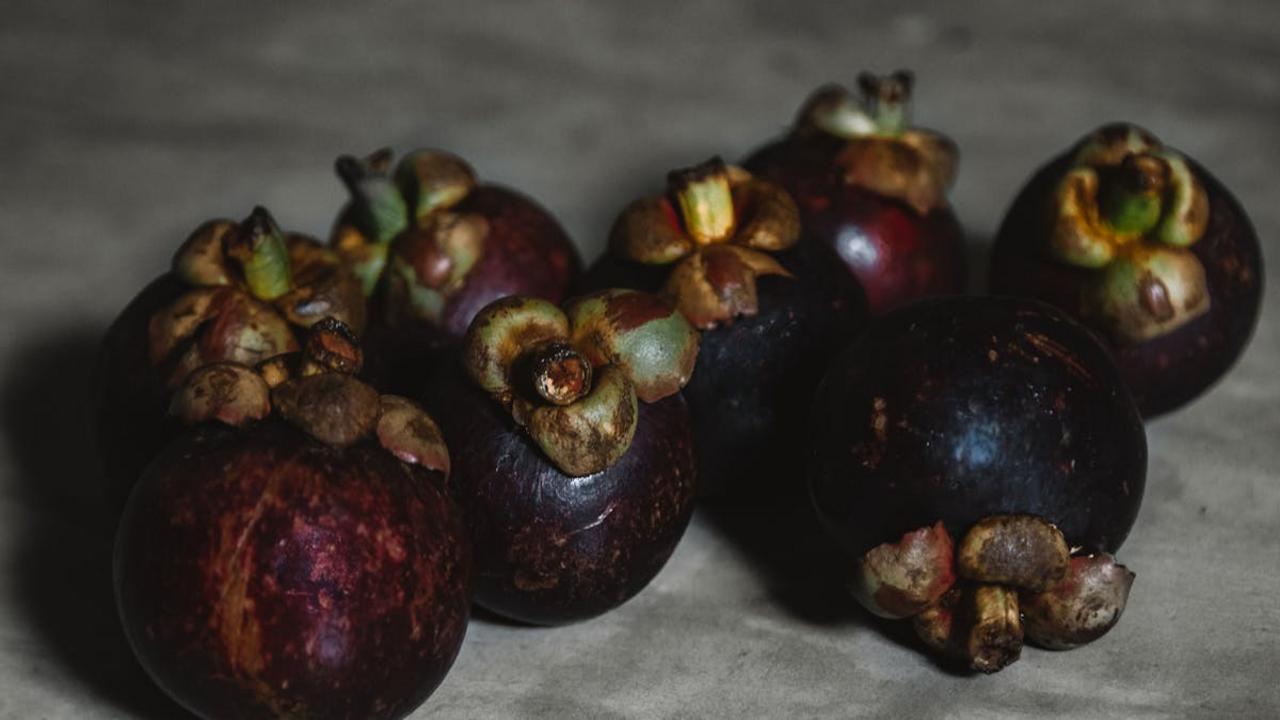
Meet the mangosteen, a purple-skinned tropical delight from Southeast Asia that opens to reveal snow-white segments reminiscent of garlic cloves. Its taste defies simple description – imagine a perfect blend of lychee, peach, and strawberry with a tangy finish. Opening one takes practice: press firmly with your thumbs on opposite sides until the thick rind cracks open. You’ll need to work around the inedible seeds while enjoying the soft, juicy flesh. Many people call mangosteen the “queen of fruits” for good reason – its exceptional flavor and creamy texture make it worth hunting down at specialty markets.
You can enjoy mangosteen in numerous ways beyond eating it fresh. Add the segments to fruit salads for an exotic twist, or blend them into smoothies with coconut milk for a tropical treat. Freeze the segments for a refreshing summer snack, or use them to top yogurt and granola bowls. The mangosteen’s juice makes wonderful sorbet, popsicles, and even cocktail mixers. If you spot these purple gems at your local Asian market or specialty grocery, grab them quickly – their season is short and they don’t stay fresh for long after harvesting. The somewhat high price tag reflects their limited availability, but the unique flavor experience makes them worth every penny.
Passion Fruit
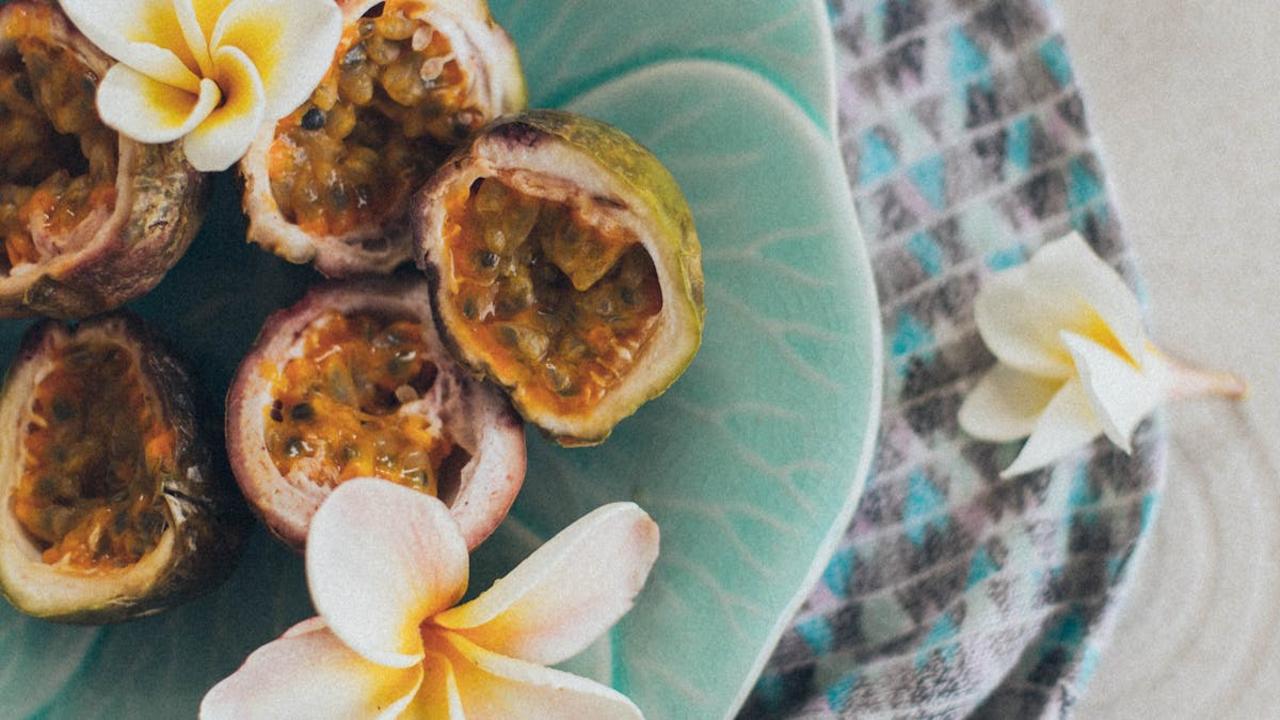
You’ll instantly recognize passion fruit by its wrinkled purple exterior and the treasure trove of yellow-orange pulp inside, studded with crunchy black seeds. This tropical gem delivers a perfect balance of sweet and tart flavors that will transport you to paradise with every bite. The aromatic juice packs a vitamin C punch while providing valuable antioxidants and fiber – making it both delicious and nutritious for your daily diet.
Want to enjoy passion fruit at home? Simply cut it in half and scoop out the pulp with a spoon to eat directly, seeds and all! Try adding it to yogurt or oatmeal for a tropical breakfast twist, blend it into smoothies for zesty flavor, or use it in homemade salad dressings. For a refreshing summer treat, mix the pulp with sparkling water and a touch of honey. The seeds offer a satisfying crunch, but if texture bothers you, strain the pulp through a fine mesh sieve to capture just the juice.
Dragon Fruit
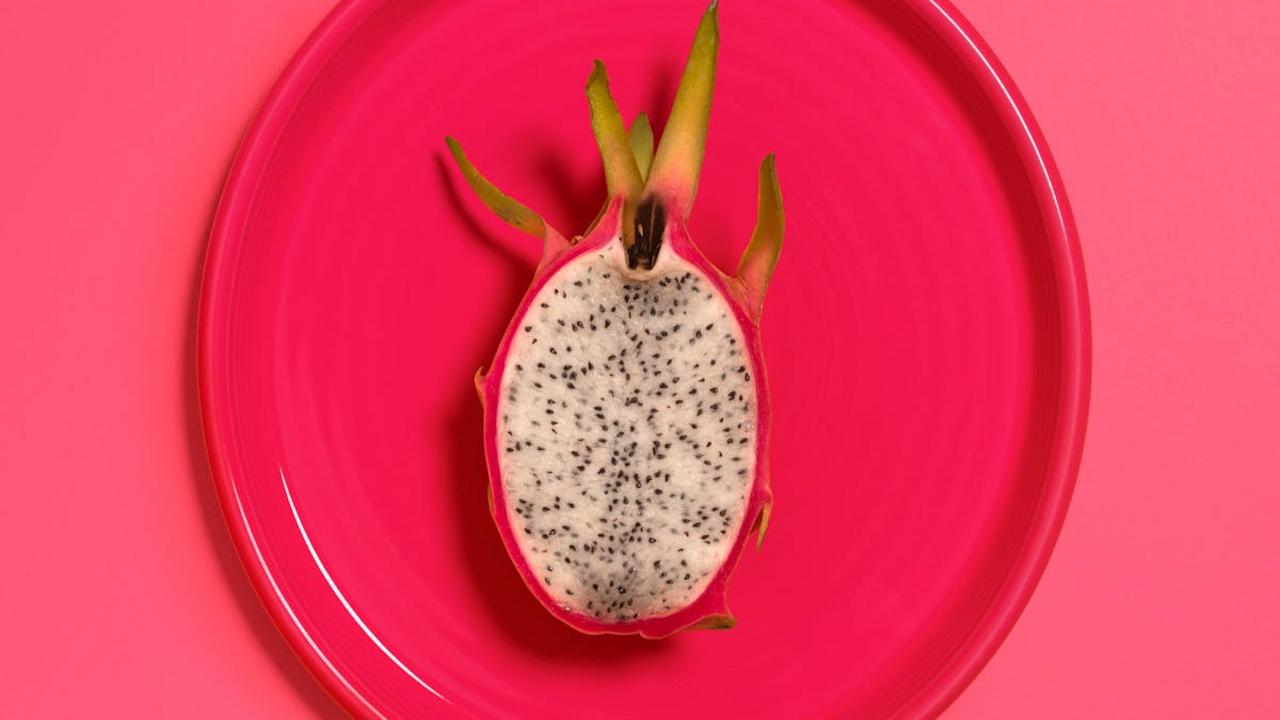
You’ll spot dragon fruit instantly with its bright pink skin and green spikes—a true show-stopper at any market! Inside, you’ll find either white or magenta flesh speckled with tiny black seeds that add a delightful crunch similar to kiwi. The flavor is subtly sweet with hints of pear and kiwi, making it perfect for those who prefer fruits that aren’t overly sugary. Simply cut it in half and scoop out the flesh with a spoon, or slice it into cubes for a gorgeous addition to fruit salads.
Dragon fruit makes a stunning base for smoothie bowls—just blend the flesh with frozen banana and top with granola and coconut flakes for a nutritious breakfast. For a refreshing summer treat, freeze dragon fruit chunks and blend them into a naturally pink sorbet without any artificial colors. Rich in vitamin C, iron, and magenta varieties packed with antioxidants, this exotic fruit delivers on both nutrition and presentation. Try adding it to overnight oats or yogurt parfaits for an Instagram-worthy meal that tastes as good as it looks!