Son Cooked a Pakistani Feast to Celebrate. I Refused to ‘Compromise My Palate’ for a 9-Year-Old.
The Incident
The story begins with a 56-year-old man whose son, now 28, has a big heart. After years of traveling, the son learned he had a 9-year-old child in Pakistan. Without hesitation, the son embraced his new role as a father, eventually bringing the boy to the United States to live with him full-time.
The grandfather, however, has been less than welcoming. He admitted he has doubts about the boy’s paternity and has been pressuring his son for a DNA test, a request his son stubbornly refuses. The tension finally boiled over during a family dinner.
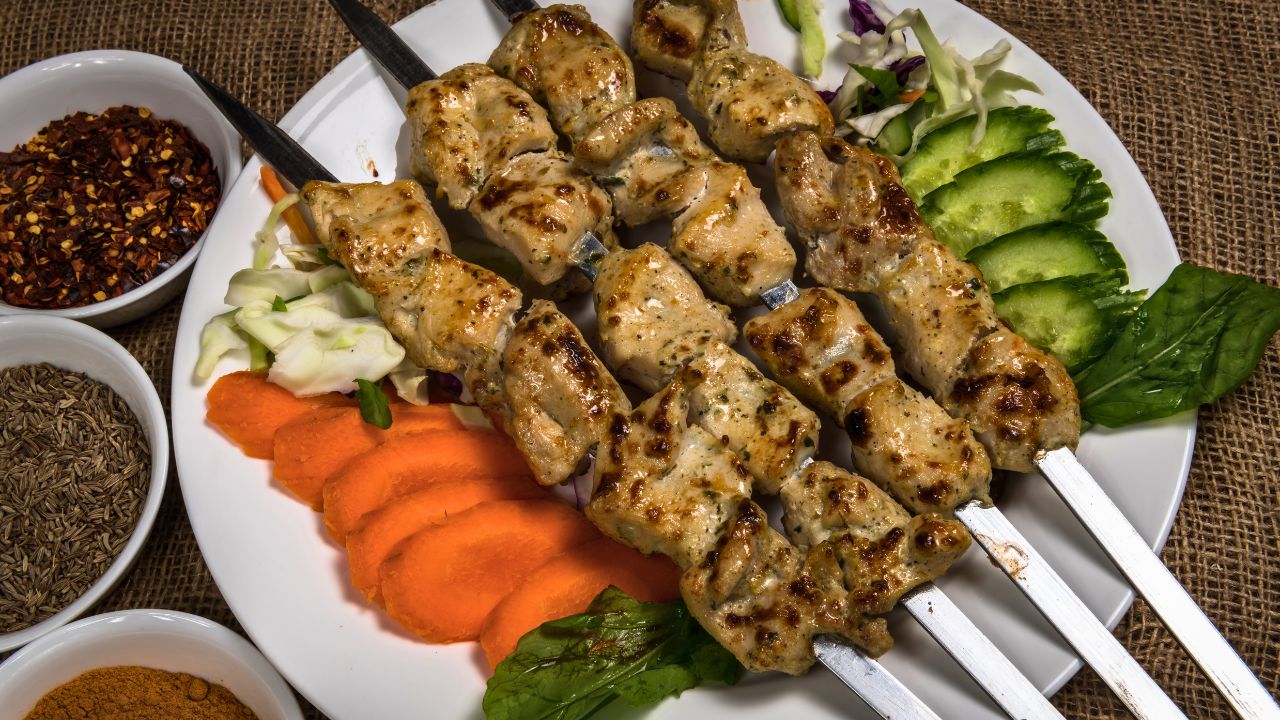
To help the little boy feel more at home, he and his father decided to cook a traditional Pakistani meal for the whole family. The son explained that sharing this food was a way to “make the boy feel like he and his culture were accepted by the whole family.” A beautiful gesture, right? Well, not for his father.
The grandfather flatly refused to eat. “I don’t like Middle Eastern food. I don’t like strong spices,” he declared. Even when his son begged him to just try a piece of homemade bread, he wouldn’t budge, complaining that it “had flecks of all kinds of weird spices on it.”
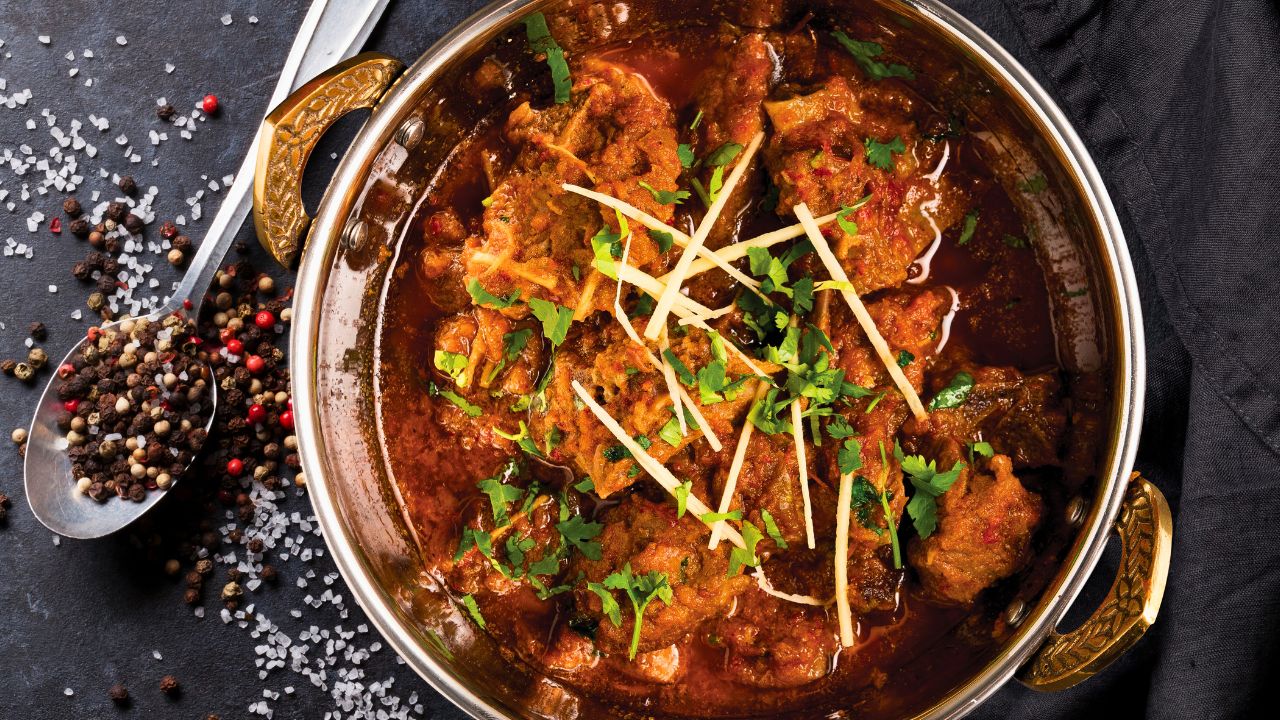
Pulled aside by his son, who pleaded with him to eat something “to make your grandson happy,” the man dug in his heels. “I told my son that I have no proof he is my grandson, and even if I did, I shouldn’t have to eat food I don’t like.” Unsurprisingly, his son called him selfish and asked him to leave.
The Internet Reacts
When the grandfather asked the internet for its opinion, the response was swift and overwhelming. The vast majority of people were appalled by his behavior, and their reactions fell into a few distinct camps.
First, there was the “Absolutely Not” crowd, who couldn’t believe a grown man would behave like a picky toddler. They pointed out that his actions were incredibly rude, regardless of the circumstances. As one person quipped, “My 7-year-old has been taught to take a ‘No thank you bite’ before rejecting something. I would think a grown man could do the same.” Another commenter perfectly summed up his culinary adventurousness: “If OP was a seasoning, he’d be flour.”
Then came the “It’s Not About the Food” analysts. These readers saw right through the grandfather’s excuse about “weird spices.” They argued that his refusal was a thinly veiled rejection of the boy himself. “This isn’t about food,” one commenter stated plainly, “this is about you refusing to believe a kid is your grandson because of his race.”
Others noted his cold language, pointing out, “Notice how he keeps referring to his grandson as ‘the boy’.” Many also corrected his geography, explaining that Pakistani food is South Asian, not Middle Eastern, suggesting his objections were based on ignorance rather than actual taste.
Finally, there were the “Family is Family” proponents. This group focused on the son’s beautiful act of fatherhood and the grandfather’s failure to support him. They argued that biology is irrelevant when a man has chosen to be a father. “Who cares if the child is biologically his son’s?” one person wrote.
“His son fully accepts and wants him to be, so that should be all that matters.” Another put it simply: “He is your grandson because your son has accepted him as his child. That’s all it takes to make him family.”
The Etiquette Verdict
Let’s be perfectly clear: this was never about the food. It was about love, acceptance, and the simple grace we owe our family. Sharing a meal is one of the most fundamental ways we connect and show we care. To refuse even a single bite of bread, knowing it was offered as a gesture to make a homesick child feel welcome, is a profound and deliberate act of rejection.
True etiquette isn’t about which fork to use; it’s about making others feel comfortable and valued. In this instance, a small act of kindness—trying a piece of bread—would have spoken volumes. Instead, this grandfather chose to send a message that was loud, clear, and deeply hurtful.
Your Take
What do you think? Was the grandfather entitled to refuse food he didn’t like, or was his behavior an unforgivable insult to his son and the little boy he calls his own?
Ready for the next level of insight? Discover more in my latest article here.