14 American Foods Other Countries Have Outlawed
Have you ever wondered why foods we routinely enjoy in America are actually banned elsewhere? While we munch on everyday items like bread with certain additives or salmon from farms, many countries refuse these foods based on health concerns and scientific research about potentially harmful ingredients.
What’s shocking is how many common American products appear on international ban lists. From chicken treated with chlorine to artificially colored candy, these foods contain substances linked to serious health problems including cancer, hormonal disruptions, and neurological issues—yet they remain perfectly legal in the United States.
The difference comes down to regulation philosophy. The EU and other regions apply the “precautionary principle,” banning substances until proven safe, while US regulators allow ingredients until definitively proven harmful. This list reveals what other countries consider too risky for their citizens to consume—even as Americans eat these foods daily.
Bleached Flour
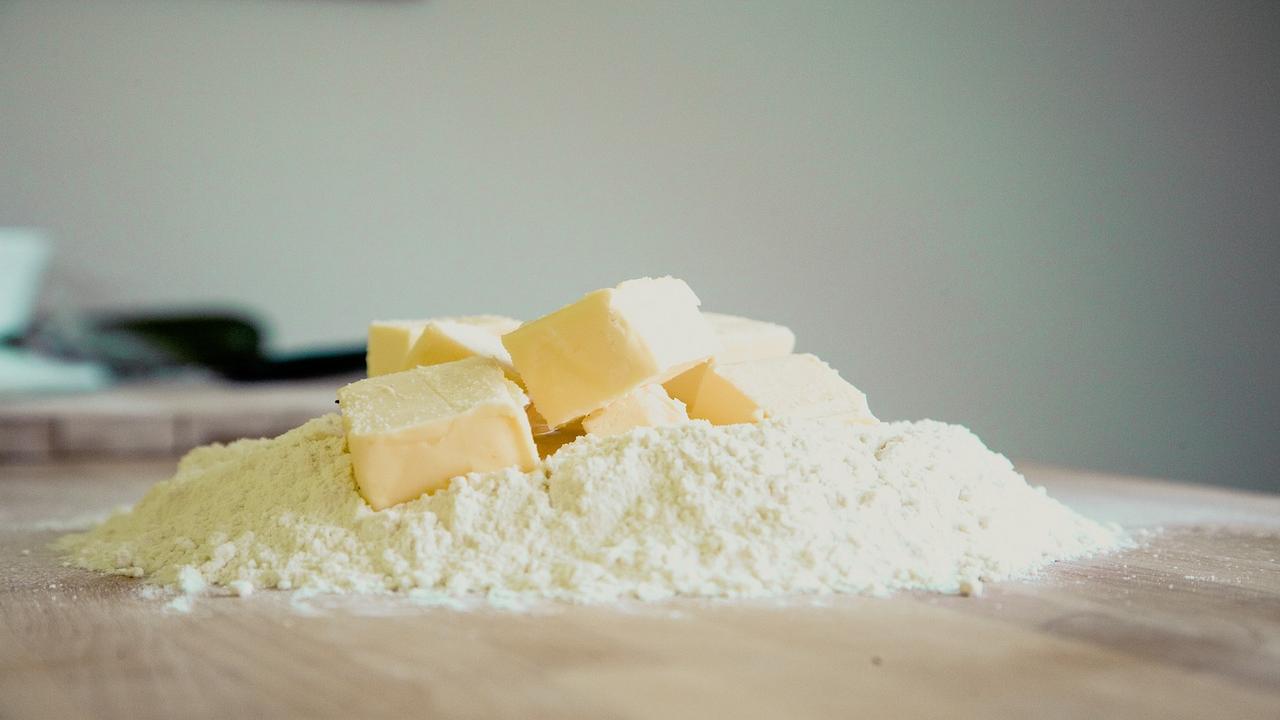
You know that stark white flour sitting in your pantry? Countries like the UK, Australia, and most of Europe have banned it outright, and honestly, I completely understand why. American flour gets its pristine appearance from chemical bleaching agents like chlorine gas, benzoyl peroxide, and potassium bromate – the same chlorine we use to sanitize swimming pools! These chemicals strip away not just the natural cream color but also destroy nutrients and create potentially harmful byproducts. What really gets me is that we’ve been conditioned to think whiter means better, but nature never intended wheat to look like printer paper.
I switched to unbleached flour years ago, and my baking actually improved dramatically. Unbleached flour has more protein, better texture, and develops gluten more effectively – your bread will have better structure and your pastries more character. The slight cream color disappears completely once you bake anyway! I love sourcing flour from local mills when possible, or at minimum choosing organic unbleached varieties from the grocery store. Your body will thank you for avoiding those unnecessary chemicals, and your recipes will taste more authentic. Trust me, once you experience the difference in flavor and performance, you’ll never go back to that chemical-treated white powder.
Chlorine Washed Chicken
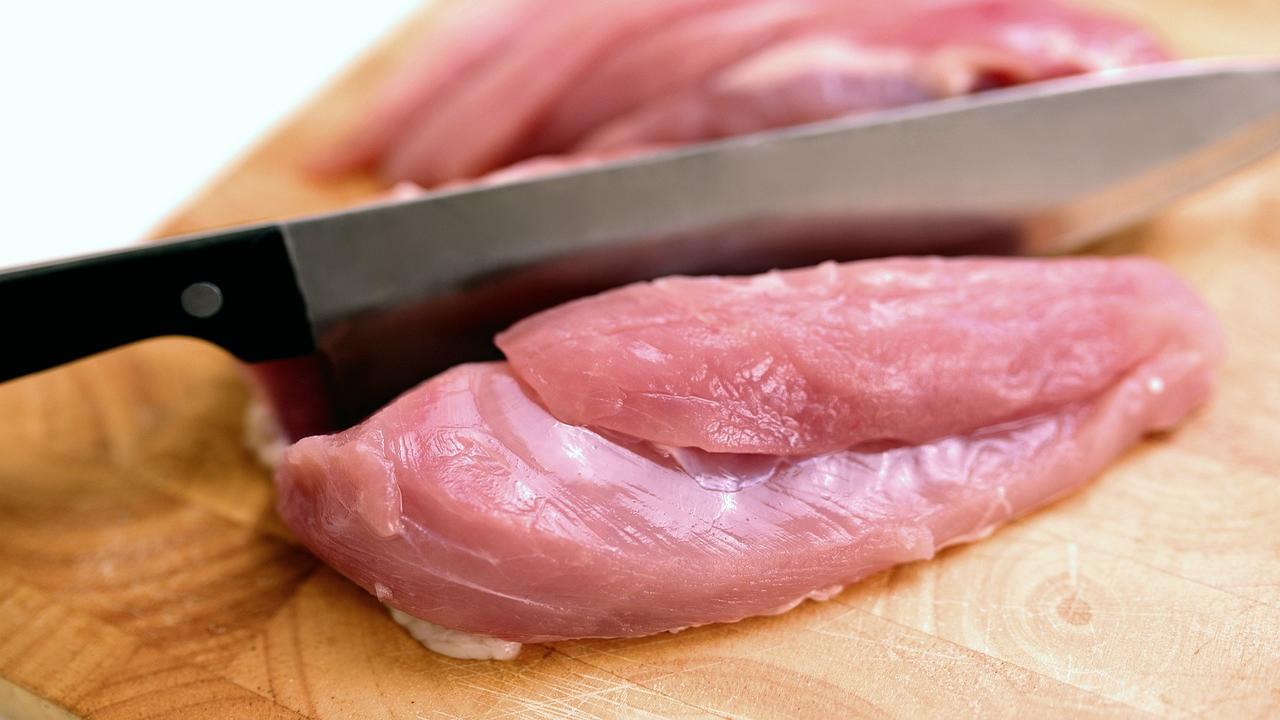
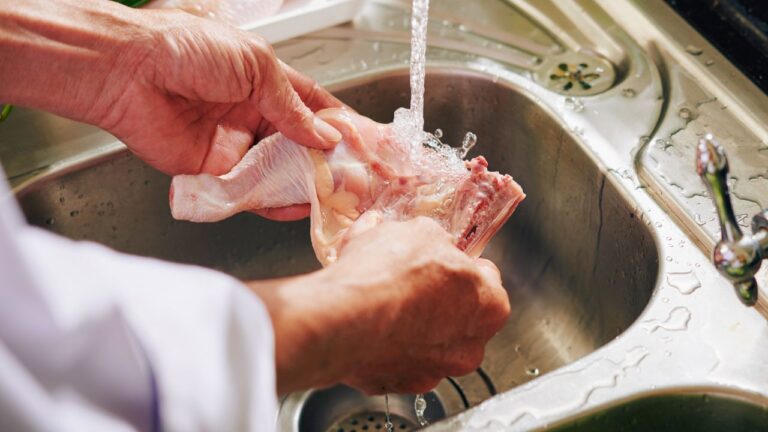
You know that bright white chicken breast sitting in your grocery store? There’s a good chance it got that pristine appearance from a chlorine bath. American poultry processing plants routinely wash chicken carcasses in chlorinated water to kill bacteria like salmonella and E. coli. While the USDA considers this practice safe, the European Union banned chlorine-washed chicken back in 1997. Their concern isn’t just about chlorine residues—it’s about what this chemical wash might mask in terms of poor hygiene standards throughout the production process.
I always choose organic, pasture-raised chicken from local farms because I want to know exactly how my protein was raised and processed. When you cook with chicken that hasn’t been chemically treated, you can actually taste the difference—there’s a cleaner, more robust flavor that shines through in everything from simple roasted thighs to complex curry dishes. The EU’s stance makes perfect sense to me: instead of relying on chemical baths to fix contamination issues, why not focus on better farming and processing practices from the start? That’s the approach I take in my own kitchen—preventing problems rather than masking them later.
Growth Hormone in Cattle
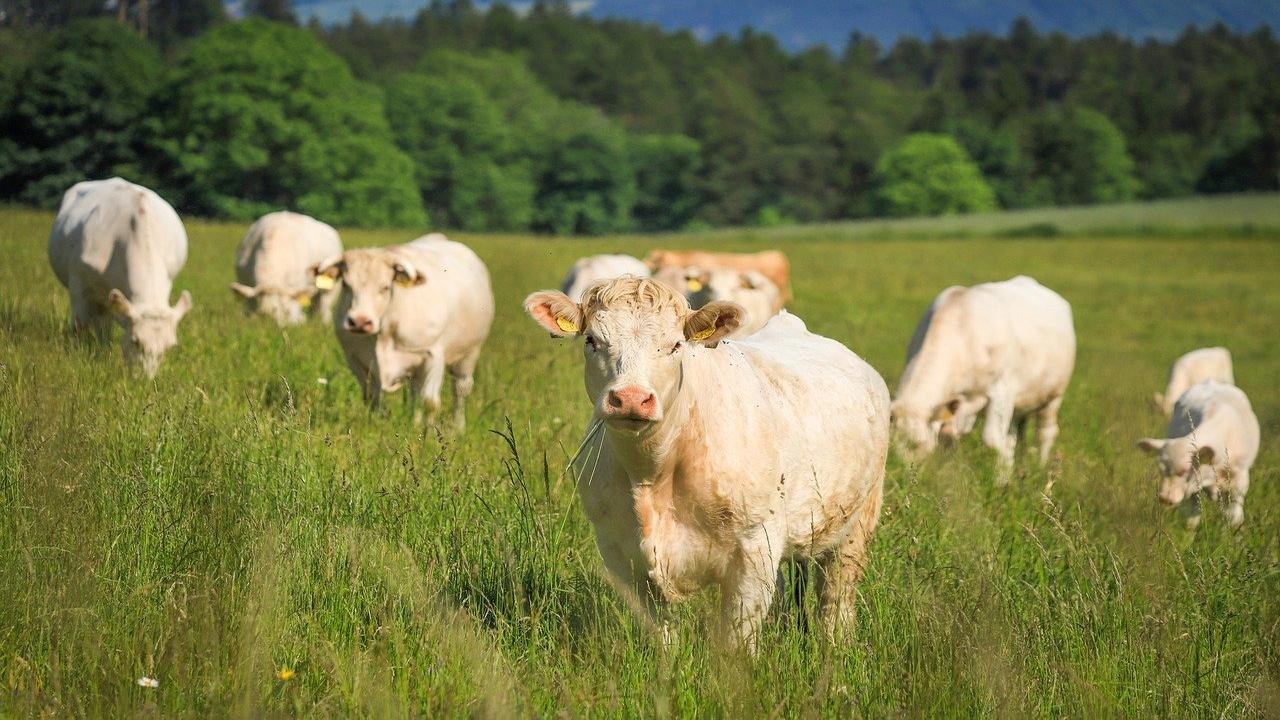
You know, when I’m at the farmers market choosing beef for my family’s dinner, I often think about what goes into raising that cattle. Here in America, we routinely give cows synthetic growth hormones like rBST to make them grow faster and produce more milk. But here’s what might surprise you – the European Union, Canada, Australia, and New Zealand have all banned these hormones in their food supply. They’ve looked at the same research we have and decided the potential health risks just aren’t worth it.
What really gets me fired up about this is how it affects the milk and beef we cook with every single day. These hormones can increase insulin-like growth factor levels in dairy products, and some studies suggest links to certain cancers and early puberty in children. When I’m making my kids their morning pancakes or a creamy risotto, I want to know that the dairy I’m using is as clean as possible. That’s why I’ve started seeking out organic, hormone-free options at my local market – yes, they cost a bit more, but I sleep better knowing my family’s meals start with ingredients that other countries trust enough to put on their own tables.
BHA and BHT Preservatives
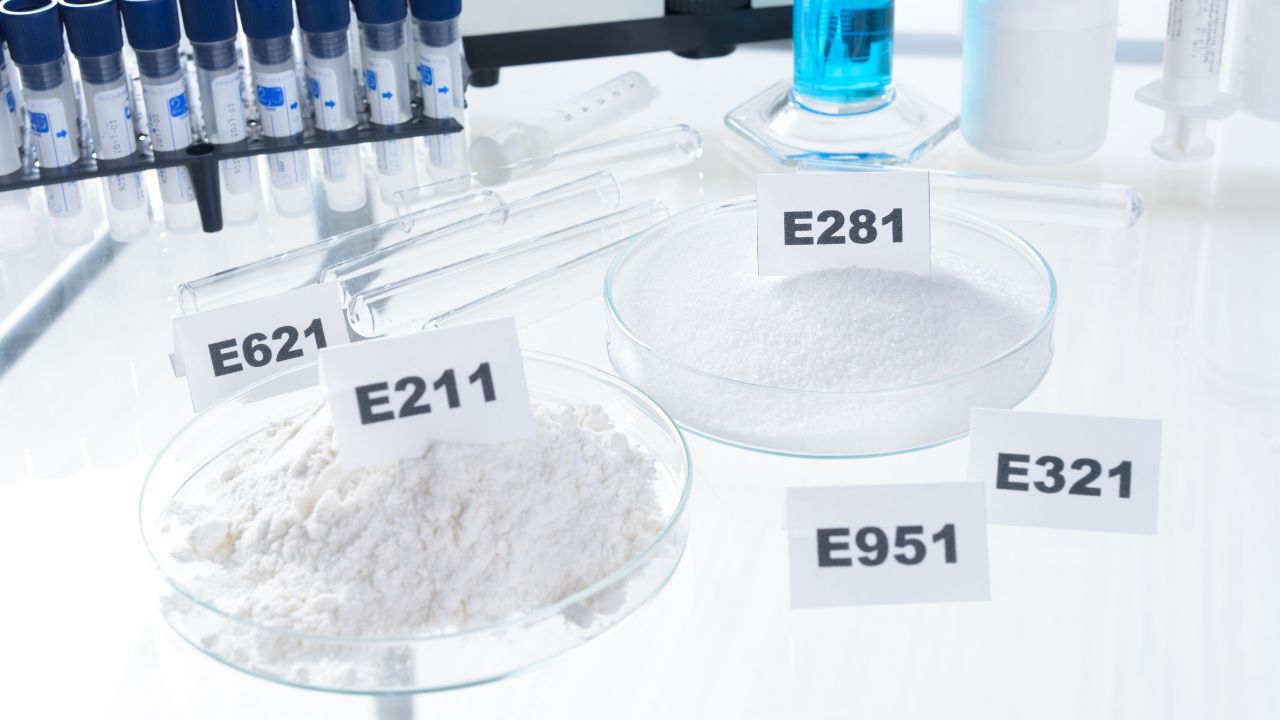
You know what breaks my heart? Opening a bag of cereal and seeing BHA and BHT listed on the ingredients panel. These synthetic preservatives keep your breakfast crunchy and your snack foods shelf-stable, but countries like Japan, Australia, and much of Europe have banned them in food products. Why? Because studies link these chemicals to potential cancer risks and hormone disruption. I remember the first time I learned about this – I was standing in my kitchen, holding a box of crackers, wondering why we accept ingredients that other nations consider unsafe for human consumption.
Here’s what gets me fired up: you don’t need these preservatives! Natural alternatives like vitamin E (tocopherols) work beautifully to prevent rancidity. I’ve started making my own granola, crackers, and energy bars – not just because they taste incredible, but because I control every single ingredient. Mix oats with nuts, seeds, a drizzle of honey, and some coconut oil, then bake until golden. Store in glass jars, and you’ll have preservative-free snacks that actually nourish your body. Sure, they won’t last months on a shelf, but they’ll disappear from your pantry much faster because they taste so much better than anything with mysterious chemicals.
Artificial Food Dyes
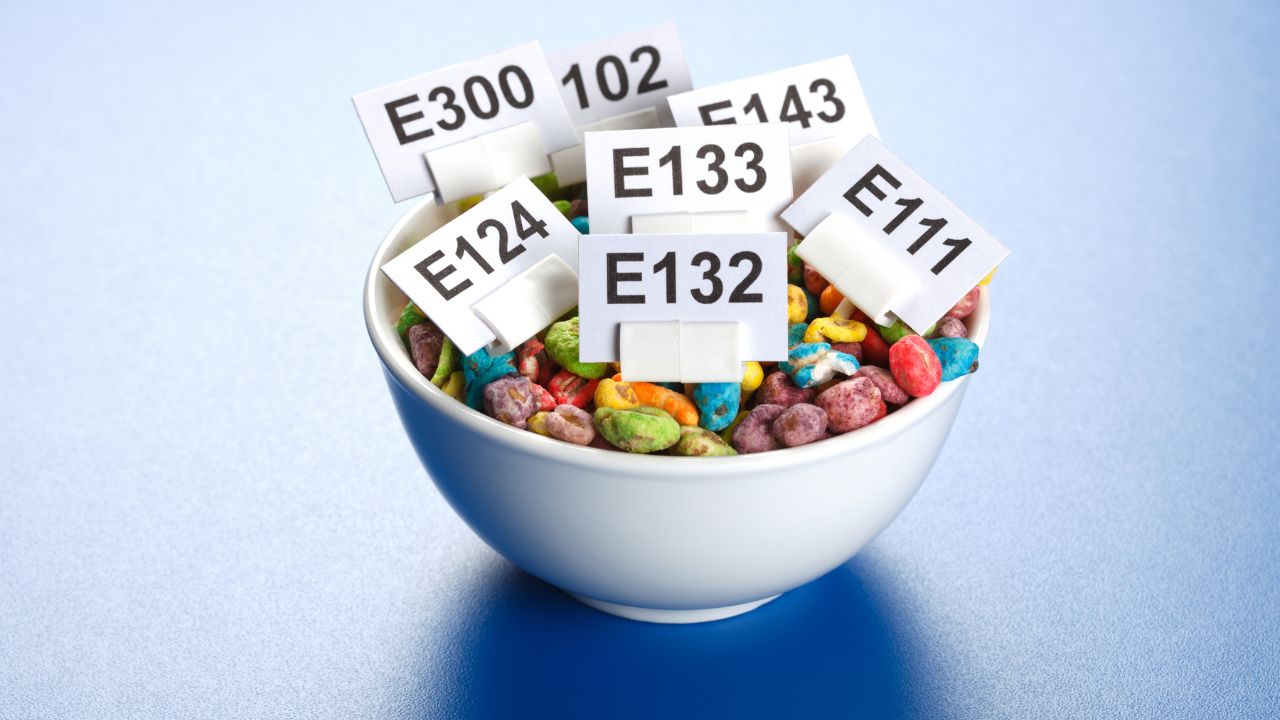
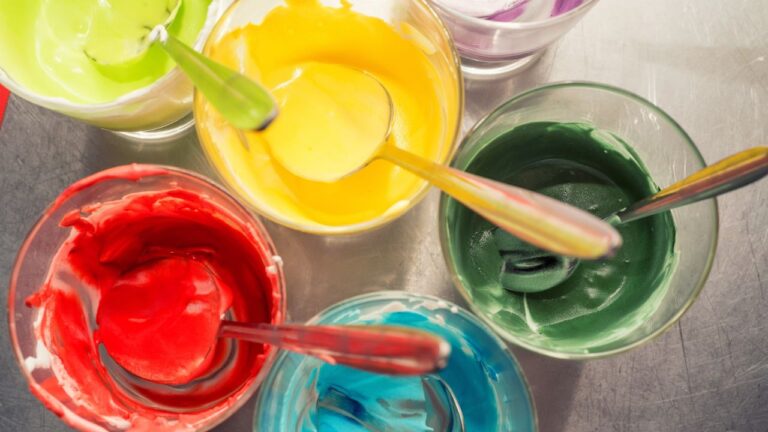
You know those bright rainbow cereals and neon-colored candies that fill American grocery aisles? Many countries across Europe have banned or heavily restricted the artificial dyes that create those vivid colors. Red Dye 40, Yellow 5, and Blue 1 – synthetic chemicals derived from petroleum – appear in countless processed foods here, yet countries like Norway, Finland, and France require warning labels or have outright prohibited them. These dyes offer zero nutritional value and studies link them to hyperactivity in children and potential health concerns.
I’ve completely shifted away from foods containing these artificial colors in my own cooking and recipe development. Instead, I create vibrant dishes using nature’s own palette – turmeric for golden yellows, beet juice for deep reds, spirulina for greens, and purple cabbage for blues. The colors might be more subtle than their chemical counterparts, but they bring real nutrition and authentic flavor to your meals. Try making homemade fruit gummies with real fruit purees, or color your frosting with concentrated vegetable powders. Your body will thank you for choosing ingredients that nourish rather than just dazzle the eyes.
Olestra/Olean Fat Substitute
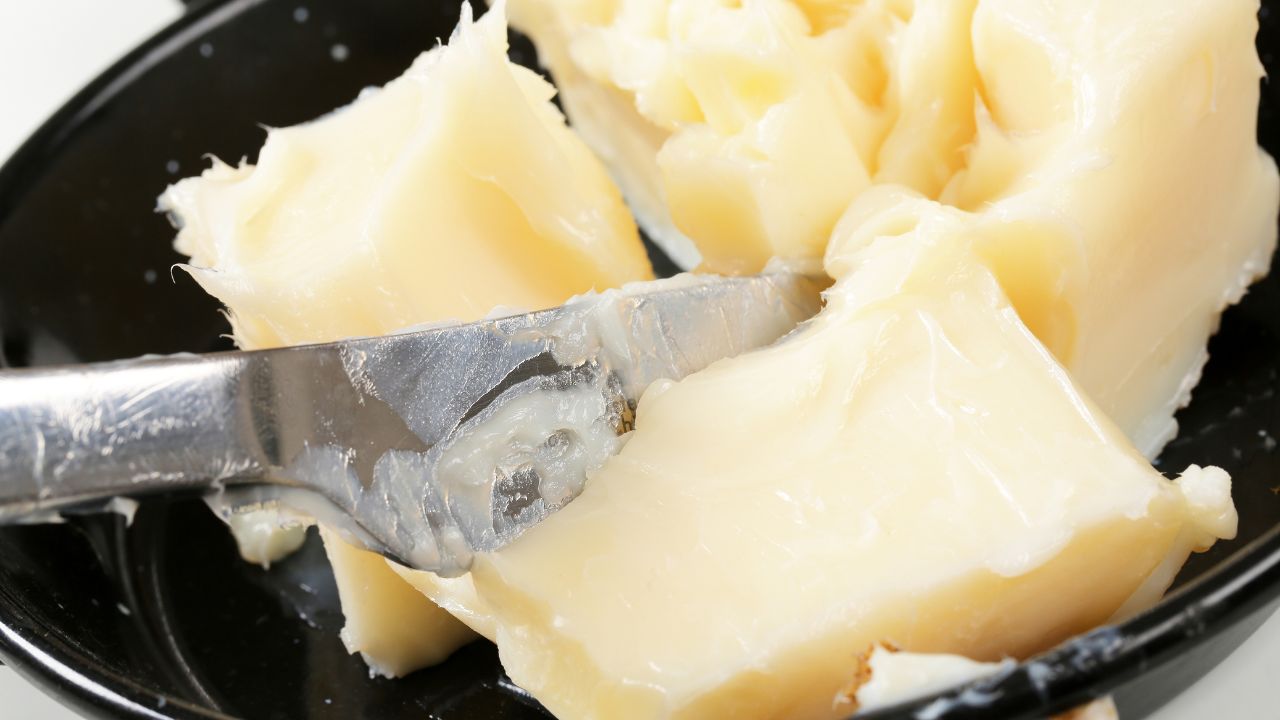
You know what breaks my heart? When I see people reaching for products loaded with Olestra because they think it’s the magic bullet for guilt-free snacking. This synthetic fat substitute, banned across Europe and Canada, promises all the satisfaction of fat without the calories – but at what cost? Your digestive system pays the price with symptoms that range from uncomfortable cramping to what manufacturers euphemistically call “anal leakage.” I’ve watched friends suffer through these side effects while munching on fat-free chips, thinking they’re making healthier choices.
What really gets me is how Olestra blocks your body’s absorption of fat-soluble vitamins A, D, E, and K – nutrients your body desperately needs for everything from immune function to bone health. Instead of reaching for processed foods with questionable additives, I always tell people to cook with real, whole ingredients. Make your own baked sweet potato chips with a drizzle of olive oil, or roast chickpeas with your favorite spices. These alternatives give you actual nutrition while satisfying that crunch craving, without the digestive drama or vitamin depletion that comes with artificial substitutes.
Azodicarbonamide Bread Additive

You know that soft, pillowy texture in your favorite sandwich bread? There’s a good chance it comes from azodicarbonamide, a chemical additive that keeps commercial bread feeling fresh and bouncy for days. I discovered this ingredient while reading labels during one of my grocery runs, and honestly, it made me pause. This same substance gets used in yoga mats and shoe soles to create that squishy texture we associate with rubber products. While the FDA considers it safe in small amounts, countries across Europe, Australia, and Singapore have banned it completely from their food supply.
What really bothers me about azodicarbonamide is how unnecessary it becomes once you start making bread at home. I’ve been baking my own loaves for years now, using simple ingredients like flour, water, yeast, and salt. The texture might not stay soft for a week like store-bought versions, but the flavor and nutritional value blow commercial bread out of the water. Plus, when you control every ingredient, you never have to wonder whether you’re eating something that doubles as industrial foam. My family actually prefers the denser, more substantial feel of homemade bread – it holds up better to hearty spreads and doesn’t dissolve into mush like those overly processed loaves.
Genetically Modified Papaya
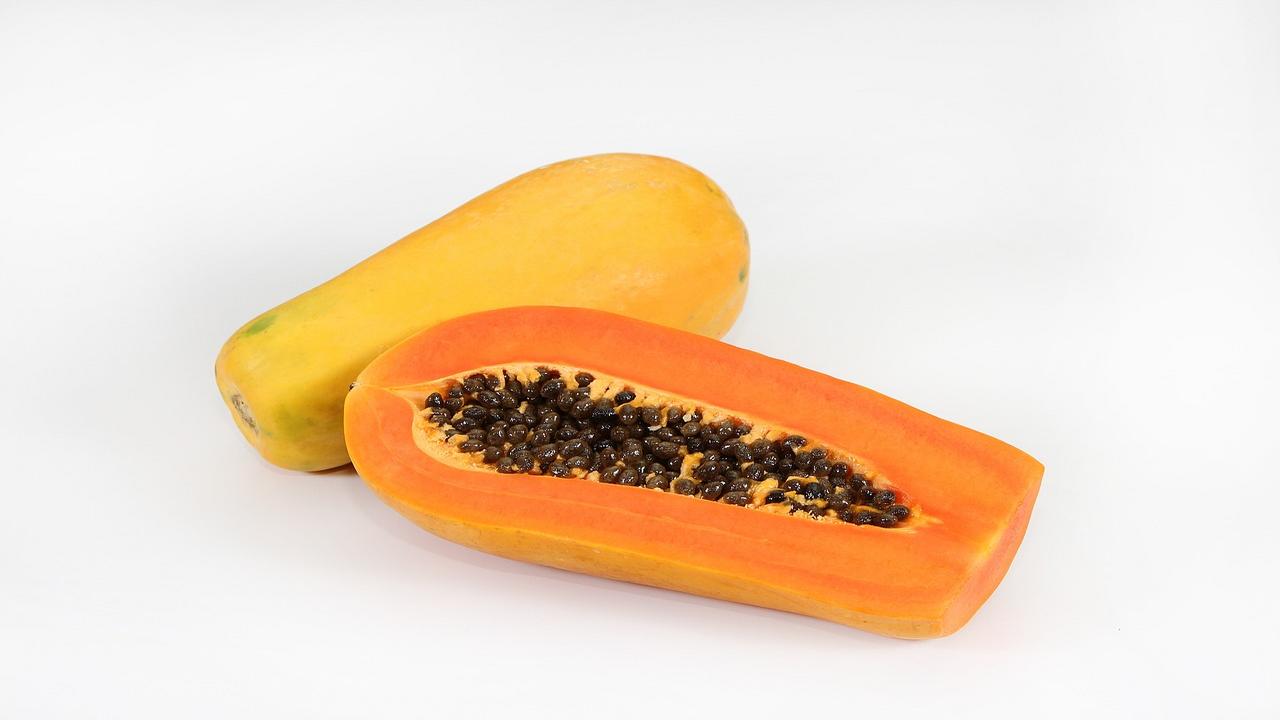
You know that sweet, tropical papaya you grab at the grocery store? There’s a good chance it’s genetically modified, especially if it’s from Hawaii. The Rainbow papaya, created to resist the ringspot virus that nearly wiped out Hawaii’s papaya industry in the 1990s, now makes up about 80% of Hawaiian papaya production. While the USDA approved it back in 1998, many countries including those in the European Union have banned or restricted imports of GM papaya due to concerns about long-term health effects and environmental impact.
As someone who loves working with fresh, whole ingredients, I find myself torn about this fruit. On one hand, genetic modification saved Hawaii’s papaya farmers from economic disaster. On the other hand, I prefer knowing exactly what I’m putting into my body and feeding my family. When I can find organic, non-GM papayas, I use them in everything from fresh salsas with lime and chilies to smoothie bowls topped with coconut flakes. The natural sweetness and creamy texture make papaya perfect for both savory dishes and desserts, but I always check labels and ask vendors about sourcing when possible.
Arsenic Laced Chicken
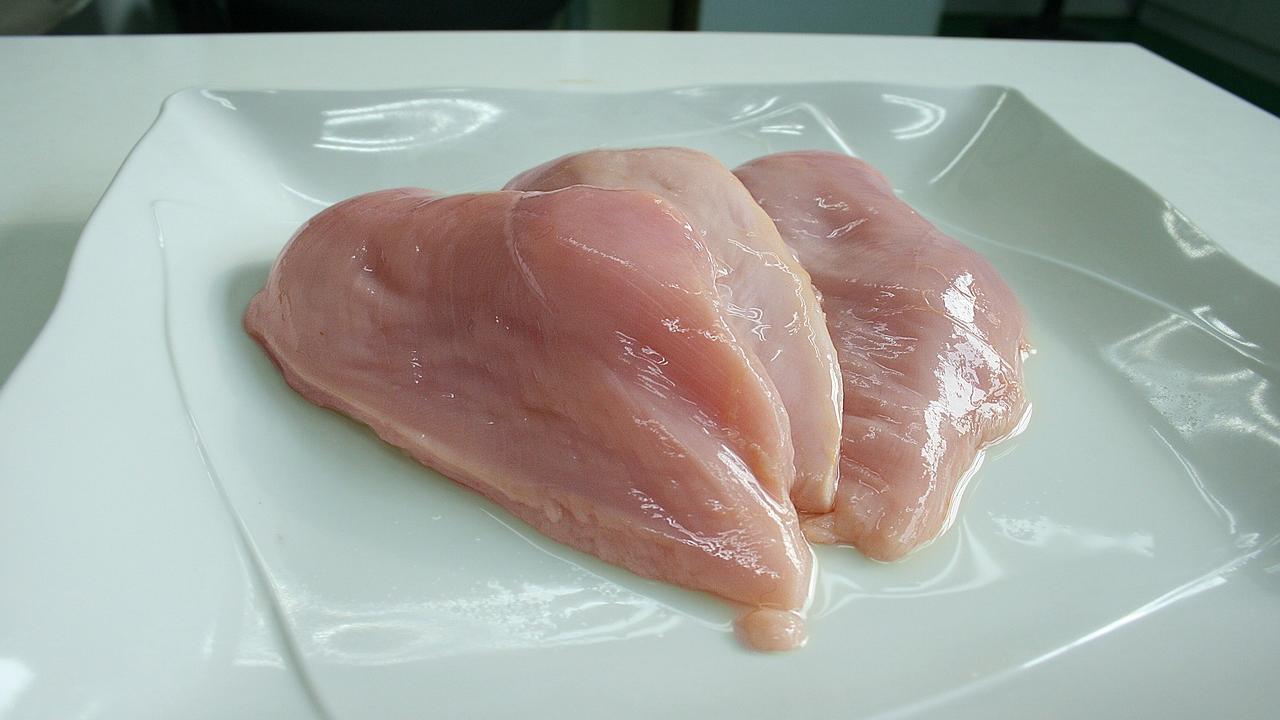
You know how I always tell you to read ingredient labels and cook from scratch? Well, here’s a perfect example of why that matters so much. American poultry producers have been adding arsenic-based compounds to chicken feed for decades – yes, the same arsenic that’s a known poison and carcinogen. They claim it promotes growth and gives the meat that appealing pink color we see in stores. The European Union, China, and many other countries said “absolutely not” and banned this practice entirely. Meanwhile, we’re still debating whether it’s safe to feed our families chicken that contains traces of a heavy metal.
This is exactly why I source my chicken from local farms where I can actually talk to the farmers about their practices. When you buy directly from producers who raise their birds on pasture without these questionable additives, you taste the difference immediately – the meat is firmer, more flavorful, and you don’t have to worry about what’s lurking inside. If you can’t access farm-fresh poultry, look for organic certifications that prohibit arsenic compounds. Trust me, once you experience clean, naturally-raised chicken in your favorite recipes, you’ll never want to go back to the mass-produced alternative.
RBGH and RBST Milk
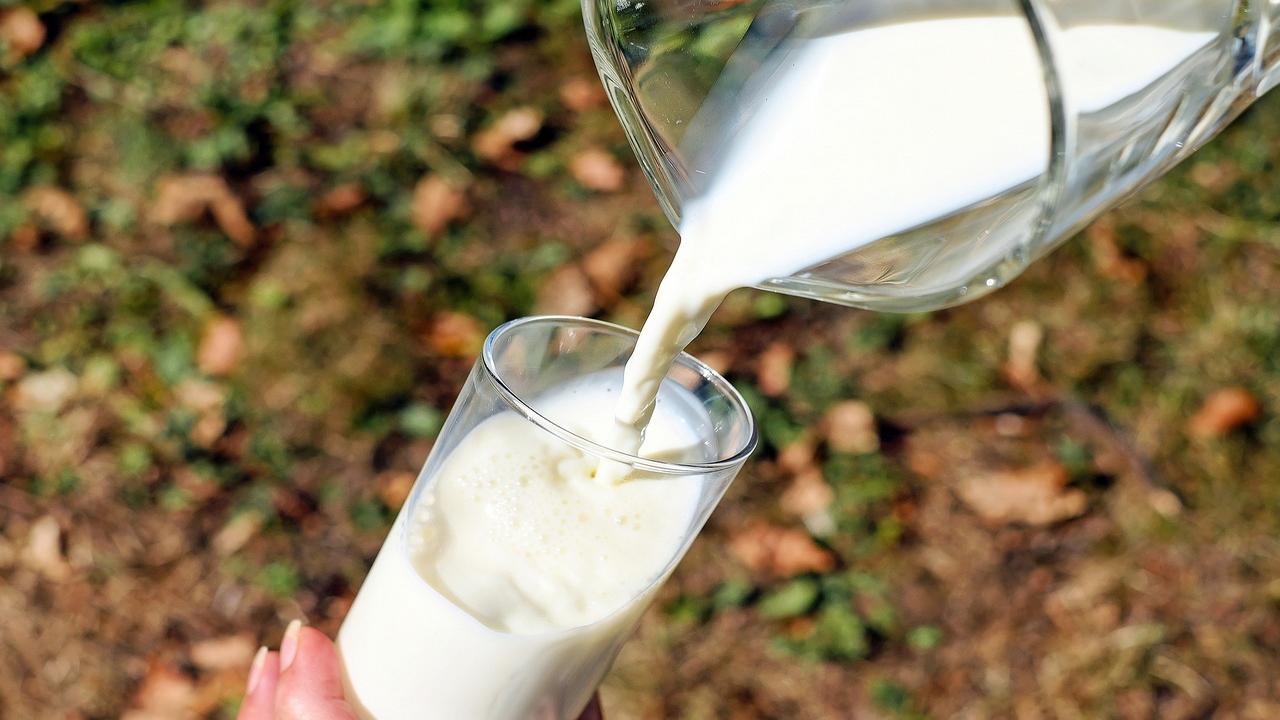
You know that glass of milk you pour over your morning cereal? In many countries across Europe, Canada, and Australia, the milk available looks fundamentally different from what fills American dairy aisles. The difference lies in two synthetic hormones called RBGH (recombinant bovine growth hormone) and RBST (recombinwhen bovine somatotropin), which American dairy farmers inject into cows to boost milk production. These lab-created hormones can increase a cow’s milk output by up to 20%, but they come with concerns that have prompted other nations to ban their use entirely.
What troubles me most about this practice is how it affects both the animals and potentially our families. Cows treated with these hormones often develop more infections, requiring increased antibiotic use that can create resistant bacteria. The milk from treated cows also contains higher levels of IGF-1, a growth factor that some studies link to increased cancer risks. When I’m shopping for dairy products for my kitchen, I always look for organic or hormone-free labels because I believe in keeping my ingredients as close to nature as possible. The European Union, Japan, and other countries decided the potential risks weren’t worth the increased production, choosing to prioritize animal welfare and consumer safety over higher yields.
Potassium Bromate in Bread
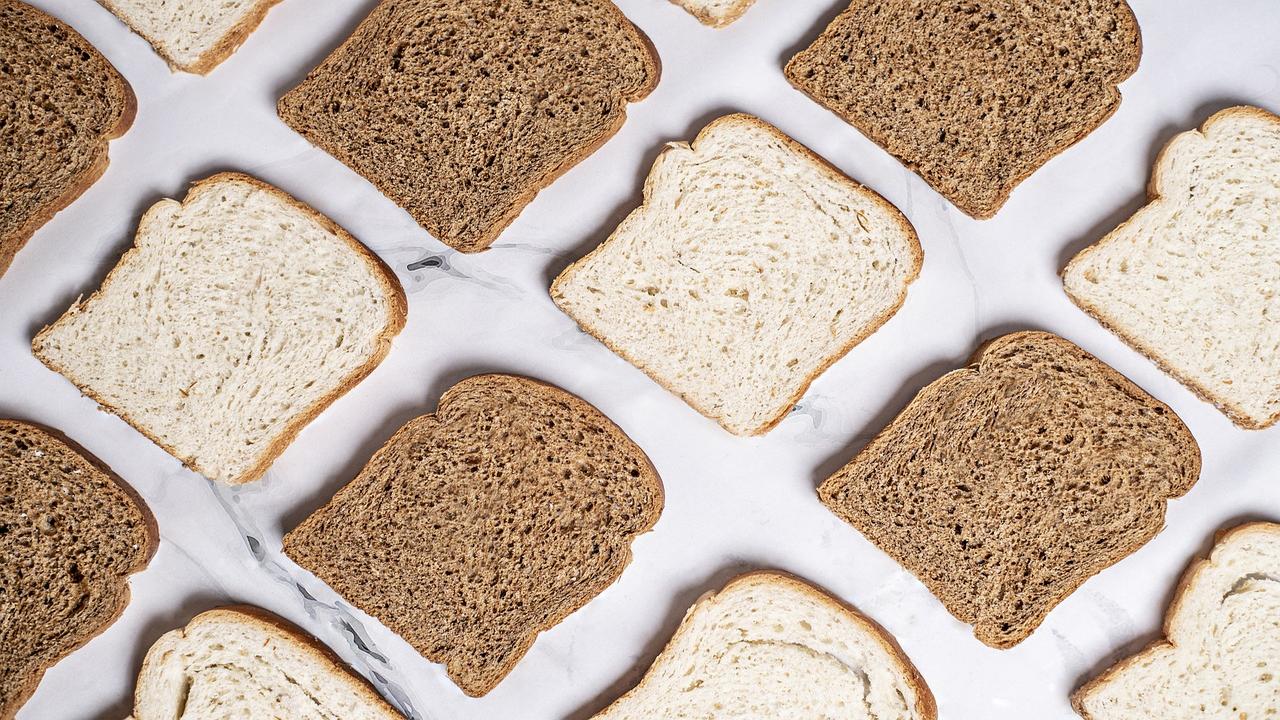
You know that soft, pillowy commercial bread sitting on grocery store shelves? There’s a good chance it contains potassium bromate, a dough conditioner that makes bread rise higher and gives it that perfectly uniform texture we’ve grown accustomed to in America. This chemical strengthens gluten, creating those picture-perfect loaves that last for days without going stale. But here’s what might shock you: the European Union, Canada, Nigeria, Brazil, South Korea, Peru, Sri Lanka, and China have all banned this ingredient completely. The reason? Potassium bromate has been classified as a possible human carcinogen by the International Agency for Research on Cancer.
I’ve been making my own bread for years now, and honestly, once you experience the real deal – flour, water, yeast, salt, maybe a touch of honey – you’ll wonder why we ever needed all these additives in the first place. Fresh homemade bread might not have that supernatural shelf life of store-bought loaves, but it has something far more valuable: actual flavor and ingredients you can pronounce. The texture might be slightly denser, but that’s what real bread should be like. If you’re not ready to dive into bread-making just yet, look for brands that specifically state “no potassium bromate” or seek out local bakeries that make their bread the old-fashioned way. Your body will thank you for choosing real food over chemically enhanced convenience.
Flame Retardant Drinks (BVO)
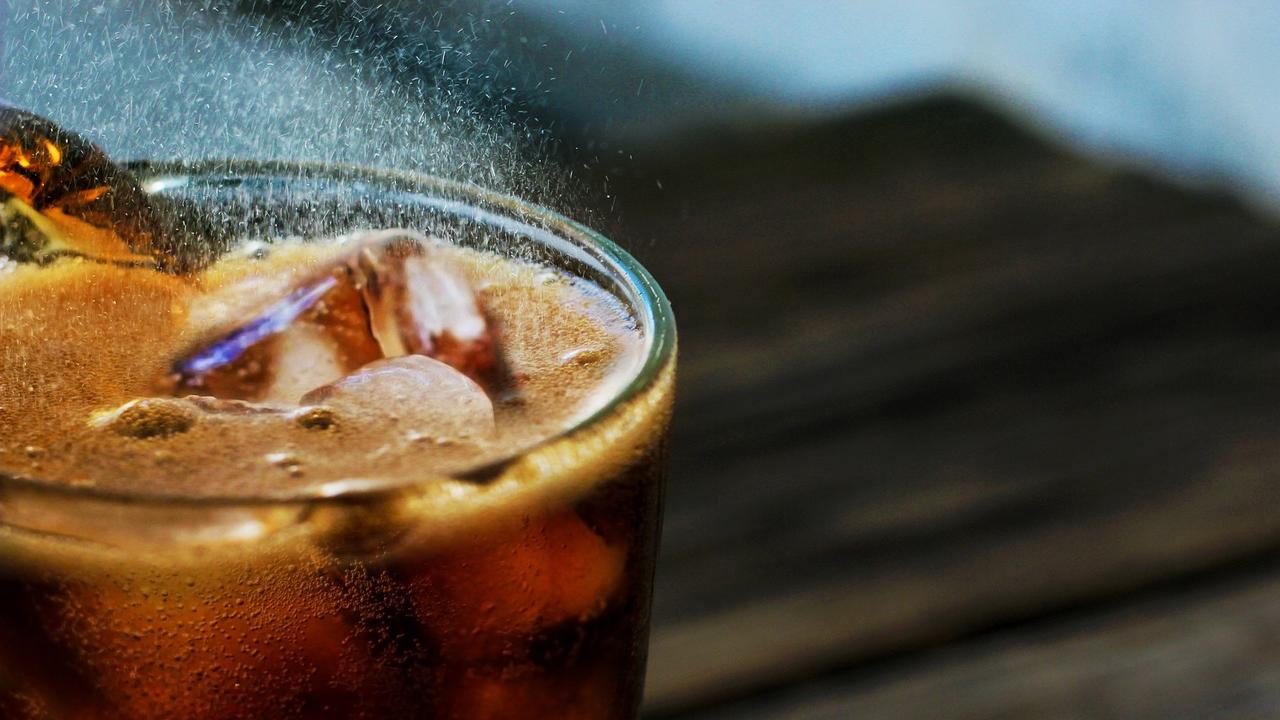
You know what really gets me fired up as someone who cares deeply about what goes into our bodies? Finding out that brominated vegetable oil (BVO) – yes, the same chemical used in flame retardants – shows up in citrus-flavored sodas and sports drinks right here in America. This synthetic compound keeps citrus flavoring from separating and floating to the top, but countries across Europe, India, and Japan said “absolutely not” and banned it years ago. Meanwhile, we’re still sipping on drinks that contain ingredients designed to prevent couches from catching fire.
I always encourage people to read ingredient labels, and BVO is exactly why that habit matters so much. This stuff can build up in your body’s fatty tissues over time, and some studies link it to skin problems, memory issues, and nerve disorders. Instead of reaching for that neon-orange sports drink, I make my own electrolyte refreshers using fresh citrus juice, a pinch of sea salt, and pure water. You get the tangy flavor you crave without worrying about flame retardant chemicals swimming around in your system. Your body deserves real ingredients, not industrial additives masquerading as food.
Ractopamine Treated Meat
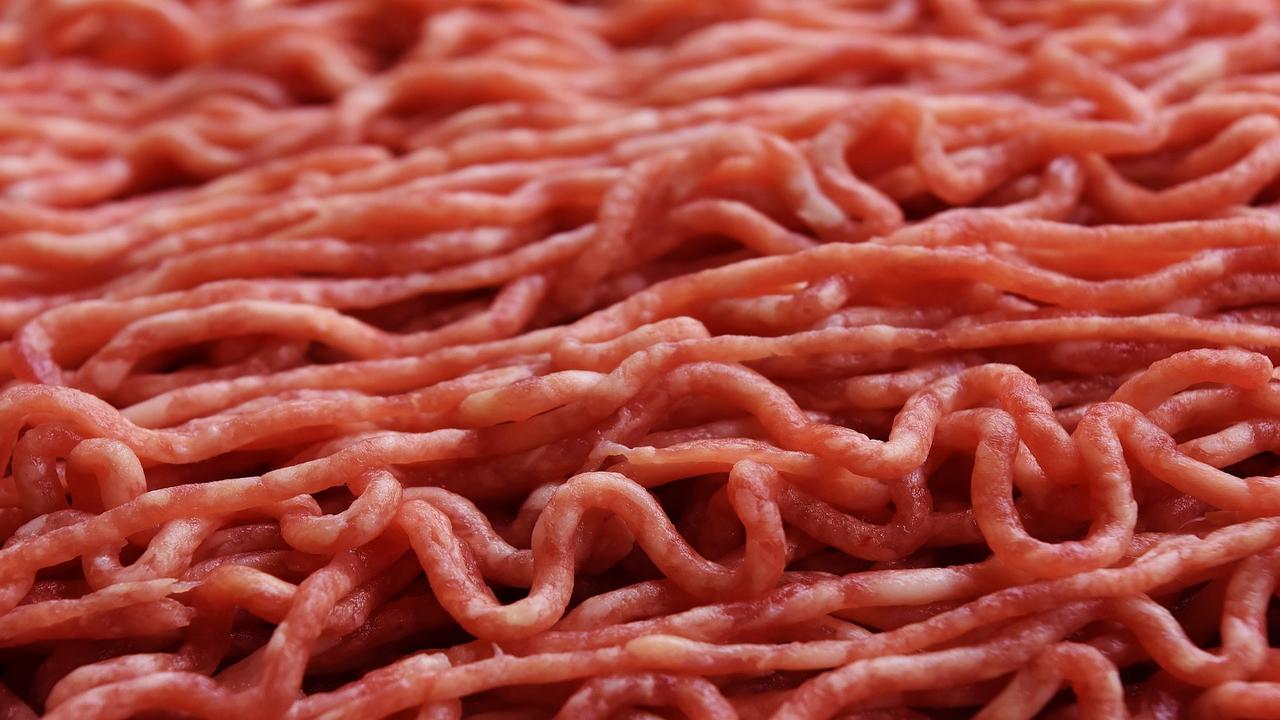
You know how I always talk about knowing where your ingredients come from? Well, here’s something that might surprise you about American meat. Ractopamine, a growth-promoting drug given to pigs and cattle, helps animals build lean muscle mass faster – but it’s banned in over 160 countries including Russia, China, and the entire European Union. This beta-agonist drug stays in the meat even after processing, and many nations refuse to import American pork and beef because of health concerns about hormone residues.
As someone who prioritizes clean, wholesome cooking, I find this troubling because we’re essentially eating medication through our protein sources. The drug can cause increased heart rate, tremors, and other side effects in humans – not exactly what I want seasoning my Sunday roast! This is why I’ve become so passionate about sourcing meat from local farms where I can actually meet the farmers and ask about their practices. When you’re creating nourishing meals for your family, choosing organic, grass-fed, or pasture-raised options becomes more than just a preference – it’s about protecting the people you cook for every single day.
Farm Raised Salmon
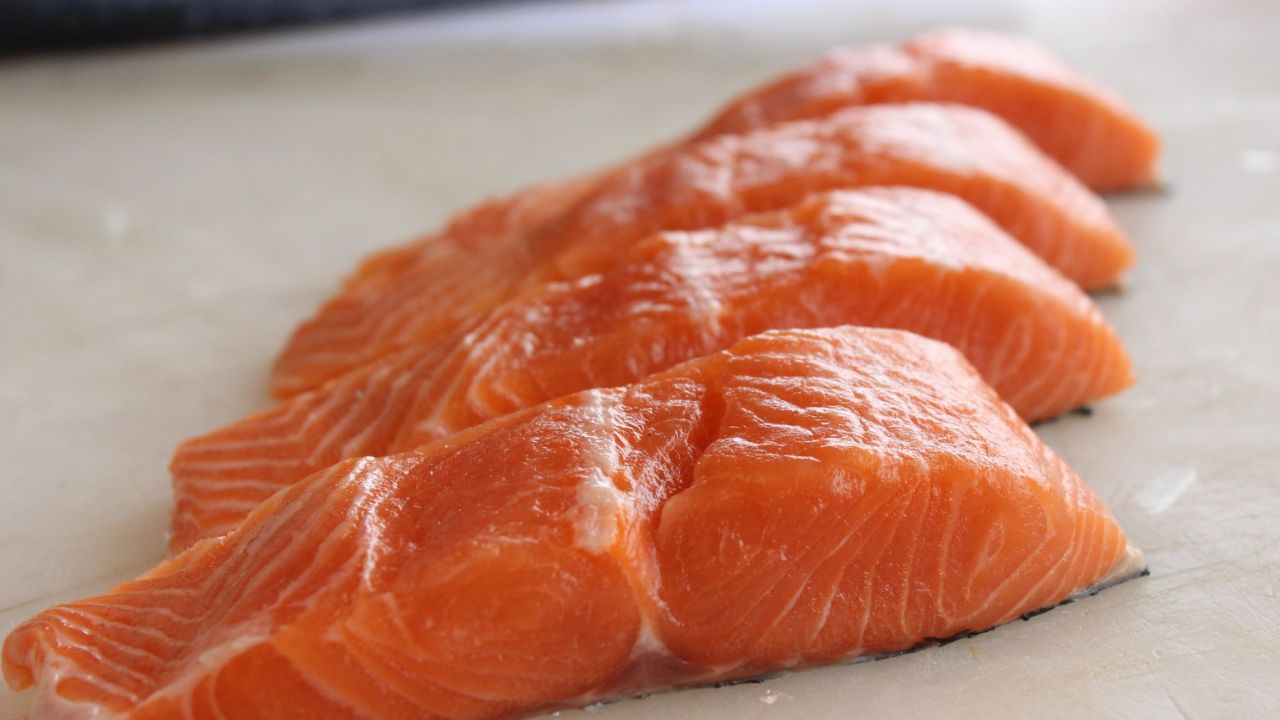
You know that beautiful pink salmon fillet you pick up at the grocery store? There’s a good chance it came from a farm, and several countries have serious concerns about how these fish are raised. Norway, Australia, and New Zealand have banned or heavily restricted certain American farm-raised salmon because of the artificial coloring and questionable feed practices. Wild salmon gets its gorgeous pink color from eating krill and other natural sources, but farmed salmon? They’re fed synthetic astaxanthin to achieve that appealing hue. I always tell people to look for that deep, rich color variation in wild-caught fish – it tells a story of what the fish actually ate.
The real issue goes beyond just color though. Many American salmon farms use antibiotics, growth hormones, and feed containing GMO ingredients that other nations won’t accept. When I’m shopping for salmon, I specifically seek out wild-caught Alaskan varieties or look for certifications that guarantee cleaner farming practices. Yes, wild salmon costs more, but the flavor difference is remarkable – it’s meatier, more complex, and you’re not getting those unwanted additives. I love preparing it simply with lemon, fresh herbs, and olive oil to let that natural flavor shine through. Your body deserves real food, not something that needs artificial enhancement to look appetizing.