14 Best-Tasting Exotic Fruits for a Flavor Adventure
Your local grocery store probably stocks the same familiar fruits week after week, but there’s a whole world of incredible flavors waiting beyond those predictable apples and bananas. These exotic fruits offer textures and tastes that will completely transform your snacking routine and add excitement to your healthy eating goals.
From creamy custard-like centers to tangy bursts of tropical sunshine, each fruit brings its own personality to your plate. Some surprise you with floral notes, while others deliver refreshing sweetness that makes you wonder why you’ve been missing out for so long.
Ready to expand your fruit horizons? These fourteen remarkable options will introduce you to flavors you never knew existed, and many pack serious nutritional benefits alongside their amazing taste. Your next grocery shopping trip just got a lot more adventurous!
Cherimoya
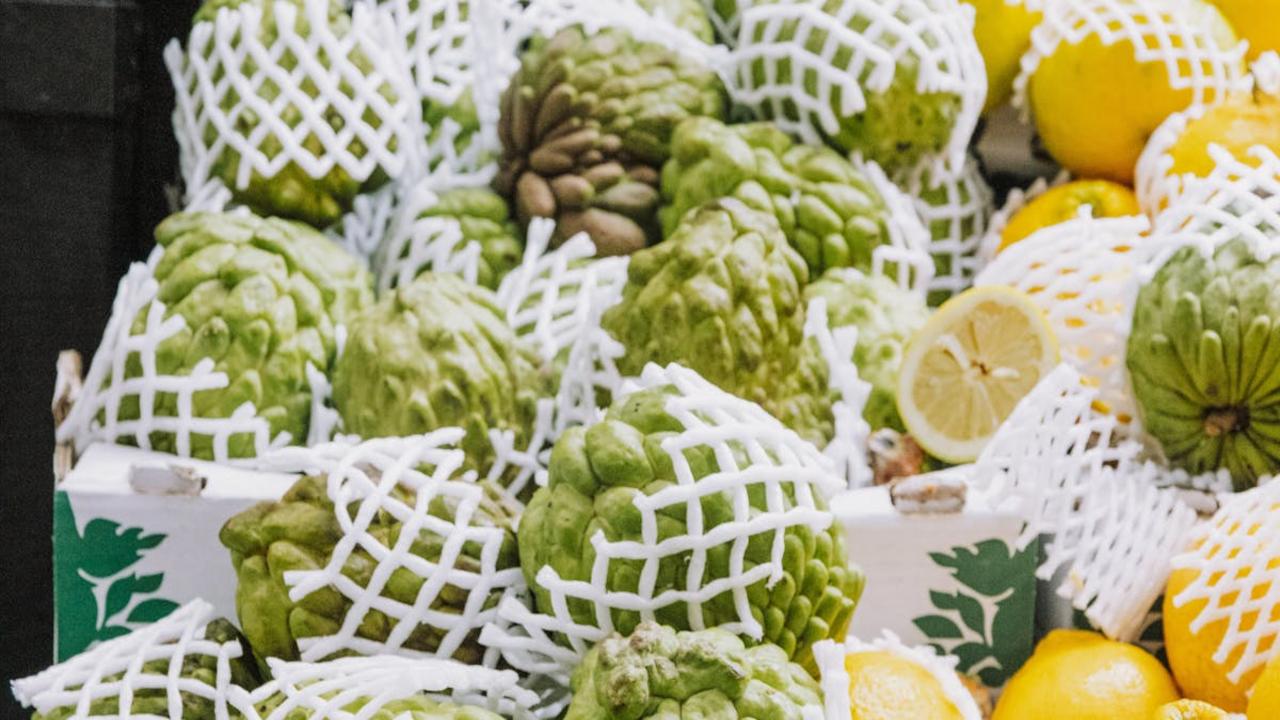
Picture holding a heart-shaped treasure that looks like green dragon scales but tastes like pure heaven – that’s cherimoya for you! This remarkable fruit from South America combines the creamy sweetness of banana with hints of pineapple and strawberry, creating a flavor profile so unique that Mark Twain once called it “the most delicious fruit known to men.” The pale, custard-like flesh practically melts on your tongue, offering a texture so smooth and rich that many people compare it to natural ice cream.
Finding cherimoya can feel like discovering hidden treasure since it’s not available in every grocery store, but specialty markets and online retailers often carry this gem during its peak season from November through May. When selecting your cherimoya, look for fruits that give slightly to gentle pressure – they should feel heavy for their size and have a sweet, floral aroma. You can eat it fresh by scooping out the creamy flesh with a spoon (just watch out for the large black seeds), or blend it into smoothies, desserts, and even savory salsas. Trust me, once you experience this fruit’s incredible sweetness and silky texture, you’ll understand why it’s often called the “custard apple.”
Feijoa
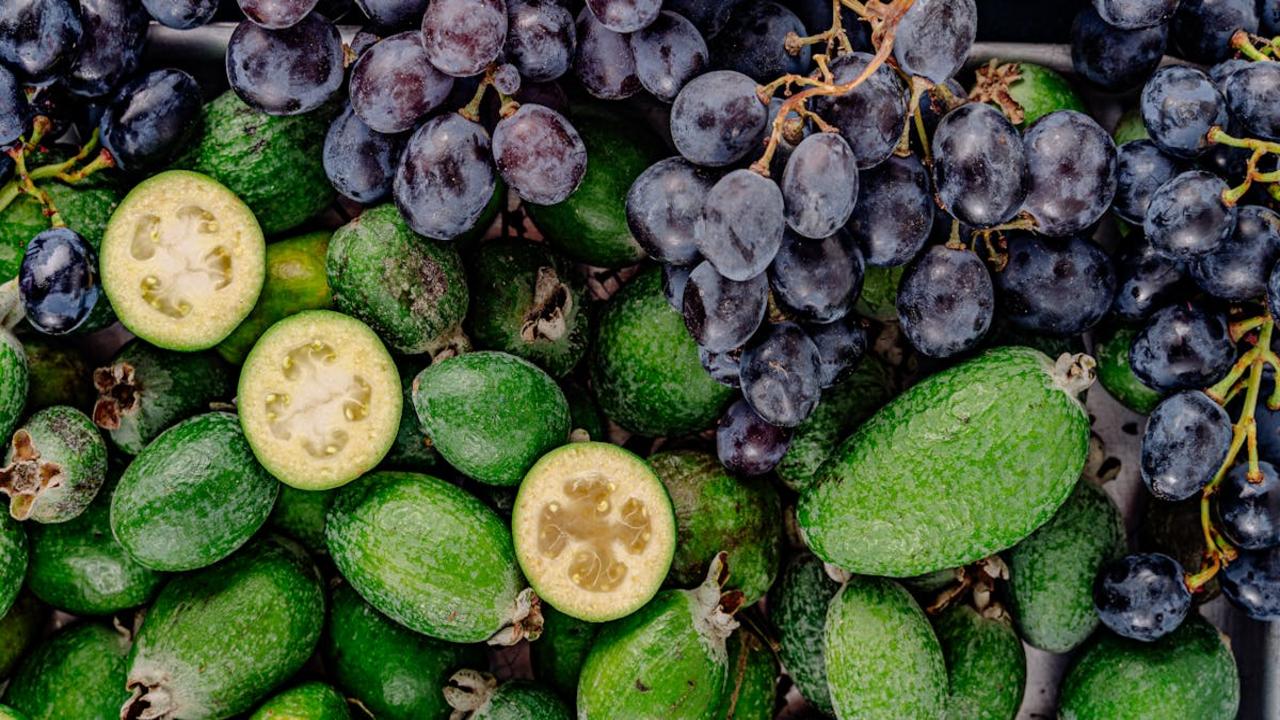
Picture this: you slice into what looks like a small green egg, and suddenly your kitchen fills with the most incredible tropical perfume. That’s feijoa for you! This New Zealand native (also called pineapple guava) packs an absolutely mind-blowing flavor that tastes like someone mixed pineapple, mint, and strawberry into one magical fruit. The flesh has this unique jelly-like texture around the center, with firmer fruit near the skin. I love how you can literally scoop it out with a spoon like nature’s own dessert cup.
You’ll find feijoas are surprisingly versatile in the kitchen. I throw them into smoothies for an instant tropical upgrade, or fold chunks into yogurt for breakfast. They make incredible jams and chutneys too – the natural pectin means they set beautifully without any additives. The best part? You can eat the skin if it’s not too thick, though most people prefer to scoop out the flesh. When ripe, they’ll give slightly to pressure and develop that intoxicating fragrance. Trust me, once you experience that first burst of feijoa flavor, you’ll understand why people in New Zealand go absolutely crazy for these little green gems every autumn.
Custard Apple
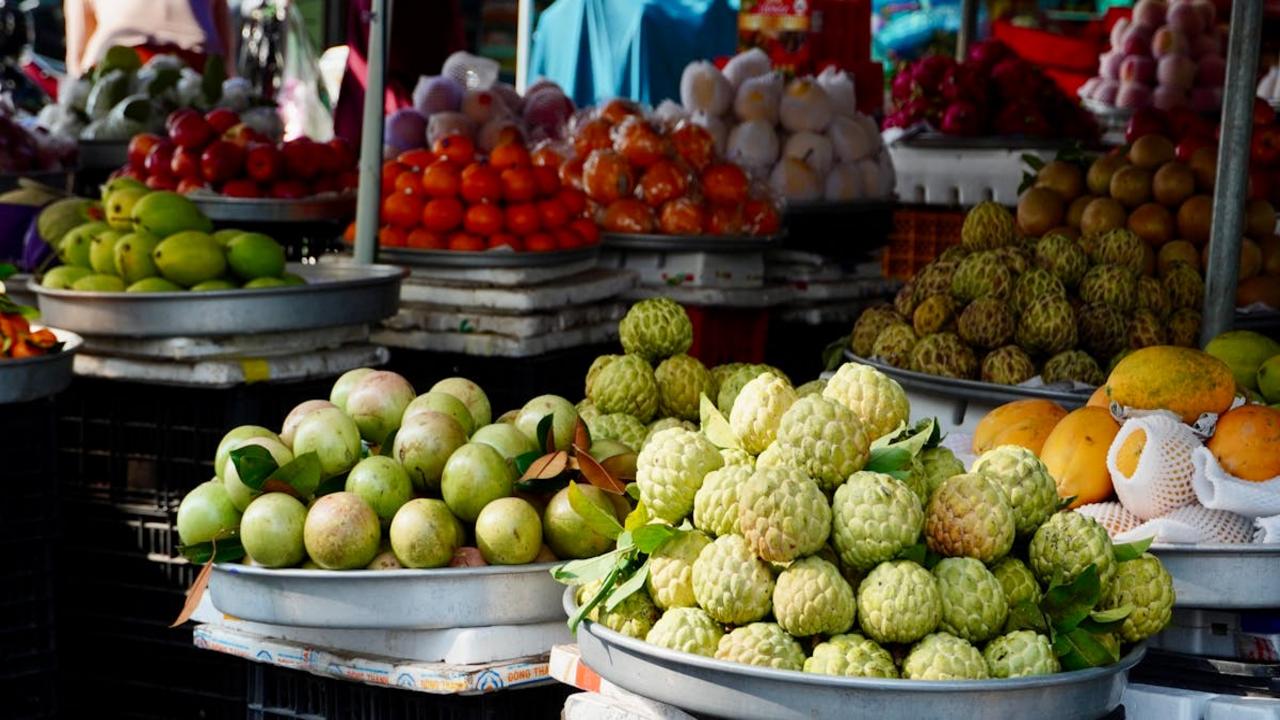
Picture biting into nature’s own crème brûlée – that’s exactly what you get with custard apple! This heart-shaped tropical gem hides beneath its bumpy, scaly exterior a creamy white flesh that literally melts on your tongue. The texture feels like the smoothest vanilla pudding you’ve ever tasted, while the flavor dances between sweet vanilla, hints of banana, and a whisper of pineapple. I love how this fruit surprises people who judge it by its unusual appearance – once you crack it open, you discover pure magic inside.
Finding custard apple in your local grocery store might take some detective work, but specialty markets and Latin American stores often stock these treasures. When selecting one, look for fruits that give slightly to gentle pressure and have a fragrant, sweet aroma at the stem end. You can eat custard apple fresh by simply scooping out the flesh with a spoon, but watch out for the black seeds scattered throughout. Try blending the flesh into smoothies, folding it into ice cream, or using it as a natural sweetener in desserts. The creamy consistency makes it perfect for no-bake treats that will have your friends asking for the secret ingredient!
Breadfruit
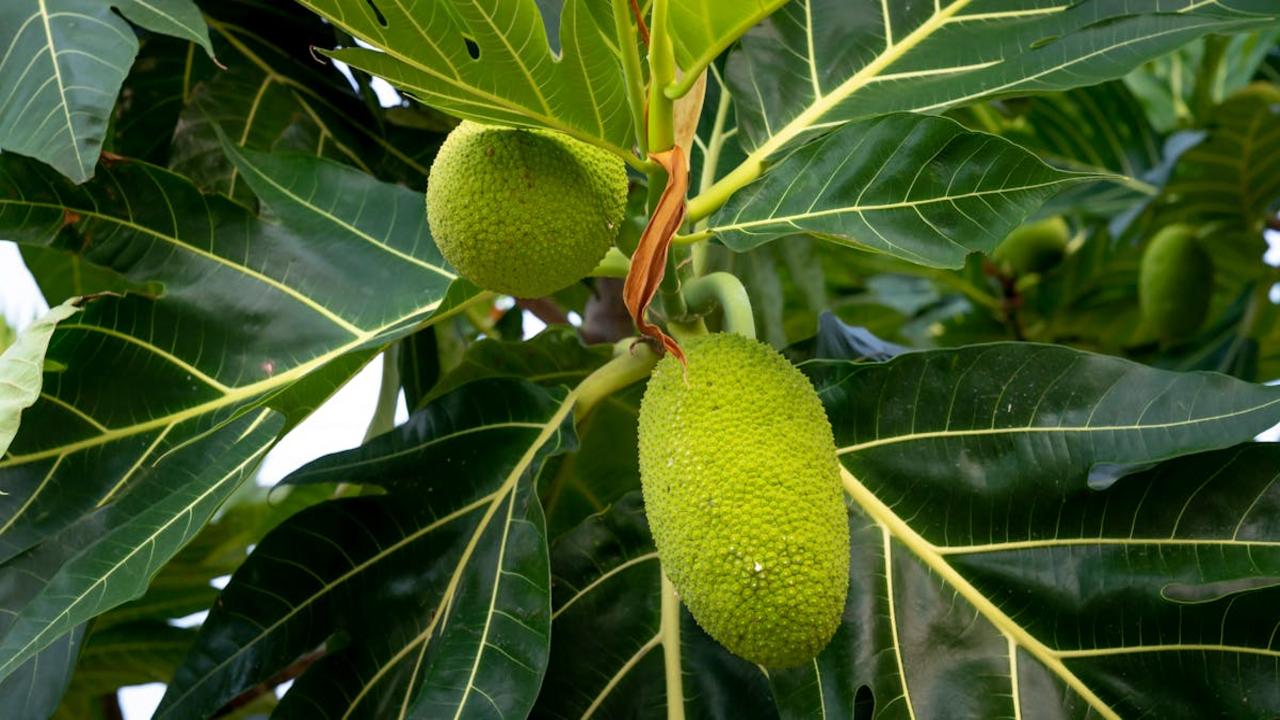
Picture a tropical fruit that’s about the size of a cantaloupe with bumpy green skin that looks almost prehistoric. That’s breadfruit for you! This starchy wonder grows abundantly across Pacific islands and tropical regions, and once you try it, you’ll understand why it’s been a dietary staple for centuries. When ripe, breadfruit has a creamy, potato-like texture with subtle sweet notes that remind me of freshly baked bread – hence the name. The flavor sits somewhere between a sweet potato and a banana, making it incredibly versatile for both savory and sweet preparations.
You can roast breadfruit whole until the skin chars and the inside becomes fluffy and tender, or slice it up and fry the pieces like plantains for a crispy treat. I love adding chunks to coconut curry or mashing it up as a side dish with a bit of butter and herbs. The unripe fruit works beautifully in savory dishes, while the ripe version makes fantastic desserts or can be eaten fresh. Rich in fiber, potassium, and vitamin C, breadfruit offers both nutrition and satisfaction. Head to specialty tropical markets or order online – this fruit will transform your understanding of what tropical eating can be!
Guava
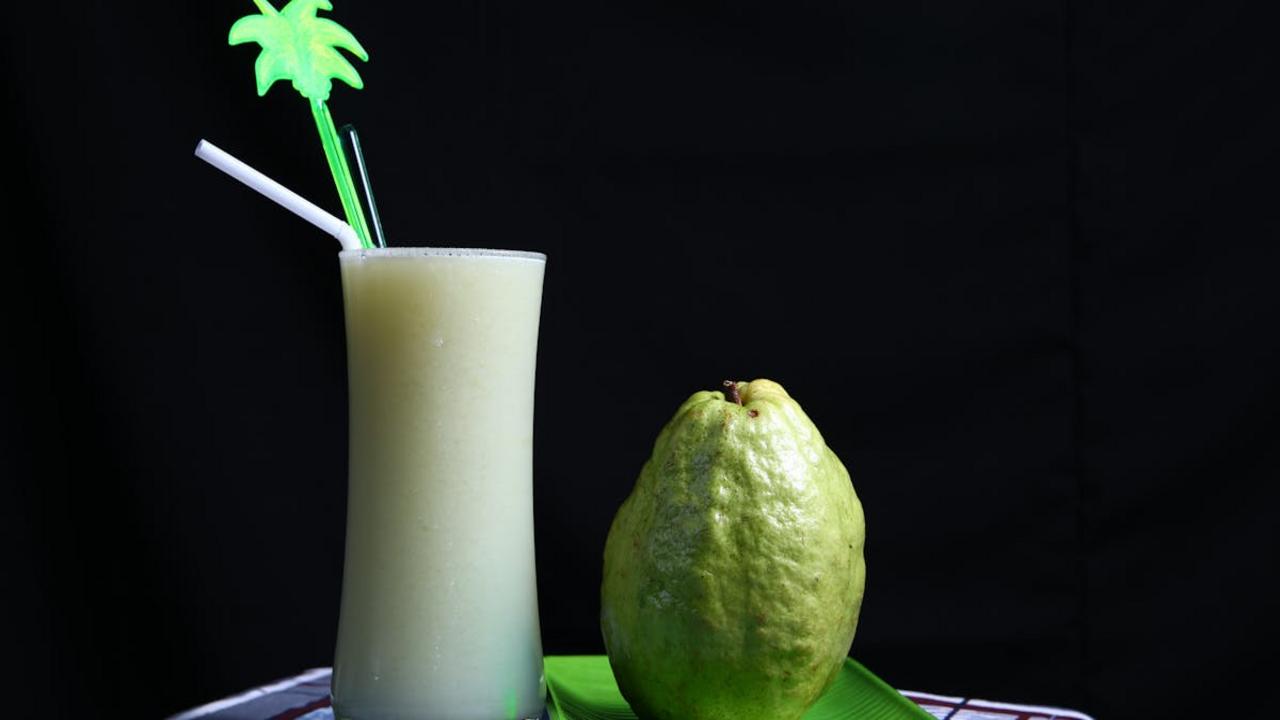
You know that perfect sweet-tart balance you’ve been searching for? Guava delivers exactly that with its tropical personality and fragrant aroma that fills your kitchen the moment you slice into one. This pink-fleshed beauty tastes like a cross between a pear and a strawberry, with floral notes that make every bite feel like a mini vacation. The texture varies depending on ripeness – from firm and crisp to soft and creamy – but both stages offer their own delicious rewards. I love how guava doesn’t overwhelm your palate; instead, it gently introduces you to tropical flavors without being too exotic or intimidating for first-time fruit adventurers.
What makes guava truly special is its incredible versatility in your kitchen adventures. You can eat it fresh with just a sprinkle of lime juice and chili powder for that authentic Latin American experience, or blend it into smoothies for a creamy, naturally sweet treat. The seeds are completely edible and add a satisfying crunch, though you can strain them out if you prefer smoother textures. Guava paste becomes magical in desserts, and I particularly enjoy making homemade guava jam that spreads beautifully on toast or swirls into yogurt. Plus, this fruit packs serious nutritional power with more vitamin C than oranges and plenty of fiber to keep your digestive system happy.
Soursop
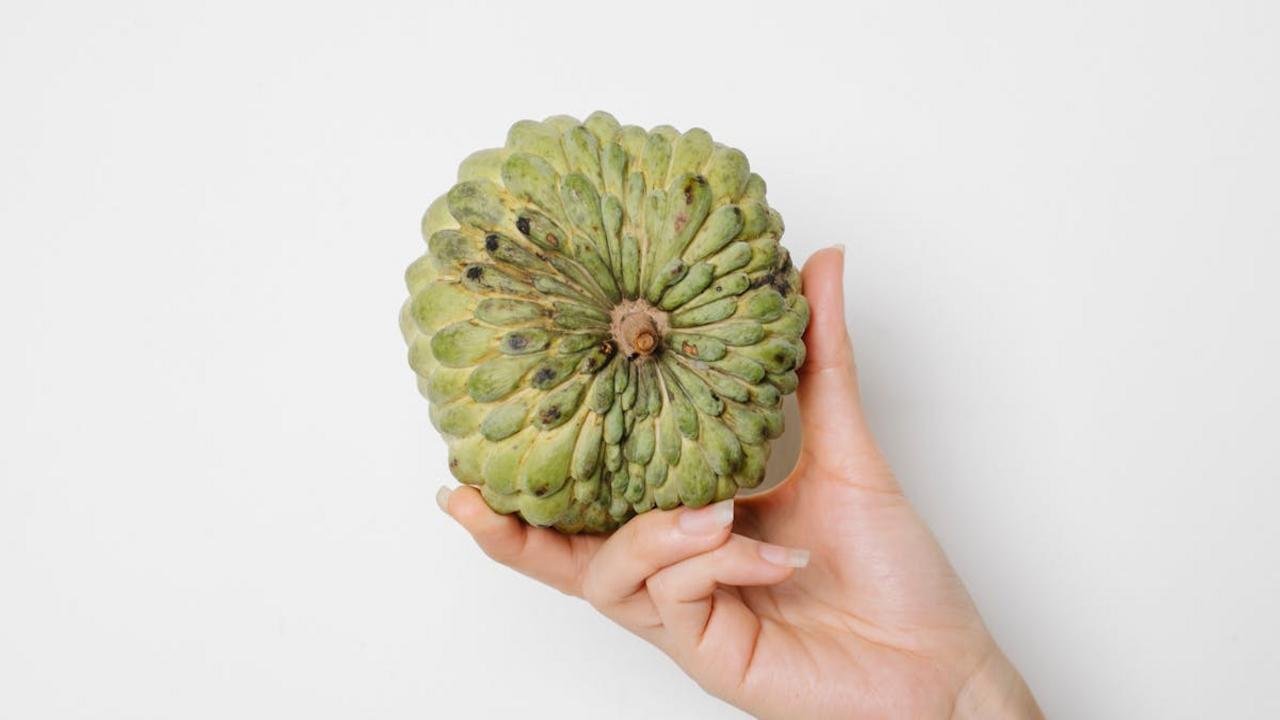
Soursop brings a magical flavor combination that’s absolutely irresistible – imagine strawberry and pineapple having a creamy, tropical baby with hints of citrus dancing through every bite. This spiky green fruit, native to the Caribbean and Central America, looks intimidating from the outside but rewards brave adventurers with one of nature’s most unique flavor profiles. The white, custard-like flesh practically melts in your mouth, delivering a sweet-tart experience that’s impossible to compare to anything else you’ve tried before.
Beyond its incredible taste, soursop packs serious nutritional power that makes every indulgent bite feel wonderfully guilt-free. You’re getting a fantastic dose of vitamin C, fiber, and potassium while treating yourself to what feels like nature’s own dessert. I love blending soursop into smoothies with coconut milk and a touch of lime – it creates this dreamy, tropical drink that transports you straight to paradise. You can also freeze chunks of the flesh for a natural ice cream alternative, or simply enjoy it fresh with a spoon. Trust me, once you experience soursop’s complex sweetness, you’ll understand why it’s considered one of the tropics’ greatest treasures.
Durian
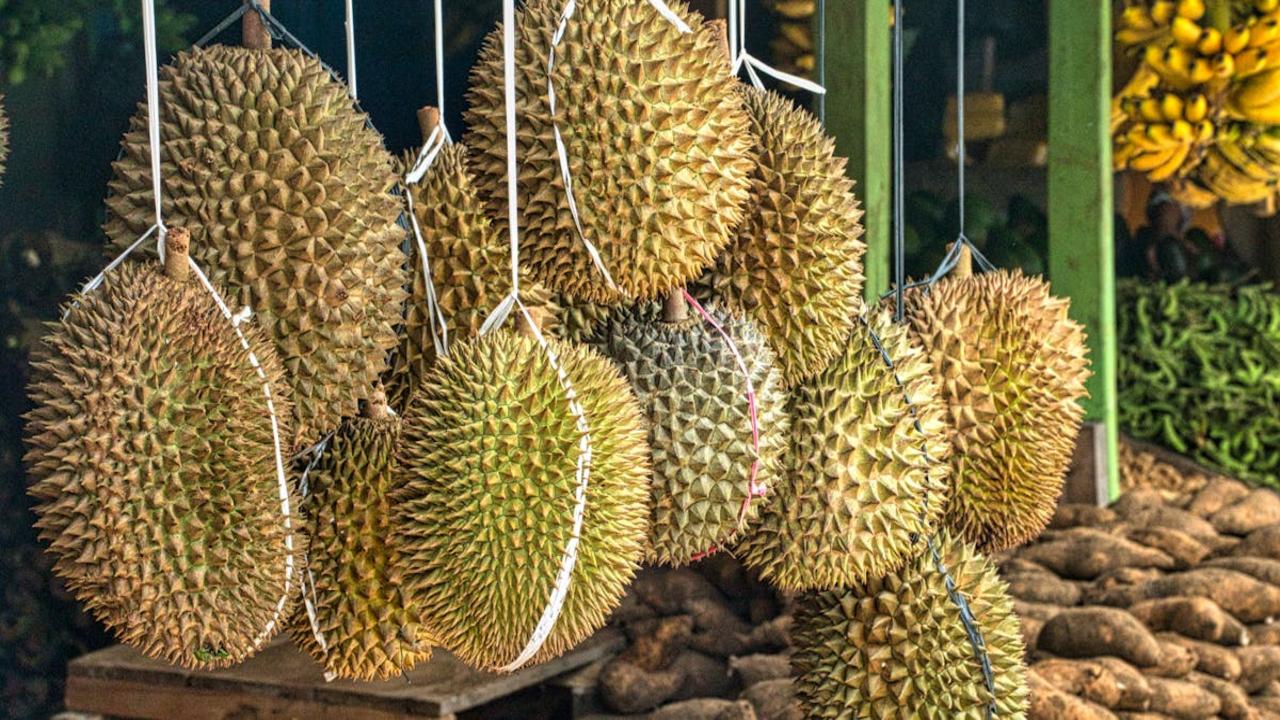
Meet the durian – the fruit that divides people faster than pineapple on pizza! This spiky, football-sized treasure from Southeast Asia carries a reputation that precedes it everywhere. You’ve probably heard about its intense aroma, which some describe as sweet custard while others compare it to aged cheese or onions. Don’t let the smell scare you away though – once you get past that first whiff, you’re in for something truly special. The creamy, custard-like flesh inside offers a complex flavor profile that’s simultaneously sweet, savory, and incredibly rich.
If you’re ready to try durian, start with fresh fruit from an Asian market rather than frozen varieties, which can taste quite different. The texture resembles thick pudding with hints of vanilla, almond, and even a touch of garlic – I know it sounds wild, but trust me on this one! Many people find that eating durian with sticky rice or incorporating it into ice cream helps balance its intensity. Just remember to buy it when it’s perfectly ripe (it should give slightly when pressed) and maybe warn your neighbors before bringing it home – this fruit definitely makes its presence known!
Jackfruit
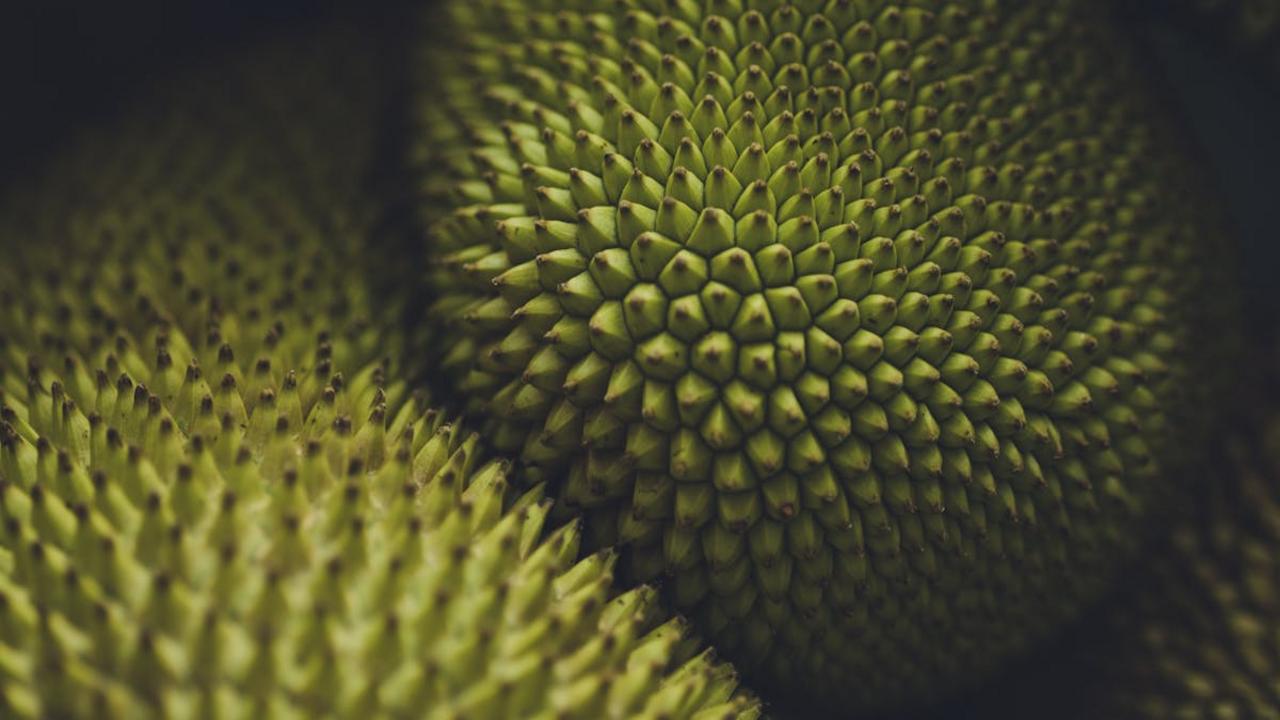
Meet jackfruit, the gentle giant of tropical fruits that’s about to become your new favorite kitchen companion! This massive fruit can weigh up to 80 pounds, but don’t worry – you’ll find it pre-cut in most grocery stores. The sweet, golden flesh tastes like a magical combination of pineapple, mango, and banana, with hints of vanilla that make every bite feel like a tropical vacation. I love how versatile jackfruit is – you can enjoy the ripe fruit fresh as a snack, blend it into smoothies, or even use it as a natural sweetener in desserts.
What makes jackfruit truly special is its incredible transformation when you work with the young, unripe version. The texture becomes wonderfully meaty and fibrous, making it the perfect plant-based substitute for pulled pork or chicken in your favorite recipes. I’ve made amazing jackfruit tacos, BBQ sandwiches, and curry dishes that fooled even my most devoted carnivore friends. The fruit readily absorbs whatever seasonings and sauces you pair it with, giving you endless opportunities to get creative in your kitchen. Plus, jackfruit is packed with vitamin C, potassium, and fiber, so you’re nourishing your body while treating your taste buds to something extraordinary.
Star Fruit
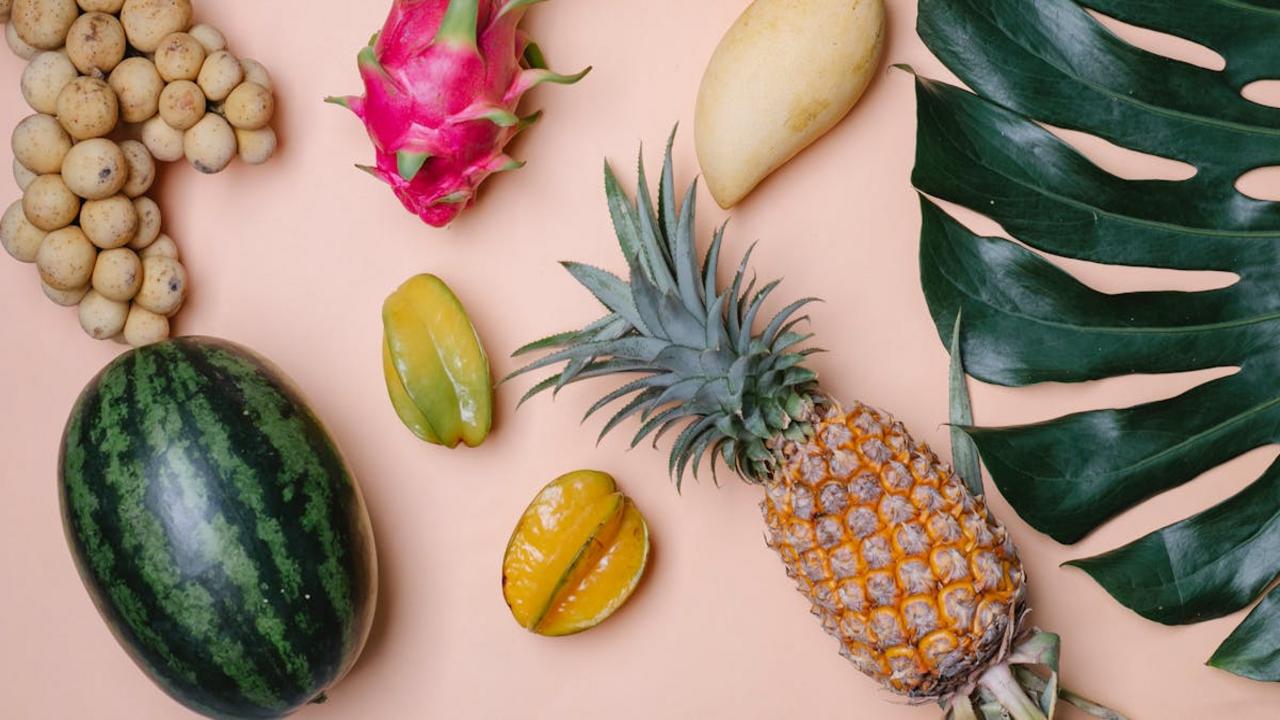
Star fruit, also known as carambola, is one of nature’s most photogenic tropical treats that brings both beauty and refreshment to your plate. When you slice this golden-yellow fruit crosswise, it reveals perfect five-pointed stars that make any dish Instagram-worthy. The flavor is wonderfully crisp and juicy, offering a delightful balance between sweet and tart that reminds me of a cross between green grapes, citrus, and apple. You can eat the entire fruit, skin and all, making it incredibly convenient for snacking or adding to fruit salads.
What I absolutely love about star fruit is how versatile it becomes in the kitchen. You can enjoy it fresh as a healthy snack, toss sliced stars into green salads for extra crunch, or blend it into smoothies for a tropical twist. The fruit also works beautifully in both sweet and savory dishes – try grilling star fruit slices alongside fish or chicken, or use them as a stunning garnish for desserts. Rich in vitamin C and fiber while being naturally low in calories, star fruit gives you that exotic flavor experience without any guilt. Pick fruits that are bright yellow with minimal brown spots for the best sweetness!
Rambutan
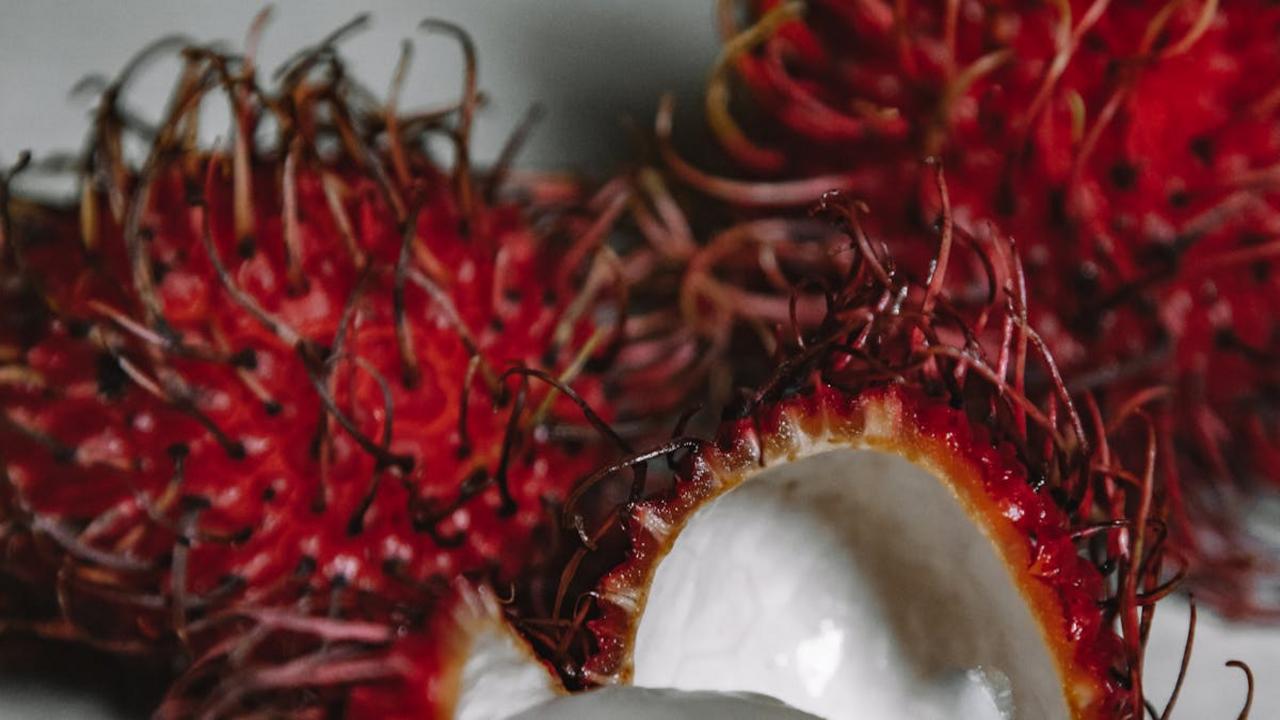
Rambutan looks like something straight out of a fairy tale with its bright red, spiky exterior that gives way to translucent, juicy flesh inside. Don’t let the intimidating appearance fool you – this Southeast Asian gem tastes like a perfect cross between a grape and a lychee, with floral notes that dance on your palate. The texture is incredibly satisfying, offering that perfect balance of firmness and juiciness that makes each bite refreshing and exciting.
You can find rambutan in most Asian grocery stores and some well-stocked supermarkets, typically available from late spring through early fall. To enjoy this tropical treasure, simply crack open the outer shell with your fingernails or a small knife, then pop out the pearlescent fruit inside. The pit is large and inedible, so eat around it carefully. I love adding rambutan to fruit salads for an exotic twist, or enjoying them chilled on their own as a naturally sweet snack that feels both indulgent and healthy.
Mangosteen
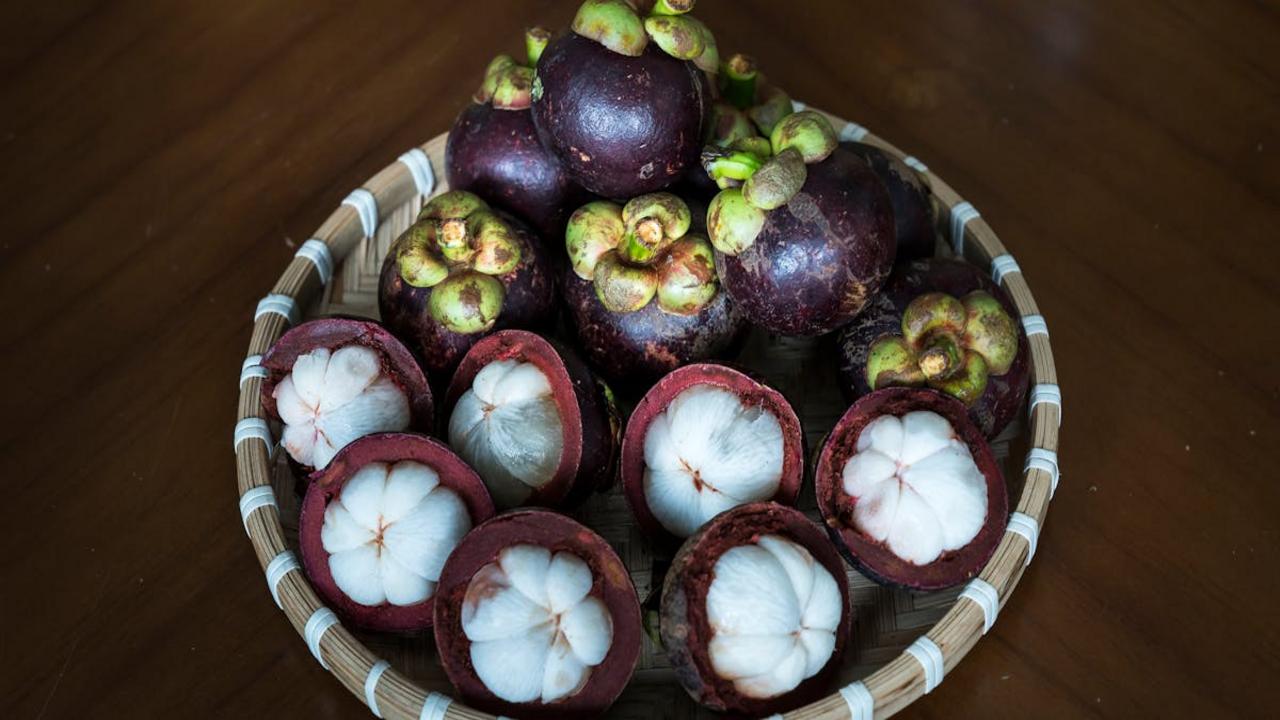
Picture this: you’re holding what looks like a small, dark purple bowling ball with a crown-like stem on top. Don’t let the tough exterior fool you – inside this mysterious fruit lies some of the most heavenly white segments you’ll ever taste. Mangosteen has earned the nickname “queen of fruits” for good reason, and once you crack open that hard shell, you’ll understand why royalty gets associated with this Southeast Asian treasure. The flesh inside tastes like a beautiful blend of peach, strawberry, and citrus, with just a hint of floral sweetness that makes your mouth water for more.
Getting into a mangosteen requires a bit of technique, but trust me, it’s worth every effort! Gently squeeze the fruit until the shell cracks, then twist the top and bottom in opposite directions. Those gorgeous white segments inside are incredibly juicy and refreshing – perfect for hot summer days or when you need a natural energy boost. You can eat them fresh as a snack, toss them into fruit salads, or even blend them into smoothies for an exotic twist. Just be careful not to get the purple shell juice on your clothes because it stains like crazy! Each mangosteen typically contains 4-8 segments, and some might have small seeds that you simply spit out.
Lychee
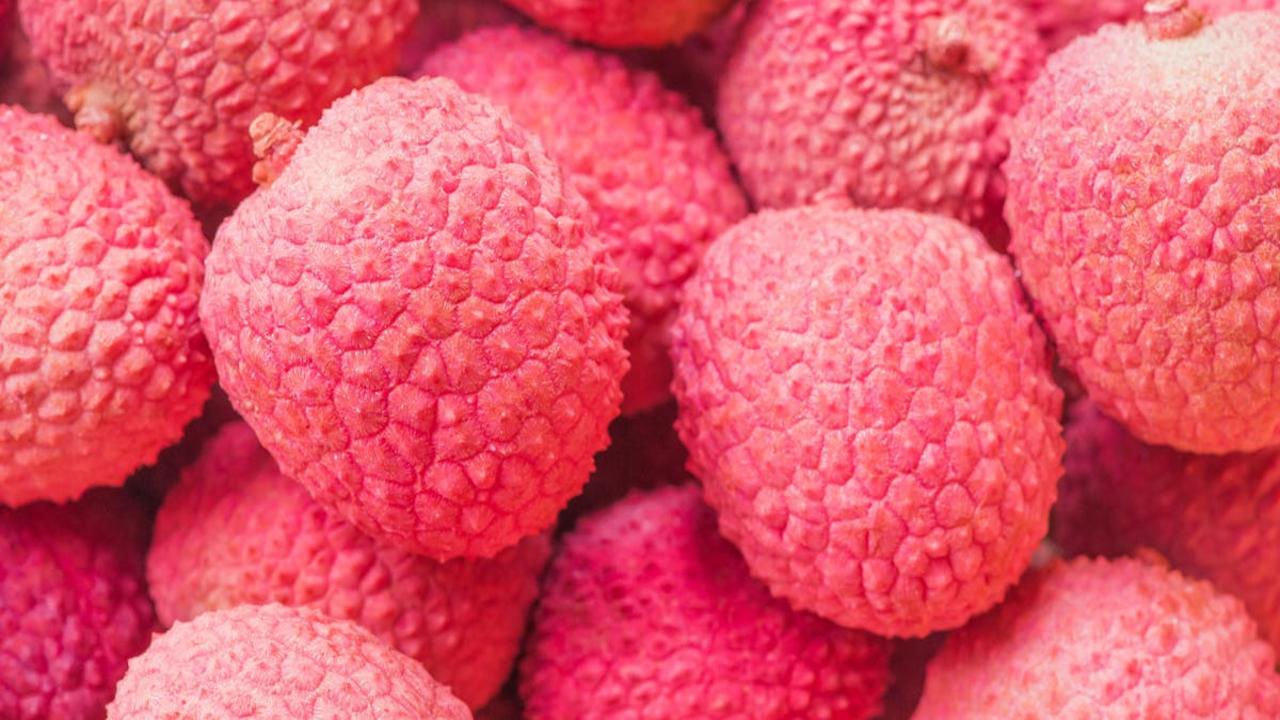
Picture peeling back a rough, pink shell to reveal a translucent white gem that tastes like a perfect blend of grape and rose petals – that’s the magic of lychee! This sweet tropical fruit from Southeast Asia delivers a floral sweetness that feels almost perfume-like, but in the most delightful way possible. The texture reminds me of a firm grape, juicy and refreshing with each bite. You’ll find lychees fresh in Asian markets during summer months, or you can grab canned versions year-round at most grocery stores.
I love adding fresh lychee to fruit salads where its unique flavor creates beautiful contrast with citrus and berries. You can also blend it into smoothies for an exotic twist, or simply eat them fresh as a refreshing afternoon snack. The key to selecting good lychees is choosing ones with bright pink or red skin that gives slightly when pressed – avoid any with brown spots or overly soft areas. Don’t let the bumpy exterior intimidate you; once you crack that shell and taste the sweet flesh inside, you’ll understand why lychee has been treasured for thousands of years across Asia.
Passion Fruit
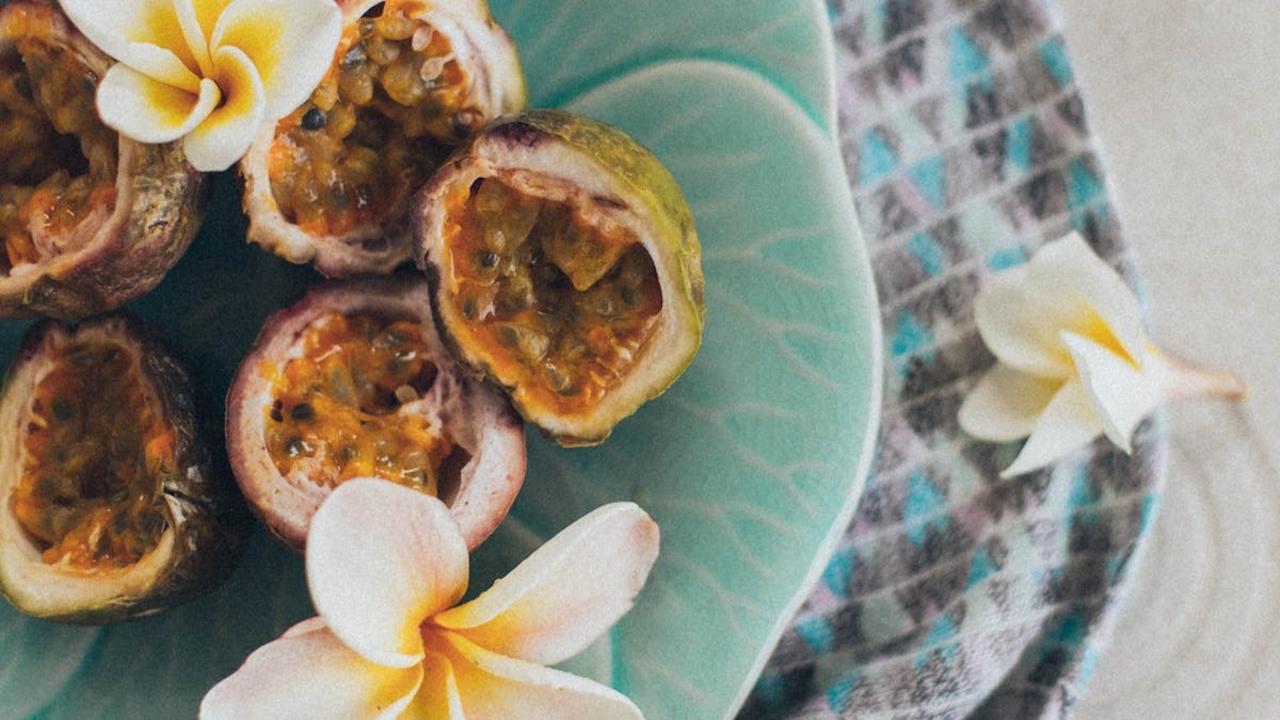
Passion fruit might look unassuming on the outside with its wrinkled purple or yellow skin, but crack it open and you’ll discover a treasure trove of aromatic pulp that tastes like pure tropical sunshine. The flavor hits you with an intense sweetness balanced by a bright tartness that makes your mouth water instantly. Those little black seeds add a satisfying crunch while the golden pulp delivers notes of citrus, pineapple, and something uniquely exotic that’s hard to pinpoint but impossible to forget.
You can scoop the pulp straight from the shell with a spoon for an instant treat, or strain out the seeds if you prefer a smoother experience. I love adding passion fruit pulp to yogurt parfaits, smoothies, or drizzling it over vanilla ice cream for an elegant dessert that feels fancy but requires zero cooking skills. The fruit also makes incredible cocktails, salad dressings, and marinades for grilled chicken or fish. Native to South America but now grown worldwide, passion fruit packs serious nutritional value with vitamin C, fiber, and antioxidants that support your immune system while satisfying your sweet tooth naturally.
Dragon Fruit
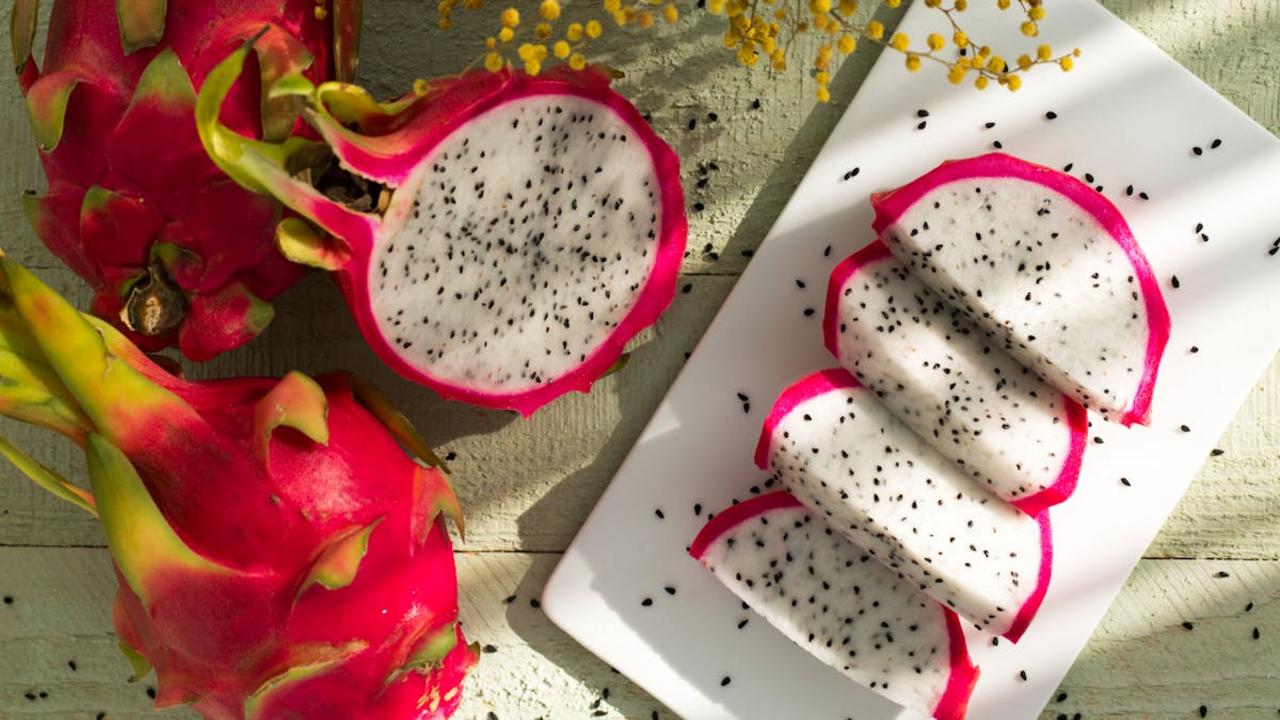
Dragon fruit might look like something from another planet with its vibrant pink skin and dramatic green scales, but don’t let its alien appearance intimidate you! This stunning tropical fruit offers a surprisingly mild and refreshing flavor that reminds me of a cross between kiwi and pear, with just a hint of sweetness. The white or pink flesh is dotted with tiny black seeds that add a delightful crunch, similar to what you’d find in a kiwi. I love how dragon fruit doesn’t overwhelm your palate – instead, it provides a clean, almost cooling sensation that makes it perfect for hot summer days.
What really excites me about dragon fruit is how incredibly easy it is to prepare and enjoy. Simply slice it in half and scoop out the flesh with a spoon, or peel away the skin and cube it for smoothie bowls, fruit salads, or healthy snacks. This gorgeous fruit packs impressive nutritional benefits too – it’s loaded with vitamin C, antioxidants, and fiber while staying naturally low in calories. The subtle flavor makes dragon fruit incredibly versatile in your kitchen; you can blend it into smoothies, add it to yogurt parfaits, or even use it as a colorful garnish for desserts. Trust me, once you try this exotic beauty, you’ll find yourself reaching for it again and again!