SIL Ordered Surf and Turf With Extra Lobster Tails on My Gift Card then Raged When I Asked Her to Pay
There are certain unwritten social norms that most of us pick up along the way. At the top of that list is the expectation that when someone generously offers to pay for your meal, you respond with appreciation and order modestly. You certainly don’t choose the priciest item on the menu just because someone else is picking up the tab. It’s basic courtesy and mutual respect.
Yet, one woman recently turned to the internet to recount an experience that shows not everybody adheres to these basic principles. Her account of a birthday celebration that went sideways is a jarring reminder that even among family members, an act of generosity can sometimes be treated like an open invitation to overindulge.
The Incident
The story starts on a perfectly pleasant note. A young woman — we’ll refer to her as Jane — was given a $200 gift card to a nice steakhouse by a professional contact. She figured it would be an ideal opportunity to celebrate her father-in-law’s approaching birthday. When her sister-in-law (SIL) caught wind of the gift card, she promptly proposed they put it toward the birthday dinner.
Jane happily went along with the idea, but she quickly discovered that her sister-in-law’s interpretation of “we” was significantly broader than she had anticipated. First, the SIL requested that her volatile on-again, off-again boyfriend be included — a person the family has complicated feelings about. Not wanting to stir up drama, Jane and her partner agreed.
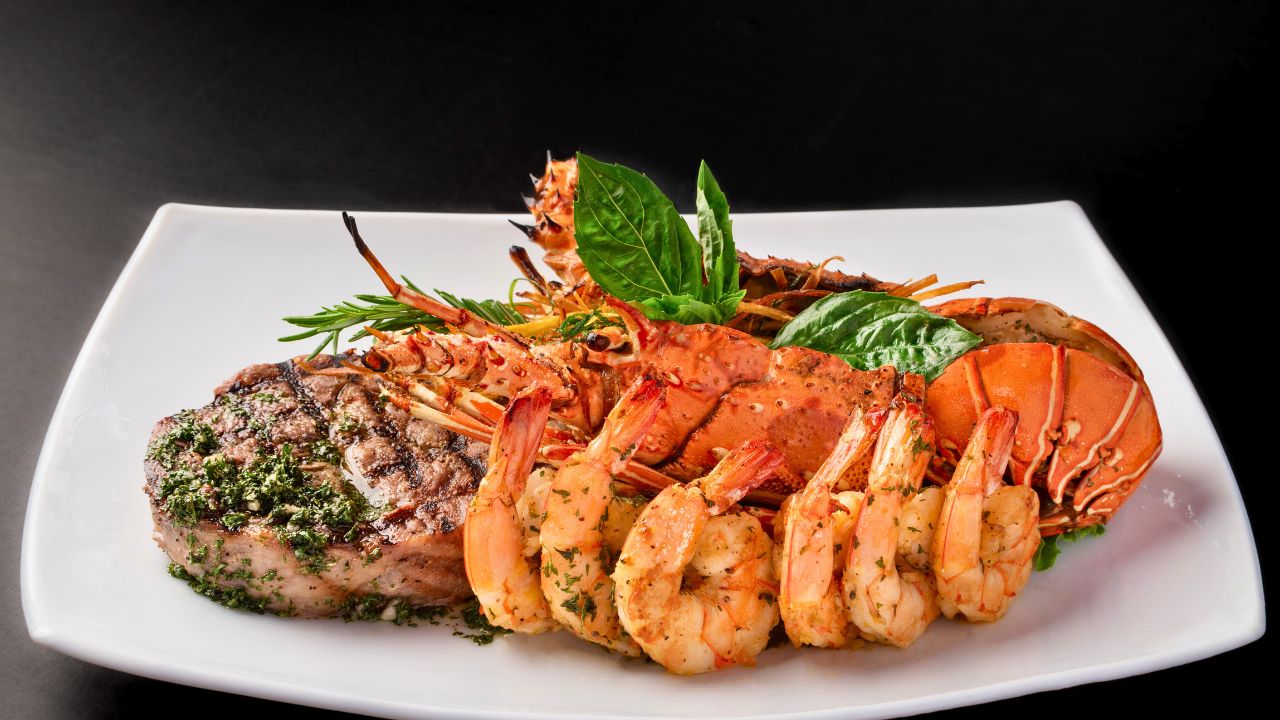
Once they were seated at the restaurant, everything started to unravel. The sister-in-law and her boyfriend went ahead and selected the priciest options available, including surf and turf topped off with additional lobster tails. Just the two of them racked up a tab exceeding $150. Meanwhile, Jane and the rest of the family had chosen their meals conservatively.
When the total bill came, it landed just under $300. With the $200 gift card applied, Jane was still stuck with a $100 charge on her credit card. She discreetly asked her sister-in-law to pay for what she and her boyfriend had ordered. She made it clear that the gift card had been a personal gift, not “‘free money’ for her and her BF to splurge.”
The sister-in-law flew into a rage, argued that the gift card should have covered the entire table, and marched out of the restaurant — leaving Jane to deal with both the bill and the uncomfortable atmosphere.
The Internet Reacts
Predictably, once Jane posted her story online, the internet was more than ready to weigh in. Responses quickly organized themselves into several clear groups, each picking apart this remarkable breakdown in dining etiquette.
First up was the “Absolutely Not” Crowd, who were utterly horrified on Jane’s behalf. They believed the sister-in-law’s actions were a brazen and unapologetic demonstration of entitlement. One commenter summed it up bluntly: “It was YOUR money and your gift. No one was entitled to it but you. Her even suggesting what you should do with your gift was very bold.” Someone else concurred, branding the couple “greedy sods” for exploiting the situation.
Next came the “Devil’s Advocate” camp. These commenters didn’t justify the sister-in-law’s poor behavior, but they did note that Jane might have avoided the whole debacle by communicating more explicitly upfront. One user observed that by consenting to use the card for the group dinner, Jane may have inadvertently “gave the sil the impression that you were agreeing to pay for the dinner.”
Their argument was that the sister-in-law, though classless in her approach, might have honestly perceived it as a “free” meal since it wasn’t coming directly from Jane’s wallet.

Lastly, there was the “Hindsight is 20/20” Crowd, who stepped in with pragmatic suggestions for next time. These readers zeroed in on what Jane could have handled differently. “The world just runs better when you start out by asking for separate checks,” one savvy commenter remarked, noting it puts “the leeches on notice right up front.”
Someone else recommended that Jane should have clarified at the outset that the gift card would only be covering her own meal, her partner’s, and the father-in-law’s.
The Etiquette Verdict
Although a failure to communicate clearly certainly played a role in this disaster, the sister-in-law’s conduct is where the real blame belongs. A gift card holds the same value as cash; it was a present meant for Jane, not a communal pot for the whole family. To not only bring along an uninvited guest but then proceed to order so extravagantly is a staggering violation of social decorum.
The fundamental principle when someone else is treating you is to act like a grateful guest. You take cues from the host, you choose your order thoughtfully, and you show genuine appreciation. You absolutely do not view another person’s kindness as a chance to splurge at their expense. That is simply not how considerate people behave.
What Do You Think?
On a positive note, the story does have a somewhat satisfying conclusion. After receiving a phone call from her father, the sister-in-law offered an apology and sent Jane $100. But the lingering question persists: was the sister-in-law entirely in the wrong, or should the host have established clearer boundaries right from the beginning?