MIL Bans Son’s Wife From Family Dinner for Being an ‘Embarrassment’ at Restaurants
Most of us learned a fundamental lesson in childhood: if you can’t say something kind, it’s better to stay quiet. This principle becomes even more critical when someone has invited you to share a meal. You express gratitude, you put on a gracious face, and you never criticize what’s been served. It’s one of the cornerstones of polite behavior that keeps our social fabric intact.
Yet, one woman recently posted a story online that makes it painfully clear not everybody internalized that lesson. After enduring years of her daughter-in-law’s dreadful dining etiquette, she finally snapped — sparking a family conflict that has captured widespread attention.
The Incident
Seeking guidance online, a mother-in-law explained that her dynamic with her son’s wife of two years has been like “water and oil.” The biggest point of contention? Her daughter-in-law’s conduct around food. She’s far more than just selective about what she eats; the mother-in-law describes her as a “pain at restaurants,” turning every shared meal into a stressful event for the whole family.
Based on her account, family outings involve switching restaurants several times before landing on one that meets the daughter-in-law’s approval. Once seated, she reportedly forces servers to “go through hoops” in order to modify her dishes, and if even the smallest detail is wrong, she’ll either voice her displeasure loudly or “pout in the corner.”
In one particularly jaw-dropping example, the mother-in-law recounted a time the daughter-in-law returned a quesadilla to the kitchen. The reason? A small container of sour cream had been placed alongside the plate. The mother-in-law was incredulous, noting that it “wasn’t touching anything and she made a huge deal about her food being wrong.”
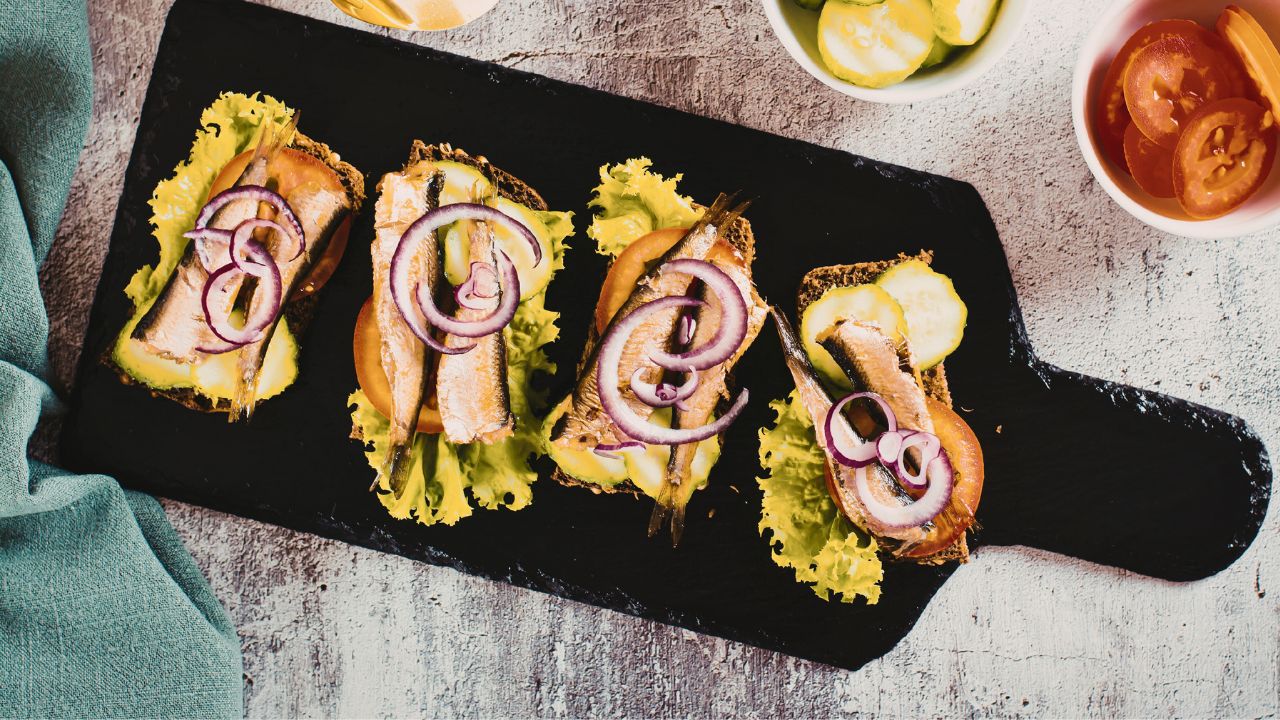
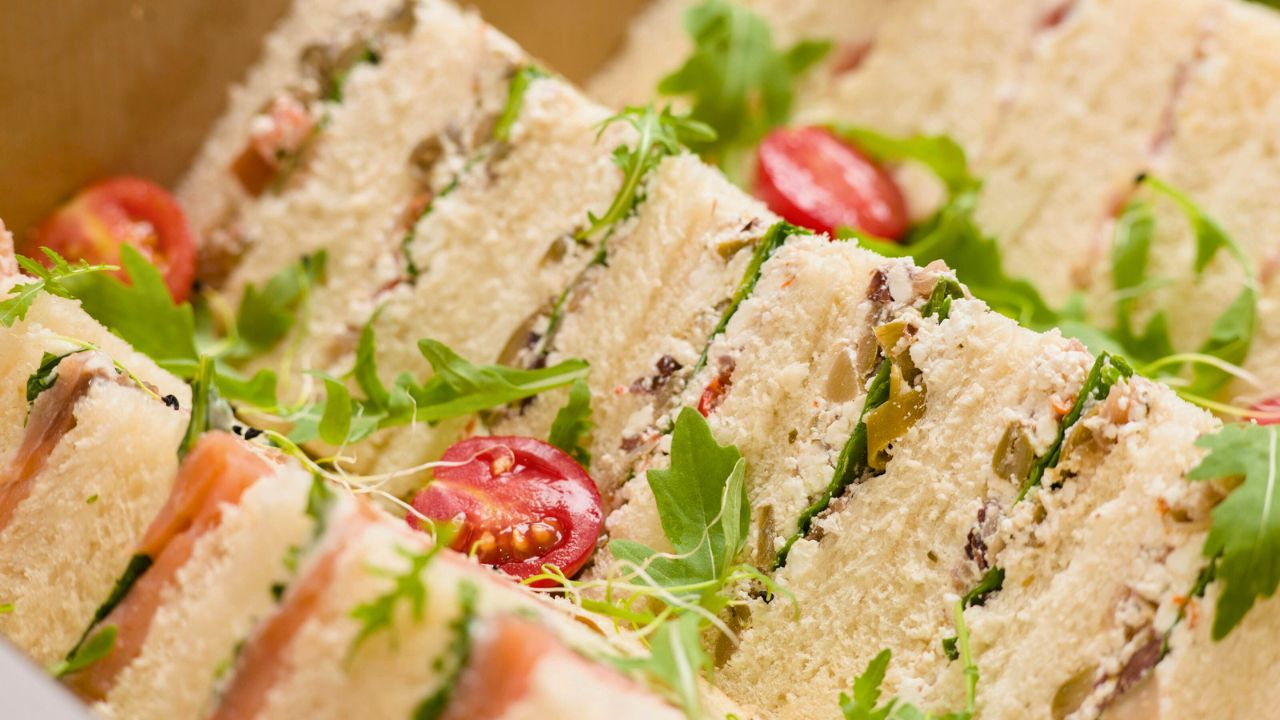
But the breaking point — the episode that truly solidified the mother-in-law’s frustrations — was an astounding show of disrespect at a funeral. As mourners came together to pay their respects, the daughter-in-law loudly criticized the modest sandwich platter set out for attendees, declaring repeatedly that it was “gross multiple times.”
Having had enough, the mother-in-law organized a dinner at her home and deliberately left her son’s wife off the guest list. When the daughter-in-law discovered this and phoned to ask for an explanation, she received the unvarnished truth: “It’s due to her being an embarrassment at dinners.” Now, her son is angry, and the mother-in-law is questioning whether she crossed a line.
The Internet Reacts
People online wasted no time sharing their opinions, and the overwhelming majority stood squarely behind the exasperated mother-in-law. The responses generally fell into a few notable categories.
The first was the “Absolutely Not” contingent, who were horrified on the mother-in-law’s behalf. For these commenters, the real problem wasn’t fussy eating — it was the brazen rudeness. The funeral episode, above all, was considered inexcusable. One of the highest-rated comments summed it up succinctly: “She OPENLY complained about the sandwich spread at a funeral? That’s all you have to point out to her, and to your son.”
A second commenter echoed this view, writing, “This isn’t about her being picky. This is about her behavior – she is disrespectful, childish, impossible to please, and makes everyone else suffer because of it.” Numerous self-described picky eaters also spoke up, insisting they would never act this way, with one noting, “I understand I’m the difficult one in the situation and try to minimize the trouble.”
Next came the “Devil’s Advocate” camp. Though nobody genuinely defended the daughter-in-law’s conduct, a handful of commenters questioned whether the full picture was being presented. The mother-in-law herself acknowledged that some people might attribute the behavior to an eating disorder or being on the spectrum, though she was quick to counter that such individuals still understand how to conduct themselves appropriately.
This prompted a few voices to suggest that although the behavior was unacceptable, the son’s plea for “more grace” could hint at a deeper struggle he’s quietly trying to navigate with his wife, even if his approach leaves much to be desired.
Lastly, the “Practical Advice” contingent shared their thoughts on what they would have done differently. These respondents believed the mother-in-law was right to stop issuing invitations that were clearly unappreciated. One commenter proposed a perfectly diplomatic, if subtly barbed, explanation she could deploy going forward: “I’d simply tell her that she clearly doesn’t actually enjoy eating out, so you are saving her from the hassle.”
Someone else recommended that natural consequences are the only effective teacher, writing, “Leave her out of more things and I bet she cools her jets. Stop tip toeing about this chic.”
The Etiquette Verdict
Let’s set the record straight: this situation has almost nothing to do with being a finicky eater and absolutely everything to do with an alarming absence of courtesy. Plenty of adults live with food preferences, sensitivities, or specific dietary requirements. The gracious way to navigate these is to review a menu ahead of time, have a small bite before arriving, or politely and quietly communicate with your server. You do not create a spectacle. You do not turn your personal tastes into a burden for everyone around you.
And under no circumstances whatsoever do you disparage food that has been provided at a funeral. It is an extraordinarily self-absorbed and disrespectful thing to do. The mother-in-law was entirely justified in safeguarding her own peace and the comfort of her other guests by not including someone who consistently ruins communal dining experiences. Though her candor may have been sharp, it came after years of intolerable behavior. Sometimes, honesty is the most compassionate — if most difficult — route to take.
What Do You Think?
Did the mother-in-law have every right to leave her daughter-in-law out and explain her reasoning directly? Or would a softer, more diplomatic strategy have been the wiser choice to maintain family harmony?