10 Delicious Food Picks That Uncover the Secrets of Your Personality
Your food choices say more about you than you’d think! From the way you order at restaurants to how you arrange food on your plate, these small decisions paint a picture of your personality. I’ve noticed through years of cooking and teaching that our eating habits often mirror who we are.
Think about your closest friend’s approach to food – do they mix everything on their plate or keep items separate? Do they take time savoring each bite or finish meals quickly? These patterns reveal fascinating insights about their character, and the same goes for you.
After studying countless meals with people from different backgrounds, I’ve identified 10 key food preferences that shine a light on personality traits. Ready to find out what your food choices say about you? Let’s dive into these telling patterns that make each of us unique in the kitchen and beyond.
Food Mixing Tendencies
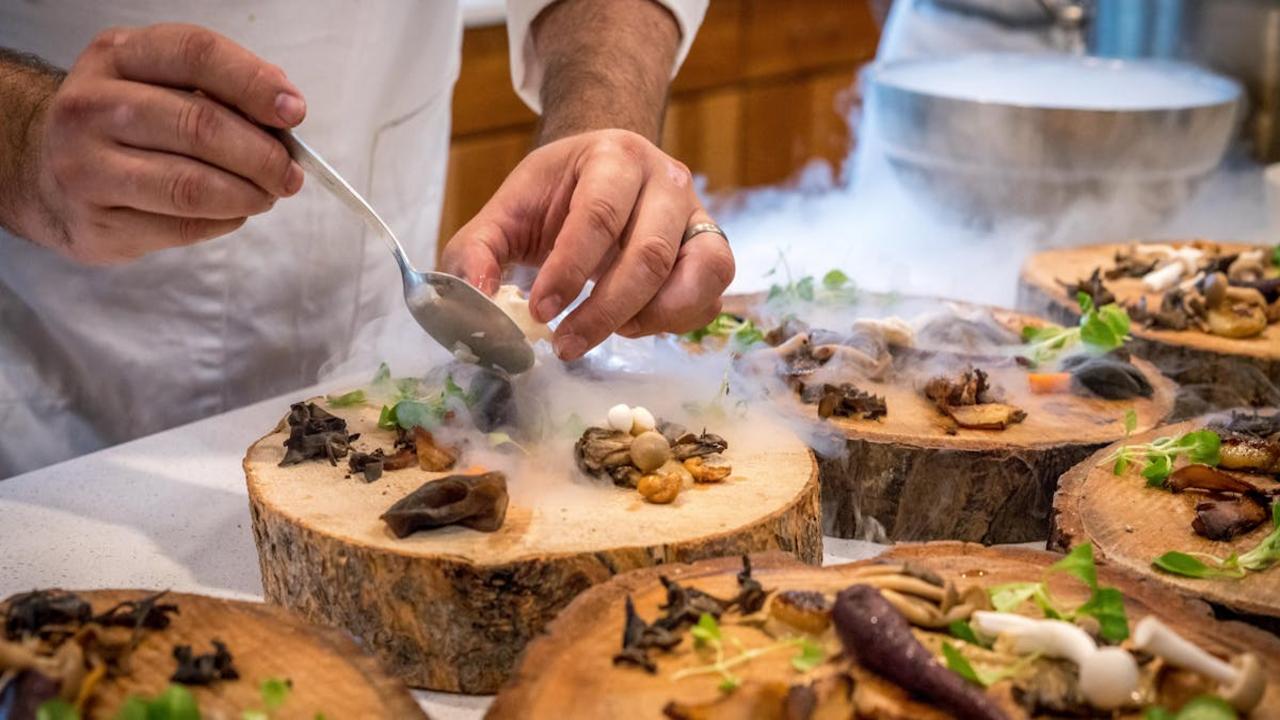
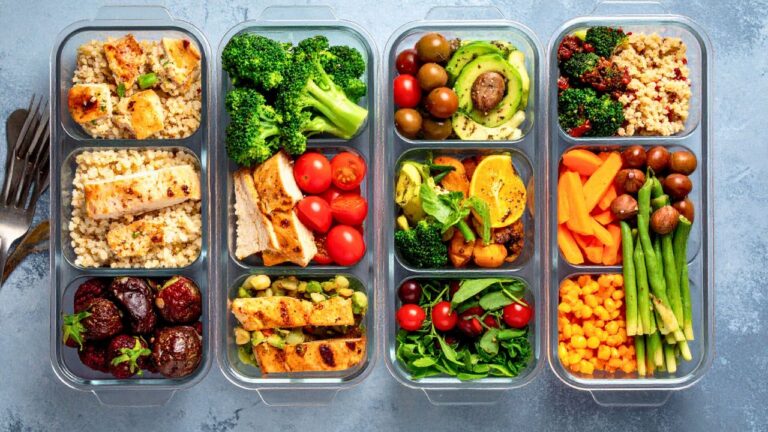
Your approach to mixing different foods on your plate reveals deeper layers of your personality than you might think! If you like keeping your rice, curry, and sides neatly separated, you likely bring that same organized, methodical thinking to other parts of your life. On the flip side, if you mix everything together into one delicious medley, you’re probably more spontaneous and open to going with the flow. I’ve noticed this pattern countless times during my community cooking classes – the “mixers” tend to be more experimental with recipes while the “separators” follow instructions precisely.
I love watching how different cultures handle food mixing too – in many South Asian homes, it’s totally normal to mix rice, dahl, and vegetables with your hands, creating the perfect balance of flavors in each bite. Meanwhile, Japanese cuisine often emphasizes the distinct presentation of each component. Neither way is better – it’s fascinating how these preferences mirror our personalities! Next time you’re eating, notice your natural mixing tendencies. Do you carefully keep your mashed potatoes away from your gravy, or do you swirl everything together? Your answer might give you fresh insight into how you handle other situations in life.
Texture Sensitivity
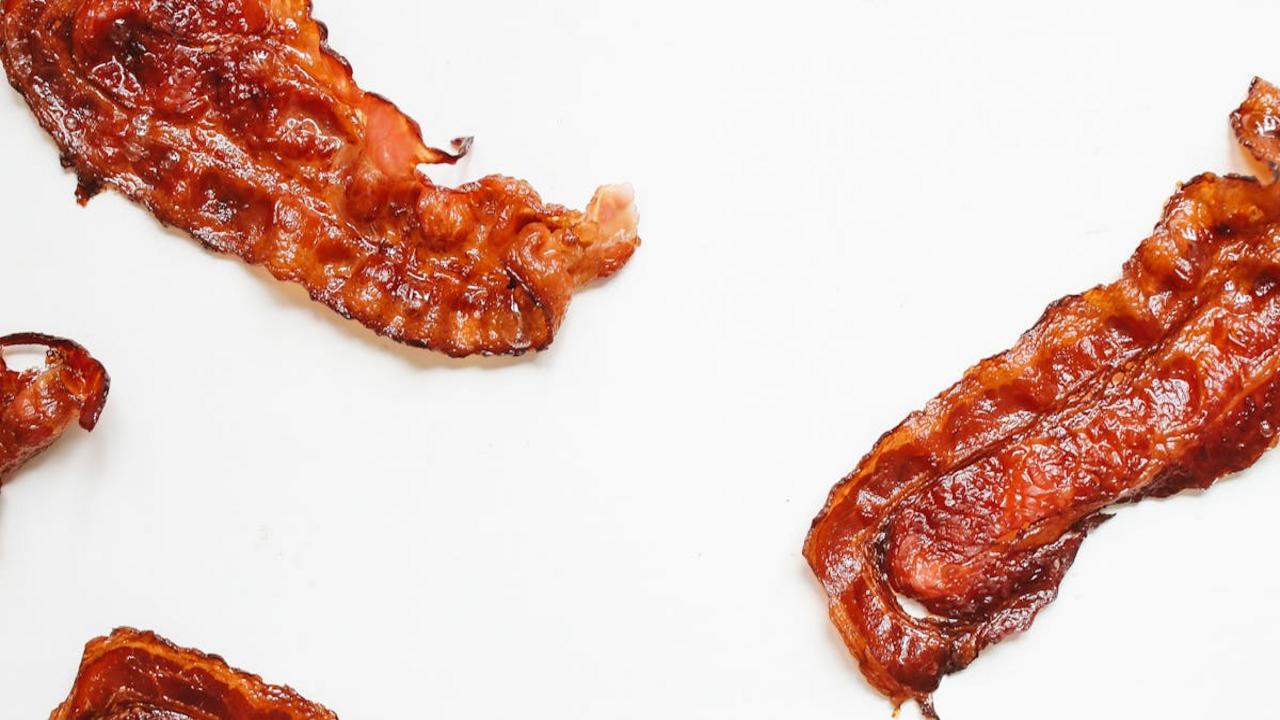
Your food texture preferences say a lot about your personality traits and adaptability. If you gravitate toward smooth, creamy foods like yogurt, mashed potatoes, or silky soups, you likely value comfort, predictability, and careful planning in your daily life. Meanwhile, if you enjoy varied textures like crunchy nuts, crispy chips, or foods with multiple layers, you tend to be more adventurous and open to new experiences. The way you react to different food textures mirrors how you handle changes and surprises in life.
I’ve noticed through my cooking classes that texture-sensitive eaters often display heightened attention to detail and strong organizational skills. They carefully consider each ingredient’s role in a dish and notice subtle variations others might miss. On the flip side, those who eagerly mix textures – like adding crackers to soup or nuts to ice cream – typically show more flexibility in their thinking and problem-solving approaches. They’re natural innovators in the kitchen, creating unique combinations that push boundaries while maintaining balance. Your texture preferences offer a window into your decision-making style and how you process new information.
Food Temperature Preferences
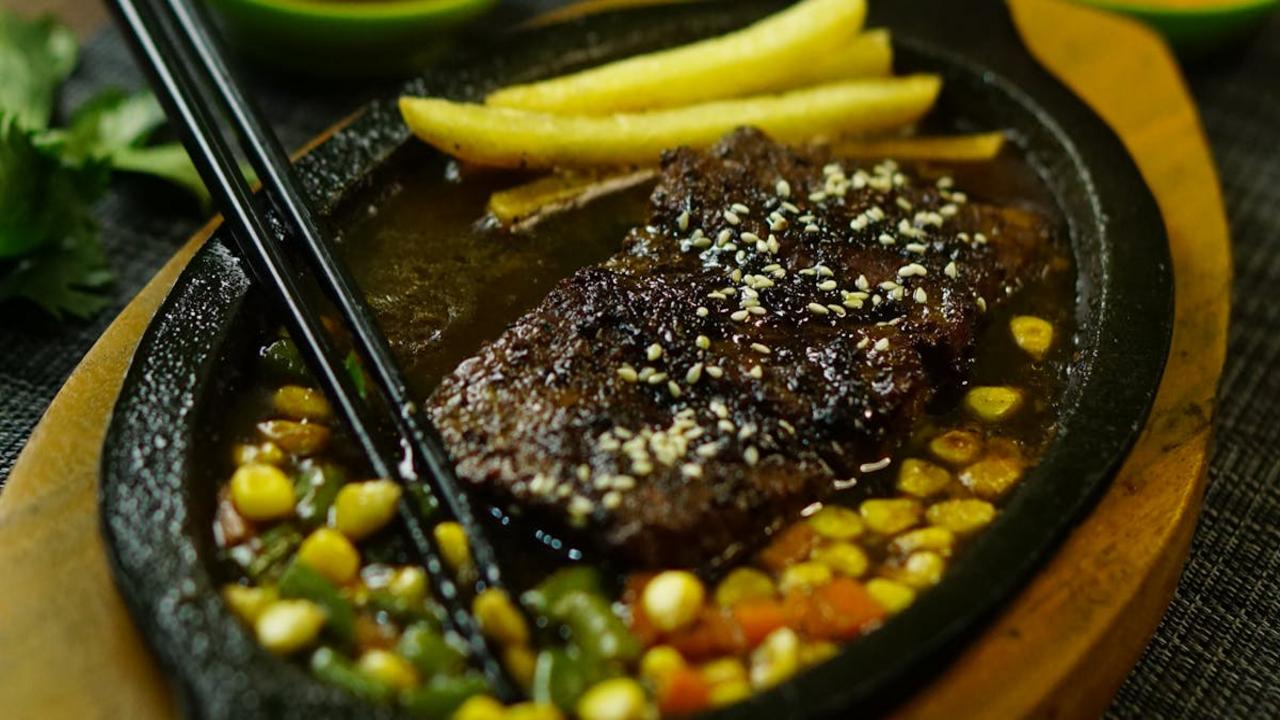
Your food temperature choices speak volumes about your personality and eating habits! If you consistently reach for piping hot dishes straight from the stove, you likely thrive on immediate gratification and take an enthusiastic approach to life. Those who prefer room temperature foods tend to be methodical planners who appreciate subtle flavors and textures. Meanwhile, cold food lovers often exhibit patience and self-control, taking time to savor each bite and maintain a balanced perspective in their daily lives.
I’ve noticed through my years of cooking that temperature preferences also connect deeply to cultural backgrounds and childhood memories. Hot food devotees frequently come from traditions where meals bring people together, creating warmth both literally and emotionally. Room temperature fans often grew up in households that valued long, leisurely meals with multiple courses. Cold food enthusiasts typically have fond memories of refreshing treats on warm days or quick, practical meals that fit busy schedules. These temperature choices become an extension of who you are and how you experience food’s comfort and joy.
Food Origin Consciousness
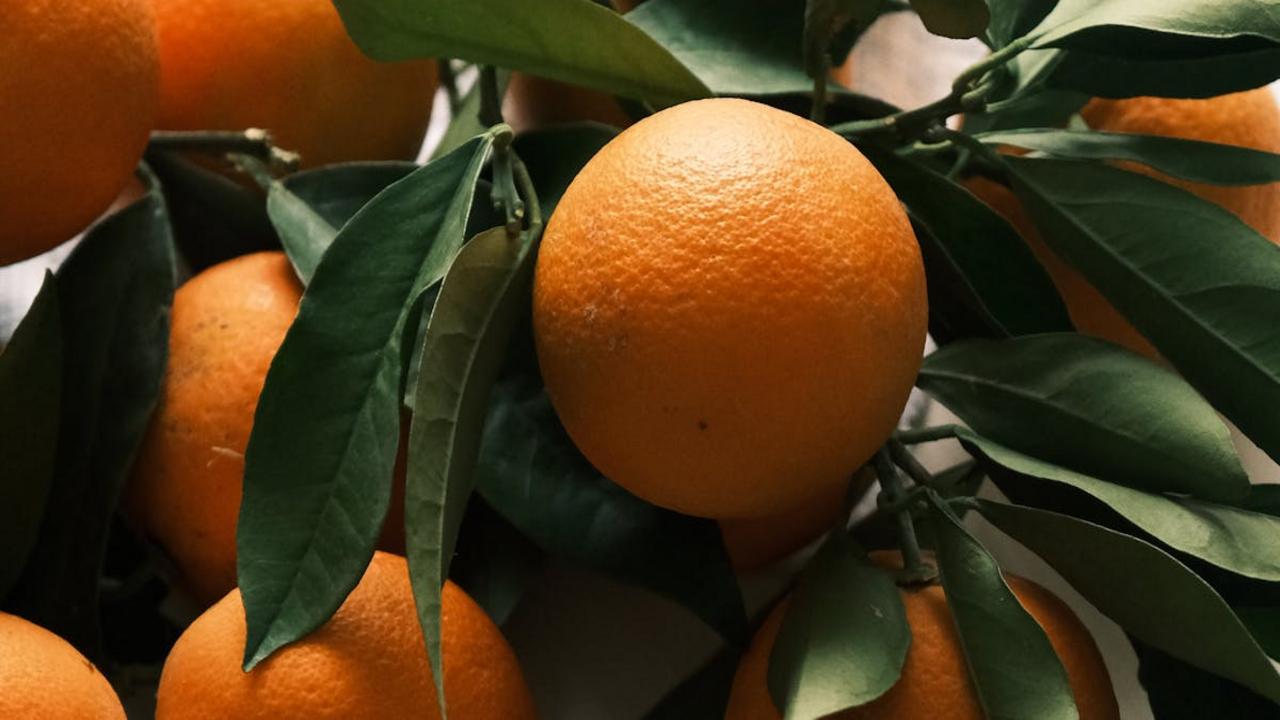
Your food choices tell a fascinating story about how much you care about where your ingredients come from. If you prioritize locally-sourced produce, sustainably-caught seafood, and ethically-raised meats, you likely value transparency and connection to your food’s roots. This mindset often extends beyond the kitchen – you tend to be thoughtful, socially conscious, and committed to making decisions that benefit both people and the planet. You’ll regularly chat with farmers at markets and research brands before buying.
The way you seek out specific origins for ingredients mirrors your broader approach to life. You prefer genuine connections and authentic experiences over superficial interactions. Your friends know you as someone who asks meaningful questions and digs deeper to understand different perspectives. In the kitchen, this translates to learning traditional cooking methods, understanding regional variations of dishes, and respecting the cultural significance behind different foods. Your cooking style celebrates both heritage and innovation while maintaining strong principles about sourcing.
Food Sharing Habits
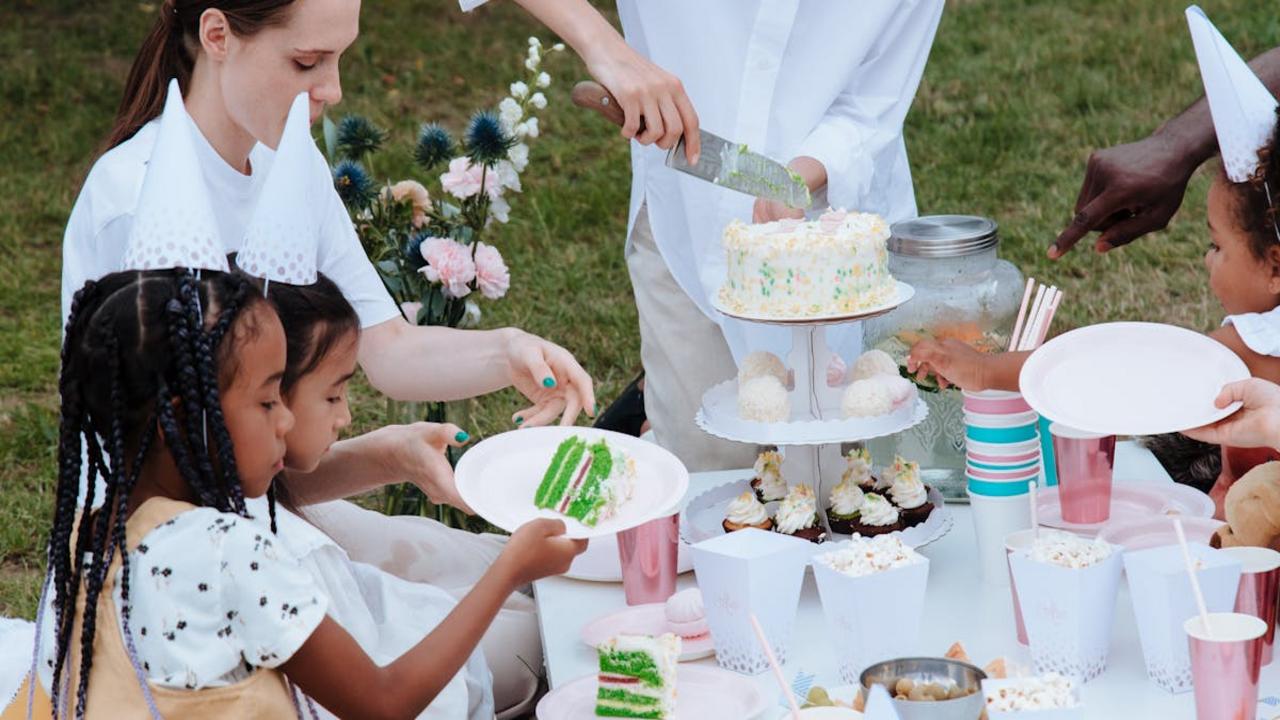
Your approach to sharing food at the dinner table speaks volumes about your inner nature. If you quickly divide portions equally among everyone, you likely value fairness and harmony in relationships. Those who instinctively give the best pieces to others show deep generosity and nurturing tendencies. Meanwhile, if you prefer keeping your plate to yourself, you might prioritize independence and personal boundaries – which isn’t negative, just different!
I’ve noticed through countless family gatherings how sharing styles shape group dynamics. People who mix their dishes with others’ plates often seek deep connections and trust. The ones who create individual portions show organizational skills and respect for personal space. Your natural sharing instincts at mealtimes mirror how you handle resources and relationships in daily life. Next time you’re at a group dinner, watch how everyone shares – you’ll see these personality patterns emerge right before your eyes!
Eating Speed

You’ll learn so much about yourself by noticing how fast or slow you eat your food! From my years cooking for diverse groups, I’ve noticed the quick eaters tend to be more decisive and action-oriented in their daily lives. They often multitask effectively and make snap decisions without hesitation. Meanwhile, those who take their time savoring each bite usually show more analytical traits – they carefully consider options and pay attention to small details that others might miss.
I find it fascinating how eating habits mirror our deeper personality traits. The methodical eaters in my cooking classes frequently ask thoughtful questions about ingredient combinations and cooking techniques. They’re the ones who notice subtle flavor notes and textures. Fast eaters bring different strengths – they’re usually great at experimenting boldly with recipes and thinking on their feet when something needs adjusting. Neither style is better – they each bring valuable perspectives to both cooking and life. Try observing your natural eating rhythm next time you sit down for a meal – you might discover some surprising insights about yourself!
Food Presentation Importance
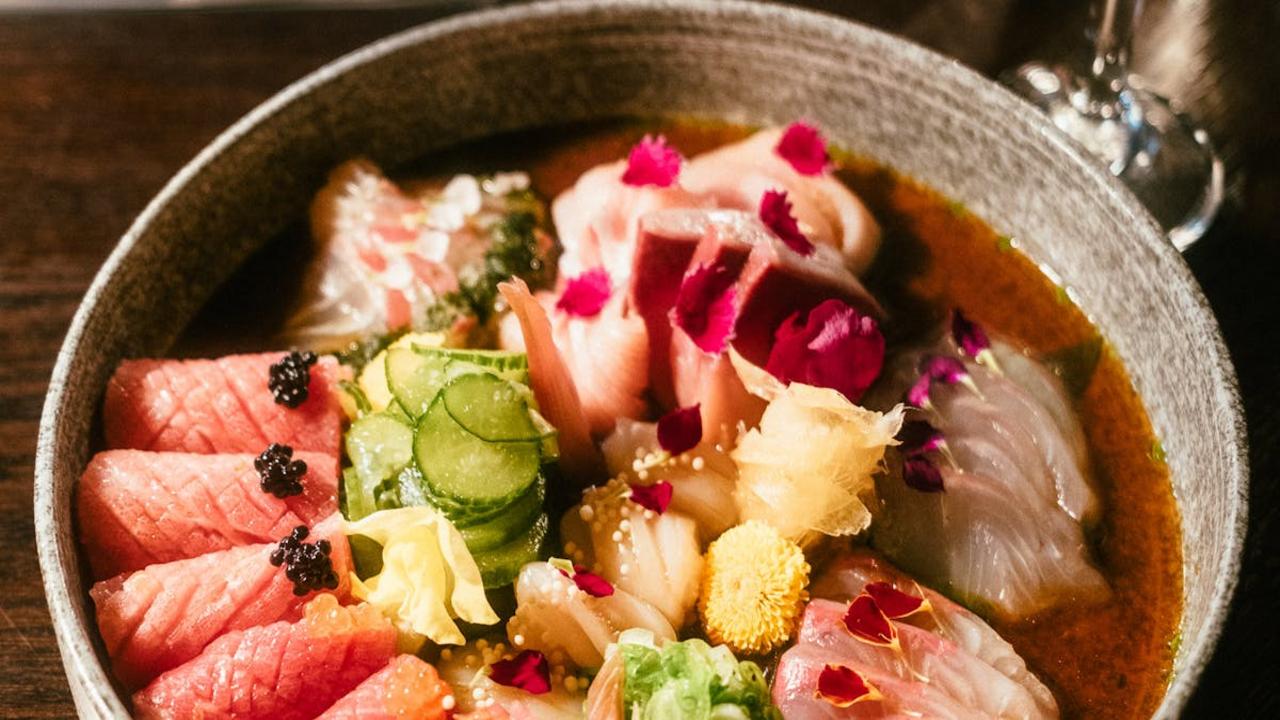
Your style of plating food reveals deep insights into your personality! If you meticulously arrange each component with careful attention to color, height, and negative space, you likely bring that same precise, detail-oriented approach to other areas of your life. The way you position sauces, garnishes, and main ingredients shows whether you value structure and order or prefer a more relaxed, organic flow. I notice how people who take time to create beautiful presentations often display high creativity and artistic expression in their daily activities.
Think about your own plating habits – do you serve family-style dishes in rustic ceramic bowls, or do you prefer individual portions with intentional garnishes? Those who gravitate toward casual, communal presentations value connection and sharing above formality. Meanwhile, if you carefully construct each plate like a restaurant chef, you may appreciate refined aesthetics and making strong visual impressions. Your food presentation choices offer a window into your natural inclinations around order, beauty, and how you connect with others through meals.
Sweet vs Savory Preferences
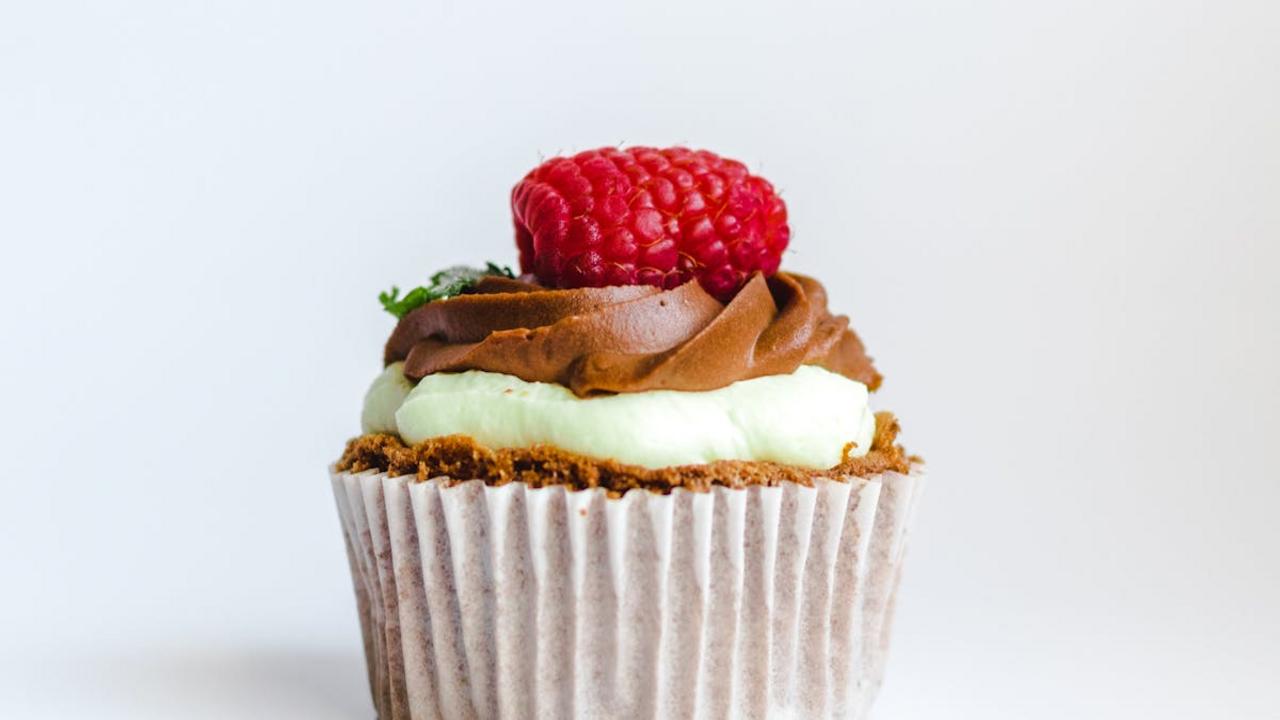
Your cravings for sweet or savory foods run deeper than just what satisfies your hunger – they reveal fascinating clues about your personality traits. I’ve noticed in my years of recipe development that those who gravitate toward sweet flavors often bring an optimistic, nurturing energy to life. If you catch yourself reaching for chocolate, pastries, or fruit-based snacks, you likely approach challenges with creativity and emotional warmth. The sweetness you seek mirrors your natural inclination to look for the bright side and comfort others.
On the flip side, if you consistently choose savory options like aged cheeses, roasted nuts, or umami-rich mushrooms, you probably tackle life with pragmatism and analytical thinking. Through countless cooking workshops, I’ve observed how savory food lovers tend to make decisions based on logic rather than impulse. You value substance over flash and prefer direct communication. Your food choices showcase your grounded nature – just like how a perfectly seasoned dish needs no extra frills to make its impact. Neither preference is better – they simply highlight different yet equally valuable personality traits.
Spicy Food Tolerance
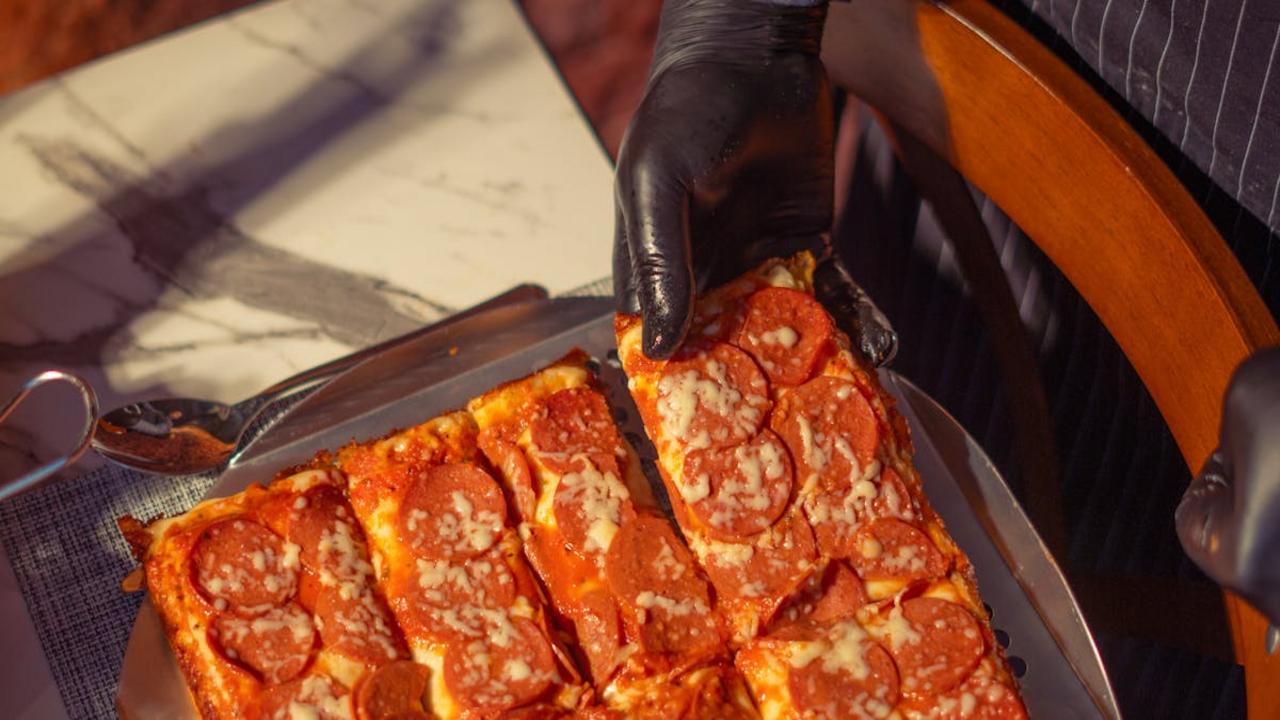
Your relationship with spicy food reveals fascinating clues about your personality and risk-taking tendencies. If you reach for that extra dash of hot sauce or seek out ghost pepper challenges, you likely approach life with bold confidence and eagerness for new experiences. Research shows spice lovers often score higher in sensation-seeking traits and display more adventurous attitudes across many life areas. On the flip side, if mild is more your speed, you might prefer careful planning and predictability – qualities that make you a reliable friend and meticulous worker.
I’ve noticed through years of cooking that spice tolerance builds gradually through consistent exposure, much like developing other personality traits. Those who push their heat limits often show persistence and determination in other aspects of life too. While hosting cooking classes, I’ve watched timid spice newcomers transform into heat enthusiasts over time, growing more confident and experimental in their overall cooking style. Your preferred spice level mirrors your comfort with intensity and willingness to push personal boundaries – whether that’s mild, medium, or “bring on the habaneros!”
Food Adventure Level

Your willingness to try new and unfamiliar foods speaks volumes about your openness to fresh experiences. If you eagerly sample dishes from different cultures or seek out unique flavor combinations, you likely approach life with curiosity and enthusiasm. Those who stick to familiar comfort foods tend to value stability and tradition, finding joy in the predictable rhythms of daily life. Your food adventure level mirrors how you handle change – whether you welcome it or prefer the comfort of routine.
The way you react to unusual ingredients or cooking methods also reveals your adaptability. Maybe you get excited about fermenting your own kimchi or making homemade sourdough from scratch. Or perhaps you prefer perfecting classic recipes passed down through generations. Neither approach is better – they simply highlight different personality traits. Risk-takers in the kitchen often bring that same boldness to other areas of life, while those who master traditional techniques show dedication and attention to detail that carries through to their work and relationships.