13 Foods Set to Go Luxury by 2025 as Inflation Sends Prices Skyrocketing
Your favorite everyday ingredients might soon become rare luxuries. From morning coffee to dinnertime salmon, inflation and climate change are pushing certain foods into premium territory. The next few years will bring dramatic price increases for 13 specific ingredients that many of us take for granted today.
I’ve tracked food market trends for over a decade, and the data points to a clear shift: these items are becoming harder to produce and more expensive to buy. Environmental pressures, rising production costs, and growing global demand create the perfect storm that will transform these ingredients into high-end commodities.
This list will help you prepare for what’s ahead and maybe inspire you to appreciate these foods while they’re still within reach. Understanding which items face the biggest price jumps can help you adapt your shopping and cooking habits before these changes hit your wallet.
Olive Oil
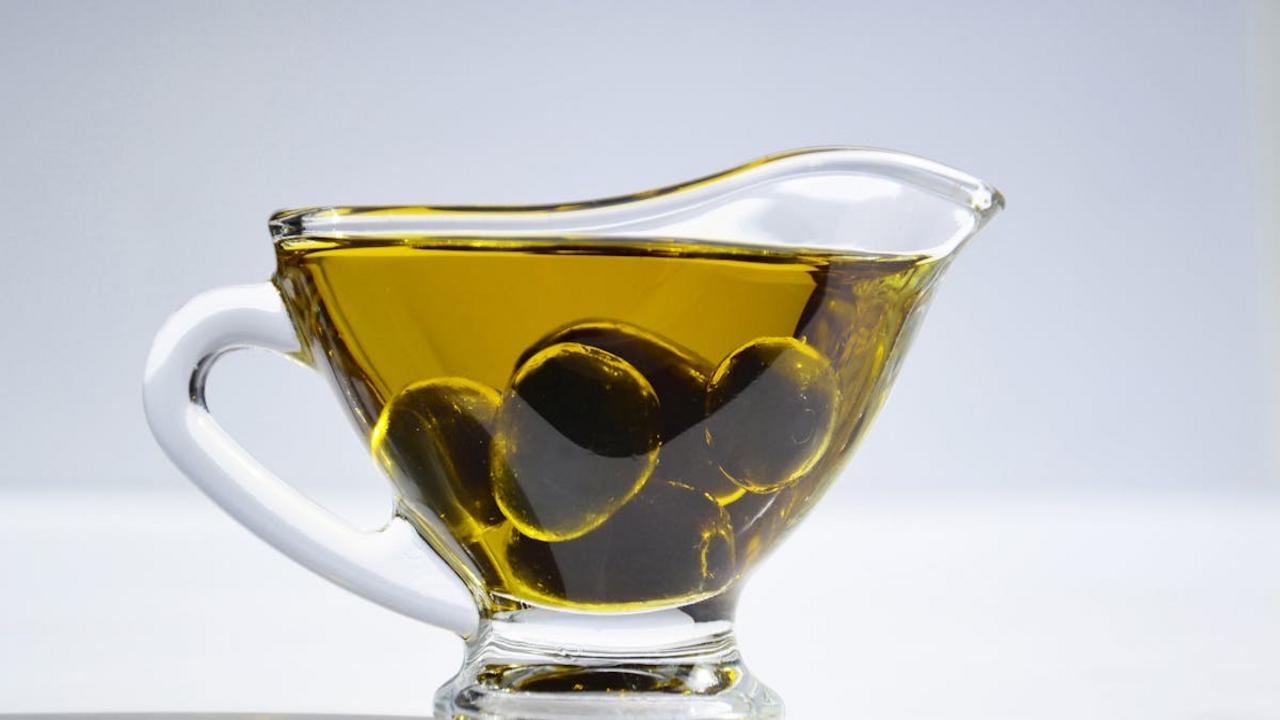
I’ve noticed a concerning trend at my local grocery store – olive oil prices keep climbing higher every month. Climate change has hit olive-growing regions hard, with droughts and extreme weather damaging crops across Spain, Italy, and Greece. Add in rising production costs and transportation expenses, and we’re looking at olive oil becoming a true luxury item by 2025. The days of liberally drizzling this liquid gold over every dish may soon be behind us.
My advice? Start thinking of olive oil like a fine wine – save your best bottles for special occasions and raw applications where you’ll really taste the difference. I’ve already started using more affordable oils like canola or grapeseed for everyday cooking, reserving my olive oil for finishing dishes and special recipes. You might want to stock up now before prices rise even further, but make sure to store it properly in a cool, dark place to maintain its quality. And if you spot a good sale on your favorite brand, don’t hesitate to grab an extra bottle or two!
Manuka Honey
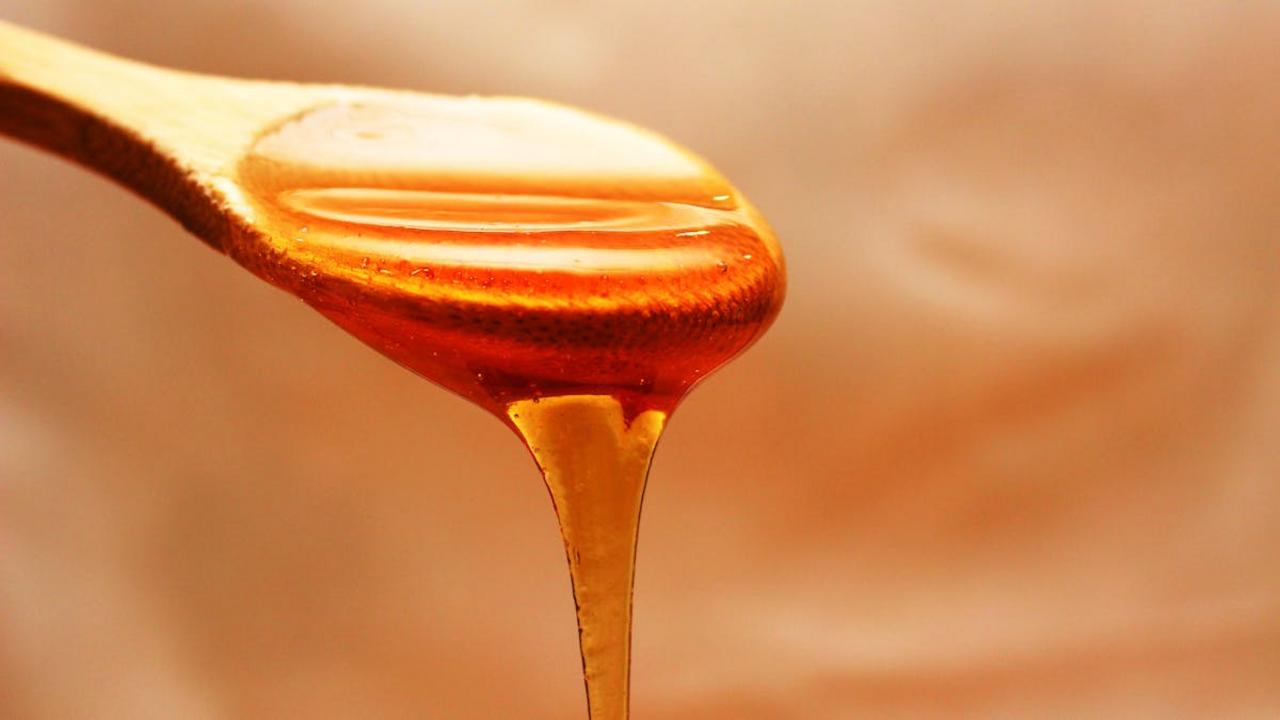
I’ve noticed Manuka honey prices climbing steadily at my local health food store, and I expect this trend to continue through 2025. This special honey from New Zealand contains unique antibacterial properties thanks to its high methylglyoxal content, making it a sought-after natural remedy. The limited production, combined with growing global demand and the impact of climate change on bee populations, will likely push prices even higher, turning this healing honey into a luxury item.
My readers often ask me about Manuka honey alternatives, but the truth is, there’s no real substitute for its unique properties. The grading system, known as UMF (Unique Manuka Factor), adds another layer of cost – the higher the UMF rating, the more expensive the honey becomes. I’ve seen premium Manuka honey with UMF 20+ already selling for over $200 per jar in some markets. With increased production costs and rising demand from the wellness and medical communities, this golden nectar will become even more precious.
White Truffles
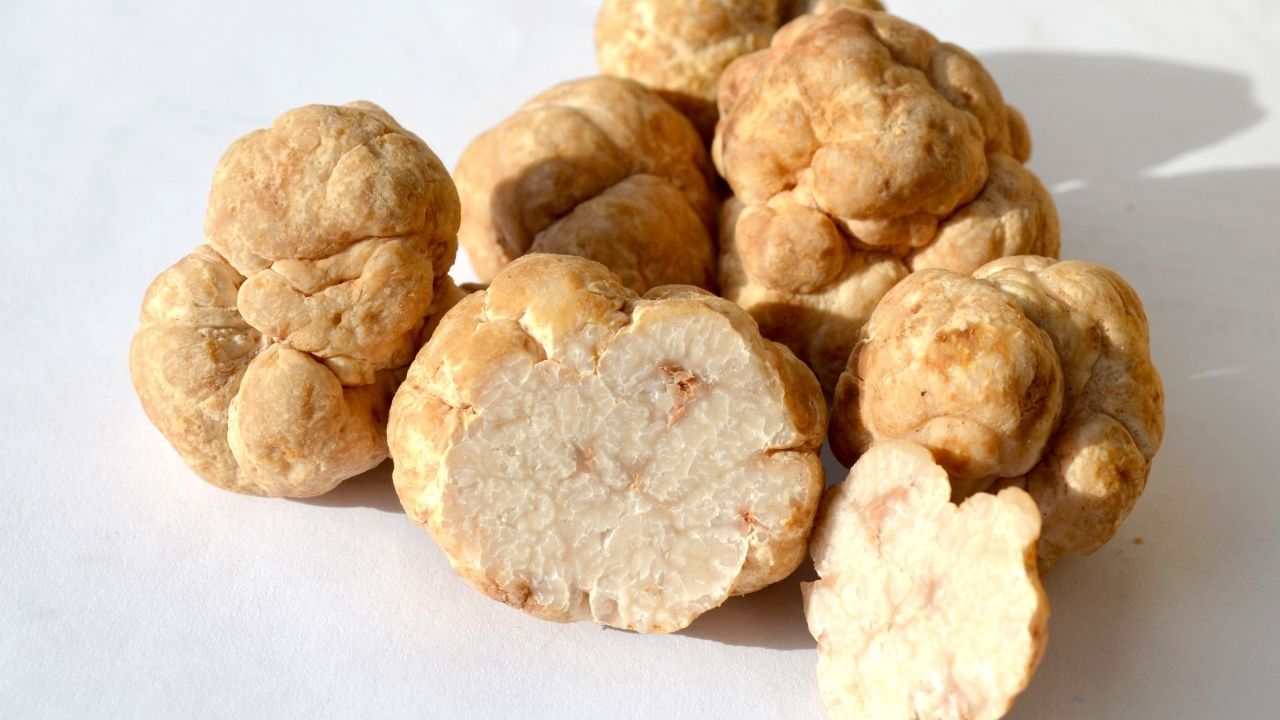
If you think white truffles are expensive now, you’ll need to brace yourself for what’s coming in 2025. Climate change has dramatically impacted the growing regions in Italy and France, making these prized fungi even more rare. Rising temperatures and unpredictable rainfall have reduced the natural habitats where white truffles grow, causing a significant drop in annual yields. Add in the increasing global demand from luxury restaurants and high-end food enthusiasts, and you’ve got a recipe for astronomical prices.
I’ve watched white truffle prices climb steadily over the past decade, but the projected increases are staggering. Currently selling for around $3,000 per pound, experts predict these fragrant delicacies could reach $5,000 per pound by 2025. Many small restaurants have already removed white truffle dishes from their menus, and some food specialists believe these precious fungi will become exclusive to only the most expensive restaurants and private collectors. If you want to experience their unique flavor, I recommend trying them soon before they become completely out of reach for most food lovers.
Almonds
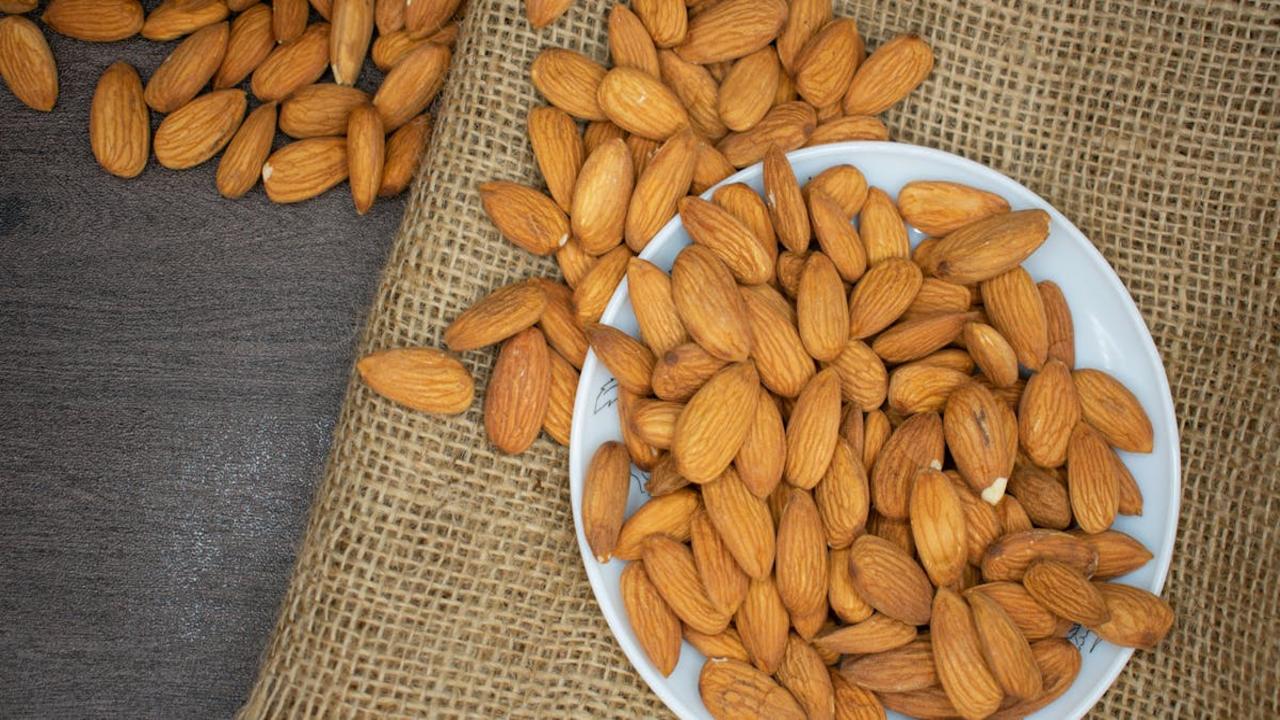
I’ve noticed a concerning trend at my local grocery store – almonds have steadily climbed in price over the past year. Climate change has hit California’s almond farms hard, with droughts and extreme weather reducing crop yields significantly. These factors, combined with increasing global demand for plant-based proteins and healthy fats, will likely push almonds into luxury territory by 2025. What used to cost $7 per pound could reach $15-20, making this nutritious nut a premium purchase.
The rising costs affect more than just snacking – almond milk, almond flour, and almond butter will become more expensive too. I recommend stocking up now if you frequently use almonds in your cooking or baking. You can extend their shelf life by storing them in an airtight container in the refrigerator for up to 2 years. If you want to save money long-term, consider buying in bulk from wholesale clubs or direct from farmers during harvest season. The upfront cost may be higher, but you’ll lock in current prices before the expected increases hit.
Bluefin Tuna
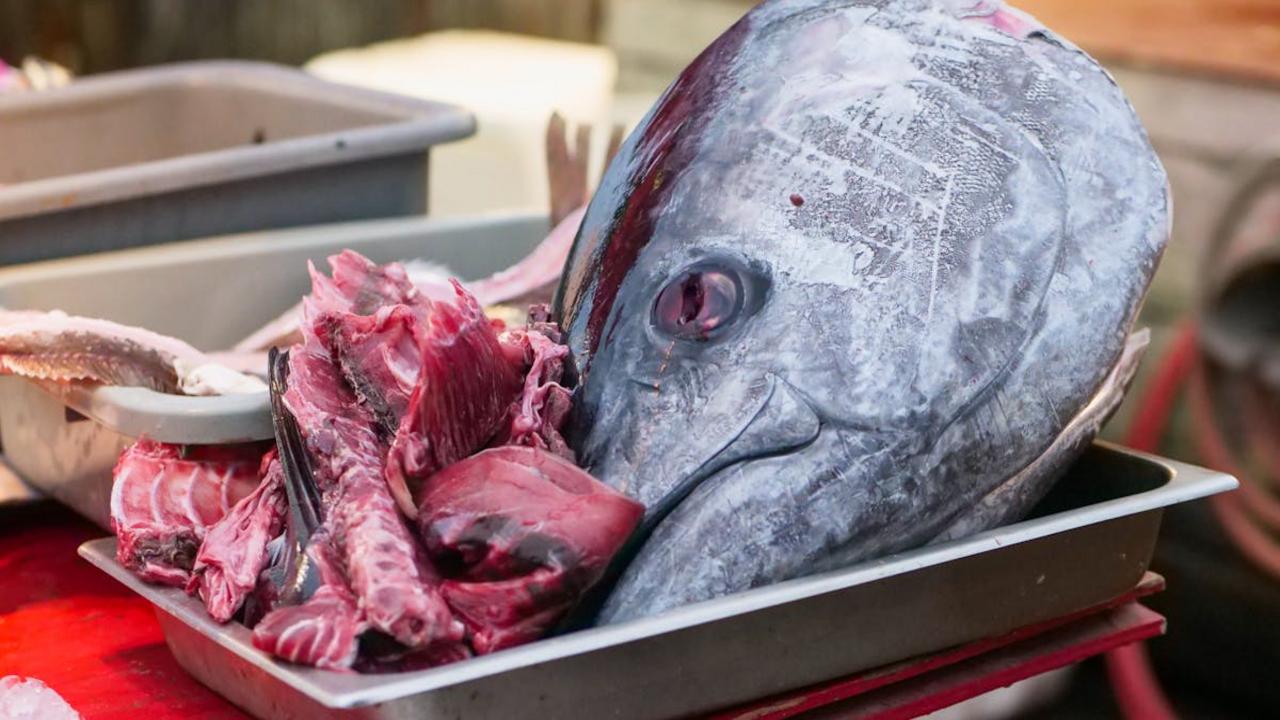
I’ve noticed a sharp rise in Bluefin tuna prices at my local fish markets, and experts predict this premium fish will become even more expensive by 2025. The growing demand from sushi restaurants worldwide, combined with strict fishing quotas and declining populations, has turned this magnificent fish into a luxury item. In Japan’s famous Tsukiji market, a single Bluefin tuna can sell for hundreds of thousands of dollars, making it one of the most valuable seafood items globally.
If you want to savor Bluefin tuna while it’s still somewhat attainable, I recommend visiting reputable sushi restaurants now or purchasing smaller cuts from specialty fish markets. The rich, buttery texture and clean ocean flavor make it a standout choice for sashimi and sushi. The fatty belly meat, known as toro, commands the highest prices and will likely become a rare delicacy reserved for special occasions. With conservation efforts limiting catches and increasing demand from high-end restaurants, Bluefin tuna will soon join the ranks of caviar and truffles in the luxury food category.
Coffee Arabica
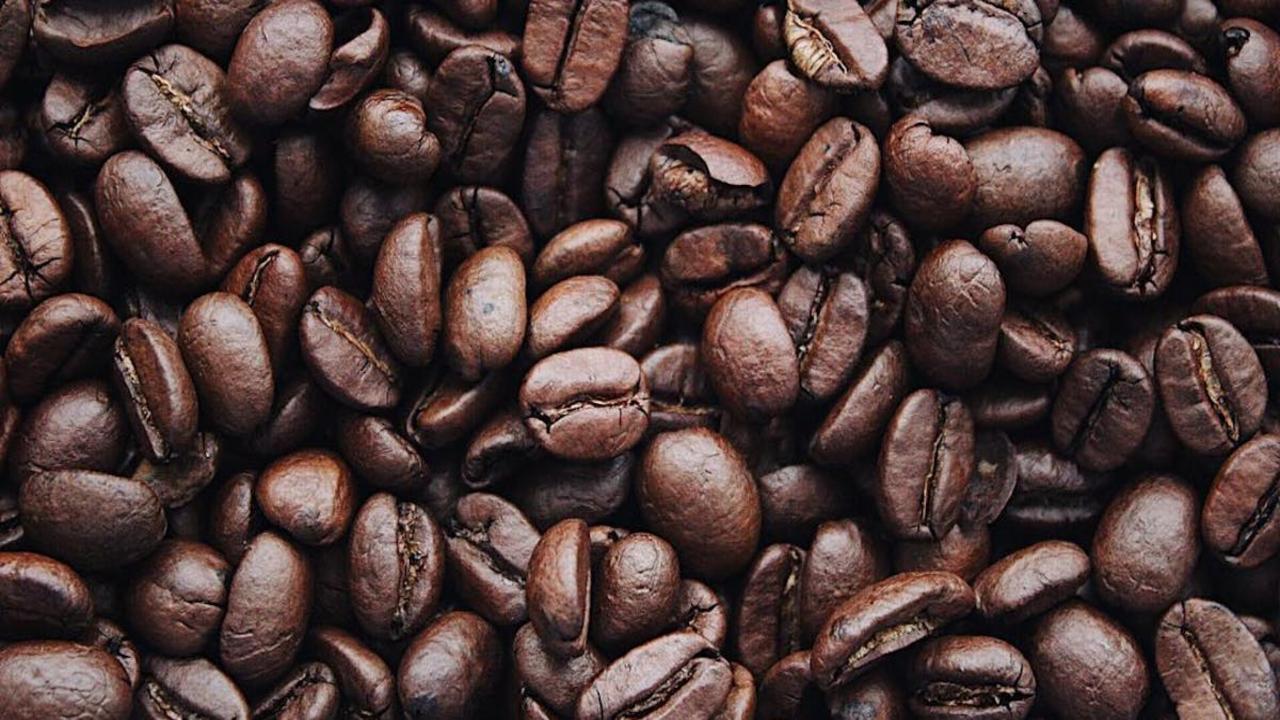
Your morning cup of Coffee Arabica will cost you much more in the next few years. Climate change has hit coffee-growing regions hard, with extreme weather patterns damaging crops in major producing countries like Brazil, Colombia, and Ethiopia. I’ve noticed coffee prices steadily climbing at my local shops, and industry experts predict Arabica beans could become a luxury item by 2025, with prices potentially doubling or tripling from current levels.
Many small coffee farmers have already switched to more resilient but less flavorful coffee varieties, reducing the availability of high-quality Arabica beans. This shift, combined with growing global demand and rising production costs, means your favorite morning brew could become an occasional treat rather than a daily staple. I recommend stocking up on your preferred Arabica beans now and storing them properly in airtight containers – they’ll stay fresh for months if kept away from heat, light, and moisture. You might want to start exploring alternative coffee varieties or tea options as backup morning beverages!
Avocados
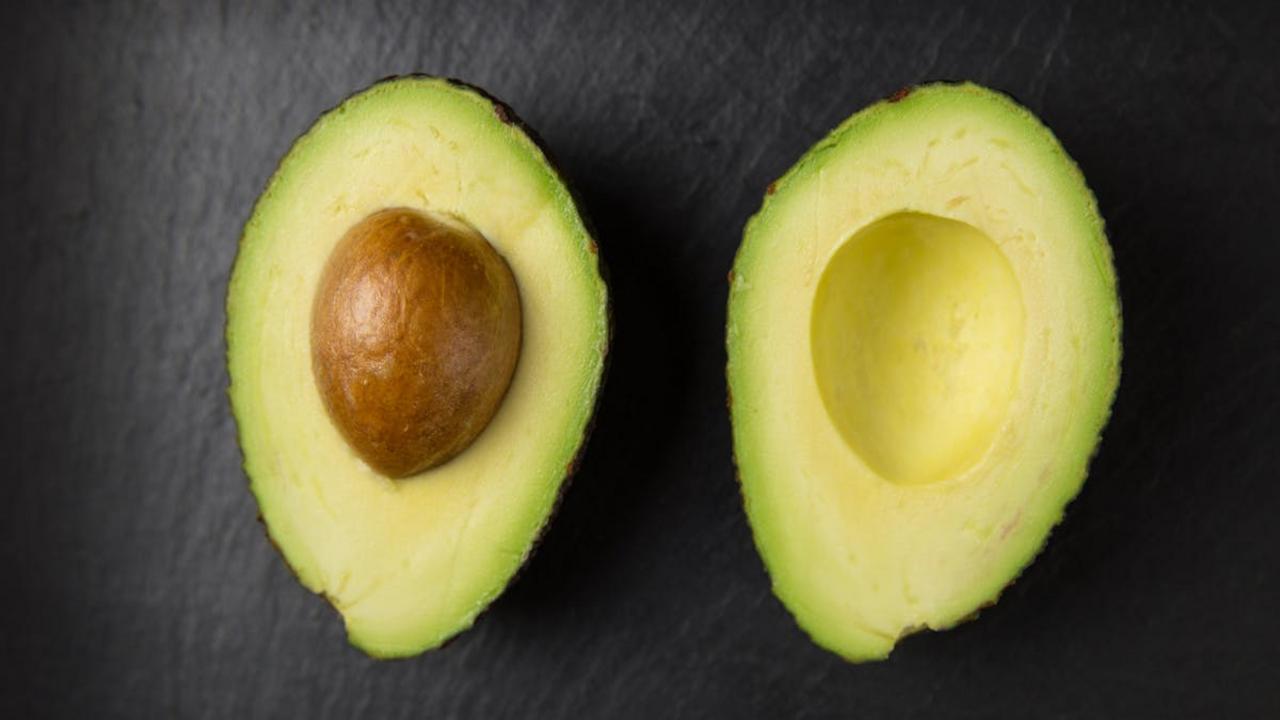
I remember the days when avocados were just $1 each at my local market, but those days are quickly fading away. Climate change, water shortages in growing regions, and rising transportation costs have created the perfect storm for avocado prices. Mexico, which supplies over 80% of U.S. avocados, faces severe drought conditions that will limit production capacity through 2025. Industry experts predict prices could double or triple, making this creamy fruit a luxury item for many households.
You’ll need to budget more carefully for your morning avocado toast or guacamole cravings in the coming years. The rising costs have already pushed some restaurants to charge extra for avocado add-ons, while others have removed avocado-based dishes from their menus entirely. Small cafes and food trucks, which often operate on thin margins, may need to limit their avocado offerings or find creative alternatives. The silver lining? This price surge has sparked interest in growing avocados locally in controlled environments, though these solutions will take time to develop.
Maple Syrup
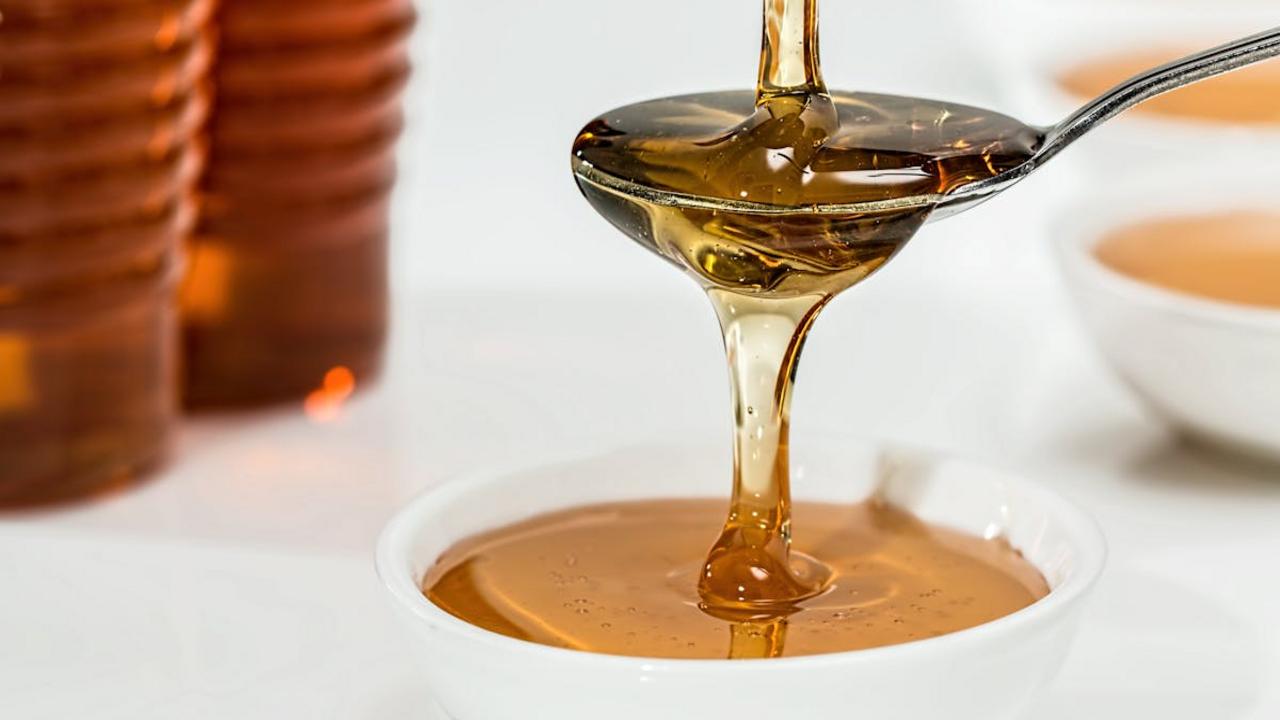
I’ve noticed maple syrup prices climbing steadily at my local grocery store, and I’m not alone in this observation. Climate change has hit maple trees hard, with shorter tapping seasons and unpredictable weather patterns reducing sap production across North America. Canadian and U.S. producers have warned that by 2025, pure maple syrup could become a luxury item, with prices potentially doubling from current levels. The combination of increased production costs, labor shortages, and growing global demand has created the perfect storm for this beloved breakfast staple.
Your pancake and waffle toppings might need a budget adjustment soon! Many maple syrup fans have started stockpiling their favorite grades, while others are turning to maple-flavored alternatives. But here’s a silver lining – this price increase has sparked interest in backyard maple tapping, with more people learning to collect and boil their own sap. Small-scale maple syrup production has become a growing hobby, especially in regions with native sugar maple trees. If you live in an area with maple trees, you might want to try making your own syrup before it becomes too expensive to buy.
Pistachios
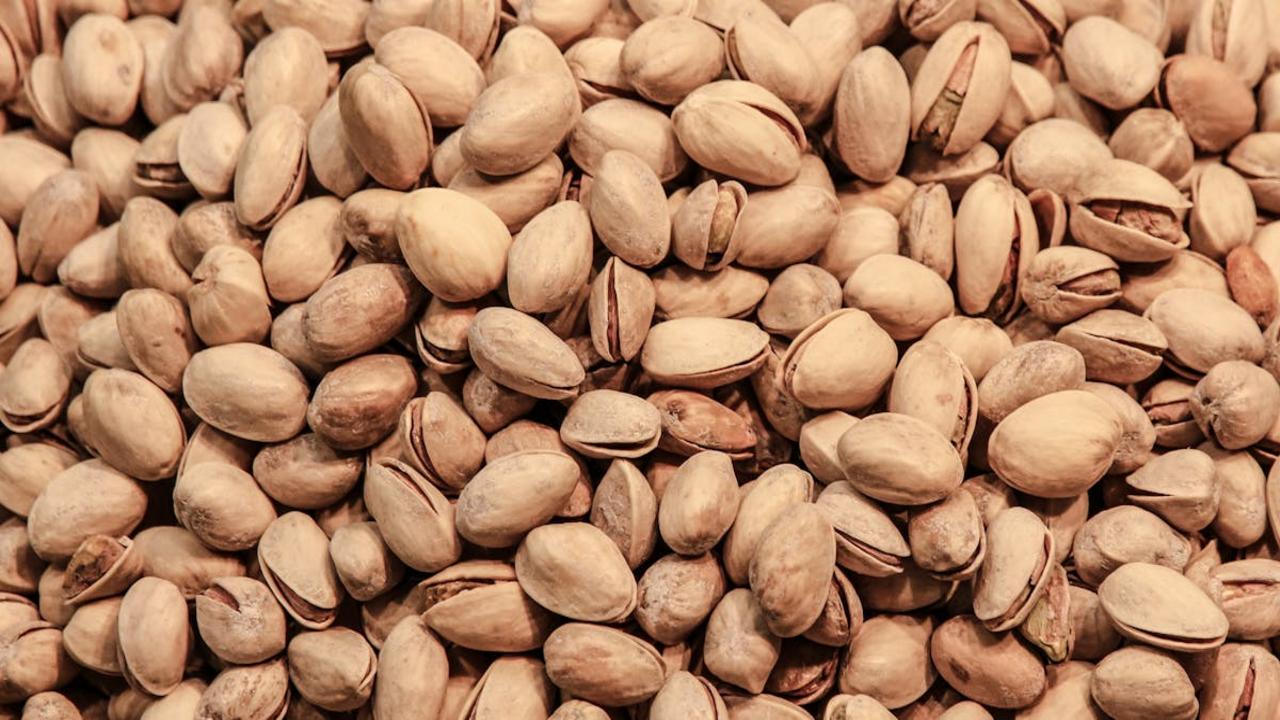
I’ve noticed a concerning trend at my local grocery store – pistachios have steadily climbed in price over the past year. Climate change has hit pistachio farms hard, especially in California where most U.S. pistachios grow. The severe droughts have reduced crop yields significantly, while increasing production costs for farmers. Add to this the growing global demand, particularly from China and India where pistachios are becoming a popular healthy snack, and we’re looking at these nuts potentially becoming a luxury item by 2025.
The rising costs of these green gems really sadden me because pistachios pack such incredible nutrition – they’re loaded with protein, fiber, and heart-healthy fats. I’ve always recommended them to my readers as a smart snack choice, but their accessibility might change soon. Some industry experts predict prices could rise by 40-50% in the next two years. The combination of water scarcity, increased farming costs, and soaring international demand means you might want to stock up on pistachios now before they become a rare treat rather than a pantry staple.
Cacao
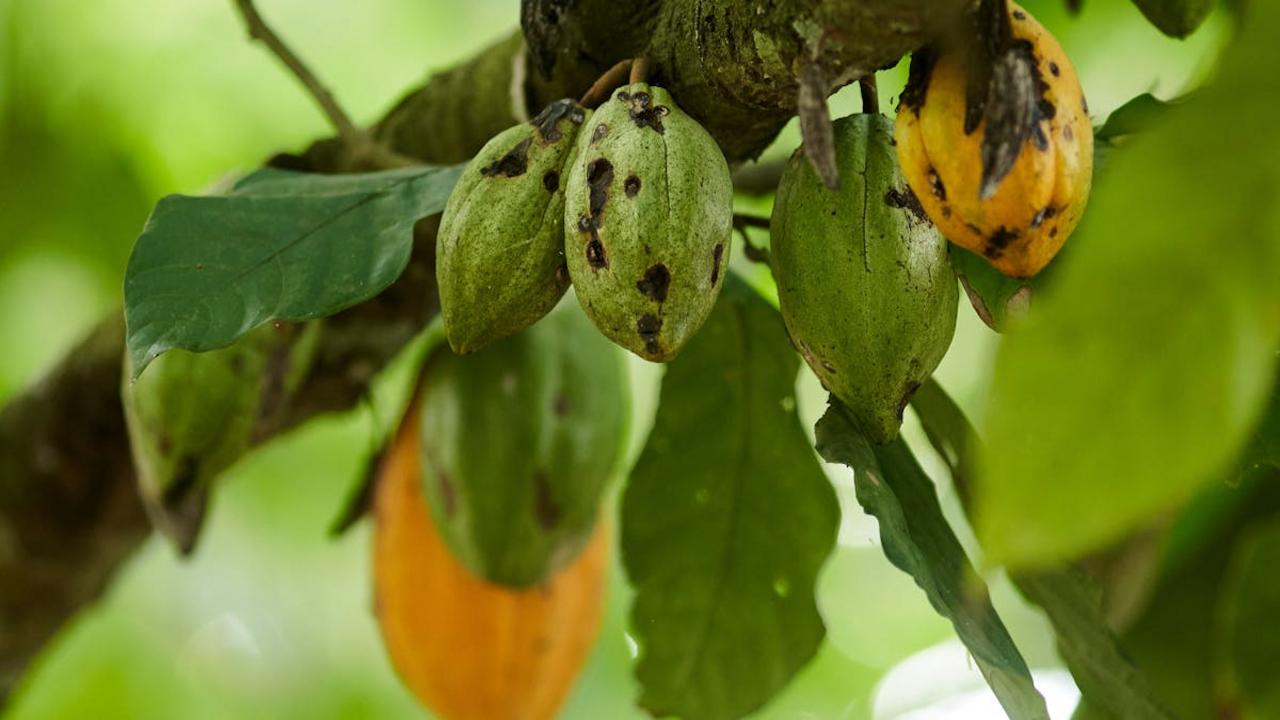
I’ve watched cacao prices climb steadily over the past few years, and the forecast doesn’t look promising for chocolate lovers. Climate change has hit cacao-growing regions hard, with irregular rainfall patterns and rising temperatures making it harder for farmers to maintain their crops. Many small-scale cacao farmers in West Africa, where 70% of the world’s cacao grows, are switching to more resilient crops, further reducing the global supply.
You’ll notice this shift at your local grocery store, where premium chocolate bars have already doubled in price. By 2025, experts predict cacao will become a luxury ingredient, similar to saffron or truffles. The shortage will impact everything from your morning hot chocolate to baked goods and desserts. If you love chocolate, I recommend stocking up now and considering alternative sweet treats like carob or date-based desserts that won’t break the bank in the coming years.
Wild Caught Salmon
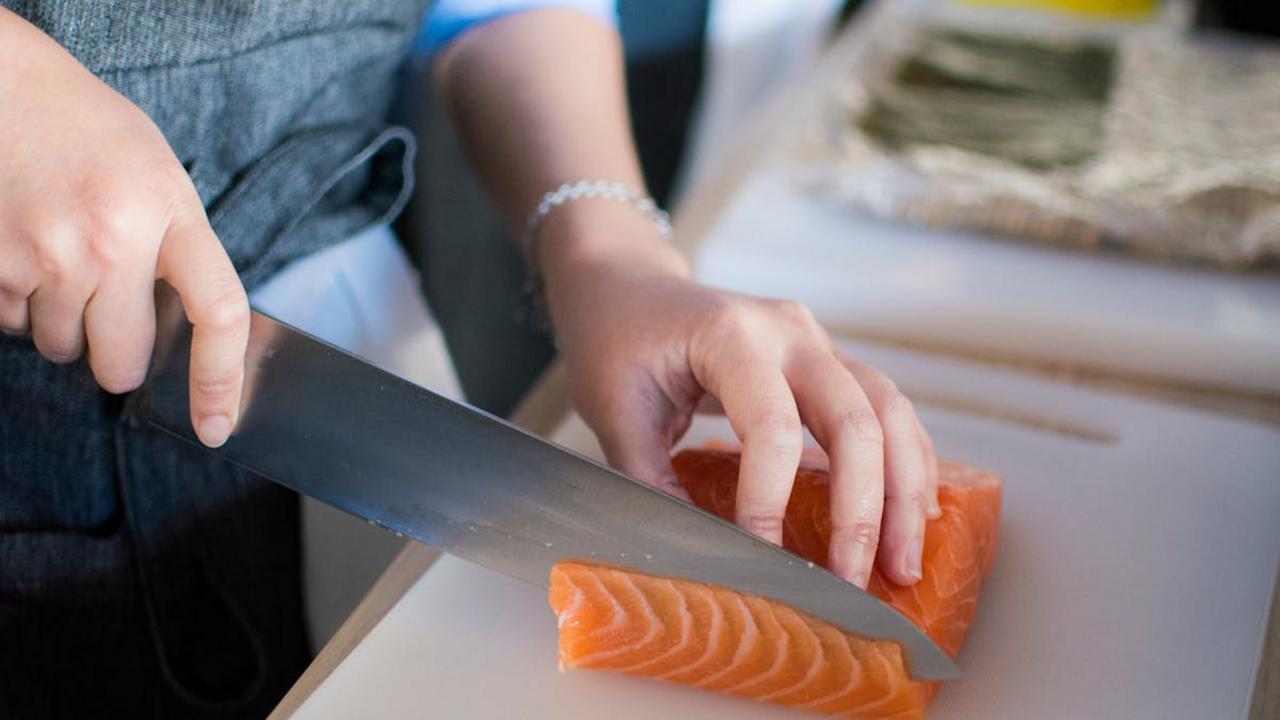
I’ve noticed a concerning trend in my local fish markets – wild-caught salmon prices keep climbing higher each month. This beautiful pink fish, once a regular feature in many home kitchens, will likely become a luxury item by 2025. Climate change has severely impacted salmon populations in their natural habitats, while commercial fishing regulations have become stricter to protect these magnificent fish. Combined with increased fuel costs for fishing vessels and higher processing expenses, we’re seeing wild-caught salmon move into the premium price category.
You might want to start appreciating your salmon dinners even more now! The cost difference between farmed and wild-caught salmon continues to grow, with wild varieties showing up to 50% higher prices in some markets. This shift has already prompted many restaurants to remove wild-caught salmon from their regular menus, offering it only as a special item. The rising costs reflect not just the economic factors, but also the increasing scarcity of these fish in their natural environments. The days of grabbing an affordable wild salmon fillet for a weeknight dinner may soon become a memory.
Vanilla Beans
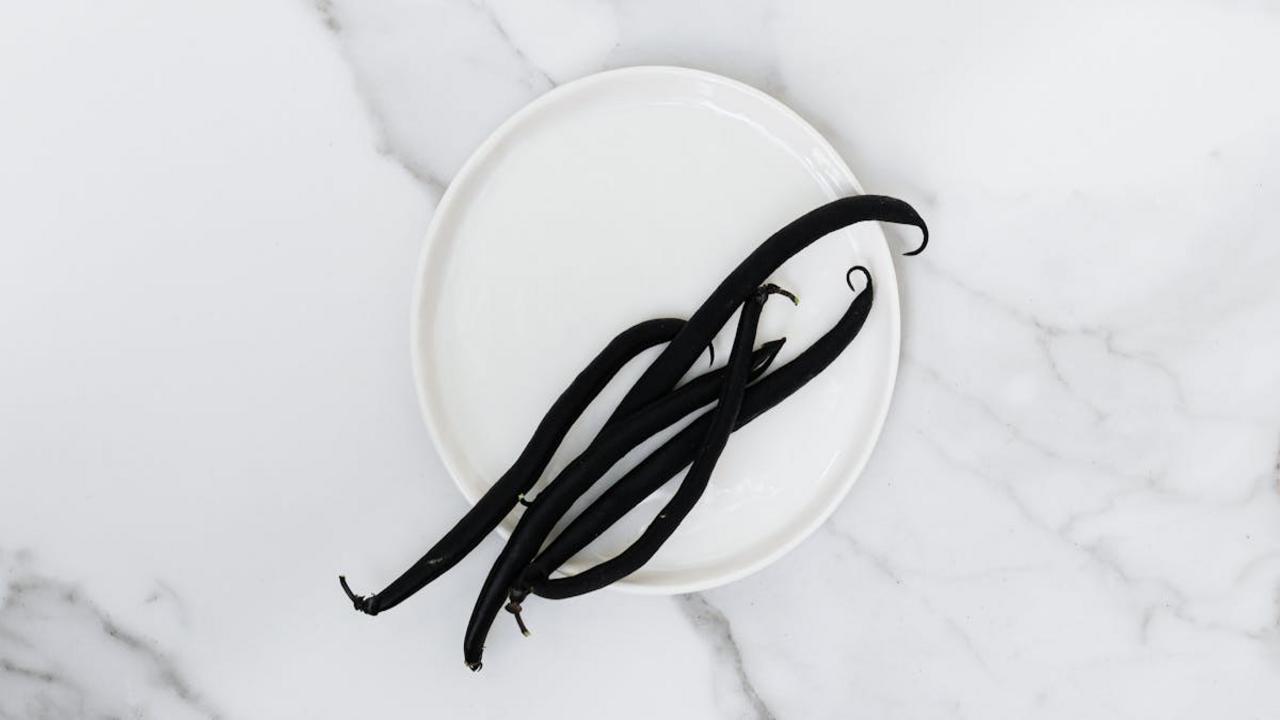
I can’t help but notice how vanilla beans have become the new “gold” in my local specialty stores. These fragrant pods from Madagascar and Tahiti now cost nearly triple what I paid just a few years ago. Climate change has hit vanilla-growing regions hard, with unpredictable weather patterns disrupting harvests. Plus, the rising demand for natural vanilla in food products has created a supply squeeze that will likely push prices even higher by 2025.
You’ll want to make the most of every vanilla bean you buy since they’re becoming such a precious ingredient. I recommend splitting pods lengthwise and scraping out every last seed. After using the seeds, don’t toss those pods! Pop them into a jar of sugar to make vanilla sugar, or steep them in cream for an extra flavor boost. The rich, complex notes of real vanilla simply can’t be matched by artificial alternatives, which makes these beans worth their weight in gold despite the climbing costs.
Saffron
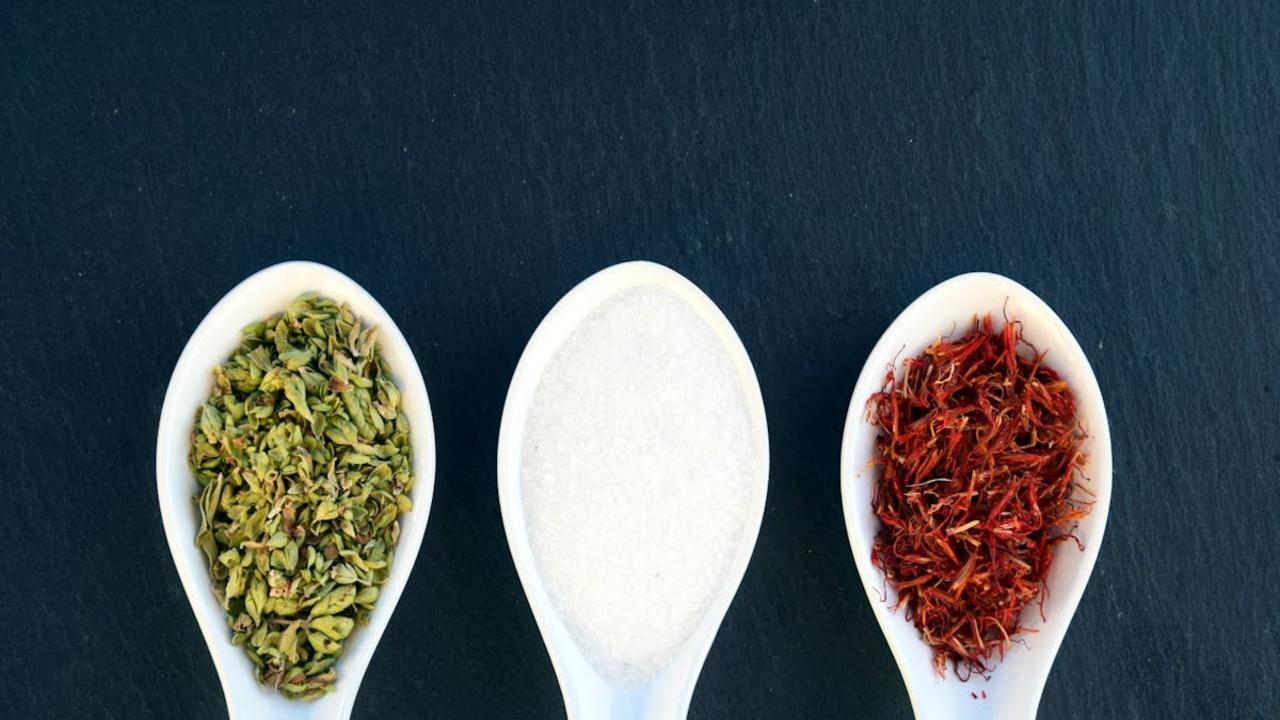
Your favorite golden spice keeps getting more expensive each year, and I can tell you why! Saffron, the vibrant threads that give paella and risotto their distinctive color and flavor, will likely become even more precious by 2025. Climate change has severely impacted saffron production in Iran, Spain, and Kashmir, where farmers struggle with unpredictable weather patterns and reduced yields. Each thread must be hand-harvested from the purple crocus flower, with over 150 flowers needed to produce just one gram of this luxurious spice.
I’ve watched saffron prices climb steadily over the past few years, and many of my favorite local restaurants have already started limiting its use in traditional dishes. Some have even replaced it with turmeric or other yellow-hued alternatives. The combination of growing demand, especially from China’s expanding middle class, and decreasing supply means you’ll need to budget more carefully for this prized ingredient. If you love cooking with saffron, I recommend buying it now before prices rise further – just make sure to store it properly in an airtight container away from light and heat!