Our Waiter Dismissed My Tough Beef Wellington, Then Talked Trash About Us To Another Table
Dining out comes with a set of implicit social customs, and tipping sits right at the top of that list. Most of us recognize that a tip is a way to show gratitude for attentive service—a small reward for the person who helped make our meal enjoyable. It’s certainly not intended as retribution for something that went wrong in the kitchen. But what do you do when the service itself is what ruins the experience?
A woman recently landed squarely in this uncomfortable situation after a celebratory family outing took a disappointing turn. She posted her account on the internet, igniting a passionate discussion about who truly bears the blame when a meal goes wrong—and it’s a scenario that resonates with a lot of us.
The Incident
The evening was meant to be something special. The woman and her husband had invited her mother to an upscale restaurant they adored, a spot where they’d once enjoyed a steak that “melted in my mouth.” Hoping to recreate that magical meal, she ordered the Beef Wellington once more—only this time, the meat was tough and “difficult to chew.” There’s nothing quite as deflating as returning to a beloved restaurant and having it fall short of your expectations.
She raised the issue with their server in a courteous manner. Rather than acknowledging the problem or suggesting a remedy, he brushed her off entirely. As she recounted, “he dismissed my concerns, insisting that the steak was the same as before.” How maddening! A subpar dish is one thing, but being told that your valid complaint doesn’t matter is something else entirely.
When it came time to settle the check, the woman, feeling torn, left a gratuity just under her standard 20 percent. On their way out, her husband said he picked up on “a hint of sarcasm” in how the waiter spoke to them. He immediately proposed cutting the tip down to just 10 percent—a decision that took his wife aback. She felt a pang of guilt but ultimately agreed, caught between wanting to do the right thing and trusting her husband’s judgment.
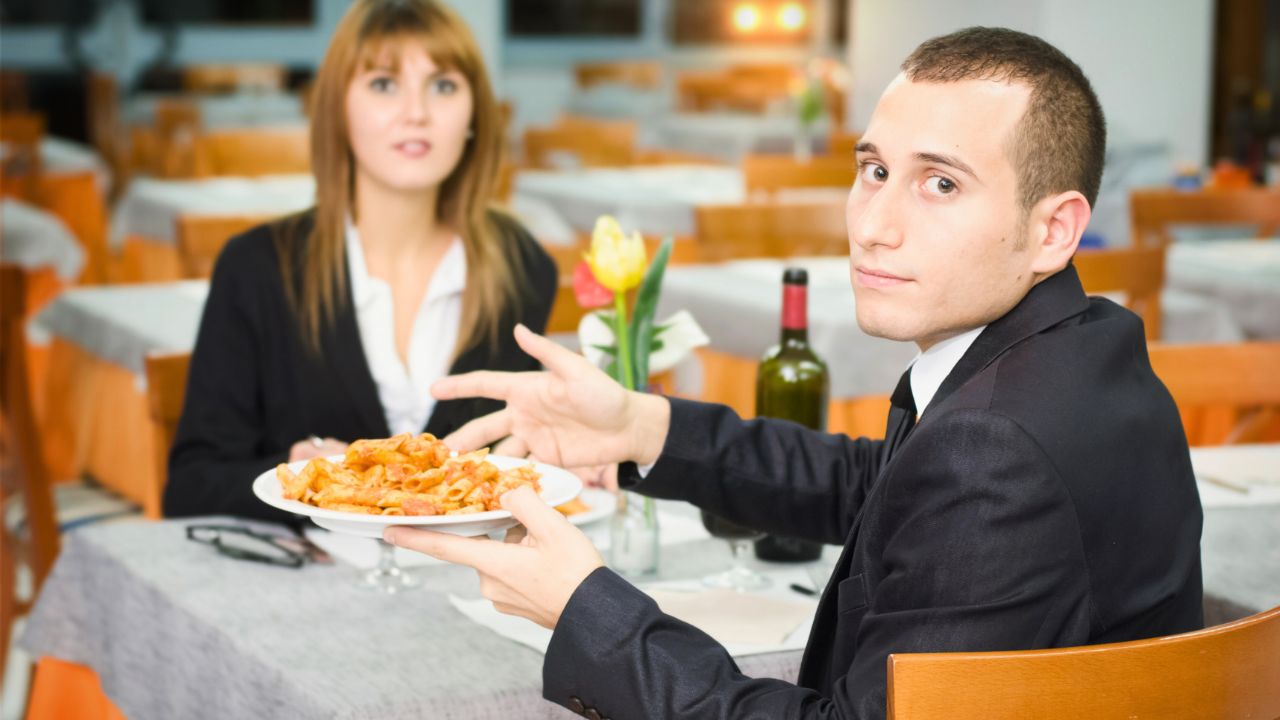
But the story didn’t end there. After they left, her husband admitted he had witnessed something worse than mere sarcasm. He revealed that the waiter had been “pointing and talking trash about us to the people next to him.” All at once, the server’s condescending demeanor and apparent snark made complete sense. This was no longer simply a matter of an overcooked steak—it had become a case of outright contempt toward paying customers.
The Internet Reacts
Once the woman sought guidance online, the internet didn’t hold back, and opinions rapidly split into distinct groups.
The “Absolutely Not” Crowd stood squarely behind the waiter, insisting the couple had directed their frustration at the wrong person. Their prevailing argument was that it’s the kitchen’s job—not the server’s—to ensure food quality. One commenter was direct: “YTA. The waiter is not responsible for the quality of your food.”
Someone else chimed in with, “The waiter doesn’t taste your food. Holding them accountable for the food is wrong.” People in this camp believed the appropriate response would have been to send the dish back rather than reduce the server’s earnings.
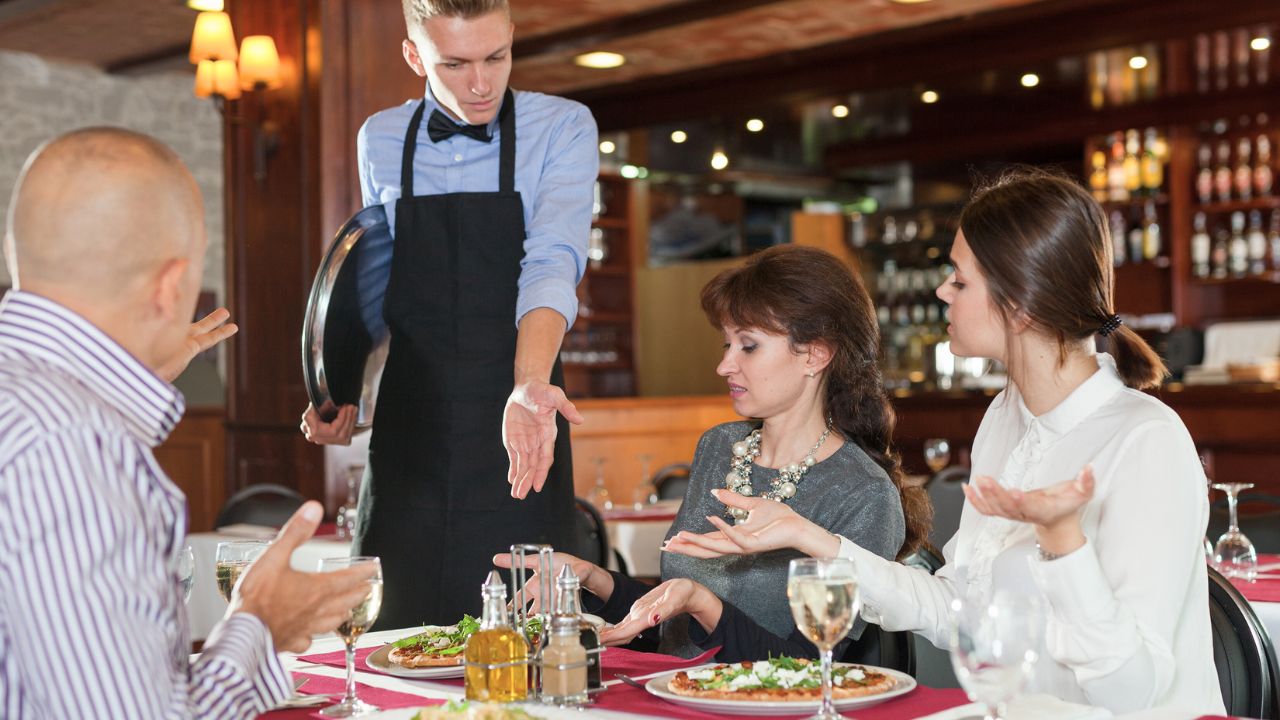
On the other hand, the “Devil’s Advocate” group emerged. While they conceded the waiter had nothing to do with how the steak was prepared, they maintained that his role includes managing the overall dining experience—and that means addressing concerns with professionalism. One commenter made a particularly sharp observation about the waiter dropping the ball.
“He wasn’t responsible for how it was cooked but he was responsible for asking you would you like another. Or offer to take it back,” they wrote. “I just see a waiter who failed you. Don’t pity him.” It’s a valid argument—delivering great service extends well beyond simply ferrying dishes to a table.

Additionally, a handful of commenters cast doubt on the husband’s involvement in escalating the conflict, especially his initial reaction. One person zeroed in on his reading of the waiter’s demeanor, noting, “A ‘hint or sarcasm’ – ooooook. That you & your mom did not detect. Just your husband.” This underscores how murky the situation originally seemed—at least until the husband disclosed that he’d caught the waiter badmouthing them to nearby diners, a revelation that fundamentally reframes everything.
The Etiquette Verdict
Let’s set the record straight: tips are meant to compensate for service. Although it’s widely considered unfair to dock a server’s pay over a kitchen blunder, this particular scenario went well beyond an improperly prepared entrée. The instant the waiter waved off a polite concern, his level of service took a nosedive. Any seasoned server at an upscale establishment should have listened attentively, expressed regret over the diner’s dissatisfaction, and offered to involve the kitchen or bring over a manager.
What he reportedly did next—mocking and gesturing toward his own customers—is flatly inexcusable at any restaurant. That goes beyond a lapse in service; it represents a deep-seated lack of respect. While the husband’s snap decision to cut the gratuity may have initially appeared excessive, his gut feeling ultimately proved correct. The guiding principle here is straightforward: a tip should mirror the level of consideration and attentiveness you received—and in this instance, there was precious little of either.
Your Take
It’s a complicated situation that any one of us could face during an ordinary evening out. And it raises an enduring question about what’s fair and what we should expect.
Did the husband make the right call by reducing the tip based on what he saw as poor service, or should the couple have left the customary amount no matter how the waiter behaved?