13 Affordable Superfoods That Supercharge Your Meals Without Breaking the Bank
You don’t need to spend a fortune to eat nutritiously! These 13 superfoods pack incredible health benefits while keeping your grocery bill manageable. I’ve discovered that adding these affordable powerhouses to your daily meals transforms ordinary dishes into nutritional goldmines without straining your wallet.
From protein-rich lentils and chia seeds to vitamin-packed cabbage and sweet potatoes, each superfood brings unique benefits to your table. The beauty of these ingredients lies in their versatility—toss them into soups, salads, smoothies, or make them the star of your main dish. Your body will thank you for the nutrients while your budget stays intact.
I’ve found that stocking these items regularly creates endless possibilities for healthy cooking. Imagine starting your morning with creamy Greek yogurt topped with bananas and pumpkin seeds, or ending your day with a hearty quinoa and black bean bowl. These simple additions boost both flavor and nutrition in your everyday cooking.
Pumpkin seeds
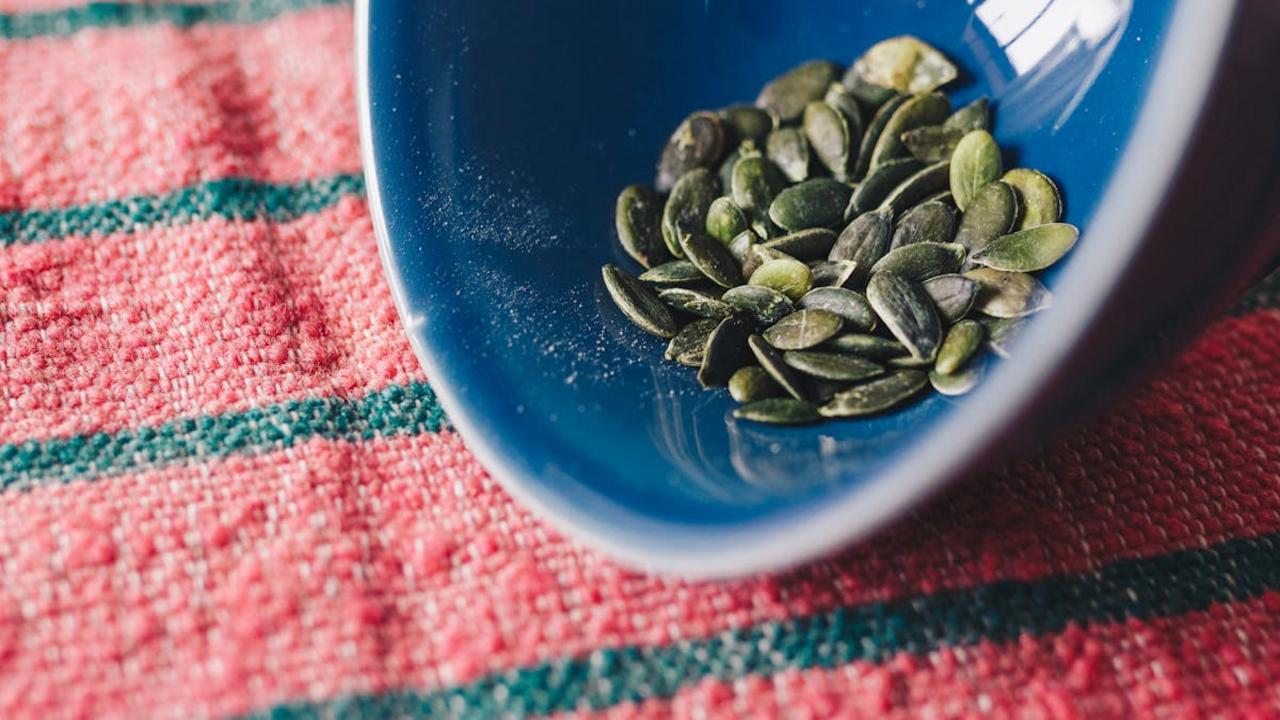
Don’t toss those pumpkin seeds when you’re carving jack-o’-lanterns or roasting butternut squash for dinner! These little gems pack more nutrition per ounce than most expensive superfoods, and they cost practically nothing since you’re already buying the pumpkin. I save every single seed from my seasonal cooking adventures, and you should too. Rich in magnesium, zinc, and healthy fats, these seeds support everything from better sleep to glowing skin. The protein content rivals many nuts, making them perfect for plant-based meals or post-workout snacks.
The beauty of pumpkin seeds lies in their incredible versatility – you can transform them into everything from crunchy salad toppers to warming curry bases. I love roasting them with cumin and smoked paprika for a Spanish-inspired twist, or grinding them into Mexican pepitas for my mole recipes. Try blending soaked raw seeds into creamy pasta sauces or smoothies for hidden nutrition that kids will never detect. Store-bought versions cost a fortune, but your homemade seeds taste fresher and you control exactly what goes on them. Whether you prefer them savory with garlic and herbs or sweet with cinnamon, these seeds turn ordinary dishes into nutrient-dense masterpieces.
Black beans

Black beans deserve a permanent spot in your pantry because they bring incredible flavor and nutrition to every single meal. I cook with these protein-packed gems multiple times a week, and they never disappoint me. One cup gives you about 15 grams of plant-based protein plus tons of fiber that keeps you satisfied for hours. The deep, earthy taste works beautifully in so many dishes – from Cuban black beans and rice to Mexican-inspired bowls to hearty soups that warm you from the inside out.
You can buy dried black beans for under two dollars a pound, and they’ll expand to give you several meals worth of goodness. I love soaking them overnight, then simmering with bay leaves, cumin, and garlic until they’re perfectly tender. The cooking liquid becomes this rich, flavorful broth that I never waste – it makes an amazing base for soups or cooking grains. Canned versions work great too when you’re short on time, just rinse them first to reduce the sodium. Try mashing some into your morning eggs, blending them into brownies for extra protein, or tossing them into salads for instant substance.
Greek yogurt
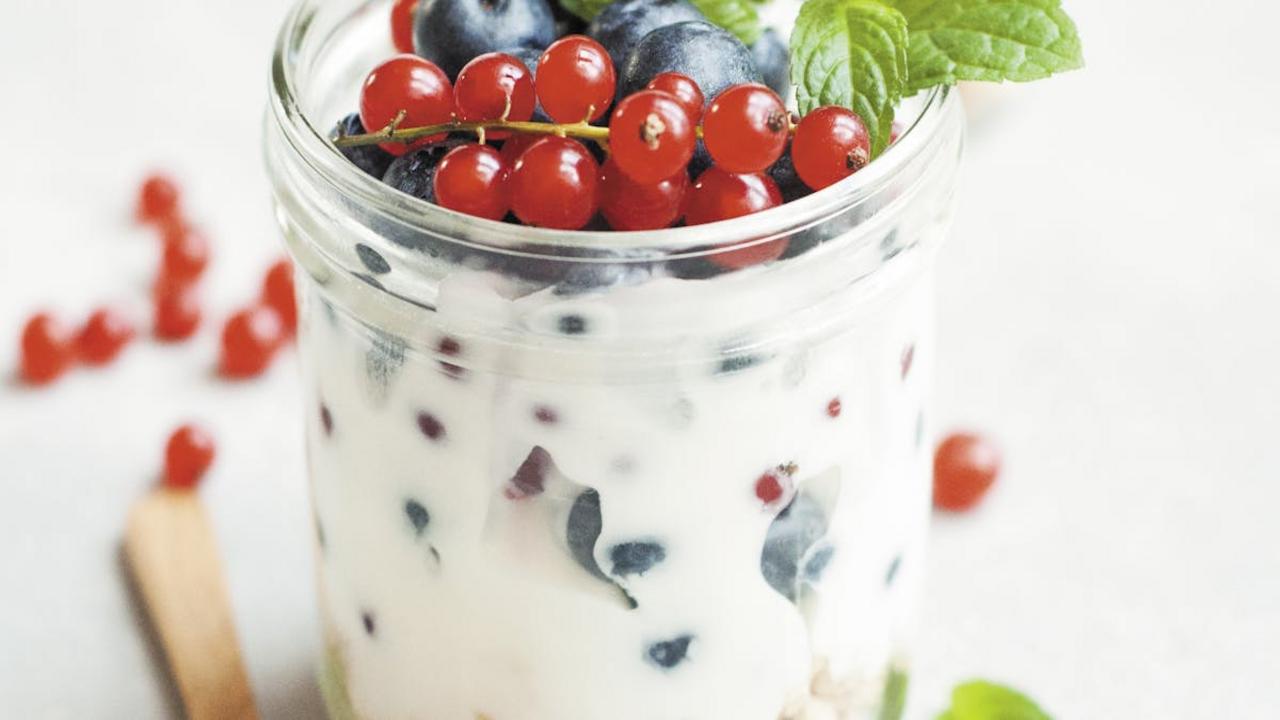
Greek yogurt sits in my refrigerator like a trusted friend, ready to transform any meal from ordinary to extraordinary. This protein-packed powerhouse delivers nearly twice the protein of regular yogurt while maintaining that signature tangy richness that makes everything taste better. I reach for it constantly – swirling it into morning smoothies with frozen berries, dolloping it over spiced lentil bowls, or mixing it with herbs for an instant Mediterranean sauce. The thick, creamy texture comes from the straining process that removes excess whey, concentrating all those beneficial probiotics and creating that luxurious mouthfeel we all crave.
What makes Greek yogurt truly shine in my kitchen is its incredible versatility across sweet and savory applications. I substitute it for sour cream in my grandmother’s potato dishes, blend it with garlic and cucumber for a quick tzatziki, or fold it into pancake batter for extra fluffiness and protein. The plain variety becomes my canvas – sometimes I stir in honey and cinnamon for dessert, other times I add za’atar and olive oil for a savory dip. At roughly two dollars per large container, it stretches far beyond single servings, often lasting me through multiple meals and snacks throughout the week.
Barley
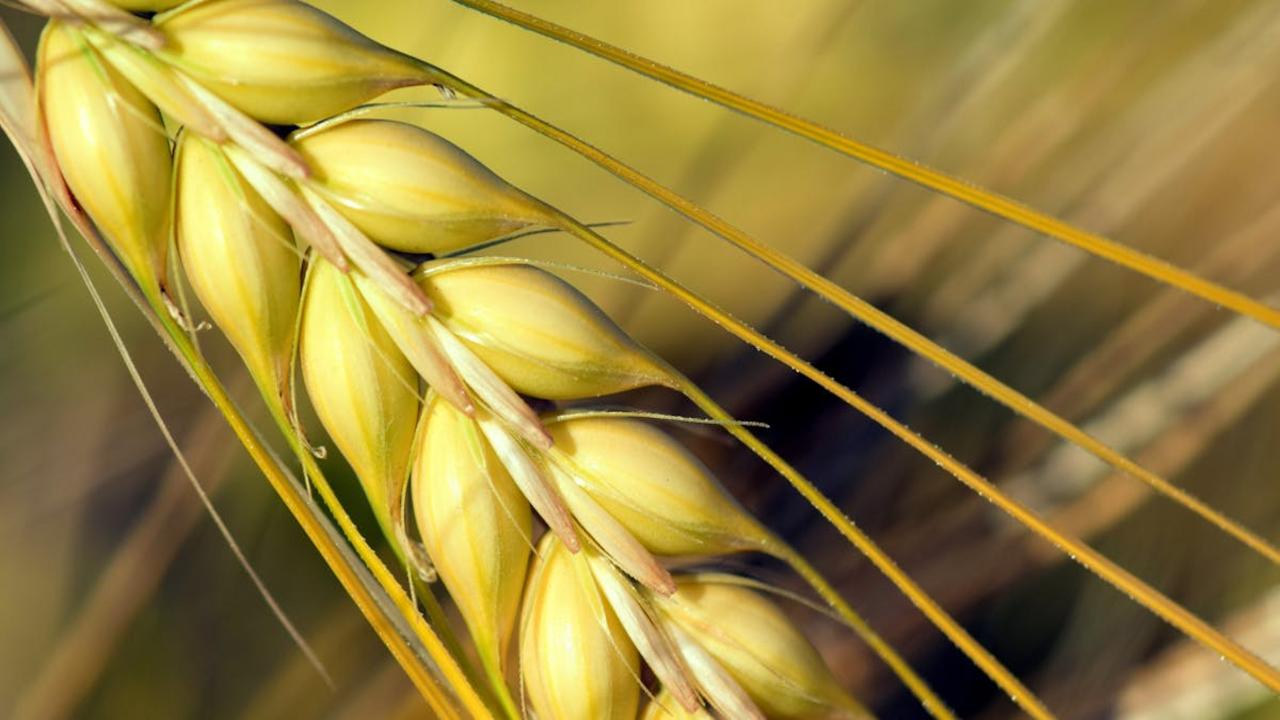
I discovered barley during my early cooking days when I was searching for hearty, budget-friendly grains that could transform simple ingredients into satisfying meals. This ancient grain costs less than two dollars per pound and stretches incredibly far—one cup of dried barley yields about three cups cooked, making it perfect for feeding families without straining your wallet. What excites me most about barley is how it absorbs flavors beautifully, whether you’re simmering it in vegetable broth for a Mediterranean-inspired pilaf or adding it to hearty soups where it creates that wonderful, creamy texture naturally.
Beyond its affordability, barley packs serious nutritional power with high fiber content that keeps you full for hours and helps maintain steady blood sugar levels. I love using pearl barley in my weekend batch cooking—it becomes the foundation for grain bowls throughout the week, paired with roasted vegetables and simple tahini dressing. Try toasting barley in a dry pan for a few minutes before cooking to develop a nutty depth that transforms ordinary dishes into something special. The grain works beautifully in everything from breakfast porridge with cinnamon and fruit to savory risotto-style dishes that rival expensive rice varieties, proving that wholesome eating doesn’t require premium prices.
Bananas
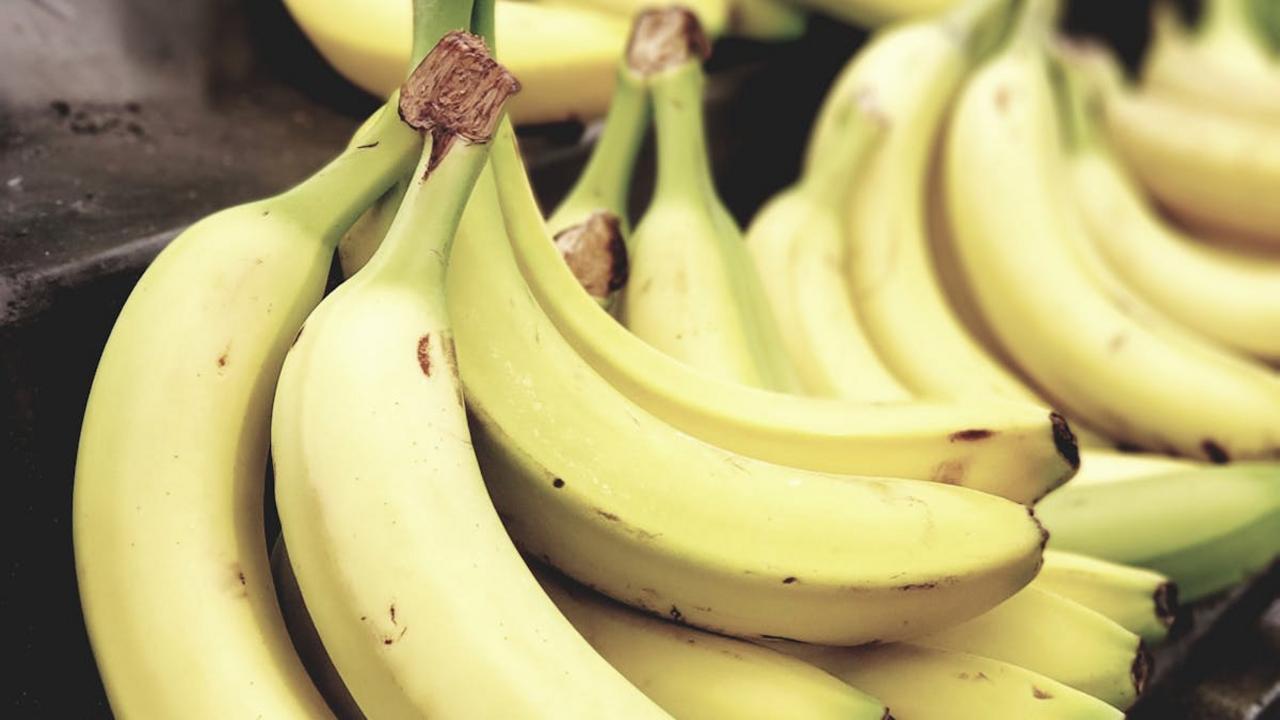
I keep bananas on my counter year-round because they’re nature’s perfect convenience food wrapped in their own biodegradable packaging. At roughly fifty cents per pound, these golden crescents deliver potassium, vitamin B6, and natural sugars that fuel your body without the crash you get from processed snacks. I love how bananas transform throughout their ripening process—firm green ones work beautifully in savory curries I learned from my Sri Lankan neighbor, while perfectly yellow ones become my go-to smoothie base, and those spotted brown ones? They’re destined for the most incredible banana bread you’ve ever tasted.
What makes bananas truly shine in my kitchen is their versatility across sweet and savory applications. I mash them into pancake batter instead of adding sugar, slice them over oatmeal with a sprinkle of cinnamon, or freeze them for instant “nice cream” when chocolate cravings hit. In my West African-inspired dishes, I often add sliced bananas to plantain stews, where their natural sweetness balances spicy chilies perfectly. The beauty of cooking with whole foods like bananas is that you’re getting fiber, antioxidants, and sustained energy while your wallet stays happy—no fancy superfood powders required when nature already perfected the formula.
Spinach
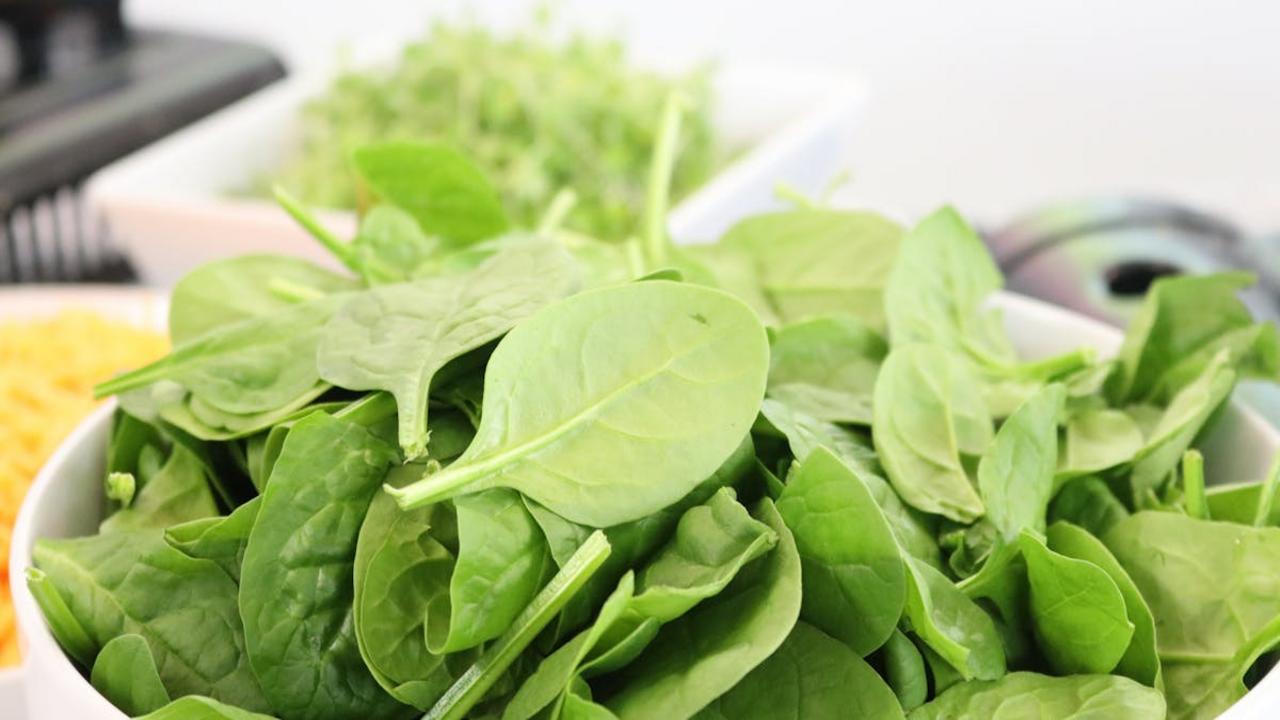
Spinach sits quietly in my refrigerator like a reliable friend who never disappoints. This leafy green transforms from a humble bag of leaves into something magical the moment you start cooking with it. I grab handfuls and toss them into everything – scrambled eggs with garlic and turmeric, creamy coconut curries, or my favorite quick sauté with olive oil and red pepper flakes. The beauty of spinach lies in how it shrinks down to practically nothing, concentrating all that iron, folate, and vitamins A and K into every bite. You can buy massive bags for just a few dollars, and they stretch across multiple meals throughout the week.
What I love most about spinach is how it adapts to any flavor profile you throw at it. Mediterranean dishes welcome it with feta and lemon, while Indian preparations pair it beautifully with garam masala and ginger. I often blend raw spinach into smoothies where it disappears completely, adding nutrition without changing the taste. Fresh baby spinach works perfectly in salads, while mature leaves hold up beautifully in soups and stews. Store it properly wrapped in paper towels inside a plastic bag, and it stays fresh for over a week. This affordable powerhouse proves that eating healthy doesn’t require expensive supermarket finds – sometimes the most nourishing foods have been sitting right in front of us all along.
Sardines

I know what you’re thinking – sardines from a can? Trust me on this one. These tiny silver fish pack more nutritional punch per dollar than almost any protein you can find. Rich in omega-3 fatty acids, calcium, and vitamin D, sardines give you restaurant-quality nutrition at convenience store prices. I buy them by the case because they’re shelf-stable and ready whenever inspiration strikes.
My favorite way to transform these humble fish is in a quick pasta with lemon, garlic, and fresh herbs – it tastes like something from a coastal Italian village but costs less than a fancy coffee. You can mash them into a spread with avocado and herbs for toast, toss them into grain bowls, or even blend them into Caesar dressing for an authentic umami boost. The key is buying quality sardines packed in olive oil rather than cheap versions in vegetable oil. Your wallet and your body will thank you for this simple swap.
Quinoa
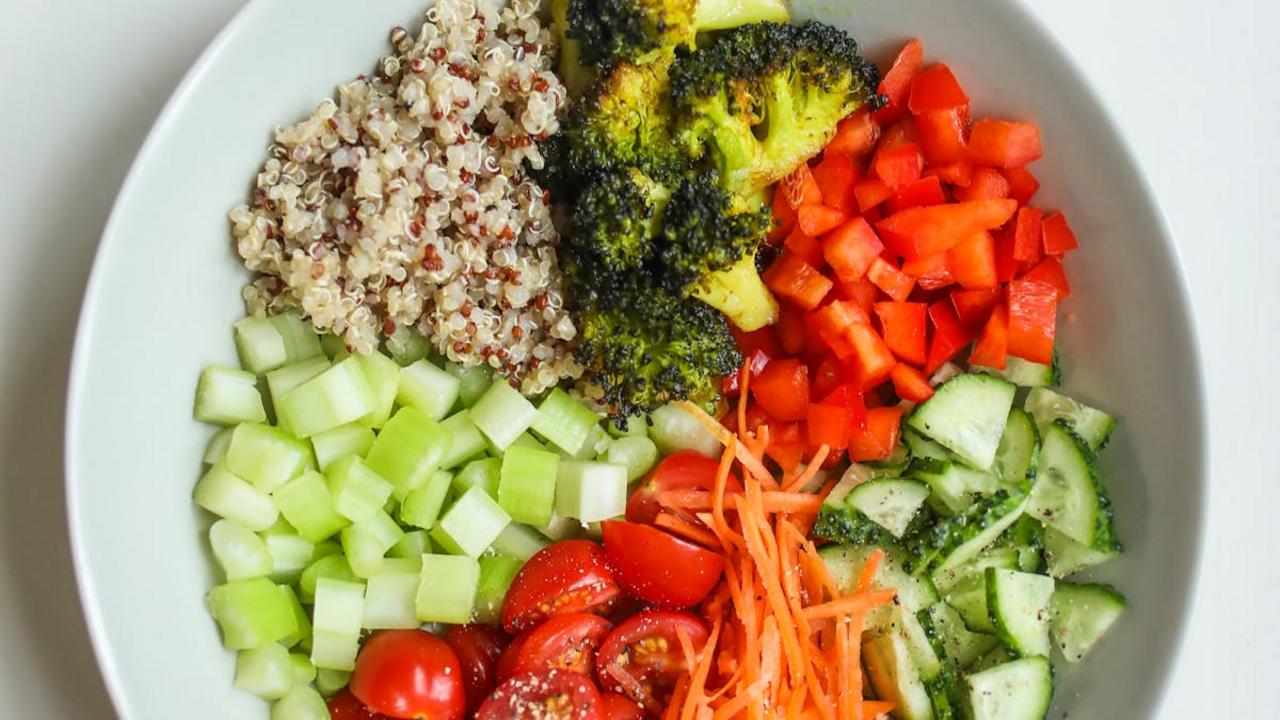
Quinoa has become my go-to grain when I want to pack serious nutrition into any meal without spending a fortune. This ancient seed (yes, it’s technically a seed!) gives you all nine amino acids your body needs, making it a complete protein that rivals meat. I love how quinoa transforms from those tiny, hard pearls into fluffy, nutty grains that soak up whatever flavors you throw at them. Whether I’m making a Mediterranean salad with herbs and lemon, or mixing it into my morning porridge with cinnamon and berries, quinoa adapts beautifully to both savory and sweet preparations.
What really excites me about quinoa is how it stretches your grocery budget while delivering maximum nutrition. A single cup of cooked quinoa provides fiber, iron, magnesium, and folate – nutrients that support everything from your digestive health to your energy levels. I buy it in bulk and store it in glass jars, then cook big batches on Sunday to use throughout the week. Try toasting the dry quinoa in a pan for a few minutes before adding liquid – this simple step brings out an incredible nutty flavor that makes even the simplest preparations taste restaurant-worthy.
Oats

You know what I absolutely adore about oats? They’re like that reliable friend who shows up for you every single day without any drama. I keep rolled oats, steel-cut oats, and even oat flour in my pantry because they work magic in so many unexpected ways. Beyond the obvious breakfast bowl, I blend them into smoothies for extra creaminess, grind them into flour for heartier pancakes, and even use them as a binding agent in my homemade veggie burgers. The fiber content keeps you satisfied for hours, and the complex carbohydrates give you steady energy instead of that sugar crash you get from processed cereals.
What really gets me excited is how oats adapt to global flavors like chameleons. I make savory oat risotto with mushrooms and herbs, Indian-spiced oats with turmeric and cumin, or even blend them into my West African-inspired breakfast porridge with plantains and coconut milk. The beauty lies in their neutral canvas – they absorb whatever flavors you throw at them while contributing their own nutty richness. At under two dollars per pound in most stores, oats give you incredible bang for your buck nutritionally, packing protein, healthy fats, and beta-glucan fiber that actually helps lower cholesterol naturally.
Sweet potatoes
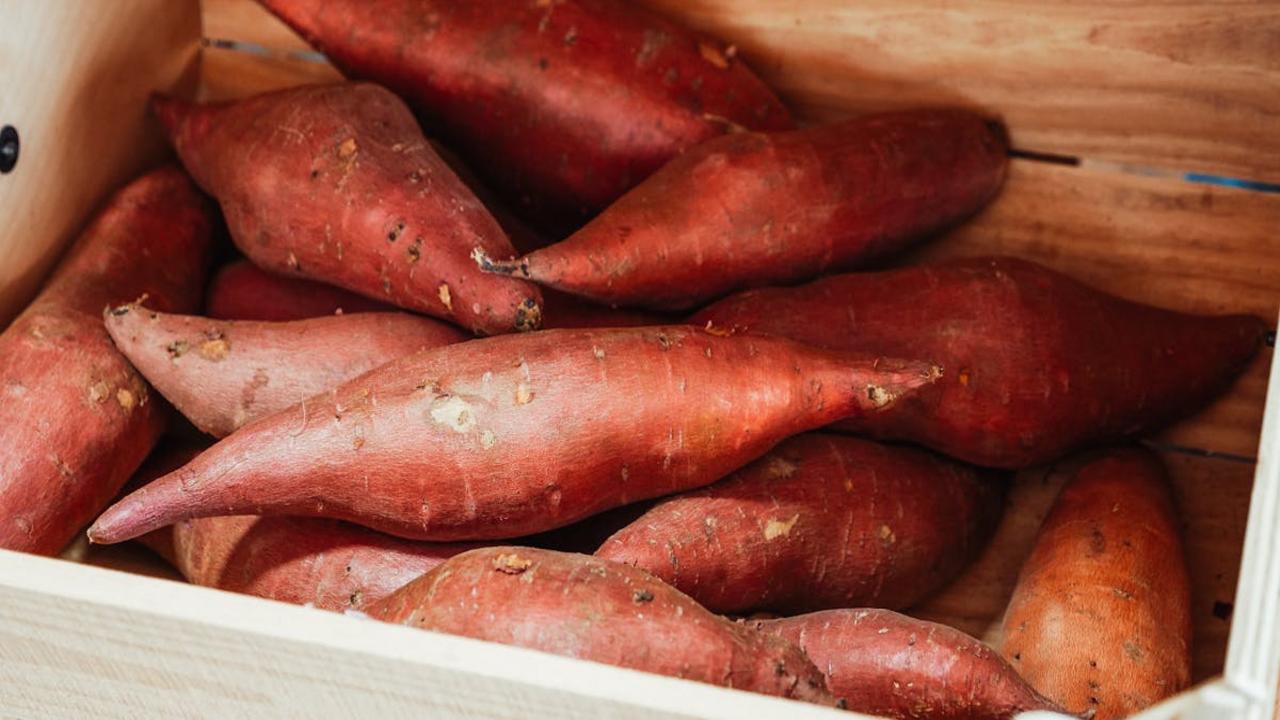
Sweet potatoes hold a special place in my kitchen because they bridge comfort and nutrition so beautifully. I grab these orange gems whenever I want to add natural sweetness and serious nutritional value to my meals without spending much. They’re packed with beta-carotene, which your body converts to vitamin A, plus fiber, potassium, and vitamin C. What I love most about sweet potatoes is how they transform depending on how you cook them – roast them whole for fluffy, caramelized flesh, or cube them for crispy edges that work perfectly in grain bowls.
My favorite way to use sweet potatoes is in unexpected places where their natural sweetness creates balance. I’ll dice them into curry bases where they absorb all those warming spices, or mash them with a touch of coconut milk and ginger for a side that beats regular mashed potatoes every time. They also make incredible breakfast hash when paired with black beans and fresh herbs. For busy weeks, I roast a big batch on Sunday and add them to everything from salads to tacos throughout the week. At under two dollars per pound, sweet potatoes give you maximum nutrition and versatility for minimal investment.
Cabbage
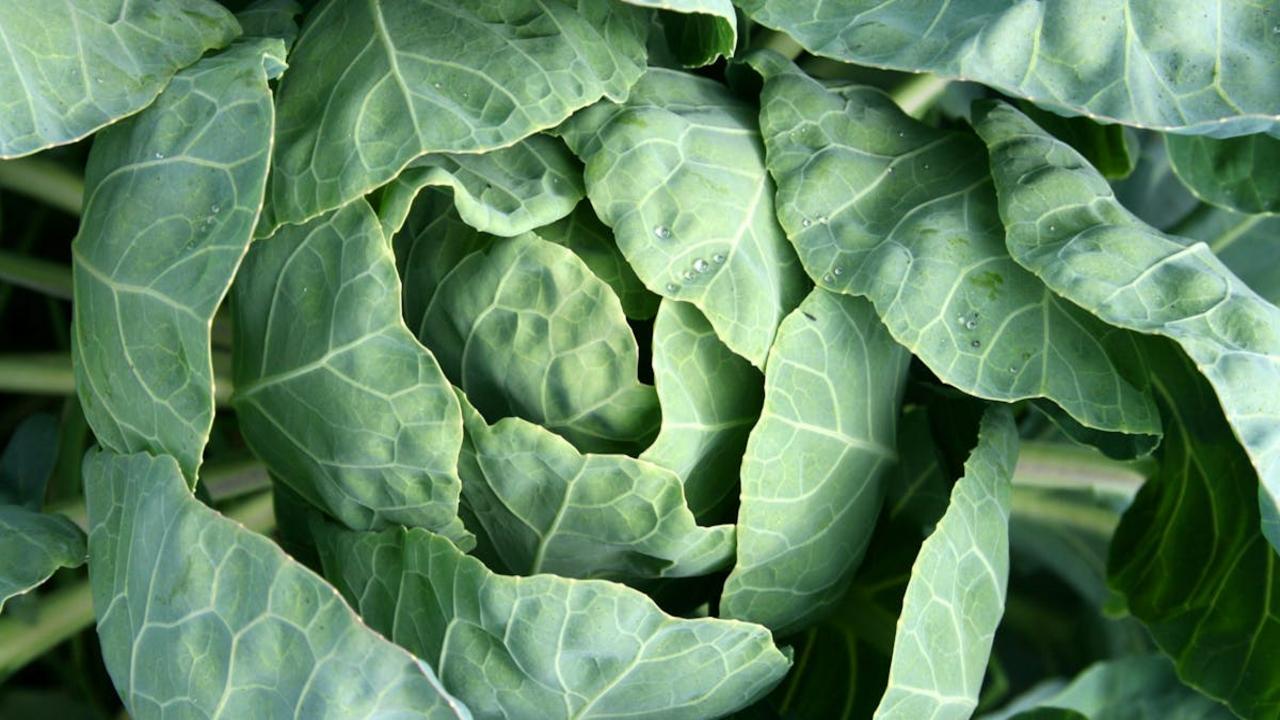
I grab cabbage every single week because this humble vegetable transforms into pure magic in my kitchen. At under a dollar per head, cabbage gives you incredible bang for your buck—packed with vitamin C, vitamin K, and fiber that keeps your digestive system happy. What I love most about cabbage is how it morphs into completely different personalities depending on how you treat it. Shred it raw for that satisfying crunch in slaws and salads, or cook it down into silky, caramelized ribbons that melt in your mouth.
My favorite trick with cabbage? I ferment it into sauerkraut using just salt and time—no fancy equipment needed. You can also stuff whole leaves with spiced rice and lentils for cabbage rolls that taste like they came from your grandmother’s kitchen, or quickly stir-fry it with garlic and ginger for a side dish that pairs beautifully with any protein. Don’t sleep on purple cabbage either—its gorgeous color turns any dish into a feast for the eyes, and those deep purple hues mean extra antioxidants working hard for your health.
Chia seeds
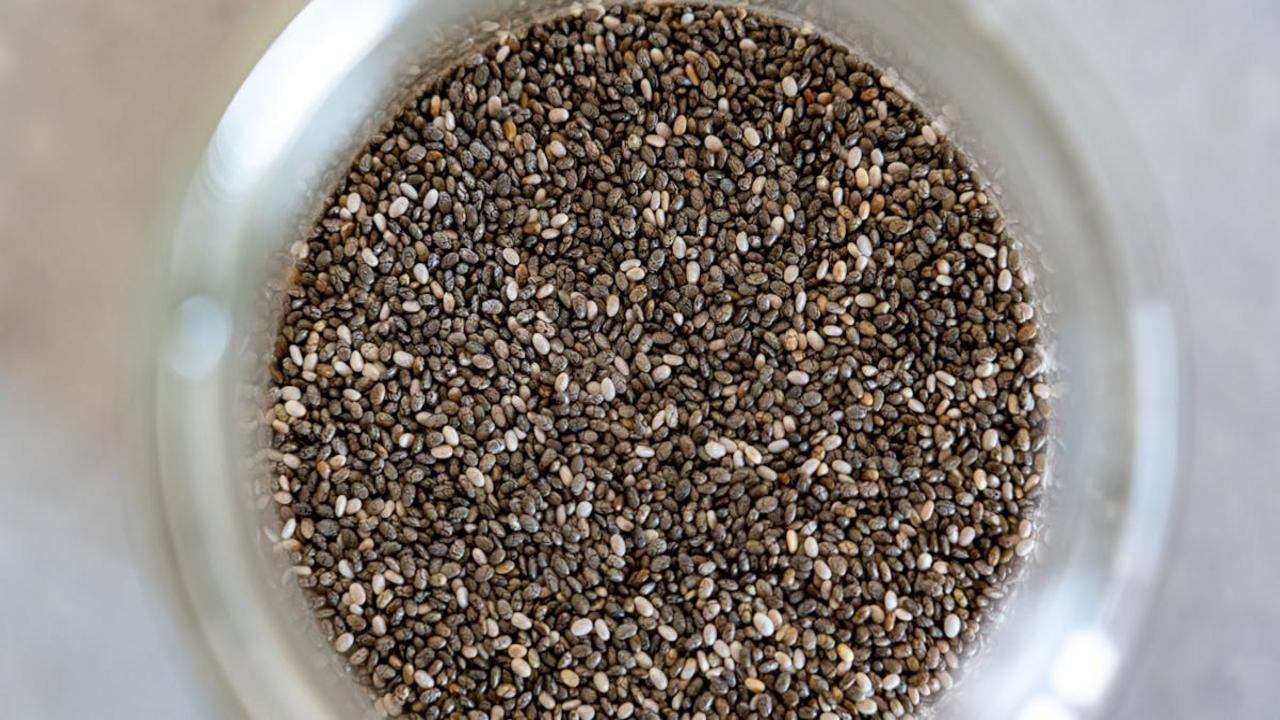
You probably walk past these tiny black and white seeds at the grocery store, but trust me—chia seeds pack more nutritional punch per dollar than most expensive supplements. For under $5, you can grab a pound that lasts months, giving you omega-3 fatty acids, fiber, protein, and calcium in every tablespoon. I keep a jar on my counter because these little powerhouses transform boring meals into satisfying, nutrient-dense dishes without any fuss.
What I love most about chia seeds is their chameleon-like ability to adapt to whatever you’re making. Stir them into your morning smoothie for extra thickness, mix with coconut milk and maple syrup for an overnight pudding, or sprinkle over salads for that satisfying crunch. They absorb up to ten times their weight in liquid, creating a gel-like texture that works beautifully as an egg substitute in baking—just combine one tablespoon with three tablespoons water and let sit for five minutes. Whether you’re making homemade energy balls, adding substance to soups, or creating refreshing agua frescas, chia seeds quietly boost nutrition while keeping your grocery budget happy.
Lentils
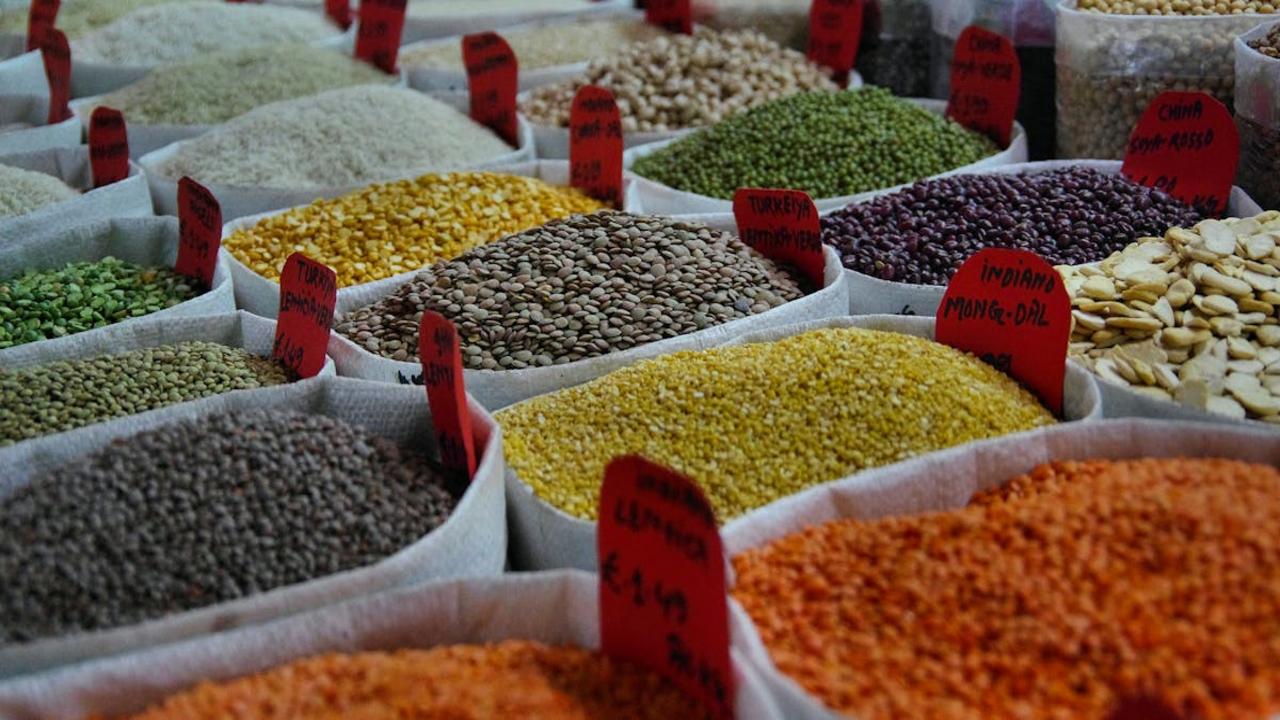
You know what gets me excited every time I walk down the dried goods aisle? Those humble bags of lentils sitting there, packed with more nutritional power than ingredients ten times their price. Red lentils cook up in just 15 minutes and turn creamy without any dairy, making them perfect for quick curries that taste like they’ve been simmering all day. Green and brown lentils hold their shape beautifully in salads and soups, while black beluga lentils add an almost caviar-like elegance to any dish. I throw them into everything from Mediterranean-spiced stews to Indian dal, and they soak up whatever flavors you pair them with.
What I love most about cooking with lentils is how they transform simple pantry staples into satisfying, protein-rich meals that cost pennies per serving. Last week, I made a warming Moroccan-inspired lentil soup with just red lentils, canned tomatoes, onions, and warming spices like cumin and cinnamon – it fed my family of four for under five dollars and left everyone asking for seconds. They’re loaded with fiber, folate, and iron, making them a nutritional powerhouse that keeps you full and energized. Whether you’re making a quick weeknight dinner or meal-prepping for the week, lentils give you that hearty, stick-to-your-ribs satisfaction that processed foods simply can’t match.