10 Clever Budget Hacks for Restaurant Quality Meals at Home
I’ve spent a small fortune dining out over the years, but my bank account (and pandemic restrictions) forced me to get creative in my own kitchen. Turns out, you don’t need a culinary degree or a massive budget to cook restaurant-worthy meals! With a few smart tricks and ingredient swaps, your home cooking can rival your favorite eatery’s offerings at a fraction of the cost.
Remember those $30 pasta dishes that made you swoon? Or that perfectly seared steak that haunts your dreams? You can recreate these magic moments right in your pajamas. The secret lies not in fancy equipment but in understanding how restaurants build flavors and textures – techniques you can easily copy without the markup.
I’ve compiled ten genius hacks that transformed my home cooking from “meh” to “wow.” These budget-friendly approaches will have friends asking which restaurant you ordered from. The best part? Most use ingredients already hiding in your pantry or available cheaply at any grocery store. Ready to fool everyone into thinking you hired a personal chef?
Chocolate Desserts
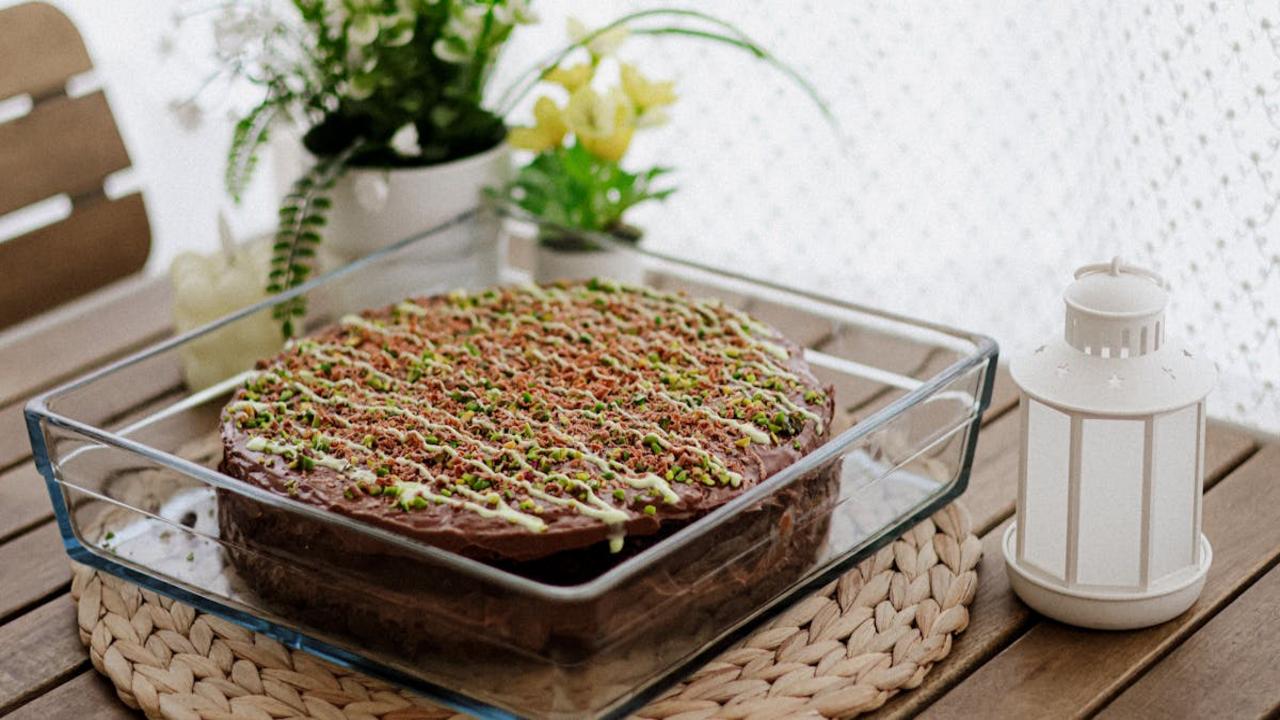
You know that moment when you’re staring at a $12 chocolate lava cake on a restaurant menu, wondering if your wallet can survive the impact? Here’s your plot twist: that same decadent, Instagram-worthy dessert costs about $2 to make at home, and I’m about to blow your mind with how ridiculously simple it is. The secret weapon in your budget arsenal is a good old-fashioned mug cake – but we’re not talking about those sad, rubbery disasters you’ve probably encountered. With the right ratio of cocoa powder, a touch of espresso powder (trust me on this), and a dollop of peanut butter in the center, you’ll create a molten masterpiece that would make Gordon Ramsay weep tears of joy. The best part? It takes exactly 90 seconds in the microwave, which means you can go from craving to face-stuffing faster than it takes to decide what to watch on Netflix.
But wait, there’s more! (I know, I sound like an infomercial, but stick with me.) Dark chocolate contains compounds called flavonoids that actually boost your mood – so technically, you’re practicing self-care while saving money. Smart, right? For those fancy dinner party moments, try my go-to chocolate mousse hack: whip heavy cream with melted chocolate and a splash of vanilla, then fold in some Greek yogurt for that professional texture restaurants charge extra for. Serve it in mason jars with a sprinkle of sea salt and crushed graham crackers, and watch your guests assume you spent hours slaving away in the kitchen. Little do they know you were probably binge-watching cooking shows while this magical concoction set in the fridge. The total cost per serving? Less than what most coffee shops charge for a single cookie, and infinitely more impressive.
Slow Roasted Meats
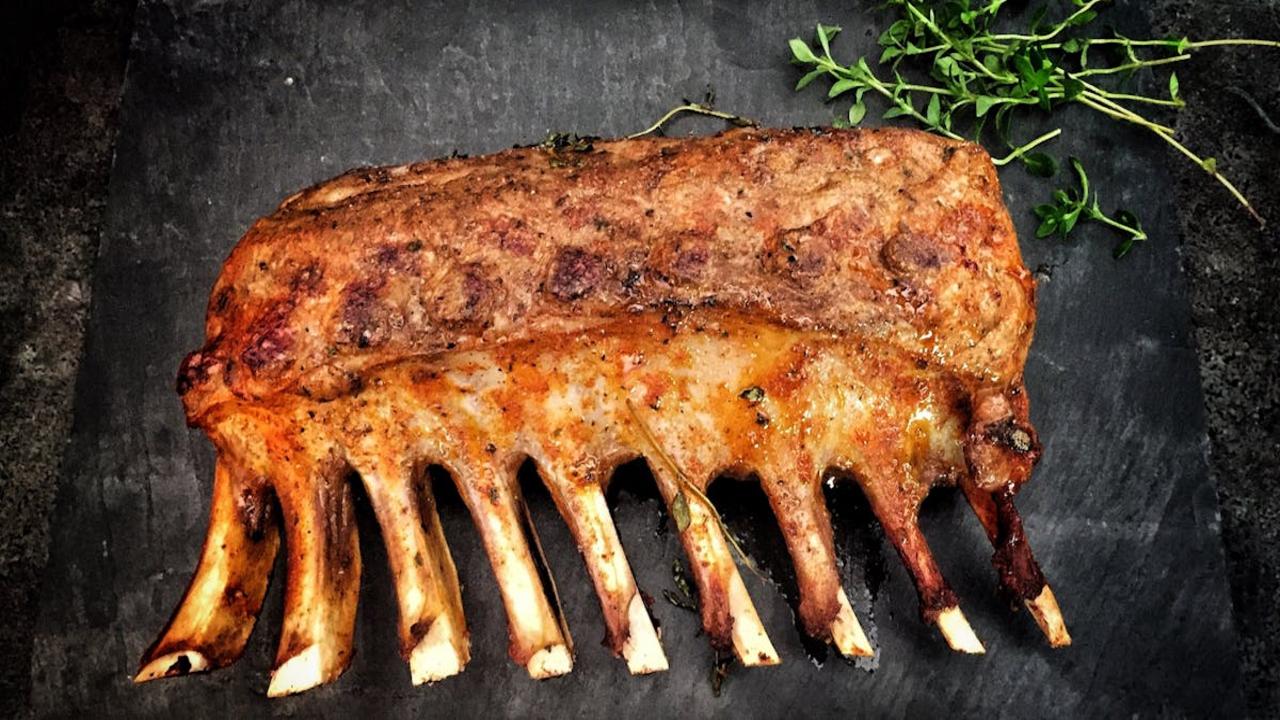
Your oven becomes a magic time machine when you throw in a tough, cheap cut of meat and let time work its wonder. Chuck roasts, pork shoulders, and whole chickens transform from bargain bin rejects into fork-tender masterpieces that would make your grandmother weep with pride. I once bought a three-pound chuck roast for twelve dollars and fed six people a meal that tasted like it cost sixty. The secret? Low heat (around 275°F) and patience – something our instant-gratification world forgot exists. You season that beauty with whatever spices are hiding in your cabinet, wrap it in foil like a precious gift, and let it swim in its own juices for hours.
The best part about slow roasting? You literally cannot mess this up unless you forget it exists for eight hours (which I’ve done, and even then it was still edible). Your kitchen fills with aromas that make neighbors suddenly friendly, and you get enough leftovers to reinvent meals all week long. That chuck roast becomes tomorrow’s tacos, Wednesday’s sandwiches, and Friday’s soup base. Meanwhile, you spent less money than ordering takeout pizza, and you feel like a domestic wizard who just pulled off restaurant magic in pajamas. Pro tip: save those pan drippings – they’re liquid gold for gravy or cooking vegetables.
Gourmet Soups

You know what makes fancy restaurants charge fifteen bucks for a bowl of soup? The secret lies in building layers of flavor that would make your grandmother weep tears of pride. Start with aromatics—sauté onions, celery, and carrots until they’re golden and fragrant, then add garlic that sizzles like tiny fireworks in your pan. Here’s where the magic happens: roast your vegetables first, or brown your meat until it develops that gorgeous caramelized crust. Professional chefs call this the Maillard reaction, but you can call it pure deliciousness. Don’t skip the deglazing step either—splash some wine or broth into that beautifully browned bottom and scrape up all those sticky bits that contain concentrated flavor gold.
Transform humble ingredients into liquid luxury by mastering a few sneaky tricks that restaurants don’t want you to know. Save your vegetable scraps, chicken bones, and herb stems in a freezer bag to create homemade stock that costs pennies but tastes like pure magic. A splash of acid at the end—lemon juice, vinegar, or even a dollop of sour cream—brightens everything up like sunshine after rain. Want to add richness without cream? Purée half your soup and stir it back in for velvety texture, or whisk in a knob of butter just before serving. My friend Sarah discovered this technique accidentally when she over-blended her potato soup, and now she swears her “mistake” tastes better than anything she’s ordered at five-star establishments.
Handmade Pizza

Making pizza from scratch transforms your kitchen into a neighborhood pizzeria without the $25 price tag that makes your wallet weep. You know that magical moment when you walk past a pizza joint and the aroma hits you like a warm, cheesy hug? You can create that same experience at home for about $3 per pizza. The secret lies in making your own dough – and trust me, it’s easier than assembling IKEA furniture and far more rewarding. Mix flour, water, yeast, salt, and a drizzle of olive oil, then watch science work its magic as the dough rises like your hopes on payday.
Here’s a fun fact that’ll make you the star of your next dinner party: traditional Neapolitan pizza dough contains only four ingredients and should be stretched by hand, never rolled with a pin (the Italian pizza police will revoke your carb privileges). Your homemade creation beats delivery every time because you control the cheese-to-sauce ratio – no more sad, skimpy toppings that leave you questioning your life choices. Plus, leftover dough keeps in the fridge for days, ready to rescue you from those “there’s nothing to eat” moments when your fridge looks like a barren wasteland.
Caramelized Vegetables
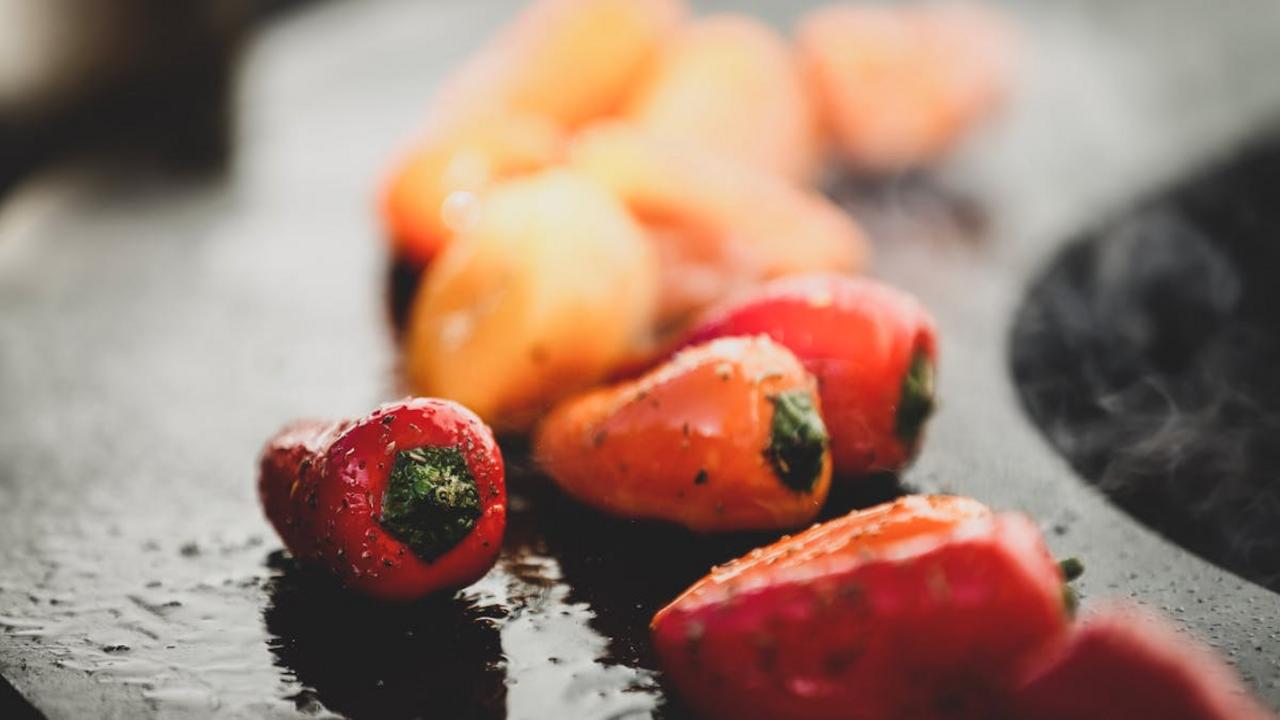
Picture this: you’re standing in your kitchen, staring at a bag of sad, wilted onions that cost you maybe fifty cents, wondering how fancy restaurants transform these humble ingredients into something that makes people moan with pleasure. The secret? Time, patience, and the magical Maillard reaction that turns simple vegetables into golden, sweet perfection. Caramelizing vegetables is like watching a culinary transformation that would make any fairy godmother jealous – those plain onions, carrots, or fennel slowly surrender their sharp edges and bitter notes, developing complex sweetness that rivals any expensive sauce.
The beauty of caramelized vegetables lies in their versatility and budget-friendly nature. Grab whatever vegetables are on sale – onions work brilliantly, but Brussels sprouts, carrots, parsnips, and even bell peppers become restaurant-worthy with this technique. Heat a pan with a drizzle of oil over medium-low heat, add your sliced vegetables with a pinch of salt, and then practice the lost art of patience. Stir occasionally while they slowly turn golden brown over 20-30 minutes. The natural sugars concentrate and develop those deep, caramelized flavors that make your guests think you’ve spent hours perfecting some complex recipe. Toss them into pasta, pile them on burgers, or serve them alongside roasted chicken – suddenly your $2 worth of vegetables taste like they came from a $30 entree.
Seafood Risotto

You know that fancy seafood risotto you order at Italian restaurants for thirty bucks? The one that makes you feel sophisticated while secretly questioning if you can pronounce “arborio” correctly? Well, I’ve got news for you – you can make this creamy, dreamy masterpiece at home for less than ten dollars, and nobody has to know you practiced saying “risotto” in the mirror three times before dinner guests arrived. The secret lies in buying frozen seafood medley (shrimp, scallops, and calamari rings that cost a fraction of fresh) and using good old chicken stock instead of that expensive seafood stock that costs more than your monthly Netflix subscription.
Here’s the beautiful truth about risotto: it’s basically rice that went to therapy and learned how to be extra. You toast arborio rice in a pan with onions, add warm stock one ladle at a time while stirring like your life depends on it (because your dinner reputation does), then fold in that frozen seafood during the last five minutes. The magic happens when you stir in butter and parmesan cheese – suddenly your kitchen smells like a five-star restaurant, and you’re standing there in your pajamas feeling like Gordon Ramsay’s cooler, more budget-conscious cousin. Fun fact: Italians have been making risotto since the 14th century, which means you’re continuing a 700-year tradition of turning simple ingredients into pure comfort food gold.
Pan Seared Steaks
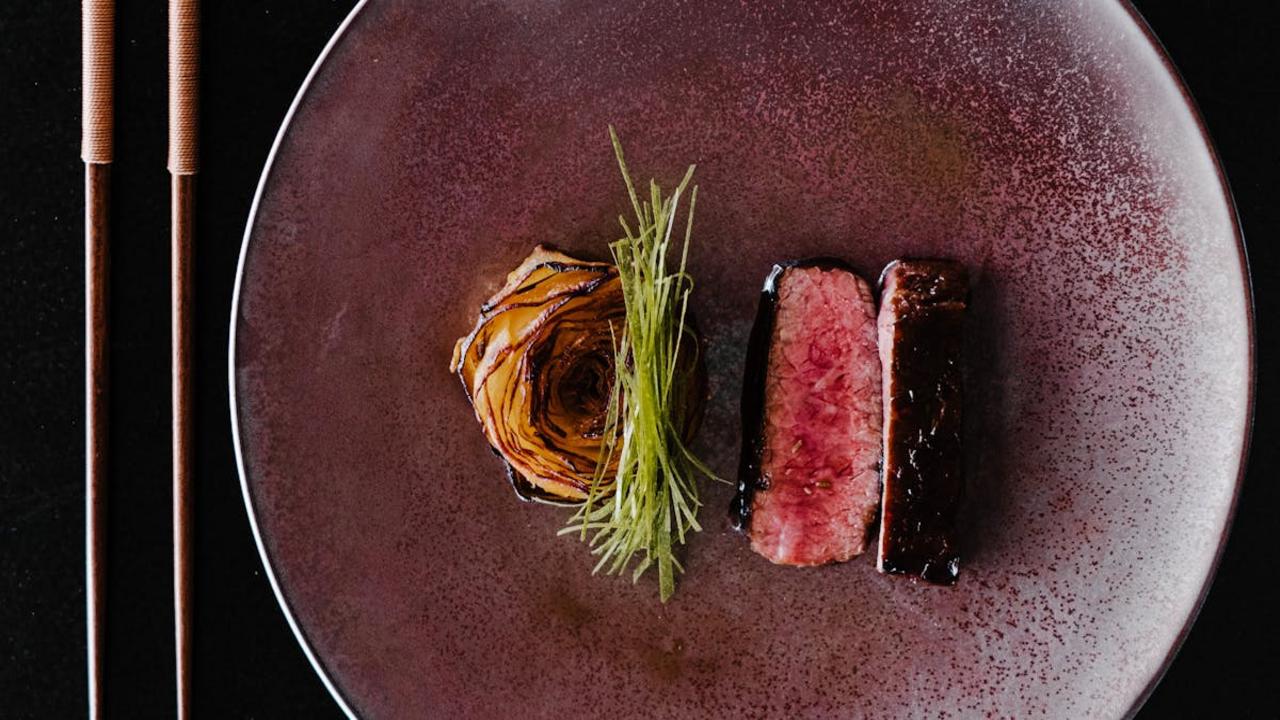
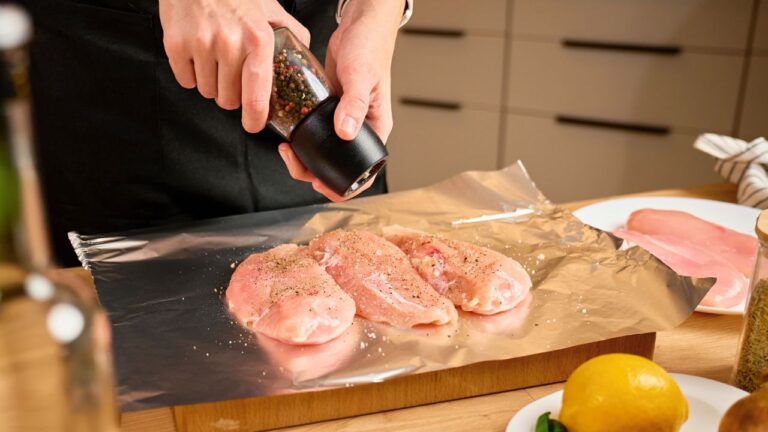
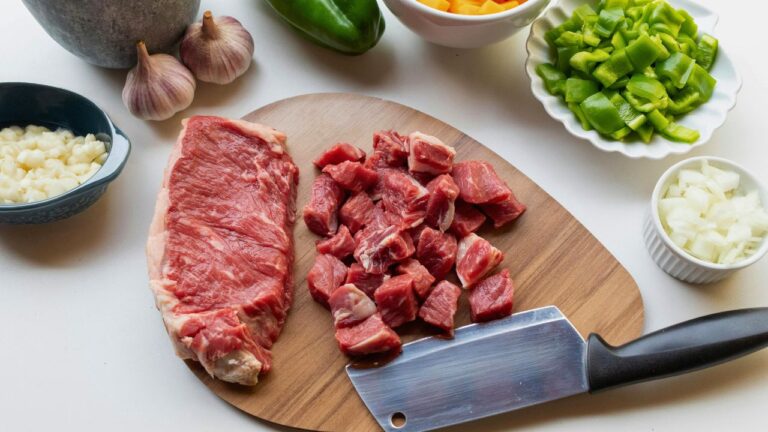
You know that moment when you’re staring longingly at a $45 ribeye on a restaurant menu while your wallet quietly weeps? Here’s your revenge plot: buy a decent cut from the grocery store and master the ancient art of pan-searing at home. The secret weapon isn’t some fancy equipment—it’s a screaming hot cast iron pan, a generous sprinkle of salt applied 40 minutes before cooking (this draws out moisture and creates that gorgeous crust), and the patience to let that beautiful piece of meat sizzle undisturbed. Fun fact: professional chefs don’t flip steaks constantly like nervous home cooks—they let physics do the work, creating those Instagram-worthy grill marks that make your neighbors peer over the fence with envy.
The real magic happens when you add a knob of butter, fresh thyme, and smashed garlic to the pan during the final minutes, then spoon that golden, herb-infused fat over your steak like you’re anointing royalty. This technique, called arroser (fancy French for “holy cow, this smells incredible”), transforms a $12 grocery store steak into something that would make Gordon Ramsay nod approvingly. Pair it with roasted potatoes that cost pennies compared to restaurant sides, and suddenly you’re dining like a king while your bank account stays happier than a golden retriever with a tennis ball. Pro tip: let your steak rest for five minutes after cooking—I know it’s torture, but this prevents all those precious juices from escaping when you cut into it.
Wine Based Sauces
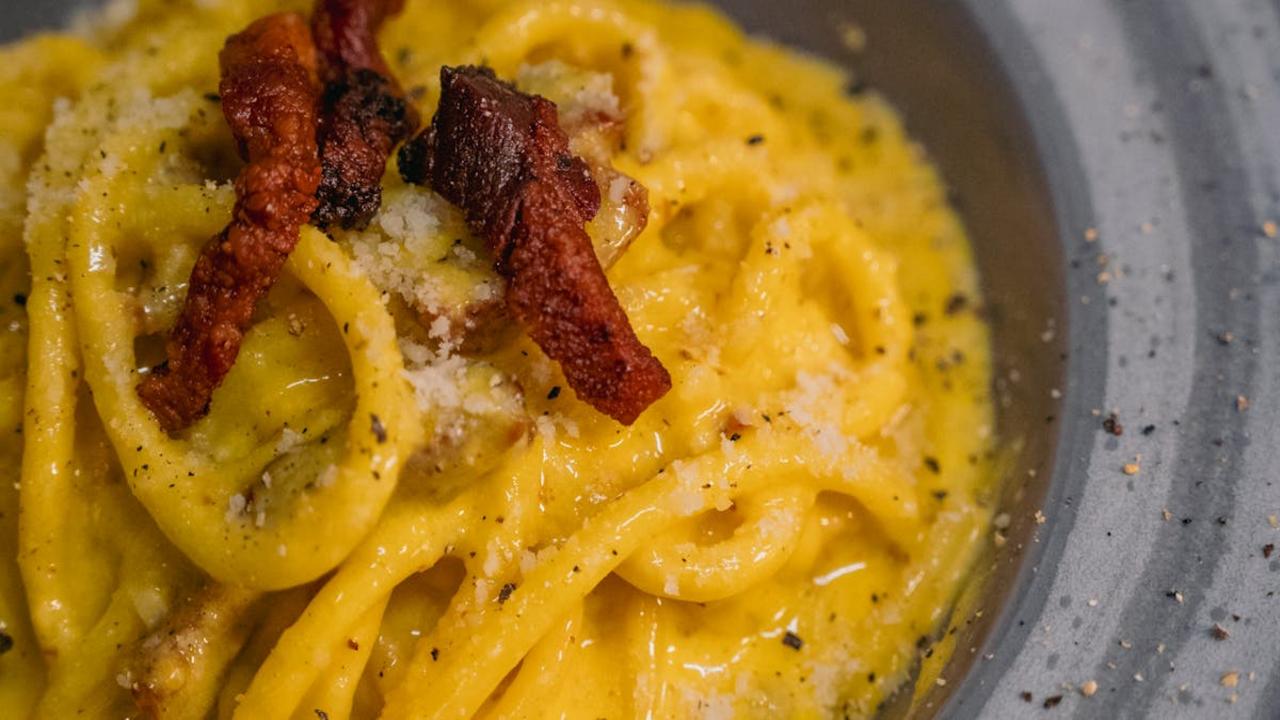
You know that moment when you’re slurping boxed wine straight from the glass (don’t judge) and suddenly realize you could transform that same liquid into restaurant-worthy sauce magic? Wine-based sauces are your secret weapon for turning Tuesday’s leftover chicken into something that would make French chefs weep tears of joy. The best part? You don’t need the fancy stuff – that $8 bottle of Cabernet sitting on your counter will work absolute wonders. Here’s a fun fact: professional kitchens often use cooking wine that costs less than what you’d spend on a decent lunch, because the alcohol cooks off anyway, leaving behind pure flavor gold.
Start with a simple pan sauce by deglazing whatever protein you just cooked with a splash of red or white wine – watch it sizzle and bubble like a science experiment gone deliciously right. Add butter, herbs, maybe some shallots if you’re feeling fancy, and boom – you’ve just created something that restaurants charge $28 for. White wine transforms into ethereal cream sauces that coat pasta like silk pajamas, while red wine becomes rich, velvety reductions that make even the driest pork chop sing opera. Pro tip: always keep a cheap bottle specifically for cooking, because using your good wine for sauce is like using cashmere as a napkin – technically possible, but your wallet will never forgive you.
Homemade Pasta
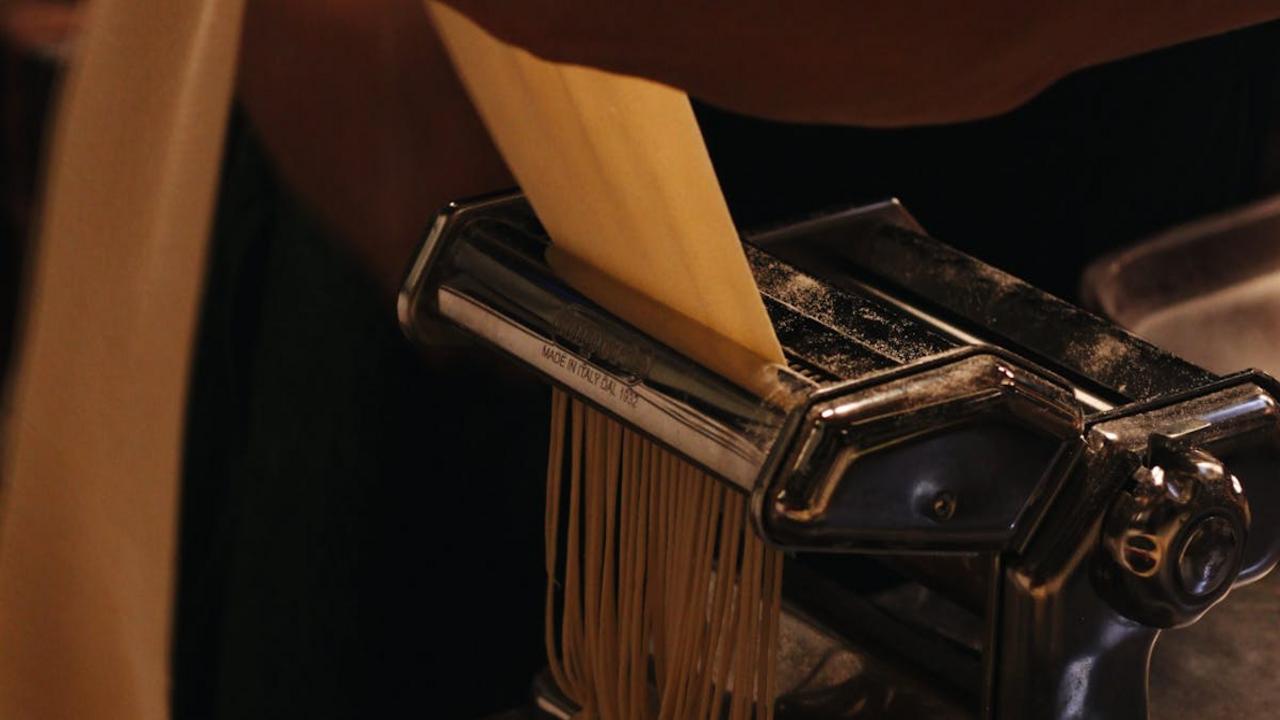
Making pasta from scratch transforms your kitchen into an Italian grandmother’s domain, and here’s the kicker—it costs about 50 cents per serving compared to $15 at that trendy restaurant down the street. You only need four ingredients: flour, eggs, a pinch of salt, and maybe some olive oil if you’re feeling fancy. The magic happens when you knead that dough until it becomes silky smooth, then roll it thin enough to read through (seriously, that’s the traditional test!). Fresh pasta cooks in just 2-3 minutes, and the texture? Absolutely divine—tender yet toothsome in a way that dried pasta from a box simply can’t match.
Here’s where things get fun: you can stuff it with leftover roast chicken and ricotta for ravioli, slice it into ribbons for fettuccine, or go wild with spinach for gorgeous green noodles that’ll make your Instagram followers weep with envy. Pro tip from my Italian neighbor Giuseppe: save that starchy pasta water! It’s liquid gold for creating silky sauces that cling to every strand. The best part? While restaurant pasta dishes often clock in at $18-25, your homemade version feeds four people for under five bucks. Plus, there’s something deeply satisfying about telling dinner guests, “Oh, I just whipped up some fresh pasta this afternoon”—like you’re some sort of domestic wizard who definitely has their life together.
Fresh Herbs and Garnishes

You know that moment when you order a $28 pasta dish at a fancy restaurant and think, “This tastes exactly like what I make at home, except somehow… better?” Nine times out of ten, the secret isn’t some mystical chef wizardry—it’s fresh herbs scattered on top like edible confetti. I learned this the hard way after spending years sprinkling dried oregano from a container older than my last relationship onto everything. Fresh basil, parsley, cilantro, and chives transform your humble Tuesday night spaghetti into something that looks like it belongs on Instagram. The best part? You can grow these green miracles on your windowsill for the cost of a single restaurant appetizer.
Here’s my favorite budget hack: buy one $3 bunch of fresh herbs at the grocery store, then immediately stick the stems in a glass of water like a tiny bouquet. They’ll stay fresh for weeks, and you can snip what you need. Bonus points if you plant the roots—cilantro and basil practically beg to multiply. A handful of chopped parsley makes scrambled eggs look gourmet, while fresh thyme turns roasted potatoes into a side dish worthy of applause. Even something as simple as torn basil leaves on pizza (yes, frozen pizza counts) makes you feel like you’ve got your life together. Trust me, your dinner guests will never guess you spent more time arranging the garnish than actually cooking.